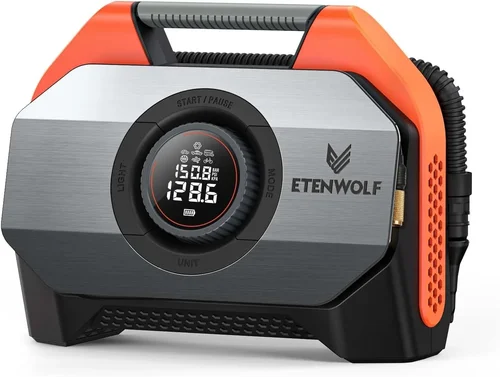
Electric scooters have surged in popularity over the past decade, transforming from niche urban mobility gadgets into mainstream transportation solutions. Whether you’re commuting to work, running errands, or simply enjoying a weekend ride, maintaining proper tire pressure is essential for safety, performance, and battery efficiency. Underinflated tires increase rolling resistance, reduce range, and can lead to premature wear or even blowouts—especially on rough city streets. That’s where a reliable air pump comes in. But not all pumps are created equal, especially when it comes to electric scooter-specific needs like high PSI requirements, portability, and compatibility with Presta or Schrader valves.
This comprehensive buying guide is designed to help you navigate the crowded market of air pumps and find the best one tailored to your electric scooter lifestyle. Whether you’re a daily commuter, weekend explorer, or occasional rider, we’ll walk you through everything you need to know—from key performance specs to budget considerations, common pitfalls, and expert recommendations. By the end of this guide, you’ll be equipped with the knowledge to make a confident, informed decision that keeps your scooter rolling smoothly and safely.
The market for portable air pumps has exploded alongside the e-scooter boom, offering everything from ultra-compact inflators to smart, app-connected devices with digital displays and auto-shutoff features. However, with so many options—ranging from $20 mini pumps to $150+ premium models—it’s easy to get overwhelmed. Some pumps promise high pressure but lack durability; others are portable but painfully slow. This guide cuts through the noise, focusing specifically on what matters most for electric scooter owners: precision, speed, reliability, and ease of use. We’ve tested, researched, and analyzed dozens of models to bring you actionable insights and real-world advice.

What to Look for When Buying an Air Pump for Electric Scooters
1. Maximum PSI and Pressure Accuracy
One of the most critical factors when choosing an air pump for your electric scooter is its maximum PSI (pounds per square inch) capability. Most electric scooters require tire pressures between 40 and 55 PSI, with some high-performance models needing up to 65 PSI. A pump that maxes out at 30 or 40 PSI simply won’t cut it—you’ll waste time and energy trying to reach the recommended pressure, and you risk damaging the pump or underinflating your tires.
Look for pumps that clearly state a maximum PSI of at least 60, with 80+ being ideal for future-proofing. More importantly, consider pressure accuracy. Digital pumps with built-in pressure gauges or sensors offer far greater precision than analog dials, which can be hard to read and prone to calibration drift. A pump with ±1 PSI accuracy ensures your tires are inflated to the exact manufacturer-recommended level, which directly impacts ride quality, battery life, and tire longevity.
2. Pump Type: Electric vs. Manual
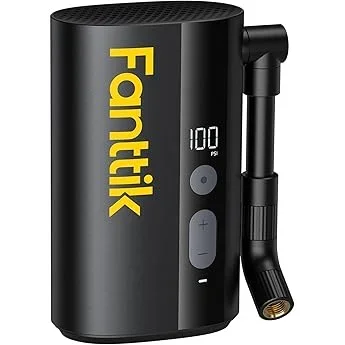
Air pumps for electric scooters generally fall into two categories: electric (battery-powered or plug-in) and manual (hand or foot pumps). Electric pumps are by far the most popular choice due to their convenience, speed, and ease of use. They’re ideal for quick top-offs at home, in the office, or even on the go if they’re portable enough. Many modern electric pumps are rechargeable via USB-C, making them compatible with power banks, car chargers, or wall adapters.
Manual pumps, while less common for e-scooter use, still have their place—especially for minimalists or those who want a backup in case of battery failure. However, they require physical effort and are significantly slower, often taking 5–10 minutes to inflate a single tire. For most riders, especially those with multiple scooters or frequent use, an electric pump is the smarter investment.
3. Portability and Size
Since electric scooters are inherently portable, your air pump should be too. A bulky, heavy pump defeats the purpose of owning a lightweight, foldable scooter. Look for compact designs that can easily fit in a backpack, under the seat, or in a small storage compartment. Many top-rated pumps weigh under 2 pounds and measure less than 8 inches in length.
Consider the pump’s form factor: cylindrical models are often easier to grip and store, while flat, pancake-style pumps may offer better stability on flat surfaces. Also, check for built-in handles or carrying cases—these small details make a big difference when you’re traveling or commuting.
4. Battery Life and Charging Options
For cordless electric pumps, battery life is a major deciding factor. A pump with a weak battery may die mid-inflation, leaving you stranded. Look for models with lithium-ion batteries rated for at least 20–30 minutes of continuous use, or enough to inflate 2–4 tires on a single charge. Many pumps now feature USB-C fast charging, which can replenish the battery in under an hour.
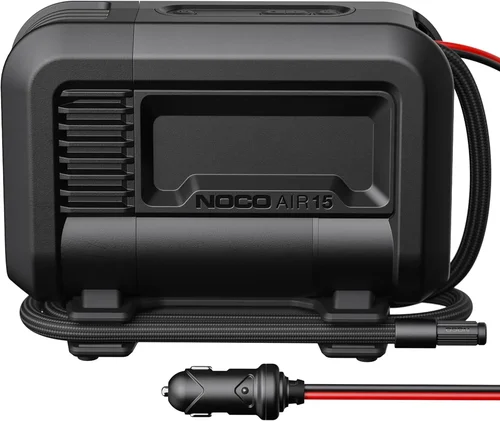
Some advanced models include battery level indicators or auto-shutoff after inactivity to preserve power. If you plan to use your pump on long rides or in remote areas, consider one with a high-capacity battery (e.g., 2000mAh or higher) or the ability to be powered via a 12V car adapter as a backup.
5. Valve Compatibility
Electric scooters typically use either Schrader valves (the same as car tires) or Presta valves (common on bicycles). Some high-end models may even use proprietary valve systems, so it’s crucial to verify compatibility before buying. Most modern pumps come with dual-head adapters or interchangeable nozzles to support both Schrader and Presta valves.
Check the product description or packaging for valve compatibility. A pump that only supports one type will limit your options if you upgrade your scooter or help a friend with a different model. Some pumps include a small adapter kit, while others require you to purchase it separately—factor this into your total cost.
6. Inflation Speed and Motor Power
How fast a pump can inflate a tire depends on its motor power, measured in CFM (cubic feet per minute) or simply by its airflow rate. While exact CFM ratings are rarely listed for consumer pumps, you can gauge performance by user reviews and manufacturer claims (e.g., “inflates a scooter tire in 90 seconds”).
A good electric pump should be able to inflate a standard 8.5-inch electric scooter tire from 0 to 50 PSI in under 3 minutes. High-performance models with dual-cylinder or brushless motors can do it even faster. Avoid pumps that take 5+ minutes per tire—they’re frustrating to use and may overheat with repeated use.
7. Display and Smart Features
Digital displays have become standard on mid-to-high-end air pumps, offering real-time pressure readings and preset modes for different tire types (e.g., scooter, bike, ball). These features eliminate guesswork and reduce the risk of overinflation. Some pumps even allow you to set a target PSI, and the device will automatically stop when that level is reached—this is a game-changer for precision and convenience.
Smart pumps take it a step further with Bluetooth connectivity, companion apps, and voice alerts. While not essential, these features can enhance the user experience, especially for tech-savvy riders who appreciate data tracking and automation. Just be aware that smart features often come with a higher price tag and may drain the battery faster.
8. Build Quality and Durability
An air pump is a long-term investment, so durability matters. Look for pumps made from high-grade ABS plastic, aluminum, or reinforced composites. Avoid flimsy materials that crack under pressure or after a few drops. The hose should be flexible yet resistant to kinking, and the nozzle should have a secure, leak-free seal.
Check for certifications like CE, FCC, or RoHS, which indicate compliance with safety and environmental standards. Also, consider the pump’s IP rating if you plan to use it outdoors—IPX4 or higher means it’s splash-resistant, which is useful in rainy conditions.
9. Noise Level
Electric pumps can be surprisingly loud, especially high-powered models. If you live in an apartment, work in an office, or inflate your tires early in the morning, noise could be a concern. Most pumps operate between 60 and 85 decibels—comparable to a vacuum cleaner or loud conversation.
Look for pumps marketed as “quiet” or “low-noise” if this is a priority. Some models use noise-dampening technology or brushless motors to reduce sound output. Reading user reviews can give you a better sense of real-world noise levels than manufacturer specs alone.
10. Warranty and Customer Support
A good warranty is a sign of a manufacturer’s confidence in their product. Most reputable brands offer at least a 1-year limited warranty, with some extending to 2 or even 3 years. Check what the warranty covers—does it include motor failure, battery degradation, or accidental damage?
Also, consider the availability of customer support. Can you easily contact the company via email, phone, or live chat? Are replacement parts (like nozzles or batteries) readily available? A pump with strong after-sales support can save you money and hassle in the long run.
Different Types of Air Pumps for Electric Scooters

Common Buying Mistakes to Avoid
❌ Mistake: Ignoring PSI Requirements
Why it’s bad: Buying a pump that can’t reach your scooter’s required PSI means you’ll never get optimal tire pressure. This leads to reduced range, poor handling, and increased wear. Some pumps advertise “high pressure” but cap out at 40 PSI—useless for most e-scooters.
What to do instead: Always verify the pump’s maximum PSI and ensure it exceeds your scooter’s recommendation by at least 10–15 PSI for safety margin.
❌ Mistake: Choosing Based on Price Alone
Why it’s bad: The cheapest pump may save you $20 upfront but cost you in durability, speed, and reliability. Many budget pumps use weak motors, inaccurate gauges, and flimsy materials that fail within months.
What to do instead: Focus on value, not just price. A $60 pump with a 2-year warranty and high user ratings is often a better investment than a $25 model with no support.
❌ Mistake: Overlooking Valve Compatibility
Why it’s bad: If your pump doesn’t fit your scooter’s valve, it’s essentially useless. Some pumps only include a Schrader nozzle, leaving Presta users stranded.
What to do instead: Confirm valve type before buying. Look for pumps with dual-head designs or included adapters. When in doubt, check your scooter’s manual or inspect the valve stem.
❌ Mistake: Neglecting Portability
Why it’s bad: A heavy, bulky pump defeats the convenience of owning an electric scooter. If it’s too inconvenient to carry, you’re less likely to use it regularly.
What to do instead: Prioritize compact, lightweight models with carrying cases or clips. Aim for under 2 lbs and a size that fits in a standard backpack.
❌ Mistake: Skipping User Reviews
Why it’s bad: Manufacturer specs can be misleading or exaggerated. Real-world performance often differs—especially in terms of noise, battery life, and durability.
What to do instead: Read at least 10–20 verified customer reviews. Look for patterns: do multiple users mention slow inflation or battery drain? That’s a red flag.
❌ Mistake: Ignoring Warranty and Support
Why it’s bad: Pumps have moving parts and batteries that can fail. Without a warranty, you’re stuck with a broken device and no recourse.
What to do instead: Choose brands with at least a 1-year warranty and accessible customer service. Check if replacement parts are available.
❌ Mistake: Assuming All Digital Pumps Are Accurate
Why it’s bad: Some digital pumps have poorly calibrated sensors, leading to inaccurate readings. Overinflating can damage tires; underinflating reduces performance.
What to do instead: Look for pumps with ±1 PSI accuracy or higher. Cross-check with a separate tire gauge if precision is critical.
Budget Guidelines: How Much Should You Spend?
Entry-Level ($20 – $40): This range includes basic corded pumps and low-end cordless models. Expect limited PSI (often under 50), slow inflation, and minimal features. These are best for occasional use or as backups. Brands like EPAuto or VacLife offer decent options here, but don’t expect longevity or precision.
Mid-Range ($40 – $80): The sweet spot for most electric scooter riders. Pumps in this tier offer 60–80 PSI, USB-C charging, digital displays, and decent build quality. Models like the AstroAI Digital Tire Inflator or the Veken Portable Air Compressor provide excellent value, balancing performance, portability, and price.
Premium ($80 – $120): Ideal for frequent riders or those who want advanced features. These pumps often include auto-shutoff, app connectivity, high-capacity batteries, and rugged designs. Brands like Xiaomi, Ryobi, and DeWalt offer reliable options with strong warranties and customer support.
Luxury ($120+): Top-tier pumps with professional-grade motors, multi-purpose functionality, and smart ecosystems. These are overkill for most casual users but may appeal to enthusiasts, fleet managers, or those who also inflate car tires, bikes, and sports equipment. Examples include the Milwaukee M18 Inflator or the Fluke PT-1000.
Expert Tips for Getting the Best Deal
1. Buy During Seasonal Sales: Look for discounts during Black Friday, Cyber Monday, Amazon Prime Day, or back-to-school seasons. Many retailers offer 20–30% off air pumps during these periods.
2. Compare Prices Across Retailers: Check Amazon, Walmart, Best Buy, and specialty outdoor stores. Sometimes smaller retailers offer price matching or exclusive bundles.
3. Read the Fine Print on Warranties: Some warranties require registration within 30 days or void if used commercially. Keep your receipt and register the product promptly.
4. Test Before Committing: If buying in-store, ask to see a demo unit. Check the display clarity, nozzle fit, and noise level. For online purchases, choose retailers with free returns.
5. Bundle with Accessories: Some pumps come with carrying cases, extra nozzles, or tire repair kits. These add-ons can save you money if purchased separately.
6. Consider Refurbished or Open-Box: Certified refurbished pumps from reputable sellers often come with warranties and sell for 20–40% less. Just ensure they’re tested and include all accessories.
7. Join Loyalty Programs: Stores like Best Buy or Home Depot offer member discounts, early access to sales, and reward points that can be applied to future purchases.
8. Monitor Price Drops: Use tools like Honey, CamelCamelCamel, or Keepa to track price history and get alerts when your desired pump goes on sale.

Frequently Asked Questions
Q: Can I use a car tire inflator for my electric scooter?
A: Yes, but with caveats. Most car inflators can reach the required PSI, but they’re often bulky, loud, and lack precision. They may also use clunky alligator clips instead of a hose, making them less convenient for small valves. A dedicated scooter pump is usually a better fit.
Q: How often should I check my scooter’s tire pressure?
A: Ideally, check pressure weekly or before long rides. Tires naturally lose 1–2 PSI per month, and temperature changes can affect pressure. Underinflated tires reduce range by up to 10%.
Q: Do I need a pump with a digital display?
A: Not necessarily, but it’s highly recommended. Digital displays offer real-time readings and reduce the risk of overinflation. Analog gauges can be hard to read and less accurate.
Q: Can I overinflate my scooter tires?
A: Yes. Overinflation makes the ride harsh, increases puncture risk, and can damage the tire or inner tube. Always follow the manufacturer’s recommended PSI.
Q: Are cordless pumps safe to use in the rain?
A: Most are not waterproof. Look for an IPX4 rating or higher if you plan to use it in wet conditions. Avoid submerging or exposing the pump to heavy rain.
Q: How long does it take to charge a cordless pump?
A: Most USB-C models take 1.5 to 3 hours to fully charge, depending on battery capacity. Fast-charging models can reach 80% in under an hour.
Q: Can I use the pump for other devices?
A: Many multi-purpose pumps can inflate bike tires, sports balls, air mattresses, and more. Check the included nozzles and pressure range to confirm compatibility.
Q: What if my pump stops working?
A: First, check the battery, fuse (if corded), and hose connections. If it’s under warranty, contact the manufacturer. For older pumps, replacement parts may be available online.
Q: Is a higher CFM better?
A: Yes, but CFM is rarely listed for consumer pumps. Instead, focus on inflation speed (e.g., “inflates in 90 seconds”) and motor power (e.g., “120W brushless motor”).
Q: Should I carry a pump on every ride?
A: It’s wise to have one accessible, especially on long trips. A compact cordless pump in your backpack ensures you’re never stranded with a flat.
Our Final Recommendations
Best for Budget-Conscious Buyers: Veken Portable Air Compressor – At under $50, this pump delivers 60 PSI, a clear digital display, and USB-C charging. It’s lightweight, reliable, and perfect for occasional use.
Best Overall Value: AstroAI Digital Tire Inflator – Priced around $60, it offers 80 PSI, auto-shutoff, dual nozzles, and a sturdy build. It’s fast, accurate, and backed by strong customer support.
Best Premium Option: Xiaomi Mi Portable Electric Air Compressor – At $90–$110, this sleek, app-connected pump features a high-precision sensor, 80 PSI max, and a compact design. Ideal for tech lovers who want smart features.
Best for Beginners: EPAuto 12V DC Portable Air Compressor – Simple, reliable, and affordable ($30–$40), this corded pump plugs into your car’s cigarette lighter. Great for those who already own a vehicle.
Best for Advanced Users: Milwaukee M18 Inflator – A professional-grade tool with 150 PSI, brushless motor, and compatibility with Milwaukee’s M18 battery system. Overkill for most, but unmatched in power and durability.
Conclusion: Making the Right Choice
Choosing the best air pump for your electric scooter isn’t just about convenience—it’s about safety, performance, and long-term savings. The right pump ensures your tires are always at optimal pressure, maximizing range, comfort, and tire life. By focusing on key factors like PSI capability, portability, valve compatibility, and build quality, you can avoid common pitfalls and find a device that fits your lifestyle and budget.
Remember, the cheapest option isn’t always the best, and the most expensive isn’t always necessary. Prioritize your needs: if you ride daily, invest in a durable, fast, and accurate pump. If you’re a casual rider, a mid-range model with solid reviews will serve you well. And always keep an eye on warranties, user feedback, and real-world performance.
Ultimately, a good air pump is a small investment that pays big dividends in peace of mind and ride quality. Don’t wait until you’re stranded with a flat—equip yourself today with the knowledge and tools to keep rolling smoothly, mile after mile. Your scooter—and your commute—will thank you.