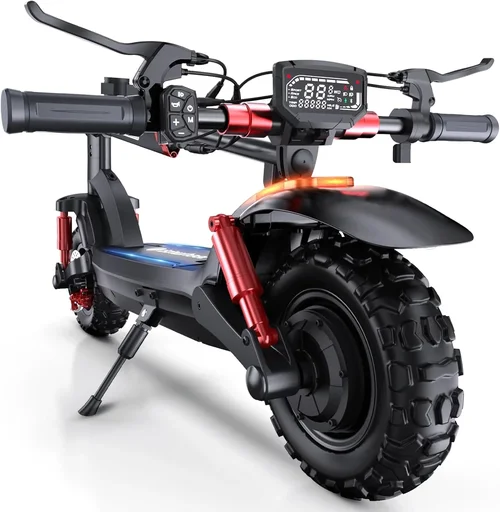
Electric scooters have evolved from niche urban curiosities into mainstream transportation solutions, and 2026 is shaping up to be a pivotal year for personal electric mobility. Whether you’re commuting to work, running errands around town, or simply exploring your city on two wheels, the right electric scooter can transform your daily routine. With advancements in battery technology, motor efficiency, and smart features, today’s models offer longer ranges, faster speeds, and greater reliability than ever before. However, with so many options flooding the market—from budget-friendly commuter scooters to high-performance off-road beasts—choosing the best one can feel overwhelming. That’s where this comprehensive buying guide comes in.
This guide is designed to cut through the noise and help you make an informed, confident decision based on your unique needs, lifestyle, and budget. We’ll walk you through every critical factor to consider, from performance specs and build quality to safety features and after-sales support. You’ll learn how to avoid common pitfalls, understand what different price tiers deliver, and discover expert tips for getting the best value. Whether you’re a first-time buyer or upgrading from an older model, our goal is to equip you with the knowledge to find the perfect electric scooter that fits seamlessly into your life.
The electric scooter market in 2026 is more competitive and innovative than ever. Major brands like Xiaomi, Segway-Ninebot, Gotrax, and Apollo are pushing boundaries with longer-lasting batteries, regenerative braking, app connectivity, and even AI-assisted ride modes. At the same time, new entrants are offering compelling value at lower price points. With regulations evolving in cities worldwide and infrastructure improving, now is an ideal time to invest in a personal electric vehicle. Let’s dive into what truly matters when choosing your next ride.

What to Look for When Buying Gotrax
1. Budget & Price Range
Your budget is the foundation of your buying decision. Electric scooters in 2026 span a wide spectrum—from under $300 for basic entry-level models to over $2,000 for premium, high-performance machines. Setting a realistic budget helps narrow your options and prevents overspending on features you don’t need. Consider not just the upfront cost but also long-term expenses like maintenance, replacement tires, and potential battery replacements after 2–3 years of heavy use.
A good rule of thumb: allocate at least 10–15% of the scooter’s price annually for upkeep. For example, a $600 scooter might cost $60–$90 per year in maintenance. If you’re on a tight budget, prioritize reliability and warranty coverage over flashy extras. Remember, the cheapest option isn’t always the most economical—poor build quality can lead to frequent repairs or early replacement.
2. Performance Specifications
Performance boils down to three core metrics: speed, range, and hill-climbing ability. Top speed typically ranges from 15 mph (24 km/h) for city commuters to 40+ mph (64+ km/h) for performance models. However, higher speeds often come at the expense of range due to increased power draw. Range—how far you can go on a single charge—is arguably more important for daily use. Most scooters offer 15–30 miles (24–48 km), but real-world conditions like rider weight, terrain, and weather can reduce this by 20–30%.
Motor power (measured in watts) directly impacts acceleration and incline performance. A 250W motor suits flat urban commutes, while 500W–800W motors handle moderate hills. For steep inclines or heavier riders, look for 1000W+ dual-motor setups. Always check the continuous (not peak) wattage, as peak ratings can be misleading. Torque matters too—higher torque means quicker starts and better hill climbs.
3. Build Quality & Durability
A scooter’s lifespan depends heavily on its construction. Look for aircraft-grade aluminum frames, reinforced folding mechanisms, and IP ratings for water and dust resistance (IP54 or higher is ideal for rainy climates). Check hinge locks, stem stability, and deck thickness—wobbly parts indicate poor engineering. Tires also play a crucial role: solid rubber tires are puncture-proof but offer less shock absorption, while air-filled pneumatic tires provide a smoother ride but require occasional inflation and are prone to flats.
Weight capacity is another durability factor. Most scooters support 220–300 lbs (100–136 kg), but exceeding this limit strains the motor and frame. If you’re near or above the limit, opt for reinforced models with dual suspension or heavy-duty builds. Real-world testing by users often reveals weaknesses not apparent in specs—always read verified buyer reviews.
4. Features & Functionality
Modern electric scooters come packed with features that enhance safety, convenience, and ride quality. Essential features include bright LED headlights and taillights with brake activation, responsive disc or drum brakes (avoid scooters with only electronic braking), and a clear, backlit LCD display showing speed, battery level, and mode. Regenerative braking, which recaptures energy during deceleration, can extend range by 5–10%.
Smart features are increasingly common: Bluetooth connectivity for app control, GPS tracking, anti-theft alarms, and customizable ride modes (eco, sport, walk mode). Some models even offer cruise control, turn signals, or integrated phone mounts. While these add convenience, they can also increase complexity and failure points—balance desirability with reliability.
5. Brand Reputation
Not all brands are created equal. Established names like Gotrax, Xiaomi, and Segway-Ninebot have proven track records for quality control, customer service, and parts availability. Newer or lesser-known brands may offer tempting prices but often lack consistent build standards or responsive support. Research brand history, read long-term user reviews, and check if they have local service centers or authorized repair partners.
Gotrax, for instance, has built a solid reputation for affordable, reliable commuter scooters with decent warranties and accessible customer service. They’re a great entry point for beginners. In contrast, niche performance brands may excel in speed but offer limited售后 support. Choose a brand that aligns with your expectations for longevity and service.
6. Warranty & Support
A strong warranty is a sign of manufacturer confidence. Most reputable brands offer 6–12 months of coverage, with premium models sometimes providing 18–24 months. Pay attention to what’s covered: motors, batteries, and controllers are critical components. Batteries, in particular, degrade over time—some brands offer prorated battery warranties or replacement programs.
Customer support responsiveness matters just as much. Can you easily reach a human? Are replacement parts readily available? Check forums and review sites for reports of slow repairs or denied claims. A scooter is only as good as the support behind it—especially when something goes wrong months after purchase.
7. Size & Portability
If you plan to carry your scooter on public transit, store it under a desk, or take it on trips, portability is key. Look for lightweight models (under 30 lbs / 13.6 kg) with compact folding designs. Measure the folded dimensions—some scooters fold smaller than others despite similar wheel sizes. Handlebar width and stem height also affect how easily it fits in car trunks or bike racks.
Wheels matter too: 6–8 inch wheels are lighter and more portable but less stable on rough terrain. Larger 10-inch wheels improve ride comfort but add bulk. Consider your storage space and transportation needs before prioritizing size over performance.
8. User Reviews & Ratings
Specs tell one story; real-world experience tells another. Always consult verified purchaser reviews on trusted platforms like Amazon, Best Buy, or specialized EV forums. Look for patterns: if multiple users report the same issue (e.g., battery draining fast, stem wobble), it’s likely a design flaw. Pay attention to long-term reviews (6+ months) to assess durability.
Watch video reviews for ride quality demonstrations—how it handles bumps, accelerates, and brakes. User photos can reveal build inconsistencies not visible in official images. Don’t rely solely on star ratings; read the text to understand context. A 4-star review with detailed pros and cons is more valuable than a vague 5-star rave.
Different Types of Gotrax
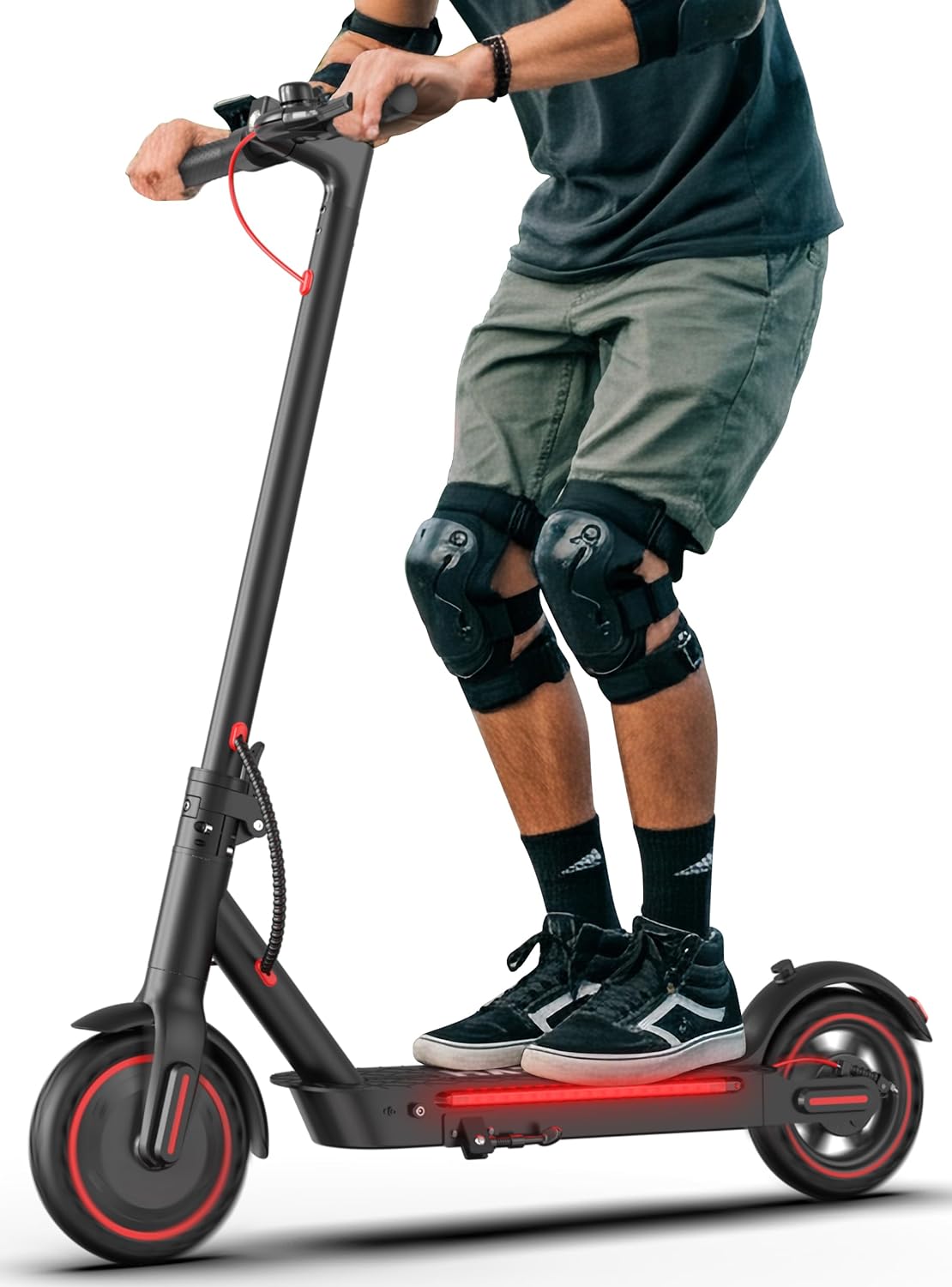
Common Buying Mistakes to Avoid
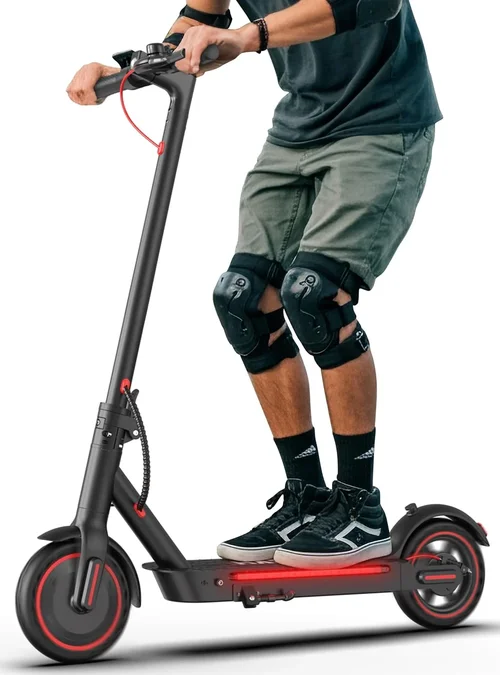
❌ Mistake: Ignoring Real-World Range Claims
Why it’s bad: Manufacturers often advertise range under ideal conditions—light rider, flat terrain, no wind. In reality, most users get 20–30% less. Relying on optimistic specs can leave you stranded.
What to do instead: Always subtract 25% from the advertised range. If you need 15 miles, choose a scooter rated for at least 20 miles. Check user reports for actual mileage under similar conditions.
❌ Mistake: Overlooking Braking Performance
Why it’s bad: Many budget scooters rely solely on electronic or foot brakes, which are ineffective at higher speeds or on wet surfaces. Poor braking increases accident risk.
What to do instead: Prioritize scooters with mechanical disc or drum brakes. Test braking distance if possible—good brakes should stop the scooter within 10–15 feet from 15 mph.
❌ Mistake: Choosing Based Solely on Price
Why it’s bad: The cheapest scooter often cuts corners on safety, durability, and support. You may end up replacing it within a year, costing more long-term.
What to do instead: View price as one factor among many. A mid-range scooter with better build quality and warranty often offers better value than a bargain model.
❌ Mistake: Neglecting Weight and Portability
Why it’s bad: A heavy or bulky scooter becomes a burden if you need to carry it upstairs or onto a bus. Many buyers regret not considering real-world handling.
What to do instead: Weigh the scooter yourself or check detailed specs. If portability matters, prioritize models under 30 lbs with one-hand folding.
❌ Mistake: Skipping the Test Ride
Why it’s bad: Specs don’t reveal ride feel—stability, vibration, comfort. A scooter that looks great on paper might be uncomfortable or wobbly in practice.
What to do instead: Visit local retailers or EV expos to test ride. If unavailable, watch detailed video reviews showing real-world handling.
❌ Mistake: Ignoring Local Laws and Regulations
Why it’s bad: Some cities restrict scooter speed, require helmets, or ban riding on sidewalks. Buying a high-speed model may make it illegal to use.
What to do instead: Research your local e-scooter laws before purchasing. Choose a model that complies with speed and equipment requirements.
❌ Mistake: Not Checking Battery Type and Lifespan
Why it’s bad: Cheap lithium-ion batteries degrade quickly, losing capacity after 300–500 cycles. Some brands use lower-quality cells that fail prematurely.
What to do instead: Look for scooters with branded batteries (e.g., Samsung, LG) and check warranty coverage. Avoid models with non-removable batteries unless the brand offers replacement programs.
Budget Guidelines: How Much Should You Spend?
- Entry-Level ($200–$400): Ideal for teens, short campus rides, or occasional use. Expect 10–15 mile range, 15 mph top speed, basic features, and limited hill-climbing. Build quality varies—stick to reputable brands like Gotrax or Razor. Great for learning the ropes without major investment.
- Mid-Range ($400–$800): The sweet spot for most commuters. Offers 15–25 mile range, 18–25 mph speeds, reliable brakes, better suspension, and smart features. Models like the Gotrax GXL V2 or Xiaomi Mi Electric Scooter Pro 2 excel here. Balanced performance, durability, and value.
- Premium ($800–$1,500): For serious riders who prioritize speed, range, and build quality. Dual motors, 30+ mile range, advanced suspension, and app integration are common. Suitable for daily 10+ mile commutes, hills, and varied terrain. Brands like Apollo, Segway, and Dualtron dominate this tier.
- Luxury ($1,500+): Top-tier performance with cutting-edge tech—40+ mph speeds, 40+ mile range, full suspension, off-road capability, and premium materials. Built for enthusiasts, long-distance travelers, or those who want the best. Expect exceptional durability but higher maintenance costs.

Expert Tips for Getting the Best Deal
- Buy During Off-Peak Seasons: Scooter sales dip in winter (November–February). Retailers often discount older models to clear inventory. Black Friday, Cyber Monday, and post-holiday sales offer the best deals.
- Shop Authorized Retailers: Buy from authorized dealers (Amazon, Best Buy, brand websites) to ensure warranty validity and avoid counterfeit products. Gray-market imports may lack support.
- Sign Up for Newsletters: Brands like Gotrax frequently offer exclusive discounts, early access to sales, or free shipping to subscribers. You might save 10–15% just by joining their email list.
- Check Refurbished or Open-Box Options: Certified refurbished scooters from reputable sellers often come with warranties and cost 20–30% less. Ideal for budget-conscious buyers who want higher-tier models.
- Read the Fine Print on Returns: Ensure the retailer offers at least a 14-day return window. Some charge restocking fees or exclude opened electronics—know the policy before buying.
- Test Before You Commit: If possible, rent or borrow a similar model for a day. Many cities have e-scooter sharing programs (Lime, Bird) that let you try different types risk-free.
- Negotiate Bundles: Some retailers offer free helmets, locks, or phone mounts with purchase. Ask if they can include accessories—it adds value without extra cost.
- Monitor Price Tracking Tools: Use tools like Honey, CamelCamelCamel, or Keepa to track price history and get alerts when your desired scooter drops in price.

Frequently Asked Questions
Q: How long do electric scooter batteries last?
A: Most lithium-ion batteries last 300–500 full charge cycles before capacity drops to 80%. With daily use, that’s typically 1.5–3 years. Proper care—avoiding full discharges, storing at 50% charge in winter, and not overcharging—can extend lifespan.
Q: Can I ride an electric scooter in the rain?
A: It depends on the IP rating. Scooters with IP54 or higher can handle light rain and splashes, but avoid deep puddles or heavy downpours. Never submerge the scooter. Wet conditions also reduce tire traction—ride cautiously.
Q: Do I need a license or insurance to ride?
A: In most U.S. states and many countries, no license is required for scooters under 20 mph. However, some cities mandate helmets, registration, or restrict riding areas. Check local laws—requirements vary widely.
Q: How fast can electric scooters go?
A: Speeds range from 15 mph (entry-level) to over 50 mph (high-performance models). Most commuter scooters cap at 18–25 mph for safety and legal compliance. Higher speeds require better brakes and suspension.
Q: Are electric scooters safe?
A: When used responsibly, yes. Wear a helmet, follow traffic rules, and avoid distracted riding. Choose scooters with reliable brakes, lights, and stable builds. Beginners should start in low-speed modes.
Q: Can I take my scooter on a plane?
A: Most airlines prohibit lithium batteries over 100Wh in checked luggage. Scooters with removable batteries under 160Wh may be allowed in carry-on, but policies vary. Always check with your airline beforehand.
Q: How do I maintain my electric scooter?
A: Regularly check tire pressure (if pneumatic), tighten bolts, clean the deck, and inspect brakes. Store in a dry place and charge the battery monthly if unused. Avoid extreme temperatures.
Q: What’s the difference between hub motors and belt drives?
A: Hub motors are integrated into the wheel—simple, quiet, and low-maintenance. Belt drives use a belt and pulley system—often more powerful and serviceable but require occasional belt replacement. Most modern scooters use hub motors.
Q: Can I upgrade my scooter’s battery?
A: Some models allow battery upgrades, but it’s risky. Modifying the battery can void warranties, cause overheating, or damage the controller. Only attempt with expert guidance or manufacturer-approved kits.
Q: Is Gotrax a reliable brand?
A: Yes, Gotrax is known for affordable, dependable commuter scooters with solid customer support and accessible replacement parts. They’re a top choice for beginners and budget buyers seeking reliability without premium pricing.
Our Final Recommendations
- Best for Budget-Conscious Buyers: Gotrax GXL V2 – At around $400, it offers 16 mph speed, 12-mile range, disc brake, and a sturdy build. Perfect for students and short commutes.
- Best Overall Value: Xiaomi Mi Electric Scooter Pro 2 – Combines 28-mile range, 15.5 mph speed, app connectivity, and excellent build quality under $700. A proven favorite among commuters.
- Best Premium Option: Apollo Explore – With 34-mile range, 28 mph top speed, dual suspension, and IP55 rating, it’s ideal for serious riders who want performance and comfort.
- Best for Beginners: Gotrax GKS – Designed for kids and new riders, it features a low deck, 10 mph speed limit, and simple controls. Safe, lightweight, and under $300.
- Best for Advanced Users: Dueltron Thunder 2 – A powerhouse with 70 mph top speed, 75-mile range, and full off-road capability. Built for thrill-seekers and long-distance explorers.
Conclusion: Making the Right Choice
Choosing the best electric scooter in 2026 isn’t about finding the fastest or most feature-packed model—it’s about matching the scooter to your lifestyle, needs, and budget. We’ve covered everything from performance specs and build quality to smart shopping strategies and common pitfalls. Remember: a great scooter is one that you’ll actually use, maintain, and enjoy for years to come.
Prioritize reliability over flashy features, read real user reviews, and never skip the test ride if possible. Whether you’re commuting across town, exploring trails, or teaching your teen to ride, there’s a perfect scooter out there for you. Use this guide as your roadmap, and you’ll ride away confident in your decision.
Ready to make the switch? Start by defining your must-have features, set a realistic budget, and explore our top recommendations. The future of personal mobility is electric—and it starts with your next ride.