Electric bikes have revolutionized personal transportation, and among the most exciting innovations in recent years are fat e-bikes. These rugged, high-traction machines combine the power of an electric motor with oversized tires—typically 3.8 inches or wider—designed to conquer sand, snow, mud, gravel, and even urban potholes with ease. As we look ahead to 2026, the fat e-bike market has matured significantly, offering more refined designs, longer battery life, smarter integration, and better value than ever before.
Whether you’re an outdoor adventurer seeking off-grid exploration, a commuter tired of dodging potholes in winter weather, or simply someone who wants a fun, stable ride that handles any terrain, a fat e-bike could be your perfect match. But with so many models flooding the market—from budget-friendly imports to premium performance machines—it’s easy to feel overwhelmed. That’s where this comprehensive buying guide comes in. We’ll walk you through every critical factor you need to consider, compare top categories, highlight common pitfalls, and deliver expert-backed recommendations to help you make a confident, informed purchase.
From understanding motor power and battery range to evaluating frame materials and real-world durability, this guide covers everything you need to know. You’ll learn how to balance cost with capability, avoid overpaying for unnecessary features, and find the ideal fat e-bike that fits your lifestyle, terrain, and budget. By the end, you won’t just know which fat e-bike to buy—you’ll understand why it’s the right choice for you.

What to Look for When Buying a Fat E-Bike
1. Motor Power & Type
The motor is the heart of any e-bike, and on a fat e-bike, it needs to be robust enough to handle the added rolling resistance of those wide tires. Most fat e-bikes use either hub motors (located in the front or rear wheel) or mid-drive motors (mounted near the pedals). Hub motors are simpler, quieter, and generally more affordable, making them common on entry-level and mid-range models. Mid-drive motors offer better weight distribution, improved hill-climbing ability, and more natural pedal assist—but they’re typically found on higher-end bikes.
Motor power is measured in watts (W), and for fat e-bikes, you’ll commonly see ratings between 500W and 1000W. In the U.S., federal law limits e-bikes to 750W for Class 1 and Class 3 models, though many manufacturers offer “off-road” or “dual-mode” bikes with higher outputs that can be unlocked for private property use. A 750W motor is sufficient for most riders on flat terrain or moderate hills, but if you plan to tackle steep inclines, carry heavy loads, or ride in deep snow or sand, consider stepping up to a 1000W model.
2. Battery Capacity & Range
Battery capacity is measured in watt-hours (Wh), which tells you how much energy the battery can store. A higher Wh rating generally means longer range, but real-world performance depends on terrain, rider weight, assist level, and tire pressure. Most fat e-bikes come with batteries ranging from 400Wh to 900Wh. For casual commuting or weekend trail rides, a 500–600Wh battery should provide 30–50 miles of range on moderate assist. However, if you’re planning multi-day adventures or riding in cold weather (which reduces battery efficiency), aim for 700Wh or more.
Lithium-ion (Li-ion) batteries are standard and offer good energy density, longevity, and low self-discharge. Look for removable batteries—they make charging easier and allow you to carry a spare for extended trips. Also check the charger specs: a fast charger (3A or higher) can recharge a 600Wh battery in under 4 hours, while slower 2A chargers may take 6–8 hours.
3. Frame Material & Build Quality
Fat e-bikes endure more stress than regular e-bikes due to their heavy tires and off-road use, so frame integrity is non-negotiable. Aluminum alloy is the most common material—it’s lightweight, corrosion-resistant, and strong enough for daily abuse. High-end models may use hydroformed aluminum for better tube shaping and weight savings. Steel frames are heavier but offer superior shock absorption and durability, making them ideal for rugged conditions (though they’re rare on modern e-bikes due to weight concerns).
Pay attention to weld quality, cable routing (internal is cleaner and more protected), and component integration. A well-built frame will have reinforced dropouts, sturdy fork crowns, and clean, precise welds. Avoid bikes with flimsy-looking joints or excessive flex when tested—this can lead to premature failure, especially under load.
4. Tire Size & Tread Pattern
Fat tires aren’t just about width—they’re about traction, comfort, and terrain adaptation. Standard fat tires range from 4.0″ to 5.0″ wide, with 4.5″ being a sweet spot for versatility. Wider tires (like 5.0″) offer maximum flotation on sand or snow but add weight and rolling resistance. Narrower 4.0″ tires roll faster on pavement but may lack grip in loose conditions.
Tread pattern matters too. Knobby, aggressive treads excel off-road but create noise and drag on pavement. Semi-slick or hybrid treads offer a compromise—quieter on roads while still providing decent trail grip. Some premium models feature tubeless-ready tires, which reduce puncture risk and allow lower pressures for better cushioning.
5. Suspension System
While not all fat e-bikes come with suspension, it’s highly recommended for off-road or rough-terrain riding. Front suspension forks absorb bumps and improve control, especially on trails or uneven pavement. Look for forks with at least 100mm of travel and adjustable preload or lockout features. Some high-end models include rear suspension for full-suspension comfort, though this adds complexity and cost.
Rigid forks (no suspension) are lighter and require less maintenance, making them suitable for city commuting or smooth paths. However, on rocky trails or snowy roads, even a basic suspension fork can dramatically improve ride quality and reduce fatigue.
6. Braking Performance
With added weight from the motor, battery, and fat tires, stopping power is critical. Mechanical disc brakes are common on budget models but require more hand effort and wear faster. Hydraulic disc brakes offer superior modulation, consistent performance in wet conditions, and less maintenance—making them the gold standard for fat e-bikes.
Look for 180mm or larger rotors for better heat dissipation and stopping force. Dual-piston calipers are standard; four-piston setups are overkill for most riders but appear on high-performance models. Always test braking responsiveness during a demo ride—delayed or spongy brakes are a red flag.
7. Display & Connectivity Features
The display is your interface with the bike’s electronics. Basic LCD screens show speed, battery level, and assist mode. Mid-range models add trip data, odometer, and backlighting. Premium bikes feature color TFT displays with GPS navigation, smartphone integration (via Bluetooth or ANT+), ride tracking, and even firmware updates.
Connectivity features like app syncing allow you to monitor battery health, lock/unlock the bike remotely, or customize assist profiles. While not essential, these extras enhance usability and future-proof your investment. Ensure the display is readable in direct sunlight and protected from water ingress (IP65 rating or higher is ideal).
8. Weight & Portability
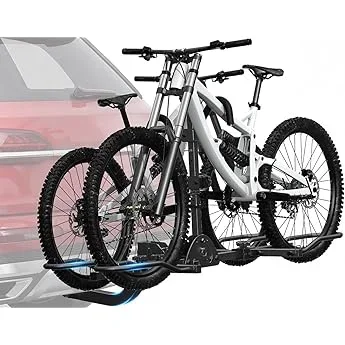
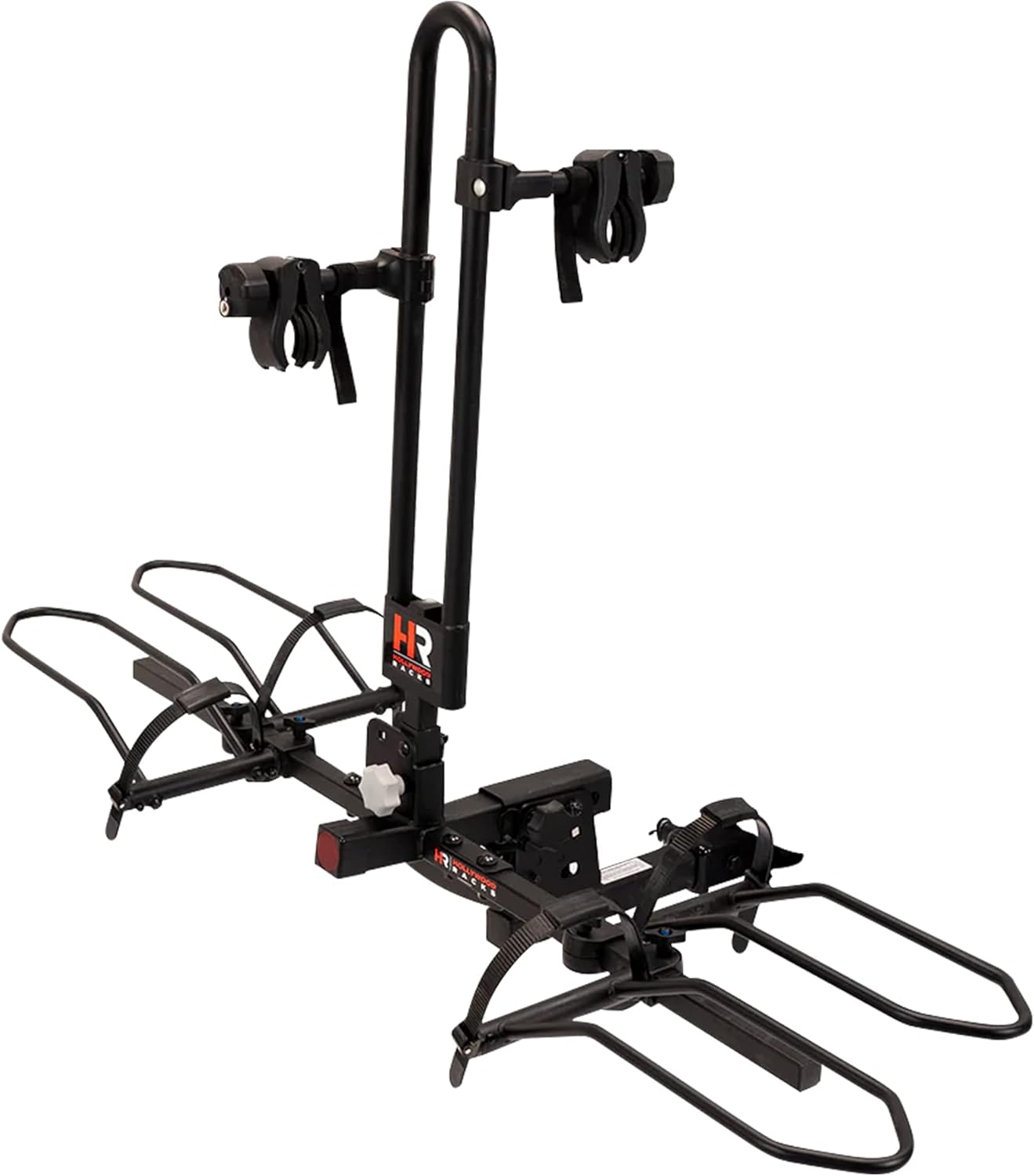
Fat e-bikes are inherently heavy—most weigh between 60 and 85 pounds due to the motor, battery, and reinforced frame. This affects maneuverability, storage, and transport. If you need to carry the bike upstairs or load it onto a car rack, consider models under 70 lbs or those with folding frames (though true fat folding e-bikes are rare and often compromise on stability).
Check if the bike includes features like integrated racks, fenders, or kickstands—these add convenience but also weight. For urban riders, a lighter build with practical accessories may outweigh raw off-road capability.
Different Types of Fat E-Bikes
Common Buying Mistakes to Avoid
❌ Mistake: Prioritizing Price Over Build Quality
Why it’s bad: Cheap fat e-bikes often use low-grade motors, weak frames, and unreliable batteries that fail within a year. You’ll end up spending more on repairs or replacements than if you’d bought a mid-range model upfront.
What to do instead: Set a realistic budget that accounts for long-term value. A $1,800 bike with a reputable brand and solid components will outlast and outperform a $1,000 no-name model.
❌ Mistake: Ignoring Real-World Range Claims
Why it’s bad: Manufacturers often quote “up to” range figures based on ideal conditions (flat terrain, low assist, lightweight rider). In reality, cold weather, hills, and high assist can cut range by 40–60%.
What to do instead: Divide the advertised range by 1.5 to estimate real-world performance. If you need 40 miles, look for a bike rated for 60+ miles.
❌ Mistake: Overlooking Local Laws and Regulations
Why it’s bad: Some states or cities restrict e-bike power, speed, or where they can be ridden. A 1000W bike might be illegal on public roads in your area, limiting its usability.
What to do instead: Check your local e-bike laws before buying. Stick to Class 1 or Class 3 compliant models unless you have private land access.
❌ Mistake: Skipping the Test Ride
Why it’s bad: Fat e-bikes handle differently than regular bikes—wider tires affect steering, braking, and balance. What looks good on paper might feel unstable or sluggish in person.
What to do instead: Always test ride before purchasing. Pay attention to steering responsiveness, brake feel, and comfort over bumps.
❌ Mistake: Neglecting After-Sales Support
Why it’s bad: E-bikes require specialized maintenance. If the brand has no local dealers or poor customer service, you could be stranded with a broken bike.
What to do instead: Choose brands with strong U.S. or regional support networks, clear warranty terms, and accessible spare parts.
❌ Mistake: Buying Based Solely on Aesthetics
Why it’s bad: A sleek design doesn’t guarantee performance. Some visually striking bikes cut corners on critical components like brakes or battery management systems.
What to do instead: Focus on specs and reviews first, then consider style. Functionality should always trump form.
❌ Mistake: Forgetting About Storage and Transport
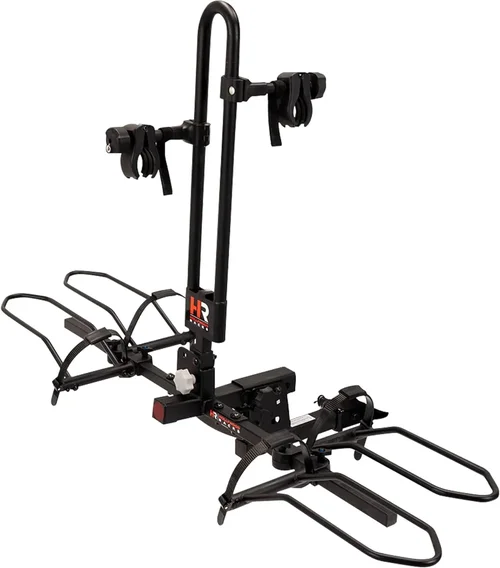
Why it’s bad: An 80-pound bike is hard to store in an apartment or lift onto a car rack. Many buyers regret not considering logistics until after delivery.
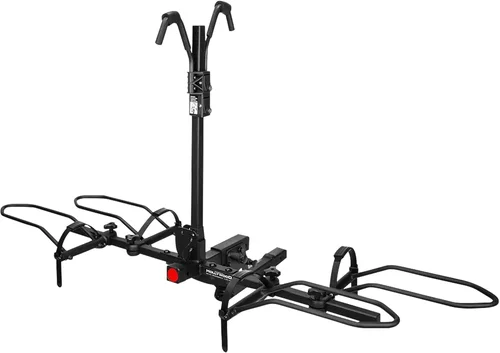
What to do instead: Measure your storage space and plan how you’ll transport the bike. Consider wall mounts, lightweight models, or trailers if needed.
Budget Guidelines: How Much Should You Spend?
Entry-Level ($800 – $1,500): These bikes are great for beginners or occasional riders. Expect basic 500W hub motors, 400–500Wh batteries, mechanical disc brakes, and minimal features. Brands like Ancheer, ECOTRIC, and Swagtron dominate this space. While functional, they may lack durability for daily or off-road use.
Mid-Range ($1,500 – $3,000): This is the sweet spot for most buyers. You’ll find 750W motors, 600–750Wh batteries, hydraulic disc brakes, front suspension, and better displays. Models from Rad Power Bikes, Aventon, and Lectric offer excellent value with reliable performance for commuting, light trails, and weekend adventures.
Premium ($3,000 – $5,000): Designed for enthusiasts and serious riders, these bikes feature mid-drive motors, high-capacity batteries (800Wh+), full suspension options, premium components (Shimano, SRAM), and advanced connectivity. Ideal for long-distance touring, mountain trails, or cargo hauling.
Luxury ($5,000+): Top-tier machines from brands like Riese & Müller, Benno, or custom builders. Expect carbon frames, dual batteries, integrated lighting, smart systems, and bespoke craftsmanship. These are for collectors, professionals, or those who demand the absolute best.
Expert Tips for Getting the Best Deal
- Shop during off-season sales: Winter and early spring often bring discounts as retailers clear inventory for new models.
- Compare direct-to-consumer vs. local dealers: Online brands (like Rad or Lectric) offer lower prices, but local shops provide test rides and service. Some offer price matching.
- Look for bundle deals: Many brands include free accessories (rack, fenders, phone mount) during promotions—these can save $100+.
- Check warranty coverage: Aim for at least 1 year on the whole bike and 2 years on the battery. Extended warranties are worth it for premium models.
- Read verified buyer reviews: Focus on feedback about reliability, customer service, and real-world range—not just star ratings.
- Consider certified pre-owned: Some dealers sell refurbished e-bikes with warranties at 20–30% off retail.
- Negotiate add-ons: If buying in-store, ask for free assembly, tune-ups, or accessory discounts.
- Verify return policies: Ensure you can return the bike within 14–30 days if it doesn’t meet expectations.

Frequently Asked Questions
Q: Can fat e-bikes be ridden on regular bike paths?
A: Yes, most fat e-bikes are legal on bike paths if they comply with local e-bike classifications (typically Class 1 or 3). However, their width may make them less maneuverable in crowded areas. Always check local regulations.
Q: Do fat tires wear out faster than regular tires?
A: Not necessarily. While they have more surface area, modern fat tires use durable rubber compounds. Tread life depends more on riding conditions and maintenance than tire width alone.
Q: Are fat e-bikes good for hills?
A: Absolutely—especially models with high-torque motors (80+ Nm) and low gear ratios. The wide tires provide excellent traction on loose or steep inclines where regular e-bikes might slip.
Q: How do I maintain a fat e-bike?
A: Regular cleaning (especially after muddy rides), checking tire pressure, lubricating the chain, and inspecting brake pads are key. Have the motor and battery serviced annually by a certified technician.
Q: Can I convert my regular bike to a fat e-bike?
A: Technically yes, but it’s rarely practical. Fat tires require specific forks, frames, and hubs. Conversion kits exist but often compromise safety and performance.
Q: Do fat e-bikes work in snow?
A: Yes! Their low-pressure tires act like snowshoes, providing flotation and grip. Pair with studded tires for icy conditions.
Q: How long do fat e-bike batteries last?
A: Most Li-ion batteries retain 80% capacity after 500–800 charge cycles (roughly 2–4 years of daily use). Proper storage (keep at 30–60% charge in cool temps) extends lifespan.
Q: Are fat e-bikes safe for beginners?
A: With proper training, yes. Their stability makes them forgiving, but the added weight and power require practice. Start in low-assist mode and avoid high speeds until confident.
Q: Can I ride a fat e-bike in the rain?
A: Most are water-resistant (IPX4 or higher), but avoid submerging the battery or motor. Dry thoroughly after wet rides to prevent corrosion.
Q: What’s the difference between a fat e-bike and a mountain e-bike?
A: Mountain e-bikes use standard-width tires (2.2”–2.8”) and are optimized for trail agility. Fat e-bikes prioritize traction and comfort on soft or unstable surfaces, sacrificing some speed and handling precision.
Our Final Recommendations
Best for Budget-Conscious Buyers: Lectric XP Fat Tire – At under $1,200, it delivers 750W power, 48V 13Ah battery, hydraulic brakes, and foldable design. Perfect for urban adventurers who want fat tire capability without breaking the bank.
Best Overall Value: Rad Power Bikes RadRover 6 Plus – Priced around $1,999, it offers a balanced mix of power (750W), range (45+ miles), build quality, and customer support. Ideal for commuters and light off-roaders.
Best Premium Option: Aventon Aventure.2 – With a 750W motor, 720Wh battery, torque sensor, and premium components, this $2,799 bike excels in both city and trail environments. Sleek design meets serious performance.
Best for Beginners: ECOTRIC Fat Tire Electric Bike – Simple operation, reliable 750W motor, and included accessories make this $1,299 model a stress-free entry point for new riders.
Best for Advanced Users: Benno Boost E+ 10D – Featuring a Bosch Performance Line motor, 625Wh battery, and cargo-ready design, this $4,499 beast handles heavy loads and technical terrain with ease.
Conclusion: Making the Right Choice
Choosing the right fat e-bike isn’t just about picking the most powerful or stylish model—it’s about aligning your purchase with your actual needs, terrain, and lifestyle. Whether you’re navigating snowy city streets, exploring coastal dunes, or hauling groceries across town, there’s a fat e-bike built for your journey.
Remember to prioritize core factors like motor torque, battery capacity, braking performance, and build quality over flashy extras. Test ride whenever possible, read real user reviews, and don’t hesitate to invest a little more for reliability and support. The right fat e-bike will reward you with years of adventure, convenience, and joy—turning every ride into an opportunity to explore further, go faster, and experience the world in a whole new way.
Now that you’re armed with expert knowledge, it’s time to take the next step. Visit a local dealer, compare your top contenders, and trust your instincts. Your perfect fat e-bike is out there—ready to carry you wherever the road (or trail) may lead.