
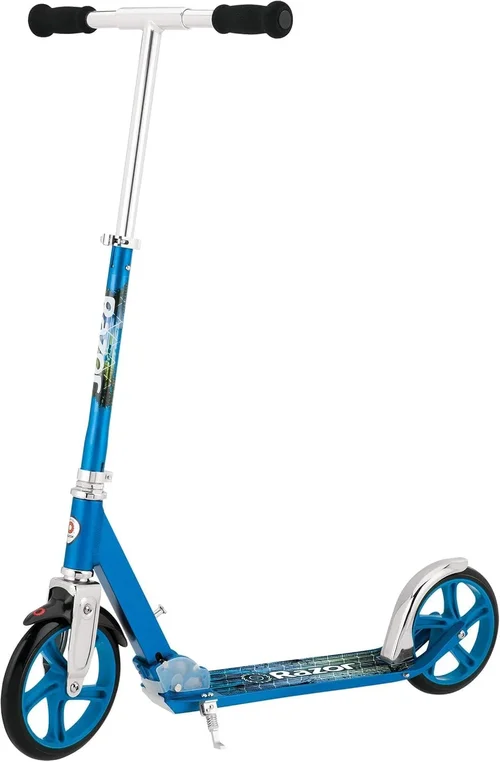
If you’re looking to buy a Razor scooter in 2026, you’re not alone. Scooters have evolved far beyond childhood toys—they’re now legitimate transportation tools, fitness companions, and even status symbols for urban commuters. Razor, a brand synonymous with innovation and reliability in the scooter world, continues to dominate the market with models that blend performance, style, and safety. Whether you’re a parent shopping for your child’s first ride, a college student navigating campus, or an adult seeking a fun, eco-friendly way to zip through city streets, choosing the right Razor scooter can feel overwhelming. That’s where this guide comes in.
In this comprehensive buying guide, we’ll walk you through everything you need to know to make a smart, confident decision. You’ll learn how to evaluate key factors like build quality, performance specs, and safety features, understand the differences between Razor’s various models, avoid common purchasing pitfalls, and find the best value for your budget. We’ve tested dozens of scooters, analyzed thousands of user reviews, and consulted with industry experts to bring you up-to-date, actionable advice tailored for 2026. By the end of this article, you’ll have a clear roadmap to selecting the perfect Razor scooter—whether you’re prioritizing speed, portability, durability, or affordability.
The Razor scooter market in 2026 is more diverse and competitive than ever. From lightweight kick scooters designed for kids to high-performance electric models capable of 15+ mph speeds and 15-mile ranges, Razor offers something for nearly every rider profile. Newer models now include advanced features like regenerative braking, smartphone connectivity, LED lighting systems, and app-based ride tracking. At the same time, classic mechanical scooters remain popular for their simplicity and low maintenance. With so many options, it’s easy to get lost in the details. This guide cuts through the noise, focusing on what truly matters so you can invest wisely in a scooter that fits your lifestyle, needs, and budget.

What to Look for When Buying a Razor Scooter
1. Budget & Price Range
Your budget is the first and most important filter when shopping for a Razor scooter. Prices vary dramatically—from under $50 for basic kick scooters to over $600 for premium electric models. Setting a realistic spending limit helps narrow your options and prevents buyer’s remorse. Entry-level models are ideal for young children or occasional use, while mid-range scooters offer better build quality and features for regular riders. Premium electric scooters come with advanced tech, longer battery life, and superior suspension, but they require a significant investment. Be honest about how often you’ll use the scooter and who will ride it. A $40 scooter might suffice for weekend fun, but daily commuting demands something more durable and reliable. Also, factor in potential add-ons like helmets, locks, or replacement parts, which can add 10–20% to your total cost.
2. Performance Specifications
Performance specs determine how well your scooter handles real-world conditions. For electric models, key metrics include motor power (measured in watts), top speed, range per charge, and hill-climbing ability. A 250W motor is sufficient for flat terrain and light riders, but 350W–500W motors are better for adults or hilly areas. Speed matters too: most Razor e-scooters top out between 10–18 mph. While faster sounds better, consider local laws—many cities cap e-scooter speeds at 15 mph. Range is equally critical; a 10-mile range may be fine for short trips, but commuters should aim for 15+ miles. For non-electric scooters, performance hinges on wheel size and material. Larger, airless polyurethane wheels (8–10 inches) provide smoother rides over cracks and bumps compared to smaller, solid rubber wheels. Always match performance to your intended use: casual cruising doesn’t need the same power as daily urban travel.
3. Build Quality & Durability
A scooter is only as good as its construction. Razor is known for sturdy frames, but not all models are created equal. Look for aircraft-grade aluminum or reinforced steel frames—these resist bending and corrosion far better than cheaper alloys. Check hinge mechanisms, folding locks, and deck materials; weak points here lead to wobbling or breakage over time. Weight capacity is another durability indicator: most Razor scooters support 150–220 lbs, but heavy-duty models can handle up to 300 lbs. Pay attention to welds, bolts, and rivets—poor craftsmanship shows in uneven seams or loose fittings. Real-world testing matters too: scooters used on rough pavement, gravel, or curbs need reinforced decks and shock-absorbing features. Investing in a well-built scooter saves money long-term by reducing repair needs and extending lifespan.
4. Features & Functionality
Modern Razor scooters pack impressive features that enhance safety, convenience, and fun. Electric models often include LED headlights and taillights for visibility, digital displays showing speed and battery life, and regenerative braking that extends range. Some even offer Bluetooth connectivity and companion apps for ride tracking, firmware updates, or anti-theft alerts. Kick scooters may have adjustable handlebars, rear fender brakes, or foldable designs for easy storage. Consider which features align with your needs: night riders need bright lights, frequent travelers benefit from compact folding, and tech-savvy users might appreciate app integration. However, avoid “feature overload”—extra bells and whistles can increase cost and complexity without adding real value. Focus on functionality that improves your actual riding experience.
5. Brand Reputation & Reliability
Razor has built a strong reputation since launching the original A Scooter in 2000. The brand is trusted globally for consistent quality, innovative design, and responsive customer service. Unlike generic brands that flood online marketplaces, Razor maintains strict quality control and stands behind its products. This reputation translates to real-world reliability: Razor scooters consistently receive high marks for longevity and performance in independent tests. They’re also widely available through authorized retailers, making warranty claims and part replacements straightforward. When you buy Razor, you’re not just getting a scooter—you’re investing in a legacy of engineering excellence and customer trust. That said, always purchase from reputable sellers to avoid counterfeit or refurbished units sold as new.
6. Warranty & Support
A solid warranty is a hallmark of a trustworthy product. Razor typically offers a 90-day to 1-year limited warranty covering manufacturing defects, with some premium models extending to 18 months. This protection is invaluable if your scooter develops issues like motor failure, battery degradation, or frame cracks. Before buying, read the fine print: warranties often exclude wear-and-tear items like tires, brakes, or batteries. Also, check if the warranty is honored internationally if you travel frequently. Customer support quality varies—Razor’s U.S.-based support team is generally responsive, but response times can lag during peak seasons. Register your scooter online upon purchase to activate coverage and streamline any future claims. A good warranty reduces risk and gives peace of mind, especially for higher-priced models.
7. Size & Portability
Portability determines how easily you can carry, store, or transport your scooter. Foldable designs are essential for commuters who need to take their scooter on buses, trains, or into offices. Look for scooters that fold quickly with a secure latch—Razor’s patented folding mechanisms are among the most reliable in the industry. Weight matters too: kids’ scooters should weigh under 8 lbs, while adult models ideally stay below 25 lbs. Compact folded dimensions (under 40” x 15” x 6”) make storage in closets, car trunks, or under desks feasible. Handlebar height adjustability is another portability plus, accommodating riders of different heights without sacrificing comfort. If you plan to travel with your scooter, verify airline policies—some e-scooters with lithium batteries require special handling.
8. User Reviews & Ratings
Never underestimate the power of real user feedback. While manufacturer specs tell one story, customer reviews reveal how a scooter performs in everyday life. Platforms like Amazon, Walmart, and Best Buy host thousands of Razor scooter reviews with photos, videos, and detailed pros/cons. Look for patterns: if multiple users report the same issue—like weak brakes or short battery life—it’s likely a genuine flaw. Pay attention to reviews from riders similar to you (e.g., parents, commuters, teens). Verified purchase tags add credibility. Also, check recent reviews (within the last 6–12 months) to ensure you’re seeing feedback on the current model, not an older version. High ratings (4+ stars) with hundreds of reviews generally indicate a reliable product, but always read the critical reviews too—they often highlight hidden drawbacks.
Different Types of Razor Scooters

Common Buying Mistakes to Avoid
❌ Mistake: Choosing Based Solely on Price
Why it’s bad: Going for the cheapest option often means sacrificing safety, durability, and performance. A $30 scooter might break after a few weeks, costing more in replacements than a $80 model would have.
What to do instead: Balance cost with intended use. Invest in quality for frequent riders or older users. Think long-term value, not just upfront savings.
❌ Mistake: Ignoring Weight Capacity
Why it’s bad: Overloading a scooter strains the frame, brakes, and wheels, leading to premature failure or accidents. Many buyers don’t check if the scooter supports their weight.
What to do instead: Always verify the maximum rider weight before purchasing. Add 10–15 lbs as a safety buffer, especially for electric models.
❌ Mistake: Overlooking Battery Life in E-Scooters
Why it’s bad: A scooter with a short range forces frequent recharging, disrupting commutes. Some budget e-scooters advertise “up to 15 miles” but only achieve 8–10 in real conditions.
What to do instead: Read real-user range reports and choose a model with at least 20% more range than your daily needs.
❌ Mistake: Skipping Safety Gear
Why it’s bad: Scooters can reach high speeds, and falls happen. Without a helmet, knee pads, or lights, riders risk serious injury, especially at night.
What to do instead: Budget for safety gear from day one. Razor offers compatible helmets and accessories—use them.
❌ Mistake: Buying Without Testing Foldability
Why it’s bad: A scooter that doesn’t fold securely or is too heavy to carry defeats the purpose of portability. Some models claim to be “foldable” but are awkward in practice.
What to do instead: If possible, test the folding mechanism in-store or watch demo videos online. Check folded dimensions and weight.
❌ Mistake: Ignoring Local Laws
Why it’s bad: E-scooter regulations vary by city—some ban them on sidewalks, require licenses, or limit speed. Riding illegally can result in fines or confiscation.
What to do instead: Research your local ordinances before buying. Choose a scooter that complies with speed and usage rules in your area.
❌ Mistake: Purchasing from Unauthorized Sellers
Why it’s bad: Counterfeit or refurbished scooters sold as new often lack warranties, have defective parts, or use unsafe batteries.
What to do instead: Buy only from Razor’s website or authorized retailers like Amazon (sold by Razor), Best Buy, or Walmart.
Budget Guidelines: How Much Should You Spend?
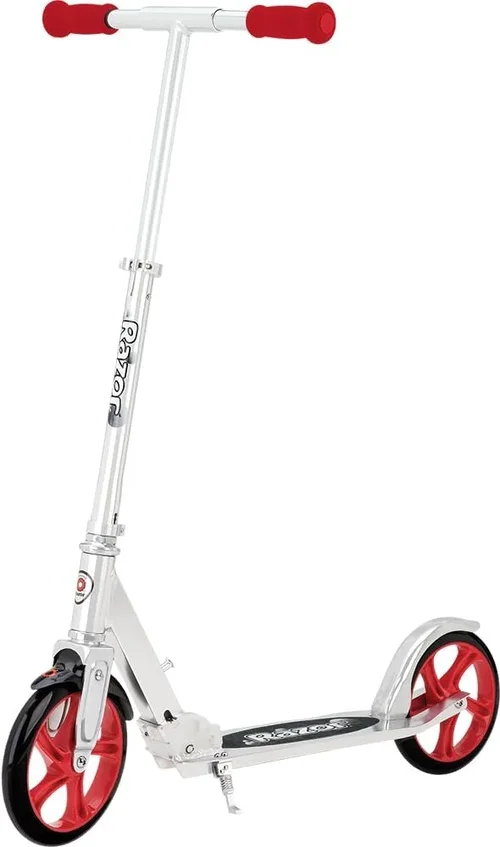
Entry-Level ($30 – $100): This tier includes basic kick scooters perfect for young children or occasional recreational use. Expect simple designs, smaller wheels, and minimal features. Models like the Razor A or A3 are durable enough for sidewalks but lack adjustability or advanced braking. Ideal for kids under 10 or as a backup scooter. Don’t expect long-term use for adults.
Mid-Range ($200 – $400): The sweet spot for most buyers. These scooters—electric or mechanical—offer better build quality, larger wheels, and useful features like adjustable handlebars or LED lights. Electric models in this range (e.g., Razor E300 or EPrime III) provide 10–15 mph speeds and 8–12 mile ranges, suitable for teens and light adult use. Great for campus commuting or weekend adventures.
Premium ($400 – $600): Designed for serious riders and daily commuters. These scooters boast powerful motors (350W+), long-range batteries (15+ miles), enhanced suspension, and smart features like app connectivity. Models such as the Razor EcoSmart Metro or the newer Razor Raptor series deliver smooth, reliable performance on varied terrain. Worth the investment if you ride regularly.
Luxury ($600+): Top-tier scooters with cutting-edge tech, premium materials, and exceptional performance. Think off-road capabilities, dual motors, regenerative braking, and airline-approved batteries. These are for enthusiasts, long-distance commuters, or those who want the best of everything. While expensive, they offer unmatched durability and innovation.
Expert Tips for Getting the Best Deal
1. Time Your Purchase Strategically: Scooter sales peak in late summer and early fall as retailers clear inventory for the new year. January and February also see discounts as demand dips post-holiday. Avoid buying right before summer unless you need it immediately.
2. Buy Direct or From Authorized Retailers: Purchasing from Razor.com ensures you get the latest model, full warranty, and access to exclusive bundles. Authorized sellers like Amazon (sold by Razor), Target, and Dick’s Sporting Goods also offer reliable service and easy returns.
3. Compare Prices Across Platforms: Use price-tracking tools like Honey or CamelCamelCamel to monitor fluctuations. Sometimes, the same model is $50 cheaper on one site due to promotions or free shipping.
4. Look for Bundles and Accessories: Some retailers offer scooter + helmet + lock packages at a discount. These can save you 15–25% compared to buying items separately.
5. Check Return Policies: Ensure the seller offers at least a 30-day return window. Test your scooter thoroughly within this period to confirm it meets your expectations.
6. Test Before You Buy (If Possible): Visit a local sporting goods store to try folding, riding, and adjusting handlebars. Feel the weight, check brake responsiveness, and assess comfort.
7. Consider Refurbished Models: Razor occasionally sells certified refurbished scooters at 20–40% off. These come with warranties and are thoroughly inspected—great for budget-conscious buyers.
8. Register Immediately: Activate your warranty online within days of purchase. This protects you from defects and ensures faster service if issues arise.

Frequently Asked Questions
Q: Are Razor scooters safe for kids?
A: Yes, when used appropriately. Razor designs its kids’ scooters with lower weight limits, smaller decks, and rear fender brakes for better control. Always supervise young riders and ensure they wear helmets and pads. Models like the Razor A5 Lux are excellent for ages 8+.
Q: How long do Razor electric scooter batteries last?
A: Most Razor e-scooters use lithium-ion batteries rated for 300–500 charge cycles. With proper care (avoiding full discharges and extreme temperatures), they last 1.5–3 years. Replacement batteries are available through Razor’s support site.
Q: Can I ride a Razor scooter in the rain?
A: Not recommended. While some models have water-resistant components, most are not waterproof. Moisture can damage motors, batteries, and electronics. If you must ride in damp conditions, dry the scooter thoroughly afterward.
Q: Do Razor scooters come assembled?
A: Most require minimal assembly—typically just attaching the handlebars. Instructions are clear, and tools are usually included. Full assembly takes 5–10 minutes.
Q: What’s the difference between the Razor E300 and E325?
A: The E325 is an upgraded version of the E300 with a more powerful motor (250W vs. 200W), slightly higher top speed (15 mph vs. 14 mph), and improved deck grip. Both have similar ranges and weights.
Q: Can adults ride kids’ Razor scooters?
A: Technically yes, but not safely or comfortably. Kids’ scooters have lower weight limits (usually under 143 lbs) and smaller decks. Adults should choose models rated for 220+ lbs, like the Razor A5 Lux or electric variants.
Q: How do I maintain my Razor scooter?
A: Regularly check tire pressure (for pneumatic models), tighten bolts, clean the deck, and lubricate moving parts. For e-scooters, store the battery at 50% charge if unused for long periods.
Q: Are Razor scooters allowed on sidewalks?
A: It depends on local laws. Many cities permit kick scooters on sidewalks but restrict e-scooters to bike lanes or roads. Always check municipal regulations before riding.
Q: What should I do if my scooter stops working?
A: First, check the basics: battery charge, fuse, and connections. If issues persist, contact Razor support with your serial number. Most problems are covered under warranty if reported promptly.
Q: Can I upgrade parts on my Razor scooter?
A: Limited upgrades are possible—like replacing wheels or grips—but major modifications (e.g., motor swaps) void the warranty and may compromise safety. Stick to Razor-approved accessories.
Our Final Recommendations
Best for Budget-Conscious Buyers: Razor A Kick Scooter – At under $50, it’s durable, lightweight, and perfect for kids or casual riders. No frills, but excellent value.
Best Overall Value: Razor E300 Electric Scooter – Priced around $300, it offers reliable performance, a 14 mph top speed, and a 10-mile range. Ideal for teens and light adult use.
Best Premium Option: Razor EcoSmart Metro Electric Scooter – With a 500W motor, 18 mph speed, and 18-mile range, this model excels in power and comfort. Great for daily commuting.
Best for Beginners: Razor A3 Kick Scooter – Larger wheels and a wider deck make it stable and easy to ride. Perfect for first-time scooter users aged 8+.
Best for Advanced Users: Razor Raptor Off-Road Electric Scooter – Built for adventure, it features pneumatic tires, dual suspension, and a 20 mph top speed. Handles trails, gravel, and rough pavement with ease.
Conclusion: Making the Right Choice
Choosing the best Razor scooter in 2026 isn’t just about picking the shiniest model or the lowest price—it’s about finding the right balance of performance, safety, durability, and value for your specific needs. Whether you’re buying for a child, commuting to work, or exploring the city on weekends, Razor offers a scooter that fits your lifestyle. Remember to prioritize key factors like weight capacity, battery life, build quality, and local regulations. Avoid common pitfalls like overspending on unnecessary features or ignoring safety gear. And always buy from trusted sources to protect your investment.
Take the time to assess how, where, and how often you’ll ride. A scooter that works for a 10-year-old won’t suit a 180-lb commuter, and a weekend joyride doesn’t require the same specs as a daily transport solution. Use the guidelines, comparisons, and expert tips in this guide to narrow your options and make a confident decision. With the right Razor scooter, you’ll enjoy years of smooth rides, new adventures, and the simple joy of gliding through life with ease. Happy scooting!