
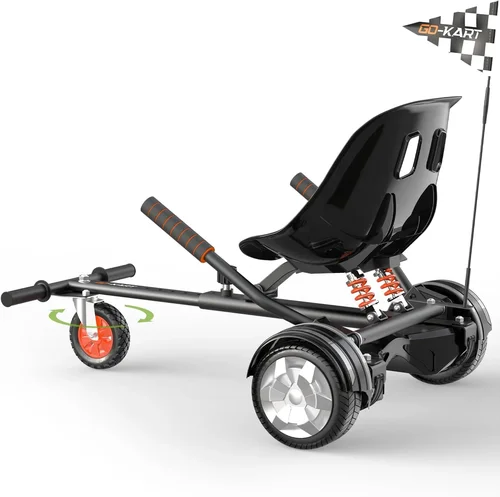
Hoverboards have evolved dramatically since their debut a decade ago. What once seemed like a futuristic gadget from a sci-fi movie is now a mainstream personal mobility device used by kids, teens, and adults alike. Whether you’re commuting short distances, exploring your neighborhood, or just having fun at the park, a hoverboard offers a unique blend of convenience, entertainment, and eco-friendly transportation. But with hundreds of models flooding the market—ranging from budget knockoffs to high-performance machines—it’s easy to get overwhelmed. That’s why this comprehensive buying guide exists: to cut through the noise, help you understand what truly matters, and empower you to make a smart, informed decision.
In this guide, we’ll walk you through every critical aspect of choosing the right hoverboard in 2026. You’ll learn how to evaluate performance specs, assess build quality, compare features, and avoid common pitfalls that lead to buyer’s remorse. We’ll break down the different types of hoverboards available, explain how much you should realistically spend based on your needs, and share expert tips for getting the best deal. By the end, you won’t just know which hoverboard to buy—you’ll understand why it’s the right choice for you. Whether you’re a first-time buyer or upgrading from an older model, this guide is your roadmap to finding a safe, reliable, and enjoyable ride.
The hoverboard market today is more diverse and competitive than ever. Brands like Gotrax, Segway-Ninebot, Razor, and Swagtron dominate the space, each offering models tailored to different user profiles—from lightweight kids’ boards to rugged off-road variants. Safety standards have also improved significantly, with UL 2272 certification now a non-negotiable benchmark for electrical and fire safety. Meanwhile, advancements in battery technology, motor efficiency, and smart connectivity have made modern hoverboards faster, smarter, and more durable. With so many options, the key isn’t just finding the “best” hoverboard—it’s finding the right one for your lifestyle, budget, and skill level.

What to Look for When Buying Gotrax
1. Budget & Price Range
Your budget is the foundation of your hoverboard purchase. While it’s tempting to go for the cheapest option, remember that hoverboards are electronic devices with motors, batteries, and control systems—cutting corners often means sacrificing safety, durability, or performance. In 2026, expect to pay anywhere from $150 for basic entry-level models to over $800 for premium, feature-rich boards. A good rule of thumb: if a hoverboard costs less than $120, it likely lacks UL 2272 certification or uses low-quality components. Set a realistic budget based on how often you’ll use the board and who will be riding it. For casual weekend use, a mid-range model ($250–$400) offers the best balance of cost and capability.
2. Performance Specifications
Performance specs tell you how well a hoverboard will handle real-world conditions. Key metrics include top speed, range per charge, motor power, and hill-climbing ability. Most consumer hoverboards top out between 6–10 mph, which is plenty for casual riding but may feel sluggish for commuters. Range typically varies from 7 to 15 miles, depending on battery capacity (measured in watt-hours or Wh), rider weight, terrain, and riding style. Dual 350W motors are standard on mid-to-high-end models and provide better torque and stability than single-motor designs. If you plan to ride uphill or carry heavier loads, look for boards rated for at least 220 lbs and with a minimum 700W combined motor output. Always check real-world user reviews—manufacturer claims often overstate performance under ideal conditions.
3. Build Quality & Durability
A hoverboard is only as good as its construction. Look for a sturdy frame made from high-grade ABS plastic or aluminum alloy, reinforced foot pads with good grip, and puncture-resistant tires. Solid rubber tires are maintenance-free and durable but offer a rougher ride; air-filled pneumatic tires provide better shock absorption but require occasional inflation and are prone to flats. Check the weight of the board—lighter models (under 20 lbs) are easier to carry, but heavier ones often indicate thicker materials and better structural integrity. Inspect hinge points, wheel wells, and the base for signs of flimsiness. A well-built hoverboard should feel solid when you step on it, not wobbly or creaky. Durability also extends to water resistance: while most hoverboards aren’t fully waterproof, many now feature IP54 or IPX4 ratings, meaning they can handle light splashes and rain—but never submerge them.
4. Features & Functionality
Modern hoverboards come packed with features that enhance safety, convenience, and fun. LED headlights and taillights improve visibility at night, while Bluetooth speakers let you stream music directly from your phone. Some models include mobile apps for speed control, battery monitoring, firmware updates, and even anti-theft locking. Self-balancing technology has become standard, but higher-end boards offer smoother calibration and faster response times. Look for intuitive controls—some boards have responsive gyroscopes that react instantly to lean, while others feel laggy or jerky. Additional perks include app-based ride analytics, customizable LED colors, and riding modes (e.g., beginner, normal, sport). However, don’t let flashy features distract you from core performance—a board with great speakers but weak motors won’t satisfy long-term.
5. Brand Reputation
Not all hoverboard brands are created equal. Established names like Gotrax, Segway-Ninebot, and Razor have proven track records for safety, customer service, and product reliability. Gotrax, in particular, has built a strong reputation for offering affordable yet certified hoverboards with consistent performance. Avoid unknown brands sold exclusively through third-party Amazon sellers or social media ads—these often lack proper certifications, use counterfeit batteries, or disappear after a few months, leaving you without support. Research brand history: How long have they been in business? Do they offer transparent warranty policies? Are their products consistently reviewed positively across multiple platforms? A reputable brand doesn’t just sell a product—it stands behind it.
6. Warranty & Support
A solid warranty is your safety net against defects, battery failure, or motor issues. Most reputable hoverboard brands offer at least a 6-month to 1-year limited warranty covering manufacturing defects. Gotrax, for example, provides a 1-year warranty on all its hoverboards, including free replacements for faulty components. Pay attention to what’s covered: some warranties exclude batteries (which degrade over time) or damage from misuse. Also consider customer support responsiveness—can you easily reach a human via phone or chat? Are replacement parts available? A brand that offers quick repairs or exchanges shows confidence in its products. Never buy a hoverboard without a clear warranty policy; if the seller can’t provide one, walk away.
7. Size & Portability
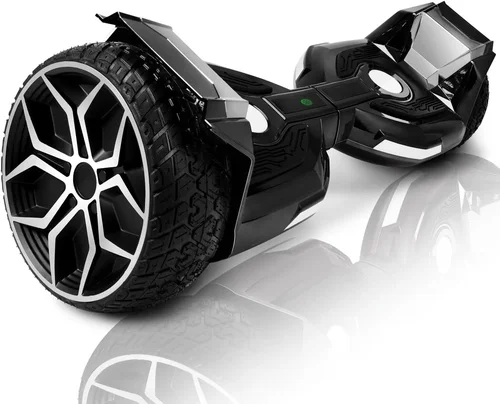
Hoverboards come in two main sizes: 6.5-inch and 8-inch wheels. Smaller 6.5-inch boards are lighter (usually 18–22 lbs) and more maneuverable, ideal for smooth pavements and younger riders. Larger 8-inch models (22–28 lbs) handle bumps and cracks better and are preferred by adults or those riding on uneven terrain. Consider where you’ll store and transport the board—will it fit in your car trunk? Can you carry it upstairs? Some models include built-in handles or carrying straps, though most rely on their compact footprint for portability. If you’re commuting, a lighter board is easier to manage, but don’t sacrifice stability for weight savings. Also note that larger wheels generally mean a higher ground clearance, reducing the risk of scraping curbs or debris.
8. User Reviews & Ratings
Never rely solely on manufacturer descriptions. Real user reviews reveal how a hoverboard performs in everyday scenarios—something specs sheets can’t capture. Look for patterns in feedback: Do multiple users report the same battery issue? Is the Bluetooth connection unreliable? Are the wheels wearing out quickly? Platforms like Amazon, Best Buy, and specialized review sites (e.g., TechGearLab, Wirecutter) offer detailed insights. Pay extra attention to verified purchase reviews and those with photos or videos. A 4.5-star average with hundreds of reviews is more trustworthy than a 5-star rating from just a handful of users. Also check recent reviews—product quality can change over time as manufacturers update designs or switch suppliers.
Different Types of Gotrax

Common Buying Mistakes to Avoid
❌ Mistake: Ignoring Safety Certifications
Why it’s bad: Hoverboards without UL 2272 certification pose serious fire and electrical hazards. Cheap lithium-ion batteries can overheat, swell, or even explode—especially during charging. In recent years, there have been numerous reports of uncertified boards catching fire in homes and vehicles.
What to do instead: Always verify that the hoverboard is UL 2272 certified. Look for the official UL mark on the product listing or packaging. If it’s not clearly stated, contact the seller or avoid the purchase altogether.
❌ Mistake: Choosing Based Solely on Price
Why it’s bad: The cheapest hoverboards often use subpar components, lack safety features, and fail within weeks. You might save $50 upfront but end up replacing the board entirely—costing more in the long run.
What to do instead: Treat your hoverboard like an investment. Allocate at least $200–$300 for a reliable, safe model. Compare value, not just price—look at features per dollar.
❌ Mistake: Overlooking Rider Weight Limits
Why it’s bad: Exceeding the weight limit strains the motors and battery, reducing performance, range, and lifespan. It can also make the board unstable and harder to control.
What to do instead: Check the manufacturer’s maximum load rating before buying. If you’re near the limit, opt for a model with a higher capacity (e.g., 265 lbs instead of 220 lbs).
❌ Mistake: Assuming All Hoverboards Are Waterproof
Why it’s bad: Most hoverboards are only splash-resistant (IP54). Riding through puddles or heavy rain can damage internal electronics, void the warranty, and create safety risks.
What to do instead: Stick to dry or mildly damp conditions unless the board explicitly states it’s waterproof (rare and usually expensive). Dry the board thoroughly after exposure to moisture.
❌ Mistake: Skipping the Test Ride
Why it’s bad: Every hoverboard handles differently. A model that looks great on paper might feel jerky, slow to respond, or uncomfortable underfoot.
What to do instead: If buying in-store, insist on a test ride. Online, check return policies—many retailers offer 30-day trials. Use this time to assess comfort, balance, and responsiveness.
❌ Mistake: Neglecting Firmware Updates
Why it’s bad: Outdated firmware can cause glitches, reduced performance, or compatibility issues with apps. Some brands push critical safety updates.
What to do instead: Download the brand’s official app (if available) and check for updates regularly. Keep your hoverboard’s software current for optimal performance and safety.
❌ Mistake: Buying from Unverified Sellers
Why it’s bad: Third-party sellers on marketplaces may sell counterfeit, refurbished, or defective units. They often disappear after the sale, leaving you with no recourse.
What to do instead: Purchase directly from the brand’s website or authorized retailers like Amazon (sold by Gotrax), Best Buy, or Walmart. Verify seller ratings and return policies.
Budget Guidelines: How Much Should You Spend?
Entry-Level ($150–$220): These hoverboards are best suited for young children or occasional indoor use. Expect basic features, shorter ranges (5–7 miles), and minimal extras like LED lights. While some models in this range are UL certified (e.g., Gotrax Hoverfly EYE), performance and durability are limited. Ideal for first-time riders under 100 lbs.
Mid-Range ($220–$400): This is the sweet spot for most buyers. Models like the Gotrax GXL V2 and Nova Pro offer excellent balance: UL certification, 8–12 mile range, decent speed (8–10 mph), Bluetooth, and app support. They’re durable enough for daily use and suitable for teens and adults up to 220 lbs. Great for commuting, campus travel, or family fun.
Premium ($400–$600): Designed for enthusiasts and frequent riders, these boards boast advanced features like all-terrain tires (Gotrax Tundra), longer ranges (12–15 miles), faster charging, and enhanced app integration. Motors are more powerful, builds are sturdier, and warranties are often extended. Perfect for adults who ride daily or tackle varied terrain.
Luxury ($600+): At this tier, you’re paying for cutting-edge tech, premium materials, and brand prestige. While Gotrax doesn’t currently offer luxury-tier models, competitors like Segway-Ninebot do. These boards may include GPS tracking, regenerative braking, carbon fiber frames, or AI-assisted balancing. Only necessary for professional use or collectors—most riders won’t benefit from the extra cost.
Expert Tips for Getting the Best Deal
- Buy during off-peak seasons: Demand spikes in summer and holidays. Shop in winter or early spring for better prices and availability.
- Compare across retailers: Check Gotrax.com, Amazon, Best Buy, and Walmart. Sometimes the same model is priced differently, and one retailer may offer free shipping or extended returns.
- Look for bundle deals: Some sellers include helmets, carrying bags, or spare parts at no extra cost—these add real value.
- Read the fine print on warranties: Ensure the warranty covers both parts and labor, and confirm whether shipping costs are included for repairs.
- Use price-tracking tools: Browser extensions like Honey or CamelCamelCamel alert you when prices drop on Amazon.
- Consider refurbished models: Gotrax offers certified refurbished hoverboards at 20–30% off, with full warranties. These are thoroughly tested and often indistinguishable from new units.
- Test before committing: If possible, visit a local electronics store to try different models. Feeling the ride makes a huge difference in satisfaction.
- Check return windows: Aim for at least 30 days. This gives you time to test the board in real conditions and return it if it doesn’t meet expectations.

Frequently Asked Questions
Q: Are hoverboards safe for kids?
A: Yes, but only if they’re age-appropriate, UL 2272 certified, and used with proper supervision. Most experts recommend hoverboards for children ages 8 and up, depending on maturity and balance. Always wear a helmet and knee/elbow pads.
Q: How long does a hoverboard battery last?
A: Battery lifespan depends on usage, charging habits, and quality. A well-maintained lithium-ion battery typically lasts 300–500 charge cycles, equating to 1–2 years of regular use. Avoid draining it to 0% frequently and store it at 50% charge if unused for long periods.
Q: Can I ride a hoverboard on grass or dirt?
A: Standard hoverboards with 6.5-inch wheels struggle on grass or loose terrain. However, all-terrain models like the Gotrax Tundra with 8-inch pneumatic tires can handle light off-road conditions—just avoid deep mud or steep inclines.
Q: Do I need to register my hoverboard?
A: In most U.S. states, no registration is required for personal use on private property or sidewalks. However, some cities restrict hoverboard use on public roads or require helmets. Check local regulations before riding.
Q: Why does my hoverboard keep beeping?
A: Beeping usually indicates a low battery, uneven weight distribution, or calibration issue. Try recalibrating the board (turn it off, place it on a flat surface, turn it back on) or charging it fully. Persistent beeping may signal a hardware fault.
Q: Can I take a hoverboard on a plane?
A: Generally, no. Most airlines prohibit hoverboards in checked or carry-on luggage due to lithium battery restrictions. Some newer, airline-approved models exist, but they’re rare and expensive.
Q: How do I clean my hoverboard?
A: Wipe the exterior with a damp cloth and mild soap. Avoid spraying water directly onto the board or submerging it. Use a soft brush to remove dirt from wheels and vents. Never use harsh chemicals or abrasive pads.
Q: What’s the difference between self-balancing and non-self-balancing hoverboards?
A: All modern consumer hoverboards are self-balancing—they use gyroscopes to maintain upright position when powered on. “Non-self-balancing” refers to older or toy-grade models that require manual stabilization, which are unsafe and not recommended.
Q: Can adults ride kids’ hoverboards?
A: It depends on weight and size. Most kids’ boards have lower weight limits (under 150 lbs) and smaller foot pads, making them unstable for adults. Always check the specs—adults should choose models rated for 200+ lbs.
Q: How fast can a hoverboard go?
A: Consumer hoverboards typically max out between 6–10 mph. Racing or modified boards can reach 15+ mph, but these are not street-legal and pose higher safety risks. Speed also decreases with rider weight and incline.
Our Final Recommendations
Best for Budget-Conscious Buyers: Gotrax Hoverfly EYE – At around $220, it’s one of the most affordable UL-certified hoverboards with solid performance, colorful LEDs, and a lightweight design perfect for kids and beginners.
Best Overall Value: Gotrax GXL V2 – Priced at $279, this model delivers exceptional reliability, 10 mph top speed, 12-mile range, Bluetooth, and a robust build. It’s the go-to choice for families and casual commuters.
Best Premium Option: Gotrax Tundra – For $449, the Tundra conquers rough terrain with all-terrain tires, 10 mph speed, and a rugged frame. Ideal for outdoor adventurers who need durability and versatility.
Best for Beginners: Gotrax Hoverfly EYE – Its low center of gravity, responsive controls, and forgiving learning curve make it perfect for first-time riders. The app includes a beginner mode that limits speed.
Best for Advanced Users: Gotrax Nova Pro – With a 15-mile range, fast charging, app-based customization, and smooth handling, the Nova Pro is built for daily commuters and tech-savvy riders who demand performance and convenience.
Conclusion: Making the Right Choice
Choosing the right hoverboard in 2026 isn’t just about picking the shiniest model or the lowest price—it’s about aligning your purchase with your lifestyle, safety needs, and long-term expectations. We’ve covered everything from critical performance specs and build quality to budget planning and expert shopping strategies. Remember: a great hoverboard is one that’s safe, reliable, and enjoyable to ride day after day. Prioritize UL 2272 certification, read real user reviews, and don’t overlook warranty and support. Whether you’re buying for a child’s birthday, your own commute, or weekend adventures, take the time to compare options and test when possible.
Ultimately, the best hoverboard is the one that fits you—not the one with the most features or the highest price tag. Use this guide as your compass, trust reputable brands like Gotrax, and invest in a model that will deliver years of smooth, safe, and fun rides. Ready to glide into the future? Start your search with confidence, knowing you’re equipped with the knowledge to make the smartest choice. Happy riding!