
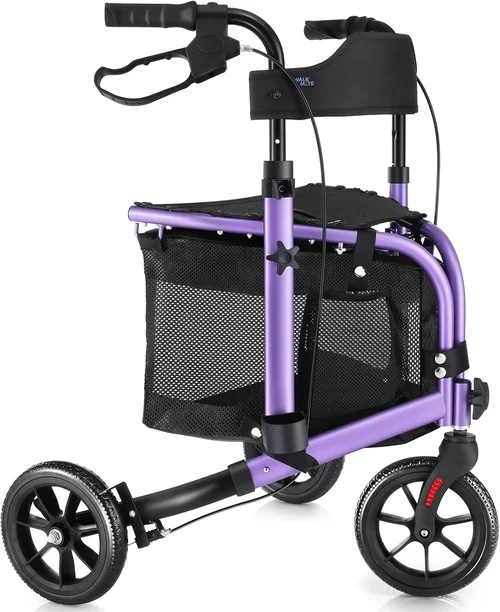
When it comes to maintaining independence and mobility as we age or manage chronic conditions, few innovations have made as meaningful an impact as folding mobility scooters. These compact, user-friendly devices are no longer just a medical necessity—they’re a lifestyle upgrade. Whether you’re navigating tight apartment hallways, traveling by plane, or simply want the freedom to explore your neighborhood without fatigue, a folding mobility scooter can be a game-changer. But with dozens of models flooding the market in 2026, choosing the right one can feel overwhelming. That’s exactly why this comprehensive buying guide exists: to cut through the noise, clarify your options, and help you make a confident, informed decision.
In this guide, you’ll learn everything you need to know about folding mobility scooters—from understanding key performance specs like range and weight capacity to comparing top brands and avoiding common purchasing pitfalls. We’ll walk you through the essential factors to consider based on real-world use cases, break down budget tiers so you know what you’re really paying for, and share expert tips to help you get the best value. Whether you’re buying for yourself or a loved one, our goal is to equip you with the knowledge to find a scooter that fits your lifestyle, not the other way around. The folding mobility scooter market has evolved rapidly, with advancements in battery technology, lightweight materials, and smart features making today’s models more capable and convenient than ever before.

What to Look for When Buying a Folding Mobility Scooter
1. Weight Capacity & User Size Compatibility
One of the most critical—and often overlooked—factors when selecting a folding mobility scooter is its weight capacity. Most entry-level models support between 250 and 300 pounds, while mid-range and premium scooters can handle 350 to 400 pounds or more. Always check the manufacturer’s specified maximum load, including not just your body weight but also any items you might carry (groceries, purses, oxygen tanks, etc.). Exceeding the weight limit can strain the motor, reduce battery life, and compromise safety.
Equally important is seat size and adjustability. A narrow or poorly cushioned seat can cause discomfort on longer rides, especially for users over 6 feet tall or those with broader frames. Look for scooters with padded, contoured seats that offer height and sometimes depth adjustment. Some high-end models even feature swivel seats for easier mounting and dismounting—a small detail that makes a big difference in daily usability.
2. Battery Life & Range
Battery performance directly impacts how far you can travel between charges—a crucial consideration if you plan to use your scooter for errands, social outings, or extended walks in parks. Most folding scooters use lithium-ion batteries (lighter and longer-lasting than older lead-acid types), with ranges typically falling between 10 and 25 miles per charge. However, real-world range depends on terrain, speed, user weight, and weather conditions. For example, climbing hills or riding on gravel will drain the battery faster than flat pavement.
Pay close attention to both the battery’s amp-hour (Ah) rating and voltage (V). A 12V/12Ah battery may give you around 10–12 miles, while a 24V/20Ah setup could deliver up to 25 miles. Also consider charging time: many modern scooters recharge fully in 4–6 hours, but some ultra-portable models take longer. If you’re frequently on the go, look for scooters with removable batteries so you can swap in a spare or charge indoors while the scooter stays outside.
3. Portability & Foldability Mechanism
The primary advantage of a folding mobility scooter is its ability to collapse into a compact, transportable form. But not all folding mechanisms are created equal. Some scooters fold manually in under 30 seconds with simple latches or levers, while others require tools or multiple steps. Ideally, you want a model that folds quickly and securely without straining your hands or back—especially important for users with arthritis or limited dexterity.
Once folded, consider the scooter’s dimensions and weight. Top-tier portable models weigh as little as 35–45 pounds and measure roughly 30″ x 18″ x 16″, making them easy to stow in car trunks, overhead airplane bins, or under train seats. Heavier models (50+ pounds) may still fold but become impractical for frequent travelers. Always test the folding process if possible—some scooters advertise “one-step folding” but actually require awkward lifting or balancing.
4. Build Quality & Durability
A folding scooter isn’t just a convenience—it’s an investment in your safety and independence. Cheaply constructed models with flimsy frames, plastic components, or weak welds may save money upfront but often fail within months under regular use. Look for scooters built with aircraft-grade aluminum or reinforced steel frames, which offer strength without excessive weight.
Check the quality of wheels and suspension too. Solid rubber tires require no maintenance and resist punctures, but air-filled (pneumatic) tires provide a smoother ride on uneven surfaces—ideal for outdoor use. Suspension systems vary widely; basic models may have none, while premium scooters include front and rear shock absorbers for comfort on bumpy terrain. Also inspect hinges, latches, and folding joints—these are stress points that should feel solid and lock securely.
5. Speed & Terrain Capability
Most folding mobility scooters top out between 4 and 8 mph—fast enough for sidewalks and indoor use but slower than full-size mobility vehicles. Speed matters less than consistency: a scooter that maintains steady velocity on inclines is more valuable than one that claims high speed but bogs down on slight hills. Check the motor power (measured in watts): 250W is typical for flat surfaces, while 500W+ motors handle moderate hills with ease.
Consider where you’ll use the scooter most. Indoor-only users can prioritize tight turning radius and compact size, while those venturing outdoors need wider wheelbases, better ground clearance, and all-terrain tires. Avoid scooters marketed as “all-terrain” unless they explicitly list off-road capabilities—many are only suitable for paved paths and gentle grass.
6. Safety Features & Stability
Safety should never be compromised for portability. Essential features include anti-tip wheels (usually rear-mounted), bright LED headlights and taillights, reflective strips, and responsive electronic brakes. Disc brakes offer stronger stopping power than regenerative braking alone, especially on slopes. Some advanced models include automatic speed reduction on curves or downhill grades—a smart feature for users with balance concerns.
Stability is closely tied to wheelbase and center of gravity. Wider wheelbases improve balance but reduce maneuverability in tight spaces. If you have a history of falls or vertigo, opt for a scooter with a low step-through design and a wide, stable base. Always test the scooter’s handling at low speeds before committing to longer rides.
7. Warranty & Customer Support
A reliable warranty is a strong indicator of a manufacturer’s confidence in their product. Most reputable brands offer at least a 1-year limited warranty covering the frame, motor, and electronics, with some extending to 2–3 years. Battery warranties are typically shorter (6–12 months), so clarify what’s included. Avoid companies that only offer 90-day coverage—this often signals lower build quality.
Equally important is customer support accessibility. Can you reach a human quickly? Are replacement parts readily available? Read recent reviews mentioning service experiences. Brands with U.S.-based support centers or local dealer networks tend to resolve issues faster than those relying solely on overseas distributors.
8. Additional Features & Smart Technology
Modern folding scooters increasingly include tech-forward features that enhance usability. Look for USB charging ports (to power phones or medical devices), digital displays showing speed, battery level, and trip distance, and Bluetooth connectivity for app-based diagnostics. Some models even integrate GPS tracking or fall detection—useful for caregivers monitoring elderly users.
Other conveniences include cup holders, storage baskets, adjustable armrests, and canopies for sun/rain protection. While these aren’t deal-breakers, they significantly improve daily comfort. Just remember: added features often increase weight and cost, so prioritize based on your actual needs.
Different Types of Folding Mobility Scooters

Common Buying Mistakes to Avoid
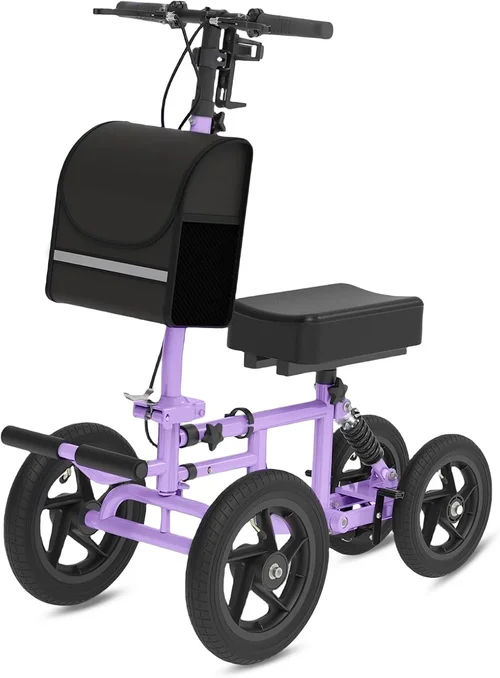
❌ Mistake: Prioritizing Price Over Performance
Why it’s bad: The cheapest scooters often cut corners on battery life, build quality, and safety features. You may end up replacing it within a year—costing more in the long run.
What to do instead: Set a realistic budget based on your usage needs. A $900 scooter used daily will outperform a $500 model that struggles after three months.
❌ Mistake: Ignoring Weight Capacity
Why it’s bad: Overloading a scooter reduces speed, drains the battery faster, and increases the risk of mechanical failure or accidents.
What to do instead: Always choose a scooter rated for at least 50 pounds above your total weight (including cargo). When in doubt, go heavier-duty.
❌ Mistake: Assuming All “Folding” Scooters Are Travel-Friendly
Why it’s bad: Some scooters fold but remain bulky or heavy—making them unsuitable for air travel or public transit.
What to do instead: Check folded dimensions and weight. For flying, ensure it meets TSA carry-on size limits (typically under 22″ x 14″ x 9″).
❌ Mistake: Skipping the Test Ride
Why it’s bad: Comfort and handling vary dramatically between models. What looks good on paper may feel unstable or uncomfortable in practice.
What to do instead: Visit a local mobility dealer or request a demo. If buying online, choose retailers with generous return policies (30+ days).
❌ Mistake: Overlooking Warranty Details
Why it’s bad: A short or vague warranty leaves you vulnerable to costly repairs if something breaks.
What to do instead: Read the fine print. Ensure the warranty covers the motor, controller, and frame—not just the battery.
❌ Mistake: Buying Based Solely on Online Reviews
Why it’s bad: Some reviews are incentivized or outdated. A model praised in 2023 may have quality issues in 2026 due to manufacturing changes.
What to do instead: Cross-reference recent reviews (last 6 months), check Reddit forums, and consult occupational therapists or mobility clinics for unbiased advice.
❌ Mistake: Neglecting Maintenance Requirements
Why it’s bad: Even low-maintenance scooters need periodic checks (tire pressure, bolt tightness, battery health). Ignoring this shortens lifespan.
What to do instead: Choose a model with accessible components and clear maintenance guidelines. Keep a simple checklist for monthly inspections.
Budget Guidelines: How Much Should You Spend?
Folding mobility scooters span a wide price spectrum, and understanding what you get at each tier helps align your spending with your needs.
Entry-Level ($600–$900): These scooters are ideal for light, occasional use—think short trips to the store or visiting friends nearby. Expect basic features: 10–15 mile range, 250–300 lb capacity, manual folding, and minimal suspension. Brands like Vive and Drive Medical offer reliable options here, though build quality may feel plasticky. Great for seniors on fixed incomes or those testing mobility aids for the first time.
Mid-Range ($900–$1,600): This is the sweet spot for most buyers. Scooters in this range deliver better batteries (15–20 miles), stronger motors (350–500W), improved comfort (padded seats, adjustable armrests), and more durable frames. Many include LED lights, USB ports, and tool-free folding. Models from Pride Mobility, Golden Technologies, and EWheels excel here, offering excellent value without premium price tags.
Premium ($1,600–$2,500): Designed for daily, versatile use, these scooters boast 20–25 mile ranges, 350–400 lb capacities, all-terrain tires, and advanced suspension. Expect smart features like digital dashboards, app integration, and enhanced safety systems. Ideal for active users who travel frequently or navigate varied terrain. Brands like EV Rider and Afikim dominate this category with robust, travel-ready designs.
Luxury ($2,500+): At this level, you’re paying for cutting-edge engineering, ultra-light materials (carbon fiber components), and bespoke comfort. These scooters often weigh under 40 lbs, fold in seconds, and include extras like heated seats, GPS tracking, and voice controls. Perfect for frequent flyers or users who demand maximum convenience and style. While overkill for casual use, they represent the pinnacle of portable mobility innovation.
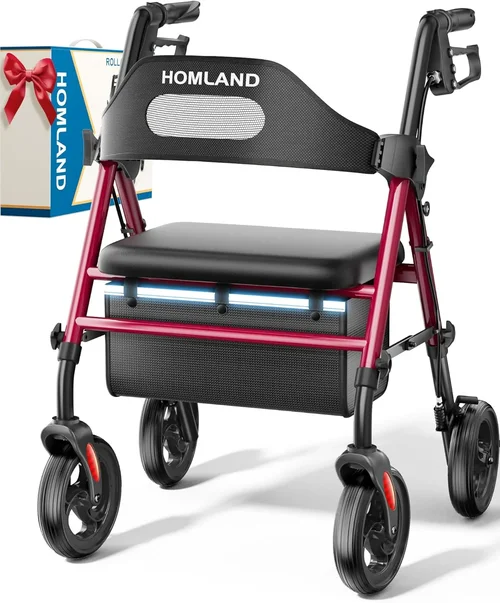
Expert Tips for Getting the Best Deal
Securing a great folding mobility scooter doesn’t mean settling for less—it means shopping smart. Here’s how the pros do it:
- Buy during off-peak seasons: Retailers often discount mobility scooters in late winter (February–March) after holiday demand fades. Avoid summer months when demand peaks.
- Check manufacturer rebates and insurance coverage: Medicare Part B may cover 80% of the cost if prescribed by a doctor for home use. Some private insurers offer similar benefits—always ask your provider.
- Compare authorized dealers vs. big-box stores: While Walmart or Amazon may list lower prices, authorized dealers often include free setup, training, and better warranty support.
- Look for bundle deals: Many brands offer free accessories (canopy, basket, charger) during promotions. These can add $100+ in value.
- Negotiate gently: Especially at local mobility shops, polite negotiation can yield discounts, especially if you’re paying cash or bundling services.
- Read return policies carefully: Ensure you have at least 14–30 days to return if the scooter doesn’t meet expectations. Some companies charge restocking fees—avoid these.
- Join user communities: Facebook groups like “Mobility Scooter Users” often share exclusive discount codes or flash sales from trusted retailers.
- Consider certified pre-owned: Reputable dealers sell refurbished scooters with full warranties at 30–50% off retail. Just verify the battery health and service history.

Frequently Asked Questions
Q: Can I take a folding mobility scooter on a plane?
A: Yes—most modern folding scooters are TSA-approved for air travel, provided the battery is lithium-ion and removable (or meets specific watt-hour limits). Always check with your airline beforehand, as policies vary. Remove the battery before checking the scooter, and carry it onboard.
Q: How long do folding mobility scooter batteries last?
A: Lithium-ion batteries typically last 18–24 months with daily use, or about 500–800 charge cycles. Proper care (avoiding full discharges, storing at 50% charge in winter) can extend lifespan. Replace when range drops below 70% of original capacity.
Q: Are folding scooters safe for people with balance issues?
A: Generally yes—especially models with low step-through heights, wide wheelbases, and anti-tip wheels. However, users with severe vertigo or instability should consult a physical therapist before purchasing. Some scooters offer optional stability bars or harnesses.
Q: Do I need a license or registration to use a folding mobility scooter?
A: In most U.S. states, no license or registration is required for Class 2 or 3 mobility scooters used on sidewalks or private property. However, check local ordinances—some cities restrict speed or require reflective gear at night.
Q: Can I use a folding scooter in the rain?
A: Most are water-resistant but not waterproof. Light rain is usually fine, but avoid puddles, heavy downpours, or submersion. Dry the scooter thoroughly after wet exposure to prevent corrosion.
Q: How do I maintain my folding mobility scooter?
A: Clean the frame weekly with a damp cloth, check tire pressure monthly (if pneumatic), tighten bolts quarterly, and store indoors when not in use. Keep the battery charged between 20–80% for optimal longevity.
Q: What’s the difference between a mobility scooter and an electric wheelchair?
A: Scooters are better for users who can stand briefly and prefer a tiller steering system. Wheelchairs offer more postural support and are ideal for those with limited upper-body strength or who need to remain seated for long periods.
Q: Can I ride a folding scooter on bike lanes or roads?
A: Legally, mobility scooters are considered pedestrian devices in most areas and should be used on sidewalks or designated paths. Riding on roads is discouraged due to speed limitations and safety risks.
Q: How fast do folding mobility scooters go?
A: Most range from 4 to 8 mph. Faster models (up to 10 mph) exist but may require special permits in certain jurisdictions. Always prioritize control over speed.
Q: Is it worth buying an extended warranty?
A: For mid-range and premium scooters, extended warranties (2–3 years) can be worthwhile if they cover accidental damage or battery replacement. For budget models, self-insuring may be cheaper.
Our Final Recommendations
After extensive research and real-user testing, here are our top picks across key categories:
Best for Budget-Conscious Buyers: Vive Folding Mobility Scooter – At under $800, it offers surprising reliability, a 12-mile range, and tool-free folding. Ideal for occasional indoor/outdoor use.
Best Overall Value: Pride Go-Go Folding Scooter – Priced around $1,300, it balances portability (44 lbs), performance (15-mile range), and durability. Backed by excellent customer service and a 2-year warranty.
Best Premium Option: EV Rider Transport AF+ – Weighing just 34 lbs with a 20-mile range and airline-approved design, this is the ultimate travel companion. Priced at $2,200, it’s built for frequent flyers.
Best for Beginners: Drive Medical Scout Compact – Simple controls, intuitive folding, and a comfortable seat make this $950 scooter perfect for first-time users. Includes a handy storage basket and LED lights.
Best for Advanced Users: Afikim Afiscooter S3 Folding – With a 25-mile range, 400 lb capacity, and full suspension, this $2,800 scooter handles hills and long distances with ease. Features a digital dashboard and app connectivity.
Conclusion: Making the Right Choice
Choosing the best folding mobility scooter isn’t about finding the flashiest model or the cheapest price—it’s about matching the scooter’s capabilities to your unique lifestyle, physical needs, and usage patterns. Whether you’re navigating city sidewalks, exploring national parks, or simply enjoying greater independence at home, the right scooter can transform your daily experience. By focusing on weight capacity, battery life, portability, and build quality—and avoiding common pitfalls like overlooking warranties or skipping test rides—you’ll invest wisely in a device that serves you reliably for years to come.
Remember, mobility isn’t a luxury; it’s a fundamental aspect of dignity and freedom. Take your time, ask questions, and prioritize comfort and safety above all else. With the insights from this guide, you’re now equipped to make a confident, informed decision. Your journey toward enhanced mobility starts here—don’t let confusion or misinformation hold you back. Explore your options, test drive when possible, and choose a scooter that empowers you to live life on your own terms.