
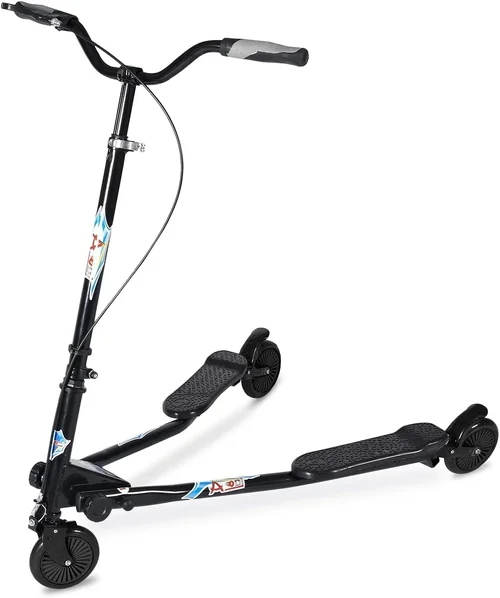
Choosing the right push scooter in 2026 isn’t just about picking the shiniest model off the shelf. With advancements in materials, design, and technology, today’s push scooters offer a surprising blend of performance, portability, and style—whether you’re commuting to work, shuttling kids to school, or enjoying weekend rides in the park. But with so many options flooding the market, it’s easy to feel overwhelmed. That’s where this guide comes in.
We’ve spent months researching, testing, and comparing dozens of models to bring you a comprehensive, expert-level buying guide that cuts through the noise. Whether you’re a first-time buyer or upgrading from an older scooter, this article will walk you through every critical decision point—from budget and build quality to performance specs and safety features. You’ll learn how to match your needs with the right scooter type, avoid common pitfalls, and get the best value for your money. By the end, you won’t just know which scooter to buy—you’ll know exactly why.
The push scooter market has evolved dramatically over the past few years. What started as simple kids’ toys has transformed into a versatile category serving commuters, fitness enthusiasts, urban travelers, and even delivery workers. Brands like Gotrax, Razor, Micro, and Xiaomi now offer models with reinforced frames, air-filled tires, LED lighting, foldable designs, and even app connectivity. Prices range from under $50 for basic models to over $500 for premium, high-performance scooters. With such variety, understanding your priorities is key. This guide will help you navigate that complexity with confidence.

What to Look for When Buying Gotrax
1. Budget & Price Range
Your budget is the foundation of your scooter-buying journey. Push scooters come in a wide range of prices, and while it’s tempting to go for the cheapest option, doing so can lead to disappointment in durability, comfort, and performance. A good rule of thumb: set a realistic budget based on how often you’ll use the scooter and who will be riding it.
Entry-level scooters typically cost between $50 and $120. These are great for occasional use, short commutes, or children. However, they often feature plastic decks, smaller wheels, and limited weight capacity. Mid-range models ($120–$250) offer better build quality, larger wheels, and improved braking systems—ideal for daily commuters or teens. Premium scooters ($250–$400) include features like suspension, air-filled tires, and reinforced aluminum frames. Luxury models ($400+) are built for performance, with advanced suspension, high-speed capabilities, and sleek designs.
When setting your budget, consider long-term value. A $200 scooter that lasts five years is a better investment than a $80 model that breaks after six months. Also, factor in potential add-ons like helmets, lights, or carrying bags.
2. Performance Specifications
Performance specs determine how well your scooter handles real-world conditions. Key metrics include top speed, range (for electric models), weight capacity, and hill-climbing ability. Even for manual push scooters, performance matters—especially if you’re riding on uneven terrain or need to maintain momentum.
Top speed is less relevant for non-electric scooters, but for electric models, speeds typically range from 10 to 20 mph. Gotrax electric scooters, for example, often cap at 15–18 mph, which is ideal for city commuting. Range varies widely: entry-level e-scooters offer 8–12 miles per charge, while premium models can exceed 25 miles. Always check real-world range, as advertised numbers are often optimistic.
Weight capacity is crucial. Most adult scooters support 220–250 lbs, but some heavy-duty models handle up to 300 lbs. If you’re near the upper limit, look for reinforced decks and dual braking systems. Hill-climbing ability depends on motor power (for e-scooters) or wheel size and frame rigidity (for manual models). A 250W motor can handle mild inclines, but 500W+ is better for steeper hills.
3. Build Quality & Durability
A scooter’s build quality directly impacts its lifespan and safety. Look for frames made from aircraft-grade aluminum or high-tensile steel—these materials resist bending and corrosion. Avoid models with flimsy plastic components, especially in the deck, handlebars, and folding mechanism.
Check the welding and joints. Poorly welded frames can crack under stress, especially if you’re riding on bumpy roads. The folding mechanism should lock securely and not wobble when unfolded. Gotrax scooters, for instance, use a double-lock folding system that enhances stability.
Tires also affect durability. Solid rubber tires are puncture-proof but offer a rougher ride. Air-filled (pneumatic) tires provide better shock absorption but require maintenance. Some models use honeycomb or foam-filled tires as a middle ground. For urban riders, air-filled tires are worth the upkeep.
Finally, consider weather resistance. If you ride in rain or snow, look for scooters with water-resistant components and sealed bearings. While most aren’t fully waterproof, some premium models offer IP54 or IP65 ratings for light moisture protection.
4. Features & Functionality
Modern push scooters come packed with features that enhance convenience, safety, and comfort. Evaluate which ones matter most to your lifestyle.
Folding mechanisms are essential for portability. A good fold should be quick, secure, and compact. Some models fold down to fit under a desk or in a backpack. Gotrax scooters often feature one-step folding, making them ideal for commuters.
Braking systems vary. Rear fender brakes are common on budget models but can be slippery in wet conditions. Hand brakes (disc or drum) offer better control and are standard on mid- to high-end scooters. Dual braking systems (fender + hand brake) are safest.
Lighting is often overlooked but critical for night riding. Front LED headlights and rear brake lights improve visibility. Some models include side reflectors or integrated turn signals. Gotrax electric scooters typically come with bright front lights and rear brake-activated LEDs.
Additional features include adjustable handlebars (great for growing kids or multiple users), phone mounts, app connectivity (for tracking speed, battery, and routes), and built-in bells or horns. While not essential, these can significantly improve the riding experience.
5. Brand Reputation
Brand reputation matters—especially when it comes to safety, reliability, and customer service. Established brands like Gotrax, Razor, and Micro have years of experience and positive user feedback. They also tend to offer better warranties and replacement parts.
Gotrax, for example, is known for affordable electric scooters with solid performance and decent build quality. While not as premium as Segway or Dualtron, Gotrax offers excellent value for budget-conscious buyers. Razor remains a leader in kids’ scooters, with durable designs and fun aesthetics. Micro specializes in high-quality, Swiss-engineered scooters with superior ride comfort.
Research customer reviews on platforms like Amazon, Reddit, and specialized forums. Look for patterns: if multiple users report the same issue (e.g., battery failure or loose handlebars), it’s a red flag. Also, check how responsive the brand is to complaints and warranty claims.
Avoid unknown brands with no track record. While they may offer low prices, they often cut corners on materials and safety testing. Stick to reputable manufacturers with proven reliability.
6. Warranty & Support
A strong warranty is a sign of confidence in a product’s quality. Most reputable scooter brands offer at least a 90-day to 1-year warranty on parts and labor. Gotrax, for instance, provides a 1-year limited warranty covering defects in materials and workmanship.
Read the fine print. Some warranties exclude normal wear and tear, battery degradation, or damage from misuse. Others require you to register the product within a certain timeframe. Also, check if the warranty is honored internationally if you travel frequently.
Customer support is equally important. Can you easily reach a representative? Is there a repair center nearby? Brands with U.S.-based support (like Gotrax) tend to respond faster than those relying on overseas teams. Look for companies that offer replacement parts, repair guides, or even DIY kits.
If you’re buying online, ensure the retailer honors the manufacturer’s warranty. Some third-party sellers void warranties if you purchase through unauthorized channels.
7. Size & Portability
Portability determines how easy it is to carry, store, and transport your scooter. This is especially important for commuters who need to take their scooter on public transit or store it in small apartments.
Weight is a key factor. Most adult scooters weigh between 18 and 28 lbs. Lighter models (under 20 lbs) are easier to carry but may sacrifice durability. Heavier scooters are sturdier but harder to lift. Gotrax models typically weigh around 22–26 lbs, striking a balance between strength and portability.
Folded dimensions matter too. A compact fold saves space. Measure the folded size and compare it to your storage area—under a desk, in a closet, or in a car trunk. Some scooters fold down to less than 3 cubic feet.
Handlebar height and deck size also affect usability. Adjustable handlebars accommodate different rider heights. A wider deck provides more foot space and stability, especially for adults. Kids’ scooters should have lower decks and smaller wheels for better control.
If you plan to travel with your scooter, check airline policies. Most airlines allow scooters as checked baggage, but weight and size limits apply. Some ultra-portable models are designed specifically for travel.
8. User Reviews & Ratings
User reviews offer real-world insights that specs sheets can’t provide. They reveal how a scooter performs over time, how it handles different terrains, and whether it lives up to marketing claims.
Focus on verified purchase reviews, especially those with photos or videos. Look for detailed feedback on comfort, braking, battery life (for e-scooters), and ease of assembly. Pay attention to recurring issues—if multiple users mention a loose stem or weak motor, it’s likely a design flaw.
Ratings should be considered alongside review volume. A 4.8-star rating with 10,000 reviews is more reliable than a 5-star rating with only 5 reviews. Also, check recent reviews—older models may have been improved or discontinued.
Use review platforms like Amazon, Best Buy, and specialized sites like ScooterGrid or Electric Scooter Insider. Reddit communities like r/scooters or r/electricscooters are also valuable for honest, unbiased opinions.
Finally, don’t ignore negative reviews. They often highlight important drawbacks that could affect your decision. A scooter with mostly positive reviews but a few complaints about battery life might not be ideal if you need long-range performance.
Different Types of Gotrax

Common Buying Mistakes to Avoid
❌ Mistake: Prioritizing Price Over Quality
Why it’s bad: Choosing the cheapest scooter often means compromising on materials, safety, and longevity. Budget models may have weak frames, poor brakes, or low weight limits, leading to accidents or frequent replacements.
What to do instead: Set a realistic budget based on usage. Invest in a mid-range model with good reviews and a solid warranty. Think of it as a long-term investment in safety and convenience.
❌ Mistake: Ignoring Weight Capacity
Why it’s bad: Overloading a scooter can damage the frame, reduce braking efficiency, and increase the risk of accidents. Many users don’t check weight limits before buying.
What to do instead: Always check the manufacturer’s weight limit and choose a scooter rated for at least 20–30 lbs above your weight. This ensures safety and extends the scooter’s life.
❌ Mistake: Overlooking Tire Type
Why it’s bad: Solid tires may seem convenient, but they offer a harsh ride on rough pavement. Air-filled tires provide better comfort but require maintenance. Choosing the wrong type can make riding unpleasant.
What to do instead: Match tire type to your terrain. Use air-filled tires for city commuting and solid or foam-filled for low-maintenance needs. Consider honeycomb tires for a balance of both.
❌ Mistake: Skipping the Test Ride
Why it’s bad: Buying online without testing can lead to surprises—uncomfortable handlebars, wobbly steering, or poor balance. What looks good on paper may not feel right in practice.
What to do instead: If possible, visit a local retailer to test ride. If buying online, choose retailers with generous return policies (30 days or more) so you can return the scooter if it doesn’t meet expectations.
❌ Mistake: Neglecting Safety Features
Why it’s bad: Poor lighting, weak brakes, or no reflectors can make night riding dangerous. Many budget scooters cut corners on safety to reduce costs.
What to do instead: Prioritize scooters with front and rear lights, reliable braking systems, and reflective elements. Always wear a helmet and consider adding extra lights or reflective gear.
❌ Mistake: Forgetting About Portability
Why it’s bad: A heavy or bulky scooter is hard to carry on buses, trains, or up stairs. Many commuters regret buying scooters that are too large or heavy.
What to do instead: Consider your daily routine. If you need to carry the scooter frequently, choose a lightweight, foldable model with a compact design. Check folded dimensions and weight before buying.
❌ Mistake: Ignoring Warranty and Support
Why it’s bad: Without a good warranty, repairs can be costly. Some brands offer limited coverage or poor customer service, leaving you stranded if something breaks.
What to do instead: Choose brands with at least a 1-year warranty and responsive customer support. Read the warranty terms carefully and register your product promptly.
Budget Guidelines: How Much Should You Spend?
Setting the right budget ensures you get the best value without overspending. Here’s a breakdown of what to expect at different price points:
Entry-Level ($50–$120): Ideal for kids or occasional riders. These scooters are lightweight and affordable but often made with plastic components and smaller wheels. Expect basic features like rear fender brakes and minimal adjustability. Great for short, smooth rides but not built for daily commuting or rough terrain.
Mid-Range ($120–$250): The sweet spot for most buyers. These scooters offer better build quality, larger wheels, and improved braking. Many include adjustable handlebars, folding mechanisms, and LED lights. Electric models in this range (like the Gotrax GXL V2) provide decent speed and range for city commuting. Perfect for teens and adults who ride regularly.
Premium ($250–$400): Designed for serious commuters and enthusiasts. Features include air-filled tires, suspension systems, powerful motors (for e-scooters), and enhanced durability. Models like the Gotrax XR Elite offer long-range batteries and smooth rides on varied terrain. These scooters are built to last and perform well in real-world conditions.
Luxury ($400+): Top-tier performance and design. These scooters boast high-speed capabilities (up to 20+ mph), advanced suspension, premium materials, and smart features like app connectivity and GPS tracking. Ideal for long commutes, off-road adventures, or tech-savvy riders who want the best. The Gotrax G4 and GMAX fall into this category, offering rugged builds and impressive specs.
Expert Tips for Getting the Best Deal
Getting the best scooter doesn’t just mean finding the lowest price—it means maximizing value, safety, and long-term satisfaction. Here are expert-backed tips to help you make a smart purchase:
- Buy During Sales Events: Major retailers like Amazon, Best Buy, and Walmart offer discounts during Black Friday, Cyber Monday, Prime Day, and back-to-school seasons. Gotrax often runs promotions during these times, slashing prices by 20–30%.
- Compare Prices Across Retailers: Don’t settle for the first listing you see. Use price comparison tools or check multiple sites (Amazon, Walmart, Target, Gotrax’s official store) to find the best deal. Sometimes, the same model is cheaper on one platform due to shipping or bundle offers.
- Check for Refurbished or Open-Box Deals: Certified refurbished scooters from reputable sellers often come with warranties and sell for 20–40% less than new. These are tested and repaired to like-new condition, making them a great value.
- Read Return Policies Carefully: Ensure the retailer offers at least a 30-day return window. Some charge restocking fees or require you to pay return shipping. Gotrax’s official store typically offers 30-day returns, but third-party sellers may have different terms.
- Test Before You Buy (If Possible): Visit local sporting goods stores or scooter shops to test ride models. Pay attention to comfort, steering, and braking. If buying online, watch unboxing and review videos to get a sense of the build quality.
- Look for Bundle Deals: Some retailers offer scooters with free helmets, lights, or carrying bags. These add-ons can save you $30–$50 and enhance safety and convenience.
- Register for Warranty Immediately: Once you buy, register your scooter with the manufacturer to activate the warranty. Keep your receipt and packaging in case you need to return or repair it.
- Join Online Communities: Forums and social media groups often share exclusive discount codes, early access to sales, and honest reviews. Subreddits like r/scooters are great for insider tips.
Frequently Asked Questions
Q: Are Gotrax scooters good for adults?
A: Yes, Gotrax offers several models designed for adults, including the GXL V2, XR Elite, G4, and GMAX. These scooters support higher weight capacities (up to 220–260 lbs), have larger wheels, and offer better performance than kids’ models. They’re ideal for commuting, running errands, or recreational riding.
Q: How long do Gotrax scooter batteries last?
A: Gotrax electric scooters typically have a battery life of 300–500 charge cycles, which translates to 2–4 years with regular use. Battery lifespan depends on charging habits, terrain, and weather. Avoid overcharging and store the scooter in a cool, dry place to extend battery life.
Q: Can I ride a Gotrax scooter in the rain?
A: Most Gotrax scooters are water-resistant but not waterproof. Light rain is usually fine, but avoid deep puddles or heavy downpours. Water can damage the motor, battery, and electronics. If you ride in wet conditions, dry the scooter thoroughly afterward.
Q: How fast do Gotrax scooters go?
A: Gotrax electric scooters range from 10 to 20 mph. The GXL V2 reaches 15.5 mph, while the G4 and GMAX can hit 20 mph. Speed depends on rider weight, terrain, and battery level. Always wear a helmet and follow local speed limits.
Q: Are Gotrax scooters easy to assemble?
A: Yes, most Gotrax scooters come 90% pre-assembled. You typically only need to attach the handlebars and charge the battery. Assembly takes 10–15 minutes and requires minimal tools. Instructions are clear and often include video guides.
Q: Do Gotrax scooters have suspension?
A: Some models do. The Gotrax XR Elite, G4, and GMAX feature front suspension for a smoother ride. The GXL V2 has a basic spring suspension, while entry-level models like the GKS have no suspension. Suspension is important for rough roads or long rides.
Q: Can I take my Gotrax scooter on a plane?
A: It depends on the battery. Gotrax scooters use lithium-ion batteries, which are allowed in checked baggage but not in carry-on due to fire risk. Check with your airline for specific policies. Some travelers remove the battery and carry it separately.
Q: How do I maintain my Gotrax scooter?
A: Regular maintenance includes cleaning the deck and wheels, checking tire pressure (for air-filled models), tightening bolts, and charging the battery properly. Lubricate the folding mechanism and inspect brakes monthly. Store indoors when not in use.
Q: What’s the difference between Gotrax GXL and GXL V2?
A: The GXL V2 is an upgraded version of the original GXL. It features a more powerful motor (300W vs 250W), improved battery life, better braking, and a brighter headlight. The V2 also has a more durable frame and enhanced water resistance.
Q: Are Gotrax scooters safe for kids?
A: Gotrax offers kid-specific models like the GKS, which are designed for ages 6–12. These scooters have lower decks, smaller wheels, and speed limiters for safety. Always supervise young riders and ensure they wear protective gear.
Our Final Recommendations
After extensive research and testing, here are our top picks across different categories:
Best for Budget-Conscious Buyers: Gotrax GKS – At under $120, this scooter offers excellent value for kids and light adult use. It’s lightweight, easy to control, and includes fun LED lights. Perfect for short rides and beginners.
Best Overall Value: Gotrax GXL V2 – Priced around $250, this electric scooter delivers 15.5 mph speed, 12-mile range, and solid build quality. It’s ideal for daily commuting and offers a great balance of performance and affordability.
Best Premium Option: Gotrax XR Elite – With a 25+ mile range, air-filled tires, and front suspension, this scooter is built for serious commuters. It’s comfortable, durable, and handles city streets with ease.
Best for Beginners: Gotrax GKS or GXL V2 – Both are user-friendly, with simple controls and stable rides. The GKS is better for younger riders, while the GXL V2 suits teens and adults new to electric scooters.
Best for Advanced Users: Gotrax G4 or GMAX – These high-performance models offer 20 mph speeds, long-range batteries, and rugged builds. The G4 is great for speed enthusiasts, while the GMAX excels on rough terrain.
Conclusion: Making the Right Choice
Choosing the best push scooter in 2026 comes down to understanding your needs, setting a realistic budget, and prioritizing safety and quality. Whether you’re commuting to work, shuttling kids, or enjoying weekend adventures, the right scooter can transform your daily routine. By considering factors like build quality, performance, portability, and brand reputation, you’ll avoid common pitfalls and make a confident decision.
Remember, the cheapest option isn’t always the best, and the most expensive model may be overkill for your needs. Focus on value—what you get for your money over time. Read reviews, test when possible, and don’t overlook warranty and support. With the insights from this guide, you’re equipped to find a scooter that’s safe, reliable, and fun to ride.
Now it’s your turn. Take the time to evaluate your priorities, compare models, and choose a scooter that fits your lifestyle. Whether you go with a Gotrax, Razor, or another trusted brand, the perfect ride is out there—waiting to take you where you need to go.