
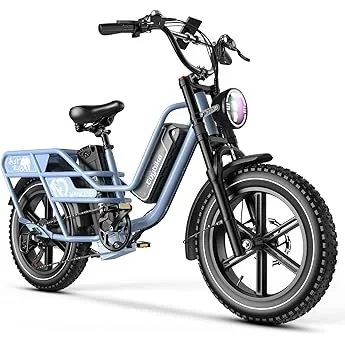
Electric bikes have revolutionized personal transportation, and fat tire folding e-bikes represent one of the most versatile and innovative segments in this rapidly growing market. These compact powerhouses combine the rugged capability of wide, grippy tires with the convenience of foldable frames, making them ideal for urban commuters, weekend adventurers, RV travelers, and anyone who values both performance and portability. Whether you’re navigating city streets, cruising beach boardwalks, or exploring off-road trails, a fat tire folding e-bike offers unmatched adaptability across diverse terrains and environments.
This comprehensive buying guide is designed to help you cut through the noise and make an informed decision when selecting your next electric ride. With dozens of models flooding the market—ranging from budget-friendly options under $800 to premium machines exceeding $3,000—it’s easy to feel overwhelmed. Our goal is to equip you with expert-level insights, practical advice, and real-world considerations that go beyond flashy marketing claims. You’ll learn how to evaluate key specs like motor power, battery life, and build quality, understand the trade-offs between different designs, avoid common pitfalls, and ultimately find the perfect fat tire folding e-bike that aligns with your lifestyle, budget, and riding goals.
The fat tire folding e-bike market has matured significantly over the past few years. What once was a niche category dominated by a handful of brands now features robust competition from established names like Rad Power Bikes, Aventon, and Lectric, as well as emerging innovators such as Himiway, Ancheer, and even mainstream players like Gotrax. This increased competition has driven down prices while simultaneously improving technology—today’s mid-range models offer features that were once reserved for high-end units. However, not all fat tire folding e-bikes are created equal. Some prioritize portability at the expense of durability, while others pack powerful motors but sacrifice battery efficiency. This guide will walk you through every critical factor so you can confidently choose a model that delivers on its promises without breaking the bank or leaving you stranded mid-commute.

What to Look for When Buying a Fat Tire Folding E-Bike
1. Motor Power & Performance
The motor is the heart of any electric bike, and for fat tire folding models, it needs to deliver both torque and reliability. Most fat tire folding e-bikes come equipped with hub motors ranging from 500W to 1000W, with some high-performance variants pushing even higher. A 500W motor is sufficient for flat urban commutes and light trail riding, but if you plan to tackle hills, carry heavy loads, or ride on soft surfaces like sand or snow, opt for at least a 750W motor. Peak power ratings (often listed as “peak wattage”) can give you a sense of short bursts of acceleration—useful for starting from a stop or climbing steep inclines—but sustained wattage matters more for consistent performance.
Pay attention to whether the motor is front or rear hub-driven. Rear hub motors generally provide better weight distribution and traction, especially important on loose terrain where fat tires already offer superior grip. Mid-drive motors are rare in folding e-bikes due to space constraints, but they offer superior efficiency and balance—though at a much higher price point. Also consider pedal assist levels: most models offer 3–5 levels of assistance, plus a throttle mode. Throttle-only operation (without pedaling) is convenient for quick starts or when you’re tired, but it drains the battery faster. Look for smooth, responsive power delivery that doesn’t jerk or lag when you engage the assist.
2. Battery Capacity & Range
Battery performance directly impacts how far and how long you can ride. Measured in watt-hours (Wh), battery capacity determines your range—the higher the Wh, the longer you can go on a single charge. For fat tire folding e-bikes, expect batteries between 400Wh and 900Wh. A 500Wh battery typically provides 25–40 miles of range under moderate pedal assist, but this drops significantly if you rely heavily on throttle, ride uphill frequently, or carry extra weight.
Lithium-ion (Li-ion) batteries are standard and offer good energy density, longevity, and low self-discharge. Avoid older lead-acid or nickel-based chemistries—they’re heavier and less efficient. Removable batteries are a major plus: they allow you to charge indoors, swap in a spare, or secure the bike without lugging the battery around. Charging time usually ranges from 4 to 8 hours; some premium models include fast-charging capabilities that cut this in half. Always check the battery’s cycle life—most quality batteries last 500–1,000 full charge cycles before capacity drops below 80%.
3. Frame Material & Build Quality
Since folding e-bikes endure more mechanical stress than rigid frames—due to hinges, latches, and repeated folding—the frame material and construction are critical. Aluminum alloy is the gold standard: it’s lightweight, corrosion-resistant, and strong enough to handle the rigors of daily use. Avoid steel frames unless specifically designed for heavy-duty applications—they add significant weight, which defeats the purpose of a portable e-bike.
Inspect the folding mechanism closely. Look for reinforced hinges, secure locking pins, and minimal play when the bike is unfolded. A wobbly frame compromises safety and ride quality. Welding should be clean and consistent, with no cracks or rough edges. Test the fold yourself if possible: it should be intuitive, require minimal force, and result in a compact, stable package. Some models include a carrying handle or integrated wheels for easier transport when folded—small details that make a big difference in real-world usability.
4. Tire Size & Tread Pattern
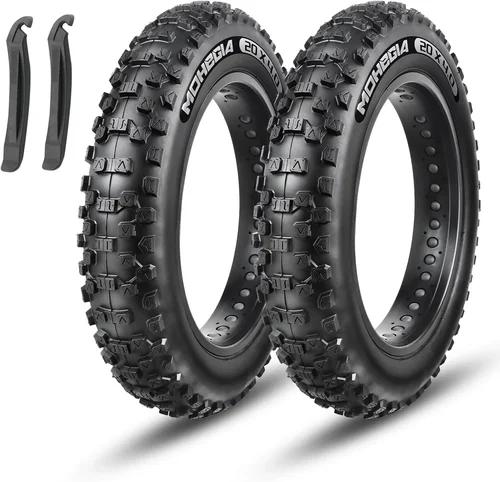
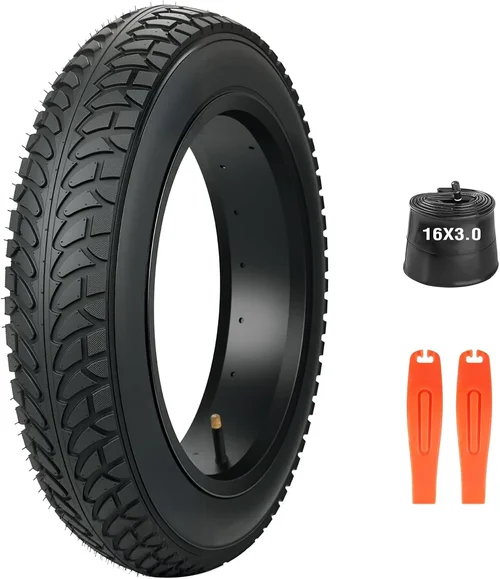
Fat tires—typically 4 to 5 inches wide—are what set these bikes apart. They provide exceptional stability, cushioning, and traction on uneven or soft surfaces. However, not all fat tires are equal. Look for puncture-resistant casings (often labeled “PR” or “anti-pinch”) and dual-layer construction to reduce the risk of flats. Tubeless-ready tires are a premium feature that allows you to run lower pressures for better grip without pinch flats.
Tread pattern matters too. Knobby, aggressive treads excel on dirt, sand, or snow but create more rolling resistance on pavement. Semi-slick or hybrid treads offer a compromise—quieter and faster on roads while still handling light off-road conditions. Consider your primary riding environment: if you’re mostly on city streets, a less aggressive tread saves energy and extends battery life. Also note tire pressure range—wider tires can be run at lower PSI for comfort, but too low can cause sidewall damage or rim strikes.
5. Portability & Foldability
The whole point of a folding e-bike is convenience, so evaluate how compact and easy-to-carry the folded unit really is. Measure the folded dimensions (length × width × height) and compare them to your storage or transport needs. Can it fit in your car trunk? Slide under a desk? Fit in an RV closet? Weight is equally important—most fat tire folding e-bikes weigh between 55 and 85 pounds. Anything over 70 lbs becomes challenging to lift regularly, especially for older riders or those with mobility concerns.
Look for thoughtful design touches: foldable pedals save space, quick-release levers speed up the process, and integrated stands keep the bike upright when folded. Some models even include a shoulder strap or trolley wheels. Test the folding sequence: it should take under 30 seconds and not require tools. A well-designed fold feels secure—there should be no rattling or shifting when carrying the bike.
6. Braking System
Safety starts with reliable brakes. Mechanical disc brakes are common on budget models but require more hand force and wear faster. Hydraulic disc brakes offer superior stopping power, modulation, and consistency—especially important when riding heavy e-bikes at speed or downhill. For fat tire folding e-bikes, hydraulic brakes are strongly recommended, particularly if you ride in wet or hilly conditions.
Check brake rotor size: 160mm is minimal, 180mm is good, and 203mm offers maximum stopping force. Also ensure the brakes are properly aligned and don’t rub against the rotor when spinning the wheel. Regenerative braking is rare on e-bikes (unlike e-scooters), so focus on mechanical performance. Dual-piston calipers provide better bite than single-piston designs. And don’t forget brake levers—ergonomic, adjustable levers improve control and reduce hand fatigue on long rides.
7. Suspension & Ride Comfort
Fat tires naturally absorb bumps, but adding suspension enhances comfort further, especially on rough terrain. Most folding e-bikes feature front suspension forks with 80–120mm of travel. Full suspension is extremely rare due to weight and complexity, but some premium models offer rear suspension or seatpost suspension.
Consider your riding style: if you stick to smooth bike paths, a rigid fork may suffice. But for gravel, trails, or pothole-ridden streets, front suspension is worth the extra weight and cost. Look for air-sprung forks (lighter and tunable) versus coil-sprung (durable but heavier). Lockout features let you stiffen the fork for efficient pedaling on flat roads—a nice bonus for mixed-use riding.
8. Display & Connectivity Features
The display is your command center. Basic LCD screens show speed, battery level, assist mode, and trip distance. Higher-end models include color displays with Bluetooth connectivity, GPS tracking, ride analytics, and smartphone integration via apps. While not essential, these features enhance the riding experience and can help monitor battery health or locate your bike if stolen.
Check button layout and visibility in sunlight. Water resistance matters—IP65 or higher ensures the display survives rain and splashes. Some bikes offer USB ports to charge your phone mid-ride, which is handy for navigation or emergencies. Avoid overly complex interfaces; simplicity often beats flashy tech when you’re focused on the road.
Different Types of Fat Tire Folding E-Bikes

Common Buying Mistakes to Avoid
❌ Mistake: Prioritizing Price Over Build Quality
Why it’s bad: Cheaply made folding e-bikes often use thin aluminum, weak hinges, or low-grade motors that fail prematurely. You might save $200 upfront but end up replacing the bike in a year—or worse, risking injury from a frame failure.
What to do instead: Allocate at least 60% of your budget to core components (frame, motor, battery). Read detailed reviews that test durability, not just specs.
❌ Mistake: Ignoring Real-World Range Claims
Why it’s bad: Manufacturers often quote range based on ideal conditions (flat terrain, minimal assist, lightweight rider). In reality, throttle use, hills, wind, and cargo can cut range by 30–50%.
What to do instead: Divide the advertised range by 1.5 to estimate real-world performance. Always buy a battery with 20–30% more capacity than your daily needs.
❌ Mistake: Overlooking Weight and Portability
Why it’s bad: A “folding” bike that weighs 80+ lbs and doesn’t stay folded is impractical for stairs, buses, or tight storage. Many buyers regret not testing the folded size and weight.
What to do instead: Check folded dimensions and weight before buying. If possible, visit a retailer to lift and carry the bike yourself.
❌ Mistake: Skipping the Test Ride
Why it’s bad: E-bike feel varies widely—some are twitchy, others sluggish. Comfort, handlebar position, and pedal feel are personal and hard to judge from specs alone.
What to do instead: Test ride multiple models. Pay attention to seat comfort, steering responsiveness, and how the bike handles at low speeds.
❌ Mistake: Neglecting Warranty and Support
Why it’s bad: E-bikes have complex electronics. A short or vague warranty leaves you vulnerable to costly repairs. Some brands outsource support to unresponsive third parties.
What to do instead: Choose brands with at least a 1-year comprehensive warranty and local service centers. Check online forums for customer service experiences.
❌ Mistake: Assuming All Fat Tires Are Equal
Why it’s bad: Low-quality fat tires wear quickly, puncture easily, and create excessive drag. They can turn a capable bike into a sluggish, maintenance-heavy burden.
What to do instead: Research tire brand and model. Look for reputable names like Kenda, Maxxis, or Chaoyang with reinforced casings.
Budget Guidelines: How Much Should You Spend?
Entry-Level ($500–$900): These bikes suit occasional riders or those on a tight budget. Expect basic components: 500W motors, 400–500Wh batteries, mechanical disc brakes, and minimal suspension. Brands like Ancheer or entry-level Gotrax models fall here. Range is typically 20–30 miles, and build quality may be inconsistent. Ideal for flat urban commutes under 10 miles round-trip.
Mid-Range ($900–$1,800): This is the sweet spot for most buyers. You’ll find 750W motors, 600–750Wh batteries, hydraulic disc brakes, front suspension, and better frames. Models from Lectric, RadPower, and Himiway offer excellent value here. Real-world range hits 35–50 miles, and folding mechanisms are more robust. Perfect for mixed terrain, daily commuting, and weekend adventures.
Premium ($1,800–$2,800): Designed for enthusiasts and frequent riders. Features include 1000W+ motors, 800–900Wh batteries, full hydraulic systems, advanced displays, and premium tires. Brands like Aventon and high-end Rad models dominate this tier. Expect 50+ mile range, superior comfort, and durable construction. Great for long-distance touring, hilly areas, or carrying heavy loads.
Luxury ($2,800+): Top-tier engineering with cutting-edge tech: torque sensors, app integration, regenerative braking (in rare cases), and aerospace-grade materials. These bikes prioritize performance, longevity, and user experience. While overkill for casual riders, they’re ideal for professionals, tech lovers, or those who view their e-bike as a long-term investment.
Expert Tips for Getting the Best Deal
1. Buy During Off-Season Sales: E-bike demand peaks in spring and summer. Shop in late fall or winter (November–February) for discounts of 10–25%. Many brands clear inventory for new models.
2. Compare Direct-to-Consumer vs. Retail: Brands like Lectric and Rad sell directly online, often at lower prices than big-box retailers. However, local bike shops offer test rides, assembly, and service—factor in convenience vs. cost.
3. Watch for Bundle Deals: Some retailers include free accessories (locks, racks, lights) or extended warranties during promotions. These can add $200+ in value.
4. Check Return Policies: Ensure you have at least 14–30 days to return the bike if it doesn’t meet expectations. Some companies charge restocking fees or require you to cover return shipping.
5. Verify Local Regulations: E-bike laws vary by state and city. Ensure your chosen model complies with speed limits (typically 20 mph for Class 2) and motor wattage restrictions (750W max in most U.S. states).
6. Join Owner Forums: Communities like Reddit’s r/ebikes or Facebook groups offer unfiltered feedback, mod tips, and alerts about recalls or defects.
7. Consider Refurbished or Open-Box: Certified refurbished models from reputable sellers can save 15–30% with full warranties. Avoid “as-is” listings without support.
8. Negotiate Assembly Fees: If buying online, ask if the seller covers professional assembly (often $100–$150 value). Some offer free setup with purchase.

Frequently Asked Questions
Q: Can I ride a fat tire folding e-bike in the rain?
A: Yes, most modern e-bikes are water-resistant (IP65 rated), meaning they can handle light rain and splashes. However, avoid submerging the battery or motor, and dry the bike after wet rides to prevent corrosion. Never pressure-wash electrical components.
Q: How often do I need to charge the battery?
A: Charge when the battery drops to 20–30%. Avoid draining it completely, as deep discharges shorten lifespan. For daily riders, nightly charging is fine. If storing long-term, keep the battery at 50% charge.
Q: Are fat tire folding e-bikes legal on bike paths?
A: In most U.S. states, yes—as long as the bike meets Class 1, 2, or 3 standards (motor cuts off at 20 or 28 mph). Check local ordinances; some parks restrict e-bikes entirely.
Q: Can I upgrade the battery later?
A: Some brands offer higher-capacity batteries as aftermarket upgrades, but compatibility varies. Check with the manufacturer before purchasing. Third-party batteries may void your warranty.
Q: How do I maintain the folding mechanism?
A: Clean hinges regularly with a dry cloth, apply light lubricant (like WD-40 Specialist Bike) every 3–6 months, and tighten bolts if loosened. Never force the fold—if it’s stiff, inspect for debris or damage.
Q: What’s the difference between pedal assist and throttle?
A: Pedal assist (PAS) provides power only when you pedal, offering better range and exercise. Throttle lets you ride without pedaling, like a scooter—convenient but less efficient. Most fat tire folding e-bikes include both.
Q: Can I carry cargo on a folding e-bike?
A: Yes, but check the weight limit (usually 220–330 lbs total). Use rear racks or front baskets designed for e-bikes. Avoid overloading—it strains the motor and reduces stability.
Q: How long do fat tire folding e-bikes last?
A: With proper care, 5–10 years is realistic. Motors and batteries degrade over time, but frames and drivetrains can last decades. Regular maintenance (tire checks, brake adjustments, chain lubrication) extends lifespan.
Our Final Recommendations
Best for Budget-Conscious Buyers: Lectric XP 3.0 – At under $1,000, it delivers 750W power, 45+ mile range, hydraulic brakes, and a solid aluminum frame. Its compact fold and reliable performance make it a standout value.
Best Overall Value: Rad Power Bikes RadExpand 5 – Priced around $1,600, it offers a 750W motor, 672Wh battery, full hydraulic brakes, and exceptional build quality. Ideal for commuters and adventurers alike.
Best Premium Option: Aventon Aventure.2 Folding – With a 1,000W motor, 814Wh battery, torque sensor, and premium components, this $2,500 bike excels in performance, comfort, and tech integration.
Best for Beginners: Gotrax GXL V2 Fat Tire – Simple controls, intuitive fold, and a sub-$800 price tag make it perfect for first-time e-bike riders. Just manage expectations on range and durability.
Best for Advanced Users: Himiway Zebra Step-Thru – Boasting a 1,000W motor, 960Wh dual-battery option, and rugged fat tires, this $2,200 beast handles extreme terrain and long distances with ease.
Conclusion: Making the Right Choice
Choosing the best fat tire folding e-bike isn’t just about picking the shiniest specs or the lowest price—it’s about aligning your purchase with your real-life needs, environment, and riding habits. Whether you’re dodging traffic in downtown Chicago, exploring coastal dunes in Oregon, or stashing your ride in a tiny apartment, the right bike will feel like an extension of your lifestyle, not a compromise.
Remember: prioritize reliability over gimmicks, test before you commit, and invest in quality where it matters most—motor, battery, and frame. The market offers incredible options at every price point, so don’t rush. Use this guide as your roadmap, ask questions, read owner reviews, and trust your instincts. Your perfect fat tire folding e-bike is out there—and once you find it, every ride will remind you why you made the switch to electric.