
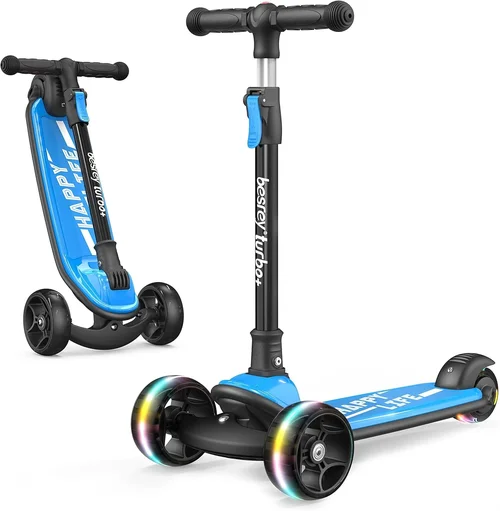
Electric scooters have evolved from niche urban curiosities into mainstream transportation solutions, and portable e-scooters are leading that revolution. Whether you’re commuting to work, running errands across campus, or simply exploring your city with a new sense of freedom, the right portable e-scooter can transform how you move. But with dozens of models flooding the market in 2026—each boasting different speeds, ranges, weights, and features—choosing the best one for your lifestyle can feel overwhelming. That’s exactly why this guide exists: to cut through the noise, eliminate confusion, and help you make a confident, informed decision.
In this comprehensive buying guide, you’ll learn everything you need to know about portable e-scooters—from understanding key performance specs like range and motor power to evaluating build quality, safety features, and real-world usability. We’ll walk you through the most important factors to consider, compare different types of scooters based on use cases, highlight common pitfalls to avoid, and even share expert tips for scoring the best deal. By the end, you won’t just know which scooter to buy—you’ll understand why it’s the right choice for you. The portable e-scooter market in 2026 is more competitive than ever, with innovations in battery tech, folding mechanisms, and smart connectivity. Whether you’re a first-time buyer or upgrading from an older model, this guide ensures you won’t overspend, underspec, or end up with a scooter that doesn’t match your daily needs.

What to Look for When Buying a Portable E-Scooter
1. Budget & Price Range
Your budget is the foundation of your purchase decision—and it’s more nuanced than just picking the cheapest or most expensive option. Portable e-scooters in 2026 span a wide spectrum, from under $300 entry-level models to premium units exceeding $1,500. However, price doesn’t always correlate directly with value. A $400 scooter with solid build quality and reliable performance may serve you better long-term than a flashy $800 model with poor customer support or fragile components. Start by defining your maximum spend, but also consider total cost of ownership: include potential repair costs, replacement parts (like tires or batteries), and whether the scooter comes with a warranty. Remember, investing slightly more upfront often saves money over time by reducing breakdowns and extending usable life.
2. Performance Specifications
Performance isn’t just about top speed—it’s a combination of motor power, range, hill-climbing ability, and acceleration. Motor power (measured in watts) determines how quickly your scooter accelerates and how well it handles inclines. For flat city streets, a 250W–350W motor is usually sufficient, but if you live in a hilly area or carry heavy loads, aim for 500W or higher. Range, measured in miles or kilometers per charge, depends heavily on battery capacity (measured in watt-hours, or Wh), rider weight, terrain, and riding style. Don’t take manufacturer range claims at face value—real-world range is typically 20–30% lower than advertised. Always check independent reviews for verified range tests. Also consider torque and braking responsiveness; these affect safety and control, especially in stop-and-go traffic.
3. Build Quality & Durability
A portable e-scooter must withstand daily wear and tear—bumps, rain, dust, and frequent folding/unfolding. Look for frames made from aircraft-grade aluminum or reinforced alloys, which offer strength without excessive weight. Check hinge mechanisms: poorly designed folding joints are a common failure point. Water resistance matters too—even if you don’t ride in heavy rain, morning dew or sudden showers can damage electronics. IP ratings (like IPX4 or IPX5) indicate splash resistance; avoid scooters with no rating. Tires are another durability factor: solid rubber tires are puncture-proof but offer a rougher ride, while air-filled pneumatic tires provide better shock absorption but require occasional maintenance. Inspect welds, cable routing, and deck grip—these small details reveal overall craftsmanship.
4. Features & Functionality
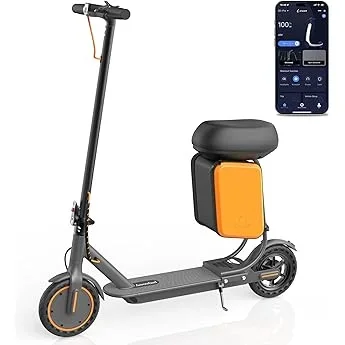
Modern portable e-scooters come packed with features that enhance convenience, safety, and usability. Essential features include bright LED headlights and taillights (with brake-activated lighting), responsive electronic or disc brakes, and a clear digital display showing speed, battery level, and mode. Many 2026 models now include smartphone connectivity via Bluetooth, allowing you to track rides, lock the scooter remotely, or update firmware. Regenerative braking—which recaptures energy during deceleration—can extend range by 5–10%. Some scooters offer multiple riding modes (Eco, Sport, Cruise), cruise control, and even built-in horns or turn signals. While extra features are nice, prioritize those that align with your actual usage. For example, if you ride mostly at night, invest in a model with superior lighting rather than one with flashy app integrations you’ll never use.
5. Brand Reputation
Not all e-scooter brands are created equal. Established brands like Gotrax, Xiaomi, Segway-Ninebot, and Apollo have spent years refining their designs, building reliable supply chains, and offering consistent customer service. Lesser-known or generic brands might offer tempting prices, but they often cut corners on quality control, use inferior batteries, or disappear when warranty claims arise. Research brand history: How long have they been in business? Do they have a physical presence or support center in your country? Read user forums and Reddit threads to see how customers describe post-purchase experiences. A reputable brand doesn’t guarantee perfection, but it significantly reduces the risk of ending up with a lemon and no recourse.
6. Warranty & Support
A strong warranty is a silent indicator of a manufacturer’s confidence in their product. Most reputable brands offer at least a 12-month warranty covering motor, battery, and structural defects. Some premium models include 18–24 months. Pay attention to what’s covered: Does the warranty include battery degradation (a common issue after 6–12 months)? Is labor included, or do you pay for shipping and repairs? Check if the company provides local service centers or requires you to ship the entire scooter overseas. Also, assess customer support responsiveness—can you reach a human quickly? Are replacement parts readily available? A scooter with a great spec sheet but poor support can become a paperweight if something breaks.
7. Size & Portability
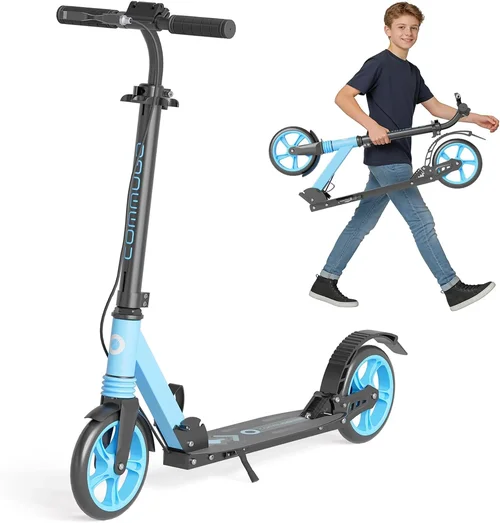
The “portable” in portable e-scooter isn’t just marketing—it’s a functional requirement. Weight is critical: most commuters can comfortably carry up to 30 lbs (13.6 kg), but anything over 35 lbs becomes cumbersome, especially on stairs or public transit. Folded dimensions matter too—can it fit under a desk, in a car trunk, or on a bus? Look for scooters with compact folding designs that minimize footprint. Handlebar height adjustability benefits users of different heights, reducing strain on wrists and back. Some models feature telescopic stems or removable handles for even greater portability. Don’t forget wheel size: smaller wheels (under 8 inches) are more compact but less stable on rough pavement; larger wheels (10+ inches) improve ride comfort but add bulk.
8. User Reviews & Ratings
Spec sheets tell you what a scooter can do—user reviews reveal what it actually does in real life. Look beyond Amazon star ratings; dive into detailed reviews on YouTube, Reddit (r/ElectricScooters), and specialized forums. Pay attention to recurring themes: Are multiple users reporting the same battery issue? Is the folding mechanism loosening after a few months? Do riders mention unexpected shutdowns or brake failures? Also note reviewer demographics—a scooter praised by lightweight teens may not suit a 200-lb adult. Verified purchase reviews and long-term ownership reports (6+ months) are especially valuable. If a model has overwhelmingly positive feedback across diverse users, it’s a strong signal of reliability.
Different Types of Portable E-Scooters

Common Buying Mistakes to Avoid
❌ Mistake: Prioritizing Top Speed Over Real-World Usability
Why it’s bad: Many buyers fixate on maximum speed (e.g., “25 mph!”) without considering whether they’ll ever safely reach that speed in their environment. High-speed scooters often have shorter ranges, heavier frames, and stiffer suspensions that make slow-speed maneuvering awkward. In dense urban areas, speeds above 15–18 mph are rarely practical—and can be dangerous.
What to do instead: Focus on balanced performance: adequate acceleration for merging into traffic, reliable braking, and a comfortable ride at typical commuting speeds (10–15 mph). Test ride if possible, or watch slow-speed handling videos online.
❌ Mistake: Ignoring Weight and Folded Dimensions
Why it’s bad: A scooter that’s too heavy or bulky becomes a burden, not a convenience. Carrying a 40-lb scooter up three flights of stairs daily leads to frustration and eventual abandonment. Similarly, a scooter that doesn’t fit in your car trunk defeats the purpose of “portability.”
What to do instead: Measure your storage spaces (under desk, closet, car trunk) and weigh yourself carrying a similar object. Choose a scooter under 30 lbs if you’ll carry it frequently, and verify folded dimensions before buying.
❌ Mistake: Overlooking Battery Chemistry and Longevity
Why it’s bad: Not all lithium-ion batteries are equal. Cheap scooters often use lower-grade cells that degrade rapidly—losing 20–30% capacity within a year. This drastically reduces range and may require expensive replacements.
What to do instead: Look for scooters using reputable battery brands (like Samsung, LG, or Panasonic cells). Check if the manufacturer discloses cycle life (e.g., “500+ charge cycles”). Avoid models with non-removable batteries unless the warranty covers degradation.
❌ Mistake: Buying Based Solely on Marketing Claims
Why it’s bad: Advertised range, speed, and water resistance are often tested under ideal lab conditions—not real-world scenarios. A scooter claiming “25-mile range” might only achieve 15 miles with a 180-lb rider on hills.
What to do instead: Cross-reference specs with independent reviews and user feedback. Look for third-party testing data or YouTube reviews that measure actual range and performance.
❌ Mistake: Skipping Safety Features
Why it’s bad: Braking systems, lighting, and tire quality directly impact accident risk. Scooters with only electronic brakes (no mechanical backup) can fail catastrophically. Poor lighting increases nighttime collision risk.
What to do instead: Ensure your scooter has dual braking (electronic + disc/drum), bright front/rear lights, and reflective elements. Consider adding aftermarket lights or mirrors if needed.
❌ Mistake: Neglecting Local Laws and Regulations
Why it’s bad: E-scooter laws vary widely by city and country. Some areas restrict speed, require helmets, ban riding on sidewalks, or limit where you can park. Riding illegally can result in fines or confiscation.
What to do instead: Research local regulations before purchasing. Choose a scooter that complies with your area’s limits (e.g., speed governors, horn requirements). Some brands offer region-specific firmware updates to stay legal.
❌ Mistake: Forgetting About Maintenance and Repairability
Why it’s bad: All scooters require occasional maintenance—tire inflation, brake adjustments, bolt tightening. If parts aren’t available or repairs are overly complex, minor issues become major headaches.
What to do instead: Choose brands with accessible spare parts and clear repair guides. Avoid scooters with proprietary screws or sealed components that require special tools.
Budget Guidelines: How Much Should You Spend?
Entry-Level ($250–$450): This tier is ideal for casual riders, students, or those testing the e-scooter waters. Expect modest performance: 15–20 mph top speed, 10–15 mile range, and basic features like LED lights and single braking. Build quality varies—look for models from established brands like Gotrax or Segway’s budget line. These scooters work well for flat, short commutes but struggle on hills or with heavier riders. Battery life may degrade faster, so treat this as a 1–2 year investment.
Mid-Range ($450–$800): The sweet spot for most buyers. Scooters in this range offer reliable motors (350W–500W), 15–25 mile real-world range, better suspension, and improved durability. You’ll find dual braking, brighter lights, and often smartphone connectivity. Brands like Apollo, Ninebot, and upgraded Gotrax models dominate here. This tier balances cost, performance, and longevity—perfect for daily commuters who need dependability without premium pricing.
Premium ($800–$1,500): Designed for enthusiasts, long-distance riders, or those in hilly terrain. Expect high-capacity batteries (400Wh+), powerful motors (800W–1000W), advanced suspension, and premium materials. Features like regenerative braking, app-based diagnostics, and robust water resistance are common. These scooters often last 3–5 years with proper care and handle varied conditions with ease. Ideal if you prioritize performance, safety, and future-proofing.
Luxury ($1,500+): Top-tier models with cutting-edge tech, ultra-long range (30+ miles), and exceptional build quality. Think carbon fiber components, swappable batteries, GPS tracking, and military-grade durability. These are for serious riders, tech lovers, or professionals who rely on their scooter daily. While overkill for most, they offer unmatched reliability and innovation—if your budget allows.
Expert Tips for Getting the Best Deal
– Buy During Off-Peak Seasons: Demand peaks in spring and summer. Shop in late fall or winter (October–February) when retailers offer discounts to clear inventory. Black Friday and Cyber Monday remain strong, but January sales can yield deeper cuts.
– Compare Retailers Strategically: Amazon offers convenience and fast shipping, but specialty retailers like Fluid FreeRide, Unagi, or direct-from-brand stores often include free accessories, extended warranties, or better support. Check return policies—some online sellers charge restocking fees.
– Watch for Refurbished or Open-Box Deals: Certified refurbished scooters from reputable sellers can save 20–40% off retail. These are typically inspected, tested, and come with warranties. Avoid “used” scooters from unknown sellers unless you can inspect them thoroughly.
– Bundle Accessories: Some retailers offer starter kits (helmet, lock, phone mount) at a discount when purchased with a scooter. This saves money versus buying separately and ensures compatibility.
– Read the Fine Print on Warranties: A “1-year warranty” might exclude batteries or wear items. Look for comprehensive coverage and check if international shipping is required for repairs. Some brands offer extended warranties for a fee—worth considering for premium models.
– Test Ride When Possible: If you live near a store that carries e-scooters (like Best Buy, Walmart, or specialty shops), test ride your top contenders. Pay attention to comfort, braking feel, and folding mechanism smoothness.
– Join Owner Communities: Forums and Facebook groups often share exclusive promo codes, flash sales, or early access to new models. Members also warn about known issues or recalls.
– Consider Total Cost of Ownership: Factor in potential repairs, tire replacements, and battery lifespan. A slightly more expensive scooter with lower maintenance costs may be cheaper long-term.

Frequently Asked Questions
Q: How far can a portable e-scooter really go on one charge?
A: Real-world range depends on rider weight, terrain, speed, and weather. Most scooters deliver 70–80% of their advertised range. For example, a scooter rated for 20 miles might give you 14–16 miles with a 160-lb rider on mixed terrain. Always check third-party range tests for accurate estimates.
Q: Are portable e-scooters safe for beginners?
A: Yes, with proper precautions. Start in Eco mode, wear a helmet, and practice in low-traffic areas. Choose a scooter with stable handling, good brakes, and beginner-friendly features like cruise control. Avoid high-speed models until you’re confident.
Q: Can I take my e-scooter on public transportation?
A: Most buses, trains, and subways allow folded e-scooters, but policies vary. Check local transit rules—some require scooters to be under a certain weight or have removable batteries. Ultra-portable models (under 25 lbs) are most compatible.
Q: How long do e-scooter batteries last?
A: Quality lithium-ion batteries typically last 300–500 full charge cycles before capacity drops below 80%. With daily use, that’s 1–2 years. Proper charging (avoiding full discharges and extreme temperatures) extends lifespan.
Q: Do I need to register or insure my e-scooter?
A: In most U.S. states and many countries, no registration or insurance is required for low-speed e-scooters (under 20 mph). However, some cities have specific rules—research your local laws. Insurance is optional but recommended for high-value models.
Q: What’s the difference between hub motors and belt-driven motors?
A: Hub motors (most common in portable scooters) are integrated into the wheel, offering simplicity, quiet operation, and low maintenance. Belt-driven systems (more common in performance scooters) provide better torque and heat dissipation but require belt replacements. For portability, hub motors are preferred.
Q: Can I ride my e-scooter in the rain?
A: Only if it has adequate water resistance (IPX4 or higher). Light rain is usually fine, but avoid deep puddles or heavy downpours. Water can damage electronics and brakes. Dry your scooter thoroughly after wet rides.
Q: How do I maintain my portable e-scooter?
A: Regularly check tire pressure (if pneumatic), tighten bolts, clean the deck and wheels, and inspect brakes. Store in a dry place and charge the battery to 50–80% if storing long-term. Follow the manufacturer’s maintenance schedule.
Q: Are there age or weight limits for e-scooters?
A: Most scooters have a minimum age of 14–16 and a weight limit of 220–300 lbs. Exceeding the weight limit reduces range, stresses components, and voids warranties. Choose a model rated for your weight.
Q: What should I do if my scooter breaks down?
A: First, check the warranty—many issues are covered. Contact customer support with your order number and photos of the problem. For out-of-warranty repairs, look for local e-scooter repair shops or order parts directly from the manufacturer.
Our Final Recommendations
Best for Budget-Conscious Buyers: Gotrax GXL V2 – At around $350, it offers solid 15.5 mph speed, 12-mile range, and reliable build quality. Perfect for students and short commutes. Lacks advanced features but delivers exceptional value.
Best Overall Value: Apollo Air Pro – Priced around $650, it balances performance (20 mph, 25-mile range), portability (29 lbs), and premium features like dual braking and app connectivity. Ideal for daily commuters seeking longevity.
Best Premium Option: Unagi Model One Voyager – At $1,290, it boasts dual motors, 20-mile range, ultra-lightweight magnesium frame (26.5 lbs), and sleek design. Excellent for urban professionals who prioritize style and performance.
Best for Beginners: Segway Ninebot ES2 – User-friendly with smooth acceleration, 15.5 mph top speed, and built-in LED lights. Lightweight (27.6 lbs) and easy to fold—great for first-time riders.
Best for Advanced Users: Dualtron Thunder 3 – A powerhouse at $1,490, with 50 mph top speed, 70-mile range, and full suspension. Built for thrill-seekers and long-distance riders who demand top-tier performance.
Conclusion: Making the Right Choice
Choosing the best portable e-scooter isn’t about finding the fastest, flashiest, or most expensive model—it’s about matching the scooter’s capabilities to your real-life needs. Whether you’re navigating campus sidewalks, dodging downtown traffic, or exploring weekend trails, the right scooter should feel like a natural extension of your mobility. By focusing on key factors like budget, performance, build quality, and portability—and avoiding common pitfalls—you’ll invest in a device that enhances your daily life, not complicates it.
Remember, the best scooter is the one you’ll actually use. Don’t let specs overwhelm you; prioritize what matters most to your routine. Test when you can, read real user experiences, and don’t rush the decision. With the insights from this guide, you’re equipped to make a smart, confident purchase that delivers years of reliable, eco-friendly transportation. Now go find your ride—and enjoy the freedom that comes with every charge.