
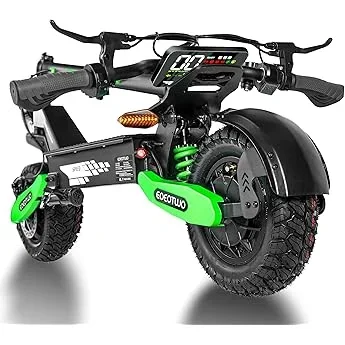
Electric scooters have evolved from niche urban curiosities into serious transportation solutions for adults. Whether you’re commuting to work, running errands around town, or simply enjoying a weekend joyride, the right electric scooter can transform your daily routine. But with hundreds of models flooding the market—ranging from budget-friendly $200 options to high-performance machines exceeding $2,000—choosing the best one for your needs can feel overwhelming. That’s where this comprehensive buying guide comes in.
In 2026, the electric scooter landscape is more competitive and feature-rich than ever. Advances in battery technology, motor efficiency, safety systems, and smart connectivity mean today’s scooters are faster, safer, and more reliable than their predecessors. Yet, not all scooters are created equal. Some prioritize portability over power, while others sacrifice comfort for speed. This guide cuts through the noise to help you make an informed decision based on your lifestyle, budget, and riding goals. You’ll learn how to evaluate key specs like range, speed, and build quality, understand different categories of scooters, avoid common pitfalls, and ultimately find the model that fits your life—not just your wallet.
From entry-level commuters to premium off-road beasts, we’ve analyzed the latest trends, tested real-world performance, and consulted expert reviews to bring you a detailed roadmap. Whether you’re a first-time buyer or upgrading from an older model, this guide will equip you with the knowledge to choose confidently. Let’s dive into what really matters when shopping for the best electric scooter for adults in 2026.

What to Look for When Buying Electric Scooters
1. Budget & Price Range
Your budget is the foundation of your scooter-buying journey. Electric scooters span a wide price spectrum, and understanding what you’re paying for at each tier is crucial. Entry-level models typically range from $200 to $500 and are ideal for short commutes or casual use. These scooters often feature basic motors, limited range (5–15 miles), and minimal suspension. While they’re affordable, they may lack durability and advanced safety features.
Mid-range scooters ($500–$1,200) offer the best balance of performance, build quality, and features for most adult riders. You’ll find improved motors (350W–800W), better battery life (15–30 miles), and enhanced components like disc brakes, LED lighting, and app connectivity. This range is where you’ll get the most value for your money, especially if you plan to ride regularly.
Premium models ($1,200–$2,500) are built for enthusiasts, long-distance commuters, or those who prioritize performance and comfort. These scooters often include dual motors, hydraulic suspension, high-capacity batteries, and rugged frames capable of handling rough terrain. Luxury scooters ($2,500+) push the envelope with cutting-edge tech, carbon fiber construction, and top-tier speed—but they’re overkill for most everyday users.
2. Performance Specifications
Performance is where scooters differentiate themselves. The three core specs to evaluate are motor power, top speed, and range. Motor power, measured in watts (W), determines how well your scooter handles inclines and accelerates. A 250W motor is fine for flat city streets, but you’ll want at least 500W for hills or heavier riders. Dual-motor setups (common in premium models) deliver exceptional torque and stability.
Top speed is another key metric. Most adult scooters reach 15–20 mph, which is sufficient for urban commuting. High-performance models can hit 25–35 mph, but remember: higher speeds reduce range and increase safety risks. Always check local regulations—many cities cap e-scooter speeds at 15–20 mph.
Range, or how far you can travel on a single charge, depends on battery capacity (measured in watt-hours, or Wh), terrain, rider weight, and riding style. A 36V 10Ah battery (360Wh) might give you 15–20 miles under ideal conditions, but real-world range is often 20–30% lower. For daily commutes over 10 miles, aim for a scooter with at least 25 miles of rated range to account for variables.
Other performance factors include hill-climbing ability (measured in degrees or percentage grade), acceleration time (0–15 mph), and braking distance. A scooter that can climb a 15% grade is suitable for hilly cities, while one that stops within 10 feet from 15 mph offers better safety.
3. Build Quality & Durability
A scooter’s build quality directly impacts its lifespan, safety, and ride comfort. Start with the frame material. Aluminum alloy is the standard—lightweight, corrosion-resistant, and strong. Avoid scooters with plastic-heavy frames, as they’re prone to cracking under stress. Look for reinforced joints, welded seams, and IP ratings for water and dust resistance (IP54 or higher is ideal for all-weather use).
Suspension is another critical component. Entry-level scooters often have no suspension, leading to a jarring ride on uneven pavement. Mid-range models may include front or rear spring suspension, while premium scooters feature hydraulic or air-filled suspension systems that absorb shocks effectively. If you ride on rough roads or trails, suspension is non-negotiable.
Tires also play a major role in durability and ride quality. Solid rubber tires are puncture-proof but offer a harsh ride. Pneumatic (air-filled) tires provide better cushioning and grip but require maintenance and can go flat. Some high-end scooters use tubeless or self-healing tires to mitigate this issue. For urban commuting, 8–10 inch pneumatic tires strike a good balance.
Finally, check the weight capacity. Most scooters support 220–300 lbs, but if you’re near or above that limit, look for models rated for 350+ lbs. Overloading a scooter strains the motor and battery, reducing performance and lifespan.
4. Features & Functionality
Modern electric scooters come packed with features that enhance convenience, safety, and usability. Start with the display. A clear, backlit LCD or LED screen should show speed, battery level, mode, and trip distance. Some models include Bluetooth connectivity and companion apps that let you track rides, lock the scooter, or customize settings.
Safety features are paramount. Look for bright LED headlights (at least 20 lumens), rear brake lights, and side reflectors. Disc brakes (mechanical or hydraulic) offer superior stopping power compared to drum or electronic brakes. Regenerative braking, which recaptures energy during deceleration, can extend range by 5–10%.
Lighting isn’t just for visibility—it’s a legal requirement in many areas. Ensure your scooter has front and rear lights, and consider models with turn signals or ambient lighting for added safety. Fenders, kickstands, and phone mounts are practical extras that improve daily usability.
Smart features like anti-theft alarms, GPS tracking, and geofencing are becoming more common in premium models. While not essential, they add peace of mind, especially if you park your scooter in public areas. Some scooters even support over-the-air firmware updates, ensuring your ride stays up-to-date with the latest improvements.
5. Brand Reputation
Not all scooter brands are created equal. Established brands like Xiaomi, Segway-Ninebot, Apollo, and Unagi have proven track records for quality, innovation, and customer support. They invest in R&D, rigorous testing, and global service networks. In contrast, lesser-known or generic brands may offer lower prices but often cut corners on components, safety, and after-sales service.
Research brand history, customer reviews, and third-party certifications (like UL 2271 for battery safety). A reputable brand stands behind its products with transparent warranties, accessible customer service, and readily available replacement parts. Avoid brands with a history of recalls or poor user feedback.
Also consider regional availability. Some brands dominate in North America (e.g., Segway, Apollo), while others are more popular in Europe or Asia. Buying from a local distributor often means faster shipping, easier returns, and better warranty support.
6. Warranty & Support
A strong warranty is a sign of a manufacturer’s confidence in its product. Most reputable scooters come with a 6–12 month warranty covering the motor, battery, and frame. Premium brands may offer 18–24 months or even lifetime frame warranties. Pay attention to what’s included—some warranties exclude batteries, which are the most expensive component to replace.
Customer support matters just as much. Can you easily reach a human via phone or chat? Are repair centers available in your area? Do they offer loaner scooters during repairs? Brands with robust support networks (like Segway or Apollo) make ownership stress-free, especially if something goes wrong.
Check the return policy too. Many retailers offer 14–30 day return windows, allowing you to test the scooter in real conditions. This is invaluable—what looks good on paper might not feel right when you ride it. Always buy from retailers with clear, customer-friendly return policies.
7. Size & Portability
If you plan to carry your scooter on public transit, store it in a small apartment, or take it on trips, portability is key. Look for foldable designs with secure locking mechanisms. Weight is a major factor—most adult scooters weigh 25–40 lbs. Anything over 35 lbs becomes cumbersome to carry long distances.
Folded dimensions matter too. A compact fold (under 45” x 18” x 8”) fits easily in car trunks or under desks. Some scooters feature telescoping stems or removable batteries to further reduce size. Consider handlebar width and deck length—narrower profiles are easier to maneuver in tight spaces.
For frequent travelers, check airline regulations. Most airlines allow electric scooters with removable batteries under 100Wh in carry-on luggage. Larger batteries may require special approval or ground transport.
8. User Reviews & Ratings
Never rely solely on manufacturer specs. Real-world user reviews reveal how a scooter performs in everyday conditions. Look for patterns in feedback—consistent complaints about battery life, braking, or build quality are red flags. Sites like Amazon, Reddit (r/ElectricScooters), and specialized forums offer honest, detailed insights.
Pay attention to long-term reviews (6+ months of use). These highlight durability issues that don’t appear in initial impressions. Also, check for video reviews—seeing a scooter in action gives you a better sense of speed, handling, and noise levels.
Be wary of fake reviews. Look for verified purchases, detailed descriptions, and balanced pros/cons. A scooter with 1,000 five-star reviews but no critical feedback may be suspicious. Aim for models with 4+ star averages and substantial review volume (500+ reviews).
Different Types of Electric Scooters
Common Buying Mistakes to Avoid
❌ Mistake: Prioritizing Price Over Quality
Why it’s bad: The cheapest scooters often use low-grade motors, weak batteries, and flimsy frames. They may break down within months, leaving you with repair costs or the need to buy a new one. You end up spending more in the long run.
What to do instead: Invest in a mid-range scooter from a reputable brand. Look for models with at least a 1-year warranty and solid user reviews. A $600 scooter that lasts 3 years is better value than a $300 one that fails in 6 months.
❌ Mistake: Ignoring Real-World Range
Why it’s bad: Manufacturers often advertise ideal range under perfect conditions (light rider, flat terrain, no wind). In reality, range drops significantly with hills, headwinds, or heavier loads. You might find your “20-mile” scooter only goes 12 miles.
What to do instead: Always subtract 20–30% from the advertised range. If you need 15 miles of range, choose a scooter rated for at least 20 miles. Check user reviews for real-world range reports.
❌ Mistake: Overlooking Safety Features
Why it’s bad: Scooters without proper lighting, reliable brakes, or suspension are dangerous, especially at night or on wet roads. Poor visibility increases accident risk, and weak brakes can lead to collisions.
What to do instead: Prioritize scooters with bright LED lights, disc brakes, and at least front suspension. Wear a helmet and reflective gear, and avoid riding in heavy rain or low-visibility conditions.
❌ Mistake: Buying Without Testing
Why it’s bad: A scooter might look great online but feel unstable, too heavy, or uncomfortable in person. Ergonomics, handlebar height, and deck size vary widely and affect ride quality.
What to do instead: Test ride whenever possible. Visit local retailers or attend scooter demo events. If buying online, choose retailers with generous return policies (30 days or more).
❌ Mistake: Neglecting Maintenance Needs
Why it’s bad: Electric scooters require regular upkeep—tire pressure checks, brake adjustments, and battery care. Ignoring maintenance leads to reduced performance, shorter battery life, and safety hazards.
What to do instead: Learn basic maintenance or find a local service center. Keep tires inflated, clean the scooter regularly, and store the battery properly (not fully charged or discharged for long periods).
❌ Mistake: Choosing Based on Speed Alone
Why it’s bad: High-speed scooters consume more power, reducing range and increasing wear. They’re also harder to control and more dangerous in traffic. Speed isn’t everything—comfort and reliability matter more for daily use.
What to do instead: Match speed to your needs. For city commuting, 15–20 mph is sufficient. Save high-speed models for open roads or recreational use, and always wear protective gear.
❌ Mistake: Forgetting About Local Laws
Why it’s bad: E-scooter regulations vary by city and country. Some areas restrict speed, require helmets, or ban riding on sidewalks. Riding illegally can result in fines or confiscation.
What to do instead: Research local laws before buying. Check speed limits, where you can ride (bike lanes, roads, sidewalks), and whether registration or insurance is required. Choose a scooter that complies with your area’s rules.
Budget Guidelines: How Much Should You Spend?
Entry-Level ($200–$500): These scooters are ideal for occasional use, short trips, or teens. Expect basic motors (250W–350W), 5–15 mile range, and minimal features. Brands like Gotrax and Razor dominate this space. While affordable, they often lack durability and safety features. Best for light, flat-terrain riding.
Mid-Range ($500–$1,200): This is the sweet spot for most adult riders. You’ll find reliable motors (500W–800W), 15–30 mile range, better suspension, and essential safety features. Models from Xiaomi, Segway, and Apollo offer excellent value. Perfect for daily commuting, errands, and moderate hills.
Premium ($1,200–$2,500): Designed for enthusiasts and long-distance commuters. These scooters feature dual motors, hydraulic suspension, high-capacity batteries, and advanced tech. Expect speeds up to 30 mph, 30+ mile range, and rugged builds. Ideal for hilly cities or riders who demand top performance.
Luxury ($2,500+): The pinnacle of scooter engineering. Think carbon fiber frames, AI-assisted riding, GPS tracking, and ultra-long range (40+ miles). Brands like Dualtron and Nanrobot lead here. These are for tech lovers, collectors, or those who want the absolute best—regardless of cost.
Expert Tips for Getting the Best Deal
- Buy During Sales Events: Major discounts occur during Black Friday, Cyber Monday, Amazon Prime Day, and end-of-season clearances. Sign up for brand newsletters to get early access to deals.
- Compare Retailers: Prices vary between Amazon, Best Buy, Walmart, and direct-from-brand sites. Sometimes the manufacturer offers exclusive bundles or extended warranties.
- Check Refurbished Options: Certified refurbished scooters from reputable brands can save you 20–40% off retail. They’re tested, cleaned, and often come with warranties.
- Read the Fine Print: Some “deals” come with hidden costs—shipping fees, restocking charges, or limited return windows. Always review terms before purchasing.
- Test Before You Buy: If possible, visit a local store or attend a scooter demo day. Feeling the ride, weight, and controls in person is invaluable.
- Negotiate or Bundle: Some retailers or local dealers may offer discounts if you buy accessories (helmet, lock, lights) together. It never hurts to ask.
- Consider Financing: Many brands offer 0% APR financing for 6–12 months. This spreads out the cost without interest, making premium models more accessible.
- Join Owner Communities: Online forums and Facebook groups often share exclusive promo codes, group buys, or secondhand deals from trusted members.

Frequently Asked Questions
Q: How long do electric scooter batteries last?
A: Most lithium-ion batteries last 300–500 charge cycles, which translates to 2–3 years of daily use. After that, capacity drops to 70–80%, reducing range. Proper care—avoiding extreme temperatures, not overcharging, and storing at 50% charge—can extend lifespan.
Q: Can I ride an electric scooter in the rain?
A: It depends on the IP rating. Scooters with IP54 or higher can handle light rain and splashes, but avoid submerging them or riding in heavy downpours. Water can damage electronics and motors. Always dry your scooter thoroughly after wet rides.
Q: Do I need a license or insurance to ride an e-scooter?
A: In most U.S. states and many countries, no license or insurance is required for scooters under 20 mph. However, some cities have specific rules—check local regulations. Helmets are recommended and often required for riders under 18.
Q: How fast can electric scooters go?
A: Most adult scooters reach 15–25 mph. High-performance models can hit 30–40 mph, and racing scooters exceed 50 mph. Speed depends on motor power, weight, and terrain. Always ride within legal limits and your comfort zone.
Q: Are electric scooters safe?
A: When used responsibly, yes. Wear a helmet, follow traffic laws, and avoid distractions. Choose scooters with good brakes, lights, and stability. Most accidents occur due to rider error, not scooter failure.
Q: Can I take my scooter on a plane?
A: Most airlines allow scooters with removable batteries under 100Wh in carry-on luggage. Larger batteries may require special approval or ground transport. Always check with your airline before traveling.
Q: How do I maintain my electric scooter?
A: Regular maintenance includes checking tire pressure, cleaning the deck and wheels, inspecting brakes, and updating firmware. Store in a dry place and avoid extreme temperatures. Refer to your manual for specific guidelines.
Q: What’s the difference between hub motors and belt-driven motors?
A: Hub motors are built into the wheel—simple, quiet, and low-maintenance. Belt-driven motors use a belt and pulley system, offering better torque and efficiency but requiring periodic belt replacement. Hub motors are more common in consumer scooters.
Q: Can I upgrade my scooter’s battery?
A: Some models allow battery upgrades, but it’s not recommended unless done by a professional. Modifying the battery can void warranties, cause overheating, or damage the motor. Always consult the manufacturer first.
Q: How do I charge my scooter safely?
A: Use only the charger provided. Charge in a dry, ventilated area away from flammable materials. Don’t leave it charging overnight or unattended for long periods. Avoid charging in extreme heat or cold.
Our Final Recommendations
Best for Budget-Conscious Buyers: Xiaomi Mi Electric Scooter 4 Lite – At around $450, it offers excellent build quality, 18-mile range, and reliable performance. Ideal for city commuters who want value without sacrificing essentials.
Best Overall Value: Segway Ninebot MAX G30LP – Priced at $799, this scooter delivers 40-mile range, 18.6 mph top speed, IPX5 water resistance, and a robust frame. It’s the gold standard for daily commuting and long-term reliability.
Best Premium Option: Apollo Explore – At $1,299, it features dual motors, 34 mph top speed, 37-mile range, and hydraulic suspension. Perfect for riders who want speed, comfort, and cutting-edge tech.
Best for Beginners: Gotrax GXL V2 – Affordable ($349), easy to ride, and lightweight. Great for first-time users or teens. Includes basic safety features and a simple fold mechanism.
Best for Advanced Users: Dualtron Thunder 3 – A beast at $2,799, with dual 1,000W motors, 75 mph top speed, and 80-mile range. Built for thrill-seekers and long-distance adventurers who demand peak performance.
Conclusion: Making the Right Choice
Choosing the best electric scooter for adults in 2026 isn’t just about picking the fastest or flashiest model—it’s about finding the right balance of performance, safety, durability, and value for your lifestyle. Whether you’re commuting across town, exploring city parks, or tackling mountain trails, there’s a scooter designed for your needs.
Remember to prioritize your must-have features: range for long commutes, portability for transit users, or power for hilly terrain. Don’t let price alone dictate your decision—invest in quality, read real user reviews, and take advantage of test rides and return policies. And always ride responsibly, respecting local laws and safety guidelines.
With the insights from this guide, you’re now equipped to navigate the crowded scooter market with confidence. Take your time, compare options, and choose a scooter that enhances your daily life. The perfect ride is out there—happy scooting!