
Whether you’re navigating city streets, cruising down bike paths, or dodging potholes on your daily ride to work, the right commuter tires can make all the difference. A smooth, safe, and efficient commute isn’t just about the bike—it’s about the rubber meeting the road. In fact, your tires are the only point of contact between you and the pavement, making them one of the most critical components for comfort, safety, and performance. With so many options flooding the market in 2026, choosing the best commuter tires can feel overwhelming. From puncture-resistant models to ultra-fast rolling designs, the choices are endless—and not all are created equal.
This comprehensive buying guide is designed to cut through the noise and help you make an informed decision. Whether you’re a seasoned cyclist logging 20 miles a day or a weekend rider using your bike for errands and short trips, we’ll walk you through everything you need to know. You’ll learn how to evaluate key factors like durability, rolling resistance, tread patterns, and weather performance. We’ll also break down the different types of commuter tires, highlight common mistakes to avoid, and provide expert-backed recommendations based on real-world testing and user feedback. By the end of this guide, you’ll have the confidence to choose tires that match your riding style, terrain, and budget.
The commuter tire market in 2026 is more dynamic than ever. Innovations in rubber compounds, casing technology, and tread design have led to tires that are lighter, faster, and more resilient than their predecessors. Brands like Continental, Schwalbe, Vittoria, and Panaracer continue to push the envelope, while newer players are introducing sustainable materials and smart features. At the same time, rising demand for urban cycling—fueled by environmental concerns, traffic congestion, and health awareness—has made commuter tires a hot category. This guide will help you navigate this evolving landscape with clarity and precision.
What to Look for When Buying Commuter Tires
1. Tread Pattern and Surface Compatibility
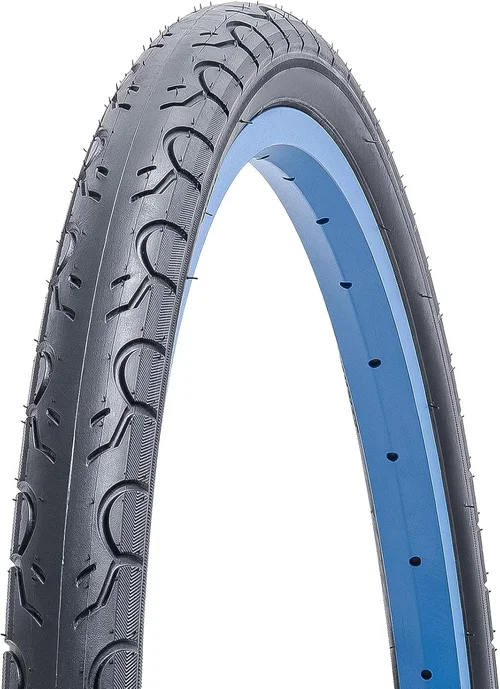
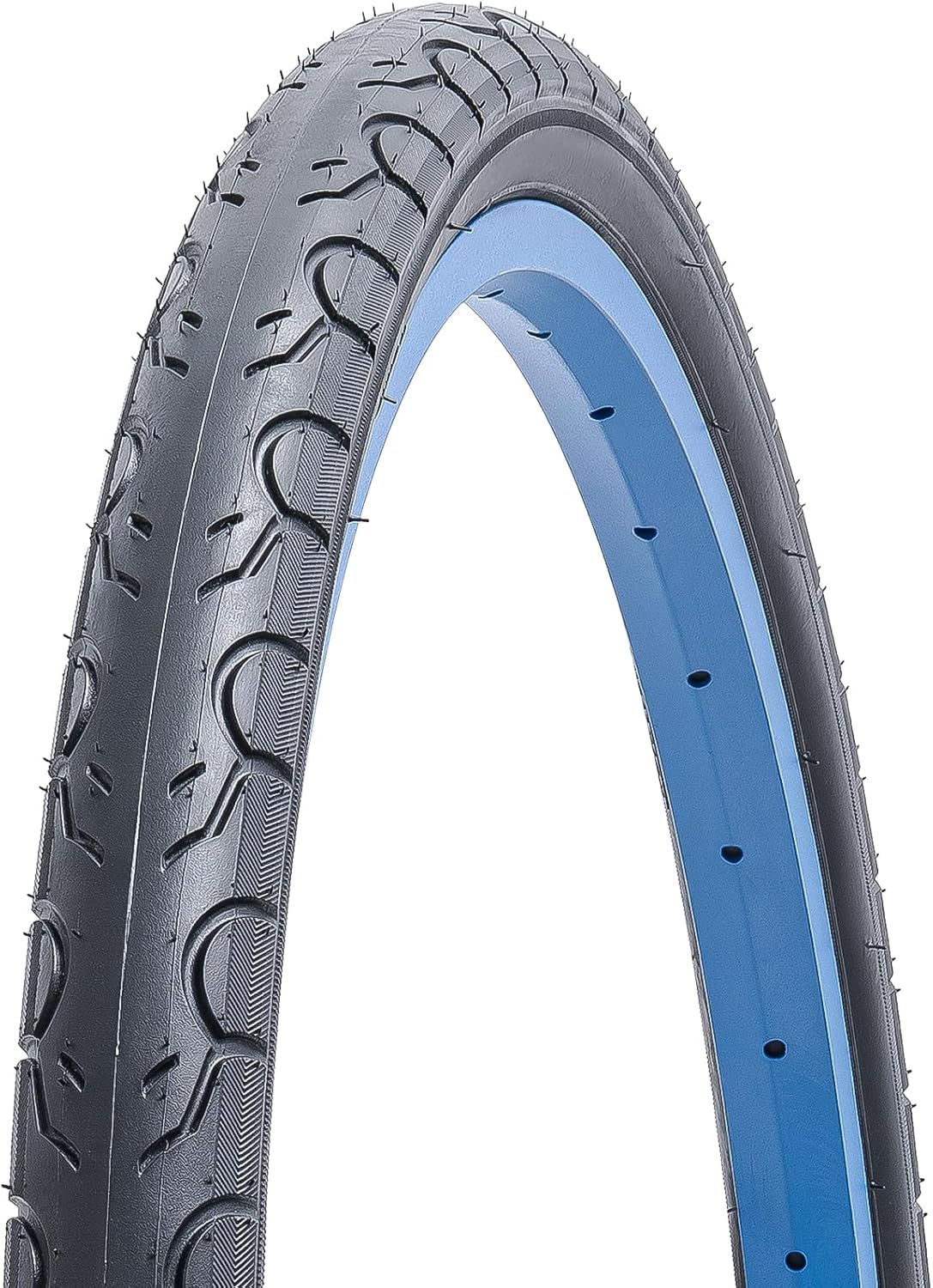
The tread pattern on your commuter tires directly affects how well they grip the road, handle wet conditions, and resist debris. For city commuting, you’ll typically want a semi-slick or lightly treaded design. These offer low rolling resistance on pavement while still providing enough traction for occasional gravel paths or light off-road use. A completely slick tire might feel fast, but it can become slippery in rain or on wet leaves. On the other hand, aggressive knobby tires designed for mountain biking are overkill for urban environments and will slow you down significantly.
Look for tires with a smooth center strip and subtle shoulder tread. This design allows for efficient rolling on flat surfaces while maintaining grip during cornering. Some premium commuter tires also feature micro-siping—tiny grooves in the tread blocks—that enhance wet-weather performance without adding bulk. If you frequently ride in rainy climates or over mixed terrain, consider models with deeper grooves or multi-directional tread patterns. Always match the tread to your most common riding conditions.
2. Puncture Resistance and Durability
One of the biggest frustrations for commuters is flat tires. Nothing ruins a morning faster than a blown tube halfway to the office. That’s why puncture resistance is a top priority. High-quality commuter tires often include reinforced layers beneath the tread, such as Kevlar belts, nylon inserts, or proprietary compounds like Schwalbe’s SmartGuard or Continental’s Vectran Breaker. These layers act as armor against glass, thorns, nails, and other road hazards.
Durability also depends on the casing—the fabric structure beneath the rubber. Higher thread count casings (measured in TPI—threads per inch) are generally more supple and durable, offering better ride quality and longer life. A 60 TPI casing is standard for most commuter tires, but 120 TPI or higher models provide a noticeably smoother ride and improved resistance to wear. However, they may come at a higher price point. Balance your need for longevity with your budget, and always check user reviews for real-world durability reports.
3. Rolling Resistance and Speed
Rolling resistance is the energy lost as your tire deforms against the road surface. Lower rolling resistance means less effort to maintain speed, which translates to a faster, more efficient ride. For commuters who value speed and endurance, this is a crucial factor. Tires with supple casings and high-quality rubber compounds typically have lower rolling resistance. Look for models that advertise “low rolling resistance” or “high-speed performance.”
However, don’t sacrifice durability for speed. Some ultra-light racing tires may feel fast but wear out quickly and offer minimal puncture protection. The sweet spot for most commuters is a tire that balances speed with resilience. For example, the Continental Grand Prix 5000 is renowned for its low rolling resistance and is often used by urban riders who want performance without compromising too much on durability.
4. Width and Comfort
Tire width plays a major role in ride comfort, stability, and traction. Wider tires (28mm to 35mm) offer more cushioning and better shock absorption, making them ideal for rough city roads, potholes, and cobblestones. They also provide a larger contact patch, which improves grip—especially important in wet or slippery conditions. Narrower tires (23mm to 25mm) are faster and lighter but transmit more road vibration, which can lead to fatigue on longer rides.
Most modern commuter bikes are designed to accommodate wider tires, so take advantage of that. A 28mm or 32mm tire is often the perfect compromise for urban use. If your bike has clearance, consider going even wider—up to 35mm or 38mm—for maximum comfort. Just ensure your frame and brakes can handle the extra bulk. Comfort isn’t just about luxury; it’s about reducing fatigue and increasing your willingness to ride regularly.
5. Weather and Seasonal Performance
Your local climate should heavily influence your tire choice. If you ride year-round in a rainy or snowy region, you’ll need tires with excellent wet-weather grip and possibly some all-season capability. Look for models with silica-enhanced rubber compounds, which remain flexible in cold temperatures and provide better traction on wet surfaces. Tires with deeper treads or siping are also beneficial in these conditions.
For dry, temperate climates, a smooth, fast-rolling tire may suffice. But even in sunny areas, unexpected rain showers can occur, so don’t completely ignore wet performance. Some tires, like the Schwalbe Marathon Plus, are built for all-weather reliability and are popular among year-round commuters. If you live in an area with harsh winters, consider switching to dedicated winter tires with studs or aggressive tread for icy conditions.
6. Weight and Responsiveness
Tire weight affects how your bike feels when accelerating, climbing hills, or making quick maneuvers. Lighter tires improve responsiveness and make your bike feel more agile. However, ultra-light models often sacrifice durability and puncture resistance. For commuting, where reliability is key, a moderate weight is usually preferable.
Most commuter tires weigh between 300g and 600g per tire. High-end performance models may dip below 300g, but they’re typically overkill for daily use. Focus on a balance: a tire that’s light enough to feel nimble but robust enough to handle daily abuse. Also, consider the overall system weight—lighter tires can make a noticeable difference when paired with a lightweight wheelset.
7. Installation and Maintenance
Ease of installation and maintenance can save you time and frustration. Some tires are notoriously difficult to mount, especially on tight rims or with tubeless setups. Look for models that are known for being “easy to install” or “bead-friendly.” Wire-bead tires are generally easier to work with than folding bead models, though folding tires are lighter and more compact for storage.
Maintenance also includes checking pressure regularly, inspecting for cuts or wear, and knowing when to replace them. Most commuter tires last between 1,500 and 3,000 miles, depending on conditions and riding style. Keep a tire pressure gauge handy and inflate to the recommended PSI—usually printed on the sidewall. Proper inflation not only extends tire life but also improves performance and safety.
8. Price and Value for Money
Commuter tires range from under $20 to over $100 per tire. While it’s tempting to go for the cheapest option, remember that tires are a long-term investment in your safety and riding experience. A $25 tire might save you money upfront but could cost more in the long run due to frequent flats, poor performance, or short lifespan.
Instead, focus on value—what you get for your money. A $50 tire with excellent puncture protection, low rolling resistance, and a 2,500-mile lifespan offers far better value than a $30 tire that lasts 800 miles. Consider the total cost of ownership, including potential tube replacements and downtime. Mid-range tires ($40–$70) often provide the best balance of performance, durability, and price for most commuters.
Different Types of Commuter Tires

Common Buying Mistakes to Avoid
❌ Mistake: Prioritizing Price Over Quality
Why it’s bad: Cheap tires often use inferior rubber and lack puncture protection, leading to frequent flats, poor grip, and shorter lifespans. You may end up spending more on tubes and downtime than you saved initially.
What to do instead: Invest in mid-range tires with proven durability. Look for models with reinforced belts and positive user reviews. A $50 tire that lasts 2,000 miles is better value than a $25 tire that fails at 500 miles.
❌ Mistake: Ignoring Tire Width
Why it’s bad: Riding on narrow tires on rough city roads leads to discomfort, fatigue, and increased risk of pinch flats. Conversely, overly wide tires on a road bike can slow you down unnecessarily.
What to do instead: Choose a width that matches your bike’s clearance and riding conditions. For most urban commuters, 28mm to 32mm is ideal. Check your frame and brake clearance before upgrading.
❌ Mistake: Overlooking Weather Conditions
Why it’s bad: A slick tire that performs well in dry weather can become dangerously slippery in rain or snow. This increases the risk of accidents, especially on wet manhole covers or painted bike lanes.
What to do instead: Select tires with wet-weather features like siping, silica compounds, or deeper tread. If you ride in winter, consider dedicated all-season or studded tires.
❌ Mistake: Buying Based on Brand Alone
Why it’s bad: While reputable brands often deliver quality, not every model from a top brand is suited for commuting. Some are designed for racing or off-road use and may lack durability or puncture resistance.
What to do instead: Research specific models, not just brands. Read reviews from other commuters and look for real-world performance data. Sometimes lesser-known brands offer excellent value.
❌ Mistake: Neglecting Proper Inflation
Why it’s bad: Underinflated tires increase rolling resistance, wear unevenly, and are more prone to pinch flats. Overinflated tires reduce grip and comfort.
What to do instead: Check tire pressure weekly using a reliable gauge. Inflate to the recommended PSI listed on the sidewall, adjusting slightly based on load and conditions.
❌ Mistake: Skipping the Test Ride
Why it’s bad: Tires feel different on the road than in a store. A model that looks good on paper might be noisy, harsh, or difficult to handle.
What to do instead: If possible, test ride a friend’s bike with similar tires or buy from a retailer with a good return policy. Some shops offer demo programs or satisfaction guarantees.
❌ Mistake: Forgetting About Compatibility
Why it’s bad: Not all tires fit all rims. Installing the wrong size can lead to poor performance, safety issues, or damage to your wheels.
What to do instead: Double-check your rim’s ETRTO size (e.g., 622-23) and ensure the new tires are compatible. Consult your bike manual or a local shop if unsure.
Budget Guidelines: How Much Should You Spend?
Entry-Level ($20–$40 per tire): These tires are best for occasional riders or those on a tight budget. Expect basic rubber compounds, minimal puncture protection, and shorter lifespans. Models like the Kenda Kwest or Innova City are common in this range. They’re fine for smooth roads and light use but may struggle with debris or rough terrain.
Mid-Range ($40–$70 per tire): This is the sweet spot for most commuters. Tires in this range offer a great balance of durability, performance, and value. Look for reinforced casings, decent tread design, and reliable brands. The Schwalbe Marathon Racer and Continental Contact Urban are excellent examples. They typically last 2,000+ miles and handle city conditions well.
Premium ($70–$100 per tire): Designed for serious commuters and performance-oriented riders, these tires feature advanced materials, low rolling resistance, and superior puncture protection. Models like the Continental Grand Prix 5000 or Vittoria Rubino Pro are popular. They’re ideal for those who ride daily, value speed, and want long-term reliability.
Luxury ($100+ per tire): These are top-tier tires with cutting-edge technology, ultra-lightweight construction, and exceptional ride quality. Often used by enthusiasts or competitive riders, they may include features like graphene-enhanced rubber or tubeless optimization. While overkill for casual use, they’re worth considering if you prioritize performance and have the budget.

Expert Tips for Getting the Best Deal
– Buy during off-season sales: Many retailers offer discounts on cycling gear in late fall and winter. Look for end-of-season clearances or holiday promotions.
– Shop online for better selection: Websites like Amazon, REI, and Competitive Cyclist often have competitive pricing and detailed reviews. Use filters to compare models side by side.
– Check local bike shops for deals: Some shops price-match online retailers or offer package deals (e.g., tires + installation). Supporting local businesses also ensures expert advice and service.
– Consider buying in pairs: Replacing both tires at once ensures even wear and performance. Some brands offer discounts when you buy two.
– Look for warranty coverage: Premium tires often come with limited warranties against manufacturing defects. This adds peace of mind and long-term value.
– Read user reviews carefully: Focus on feedback from other commuters, not just racers or mountain bikers. Look for comments on durability, flats, and comfort.
– Test before committing: If you’re unsure, buy one tire first and see how it performs. Many riders find they prefer a different model after a few weeks of use.
– Don’t forget installation costs: If you’re not comfortable changing tires yourself, factor in labor fees at a bike shop. Some retailers include free installation with purchase.
Frequently Asked Questions
Q: How often should I replace my commuter tires?
A: Most commuter tires last between 1,500 and 3,000 miles, depending on usage, terrain, and maintenance. Inspect them regularly for cracks, embedded debris, or worn tread. Replace them when the tread is visibly thin or you notice frequent flats.
Q: Can I use road bike tires for commuting?
A: Yes, but only if they offer sufficient puncture resistance and comfort. Many road tires are too narrow and fragile for daily city use. Opt for wider, more durable models designed for urban riding.
Q: Are tubeless tires worth it for commuting?
A: Tubeless tires reduce the risk of pinch flats and allow lower pressures for better comfort. However, they require special rims, sealant, and more maintenance. They’re great for tech-savvy riders but may be overkill for casual commuters.
Q: Do I need different tires for summer and winter?
A: If you ride in snow or ice, yes. Winter tires with studs or aggressive tread provide better grip. In mild climates, a good all-season tire may suffice year-round.
Q: How do I know if a tire fits my bike?
A: Check your current tire’s sidewall for size markings (e.g., 700x28c or 26×1.95). Ensure the new tire matches this size and that your frame and brakes have enough clearance.
Q: Can I mix different tire brands on my bike?
A: It’s not recommended. Mismatched tires can affect handling, braking, and wear patterns. For best performance, use the same model on both wheels.
Q: What’s the best tire pressure for commuting?
A: Follow the PSI range printed on the tire sidewall. For comfort and grip, lean toward the lower end of the range. For speed and efficiency, go higher—but never exceed the maximum.
Q: Are wider tires slower?
A: Not necessarily. Modern wide tires with supple casings can be just as fast as narrow ones, especially on rough roads where they absorb vibrations and maintain speed.
Q: How do I prevent flats?
A: Use puncture-resistant tires, maintain proper inflation, avoid debris when possible, and consider tire liners or sealant. Regular inspections also help catch issues early.
Q: Should I buy folding or wire bead tires?
A: Folding tires are lighter and easier to store, making them ideal for travel or emergency replacements. Wire bead tires are more durable and often cheaper. Choose based on your needs.
Our Final Recommendations
Best for Budget-Conscious Buyers: Schwalbe Kojak – At around $35 per tire, the Kojak offers excellent puncture resistance, low rolling resistance, and a smooth ride. It’s a favorite among urban riders who want reliability without breaking the bank.
Best Overall Value: Continental Contact Urban – Priced around $55, this tire delivers top-tier performance with a durable casing, great wet-weather grip, and long lifespan. It’s versatile enough for city streets and light trails.
Best Premium Option: Continental Grand Prix 5000 – At $90–$100, this is one of the fastest and most refined commuter tires available. Ideal for performance-minded riders who want speed, comfort, and reliability.
Best for Beginners: Innova City – Affordable and easy to install, the Innova City is a great entry-level tire for new commuters. It’s durable, widely available, and performs well on paved roads.
Best for Advanced Users: Vittoria Rubino Pro G+ 2.0 – With graphene-enhanced rubber and a 150 TPI casing, this tire offers exceptional grip, low rolling resistance, and long life. Perfect for serious commuters who demand the best.
Conclusion: Making the Right Choice
Choosing the best commuter tires in 2026 doesn’t have to be complicated. By focusing on key factors like tread pattern, puncture resistance, width, and weather performance, you can find a tire that enhances your daily ride. Avoid common pitfalls like prioritizing price over quality or ignoring compatibility, and always consider your specific needs and environment.
Remember, the right tires don’t just get you from point A to point B—they make the journey safer, smoother, and more enjoyable. Whether you’re dodging traffic, cruising through parks, or braving the rain, your tires are your first line of defense and your gateway to freedom on two wheels. Take the time to research, test, and invest wisely. Your commute—and your bike—will thank you.
Now that you’re armed with expert knowledge, it’s time to roll out with confidence. Check your current tires, assess your needs, and make the switch to a model that truly fits your lifestyle. Happy riding!