
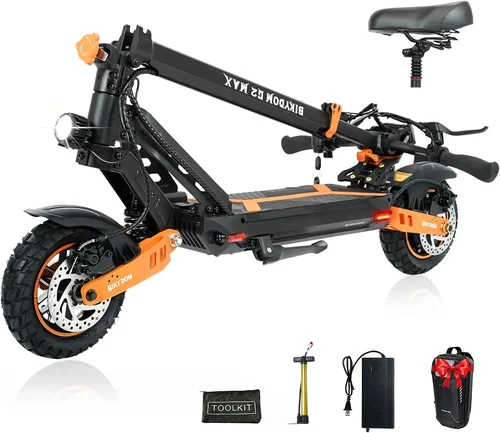
Electric scooters have evolved from niche urban curiosities into mainstream mobility solutions, reshaping how people navigate cities, campuses, parks, and even suburban neighborhoods. Whether you’re commuting to work, exploring a new city on vacation, or simply enjoying a weekend joyride, the right electric scooter can transform your experience—but only if you choose the right one and know where to ride it safely and legally. That’s exactly what this comprehensive 2026 buying guide is designed to help you do. We’ll walk you through everything from performance specs and build quality to local riding regulations and hidden gem routes near you. By the end of this guide, you won’t just know which scooter to buy—you’ll know exactly where to take it for maximum fun, safety, and efficiency.
The electric scooter market in 2026 is more competitive and sophisticated than ever. With advancements in battery technology, motor efficiency, smart connectivity, and safety features, today’s models offer longer ranges, smoother rides, and better durability than their predecessors. Brands like Gotrax continue to dominate the affordable segment, offering reliable options for everyday riders, while premium manufacturers push the envelope with high-speed, long-range, and off-road capable machines. But with so many choices—and so many variables like terrain, weather, local laws, and personal needs—it’s easy to feel overwhelmed. This guide cuts through the noise. We’ll help you identify your priorities, avoid costly mistakes, understand what you’re really paying for, and ultimately find the best places to ride your electric scooter near you—whether that’s a paved city trail, a quiet neighborhood loop, or an adventurous off-road path.

What to Look for When Buying Gotrax
1. Budget & Price Range
Your budget is the foundation of your buying decision. Gotrax offers some of the most affordable electric scooters on the market, typically ranging from $200 to $600, making them ideal for first-time buyers, students, or casual riders. At the lower end ($200–$350), you’ll find basic models like the Gotrax GXL V2 or G2, which offer decent performance for short commutes and flat terrain. Mid-tier models ($350–$500), such as the Gotrax G3 or G4, include upgrades like larger wheels, better suspension, and improved battery life. Premium Gotrax models like the GMAX or XR Ultra can reach $600 and offer features like dual motors, longer range, and enhanced build quality.
When setting your budget, consider not just the upfront cost but also long-term value. A slightly more expensive model with a better battery or sturdier frame may save you money on repairs or replacements down the line. Also, factor in accessories like helmets, locks, phone mounts, and lights—these can add $50–$150 to your total investment. If you’re on a tight budget, look for seasonal sales, refurbished models, or bundle deals that include essential gear.
2. Performance Specifications
Performance is where many buyers get tripped up. It’s not just about speed—it’s about how well the scooter handles real-world conditions. Key specs to evaluate include motor power (measured in watts), top speed, range per charge, and climbing ability. Gotrax scooters typically feature 250W to 500W motors, with higher wattage translating to better acceleration and hill-climbing capability. For example, a 250W motor might struggle on a 10% incline, while a 500W motor can handle it with ease.
Top speed ranges from 15 mph on entry-level models to 20+ mph on premium ones. While faster sounds better, consider your riding environment. In dense urban areas with traffic and pedestrians, 15–18 mph is often safer and more practical. Range is equally important—Gotrax scooters usually offer 10–25 miles per charge, depending on model, rider weight, terrain, and speed. Always check real-world user reviews, as manufacturer claims can be optimistic. A scooter rated for 20 miles might only deliver 14–16 miles under normal use.
3. Build Quality & Durability
Durability determines how long your scooter will last and how well it handles daily wear and tear. Gotrax scooters are generally well-built for their price point, using aluminum frames that are lightweight yet sturdy. However, not all models are created equal. Entry-level models may use thinner tubing or lower-grade components that can bend or wear out faster. Look for reinforced joints, quality welds, and weather-resistant coatings—especially if you plan to ride in rain or humid climates.
Pay attention to the deck size and material. A wider, non-slip deck improves stability and comfort, especially on longer rides. Suspension is another key factor. While most Gotrax models have basic spring or rubber suspension, some like the GMAX include front and rear suspension for smoother rides over bumps and cracks. If you’ll be riding on uneven pavement or gravel paths, suspension can make a big difference in comfort and control.
4. Features & Functionality
Modern electric scooters come packed with features that enhance safety, convenience, and usability. Gotrax models often include LED headlights and taillights, digital displays, cruise control, and app connectivity. The display typically shows speed, battery level, and riding mode—essential for monitoring your ride. Cruise control lets you maintain a steady speed without holding the throttle, which is great for long, flat stretches.
App integration is becoming more common, allowing you to track rides, lock the scooter remotely, update firmware, and even monitor battery health. While not all Gotrax models support apps, newer ones like the G4 and XR Ultra do. Additional features like regenerative braking (which recaptures energy during braking) and multiple riding modes (Eco, Normal, Sport) can improve efficiency and adaptability. Consider which features matter most to you—safety lights and a reliable display are must-haves, while app features are nice-to-haves for tech-savvy riders.
5. Brand Reputation
Gotrax has built a solid reputation since its launch, known for offering reliable, affordable electric scooters with good customer support. The brand is owned by Segway-Ninebot, a global leader in personal transporters, which gives it access to advanced engineering and manufacturing resources. Gotrax scooters are widely available online and in retail stores like Walmart, Target, and Best Buy, making them easy to purchase and service.
Customer reviews generally praise Gotrax for value, ease of assembly, and responsive customer service. However, some users report issues with battery degradation over time or occasional motor noise. Reading recent reviews on platforms like Amazon, Reddit, and YouTube can give you a realistic picture of long-term performance. Overall, Gotrax is a trustworthy choice for budget-conscious buyers who want a dependable scooter without breaking the bank.
6. Warranty & Support
A good warranty can save you hundreds in repair costs. Gotrax offers a standard 12-month limited warranty covering defects in materials and workmanship. This includes the motor, battery, and frame, but not wear-and-tear items like tires or brakes. Some retailers or credit cards may extend this coverage, so it’s worth checking. Gotrax also provides customer support via phone, email, and online chat, with a helpful FAQ section and video tutorials on their website.
Before buying, verify the warranty terms and ensure the scooter is sold by an authorized retailer. Unauthorized sellers may void the warranty. Also, keep your receipt and register your product online if required. If you live in an area with harsh weather or rough terrain, consider purchasing an extended warranty or third-party protection plan, especially for higher-end models.
7. Size & Portability
Portability matters if you plan to carry your scooter on public transit, store it in a small apartment, or take it on trips. Gotrax scooters are generally foldable, with most models weighing between 26 and 35 pounds. The G2 and GXL V2 are among the lightest, making them ideal for commuters who need to carry them up stairs or onto buses. Larger models like the GMAX are heavier but offer better stability and range.
Check the folded dimensions—some scooters are more compact than others when folded. A scooter that’s too bulky may be awkward to carry or store. Also, consider wheel size. Smaller wheels (6–8 inches) are more portable but less stable on rough surfaces. Larger wheels (10 inches) offer a smoother ride but add weight. If portability is a top priority, look for models with quick-fold mechanisms and ergonomic handles.
8. User Reviews & Ratings
Never buy a scooter based solely on specs or marketing claims. Real-world user reviews provide invaluable insights into performance, reliability, and common issues. Look for patterns in reviews—if multiple users report the same problem, it’s likely a design flaw. Pay attention to reviews from riders with similar needs (e.g., commuting, off-road, long-distance).
Platforms like Amazon, Best Buy, and specialized forums like Reddit’s r/ElectricScooters are great resources. Watch YouTube review videos to see the scooter in action—this can reveal things like noise levels, braking performance, and ease of use. Aim for models with at least 4-star average ratings and a high number of reviews (500+ is ideal). Gotrax models like the GXL V2 and G4 consistently receive positive feedback for their balance of price and performance.
Different Types of Gotrax

Common Buying Mistakes to Avoid
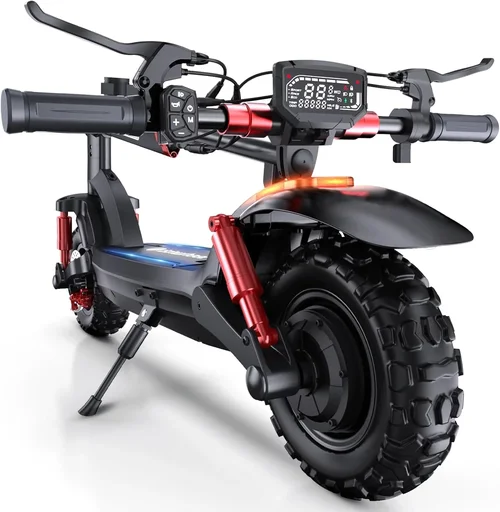
❌ Mistake: Ignoring Local Laws and Regulations
Why it’s bad: Riding an electric scooter illegally can result in fines, confiscation, or even accidents. Laws vary widely by city, state, and country—some places require helmets, limit speed, ban scooters on sidewalks, or restrict where you can ride.
What to do instead: Research your local regulations before buying. Check city websites, transportation departments, or apps like Lime or Bird for scooter-friendly zones. Always wear a helmet and follow traffic rules.
❌ Mistake: Choosing Based Solely on Price
Why it’s bad: The cheapest scooter isn’t always the best value. Low-cost models may have poor batteries, weak motors, or flimsy frames that break quickly, leading to higher long-term costs.
What to do instead: Balance price with features and durability. Invest in a mid-range model with good reviews and a solid warranty. Think of it as a long-term investment in your mobility.
❌ Mistake: Overlooking Battery Life and Charging Time
Why it’s bad: A scooter with a short range or long charging time can leave you stranded or waiting hours for a recharge, especially if you rely on it for daily commuting.
What to do instead: Choose a model with at least 15 miles of range and a charging time under 5 hours. Consider removable batteries if available, so you can charge at work or home.
❌ Mistake: Not Testing Before Buying
Why it’s bad: Scooters feel different in person—some are jerky, others too slow, and comfort varies widely. Buying without testing can lead to disappointment.
What to do instead: Visit a local retailer or attend a demo event. If buying online, choose a seller with a generous return policy (30 days or more).
❌ Mistake: Skipping Safety Gear
Why it’s bad: Electric scooters can reach speeds of 20+ mph, and accidents happen. Without proper gear, you risk serious injury.
What to do instead: Always wear a helmet, and consider knee/elbow pads, gloves, and reflective clothing. Invest in a high-quality U-lock to prevent theft.
❌ Mistake: Ignoring Terrain and Weather
Why it’s bad: A scooter designed for flat city streets may struggle on hills, gravel, or wet roads, leading to poor performance or accidents.
What to do instead: Match your scooter to your typical riding conditions. Choose models with larger wheels and suspension for rough terrain, and avoid riding in heavy rain unless the scooter is water-resistant.
❌ Mistake: Buying Without Checking Warranty and Support
Why it’s bad: If your scooter breaks down, a poor warranty or lack of support can leave you with expensive repair bills or no help at all.
What to do instead: Always verify warranty terms and ensure the seller is authorized. Register your product and keep all documentation.
Budget Guidelines: How Much Should You Spend?
- Entry-Level ($200–$350): Ideal for casual riders, students, or short commutes. Expect basic features, 10–15 mile range, and 15 mph top speed. Models like the Gotrax G2 or GXL V2 fit this tier. Great for flat urban areas but may struggle on hills.
- Mid-Range ($350–$500): The sweet spot for most buyers. Offers better range (15–20 miles), improved suspension, larger wheels, and enhanced safety features. Models like the Gotrax G3, G4, or XR are excellent choices for daily commuting and mixed terrain.
- Premium ($500–$600): For enthusiasts and those in hilly areas. Features dual motors, 20+ mph speeds, 20–25 mile range, and advanced suspension. The Gotrax GMAX and XR Ultra are top picks for performance and durability.
- Luxury ($600+): While Gotrax doesn’t currently offer models above $600, this tier includes high-end scooters from other brands with premium materials, smart features, and off-road capabilities. Only necessary for serious riders or specific needs.
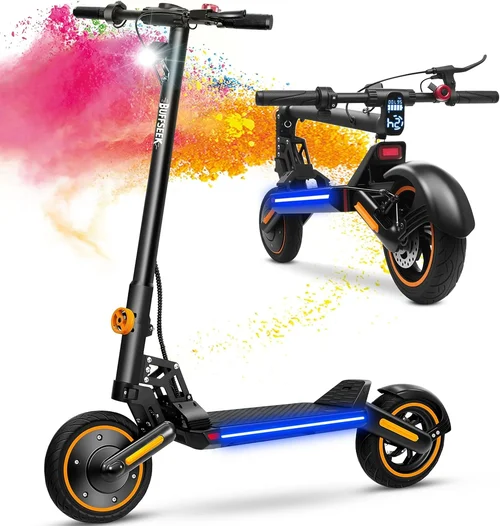
Expert Tips for Getting the Best Deal
- Buy During Sales Events: Look for discounts during Black Friday, Cyber Monday, Amazon Prime Day, or back-to-school season. Gotrax often runs promotions with up to 20% off.
- Shop at Authorized Retailers: Buy from Gotrax.com, Walmart, Target, or Best Buy to ensure warranty coverage and avoid counterfeit products.
- Consider Refurbished Models: Gotrax offers certified refurbished scooters at 20–30% off, with the same warranty as new ones. These are thoroughly tested and great for budget buyers.
- Bundle Accessories: Some retailers offer bundles with helmets, locks, and lights at a discount. This can save you $50+ compared to buying separately.
- Check Return Policies: Choose sellers with at least a 30-day return window. This gives you time to test the scooter and return it if it doesn’t meet your needs.
- Read the Fine Print: Understand warranty exclusions, shipping costs, and restocking fees. Some retailers charge restocking fees for returns.
- Join Online Communities: Forums and Facebook groups often share exclusive discount codes, flash sales, and insider tips.
- Test Ride When Possible: If you live near a store that carries Gotrax, ask to test ride the model you’re interested in. Comfort and handling are personal.

Frequently Asked Questions
Q: Are Gotrax scooters waterproof?
A: Most Gotrax scooters have an IP54 rating, meaning they’re splash-resistant but not waterproof. Avoid riding in heavy rain or through puddles. Water damage is not covered under warranty.
Q: How long does the battery last?
A: Gotrax batteries typically last 300–500 charge cycles before capacity drops significantly. With regular use, this translates to 1–2 years. Proper charging (avoiding full discharges) can extend lifespan.
Q: Can I ride my Gotrax scooter on sidewalks?
A: It depends on local laws. In many cities, electric scooters are banned from sidewalks and must be ridden in bike lanes or roads. Always check local regulations.
Q: How fast do Gotrax scooters go?
A: Most models reach 15–20 mph. The G2 and GXL V2 top out at 15 mph, while the GMAX and XR Ultra can hit 20+ mph. Speed varies based on rider weight and terrain.
Q: Do I need a license to ride a Gotrax scooter?
A: In most U.S. states, no license is required for scooters under 20 mph. However, some cities require registration or have age restrictions. Check your local DMV or transportation authority.
Q: Can I take my Gotrax scooter on a plane?
A: Most Gotrax scooters use lithium-ion batteries under 100Wh, which are allowed in carry-on luggage on most airlines. Check with your airline before traveling.
Q: How do I maintain my Gotrax scooter?
A: Regularly clean the deck and wheels, check tire pressure, lubricate the folding mechanism, and store in a dry place. Avoid overcharging the battery.
Q: What’s the best place to ride near me?
A: Look for paved bike paths, quiet residential streets, parks, or designated scooter zones. Apps like Google Maps or AllTrails can help you find safe, scenic routes.
Q: Can I upgrade my Gotrax scooter?
A: Some components like tires, lights, or phone mounts can be upgraded. However, motor and battery upgrades are not recommended and may void the warranty.
Q: What if my scooter breaks down?
A: Contact Gotrax customer support with your model number and purchase proof. Most issues can be resolved with troubleshooting or replacement parts under warranty.
Our Final Recommendations
- Best for Budget-Conscious Buyers: Gotrax GXL V2 – At under $300, it offers solid performance, a 15-mile range, and a lightweight design perfect for students and casual riders.
- Best Overall Value: Gotrax G4 – With a 20-mile range, 18 mph top speed, and app connectivity, it strikes the perfect balance of price, performance, and features.
- Best Premium Option: Gotrax GMAX – Dual motors, 20+ mph speed, and excellent suspension make it ideal for hilly areas and long commutes.
- Best for Beginners: Gotrax G2 – Simple controls, lightweight, and easy to fold—perfect for first-time riders or those who want a no-fuss scooter.
- Best for Advanced Users: Gotrax XR Ultra – High-speed performance, long range, and rugged build quality suit experienced riders who demand more from their scooter.
Conclusion: Making the Right Choice
Choosing the right electric scooter isn’t just about picking the fastest or cheapest model—it’s about finding the one that fits your lifestyle, terrain, and budget. Gotrax offers a wide range of reliable, affordable options that cater to nearly every type of rider, from students to commuters to weekend explorers. By focusing on key factors like performance, build quality, safety features, and local riding conditions, you can make a confident, informed decision.
Remember, the best scooter is the one you’ll actually use. Test ride when possible, read real user reviews, and don’t overlook the importance of safety gear and local laws. And once you’ve made your choice, get out there and explore—whether it’s a scenic park trail, a quiet neighborhood loop, or a bustling city bike lane, the perfect ride is waiting just around the corner. Happy scooting!