
Electric bikes have evolved from niche novelties into practical, family-friendly transportation solutions. As cities become more congested and environmental concerns grow, families are increasingly turning to e-bikes as a sustainable, cost-effective, and fun alternative to cars for daily commutes, school runs, grocery trips, and weekend adventures. Whether you’re shuttling kids to soccer practice, exploring local trails, or simply trying to reduce your carbon footprint, the right electric bike can transform how your family moves through the world.
This comprehensive buying guide is designed to help you navigate the crowded e-bike market with confidence. We’ll walk you through every critical decision point—from budget and performance specs to safety features and cargo capacity—so you can choose an electric bike that truly meets your family’s needs. You’ll learn how to evaluate build quality, understand motor and battery differences, compare types of e-bikes, avoid common pitfalls, and even score the best deals. By the end, you’ll have a clear roadmap to finding the perfect family e-bike in 2025.
The electric bike market has exploded in recent years, with models ranging from lightweight commuter bikes to heavy-duty cargo haulers capable of carrying multiple children and gear. Major brands like Rad Power Bikes, Trek, Specialized, Aventon, and Juiced Bikes now offer family-oriented options, while startups continue to innovate with modular designs, integrated child seats, and smart connectivity. With such variety comes confusion—especially when balancing safety, utility, comfort, and cost. This guide cuts through the noise to deliver expert, actionable advice tailored specifically for families.

What to Look for When Buying an Electric Bike for Families
1. Budget & Price Range
Determining your budget is the first and most important step in choosing a family e-bike. Prices can range from under $1,000 for basic models to over $6,000 for premium cargo or long-tail e-bikes with advanced features. While it’s tempting to go for the cheapest option, remember that e-bikes are long-term investments in your family’s mobility, health, and convenience.
For most families, a mid-range e-bike between $1,800 and $3,500 offers the best balance of reliability, safety, and functionality. These models typically include quality components, decent battery life, and robust frames capable of handling extra weight from passengers or cargo. Entry-level bikes may save you money upfront but often lack durability, warranty support, or the power needed for hills and long rides.
Consider not just the initial purchase price but also long-term costs: battery replacements (every 3–5 years), maintenance, accessories like child seats or panniers, and potential upgrades. A slightly higher upfront investment often pays off in lower repair frequency and better resale value.
2. Performance Specifications
Performance specs directly impact how well your e-bike handles real-world family use. Key metrics include motor power (measured in watts), battery capacity (watt-hours or Wh), range (miles per charge), and top speed.
Motor power typically ranges from 250W (ideal for flat urban areas) to 750W or more (necessary for hills, heavy loads, or off-road use). For families, a 500W–750W motor is usually the sweet spot—it provides enough torque to carry kids and gear without draining the battery too quickly. Mid-drive motors (located near the pedals) offer better weight distribution and efficiency than hub motors, especially on varied terrain.
Battery capacity determines how far you can go on a single charge. A 400–500Wh battery is sufficient for short commutes, but families planning longer rides or multi-stop errands should aim for 600Wh or higher. Lithium-ion batteries are standard and should be removable for easy charging indoors.
Range varies widely based on terrain, rider weight, assist level, and weather. Most family e-bikes advertise 30–70 miles per charge. Realistically, expect 25–50 miles under typical mixed-use conditions. Always check if the manufacturer provides real-world range data, not just lab-tested figures.
Top speed is legally limited to 20 mph (Class 1 and 2) or 28 mph (Class 3) in the U.S. For family use, Class 1 (pedal-assist only, up to 20 mph) is often safest and most practical, especially when carrying children.
3. Build Quality & Durability
A family e-bike must withstand daily use, varying weather, and added weight from passengers or cargo. Look for a sturdy frame made from aluminum alloy (lightweight yet strong) or steel (heavier but more durable). Avoid cheap, thin-walled frames that may bend or crack under stress.
Check the bike’s weight capacity—most standard e-bikes support 220–300 lbs, but cargo or long-tail models can handle 400+ lbs. Ensure the frame geometry accommodates child seats, rear racks, or trailers without compromising stability.
Components matter too: hydraulic disc brakes provide reliable stopping power even when loaded; puncture-resistant tires reduce flats; and suspension forks or seatposts improve comfort on rough roads. Water resistance (IP rating) is also important—look for at least IP65 for protection against rain and splashes.
Test ride if possible. A well-built e-bike should feel solid, balanced, and responsive, even when fully loaded. Listen for creaks, wobbles, or loose parts—these are red flags.
4. Features & Functionality
Family-friendly features can make or break your e-bike experience. Prioritize safety, convenience, and adaptability.
Safety features include bright LED headlights and taillights (with brake activation), reflective strips, loud horns or bells, and turn signals (increasingly common on premium models). Integrated lighting powered by the main battery is more reliable than disposable-battery lights.
Cargo and passenger capabilities are crucial. Look for reinforced rear racks (rated for 50+ lbs), front baskets, or built-in child seat mounts. Some bikes support dual child seats or even small trailers. Long-tail e-bikes (like the RadWagon or Yuba Mundo) offer extended rear platforms perfect for strapping in toddlers or hauling groceries.
Comfort features include adjustable handlebars, ergonomic grips, suspension seats, and step-through frames (easier for kids or less agile riders to mount). Throttle options (twist-grip or thumb) allow you to give kids a break on hills without pedaling.
Smart features like Bluetooth connectivity, app integration, GPS tracking, and anti-theft alarms add convenience but aren’t essential. Focus first on core functionality—then consider tech extras if they fit your lifestyle.
5. Brand Reputation & Reliability
Not all e-bike brands are created equal. Established companies with strong customer support, transparent warranties, and active user communities tend to deliver better long-term value.
Research brands known for family-oriented designs: Rad Power Bikes excels in cargo e-bikes; Trek and Specialized offer high-quality commuter models with child seat compatibility; Aventon and Lectric focus on affordability without sacrificing core features. Avoid unknown brands with vague specs, poor reviews, or no service network.
Check online forums (like Reddit’s r/ebikes), YouTube reviews, and local bike shop feedback. A brand with responsive customer service and readily available replacement parts will save you headaches down the road.
Also consider where the bike is assembled and supported. U.S.-based brands often have faster shipping and local repair options compared to overseas manufacturers.
6. Warranty & Support
A solid warranty protects your investment and reflects the manufacturer’s confidence in their product. Most reputable brands offer at least a 1-year comprehensive warranty, with 2–3 years becoming standard in 2025.
Key warranty components include frame (lifetime or 5+ years), motor and battery (2–3 years), and electrical components (1–2 years). Some brands extend battery coverage based on charge cycles (e.g., 800+ cycles).
Read the fine print: Does the warranty cover wear items like brake pads? Is it voided by modifications or third-party accessories? Can you get service locally, or must you ship the bike back?
Customer support quality matters too. Look for brands with live chat, detailed FAQs, video tutorials, and active social media presence. Rad Power Bikes, for example, offers extensive online resources and U.S.-based support.
7. Size & Portability
Family e-bikes are generally larger and heavier than standard bikes—often 60–90 lbs—so size and portability are important considerations.
Step-through frames are ideal for families, allowing easy mounting/dismounting for adults and kids. Adjustable seat posts and handlebars accommodate multiple riders of different heights.
If you need to store the bike in an apartment, garage, or car trunk, consider foldable models (like the Lectric XP or Brompton Electric). However, most foldable e-bikes sacrifice cargo capacity and stability, making them better suited for solo commuting than family hauling.
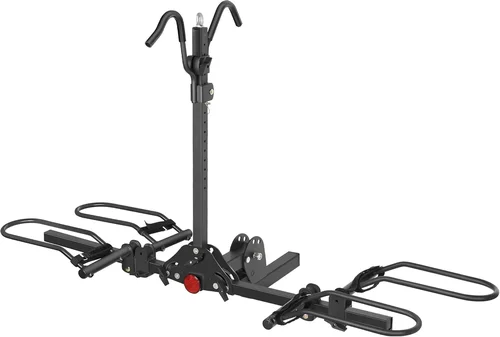
For car transport, check if the bike fits in your vehicle with the battery removed (lighter and safer). Some families use hitch-mounted racks designed for heavy e-bikes.
8. User Reviews & Ratings
Never rely solely on manufacturer claims. Real-world user reviews reveal strengths and weaknesses you won’t find in spec sheets.
Look for detailed reviews from other families—especially those with similar needs (e.g., “I use this for school drop-offs with two kids”). Pay attention to comments about reliability, customer service, and real-world range.
Aggregate ratings on sites like Amazon, REI, or specialized e-bike retailers can indicate overall satisfaction, but read recent reviews to catch any quality control issues.
Watch video reviews on YouTube for hands-on demonstrations of loading kids, riding on hills, or using accessories. Channels like Electric Bike Review or Benno Bikes often feature family-focused testing.
Different Types of Electric Bikes for Families

Common Buying Mistakes to Avoid
❌ Mistake: Choosing Based Solely on Price
Why it’s bad: The cheapest e-bike often lacks safety features, has a weak motor, or uses low-quality components that fail quickly. This can lead to frequent repairs, unsafe riding conditions, and ultimately higher long-term costs.
What to do instead: Set a realistic budget that balances upfront cost with expected lifespan and usage. Invest in a mid-range model from a reputable brand—it will save money and stress over time.
❌ Mistake: Ignoring Weight Capacity
Why it’s bad: Overloading an e-bike beyond its rated capacity can damage the frame, motor, or battery, and creates serious safety risks—especially when carrying children.
What to do instead: Calculate total expected load (rider + passengers + cargo) and choose a bike with a capacity at least 20% higher. For two kids and gear, aim for 400+ lbs capacity.
❌ Mistake: Overlooking Safety Features
Why it’s bad: Family rides often happen in traffic or low-light conditions. Without proper lighting, brakes, or visibility aids, accidents become more likely.
What to do instead: Prioritize bikes with integrated lights, hydraulic disc brakes, reflective elements, and audible signals. Add a high-visibility flag for child passengers.
❌ Mistake: Not Testing Before Buying
Why it’s bad: E-bikes handle differently when loaded. A bike that feels great empty may be unstable or uncomfortable with kids aboard.
What to do instead: Test ride at a local dealer or look for brands offering generous return policies (30+ days). Simulate real-world conditions—load it with weight if possible.
❌ Mistake: Skipping Accessories
Why it’s bad: Many families forget essential add-ons like child seats, helmets, locks, or panniers, leading to unsafe or impractical setups.
What to do instead: Budget for accessories upfront. Choose compatible, certified child seats (like Thule or Hamax) and high-quality U-locks. Consider waterproof panniers for groceries.
❌ Mistake: Ignoring Local Laws
Why it’s bad: E-bike regulations vary by state and city—some restrict speed, require helmets, or ban certain classes on bike paths. Violating these can result in fines or confiscation.
What to do instead: Check your local Department of Motor Vehicles or transportation authority website. Ensure your bike complies with Class 1/2/3 rules and age requirements for passengers.
❌ Mistake: Buying Without a Warranty Plan
Why it’s bad: E-bikes have complex electronics and batteries that can fail. Without warranty coverage, repairs can cost hundreds.
What to do instead: Always verify warranty terms before purchasing. Consider extended warranties if available, especially for batteries.
Budget Guidelines: How Much Should You Spend?
Entry-Level ($800 – $1,500): These bikes suit occasional, light-duty use—think short commutes or weekend rides without kids. Expect basic components, limited range (20–30 miles), and lower weight capacity (220–250 lbs). Brands like Ancheer or Swagtron offer budget options, but build quality and support may be lacking. Best for solo riders or teens.
Mid-Range ($1,500 – $3,000): This is the sweet spot for most families. You’ll get reliable motors (500W–750W), decent batteries (500–700Wh), hydraulic brakes, and sturdy frames. Models like the Aventon Level.2, RadCity, or Trek Verve+ 2 excel here. They support child seats, have good range (40–60 miles), and come with solid warranties. Ideal for daily errands and light cargo.
Premium ($3,000 – $5,000): Designed for serious family use, these e-bikes feature high-capacity batteries (700Wh+), mid-drive motors, advanced suspension, and robust cargo systems. Examples include the RadWagon 4, Yuba Spicy Curry, or Specialized Turbo Vado SL. They handle hills, long distances, and heavy loads with ease. Perfect for replacing car trips or weekend adventures.
Luxury ($5,000+): Top-tier models offer cutting-edge tech, custom builds, and exceptional durability. Think Bosch-powered cargo bikes, integrated smart displays, or hand-built frames. These are for enthusiasts, large families, or those who rely on their e-bike as primary transportation. While overkill for casual use, they deliver unmatched performance and longevity.
Expert Tips for Getting the Best Deal
- Buy during off-season sales: Late fall and winter (October–February) often bring discounts as retailers clear inventory. Spring launches may also include trade-in promotions.
- Shop at specialized e-bike retailers: Stores like REI, Trek dealers, or direct-to-consumer brands (Rad Power, Aventon) often offer better service, test rides, and bundled deals than big-box stores.
- Compare total cost of ownership: Factor in included accessories, warranty length, and estimated maintenance. A slightly pricier bike with free racks and a 3-year warranty may cost less overall.
- Check for government incentives: Some U.S. states and cities offer e-bike rebates or tax credits (e.g., California’s Clean Air Vehicle program). These can save $500–$1,500.
- Read return policies carefully: Ensure you can return or exchange within 30 days if the bike doesn’t fit your needs. Some brands charge restocking fees—avoid these if possible.
- Join online communities: Forums and Facebook groups often share exclusive discount codes, flash sales, or user reviews that highlight hidden gems.
- Consider certified pre-owned: Reputable dealers sometimes sell refurbished e-bikes with warranties at 20–40% off retail. Great for budget-conscious families.
- Negotiate add-ons: Ask for free helmets, locks, or installation when buying in-store. Many shops will throw in accessories to close the sale.
Frequently Asked Questions
Q: Can I legally carry children on an electric bike?
A: Yes, in most U.S. states, but regulations vary. Children must typically be at least 4–6 months old (able to sit upright) and wear helmets. Many states require child seats to be securely mounted and approved. Always check local laws—some prohibit passengers under a certain age or weight.
Q: How far can a family e-bike really go on one charge?
A: Real-world range depends on terrain, rider weight, assist level, and weather. A 600Wh battery might give 40 miles on flat ground with light load, but only 25 miles uphill with two kids. Use the manufacturer’s “eco mode” range as a realistic baseline.
Q: Are e-bikes safe for kids?
A: When used properly, yes. Always use certified child seats, ensure kids wear helmets, and ride in low-traffic areas. Avoid high-speed modes when carrying passengers. Teach kids to hold on and stay seated.
Q: Do I need a special license or insurance?
A: In most states, no license or insurance is required for Class 1 and 2 e-bikes. However, some cities or HOAs may have specific rules. Check local regulations.
Q: How do I maintain my family e-bike?
A: Regular maintenance includes checking tire pressure, cleaning the chain, inspecting brakes, and storing the battery properly (not fully discharged). Most issues can be handled at home; major repairs should go to a certified e-bike mechanic.
Q: Can I ride in the rain?
A: Most e-bikes are water-resistant (IP65), not waterproof. Avoid deep puddles or heavy downpours. Dry the bike after wet rides and store it indoors.
Q: What if the battery dies mid-ride?
A: You can still pedal manually, though it will feel heavier. Plan routes with charging options or carry a spare battery if doing long trips.
Q: Are e-bikes worth it for families?
A: Absolutely—if you replace car trips. The cost savings on gas, parking, and maintenance often offset the bike’s price within 1–2 years. Plus, they promote health, reduce emissions, and create fun family bonding time.
Q: How do I secure my e-bike from theft?
A: Use a high-quality U-lock through the frame and rear wheel. Remove the battery when parked. Consider GPS trackers like Apple AirTag or dedicated e-bike alarms. Never leave it unattended in high-theft areas.
Q: Can I upgrade my e-bike later?
A: Some components like tires, seats, or lights are easy to upgrade. Motors and batteries are harder—check compatibility before buying. Modular designs (like those from Benno or Riese & Müller) offer more flexibility.
Our Final Recommendations
Best for Budget-Conscious Buyers: Aventon Level.2 ($1,799) – Offers excellent value with a 750W motor, 614Wh battery, hydraulic brakes, and step-through frame. Supports child seats and has a 400-lb capacity. Great for city commuting and light family use.
Best Overall Value: Rad Power Bikes RadCity 5 Plus ($1,999) – Combines cargo capability, comfort, and reliability. Features a 750W motor, 672Wh battery, integrated lights, and a rear rack. Ideal for daily errands with kids or groceries.
Best Premium Option: Yuba Spicy Curry ($4,499) – A long-tail cargo beast with Bosch Performance Line motor, 625Wh battery, and space for two kids plus gear. Built for serious family hauling and off-road adventures.
Best for Beginners: Lectric XP 3.0 ($999) – Affordable, foldable, and easy to ride. While not designed for heavy cargo, it’s perfect for parents new to e-bikes who want to test the waters before upgrading.
Best for Advanced Users: Specialized Turbo Vado SL 5.0 EQ ($4,500) – Lightweight, high-performance commuter with smart connectivity, long range, and premium components. Best for tech-savvy families who prioritize efficiency and style.
Conclusion: Making the Right Choice
Choosing the best electric bike for your family is about more than specs and price—it’s about finding a trusted companion for your daily adventures. By prioritizing safety, durability, and real-world functionality, you’ll invest in a mode of transportation that grows with your family, reduces your environmental impact, and creates lasting memories.
Remember: there’s no “one-size-fits-all” e-bike. Your ideal model depends on your budget, lifestyle, terrain, and how you plan to use it. Use this guide to narrow your options, ask the right questions, and avoid costly mistakes. Test ride when possible, read real user reviews, and don’t rush the decision.
Whether you’re replacing car trips, exploring nature, or simply making school runs more enjoyable, the right family e-bike can transform your routine. Start your search with confidence, and soon you’ll be cruising together—powered by pedal, battery, and pure family fun.