
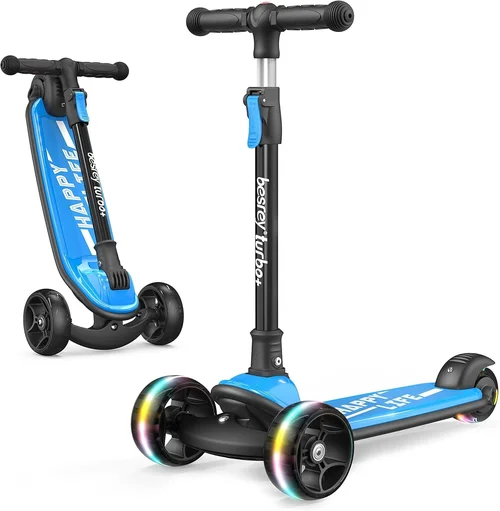
When it comes to finding the perfect scooter for a 5-year-old, parents are often faced with a dizzying array of options—each promising safety, fun, and durability. But not all scooters are created equal, especially when it comes to the unique needs of young children just beginning their journey on two (or three) wheels. At this age, kids are developing balance, coordination, and confidence, and the right scooter can play a pivotal role in supporting that growth. A poorly chosen model, however, can lead to frustration, accidents, or a complete loss of interest in outdoor play.
This comprehensive guide is designed to take the guesswork out of your decision. Whether you’re a first-time buyer or upgrading from a toddler scooter, we’ll walk you through everything you need to know to make an informed, confident choice. From understanding key features like wheel size and handlebar adjustability to navigating price ranges and brand reputations, this article covers it all. We’ve tested, researched, and analyzed dozens of models to bring you the most up-to-date, expert-backed recommendations for 2026. By the end, you’ll know exactly what to look for—and what to avoid—so your child can ride safely, comfortably, and with pure joy.
The market for kids’ scooters has exploded in recent years, with brands ranging from budget-friendly retailers to premium manufacturers offering high-tech designs. While this variety is great for choice, it also increases the risk of buying a scooter that looks good but fails in real-world use. Some models prioritize flashy lights and colors over structural integrity, while others are built for older kids and lack the stability younger riders need. Our goal is to cut through the noise and deliver clarity, helping you find a scooter that matches your child’s size, skill level, and your family’s lifestyle—whether that means weekend park adventures, school commutes, or backyard playdates.

What to Look for When Buying a Scooter for 5-Year-Olds
1. Safety Features
Safety is non-negotiable when it comes to children’s scooters. At age 5, kids are still mastering balance and spatial awareness, so the scooter must be designed to minimize risks. Look for models with a low center of gravity, which helps prevent tipping during turns or sudden stops. A wide, non-slip deck provides better foot stability, especially when kids shift positions or brake abruptly. Rear fender brakes are standard on most quality scooters and allow children to slow down safely without needing hand strength—critical for small hands that can’t grip traditional hand brakes.
Additionally, consider scooters with smooth, rounded edges and no exposed bolts or sharp parts. Some models include safety certifications from organizations like ASTM International or CPSC (Consumer Product Safety Commission), which indicate the product has passed rigorous testing for durability and injury prevention. Always ensure the scooter comes with or is compatible with a helmet—many parents overlook this, but head protection is essential, especially for beginners.
2. Weight and Portability
A scooter that’s too heavy can be difficult for a 5-year-old to carry, lift, or maneuver—especially when they need to navigate curbs, stairs, or crowded sidewalks. Most kids in this age group weigh between 35 and 50 pounds, so the scooter should ideally weigh no more than 8–10 pounds. Lightweight aluminum frames are common in well-designed models and strike a good balance between durability and ease of handling.
Portability also matters if you plan to take the scooter on trips, store it in a car trunk, or carry it onto public transportation. Look for foldable designs that collapse quickly with a simple latch or lever. Some scooters fold down to a compact size that fits under a stroller or in a backpack. However, be cautious: overly complex folding mechanisms can be frustrating for young users or may loosen over time, compromising stability.
3. Wheel Size and Type
Wheel size directly impacts ride quality, speed, and terrain adaptability. For 5-year-olds, 120mm to 150mm wheels are ideal. Smaller wheels (under 120mm) may feel jerky on rough pavement, while larger wheels (over 150mm) can make the scooter harder to control and increase the risk of tipping. Polyurethane (PU) wheels are standard and offer a smooth, quiet ride with good grip on pavement, sidewalks, and light gravel.
Airless or solid wheels are another option—they never go flat, which is convenient, but they tend to provide a bumpier ride compared to air-filled tires. If your child will be riding on uneven surfaces like cracked sidewalks or grassy parks, slightly larger wheels with good tread can help absorb shocks. Avoid scooters with plastic wheels, as they wear down quickly and offer poor traction.
4. Adjustable Handlebars
Children grow fast, and a scooter that fits today might be too short in just a few months. Adjustable handlebars are a must-have feature, allowing you to raise the height as your child grows. Most quality scooters offer a range of 2–4 inches of adjustment, which can extend the scooter’s usable life by a year or more.
Look for a secure locking mechanism—preferably a twist-lock or clamp system—that prevents the handlebars from slipping during use. The ideal handlebar height should allow your child to stand upright with arms relaxed and elbows slightly bent. If the bars are too low, they’ll hunch over; if too high, they’ll struggle to steer. Some premium models even include ergonomic grips with soft rubber padding to reduce hand fatigue.
5. Deck Size and Foot Space
The deck is where your child stands, so it needs to be wide and long enough to accommodate both feet comfortably. A narrow or short deck forces kids to stand awkwardly, increasing the chance of slipping or losing balance. For 5-year-olds, a deck width of at least 4.5 inches and a length of 14–16 inches is recommended.
Non-slip grip tape or textured surfaces on the deck enhance safety by preventing feet from sliding, even when wet. Some scooters feature a concave shape that helps keep feet centered, while others include footrests or designated zones for each foot. Avoid decks made of smooth plastic—they become slippery when wet and offer little traction.
6. Build Quality and Durability
Kids are tough on equipment, and a scooter needs to withstand drops, bumps, and daily wear. Look for frames made from reinforced aluminum or steel, which resist bending and cracking. Check the quality of welds and joints—loose or wobbly parts are a red flag. The folding mechanism, if present, should feel solid and not rattle when shaken.
Durability also extends to components like bearings and axles. High-quality bearings (rated ABEC-5 or higher) ensure smooth rolling and longer wheel life. Avoid scooters with plastic axles or hubs, as these can snap under pressure. Reading customer reviews can give you insight into long-term performance—look for comments about how the scooter holds up after months of use.
7. Brand Reputation and Customer Support
Not all scooter brands are created equal. Established companies like Micro, Razor, Globber, and Hudora have built reputations for safety, innovation, and reliability. These brands often invest in research and development to create age-appropriate designs and rigorous testing protocols. They also tend to offer better customer service, including responsive support teams and accessible replacement parts.
Cheap, no-name brands may save you money upfront but often lack quality control and long-term support. If a wheel breaks or a bolt strips, you may be out of luck. Stick with brands that offer at least a 6-month to 1-year warranty and have a track record of honoring claims. Online forums and parent groups can be valuable resources for real-world feedback.
8. Price and Value for Money
Scooters for 5-year-olds range from under $30 to over $150. While it’s tempting to go for the cheapest option, remember that you’re investing in your child’s safety and enjoyment. Budget models often cut corners on materials, safety features, and durability. Mid-range scooters ($60–$100) typically offer the best balance of quality, features, and longevity.
Consider the total cost of ownership: a $40 scooter that breaks in three months may end up costing more than a $90 model that lasts two years. Look for value in terms of adjustability, warranty, and resale potential. Some premium scooters retain their value well and can be passed down to younger siblings or sold secondhand.
Different Types of Scooters for 5-Year-Olds
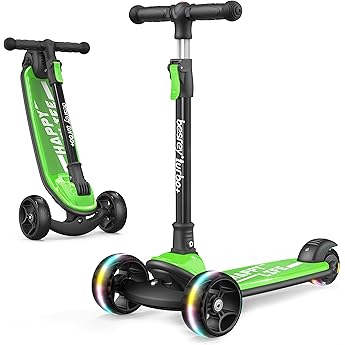
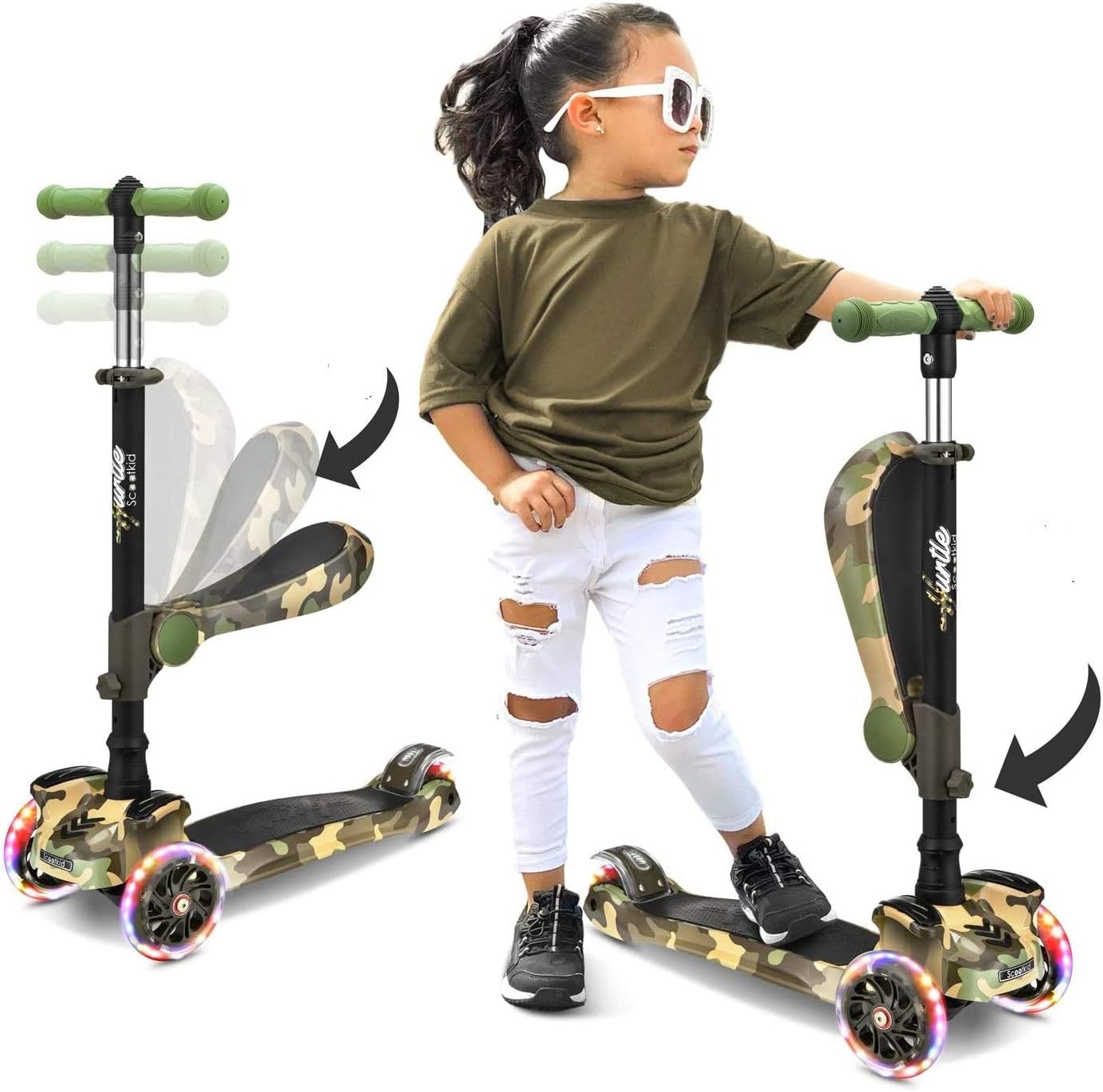
Three-wheel scooters are the most popular choice for 5-year-olds, especially those new to scooting. The extra wheel provides lateral stability, making it easier to balance while learning to push and steer. Many models feature a front-wheel steering system that responds to leaning, which feels more natural than twisting handlebars. These scooters are ideal for parks, driveways, and sidewalks.
Two-wheel scooters are better suited for children who have already developed confidence and coordination. They require more balance but allow for faster speeds and sharper turns. If your child has been riding a balance bike or a toddler scooter, they may be ready to transition to a two-wheel model. Just ensure the scooter has a low deck and responsive brakes.
Folding scooters are perfect for families who travel frequently or need to store the scooter in small spaces. Look for models with a one-step folding mechanism that kids can operate with minimal help. While most folding scooters are lightweight, some sacrifice durability for portability—so check reviews for long-term reliability.
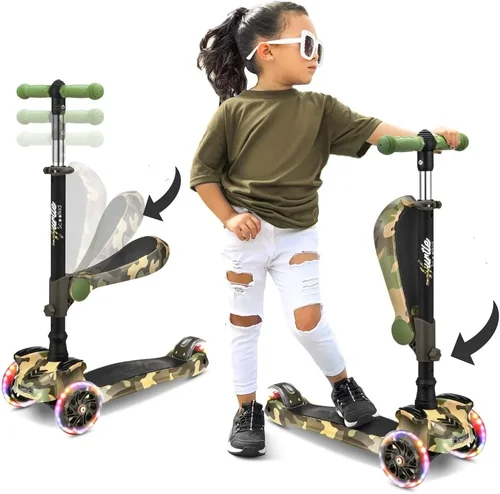
LED and light-up scooters add a fun visual element, with wheels that glow when spinning or decks that light up with each step. These are great for evening rides and can increase visibility to drivers and pedestrians. However, don’t let flashy lights distract from core safety features—always prioritize build quality over aesthetics.
Premium scooters offer the best of everything: high-grade materials, precision engineering, and thoughtful design. Brands like Micro and Globber lead this category with models that grow with your child and last for years. While they come at a higher price, their longevity and performance often justify the investment.
Common Buying Mistakes to Avoid
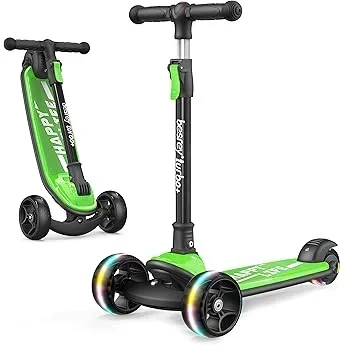
❌ Mistake: Choosing Style Over Safety
Why it’s bad: Scooters with bright colors, cartoon characters, or flashy lights may appeal to kids, but they often lack essential safety features like sturdy frames, reliable brakes, or non-slip decks. A scooter that looks cool but feels wobbly or tips easily can lead to falls and injuries.
What to do instead: Prioritize safety certifications, user reviews, and build quality over appearance. Let your child pick the color or design, but make the final decision based on performance and durability.
❌ Mistake: Ignoring Weight Limits
Why it’s bad: Every scooter has a maximum weight capacity, usually listed in the product specs. Exceeding this limit can cause the frame to bend, wheels to wear prematurely, or brakes to fail. A 5-year-old may be within the range now, but they’ll grow quickly.
What to do instead: Choose a scooter with a weight limit of at least 110 pounds to allow for growth. This ensures the scooter remains safe and functional as your child gets bigger.
❌ Mistake: Buying Too Big or Too Small
Why it’s bad: A scooter that’s too tall forces kids to reach uncomfortably, while one that’s too short causes them to hunch over. Both scenarios reduce control and increase fatigue. Similarly, a deck that’s too narrow makes balancing difficult.
What to do instead: Measure your child’s height and compare it to the scooter’s adjustable range. Test the fit by having them stand on the deck with arms relaxed. The handlebars should be at waist to chest level.
❌ Mistake: Overlooking the Braking System
Why it’s bad: Some budget scooters use weak or poorly designed brakes that don’t stop the scooter effectively. Rear fender brakes require proper foot placement and pressure—if the mechanism is loose or stiff, kids may not be able to stop in time.
What to do instead: Test the brake before buying. Press it firmly—it should engage smoothly and stop the scooter within a few feet. Avoid scooters with only hand brakes, as most 5-year-olds lack the hand strength to use them safely.
❌ Mistake: Skipping the Helmet
Why it’s bad: Even the safest scooter can’t prevent all falls. Head injuries are a leading cause of scooter-related emergencies in young children. A helmet reduces the risk of concussion and serious trauma.
What to do instead: Always buy a properly fitted helmet with CPSC certification. Make it part of the riding routine—no helmet, no ride. Consider helmets with fun designs to encourage use.
❌ Mistake: Buying Based on Price Alone
Why it’s bad: The cheapest scooter may save money upfront but often costs more in the long run due to frequent repairs or early replacement. Conversely, the most expensive model may have features your child doesn’t need.
What to do instead: Focus on value—look for a scooter that offers the right balance of safety, durability, and features within your budget. Read reviews to see how it performs over time.
❌ Mistake: Not Testing Before Buying
Why it’s bad: Online photos and descriptions can be misleading. A scooter may look sturdy but feel flimsy in person, or the folding mechanism may be confusing to operate.
What to do instead: If possible, visit a store to test the scooter. Let your child stand on it, push off, and try the brake. If buying online, choose retailers with generous return policies.
Budget Guidelines: How Much Should You Spend?
Entry-Level ($30–$50): These scooters are best for occasional use or as a first-time introduction. Expect basic features: fixed handlebars, smaller wheels, and minimal adjustability. Materials may include plastic components that wear quickly. While some models in this range are safe and functional, many lack durability and long-term value. Ideal for short-term use or as a backup scooter.
Mid-Range ($60–$100): This is the sweet spot for most families. Scooters in this tier offer adjustable handlebars, better wheels, and improved safety features. Brands like Razor and Hudora dominate this category with reliable, well-reviewed models. You’ll find folding mechanisms, non-slip decks, and decent warranties. These scooters typically last 1–2 years with regular use and can often be passed down.
Premium ($100–$150): Designed for active families and long-term use, premium scooters feature high-quality aluminum frames, precision bearings, and ergonomic designs. Brands like Micro, Globber, and Oxelo offer models with advanced steering systems, shock absorption, and extended adjustability. These scooters often grow with your child and can last 3–5 years with proper care.
Luxury ($150+): Top-tier scooters include cutting-edge technology, customizable parts, and premium materials. Some feature suspension systems, LED displays, or app connectivity. While impressive, these are often overkill for casual riders. Best suited for enthusiasts, competitive scooters, or families who want the absolute best and are willing to invest.
Expert Tips for Getting the Best Deal
1. Buy During Off-Peak Seasons: Scooter sales peak in spring and summer. Shopping in fall or winter can yield significant discounts as retailers clear inventory. Sign up for email alerts from brands like Razor or Micro to catch flash sales.
2. Compare Retailers: Prices can vary widely between online marketplaces (Amazon, Walmart), specialty stores (REI, Decathlon), and direct-from-brand websites. Check return policies and shipping costs—some retailers offer free returns, which is crucial if the scooter doesn’t fit.
3. Look for Bundles: Some sellers offer scooter-and-helmet packages at a reduced rate. These can save $10–$20 compared to buying separately. Ensure the helmet is properly sized and certified.
4. Read Verified Reviews: Focus on reviews from verified purchasers, especially those with photos or videos. Look for comments about long-term use, customer service, and real-world performance. Avoid products with mostly 5-star ratings and no critical feedback—this can indicate fake reviews.
5. Check Warranty and Support: A good warranty (6 months to 1 year) is a sign of confidence in the product. Contact customer service before buying to test their responsiveness. Brands with local service centers or easy replacement part ordering are preferable.
6. Test in Person When Possible: If you have access to a store, let your child try the scooter. Observe how they handle it—do they feel stable? Can they reach the brake easily? A 5-minute test can reveal more than hours of online research.
7. Consider Secondhand Options: Gently used scooters from reputable brands can be a great value. Check local Facebook groups, Craigslist, or Buy Nothing groups. Inspect for cracks, loose parts, or worn wheels before purchasing.
8. Prioritize Adjustability: A scooter with adjustable handlebars and a durable frame will last longer, reducing the need for frequent upgrades. This is especially important if you have multiple children or plan to pass it down.
Frequently Asked Questions
Q: What’s the best age to start riding a scooter?
A: Most children can start riding a scooter around age 3 with a three-wheel model. By age 5, many are ready for more advanced features like adjustable handlebars and folding mechanisms. Always consider your child’s balance, coordination, and maturity level.
Q: Should I buy a three-wheel or two-wheel scooter for my 5-year-old?
A: Three-wheel scooters are generally safer and easier to balance, making them ideal for beginners. Two-wheel scooters are better for kids who already have experience and confidence. If your child has ridden a balance bike or toddler scooter, they may be ready for two wheels.
Q: How do I know if the scooter fits my child?
A: The handlebars should be at waist to chest height when your child stands on the deck with arms relaxed. Their feet should fit comfortably on the deck without hanging off the sides. Test the brake to ensure they can reach and press it easily.
Q: Can a 5-year-old ride a scooter on the road?
A: It’s not recommended. Scooters should be used on sidewalks, bike paths, or private property. Roads pose traffic risks, and young children lack the judgment to navigate safely. Always supervise rides in public areas.
Q: How fast do kids’ scooters go?
A: Most scooters for 5-year-olds reach speeds of 6–10 mph, depending on the child’s pushing strength and terrain. Larger wheels and smoother bearings can increase speed slightly, but safety should always come first.
Q: Do I need to maintain the scooter?
A: Yes. Regularly check for loose bolts, worn wheels, and brake function. Clean the deck and wheels to remove dirt and debris. Lubricate bearings if recommended by the manufacturer. Proper maintenance extends the scooter’s life and ensures safe operation.
Q: What should I do if the scooter breaks?
A: Contact the manufacturer or retailer first. Many offer free repairs or replacements under warranty. If out of warranty, check if replacement parts (like wheels or grips) are available. Avoid DIY fixes that compromise safety.
Q: Can a scooter help with my child’s development?
A: Absolutely. Scooting improves balance, coordination, spatial awareness, and gross motor skills. It also encourages outdoor play, physical activity, and independence. Many kids gain confidence and social skills by riding with friends.
Q: Are electric scooters safe for 5-year-olds?
A: No. Most electric scooters are designed for ages 8 and up due to higher speeds, complex controls, and weight. They require stronger braking skills and better judgment. Stick to manual scooters for this age group.
Q: How long will a scooter last?
A: With proper care, a quality scooter can last 2–5 years. Factors include usage frequency, terrain, maintenance, and build quality. Premium models often outlast budget ones by a significant margin.
Our Final Recommendations
Best for Budget-Conscious Buyers: Razor A Kick Scooter – At around $40, this classic model offers solid construction, smooth-rolling wheels, and a rear fender brake. It’s lightweight, durable, and perfect for beginners. While it lacks adjustability, it’s a reliable entry-level option.
Best Overall Value: Globber GO UP 3-in-1 Scooter – Priced around $90, this versatile scooter converts from a toddler seat to a stand-up model and features adjustable handlebars, a lean-to-steer system, and high-quality PU wheels. It grows with your child and offers excellent safety and durability.
Best Premium Option: Micro Mini Original Scooter – At $130, this Swiss-designed scooter is a favorite among parents for its precision engineering, smooth ride, and long lifespan. The patented steering system and high-rebound wheels make it ideal for active kids. It’s an investment that pays off over time.
Best for Beginners: Hudora Mini Kidz Scooter – With a wide deck, low center of gravity, and three-wheel stability, this $60 model is perfect for first-time riders. The adjustable handlebars and easy-fold design add convenience for families.
Best for Advanced Users: Oxelo Town 5 EF Scooter – Designed for confident 5-year-olds, this $110 scooter features larger wheels, a responsive brake, and a sleek, aerodynamic frame. It’s great for longer rides and more adventurous terrain.
Conclusion: Making the Right Choice
Choosing the best scooter for your 5-year-old doesn’t have to be overwhelming. By focusing on safety, fit, and quality, you can find a model that supports your child’s growth, encourages outdoor play, and provides years of fun. Remember, the right scooter isn’t just about speed or style—it’s about building confidence, developing skills, and creating joyful memories.
Start by assessing your child’s current abilities and your family’s needs. Do they need stability or speed? Will you be traveling often? What’s your budget? Use the factors and tips in this guide to narrow your options and avoid common pitfalls. Don’t rush the decision—take time to read reviews, test models, and involve your child in the process.
Ultimately, the best scooter is one that your child loves to ride and feels safe using. Whether you choose a budget-friendly Razor or a premium Micro, prioritize features that enhance safety and usability. And most importantly, always pair the scooter with a properly fitted helmet and supervise young riders in traffic areas.
With the right scooter, your 5-year-old can enjoy the freedom of movement, the thrill of speed, and the pride of mastering a new skill. So go ahead—take the leap, make the investment, and watch them roll into adventure with a smile.