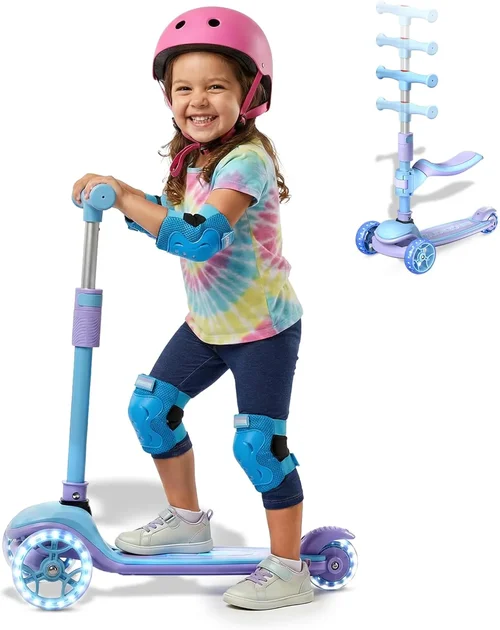
When it comes to personal mobility, few devices offer the perfect blend of fun, practicality, and portability like a kick scooter. Whether you’re commuting to work, zipping around campus, or simply enjoying a weekend ride in the park, the right scooter can transform your daily routine. But with so many models flooding the market—each boasting different features, price points, and performance specs—it’s easy to feel overwhelmed. That’s exactly why this guide exists: to cut through the noise and help you make a smart, informed decision.
In this comprehensive buying guide, we’ll walk you through everything you need to know before purchasing a kick scooter in 2026. From understanding key performance metrics to comparing types, avoiding common pitfalls, and identifying the best value for your budget, we’ve got you covered. You’ll learn how to evaluate build quality, assess safety features, interpret user reviews, and even time your purchase for maximum savings. By the end, you won’t just know which scooter to buy—you’ll know why it’s the right choice for your lifestyle.
The kick scooter market has evolved dramatically over the past decade. What once started as a simple toy for kids has matured into a full-fledged urban mobility solution embraced by adults, students, and eco-conscious commuters alike. Brands like Gotrax, Xiaomi, Segway, and Razor now offer sleek, durable, and feature-rich models designed for real-world use. With advancements in materials, braking systems, suspension, and even smart connectivity, today’s scooters are more capable than ever. This guide focuses on Gotrax—a brand that has carved out a strong reputation for delivering reliable, affordable, and high-performing kick scooters—but the principles apply broadly across the category.

What to Look for When Buying Gotrax
1. Budget & Price Range
Your budget is the foundation of your buying decision. Gotrax offers a wide spectrum of models, from entry-level options under $200 to premium versions nearing $600. Setting a realistic budget upfront helps narrow your choices and prevents overspending on features you don’t need.
For most casual riders, a scooter in the $250–$400 range strikes the ideal balance between cost and capability. These models typically include sturdy frames, decent speed (15–20 mph), good range (10–18 miles), and reliable brakes. If you’re on a tight budget, don’t assume cheaper means worse—Gotrax’s lower-tier models are surprisingly well-built for their price. However, avoid ultra-budget scooters (under $150) unless they’re strictly for light recreational use; they often compromise on durability, safety, and ride comfort.
2. Performance Specifications
Performance isn’t just about speed—it’s a combination of motor power, top speed, range, hill-climbing ability, and acceleration. Gotrax scooters generally feature brushless hub motors ranging from 250W to 500W. Higher wattage translates to better torque and the ability to tackle inclines up to 15% grade, which is crucial if you live in a hilly area.
Top speed varies by model: entry-level Gotrax scooters cap out around 15 mph, while mid-to-high-end models can reach 18–20 mph. For city commuting, 15–18 mph is more than sufficient and aligns with most local e-scooter regulations. Range is another critical metric. Gotrax advertises ranges based on ideal conditions (flat terrain, light rider, no wind), so always subtract 20–30% for real-world expectations. A scooter rated for 18 miles might realistically give you 12–14 miles per charge.
Acceleration matters too. Some Gotrax models use throttle-only control, while others offer a “cruise control” mode that maintains steady speed—ideal for longer rides. Test how responsive the throttle feels; a laggy response can be frustrating in traffic or when merging onto bike lanes.
3. Build Quality & Durability
A scooter is only as good as its construction. Gotrax uses aluminum alloy frames in most of its models, which offer an excellent strength-to-weight ratio. Look for reinforced joints, welded (not bolted) handlebar stems, and thick deck plating—these details signal longevity.
Check the wheels: solid rubber tires are puncture-proof but offer less shock absorption, while air-filled pneumatic tires provide a smoother ride but require occasional maintenance. Gotrax’s newer models often feature hybrid or honeycomb tires, which aim to combine the best of both worlds.
The folding mechanism is another durability hotspot. A poorly designed hinge can loosen over time, creating wobble or even safety hazards. Gotrax scooters typically use a lever-lock system that’s quick to deploy and secure when locked. Give it a firm tug after folding—if it moves, it’s a red flag.
Finally, consider weather resistance. While no kick scooter is fully waterproof, Gotrax models usually have an IP54 rating, meaning they can handle light rain and splashes. Avoid riding in heavy downpours or submerging the scooter, as water can damage the motor and electronics.
4. Features & Functionality
Modern Gotrax scooters come packed with features that enhance safety, convenience, and usability. Start with the display: most models include an LED screen showing speed, battery level, and riding mode. Some even have Bluetooth connectivity for app integration, allowing you to lock the scooter, track rides, or update firmware.
Lighting is essential for visibility. Front headlights (usually 1–2W LED) and rear brake lights are standard on newer Gotrax scooters. Look for models with side reflectors or integrated turn signals if you plan to ride at night or in low-light conditions.
Braking systems vary. Gotrax typically uses rear foot brakes (fender-mounted) combined with electronic or regenerative braking. Higher-end models may include disc brakes for faster stopping power. Always test the brake response—adequate stopping distance at 15 mph should be under 15 feet on dry pavement.
Suspension is another feature worth considering. While not all Gotrax models have it, those that do (like the Gotrax GXL V2 or G4) offer front or dual suspension to absorb bumps and cracks, making rides significantly more comfortable on uneven surfaces.
5. Brand Reputation
Gotrax has built a solid reputation since its founding in 2018. Known for aggressive pricing without sacrificing core functionality, the brand has become a favorite among budget-conscious commuters and first-time e-scooter buyers. Customer service has improved significantly in recent years, with faster response times and better warranty fulfillment.
However, like any mass-market brand, Gotrax isn’t perfect. Some users report inconsistencies in battery life or occasional quality control issues (e.g., loose screws or misaligned parts). That said, these are relatively rare and often resolved quickly through customer support. Reading recent reviews (especially from 2024–2026) gives a clearer picture than older feedback, as the company has refined its manufacturing processes.
Compared to premium brands like Segway or Dualtron, Gotrax scooters may lack some polish or advanced engineering—but they deliver exceptional value for the price. If you’re looking for a reliable daily rider that won’t break the bank, Gotrax is a trustworthy choice.
6. Warranty & Support
Warranty coverage is a critical but often overlooked factor. Gotrax offers a standard 1-year limited warranty on most models, covering defects in materials and workmanship. This includes the motor, battery, controller, and frame—but not wear-and-tear items like tires, brakes, or the folding mechanism.
Before buying, confirm the warranty terms: Is it voided if you modify the scooter? Does it require original packaging for returns? Can you get service locally, or must you ship the unit back? Gotrax has partnered with third-party service centers in major U.S. cities, which speeds up repairs.
Customer support responsiveness varies. Email support is generally reliable, but phone wait times can be long during peak seasons. Check community forums or Reddit for real-user experiences—many report positive outcomes after persistent follow-ups.
7. Size & Portability
Portability determines how easily you can carry, store, and transport your scooter. Gotrax models weigh between 22 and 35 pounds—light enough for most adults to lift, but still substantial. Consider your daily routine: Will you carry it up stairs? Stow it under a desk? Load it into a car trunk?
Folding time matters too. Gotrax scooters typically fold in under 10 seconds with a one-step mechanism. The folded dimensions are compact (around 40″ x 17″ x 18″), making them suitable for public transit or small apartments.
Handlebar height is adjustable on most models, accommodating riders from 4’8″ to 6’4″. If you’re particularly tall or short, verify the min/max height settings before buying. Also, check deck size—larger decks offer more foot space and stability, especially for longer rides.
8. User Reviews & Ratings
Never rely solely on manufacturer specs. Real-world user reviews reveal nuances that specs can’t capture: how the scooter handles potholes, whether the battery degrades quickly, or if the app actually works.
Focus on verified purchase reviews from reputable sites like Amazon, Best Buy, or specialized scooter forums. Look for patterns: if multiple users complain about the same issue (e.g., “brake squeaks after 2 months”), it’s likely a design flaw. Conversely, consistent praise for ride comfort or battery life is a strong endorsement.
Be wary of overly glowing or suspiciously negative reviews—they may be fake. Authentic reviews often include photos, mention specific use cases, and acknowledge minor drawbacks.
Different Types of Gotrax

Common Buying Mistakes to Avoid
❌ Mistake: Ignoring Real-World Range Claims
Why it’s bad: Manufacturers often quote range under perfect conditions—light rider, flat road, no wind. In reality, factors like weight, terrain, and temperature drastically reduce actual range. Relying on advertised range can leave you stranded.
What to do instead: Always calculate 70–80% of the stated range. If a scooter claims 18 miles, expect 12–14. Carry a portable charger or plan routes with charging stations if you need extra juice.
❌ Mistake: Overlooking Weight Limits
Why it’s bad: Exceeding the rider weight limit strains the motor, drains the battery faster, and can damage the frame or suspension. Gotrax scooters typically support 220–275 lbs—check the spec sheet carefully.
What to do instead: Choose a model rated for at least 20–30 lbs above your weight. If you’re near the limit, consider a performance model with a stronger motor and reinforced deck.
❌ Mistake: Skipping the Test Ride
Why it’s bad: Scooters feel different in person than in videos or specs. A model that looks great online might have a stiff throttle, wobbly handlebars, or uncomfortable ride quality.
What to do instead: Visit a local retailer that carries Gotrax (like Best Buy or Walmart) and test ride multiple models. Pay attention to balance, braking, and comfort over bumps.
❌ Mistake: Neglecting Safety Gear
Why it’s bad: Even low-speed falls can cause serious injury. Many new riders skip helmets, lights, or reflective gear, increasing accident risk—especially at night or in traffic.
What to do instead: Budget for a certified helmet, rear reflector, and front light. Consider wrist guards and knee pads if you’re a beginner. Safety gear is cheaper than medical bills.
❌ Mistake: Buying Based Solely on Price
Why it’s bad: The cheapest scooter often lacks essential features like reliable brakes, decent suspension, or weather resistance. You’ll end up replacing it sooner, costing more long-term.
What to do instead: Prioritize value over price. A $350 scooter with solid reviews and a good warranty is smarter than a $200 model with hidden flaws.
❌ Mistake: Ignoring Local Laws
Why it’s bad: E-scooter regulations vary by city and state. Some areas restrict speed, require licenses, or ban riding on sidewalks. Getting fined or having your scooter confiscated is avoidable.
What to do instead: Research local laws before buying. Check if your scooter’s top speed complies, and whether helmets or lights are mandatory.
❌ Mistake: Not Checking Return Policies
Why it’s bad: If the scooter arrives damaged or doesn’t meet expectations, a strict return policy can leave you stuck with a dud. Some retailers charge restocking fees or require original packaging.
What to do instead: Buy from retailers with generous return windows (30+ days) and free return shipping. Amazon and Best Buy are reliable options for hassle-free returns.
Budget Guidelines: How Much Should You Spend?
– Entry-Level ($150–$250): Ideal for kids, occasional riders, or those testing the waters. Expect basic features: 150–250W motor, 10–12 mph top speed, 8–12 mile range, and minimal suspension. Models like the Gotrax GKS fit here. Great for short trips or recreational use, but not built for daily commuting or rough terrain.
– Mid-Range ($300–$450): The sweet spot for most buyers. These scooters offer 250–350W motors, 15–18 mph speeds, 12–18 mile ranges, and improved build quality. Features like front suspension, LED displays, and better brakes are common. The Gotrax GXL V2 and G4 excel in this tier—perfect for students, office commuters, and urban explorers.
– Premium ($450–$600): For enthusiasts and serious commuters. Expect 350–500W motors, 18–20 mph speeds, 15–22 mile ranges, and robust construction. Advanced features like disc brakes, dual suspension, app connectivity, and higher weight capacities define this tier. The Gotrax GMAX is a standout here, capable of handling hills and longer distances with ease.
– Luxury ($600+): While Gotrax doesn’t currently offer models above $600, this tier includes high-end brands with carbon fiber frames, regenerative braking, GPS tracking, and ultra-long ranges. Only consider if you demand top-tier performance or ride daily in challenging conditions.

Expert Tips for Getting the Best Deal
– Time your purchase: Major sales occur during Black Friday, Cyber Monday, Amazon Prime Day (July), and back-to-school season (August). Gotrax often discounts older models when new ones launch—watch for clearance deals in early spring.
– Buy from authorized retailers: Stick to Gotrax.com, Amazon, Best Buy, or Walmart. Avoid third-party sellers with unclear return policies or suspiciously low prices—they may sell refurbished units as new.
– Bundle accessories: Some retailers offer free helmets, phone mounts, or lights with purchase. Gotrax occasionally runs bundle promotions—sign up for their newsletter to stay informed.
– Check refurbished options: Gotrax sells certified refurbished scooters at 20–30% off. These come with full warranties and are thoroughly tested—great for budget shoppers who want premium features.
– Read the fine print on warranties: Ensure the warranty covers battery degradation (not just defects). Some brands only cover “complete failure,” not reduced capacity over time.
– Test before you commit: If possible, rent a similar model from a scooter-sharing service (like Lime or Bird) to see how it feels in real traffic. This helps confirm your choice before buying.
– Consider insurance: While not common, some credit cards or homeowners’ policies cover personal electronics against theft or damage. Check your coverage—it could save you hundreds.
– Join online communities: Forums like Reddit’s r/scooters or ScooterTalk offer deal alerts, mod tips, and user reviews. Members often share discount codes or flash sale notifications.
Frequently Asked Questions
Q: Are Gotrax scooters safe for beginners?
A: Yes, especially entry-level models like the GKS or GXL V2. They feature lower top speeds, stable decks, and simple controls. Always wear a helmet and practice in a safe, open area before riding in traffic.
Q: How long does the battery last?
A: Gotrax lithium-ion batteries typically retain 80% capacity after 300–500 charge cycles, which translates to 1–2 years of daily use. Avoid fully draining the battery regularly, and store it at 50–70% charge if not using for weeks.
Q: Can I ride a Gotrax scooter in the rain?
A: Light rain is generally fine due to the IP54 rating, but avoid deep puddles, heavy downpours, or wet grass. Water can seep into electrical components and cause permanent damage.
Q: How fast do Gotrax scooters go?
A: Speeds range from 10 mph (kids’ models) to 20 mph (performance models). Most adult commuters find 15–18 mph sufficient for city riding and compliant with local laws.
Q: Do I need a license to ride a Gotrax scooter?
A: In most U.S. states, no license is required for scooters under 20 mph. However, some cities require registration or restrict where you can ride. Always check local regulations.
Q: Can I upgrade the battery on my Gotrax scooter?
A: Officially, no—Gotrax does not support battery upgrades. Modifying the scooter voids the warranty and can create safety risks. If you need more range, consider a model with a larger battery from the start.
Q: How do I maintain my Gotrax scooter?
A: Clean the deck and wheels regularly, check tire pressure (if pneumatic), tighten bolts monthly, and store in a dry place. Avoid using high-pressure water sprays near the motor or display.
Q: What’s the difference between electronic and foot brakes?
A: Electronic brakes use the motor to slow the scooter and can recharge the battery slightly (regenerative braking). Foot brakes require you to press the rear fender with your foot. Most Gotrax models use a combination of both for redundancy.
Q: Can adults ride kids’ Gotrax scooters?
A: Technically yes, but not recommended. Kids’ models have lower weight limits, smaller decks, and reduced stability. Adults should choose models rated for their weight and height.
Q: Where can I get replacement parts?
A: Gotrax sells replacement parts (tires, brakes, chargers) on their website. Third-party sellers on Amazon also carry compatible components—just verify compatibility before ordering.
Our Final Recommendations
– Best for Budget-Conscious Buyers: Gotrax GXL V2 – At around $350, it delivers exceptional value with a 250W motor, 15.5 mph top speed, 12-mile range, front suspension, and a bright LED display. Perfect for students and casual commuters.
– Best Overall Value: Gotrax G4 – Priced near $400, the G4 adds dual suspension, a more powerful 300W motor, and improved braking. It’s comfortable, reliable, and handles urban terrain with ease—our top pick for most riders.
– Best Premium Option: Gotrax GMAX – For $550, you get a 500W motor, 20 mph speed, 22-mile range, disc brake, and rugged build. Ideal for hilly cities or riders who demand maximum performance.
– Best for Beginners: Gotrax GKS – Simple, safe, and affordable ($200), this model is perfect for first-time riders. It has a low center of gravity, speed limiter, and easy-fold design.
– Best for Advanced Users: Gotrax GMAX – Again, the GMAX stands out for experienced riders who want speed, range, and durability. Its responsive throttle and strong braking make it suitable for confident, frequent use.
Conclusion: Making the Right Choice
Choosing the best kick scooter isn’t about finding the flashiest model or the cheapest price tag—it’s about matching the scooter’s capabilities to your lifestyle, needs, and environment. Whether you’re navigating busy city streets, cruising campus pathways, or enjoying weekend adventures, the right Gotrax scooter can enhance your mobility and make every ride enjoyable.
Remember to prioritize safety, read real user reviews, respect local laws, and invest in quality gear. Don’t rush the decision: take time to compare models, test ride when possible, and consider long-term value over short-term savings. With the insights from this guide, you’re now equipped to make a confident, informed purchase.
Your perfect scooter is out there—safe, reliable, and ready to roll. All it takes is knowing what to look for. Happy riding!