
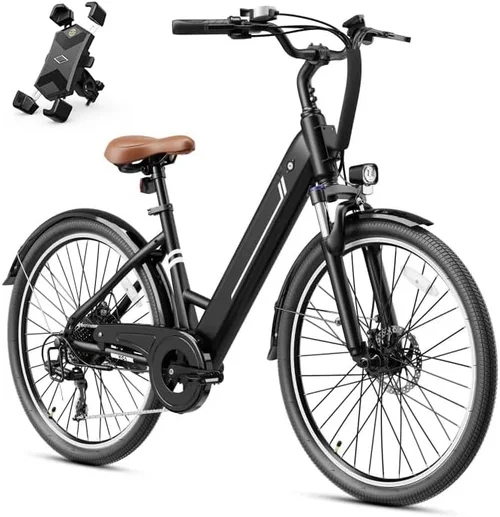
Electric assist bikes—commonly known as e-assist bikes or e-bikes—have revolutionized personal transportation, fitness, and recreation over the past decade. What began as a niche market for commuters and tech enthusiasts has exploded into a mainstream phenomenon, with global sales projected to exceed 40 million units annually by 2026. Whether you’re navigating city traffic, exploring mountain trails, or simply looking for a low-impact way to stay active, an e-assist bike can be a game-changer. But with hundreds of models flooding the market—from sleek urban commuters to rugged off-road machines—choosing the right one can feel overwhelming.
This comprehensive buying guide is designed to cut through the noise and help you make a confident, informed decision. We’ll walk you through every critical factor you need to consider, from motor power and battery life to frame materials and warranty coverage. You’ll learn how different types of e-assist bikes serve different lifestyles, what common pitfalls to avoid, and how to stretch your budget without sacrificing quality. By the end, you’ll have a clear roadmap tailored to your needs—whether you’re a first-time buyer, a seasoned cyclist upgrading your ride, or someone rediscovering the joy of two wheels with a little electric boost.
The e-bike market in 2026 is more diverse and competitive than ever. Major brands like Trek, Specialized, Rad Power Bikes, and Bosch-powered models dominate headlines, while innovative startups and value-focused manufacturers like Gotrax continue to push boundaries in affordability and accessibility. Advances in battery technology, motor efficiency, and smart connectivity mean today’s e-assist bikes are lighter, smarter, and more capable than their predecessors. Yet, despite these improvements, not all e-bikes are created equal. Understanding what separates a reliable, long-term investment from a flash-in-the-pan gadget is essential—and that’s exactly what this guide delivers.

What to Look for When Buying Gotrax
1. Motor Type and Power Output
The motor is the heart of any e-assist bike, determining how much assistance you get and how smoothly it delivers power. Most Gotrax e-bikes use hub motors—located either in the front or rear wheel—which are generally simpler, quieter, and more affordable than mid-drive systems. Gotrax typically equips its models with 250W to 750W motors, which is sufficient for flat terrain and moderate hills. A 250W motor is ideal for casual riders on paved paths, while a 500W or 750W motor offers better hill-climbing ability and faster acceleration, making it suitable for urban commuting or light off-road use.
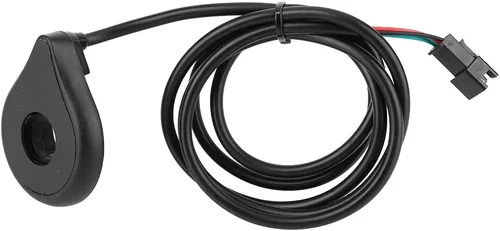
When evaluating motor performance, pay attention not just to wattage but also to torque (measured in Newton-meters). Higher torque means stronger pedal assistance at low speeds, which is especially helpful when starting from a stop or climbing inclines. Gotrax’s higher-end models often feature torque sensors that adjust power output based on how hard you’re pedaling, creating a more natural riding experience compared to basic cadence sensors that only respond to pedal rotation.
2. Battery Capacity and Range
Battery performance directly impacts how far you can ride on a single charge—a critical factor for commuters, tourers, or anyone relying on their e-bike for daily transportation. Gotrax batteries are typically lithium-ion, ranging from 36V/7.5Ah (270Wh) on entry-level models to 48V/10.4Ah (500Wh+) on premium versions. Watt-hours (Wh) are the best metric for comparing range: multiply voltage (V) by amp-hours (Ah) to get Wh.
Real-world range varies widely based on terrain, rider weight, assist level, and weather. A Gotrax GXL V2 with a 36V/7.5Ah battery might deliver 20–30 miles in eco mode on flat ground, but drop to 10–15 miles in high assist on hills. Always check if the battery is removable—this allows for convenient charging indoors and extends battery lifespan by protecting it from extreme temperatures. Gotrax generally uses standard connectors, but verify compatibility if you’re considering third-party upgrades.
3. Build Quality and Frame Material
A well-built frame ensures safety, comfort, and durability over thousands of miles. Gotrax primarily uses aluminum alloy frames across its lineup, which strike a good balance between strength, weight, and corrosion resistance. Aluminum is lighter than steel and won’t rust, making it ideal for urban environments and wet climates. However, it can transmit more road vibration than steel, so look for models with suspension forks or seat posts if you’ll be riding on rough pavement or gravel.
Pay attention to weld quality, component integration, and weight distribution. A poorly welded joint or misaligned drivetrain can lead to premature failure or unsafe handling. Gotrax’s folding models, like the G4 or GXL Commuter, use reinforced hinges and locking mechanisms—test these thoroughly before purchase. Heavier riders (over 220 lbs) should verify the bike’s weight capacity, which typically ranges from 220 to 275 lbs across Gotrax models.
4. Braking System
Reliable brakes are non-negotiable, especially on e-bikes that can reach speeds of 20 mph or more. Gotrax equips most of its bikes with mechanical disc brakes, which offer strong stopping power and perform well in wet conditions compared to rim brakes. Higher-end models may feature hydraulic disc brakes, which require less hand force and provide more consistent modulation—ideal for steep descents or frequent stops in traffic.
Always test the brake lever feel and responsiveness. Squeaking or spongy levers may indicate poor alignment or worn pads. For safety, ensure the front and rear brakes engage smoothly and independently. Some Gotrax models include regenerative braking, which recaptures a small amount of energy during deceleration—though the effect is minimal, it’s a nice efficiency booster.
5. Display and Smart Features
The display is your command center, showing speed, battery level, assist mode, and sometimes navigation or ride stats. Gotrax typically includes LCD or LED displays on its mid-to-high-tier models. Basic displays show essential info, while advanced units offer Bluetooth connectivity, app integration, and customizable settings. The Gotrax app (available for iOS and Android) allows you to track rides, lock the bike remotely, and adjust power modes—features that enhance both convenience and security.
Look for backlit screens for visibility in low light, and ensure buttons are tactile and easy to use while riding. Some models include USB ports for charging devices, which is handy for long commutes or bikepacking trips. Avoid bikes with overly complex interfaces—simplicity often leads to better usability.
6. Tire Size and Type
Tires significantly influence ride comfort, traction, and rolling resistance. Gotrax offers a range of tire options: 20-inch wheels on folding models for portability, 26-inch on hybrid bikes for stability, and 27.5-inch or 29-inch on trail-oriented versions. Wider tires (2.0” to 2.4”) provide better cushioning and grip on uneven surfaces, while narrower tires (1.75” to 1.95”) roll faster on pavement.
Puncture-resistant tires with reflective sidewalls are worth the extra cost for daily riders. Tubeless-ready setups reduce the risk of flats but require more maintenance. If you plan to ride in winter or on trails, consider models with knobby tread patterns for improved traction.
7. Portability and Folding Mechanism
If storage space is limited or you need to take your bike on public transit, portability becomes crucial. Gotrax’s folding e-bikes, like the G4 and GXL Commuter, feature quick-release levers and compact folds that reduce length by nearly half. When folded, these bikes can fit under desks, in car trunks, or in small apartments.
However, folding adds complexity and weight. Check the folded dimensions and total weight—most Gotrax folders weigh between 45 and 60 lbs. Ensure the locking mechanism is sturdy and doesn’t rattle during rides. Test the fold/unfold process to confirm it’s intuitive and secure.
8. Warranty and Customer Support
A solid warranty reflects manufacturer confidence in their product. Gotrax typically offers a 1-year limited warranty covering the frame, motor, and battery against defects. This is standard for the industry, but read the fine print: labor costs, shipping, and wear items (like tires and brake pads) are usually excluded.
Customer support responsiveness varies. Gotrax provides email and phone support, with mixed user reports on resolution times. Check online forums and reviews for recent experiences. Extended warranties or third-party protection plans may be worth considering for peace of mind, especially on higher-priced models.
Different Types of Gotrax

Common Buying Mistakes to Avoid
❌ Mistake: Prioritizing Price Over Performance
Why it’s bad: Choosing the cheapest e-bike without considering motor power, battery capacity, or build quality often leads to frustration. A $400 model might look appealing, but if it can’t handle hills or dies after 15 miles, it becomes more hassle than help.
What to do instead: Set a realistic budget based on your usage. If you commute 10 miles daily, invest in a bike with at least 400Wh battery and 500W motor. Think of it as a long-term investment in mobility and health.
❌ Mistake: Ignoring Local E-Bike Laws
Why it’s bad: E-bike regulations vary by state and country. In the U.S., Class 1 and 2 e-bikes (pedal-assist up to 20 mph) are widely permitted, but Class 3 (28 mph) may require helmets or have age restrictions. Riding an illegal bike could result in fines or confiscation.
What to do instead: Check your local Department of Motor Vehicles or transportation authority website. Gotrax models are typically Class 2 (throttle + pedal assist), which is legal in most areas—but confirm before buying.
❌ Mistake: Overlooking Test Rides
Why it’s bad: E-bikes handle differently than regular bikes. Weight distribution, throttle response, and seat comfort are hard to judge from specs alone. Buying online without testing can lead to buyer’s remorse.
What to do instead: Visit local retailers that carry Gotrax or similar brands. If unavailable, read detailed user reviews focusing on ride feel. Some online sellers offer generous return windows—use them.
❌ Mistake: Neglecting Maintenance Needs
Why it’s bad: E-bikes require regular upkeep: tire pressure checks, brake adjustments, chain lubrication, and battery care. Ignoring maintenance shortens component life and compromises safety.
What to do instead: Learn basic maintenance or budget for annual tune-ups. Gotrax provides manuals and video guides—take advantage of them. Keep a toolkit handy for on-the-go fixes.
❌ Mistake: Assuming All Batteries Are Equal
Why it’s bad: Battery degradation is inevitable, but poor-quality cells degrade faster. Some budget brands use lower-grade lithium batteries that lose capacity within a year.
What to do instead: Stick with reputable manufacturers like Gotrax that use name-brand cells (e.g., Samsung, LG). Avoid no-name brands with vague battery specs.
❌ Mistake: Forgetting About Theft Protection
Why it’s bad: E-bikes are prime targets for thieves. A $1,000 bike locked with a $20 cable can vanish in minutes.
What to do instead: Invest in a high-quality U-lock (like Kryptonite) and always secure both wheels and frame. Use GPS trackers or Gotrax’s app-based locking feature if available. Park in well-lit, high-traffic areas.
Budget Guidelines: How Much Should You Spend?
Entry-Level ($400–$600): This tier includes basic Gotrax models like the G3 or early GXL versions. Expect a 250W motor, 36V/7.5Ah battery (20–25 mile range), mechanical disc brakes, and minimal features. Ideal for short, flat commutes or casual weekend rides. Build quality is adequate but not exceptional—components may wear faster under heavy use.
Mid-Range ($600–$900): The sweet spot for most buyers. Models like the GXL V2 or G4 offer 500W motors, larger batteries (36V/10Ah or 48V/7.5Ah), improved displays, and better suspension. You’ll get reliable performance, decent range (30–40 miles), and features like app connectivity. Perfect for daily commuting, fitness, or light cargo hauling.
Premium ($900–$1,300): Designed for enthusiasts and frequent riders. These bikes include 750W motors, 48V/10.4Ah+ batteries (40–60 mile range), hydraulic brakes, torque sensors, and advanced displays. Fat-tire and cargo models fall here, offering versatility for trails, beaches, or family trips. Build quality is robust, with attention to细节 like internal cable routing and weather-resistant connectors.
Luxury ($1,300+): While Gotrax doesn’t currently offer ultra-premium models above $1,500, this tier represents the upper echelon of e-bikes with carbon frames, integrated lighting, smart navigation, and professional-grade components. If you’re considering stepping beyond Gotrax, brands like Trek or Specialized dominate here—but for most users, a premium Gotrax model delivers 90% of the performance at half the price.
Expert Tips for Getting the Best Deal
- Shop During Off-Seasons: E-bike sales peak in spring and summer. Buy in late fall or winter (November–February) for discounts of 10–20%. Retailers clear inventory to make room for new models.
- Compare Online and In-Store: Online retailers often have lower prices and wider selection, but local shops offer test rides and immediate support. Some stores price-match—ask before buying.
- Watch for Bundle Deals: Gotrax occasionally offers free accessories (helmets, locks, lights) with purchase. These can save $50–$100 and enhance safety.
- Check Return Policies: Ensure you have at least 14–30 days to return the bike if it doesn’t meet expectations. Some sellers charge restocking fees—read the terms carefully.
- Consider Refurbished or Open-Box: Certified pre-owned Gotrax bikes can be 20–30% cheaper and come with warranties. Great for budget-conscious buyers.
- Join Loyalty Programs: Sign up for Gotrax newsletters or retailer rewards programs. Early access to sales and exclusive coupons add up over time.
- Negotiate Accessories: If buying in-store, ask for free installation of racks, fenders, or phone mounts. Many shops include these to close the sale.

Frequently Asked Questions
Q: How fast do Gotrax e-bikes go?
A: Most Gotrax models are Class 2 e-bikes, meaning they provide pedal assist and throttle up to 20 mph (32 km/h). This is the legal limit in most U.S. states. Speed depends on rider input, terrain, and assist level—higher settings yield faster speeds but reduce range.
Q: Can I ride a Gotrax e-bike in the rain?
A: Yes, but with caution. Gotrax bikes are water-resistant (IPX4 rating), meaning they can handle light rain and splashes. Avoid submerging the battery or motor, and dry the bike after wet rides to prevent corrosion. Don’t use high-pressure hoses for cleaning.
Q: How long does it take to charge a Gotrax battery?
A: Charging time varies by battery size. A 36V/7.5Ah battery takes about 4–5 hours, while a 48V/10.4Ah battery may take 6–7 hours. Use only the included charger—third-party chargers can damage the battery or void the warranty.
Q: Are Gotrax e-bikes good for hills?
A: Models with 500W or 750W motors (like the GXL V2 or Scorpion) handle moderate hills well. Steep inclines (>10% grade) may require lower gears and steady pedaling. Fat-tire models offer better traction on loose or uneven terrain.
Q: Do I need a license or insurance for a Gotrax e-bike?
A: In most U.S. states, no license or insurance is required for Class 1 or 2 e-bikes. However, some cities have local ordinances—check your municipal code. Always wear a helmet and follow traffic laws.
Q: Can I upgrade my Gotrax battery?
A: Officially, Gotrax does not support third-party battery upgrades due to safety and warranty concerns. However, some users have successfully swapped batteries with compatible voltage and connectors. Proceed at your own risk—it may void the warranty.
Q: How often should I service my Gotrax e-bike?
A: Basic maintenance (tire pressure, chain lubrication, brake check) should be done monthly. A professional tune-up is recommended every 6–12 months or after 500–1,000 miles. Keep the battery charged and store it in a cool, dry place.
Q: What’s the difference between pedal assist and throttle?
A: Pedal assist (PAS) provides power only when you’re pedaling, while throttle mode lets you ride without pedaling (like a scooter). Gotrax bikes typically include both, giving you flexibility based on fatigue or terrain.
Our Final Recommendations
Best for Budget-Conscious Buyers: Gotrax G3 – At under $600, it offers reliable 250W power, 20+ mile range, and a lightweight aluminum frame. Perfect for short commutes or casual rides.
Best Overall Value: Gotrax GXL V2 – With a 500W motor, 48V battery, and app connectivity, it delivers premium features at a mid-range price. Ideal for daily commuters and fitness riders.
Best Premium Option: Gotrax Scorpion Fat Tire – Built for adventure, this 750W beast conquers sand, snow, and trails with ease. The 4-inch tires and powerful motor make it the most versatile in the lineup.
Best for Beginners: Gotrax G4 Folding – Easy to ride, store, and transport. The step-through design and intuitive controls make it accessible for new riders or those with limited mobility.
Best for Advanced Users: Gotrax Hauler Cargo – Designed for utility, it supports up to 300 lbs and includes a reinforced rear rack. Great for families, delivery riders, or anyone needing serious cargo capacity.
Conclusion: Making the Right Choice
Choosing the best e-assist bike isn’t just about specs—it’s about aligning your ride with your lifestyle, terrain, and long-term goals. Whether you’re dodging traffic in the city, exploring forest trails, or simply enjoying the breeze on a weekend cruise, the right e-bike can transform how you move through the world. Gotrax offers a compelling mix of affordability, reliability, and innovation, making it a standout choice in the crowded e-bike market.
As you weigh your options, remember to prioritize what matters most: motor performance for your terrain, battery range for your commute, and build quality for peace of mind. Don’t rush the decision—test ride when possible, read real user reviews, and consider total cost of ownership, not just the sticker price. And once you’ve made your choice, maintain it well, ride safely, and enjoy the freedom that comes with electric-assisted mobility.
The future of transportation is electric, accessible, and personal. With this guide in hand, you’re ready to join the revolution—one pedal-assisted mile at a time.