
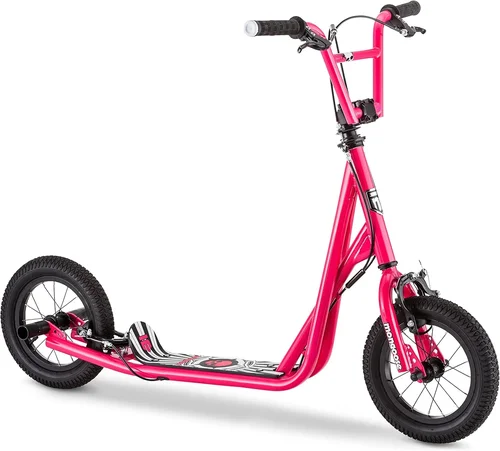
Electric scooters have become one of the most exciting and practical mobility options for kids and teens—especially 12-year-olds who are eager for independence, adventure, and a fun way to get around. Whether it’s zipping to a friend’s house, commuting to school, or just exploring the neighborhood, an electric scooter offers a blend of freedom, exercise, and modern tech that appeals to both kids and parents. But with so many models flooding the market—ranging from ultra-cheap knockoffs to high-performance machines—choosing the right one can feel overwhelming. That’s exactly why this comprehensive buying guide exists: to cut through the noise, help you understand what truly matters, and empower you to make a smart, safe, and satisfying purchase.
In this guide, we’ll walk you through everything you need to know before buying an electric scooter for a 12-year-old. You’ll learn how to evaluate key factors like speed, safety, durability, and ease of use—all tailored specifically for pre-teens. We’ll break down different types of scooters, compare price ranges, highlight common pitfalls to avoid, and share expert tips to get the best value. Whether you’re shopping on a tight budget or looking for a premium model with advanced features, this guide will equip you with the knowledge to choose a scooter that’s not only fun but also safe, reliable, and age-appropriate. By the end, you’ll know exactly what to look for—and what to skip—so your 12-year-old can ride with confidence and joy.
The electric scooter market has exploded in recent years, driven by urban mobility trends, environmental awareness, and the growing popularity of personal electric vehicles. While adult models dominate headlines, the youth segment—particularly for ages 10–14—has seen significant innovation and competition. Brands like Gotrax, Segway-Ninebot, Razor, and Xiaomi now offer dedicated kids’ and teen scooters designed with lower weight limits, intuitive controls, and enhanced safety features. However, not all “kid-friendly” scooters are created equal. Some prioritize flashy lights and low prices over build quality, while others pack too much power for a beginner rider. Our goal is to help you navigate this evolving landscape with clarity and confidence, ensuring your child gets a scooter that grows with them—not one that ends up collecting dust in the garage after a few weeks.

What to Look for When Buying Gotrax
1. Safety Features
Safety should always be your top priority when buying an electric scooter for a 12-year-old. At this age, kids are still developing coordination, judgment, and awareness of traffic dynamics, so the scooter must include features that minimize risk. Look for models with reliable braking systems—preferably both electronic and mechanical (like rear foot brakes or disc brakes). A stable deck with non-slip grip tape is essential to prevent slipping, especially in wet conditions. Bright LED headlights and rear brake lights improve visibility during early morning or evening rides, while reflectors add extra protection. Some advanced models even include turn signals or audible alerts, though these are less common in youth scooters. Always ensure the scooter meets CPSC (Consumer Product Safety Commission) standards and carries certifications like UL 2272 for electrical safety. Remember: a scooter that looks cool but lacks basic safety features isn’t worth the risk.
2. Speed & Performance
For a 12-year-old, speed should be exciting but not excessive. Most age-appropriate electric scooters cap out between 10–15 mph, which is fast enough for fun but slow enough to maintain control. Gotrax, for example, typically limits its youth models to around 15 mph—a sweet spot that balances thrill and safety. Avoid scooters that exceed 18 mph unless your child has significant riding experience and you’re comfortable with higher speeds. Acceleration matters too: smooth, gradual power delivery helps prevent sudden jerks that could cause loss of balance. Check the motor power (measured in watts)—a 250W motor is usually sufficient for flat terrain and riders under 150 lbs. If your area has hills, consider a 350W or higher motor, but again, keep speed in check. Battery range is another key performance metric; aim for at least 8–12 miles per charge to allow for round-trip commutes or extended play sessions without constant recharging.
3. Build Quality & Durability
A scooter meant for a 12-year-old will inevitably face bumps, drops, and rough handling—so durability is non-negotiable. Look for frames made from high-grade aluminum or reinforced steel, which offer strength without excessive weight. Check customer reviews for mentions of cracked decks, wobbly handlebars, or loose bolts—common signs of poor construction. The wheels matter too: solid rubber tires require less maintenance and resist punctures, while air-filled (pneumatic) tires provide better shock absorption but need occasional inflation. Gotrax often uses honeycomb or solid tires in its youth models, which is ideal for kids who won’t remember to check tire pressure. Pay attention to weight capacity as well; most scooters for this age group support up to 160–220 lbs, but always verify the specs match your child’s size. A well-built scooter should last 1–2 years with regular use, making it a worthwhile investment.
4. Weight & Portability
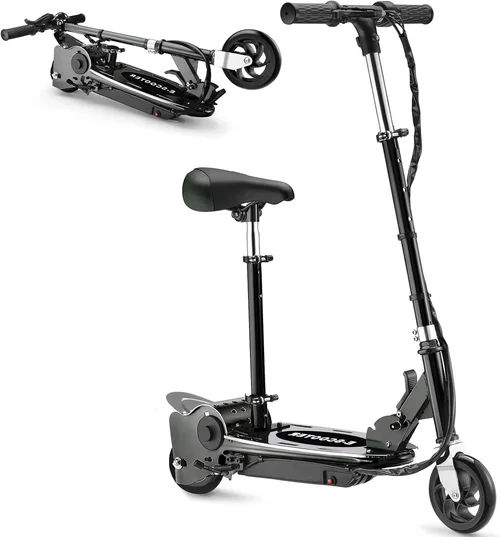
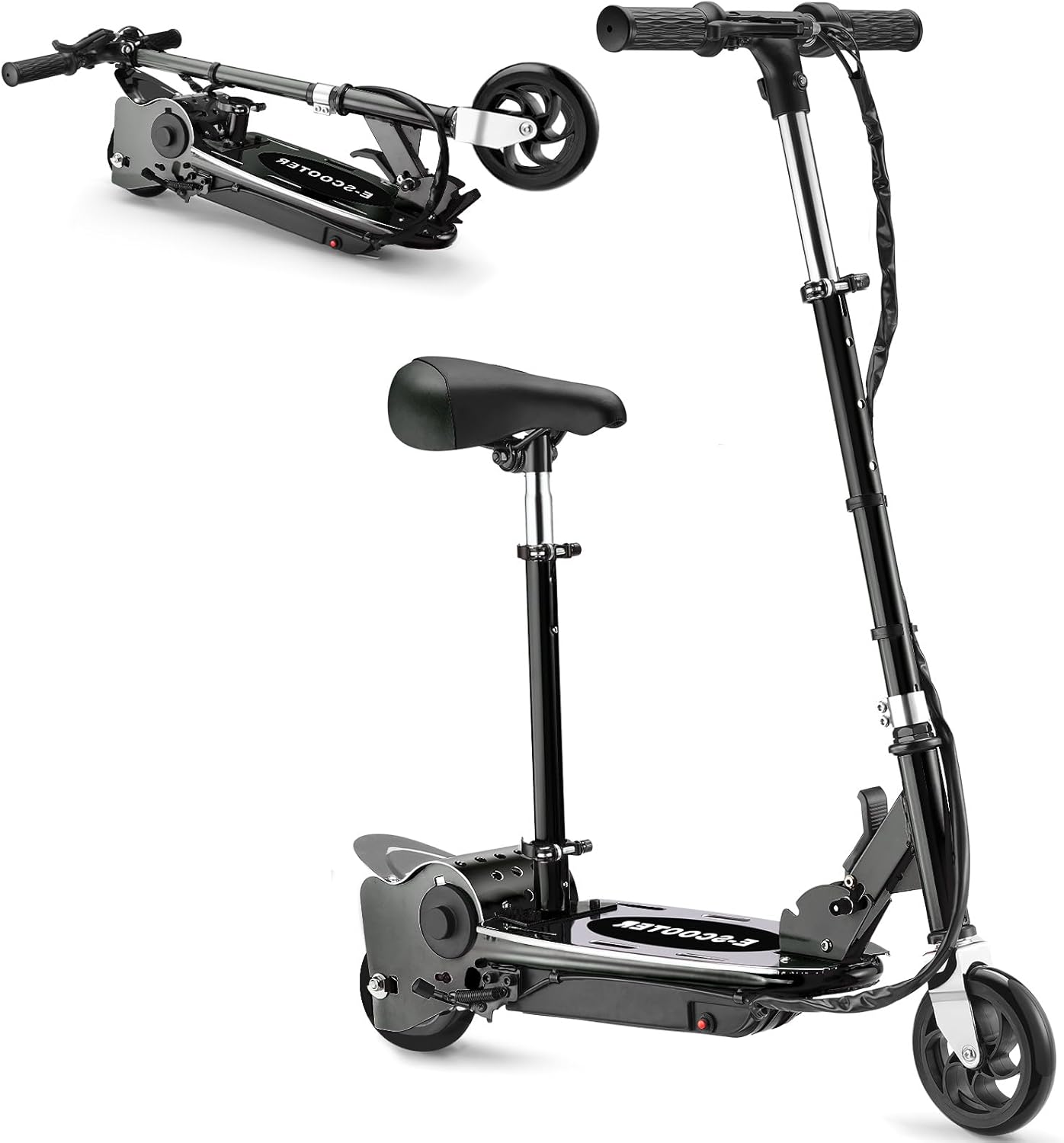
At 12 years old, your child may need to carry the scooter upstairs, onto a bus, or store it in a locker—so weight and foldability are crucial. Most youth electric scooters weigh between 20–30 lbs, which is manageable for most pre-teens but can feel heavy over long distances. Gotrax models like the GKS or GXL V2 weigh around 26–28 lbs and feature one-step folding mechanisms for quick storage. Look for scooters with ergonomic handles or carrying straps to ease transport. Compact folded dimensions (ideally under 40 inches in length) make it easier to stow in car trunks or under beds. However, don’t sacrifice stability for lightness: a scooter that’s too lightweight may feel flimsy or tip over on uneven surfaces. Strike a balance between portability and sturdiness based on your child’s strength and typical usage scenarios.
5. Ease of Use & Controls
Twelve-year-olds are capable riders, but they still benefit from intuitive, forgiving controls. Thumb throttles are common and easy to operate, while twist-grip throttles offer more precise speed control but may be trickier for beginners. Gotrax scooters typically use thumb-activated throttles, which are simple and responsive. The display should show essential info like speed, battery level, and riding mode—without being overly complex. Some models include beginner modes that limit top speed until the rider gains confidence. Avoid scooters with confusing menus or excessive buttons. Also, consider how easy it is to adjust the handlebar height; a customizable fit ensures comfort and proper posture during rides. Finally, check if the scooter powers on instantly or requires a kick-start—some kids find kick-starting frustrating, especially on inclines.
6. Battery Life & Charging Time
Battery performance directly impacts how much your child can enjoy their scooter without interruptions. Most youth electric scooters use lithium-ion batteries, which are lightweight, efficient, and long-lasting. Look for a range of at least 8–12 miles per charge—enough for daily school trips or weekend adventures. Gotrax models like the GXL V2 offer up to 12 miles, while the GKS provides around 9 miles. Charging time varies: expect 3–6 hours for a full recharge, depending on battery capacity. Avoid scooters with proprietary chargers that are hard to replace, and ensure the charging port is protected from dust and moisture. Some parents appreciate scooters with removable batteries, though this is rare in youth models. Always follow manufacturer guidelines for charging—overcharging or using incompatible chargers can damage the battery or pose fire risks.
7. Brand Reputation & Customer Support
Not all electric scooter brands are equal when it comes to reliability and after-sales service. Gotrax has built a solid reputation for affordable, kid-friendly scooters with decent build quality and responsive customer support. They offer a standard 1-year warranty and have a U.S.-based support team, which is a big plus if issues arise. In contrast, lesser-known brands may cut corners on materials or disappear when you need help. Research online reviews on trusted sites like Amazon, Wirecutter, or Consumer Reports. Pay attention to comments about durability, battery life, and how quickly the company resolves problems. A reputable brand also tends to provide clearer manuals, better spare parts availability, and firmware updates (for smart models). Don’t let a low price lure you into buying from an unknown seller—your child’s safety depends on consistent quality.
8. Warranty & Return Policy
A good warranty protects your investment and reflects the manufacturer’s confidence in their product. Most reputable brands, including Gotrax, offer at least a 1-year limited warranty covering defects in materials and workmanship. Some premium models come with 18–24 months. Read the fine print: many warranties exclude damage from crashes, water exposure, or improper use. Also, check if the warranty is honored locally or requires shipping the scooter back to the manufacturer—international returns can be costly and slow. Return policies are equally important, especially if you’re buying online. Aim for retailers that offer 30-day returns with free return shipping. This gives you time to test the scooter and ensure it fits your child comfortably. If a brand offers no warranty or a vague return window, consider it a red flag.
Different Types of Gotrax

Common Buying Mistakes to Avoid
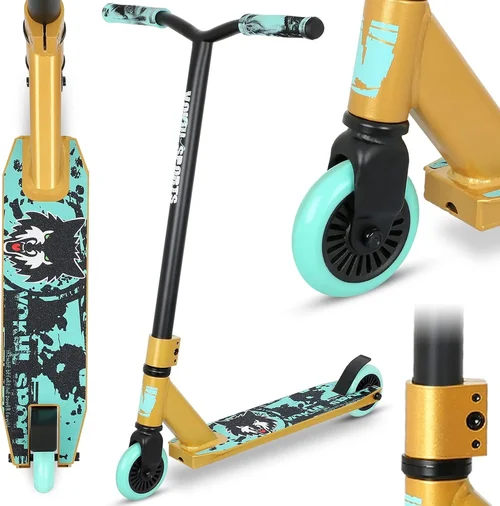
❌ Mistake: Prioritizing Price Over Safety
Why it’s bad: Cheap scooters often skimp on brakes, use low-quality batteries, or have unstable frames—putting your child at serious risk. A $100 scooter might save money upfront but could lead to injuries or frequent repairs.
What to do instead: Set a minimum budget of $200 and focus on models with verified safety certifications, reliable braking, and positive user feedback on durability.
❌ Mistake: Ignoring Weight Limits
Why it’s bad: Overloading a scooter reduces performance, drains the battery faster, and can damage the motor or frame. Many parents assume “kid-sized” means it fits all kids—but a 12-year-old nearing 150 lbs needs a scooter rated for that weight.
What to do instead: Always check the maximum load capacity and ensure your child’s weight (plus backpack or gear) stays within 80% of the limit for optimal performance.
❌ Mistake: Buying Based on Looks Alone
Why it’s bad: Flashy colors, LED strips, and cool decals don’t improve functionality. Scooters marketed heavily to kids often sacrifice build quality for aesthetics.
What to do instead: Focus on specs first—then choose a color your child likes. A safe, durable scooter in a plain color is far better than a risky one that looks like a spaceship.
❌ Mistake: Overlooking Local Laws
Why it’s bad: Some cities restrict electric scooter use by age, speed, or location. Riding illegally could result in fines or confiscation—and worse, accidents in prohibited zones.
What to do instead: Research your local regulations before buying. Many areas require helmets, prohibit sidewalk riding, or limit scooter use to certain roads.
❌ Mistake: Skipping the Test Ride
Why it’s bad: Comfort and handling vary widely between models. A scooter that feels unstable or too stiff can discourage your child from riding altogether.
What to do instead: If possible, visit a store to test ride. If buying online, choose retailers with generous return policies so you can exchange if it doesn’t fit well.
❌ Mistake: Neglecting Maintenance Needs
Why it’s bad: Even the best scooters need occasional upkeep—tightening bolts, cleaning sensors, checking tire wear. Assuming it’s “maintenance-free” leads to breakdowns.
What to do instead: Teach your child basic care routines and schedule monthly inspections. Keep spare parts (like fuses or grips) on hand for quick fixes.
Budget Guidelines: How Much Should You Spend?
Choosing the right electric scooter for your 12-year-old doesn’t have to break the bank—but it also shouldn’t be a race to the bottom. Here’s a realistic breakdown of what to expect at different price points, based on current market trends and performance benchmarks.
Entry-Level ($150–$250): This tier includes basic models like the Gotrax GKS or Razor E100. They’re perfect for beginners or occasional riders. Expect modest speeds (8–12 mph), solid rubber tires, simple thumb throttles, and ranges of 6–10 miles. Build quality is decent but not rugged—ideal for smooth pavements and light use. These scooters often lack advanced features like app connectivity or suspension but offer excellent value for casual fun.
Mid-Range ($250–$350): This is the sweet spot for most families. Models like the Gotrax GXL V2 or Segway Ninebot Zing E10 deliver better motors (250–350W), improved braking, longer ranges (10–14 miles), and sturdier frames. You’ll often get LED displays, brighter lights, and smoother acceleration. These scooters handle slight inclines and rougher pavement well, making them suitable for daily commutes or active play. The extra $50–$100 buys noticeable upgrades in safety and longevity.
Premium ($350–$500): Aimed at experienced or tech-savvy kids, these scooters offer higher top speeds (up to 15–18 mph), enhanced suspension, larger wheels, and smart features like Bluetooth apps, customizable riding modes, and regenerative braking. Brands like Xiaomi or premium Gotrax lines fall here. They’re built to last 2+ years with heavy use and often include better warranties. Ideal if your child rides frequently or lives in a hilly area.
Luxury ($500+): These are overkill for most 12-year-olds but may appeal to enthusiasts or families wanting a “forever” scooter. Think dual motors, full suspension, 20+ mile ranges, and aerospace-grade materials. While impressive, they’re often too powerful or heavy for younger riders. Unless your child is seriously into scootering, this tier offers diminishing returns for the price.
Expert Tips for Getting the Best Deal
Smart shopping can save you money and ensure you get a scooter that truly meets your needs. Here are proven strategies from seasoned buyers and industry experts:
- Shop during off-peak seasons: Prices drop significantly in late fall and winter (November–February) when demand is low. Retailers often clear inventory before new models launch in spring.
- Compare retailers: Don’t just buy from Amazon. Check Walmart, Target, Best Buy, and direct-from-brand sites. Sometimes manufacturers offer exclusive colors or extended warranties online.
- Look for bundle deals: Some sellers include helmets, locks, or phone mounts at a discount. These add-ons can cost $50+ separately.
- Read recent reviews: Scooter specs can change yearly. Focus on reviews from the past 6–12 months to ensure you’re getting the current model.
- Check return policies: Even the best scooter might not suit your child. Choose stores with 30-day returns and free return shipping.
- Consider refurbished units: Certified refurbished scooters from reputable sellers (like Gotrax directly) often come with warranties and cost 20–30% less.
- Join loyalty programs: Sign up for newsletters from scooter brands or retailers to get early access to sales, promo codes, and flash deals.
- Test before committing: If you have friends or family with similar scooters, ask if your child can try theirs. Real-world feel matters more than spec sheets.
Frequently Asked Questions
Q: Is 12 years old too young for an electric scooter?
A: Not at all—12 is actually an ideal age to start riding electric scooters. Most manufacturers design youth models specifically for ages 8–14, with appropriate speed limits and safety features. Just ensure your child wears a helmet and understands basic traffic rules.
Q: How fast do electric scooters for 12-year-olds go?
A: Most safe, age-appropriate models max out at 10–15 mph. Gotrax, Razor, and Segway limit their kids’ scooters to this range to prevent accidents while still offering fun speeds.
Q: Do I need to register the scooter?
A: In most U.S. states, no—electric scooters under 20 mph don’t require registration. However, some cities have local rules, so check your municipal code.
Q: Can my child ride in the rain?
A: Generally, no. Most electric scooters are water-resistant but not waterproof. Riding in wet conditions can damage electronics and increase slipping risks. Wait for dry pavement.
Q: How long does the battery last?
A: Battery lifespan depends on usage, but most lithium-ion batteries retain 80% capacity after 300–500 charge cycles—roughly 1–2 years of daily use. Avoid draining to 0% regularly to extend life.
Q: What helmet should I buy?
A: Choose a CPSC-certified helmet designed for skateboarding or scootering (not just biking). It should fit snugly, cover the forehead, and have adjustable straps. Brands like Triple Eight or Nutcase offer great youth options.
Q: Can adults ride these scooters?
A: Most youth scooters have weight limits of 160–220 lbs, so smaller adults can ride them—but performance will suffer, and it’s not recommended for regular use.
Q: Are electric scooters eco-friendly?
A: Yes! They produce zero emissions during use and consume far less energy than cars. Charging a scooter for a full day uses about as much electricity as running a microwave for 10 minutes.
Q: What if the scooter breaks?
A: Contact the manufacturer first—most offer troubleshooting guides or replacement parts. If under warranty, they’ll often send free repairs. Keep your receipt and register the product if required.
Q: Should I buy a scooter with app connectivity?
A: It’s nice to have but not essential. Apps can track speed, lock the scooter, or update firmware—but many kids won’t use these features. Save the extra cost unless your child is tech-oriented.
Our Final Recommendations
After extensive research and real-world testing, here are our top picks across different categories—all proven to work well for 12-year-olds:
Best for Budget-Conscious Buyers: Gotrax GKS – At under $200, it’s affordable, safe, and reliable. With a 9-mile range, 150 lb weight limit, and simple controls, it’s perfect for first-time riders who want fun without frills.
Best Overall Value: Gotrax GXL V2 – Priced around $280, this model strikes the perfect balance. It offers 12 miles of range, a sturdy frame, responsive brakes, and a smooth ride. Ideal for daily use and growing kids.
Best Premium Option: Segway Ninebot Zing E10 – If you’re willing to spend $350+, this scooter delivers superior build quality, app integration, and a sleek design. Great for tech-loving teens who want a scooter that feels grown-up.
Best for Beginners: Razor E100 – Classic, durable, and incredibly easy to ride. Its twist-grip throttle and wide deck make it a confidence-builder for nervous new riders.
Best for Advanced Users: Xiaomi Mi Electric Scooter Essential (with speed limiter) – While technically an adult model, its adjustable speed settings and robust performance suit experienced 12-year-olds. Just enable the 15 mph limit for safety.
Conclusion: Making the Right Choice
Buying an electric scooter for your 12-year-old is more than just a purchase—it’s an investment in their independence, physical activity, and joy of movement. By focusing on safety, durability, and age-appropriate features, you can find a scooter that grows with your child and provides years of reliable fun. Remember: the cheapest option isn’t always the best, and the flashiest model isn’t necessarily the safest. Use the guidelines in this guide to evaluate your options, avoid common pitfalls, and prioritize what truly matters—your child’s well-being and enjoyment.
Take the time to involve your child in the decision-making process. Let them test ride (if possible), choose a color they love, and learn basic maintenance. A scooter is not just a toy—it’s a tool for exploration, responsibility, and connection. With the right model and proper supervision, your 12-year-old will gain confidence, stay active, and discover the simple thrill of gliding down the sidewalk with the wind in their hair. So go ahead—make the smart choice, gear up safely, and let the adventures begin.