Electric scooters have evolved from niche urban curiosities to serious transportation solutions, and in 2026, the market is more competitive—and more confusing—than ever. Whether you’re commuting across city streets, zipping through campus, or just looking for a fun weekend ride, choosing the right electric scooter can make all the difference. With hundreds of models flooding the market, each boasting flashy specs and bold claims, it’s easy to get overwhelmed. That’s exactly why this guide exists: to cut through the noise and help you make a smart, informed decision based on your real needs—not just marketing hype.
In this comprehensive buying guide, you’ll learn everything you need to know to pick the best electric scooter for your lifestyle. We’ll break down the most important factors to consider—from performance and build quality to budget and portability—and compare different types of scooters so you can understand which category fits your use case. You’ll also discover common pitfalls to avoid, expert tips for scoring the best deal, and honest recommendations across multiple price ranges. By the end, you won’t just know what to buy—you’ll know why it’s the right choice for you.
The electric scooter market in 2026 is diverse, dynamic, and packed with innovation. Major brands like Gotrax, Segway-Ninebot, Xiaomi, and Unagi continue to push boundaries with longer ranges, faster speeds, smarter tech, and sleeker designs. At the same time, budget-friendly options have improved dramatically, offering surprising value for under $500. Meanwhile, premium models now rival cars in terms of connectivity, safety features, and ride comfort. Whether you’re a first-time buyer or upgrading from an older model, understanding this landscape is crucial. This guide will walk you through every step of the process, ensuring you invest wisely in a scooter that delivers performance, reliability, and joy—mile after mile.

What to Look for When Buying Gotrax
1. Budget & Price Range
Your budget is the foundation of your electric scooter purchase. It determines not only which models you can consider but also what level of performance, durability, and features you can expect. Electric scooters in 2026 span a wide spectrum—from under $300 for basic commuter models to over $2,000 for high-end performance machines. Setting a realistic budget upfront helps narrow your options and prevents overspending on features you don’t need.
When evaluating price, don’t just look at the sticker cost. Factor in long-term expenses like maintenance, replacement parts (tires, batteries), and potential upgrades. A cheaper scooter might seem appealing, but if it breaks down frequently or has poor battery life, it could cost more over time. Conversely, splurging on a premium model with features you’ll never use is equally wasteful. Aim for the sweet spot where price aligns with your usage needs.
Gotrax, in particular, positions itself as a value-driven brand, offering solid entry-level and mid-tier scooters that balance affordability with reliability. Their lineup typically ranges from $299 to $799, making them accessible to students, casual riders, and budget-conscious commuters. If you’re looking for a dependable daily rider without breaking the bank, Gotrax often delivers excellent bang for your buck—especially in the $400–$600 range.
2. Performance Specifications
Performance is where many buyers get tripped up by flashy numbers that don’t always reflect real-world use. The key specs to focus on are top speed, range, motor power, and hill-climbing ability. Let’s break them down:
- Top Speed: Most commuter scooters max out between 15–20 mph. While faster sounds better, higher speeds often come with reduced range and increased safety risks—especially for beginners. Gotrax models typically cap at 15–18 mph, which is ideal for city riding and bike lanes.
- Range: This is one of the most misunderstood specs. Manufacturers often quote “ideal conditions” range (flat terrain, light rider, no wind), which can be 30–50% higher than real-world performance. A scooter advertised with a 25-mile range might realistically give you 15–18 miles. Gotrax scooters usually offer 12–20 miles per charge, depending on model and riding style.
- Motor Power: Measured in watts (W), motor power affects acceleration and hill performance. A 250W motor is fine for flat cities, but if you live in a hilly area, aim for 350W or higher. Gotrax’s higher-end models feature 350W–500W motors, providing decent torque for moderate inclines.
- Hill Climbing: Look for the gradeability rating (e.g., 15% incline). This tells you how steep a hill the scooter can handle. Gotrax scooters generally manage 10–15% grades, which covers most urban slopes.
Don’t forget about braking performance. Regenerative braking (which recharges the battery slightly when you brake) is common on Gotrax models and improves efficiency. Disc or drum brakes offer better stopping power than basic foot brakes, especially in wet conditions.
3. Build Quality & Durability
A scooter is only as good as its construction. Cheap materials and poor assembly lead to wobbling handlebars, loose decks, and premature wear—especially if you ride daily. When assessing build quality, examine the frame material, wheel type, suspension, and IP rating for water resistance.
Gotrax uses aluminum alloy frames in most of its scooters, which strike a good balance between strength and weight. However, some budget models may use thinner gauges or lower-grade alloys, so check user reviews for long-term durability feedback. The deck should feel solid underfoot, with non-slip grip tape that doesn’t wear out quickly.
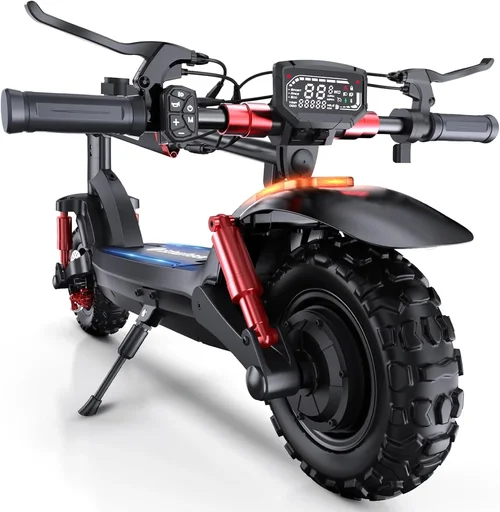
Wheels matter too. Pneumatic (air-filled) tires offer better shock absorption and grip but require occasional maintenance. Solid rubber tires are maintenance-free but provide a harsher ride. Gotrax often uses hybrid or airless tires on entry-level models and pneumatic tires on mid-to-high-tier scooters. If you ride on rough pavement or gravel, pneumatic tires are worth the extra upkeep.
Suspension is another durability factor. While most Gotrax models lack full suspension, some include front spring or hydraulic dampers to smooth out bumps. This improves comfort and reduces stress on the frame over time.
Finally, check the IP (Ingress Protection) rating. An IPX4 rating means splash-resistant—fine for light rain. IPX5 or higher offers better protection against water jets, which is useful if you ride in wet climates. Gotrax scooters typically range from IPX4 to IPX5, so avoid submerging them or riding through deep puddles.
4. Features & Functionality
Modern electric scooters come packed with features that go beyond basic riding. While not all are essential, some can greatly enhance your experience. Here’s what to look for:
- Display & Controls: A clear LCD or LED display shows speed, battery level, and riding mode. Gotrax scooters usually include intuitive throttle controls and mode selectors (Eco, Normal, Sport). Some models even have Bluetooth connectivity for app integration.
- Lighting: Front headlights and rear brake lights are critical for nighttime safety. Gotrax includes LED lights on most models, but brightness varies. Look for at least 100 lumens for decent visibility.
- App Connectivity: Many Gotrax scooters now sync with mobile apps, allowing you to track rides, lock the scooter remotely, adjust speed limits, and monitor battery health. This is especially useful for parents managing a teen’s scooter.
- Foldability: If you need to carry your scooter on public transit or store it in tight spaces, a compact folding design is a must. Gotrax scooters fold quickly with a latch mechanism, though some heavier models can be awkward to carry.
- Cruise Control: This feature maintains a steady speed without holding the throttle—great for long, flat stretches. Gotrax includes cruise control on most models, activated by holding the throttle for a few seconds.
- Anti-Theft Features: While not standard, some Gotrax models offer app-based locking or alarm systems. Always pair your scooter with a physical lock for maximum security.
Remember: more features don’t always mean better value. Focus on what you’ll actually use. For example, if you only ride during the day, ultra-bright lights or advanced app features may be unnecessary.
5. Brand Reputation
Brand reputation matters because it reflects consistency, customer service, and product reliability. Gotrax has built a solid reputation since its founding in 2016, particularly in the affordable e-scooter segment. Owned by the same parent company as Razor, Gotrax benefits from established manufacturing processes and distribution networks.
Customer reviews consistently praise Gotrax for offering reliable, user-friendly scooters at competitive prices. Common compliments include easy assembly, responsive customer support, and straightforward warranty claims. However, some users note that lower-end models may have shorter lifespans under heavy use—so match the scooter to your expected mileage.
Compared to premium brands like Unagi or Dualtron, Gotrax doesn’t offer cutting-edge performance or luxury finishes. But compared to no-name Amazon brands, Gotrax stands out for quality control and post-purchase support. If you’re prioritizing value and peace of mind over prestige, Gotrax is a trustworthy choice.
Always research recent reviews (within the last 6–12 months) to catch any changes in quality or service. Brands can shift focus, and what was true two years ago may not apply today.
6. Warranty & Support
A good warranty is your safety net against defects and premature failures. Gotrax offers a standard 12-month limited warranty covering manufacturing defects, motor, battery, and controller issues. This is industry-standard for mid-tier scooters and provides reasonable protection for the first year.
However, warranties don’t cover normal wear and tear, accidents, or misuse—so read the fine print. For example, riding in heavy rain on an IPX4 scooter could void coverage. Gotrax’s customer support is generally responsive via email and phone, with replacement parts available for most models.
If you plan to use your scooter heavily (e.g., daily 10-mile commutes), consider purchasing an extended warranty or third-party protection plan. Some retailers offer 2-year coverage for an additional $50–$100, which can be worth it for peace of mind.
Also, check return policies. Most reputable sellers allow 14–30 day returns if the scooter isn’t right for you. Gotrax’s official website offers a 30-day return window, which is generous compared to many competitors.
7. Size & Portability
Portability determines how easily you can transport and store your scooter. Key considerations include weight, folded dimensions, and handlebar design.
Gotrax scooters typically weigh between 22 and 35 pounds. Lighter models (under 28 lbs) are easier to carry upstairs or onto buses, while heavier ones offer more stability and durability. If you’ll be lifting your scooter frequently, prioritize weight over minor performance gains.
Folded size matters for storage in apartments, car trunks, or under desks. Gotrax designs are relatively compact when folded, but compare dimensions if space is tight. Some models have telescoping handlebars that reduce height further.
Wheel size also affects portability. Smaller wheels (6–8 inches) make the scooter more compact but less stable on rough terrain. Larger wheels (10 inches) improve ride quality but add bulk. Gotrax offers both options depending on the model.
Finally, consider the handlebar grip and folding mechanism. A smooth, secure latch prevents accidental unfolding, while ergonomic grips reduce hand fatigue during long carries.
8. User Reviews & Ratings
Never buy an electric scooter based solely on specs or marketing. Real-world user reviews reveal how a scooter performs over time, in various conditions, and across different rider weights and styles.
Look for patterns in reviews: Do multiple users report the same issue (e.g., battery degradation after 6 months)? Are common praises consistent (e.g., “great for commuting” or “easy to fold”)? Gotrax scooters generally receive 4.0–4.5-star averages on major retail sites, with high marks for value and ease of use.
Pay attention to verified purchase reviews and detailed write-ups that include photos or videos. Avoid reviews that are overly generic (“Great scooter!”) or clearly fake. Sites like Amazon, Best Buy, and Gotrax’s official store are reliable sources.
Also, check forums like Reddit’s r/ElectricScooters or specialized review sites for deeper insights. Experienced riders often share maintenance tips, upgrade ideas, and long-term reliability data that you won’t find elsewhere.
Ultimately, user feedback helps you avoid surprises and confirms whether a scooter lives up to its promises. If a model has consistent complaints about braking or battery life, it’s a red flag—even if the specs look good on paper.
Different Types of Gotrax
Common Buying Mistakes to Avoid
❌ Mistake: Focusing Only on Top Speed
Why it’s bad: High speed sounds exciting, but it often comes at the cost of reduced range, safety, and practicality. Most city speed limits for e-scooters are 15–20 mph, and going faster increases stopping distance and accident risk—especially for inexperienced riders.
What to do instead: Prioritize balanced performance. A scooter with 15–18 mph top speed, good acceleration, and reliable brakes is far more useful than one that hits 25 mph but drains the battery in 10 minutes.
❌ Mistake: Ignoring Real-World Range
Why it’s bad: Manufacturer range claims are often exaggerated. If a scooter promises 25 miles but you weigh 180 lbs and ride uphill, you might only get 12–15 miles. Running out of battery mid-commute is frustrating and unsafe.
What to do instead: Estimate your actual range by subtracting 30–40% from the advertised number. Choose a scooter with at least 20–30% more range than your daily needs to account for variables like wind, terrain, and battery aging.
❌ Mistake: Overlooking Weight and Portability
Why it’s bad: A heavy scooter is hard to carry, especially if you need to take it upstairs, on a bus, or store it in a small apartment. Many buyers regret choosing a powerful but bulky model that becomes a hassle to transport.
What to do instead: Test the weight and folded size before buying. If possible, visit a store to lift and fold the scooter. Aim for under 30 lbs if portability is a priority.
❌ Mistake: Skipping Safety Features
Why it’s bad: Riding without lights, reflectors, or reliable brakes puts you at risk, especially at night or in traffic. Many accidents happen due to poor visibility or inadequate stopping power.
What to do instead: Ensure your scooter has a bright headlight, rear brake light, and responsive braking system. Consider adding reflective tape or a helmet with built-in lights for extra safety.
❌ Mistake: Buying Based on Price Alone
Why it’s bad: The cheapest scooter isn’t always the best value. Low-cost models may use weak motors, poor batteries, or flimsy frames that fail quickly, leading to higher long-term costs.
What to do instead: Evaluate total cost of ownership, including durability, maintenance, and expected lifespan. Spending $100 more on a reliable model can save you $300 in repairs over two years.
❌ Mistake: Not Testing Before Buying
Why it’s bad: Scooter feel varies widely—some are smooth and stable, others wobble or have jerky throttles. Buying online without testing can lead to disappointment.
What to do instead: If possible, test ride at a local retailer or borrow from a friend. Pay attention to comfort, handling, and noise level. If buying online, choose retailers with generous return policies.
❌ Mistake: Ignoring Local Laws and Regulations
Why it’s bad: E-scooter laws vary by city and state. Some areas restrict speed, require helmets, or ban riding on sidewalks. Getting fined or having your scooter confiscated is avoidable.
What to do instead: Research local regulations before purchasing. Check speed limits, helmet requirements, and where you’re allowed to ride. Some Gotrax models can be speed-limited via app to comply with local rules.
Budget Guidelines: How Much Should You Spend?
Your budget should align with how you plan to use your scooter. Here’s a breakdown of what to expect at different price tiers in 2026:
- Entry-Level ($299–$449): Ideal for students, casual riders, or short commutes (under 5 miles). These scooters offer basic performance (12–15 mph, 10–15 mile range), lightweight frames, and essential features like lights and foldability. Gotrax’s GXL and G2 series fall here. Expect some compromises in build quality and comfort, but they’re great for learning the ropes.
- Mid-Range ($450–$649): The sweet spot for most buyers. These scooters deliver reliable performance (15–18 mph, 15–20 mile range), better motors (350W+), improved suspension, and enhanced safety features. Gotrax’s G3 and G4 models excel here, offering excellent value for daily commuters. You get durability, decent range, and smart features without overspending.
- Premium ($650–$799): For enthusiasts and serious riders. These models boast higher speeds (up to 20 mph), longer ranges (20+ miles), advanced app integration, and superior build quality. Gotrax’s GMAX and GPro series target this tier, with features like dual braking, larger wheels, and extended warranties. Perfect for hilly areas or longer commutes.
- Luxury ($800+): While Gotrax doesn’t currently offer models above $800, this tier includes brands like Unagi and Dualtron. These scooters feature premium materials, top-tier performance (25+ mph), ultra-long range, and luxury finishes. They’re best for tech lovers or those who view their scooter as a primary vehicle.
For most people, the mid-range tier offers the best balance of cost, performance, and longevity. Unless you have specific high-performance needs, avoid overspending on features you won’t use.
Expert Tips for Getting the Best Deal
- Buy During Sales Seasons: Black Friday, Cyber Monday, and back-to-school periods offer the biggest discounts. Gotrax often runs promotions with 15–25% off and free accessories. Sign up for their newsletter to get early alerts.
- Shop from Reputable Retailers: Buy from Gotrax’s official website, Amazon, Best Buy, or authorized dealers. Avoid third-party sellers with unclear return policies or no customer support.
- Check for Refurbished or Open-Box Deals: Certified refurbished Gotrax scooters can save you 20–30% and often come with the same warranty as new models. These are tested and repaired to like-new condition.
- Bundle Accessories: Some retailers offer bundles with helmets, locks, phone mounts, or carrying bags. These can be cheaper than buying separately and ensure compatibility.
- Read the Warranty Fine Print: Understand what’s covered and for how long. Gotrax’s 12-month warranty is solid, but know the process for claims and whether shipping is covered.
- Test Before Committing: If you can’t test ride, watch detailed video reviews that show real-world performance, folding mechanism, and app features.
- Consider Long-Term Value: A slightly more expensive scooter with a better battery and frame may last twice as long as a cheaper alternative, saving money over time.
- Use Price Tracking Tools: Tools like Honey or CamelCamelCamel can alert you when a scooter drops in price, helping you buy at the lowest point.

Frequently Asked Questions
Q: How long do Gotrax scooter batteries last?
A: Gotrax batteries typically last 300–500 charge cycles, which translates to 1–2 years of daily use. Proper care—like avoiding full discharges and storing in moderate temperatures—can extend lifespan. Replacement batteries are available for most models.
Q: Can I ride my Gotrax scooter in the rain?
A: Gotrax scooters with IPX4 or IPX5 ratings can handle light rain and splashes, but avoid heavy downpours or puddles. Water can damage the motor, battery, or electronics. Always dry the scooter thoroughly after wet rides.
Q: What’s the maximum weight limit for Gotrax scooters?
A: Most Gotrax models support riders up to 220–264 lbs. Check the specific model’s specs, as limits vary. Exceeding the weight limit can reduce performance, range, and safety.
Q: How fast can Gotrax scooters go?
A: Top speeds range from 15 mph (entry-level) to 18–20 mph (premium models). Speed depends on rider weight, terrain, and battery level. Some models allow speed limiting via app for safety.
Q: Do I need a license to ride a Gotrax scooter?
A: In most U.S. states, no license is required for scooters under 20 mph. However, local laws vary—some cities require helmets, registration, or restrict riding areas. Always check local regulations.
Q: Can I upgrade my Gotrax scooter’s battery?
A: Officially, Gotrax does not support battery upgrades. However, some third-party options exist for advanced users. Modifying the scooter may void the warranty, so proceed with caution.
Q: How do I maintain my Gotrax scooter?
A: Regular maintenance includes checking tire pressure (if pneumatic), cleaning the deck and wheels, tightening bolts, and storing in a dry place. Avoid overcharging the battery and clean connectors periodically.
Q: What should I do if my scooter stops working?
A: First, check the battery charge and connections. If the issue persists, contact Gotrax support with your order number and photos. Most problems are covered under warranty if reported promptly.
Q: Are Gotrax scooters good for kids?
A: Gotrax offers models like the GXL V2 designed for teens and younger riders, with lower speed limits and safety features. Always supervise minors and ensure they wear helmets.
Q: Can I take my Gotrax scooter on a plane?
A: Most Gotrax scooters use lithium-ion batteries under 100Wh, which are generally allowed in carry-on luggage. Check with your airline, as policies vary. Remove the battery if required.
Our Final Recommendations
- Best for Budget-Conscious Buyers: Gotrax GXL V2 – At under $400, it offers reliable 15 mph speed, 12-mile range, and solid build quality. Perfect for students and short commutes.
- Best Overall Value: Gotrax G3 – Priced around $549, it delivers 18 mph speed, 18-mile range, 350W motor, and app connectivity. A balanced choice for daily riders.
- Best Premium Option: Gotrax GMAX – At $699, it features a 500W motor, 20-mile range, dual braking, and enhanced suspension. Ideal for longer or hillier commutes.
- Best for Beginners: Gotrax G2 – Lightweight, easy to control, and affordable. Great for first-time riders learning the basics.
- Best for Advanced Users: Gotrax GPro – With top-tier performance, app customization, and durable construction, it’s built for riders who demand more from their scooter.
Conclusion: Making the Right Choice
Choosing the best electric scooter in 2026 doesn’t have to be overwhelming. By focusing on your real needs—commute distance, terrain, budget, and lifestyle—you can narrow down the options and find a scooter that fits seamlessly into your daily routine. Gotrax stands out as a brand that delivers consistent value, reliable performance, and user-friendly designs across multiple price points.
Remember, the “best” scooter isn’t the one with the most features or highest speed—it’s the one that matches your usage, feels comfortable to ride, and lasts for years. Use this guide to evaluate options critically, avoid common pitfalls, and invest wisely. Whether you’re zipping to class, commuting to work, or exploring your city, the right electric scooter can transform how you move—efficiently, affordably, and with a smile.
Now that you’re equipped with expert knowledge, it’s time to take action. Compare models, read recent reviews, and consider your priorities. And when you find the perfect match, ride with confidence—you’ve made an informed decision that balances performance, safety, and value. Happy scooting!