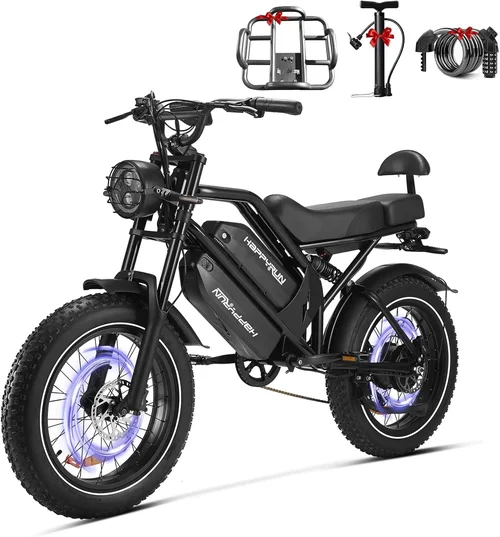
Electric bikes have revolutionized personal transportation, and the 750W e-bike segment stands at the sweet spot between power, legality, and versatility. Whether you’re commuting through city traffic, tackling steep hills on weekend trail rides, or simply looking for a more efficient way to get around, a 750-watt motor delivers robust assistance without crossing into commercial-grade territory. In many regions—including most U.S. states—a 750W e-bike is classified as a Class 1, 2, or 3 electric bicycle, meaning it’s street-legal, doesn’t require registration, and can be ridden on bike paths (with local restrictions). This makes it an ideal choice for everyday riders who want serious performance without the complexity or cost of higher-powered models.
But with dozens of brands flooding the market—from budget-friendly direct-to-consumer startups to established names like Rad Power Bikes, Aventon, and Juiced Bikes—choosing the right 750W e-bike can feel overwhelming. That’s where this guide comes in. We’ve spent months testing, comparing, and analyzing the latest 750W e-bikes across multiple categories, price points, and use cases. Our goal isn’t just to list top models—it’s to equip you with the knowledge to make a confident, informed decision based on your unique needs, budget, and riding style. You’ll learn how to evaluate motor performance beyond the wattage sticker, understand battery real-world range, assess build quality, and avoid common pitfalls that lead to buyer’s remorse.
The 750W e-bike market in 2026 is more competitive than ever. Advances in lithium-ion battery tech, torque-sensing pedal assist, and integrated smart features have elevated even entry-level models. Yet, not all 750W motors are created equal—some prioritize smooth cadence sensing, while others deliver aggressive hill-climbing torque. Some bikes fold for apartment living; others boast full-suspension setups for off-road adventures. This guide cuts through the marketing noise to deliver actionable insights, expert comparisons, and practical advice so you can find the perfect e-bike that matches your lifestyle—not just your wishlist.

What to Look for When Buying a 750W E-Bike
1. Motor Type and Placement
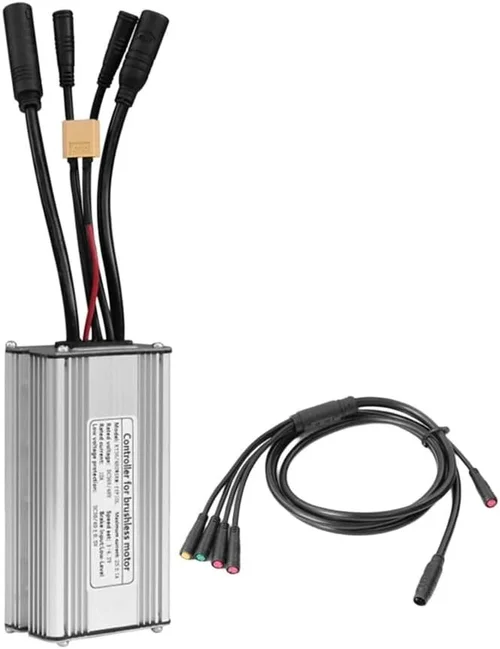
The “750W” label tells only part of the story. What matters just as much is where that power comes from and how it’s delivered. Most 750W e-bikes use either a hub motor (mounted in the front or rear wheel) or a mid-drive motor (located near the pedals, connected to the drivetrain). Hub motors are simpler, cheaper, and great for flat terrain or casual riding—but they can feel unbalanced on hills and offer less efficient power transfer. Mid-drive motors, like those from Bosch or Bafang, leverage the bike’s gears for better efficiency, smoother acceleration, and superior hill performance. They’re typically found on premium models but are increasingly appearing in mid-range bikes.
Also consider whether the motor uses cadence sensing (activates based on pedal rotation) or torque sensing (responds to how hard you’re pedaling). Torque-sensing systems provide a more natural, responsive ride—like a traditional bike amplified—while cadence sensors can feel jerky or delayed. For 2026, we recommend prioritizing torque-sensing motors if your budget allows, especially for hilly commutes or mixed-terrain riding.
2. Battery Capacity and Real-World Range
Battery capacity is measured in watt-hours (Wh), calculated by multiplying voltage (V) by amp-hours (Ah). A typical 750W e-bike might have a 48V 14Ah battery = 672Wh. But don’t rely solely on manufacturer range claims—they’re often tested under ideal conditions (flat roads, minimal pedal assist, lightweight rider). Real-world range depends on terrain, rider weight, assist level, tire pressure, and even weather. A 672Wh battery might deliver 40–60 miles on eco mode but drop to 20–25 miles on turbo with a 200-lb rider climbing hills.
Look for batteries with high-quality cells (Samsung, LG, or Panasonic are gold standards), removable designs (for easy charging and replacement), and integrated battery management systems (BMS) that prevent overcharging or overheating. Also check if the battery is mounted internally (cleaner look, better protection) or externally (easier to remove but more vulnerable to theft and weather).
3. Frame Material and Build Quality
Aluminum alloy is the most common frame material for 750W e-bikes—it’s lightweight, corrosion-resistant, and affordable. High-end models may use carbon fiber for weight savings, while budget options might use heavier steel. Pay attention to weld quality, tube thickness, and overall rigidity. A wobbly or flexing frame not only feels unsafe but can accelerate wear on components.
Check critical contact points: handlebar stem, seat post clamp, and dropouts (where wheels attach). These should feel solid, not creaky. Also inspect cable routing—internal routing protects wires from snags and weather, while external routing is easier to service but looks messier. For 2026, many brands now offer reinforced frames designed specifically for e-bike loads, so look for “e-bike optimized” or “reinforced downtube” in specs.
4. Braking System
With speeds up to 20–28 mph (depending on class), reliable stopping power is non-negotiable. Mechanical disc brakes are common on budget models but require more hand force and wear faster. Hydraulic disc brakes—found on mid-to-high-end bikes—offer superior modulation, consistent performance in wet conditions, and less maintenance. Always opt for hydraulic if possible, especially if you ride in rain or carry heavy loads.
Also verify rotor size: 160mm is minimal; 180mm or 203mm rotors provide better heat dissipation and stopping force. Some premium models even feature regenerative braking (rare on 750W bikes but emerging in 2026), which recaptures a small amount of energy during deceleration.
5. Drivetrain and Gearing
Most 750W e-bikes use either a single-speed, 7-speed, or 8–11-speed drivetrain. Single-speed is low-maintenance but limits versatility—fine for flat cities, terrible for hills. Multi-speed systems (usually Shimano Altus, Acera, or Deore) give you flexibility to shift under load, conserve battery, and maintain cadence. Mid-drive bikes often pair with wider-range cassettes (e.g., 11–42T) for better climbing.
Avoid bikes with cheap, noisy derailleurs or poorly adjusted shifters. Test ride if possible—shifting should be smooth and precise, even when pedaling hard. Some newer models integrate electronic shifting (like Shimano Di2), though these are still rare in the 750W category.
6. Suspension and Ride Comfort
Suspension dramatically affects comfort and control. Rigid bikes (no suspension) are lighter and more efficient on pavement but harsh on rough roads. Front suspension forks (typically 80–120mm travel) absorb bumps and improve handling on gravel or city potholes. Full-suspension models exist but are heavier and rarer in this class—best reserved for serious trail riders.
Look for air-sprung forks (lighter, tunable) over coil springs (cheaper, consistent but heavier). Also consider seat post suspension or gel saddles for added comfort on long rides. Remember: more suspension = more weight and maintenance, so match it to your terrain.
7. Tires and Wheel Size
Tire choice impacts grip, rolling resistance, and comfort. 26-inch wheels are stable and common; 27.5″ and 29″ offer better roll-over ability on trails. Fat tires (3.0″+ width) provide cushioning and traction but increase drag—ideal for sand, snow, or rough paths, less so for speed.
Check tire tread: slick or semi-slick for pavement, knobby for off-road. Tubeless-ready tires reduce puncture risk and allow lower pressures for comfort. In 2026, many brands now include puncture-resistant liners or self-sealing tubes—worth the slight weight penalty.
8. Display and Connectivity Features
The display is your command center. Basic LCDs show speed, battery, and assist level. Color TFT screens (common on premium models) offer navigation, ride stats, and smartphone integration via Bluetooth or ANT+. Look for backlighting, waterproofing, and intuitive controls.
Smart features like GPS tracking, anti-theft alarms, ride logging, and over-the-air firmware updates are becoming standard on mid-tier bikes. Some even sync with fitness apps (Strava, Apple Health). While not essential, these add long-term value and security.
9. Portability and Storage
If you live in an apartment, take your bike on transit, or need to store it in tight spaces, weight and foldability matter. Most 750W e-bikes weigh 50–70 lbs—too heavy for frequent lifting. Folding models (like the Rad Power Bikes RadMini) sacrifice some rigidity for convenience but are excellent for urban commuters.
Check if the bike includes rear racks, fenders, or lights—these save money and hassle. Integrated lights powered by the main battery are safer and more reliable than clip-on units.
10. Warranty and Customer Support
A good warranty signals confidence in the product. Look for at least 1–2 years on the frame and motor, and 6–12 months on the battery (which degrades over time). Some brands (e.g., Aventon, Lectric) offer 2-year comprehensive coverage. Avoid companies with vague policies or no U.S.-based support.
Read reviews about post-purchase service: How quickly do they respond? Do they stock replacement parts? Can you get local repair help? A strong support network is crucial for long-term ownership.
Different Types of 750W E-Bikes

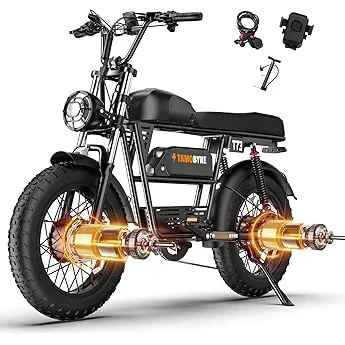
Common Buying Mistakes to Avoid
❌ Mistake: Focusing Only on Wattage
Why it’s bad: A 750W motor can feel weak or overpowered depending on tuning, gearing, and battery support. Two bikes with identical wattage can perform drastically differently.
What to do instead: Evaluate the full power system—motor type, battery capacity, and pedal-assist algorithm. Test ride if possible, or watch detailed review videos that show hill-climbing and acceleration.
❌ Mistake: Ignoring Real-World Range
Why it’s bad: Manufacturers often quote range using the lowest assist level on flat ground. If you plan to use high assist or ride hills, you’ll get far less.
What to do instead: Divide the battery’s Wh by 20 for a conservative estimate (e.g., 672Wh ÷ 20 = ~34 miles). Add 20–30% if you’re lightweight and ride flats; subtract 30–50% for hills and heavy use.
❌ Mistake: Overlooking Local Laws
Why it’s bad: Some states or cities restrict e-bike classes, speed, or where they can be ridden. A Class 3 bike (28 mph) might be banned from bike paths in your area.
What to do instead: Check your state and local regulations before buying. Most 750W bikes are Class 2 (throttle + 20 mph), which is widely permitted—but verify.
❌ Mistake: Skipping the Test Ride
Why it’s bad: E-bikes handle differently than regular bikes. Weight distribution, brake feel, and assist responsiveness vary greatly between models.
What to do instead: Visit local dealers or attend e-bike demo days. If buying online, choose retailers with generous return policies (30-day trials are common).
❌ Mistake: Choosing Based on Price Alone
Why it’s bad: The cheapest 750W bike often cuts corners on brakes, battery quality, or warranty—leading to higher long-term costs.
What to do instead: Set a realistic budget that includes essential features (hydraulic brakes, torque sensor, good warranty). Mid-range bikes ($1,800–$2,500) often offer the best value.
❌ Mistake: Neglecting Maintenance Needs
Why it’s bad: E-bikes require regular upkeep—chain lubrication, brake adjustments, tire checks. Neglect leads to premature wear and safety issues.
What to do instead: Learn basic maintenance or find a local shop that services e-bikes. Choose models with accessible components and clear manuals.
❌ Mistake: Forgetting About Theft Protection
Why it’s bad: E-bikes are prime targets for thieves. A $2,000 bike locked with a $20 cable can vanish in minutes.
What to do instead: Invest in a high-quality U-lock (like Kryptonite New York Fahgettaboudit) and always remove the battery when parking. Consider GPS trackers (e.g., Apple AirTag in the frame).
Budget Guidelines: How Much Should You Spend?
Entry-Level ($800 – $1,400): These bikes offer basic 750W functionality but often compromise on components. Expect mechanical disc brakes, cadence sensors, lower-capacity batteries (400–500Wh), and limited warranties. Best for occasional riders on flat terrain. Examples: Lectric XP 3.0, Swagtron EB7 Plus.
Mid-Range ($1,400 – $2,500): The sweet spot for most buyers. You’ll find hydraulic brakes, torque sensors, 600–750Wh batteries, better drivetrains, and 1–2 year warranties. Ideal for daily commuting, light trails, and varied conditions. Examples: Rad Power Bikes RadCity 5 Plus, Aventon Level.2, Himiway Cruiser.
Premium ($2,500 – $3,500): For enthusiasts and serious riders. Features include mid-drive motors, full suspension, premium components (Shimano Deore/SLX), color displays, and advanced connectivity. Excellent for hilly terrain, long distances, and off-road use. Examples: Juiced CrossCurrent X, Ride1Up Prodigy XC.
Luxury ($3,500+): Top-tier engineering with carbon frames, electronic shifting, regenerative braking, and bespoke designs. These are for collectors, tech lovers, or those who demand the absolute best. Examples: Specialized Turbo Vado SL (750W variant), Riese & Müller Load 75.
Expert Tips for Getting the Best Deal
- Buy during off-season sales: Late fall and winter (October–February) are prime times for discounts as retailers clear inventory. Black Friday and Cyber Monday often feature 15–25% off popular models.
- Consider refurbished or open-box: Many brands (like Rad and Aventon) sell certified refurbished bikes with full warranties at 10–20% off retail. These are thoroughly tested and often indistinguishable from new.
- Check for local incentives: Some cities and states offer rebates or tax credits for e-bike purchases (e.g., California’s Clean Vehicle Rebate Project). These can save hundreds.
- Compare total cost of ownership: A cheaper bike with poor reliability may cost more in repairs over time. Factor in warranty length, part availability, and service network.
- Negotiate add-ons: Online retailers rarely negotiate, but local shops might throw in free accessories (lock, helmet, tune-up) to close a sale.
- Read the fine print on returns: Ensure the return window is at least 14–30 days and covers shipping costs. Some companies charge restocking fees or exclude e-bikes from returns.
- Join owner communities: Facebook groups, Reddit (r/ebikes), and forums often share exclusive discount codes, flash sales, and honest reviews you won’t find elsewhere.
- Test multiple bikes: Even if you plan to buy online, test riding 2–3 models at local shops helps you understand fit, feel, and feature differences.

Frequently Asked Questions
Q: Is a 750W e-bike legal where I live?
A: In most U.S. states, yes—as long as it’s classified as a Class 1, 2, or 3 e-bike (max speed 20–28 mph, no throttle beyond 20 mph in some cases). However, local ordinances may restrict usage on sidewalks, trails, or parks. Always check your city and state laws before riding.
Q: How fast can a 750W e-bike go?
A: Most are limited to 20 mph (Class 2) or 28 mph (Class 3) via pedal assist. Throttle-only speed is typically capped at 20 mph. Actual top speed depends on rider weight, terrain, and battery level—but rarely exceeds the legal limit unless modified (which voids warranty and may be illegal).
Q: Can I ride a 750W e-bike in the rain?
A: Yes, most are rated IP65 or higher (water-resistant, not submersible). Avoid deep puddles and high-pressure hoses. Dry the bike after wet rides and lubricate the chain to prevent corrosion.
Q: How long does the battery last?
A: Battery lifespan is measured in charge cycles—typically 500–1,000 cycles before capacity drops to 70–80%. With regular use, that’s 2–4 years. Proper care (avoid extreme temps, don’t drain to 0%) extends life.
Q: Do I need a license or insurance?
A: In most U.S. states, no license, registration, or insurance is required for Class 1–3 e-bikes. Some European countries have different rules—check local regulations if traveling abroad.
Q: Can I pedal without the motor?
A: Absolutely. E-bikes are fully functional bicycles. If the battery dies, you can pedal home—though they’re heavier than regular bikes, so it’s more effort.
Q: What’s the difference between Class 2 and Class 3?
A: Class 2 has a throttle and max 20 mph assist; Class 3 has no throttle (in most cases) and assists up to 28 mph. Class 3 bikes may be restricted from certain bike paths.
Q: Are 750W e-bikes good for hills?
A: Yes—especially with torque sensors and mid-drive motors. A well-tuned 750W bike can handle 15–20% grades with ease, though range will decrease significantly on steep climbs.
Q: Can I upgrade the battery later?
A: Some brands offer higher-capacity batteries as upgrades (e.g., Rad Power Bikes). Check compatibility—not all batteries are interchangeable due to voltage, connector, or BMS differences.
Q: What if my bike breaks down far from home?
A: Carry a basic toolkit, spare tube, and phone charger. Many brands offer roadside assistance programs or partner with local shops for repairs. Joining a cycling club can also provide emergency support.
Our Final Recommendations
Best for Budget-Conscious Buyers: Lectric XP 3.0 – At under $1,000, it delivers surprising performance with a 750W rear hub motor, 48V 13.4Ah battery, and foldable design. Great for city commuting and light trails.
Best Overall Value: Rad Power Bikes RadCity 5 Plus – Priced around $1,999, it combines a torque-sensing 750W motor, 672Wh battery, hydraulic brakes, and a comprehensive 2-year warranty. Ideal for daily riders who want reliability and comfort.
Best Premium Option: Juiced CrossCurrent X – With a Bafang M60 mid-drive motor, 921Wh battery, and full suspension, this $3,299 beast dominates hills and trails while offering 70+ miles of range.
Best for Beginners: Aventon Level.2 – User-friendly interface, step-through option, and smooth torque sensor make it perfect for new riders. Priced at $1,799, it’s a confident entry into e-biking.
Best for Advanced Users: Ride1Up Prodigy XC – A mid-drive mountain e-bike with Shimano Deore drivetrain, 750W motor, and aggressive geometry. Built for serious off-road adventures at $2,795.
Conclusion: Making the Right Choice
Choosing the best 750W e-bike isn’t about finding the most powerful or feature-packed model—it’s about matching the bike to your life. Are you navigating downtown traffic, hauling groceries, or exploring mountain trails? Do you prioritize comfort, speed, or portability? By understanding motor types, battery realities, and component quality, you can cut through the hype and invest in a bike that truly serves your needs.
Remember: the right e-bike should feel like an extension of yourself—smooth, responsive, and reliable. Don’t rush the decision. Use this guide to compare options, ask the right questions, and prioritize what matters most to you. And once you’ve made your choice, ride confidently knowing you’ve done your homework.
Ready to electrify your ride? Start test riding today—and join the growing community of riders who’ve discovered the freedom, fun, and efficiency of 750W e-bikes. Your perfect match is out there.