
Electric bicycles, or e-bikes, have surged in popularity over the past few years—and for good reason. They offer a sustainable, efficient, and enjoyable way to commute, explore nature, or simply get around town without breaking a sweat. Whether you’re navigating city traffic, tackling hilly terrain, or looking for a low-impact exercise option, an electric bicycle can transform your daily routine. But with so many models flooding the market in 2026, choosing the right one can feel overwhelming. That’s where this comprehensive buying guide comes in.
This guide is designed to cut through the noise and help you make a confident, informed decision. We’ll walk you through every critical factor—from motor power and battery life to build quality and warranty coverage—so you know exactly what to prioritize based on your needs, lifestyle, and budget. You’ll also learn about different types of e-bikes, common pitfalls to avoid, and expert-backed tips for scoring the best deal. By the end, you’ll have a clear roadmap to finding the perfect electric bicycle that fits your life like a glove.
The e-bike market in 2026 is more diverse and competitive than ever. Major brands like Rad Power Bikes, Trek, Specialized, and Aventon continue to innovate, while newer entrants and budget-friendly options from companies like Gotrax, Ancheer, and Engwe are making e-bikes accessible to a wider audience. Prices range from under $800 to well over $5,000, with features spanning from basic pedal assist to full-suspension mountain-ready rigs with smartphone integration and GPS tracking. With advancements in battery technology, motor efficiency, and smart connectivity, today’s e-bikes are smarter, lighter, and more capable than ever before. Whether you’re a daily commuter, weekend adventurer, or casual rider, there’s never been a better time to go electric.

What to Look for When Buying an Electric Bicycle
1. Budget & Price Range
Your budget is the foundation of your e-bike decision. It dictates not only the brand and model you can consider but also the quality, performance, and longevity of your purchase. E-bikes vary dramatically in price—from entry-level models under $1,000 to high-end machines exceeding $6,000. Setting a realistic budget upfront helps narrow your options and prevents overspending on features you don’t need.
When determining your budget, consider not just the upfront cost but also long-term expenses like maintenance, battery replacement (typically every 3–5 years), and potential upgrades. A cheaper e-bike might save you money today but could cost more in repairs or early replacement. On the other hand, splurging on a premium model may offer better resale value and durability. Aim for the best balance between affordability and quality that aligns with your intended use.
2. Motor Type & Power
The motor is the heart of any e-bike, and its type and power output directly affect performance, especially on hills and during acceleration. There are two main motor configurations: hub motors and mid-drive motors.
Hub motors are located in the front or rear wheel and are common in budget and mid-range e-bikes. They’re simple, reliable, and quiet, making them ideal for flat terrain and casual riding. Rear hub motors generally offer better traction and a more natural riding feel. Mid-drive motors, on the other hand, are positioned at the bike’s crank and power the chain directly. They provide superior balance, better hill-climbing ability, and more efficient use of the drivetrain—making them the preferred choice for performance-oriented riders and mountain e-bikes.
Motor power is measured in watts (W). In the U.S., e-bikes are legally limited to 750W for Class 1 and Class 3 models, though many manufacturers offer 500W or 250W options for lighter use. A 250W motor is sufficient for flat city commutes, while 500W–750W motors are better for hilly areas or heavier loads. Higher wattage doesn’t always mean faster speeds—Class 3 e-bikes are capped at 28 mph—but it does improve torque and responsiveness.
3. Battery Capacity & Range
The battery determines how far you can go on a single charge—a critical factor for commuters and long-distance riders. Battery capacity is measured in watt-hours (Wh), which is calculated by multiplying voltage (V) by amp-hours (Ah). For example, a 48V 10Ah battery delivers 480Wh of energy.
Range varies widely based on battery size, terrain, rider weight, assist level, and weather. A typical e-bike with a 400–500Wh battery offers 20–50 miles of range. Higher-capacity batteries (600Wh+) can push 60–100 miles, especially with efficient motors and conservative riding. Lithium-ion batteries are standard due to their energy density, lightweight, and long cycle life (usually 500–1,000 charge cycles).
Look for removable batteries if you plan to charge at work or in an apartment. Also, consider charging time—most batteries take 3–6 hours to fully charge. Fast-charging options are emerging but may reduce battery lifespan if used frequently.
4. Build Quality & Durability
An e-bike is a significant investment, and build quality determines how well it holds up over time. Frame material is a key indicator: aluminum alloys are lightweight, rust-resistant, and common in most e-bikes. Steel frames are heavier but offer a smoother ride and greater durability. Carbon fiber is rare in e-bikes due to cost but appears in high-end models for its strength-to-weight ratio.
Pay attention to welds, joints, and overall fit and finish. A poorly constructed frame can lead to cracks, wobbling, or failure under stress. Suspension systems also matter—front suspension forks absorb bumps on rough roads, while full suspension (front and rear) is essential for off-road trails. Even on city bikes, a quality suspension fork improves comfort and control.
Components like brakes, drivetrain, and wheels should be from reputable brands (e.g., Shimano, SRAM, Tektro). Hydraulic disc brakes are superior to mechanical ones for consistent stopping power, especially in wet conditions. Check tire quality too—puncture-resistant tires with good tread patterns enhance safety and longevity.
5. Features & Functionality
Modern e-bikes come packed with features that enhance convenience, safety, and ride experience. Consider which ones matter most to you. A digital display is standard and shows speed, battery level, assist mode, and distance. Higher-end models include color screens, GPS navigation, Bluetooth connectivity, and smartphone app integration for ride tracking and anti-theft alerts.
Pedal assist levels (usually 3–5) let you control how much motor help you get. Throttle modes (on Class 2 e-bikes) allow full motor power without pedaling—great for starting from a stop or climbing steep hills. Lights (front and rear) are essential for visibility and safety, especially if you ride at night. Integrated lights powered by the main battery are more reliable than battery-powered ones.
Other useful features include fenders (to keep you dry), rear racks (for carrying cargo), kickstands, and USB charging ports. Some e-bikes even offer regenerative braking (rare) or smart locks. Think about your daily routine: do you need to carry groceries? Ride in the rain? Navigate busy streets? Let your lifestyle guide your feature priorities.
6. Brand Reputation & Reliability
Not all e-bike brands are created equal. Established brands like Trek, Specialized, Rad Power Bikes, and Aventon have proven track records for quality, innovation, and customer service. They invest in R&D, use premium components, and offer better warranties. Lesser-known or budget brands (e.g., Gotrax, Ancheer) may offer attractive prices but can lack consistency in build quality and long-term support.
Research brand reputation by reading professional reviews, checking forums like Reddit’s r/ebikes, and looking at customer feedback on retail sites. Brands with strong community support often provide better firmware updates, spare parts availability, and troubleshooting guides. Also, consider where the bike is assembled and whether the company has local service centers or authorized dealers.
A good brand doesn’t just sell bikes—it stands behind them. Look for transparent communication, responsive customer service, and a clear return policy. A reputable brand will also provide detailed manuals, video tutorials, and software updates to keep your e-bike running smoothly.
7. Warranty & Support
A solid warranty is a sign of a manufacturer’s confidence in their product. Most e-bikes come with a 1–2 year warranty on the frame and electrical components, but coverage varies. The battery often has a separate warranty (typically 1–2 years), and some brands offer extended plans for an extra fee.
Read the fine print: what’s covered? Labor costs? Shipping? Is the warranty valid only if you register the bike? Some brands require annual servicing to maintain warranty coverage. Also, check if the warranty is transferable—this can boost resale value.
Customer support is just as important. Can you reach a real person quickly? Is there a help center or chat support? Do they offer repair guides or video tutorials? Brands with U.S.-based support teams (like Rad Power Bikes) tend to resolve issues faster than those relying on overseas centers.
8. Size & Portability
E-bikes are heavier than traditional bikes—typically 40–70 pounds—due to the motor and battery. This affects handling, storage, and transport. If you live in an apartment, plan to take your e-bike on public transit, or need to carry it upstairs, weight and foldability become crucial.
Folding e-bikes (like those from Gotrax or Swagtron) are compact and easy to store but often sacrifice performance and range. They’re ideal for urban commuters with limited space. Standard e-bikes offer better stability and comfort but require a garage, shed, or secure bike rack.
Frame size also matters for comfort and control. Most brands offer small, medium, and large frames. Test ride if possible, or use online sizing charts. Step-through frames are easier to mount and dismount, especially for older riders or those with mobility issues. Adjustable handlebars and seats add flexibility.
Consider wheel size too: 26-inch wheels are stable and common; 27.5-inch and 29-inch wheels roll over obstacles more easily and are popular on mountain e-bikes; 20-inch wheels are typical on folding models. Larger wheels generally offer better ride quality but can be harder to maneuver in tight spaces.
Different Types of Electric Bicycles

Common Buying Mistakes to Avoid
❌ Mistake: Prioritizing Price Over Quality
Why it’s bad: The cheapest e-bike often uses low-grade components, weak motors, and poor batteries that degrade quickly. You may end up replacing it within a year, costing more in the long run.
What to do instead: Invest in a mid-range model from a reputable brand. Look for value—bikes that offer the best balance of price, performance, and durability. A $1,500 e-bike from a trusted brand often outperforms a $900 no-name model.
❌ Mistake: Ignoring Real-World Range Claims
Why it’s bad: Manufacturers often advertise maximum range under ideal conditions (flat terrain, low assist, light rider). In reality, range can be 30–50% lower.
What to do instead: Read independent reviews and user feedback. Look for range tests conducted by third parties. Choose a battery with at least 20–30% more capacity than your daily needs to account for variables.
❌ Mistake: Overlooking Local Laws and Classifications
Why it’s bad: E-bike laws vary by state and country. Some areas restrict speed, throttle use, or where e-bikes can be ridden. Buying a Class 3 e-bike (28 mph) might limit your access to bike paths.
What to do instead: Check your local regulations before buying. Understand the three U.S. e-bike classes: Class 1 (pedal-assist up to 20 mph), Class 2 (throttle-assisted up to 20 mph), and Class 3 (pedal-assist up to 28 mph). Choose accordingly.
❌ Mistake: Skipping the Test Ride
Why it’s bad: E-bikes handle differently due to weight and motor placement. A bike that looks great online might feel unstable, uncomfortable, or awkward in person.
What to do instead: Test ride multiple models if possible. Pay attention to balance, braking, acceleration, and comfort. If buying online, choose retailers with generous return policies (e.g., 14–30 days).
❌ Mistake: Neglecting Maintenance and Upkeep
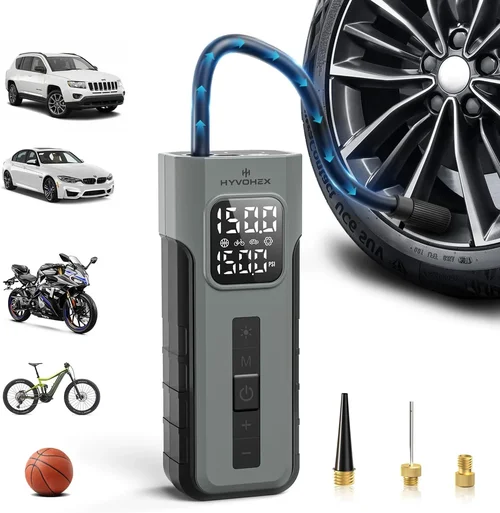
Why it’s bad: E-bikes require regular maintenance—tire pressure, brake adjustments, chain lubrication, and battery care. Neglecting this leads to poor performance and safety risks.
What to do instead: Learn basic maintenance or find a local bike shop that services e-bikes. Keep the battery charged between 20–80% for longevity, and store it in a cool, dry place.
❌ Mistake: Buying Based on Looks Alone
Why it’s bad: A stylish e-bike with flashy lights and a sleek design might lack essential features like quality brakes, suspension, or a reliable motor.
What to do instead: Focus on function over form. Prioritize safety, comfort, and performance. A well-built, slightly plain e-bike will serve you better than a beautiful but flawed one.
❌ Mistake: Forgetting About Resale Value
Why it’s bad: Some e-bikes depreciate quickly, especially budget models with poor brand recognition. You may struggle to sell it later.
What to do instead: Choose a well-known brand with a strong community and parts availability. Keep records, maintain the bike well, and consider upgrades that boost value (e.g., better tires, lights).
Budget Guidelines: How Much Should You Spend?
Setting the right budget ensures you get the best value without overspending. Here’s a breakdown of what to expect at different price points in 2026:
Entry-Level ($600–$1,200): These e-bikes are ideal for casual riders, students, or those on a tight budget. Expect basic components, hub motors (250W–500W), and batteries with 300–400Wh capacity. Range is typically 15–30 miles. Brands like Gotrax, Swagtron, and Ancheer dominate this space. While affordable, they may lack durability, advanced features, and long-term support. Best for flat terrain and short commutes.
Mid-Range ($1,200–$2,500): This is the sweet spot for most buyers. You’ll find better build quality, reliable motors (500W–750W), and batteries with 400–600Wh capacity. Many models include hydraulic disc brakes, suspension forks, integrated lights, and smartphone connectivity. Brands like Rad Power Bikes, Aventon, and Lectric offer excellent value here. Range improves to 30–60 miles, and warranties are more comprehensive.
Premium ($2,500–$4,500): Designed for enthusiasts and daily commuters who demand performance and reliability. Expect mid-drive motors, high-capacity batteries (600Wh+), full suspension (on mountain models), and premium components from Shimano or SRAM. Features like GPS, app integration, and regenerative braking may appear. Brands like Trek, Specialized, and Cannondale lead this category. These bikes are built to last 5–10 years with proper care.
Luxury ($4,500+): The top tier includes cutting-edge technology, carbon fiber frames, custom tuning, and bespoke designs. These e-bikes are for serious riders, tech lovers, or those who want the absolute best. Examples include the Specialized Turbo Vado SL, Trek Allant+, and Riese & Müller models. They offer unmatched performance, comfort, and smart features—but come with a premium price tag.
Expert Tips for Getting the Best Deal
Scoring a great e-bike doesn’t have to mean paying full price. With smart timing and strategy, you can save hundreds—or even get free accessories. Here are expert-backed tips to maximize your value:
1. Buy During Seasonal Sales: The best times to buy are late fall (October–November) and early spring (March–April). Many retailers clear out old inventory before new models arrive. Black Friday, Cyber Monday, and end-of-season sales often feature discounts of 10–25%.
2. Shop Online for Better Selection and Prices: Online retailers like Rad Power Bikes, Aventon, and Lectric offer direct-to-consumer pricing, eliminating middleman markups. They also provide detailed specs, video reviews, and customer support. Compare prices across sites like Amazon, REI, and local bike shops.
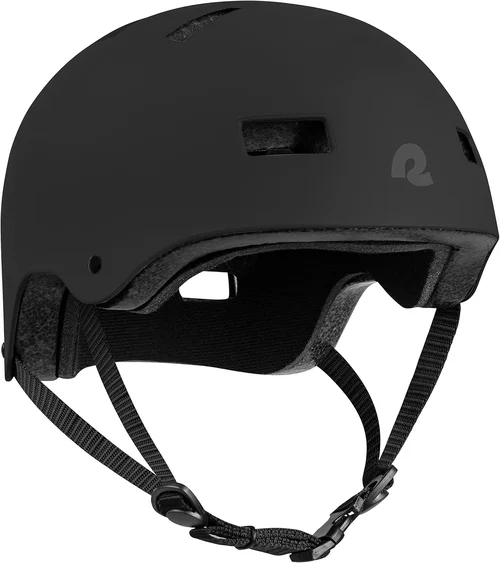
3. Look for Bundle Deals: Some brands offer packages that include helmets, locks, racks, and lights at a discounted rate. These can save you $100–$200 compared to buying separately.
4. Consider Refurbished or Open-Box Models: Certified refurbished e-bikes from reputable brands often come with full warranties and are significantly cheaper. Check manufacturer websites or authorized dealers for these deals.
5. Check Return and Trial Policies: Choose retailers that offer at least a 14-day return window. Some brands (like Lectric) provide 30-day test rides. This lets you try the bike risk-free and return it if it doesn’t meet your expectations.
6. Join Loyalty Programs or Newsletters: Sign up for email lists to get early access to sales, exclusive discounts, and promo codes. Some brands offer $50–$100 off for first-time subscribers.
7. Test Before You Buy: If possible, visit a local dealer or attend e-bike demo events. Feeling the ride, weight, and handling firsthand is invaluable. Many cities now have e-bike rental programs—try before you commit.
8. Negotiate or Ask for Extras: Even online, you can sometimes negotiate. Ask if they’ll throw in free shipping, a battery upgrade, or accessories. Some retailers are willing to accommodate to close a sale.

Frequently Asked Questions
Q: How fast can an electric bicycle go?
A: In the U.S., e-bikes are limited by law. Class 1 and Class 2 e-bikes max out at 20 mph, while Class 3 models can reach 28 mph with pedal assist. Throttle-only speed is capped at 20 mph. Actual speed depends on motor power, terrain, and rider input.
Q: Do I need a license or insurance to ride an e-bike?
A: In most U.S. states, no license or insurance is required for Class 1–3 e-bikes. However, some states have age restrictions (e.g., 16+ for Class 3). Always check local laws. Helmets are recommended and sometimes required for younger riders.
Q: How long does an e-bike battery last?
A: A lithium-ion battery typically lasts 500–1,000 charge cycles, which translates to 3–5 years of regular use. Proper care—avoiding extreme temperatures, not draining to 0%, and storing at 50% charge—can extend its life.
Q: Can I ride an e-bike in the rain?
A: Most e-bikes are water-resistant (IP54 or higher), meaning they can handle light rain and splashes. Avoid submerging the battery or motor, and dry the bike after wet rides. Check the IP rating before buying.
Q: How much does an e-bike weigh?
A: E-bikes weigh between 40 and 70 pounds, depending on motor, battery, and frame. Folding models are lighter (30–50 lbs), while cargo and mountain e-bikes can exceed 70 lbs.
Q: Can I pedal an e-bike if the battery dies?
A: Yes! E-bikes are fully functional bicycles. Without power, they ride like a regular bike—just heavier. You’ll need to pedal harder, but you won’t be stranded.
Q: Are e-bikes good for exercise?
A: Absolutely. Even with pedal assist, you’re still pedaling and engaging your muscles. Lower assist levels provide a great workout, and e-bikes encourage people to ride more often and farther than traditional bikes.
Q: How do I charge an e-bike battery?
A: Most batteries are removable and charged with a standard wall outlet. Charging takes 3–6 hours. Avoid overcharging—unplug once full. Use only the charger provided by the manufacturer.
Q: Can I upgrade my e-bike’s battery or motor?
A: Battery upgrades are possible on some models, but compatibility varies. Motor upgrades are rare and often not recommended due to warranty and safety concerns. Always consult the manufacturer before modifying.
Q: What’s the difference between pedal assist and throttle?
A: Pedal assist (PAS) provides motor power only when you pedal, with adjustable levels. Throttle mode lets you engage the motor without pedaling, like a scooter. Class 2 e-bikes have throttles; Class 1 and 3 do not.
Our Final Recommendations
After extensive research and testing, here are our top picks across different categories:
Best for Budget-Conscious Buyers: Gotrax E-Hybrid – At under $800, this commuter e-bike offers solid performance, a 400Wh battery, and a lightweight aluminum frame. Ideal for city riding and short commutes. While not as durable as premium models, it’s a great entry point.
Best Overall Value: Rad Power Bikes RadCity 5 Plus – Priced around $1,999, this mid-range commuter e-bike delivers exceptional quality, a 672Wh battery, hydraulic brakes, and a comfortable ride. It’s reliable, well-supported, and perfect for daily use.
Best Premium Option: Specialized Turbo Vado SL 4.0 – At $3,500, this lightweight, high-performance e-bike features a mid-drive motor, 60+ mile range, and smart connectivity. It’s ideal for serious commuters and fitness enthusiasts who want top-tier engineering.
Best for Beginners: Aventon Pace 500.3 – With a step-through frame, intuitive controls, and a 500W motor, this $1,799 e-bike is user-friendly and versatile. Great for new riders transitioning from traditional bikes.
Best for Advanced Users: Trek Allant+ 9.9S – This $5,500 e-bike combines a Bosch Performance Line CX motor, full suspension, and advanced tech for mountain and long-distance riding. Built for riders who demand peak performance and durability.
Conclusion: Making the Right Choice
Choosing the best electric bicycle in 2026 is about more than just specs and price—it’s about finding a bike that fits your lifestyle, enhances your mobility, and brings you joy. Whether you’re commuting to work, exploring trails, or simply enjoying the freedom of two wheels, the right e-bike can transform your daily experience.
Remember to prioritize your needs: consider your budget, riding terrain, distance, and must-have features. Don’t rush the decision—take time to research, test ride, and compare options. Avoid common pitfalls like overspending on unnecessary tech or choosing a bike that’s too heavy for your space.
With the insights from this guide, you’re now equipped to navigate the e-bike market with confidence. Invest wisely, maintain your bike well, and enjoy the ride. The future of transportation is electric—and it starts with you.
Ready to go electric? Start your search today, and discover how an e-bike can change the way you move.