
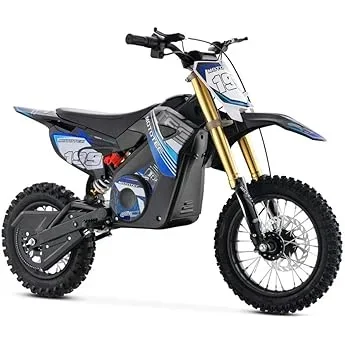
Electric dirt bikes have exploded in popularity over the past few years, and for good reason. They offer a thrilling off-road experience without the noise, emissions, or maintenance headaches of traditional gas-powered bikes. Whether you’re a weekend warrior hitting the trails, a parent looking for a safe and fun ride for your teen, or an eco-conscious adventurer seeking sustainable recreation, electric dirt bikes deliver impressive performance with a smaller environmental footprint. As battery technology improves and manufacturing costs come down, high-quality electric dirt bikes are now more accessible than ever—especially within the under $5,000 price range.
This comprehensive buying guide is designed to help you navigate the rapidly evolving world of affordable electric dirt bikes. We’ll break down everything you need to know—from performance specs and build quality to safety features and long-term value—so you can make a confident, informed decision. You’ll learn how to compare models, avoid common pitfalls, understand what your budget really gets you, and ultimately find the best electric dirt bike that matches your riding style, skill level, and terrain needs. By the end of this guide, you’ll be equipped with expert-level knowledge to choose a bike that’s not just affordable, but truly built for adventure.
The market for electric dirt bikes under $5,000 has matured significantly. Once dominated by underpowered toys or heavy, clunky prototypes, today’s sub-$5K e-dirt bikes rival entry-level gas bikes in power, range, and durability. Brands like Sur Ron, Segway (with their X260 and newer models), Talaria, and even emerging players like Cake-inspired startups are pushing the boundaries of what’s possible at this price point. With options ranging from lightweight trail bikes perfect for beginners to near-moto-level machines capable of serious off-roading, there’s never been a better time to go electric. This guide cuts through the marketing hype and focuses on real-world performance, reliability, and value.

What to Look for When Buying Electric Dirt Bikes
1. Budget & Price Range
Staying under $5,000 doesn’t mean you have to compromise on quality—but it does require smart shopping. At this price point, you’re entering the realm of serious recreational electric dirt bikes, not just kids’ toys or urban commuters. Most capable models fall between $2,500 and $4,800, with the sweet spot for performance-to-value typically around $3,500–$4,200. Be wary of bikes priced significantly below $2,000; they often cut corners on motor power, battery capacity, suspension, and frame strength, leading to poor ride quality and shorter lifespans.
When evaluating cost, consider the total value package: included accessories (like chargers, tools, or spare batteries), warranty coverage, and whether the bike ships fully assembled or requires significant setup. Some brands offer “starter kits” that bundle essential gear like helmets, gloves, or phone mounts—these can add real value. Also, factor in potential future costs: will replacement parts be readily available? Is the battery user-replaceable, or will you need to send the whole bike in for service?
2. Performance Specifications
Performance is where electric dirt bikes truly shine—and where you’ll see the biggest differences between models. Key specs to evaluate include motor power (measured in watts or kilowatts), torque (in Newton-meters), top speed, and range per charge. For under $5,000, expect motors ranging from 3,000W to 7,000W. A 5,000W motor is generally sufficient for most trail riding, while 6,000W+ models offer near-moto-level acceleration and hill-climbing ability.
Range is equally critical. Most bikes in this category offer 20–40 miles per charge under mixed riding conditions. However, aggressive riding, steep terrain, or carrying extra weight can cut that range in half. Look for lithium-ion batteries with at least 48V and 15Ah capacity (720Wh or higher). Higher voltage and amp-hour ratings translate to better performance and longer life. Also check charging time: fast chargers (2–3 hours) are a major convenience, while standard chargers may take 6–8 hours.
Top speed varies widely—from 25 mph on beginner-friendly models to over 50 mph on high-performance machines. Consider your skill level and intended use: faster isn’t always better if you’re new to off-road riding. Many bikes now include multiple ride modes (Eco, Sport, Race) that let you dial in power delivery for different conditions.
3. Build Quality & Durability
Off-road riding is tough on equipment, so build quality is non-negotiable. Look for frames made from high-tensile steel or aircraft-grade aluminum—both offer excellent strength-to-weight ratios. Avoid plastic-heavy frames or flimsy welds; these are red flags for poor durability. Suspension components matter too: quality front forks (preferably inverted) and rear shocks with adjustable preload and damping will handle bumps, jumps, and rough terrain far better than basic coil springs.
Wheels and tires should be designed for dirt use—knobby tread patterns, reinforced rims, and tubeless setups reduce the risk of flats. Brakes are another critical area: hydraulic disc brakes (front and rear) provide superior stopping power and modulation compared to mechanical or drum brakes. Check rotor size (180mm minimum, 203mm preferred) and whether the system includes regenerative braking, which can slightly extend range.
Water resistance is often overlooked but essential. Look for IP ratings (like IP65 or IP67), which indicate protection against dust and water ingress. Even if you’re not riding in the rain, mud, puddles, and washing the bike can expose electronics to moisture. Sealed motor housings, waterproof connectors, and coated circuit boards are signs of thoughtful engineering.
4. Features & Functionality
Modern electric dirt bikes come packed with features that enhance safety, convenience, and ride experience. Key ones to look for include regenerative braking (recaptures energy during deceleration), ride mode selectors, LED lighting (headlight, taillight, turn signals), USB charging ports, and smartphone connectivity via Bluetooth apps. Some models even offer GPS tracking, ride analytics, or remote diagnostics.
Adjustable suspension, quick-release wheels, and tool-less battery access add practicality for maintenance and transport. If you plan to ride at night or in low-light conditions, bright, focused headlights are a must. Similarly, if you’re teaching a younger rider, features like speed limiters, keyed ignition, or parental controls can provide peace of mind.
Don’t overlook ergonomics: seat height, handlebar position, and footpeg placement affect comfort and control. Taller riders may need a bike with a higher seat (32+ inches), while shorter riders or teens should look for lower standover heights. Test rides (if possible) or detailed dimension charts can help ensure a good fit.
5. Brand Reputation & Reliability
Not all electric dirt bike brands are created equal. Established names like Sur Ron (now owned by Altrider), Segway, and Talaria have built reputations for reliability, customer support, and consistent performance. These companies invest in R&D, rigorous testing, and global service networks. In contrast, lesser-known or no-name brands may offer tempting prices but often lack transparency about sourcing, quality control, or long-term support.
Research brand history: How long have they been making electric bikes? Do they specialize in off-road vehicles, or are they repurposing scooter or e-bike tech? Check forums, YouTube reviews, and owner communities (like Reddit’s r/electricbikes or specialized Facebook groups) for real user feedback. Consistent complaints about battery failures, motor burnout, or poor customer service are warning signs.
Also consider where the bike is manufactured and assembled. Bikes designed in the U.S. or Europe but assembled in China can still be high quality—if the brand maintains strict oversight. However, fully imported bikes with no local support may leave you stranded if something breaks.
6. Warranty & Support
A solid warranty is a strong indicator of a manufacturer’s confidence in their product. For electric dirt bikes under $5,000, look for at least a 1-year comprehensive warranty covering the motor, battery, controller, and frame. Some premium brands offer 2-year warranties or extended battery coverage (e.g., 2 years or 500 charge cycles). Avoid brands that only cover “manufacturing defects” without defining them clearly—this can leave you liable for common wear items.
Customer support matters just as much. Can you reach a human being quickly? Is there a U.S.-based service center or authorized repair network? Do they offer replacement parts (batteries, controllers, tires) for purchase separately? Brands with active support teams, detailed FAQs, and video tutorials demonstrate commitment to customer satisfaction.
Return policies are also important, especially for online purchases. A 14–30 day return window with free return shipping gives you time to test the bike in real conditions. Be cautious of “final sale” items or restocking fees exceeding 15%.
7. Size & Portability
Electric dirt bikes vary significantly in weight and dimensions. Lightweight models (under 100 lbs) are easier to maneuver, lift, and transport—ideal for beginners, younger riders, or those who frequently load the bike into a truck or trailer. Heavier bikes (120–150+ lbs) often pack more power and durability but can be cumbersome off the trail.
Consider how you’ll transport the bike. Will it fit in your car trunk? Do you need a ramp or trailer? Some bikes feature foldable handlebars or removable batteries to save space. Wheel size also affects portability: 19-inch or 21-inch wheels are standard for adult dirt bikes, while 16-inch or smaller wheels are better for kids or compact storage.
If you plan to ride in remote areas, think about trail accessibility. Narrower handlebars and shorter wheelbases improve maneuverability on tight single-track trails. Conversely, wider stances enhance stability at high speeds or on rough terrain.
8. User Reviews & Real-World Feedback
Spec sheets tell part of the story—but real riders tell the rest. Always consult independent reviews from trusted sources like Electric Bike Report, NewAtlas, or YouTube channels such as Electric Dirt Bike Reviews or Trail Tested. Pay attention to consistency: if multiple users report the same issue (e.g., “battery dies after 6 months” or “rear shock leaks”), it’s likely a systemic problem.
Look for long-term reviews (6+ months of use) to assess durability and reliability. Short-term impressions can be misleading—a bike might feel great on day one but develop issues under sustained use. Also, check for updates: some brands issue firmware patches or hardware revisions to fix early flaws.
Join online communities to ask specific questions. Owners will often share tips on maintenance, upgrades, or local riding spots. Their experiences can reveal hidden strengths or weaknesses not apparent in marketing materials.
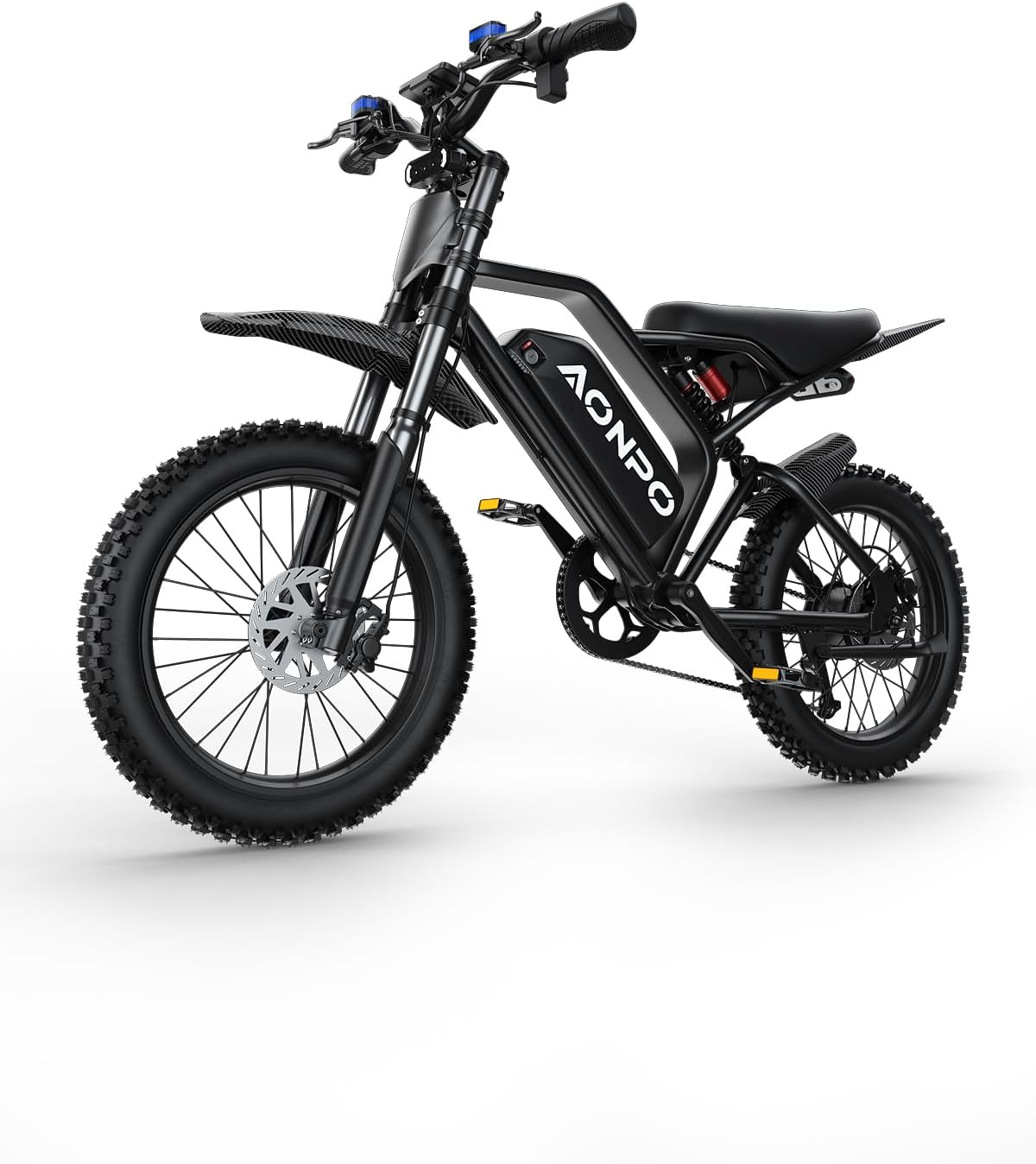
Different Types of Electric Dirt Bikes
Common Buying Mistakes to Avoid
❌ Mistake: Prioritizing Top Speed Over Torque
Why it’s bad: High top speed sounds impressive, but electric dirt bikes excel in instant torque—not outright velocity. A bike that hits 50 mph but lacks low-end grunt will struggle on hills, mud, or technical terrain. Many buyers regret choosing speed-focused models that feel sluggish when it matters most.
What to do instead: Focus on torque (measured in Nm) and motor responsiveness. Look for bikes with strong acceleration from a standstill and smooth power delivery across RPM ranges. Test rides or dyno charts (if available) can reveal real-world performance better than spec sheets.
❌ Mistake: Ignoring Battery Chemistry and Lifespan
Why it’s bad: Not all lithium-ion batteries are equal. Cheap cells degrade quickly, losing capacity after just 200–300 cycles. A $300 battery replacement can erase your savings if it fails prematurely.
What to do instead: Choose bikes with high-quality cells from reputable manufacturers (like Samsung, LG, or Panasonic). Check cycle life ratings (aim for 800+ cycles to 80% capacity) and whether the battery is user-replaceable. Avoid brands that don’t disclose battery specs.
❌ Mistake: Overlooking Suspension Quality
Why it’s bad: Poor suspension leads to harsh rides, reduced control, and increased fatigue. On rough trails, inadequate damping can cause loss of traction or even accidents.
What to do instead: Inspect suspension travel (aim for 7+ inches front and rear), adjustability, and brand reputation (e.g., DNM, RST, or Suntour are common on mid-tier bikes). Hydraulic forks and rear shocks with rebound adjustment offer the best performance.
❌ Mistake: Buying Based Solely on Price
Why it’s bad: The cheapest bike often costs more in the long run due to repairs, replacements, or early upgrades. Conversely, the most expensive option may include features you’ll never use.
What to do instead: Evaluate total cost of ownership: initial price, warranty, parts availability, and expected lifespan. Aim for the best value—not the lowest price.
❌ Mistake: Skipping the Test Ride
Why it’s bad: Fit and feel are subjective. A bike that looks great on paper might feel unbalanced, too tall, or uncomfortable after 10 minutes of riding.
What to do instead: Whenever possible, test ride before buying. Many dealers, expos, or local riding groups offer demo days. If buying online, choose retailers with generous return policies.
❌ Mistake: Neglecting Local Laws and Regulations
Why it’s bad: Some states or parks restrict electric dirt bikes based on power output, speed, or noise. Riding illegally can result in fines or confiscation.
What to do instead: Research local regulations. If you want street legality, ensure the bike has DOT-compliant lights, mirrors, and a VIN. For trail use, check if the area allows motorized vehicles.
❌ Mistake: Assuming All “Electric” Bikes Are Equal
Why it’s bad: Many e-bikes or scooters are mislabeled as “dirt bikes” but lack proper suspension, knobby tires, or off-road geometry. They’re unsafe on trails.
What to do instead: Verify the bike is designed for off-road use: upright riding position, high ground clearance, aggressive tread, and robust frame. Look for terms like “enduro,” “motocross-inspired,” or “trail-ready.”
Budget Guidelines: How Much Should You Spend?
- Entry-Level ($2,000–$3,000): Ideal for beginners, teens, or casual trail riders. Expect 3,000W–4,000W motors, 20–30 mile range, basic suspension, and mechanical disc brakes. Build quality is decent but may lack refinements like regenerative braking or app connectivity. Great for learning the basics without a huge investment.
- Mid-Range ($3,000–$4,200): The sweet spot for most buyers. Bikes here offer 5,000W–6,000W motors, 30–40 mile range, hydraulic brakes, quality suspension, and useful features like ride modes and LED lighting. Brands like Sur Ron Lite Bee, Segway X260, and Talaria Sting fall here. Excellent balance of performance, durability, and value.
- Premium ($4,200–$5,000): For serious riders who demand top-tier performance. Expect 6,000W–7,000W motors, long-range batteries (40+ miles), premium suspension (adjustable forks/shocks), regenerative braking, and advanced electronics. These bikes handle technical terrain, long rides, and aggressive riding with ease. Often include 2-year warranties and robust support.
- Luxury ($5,000+): While outside our target range, it’s worth noting that bikes above $5K (like the Surron Ultra Bee or Cake Kalk&) offer race-level performance, carbon fiber components, and cutting-edge tech. If your budget stretches, these are the pinnacle of electric dirt biking—but for most, the sub-$5K tier delivers 90% of the experience at half the cost.
Expert Tips for Getting the Best Deal
- Buy During Off-Season: Late fall and winter are prime times for discounts. Retailers clear inventory before new models arrive in spring. Look for “end-of-season” sales from March to May, or holiday promotions in November–December.
- Shop Direct vs. Retailers: Buying directly from the manufacturer (e.g., Sur Ron, Talaria) often includes better warranties, exclusive colors, or bundled accessories. However, authorized dealers may offer local service, test rides, or price matching. Compare both options.
- Watch for Refurbished or Open-Box Deals: Many brands sell certified refurbished bikes at 15–30% off. These are inspected, tested, and usually come with full warranties. Open-box returns (due to buyer’s remorse) are another way to save without sacrificing quality.
- Join Mailing Lists & Follow on Social Media: Brands often announce flash sales, early access, or limited-time bundles to subscribers. You might snag a free fast charger or upgraded battery.
- Negotiate Add-Ons: Even if the bike price is fixed, ask for free shipping, a spare battery, or protective gear. Many sellers will throw in extras to close the deal.
- Check Return Policies Carefully: Ensure you have at least 14 days to return the bike if it doesn’t meet expectations. Some companies charge restocking fees or require you to pay return shipping—factor this into your decision.
- Consider Financing Options: Several brands offer 0% APR financing through partners like Affirm or Klarna. This lets you spread payments over 6–12 months without extra cost—ideal if you want a premium bike now but need to manage cash flow.
- Verify Local Incentives: Some states or municipalities offer rebates for electric vehicles, including off-road bikes. Check with your DMV or environmental agency—you might qualify for hundreds off.

Frequently Asked Questions
Q: Are electric dirt bikes legal to ride on public trails?
A: It depends on your location. In the U.S., many national forests and BLM lands allow electric dirt bikes, but state and local rules vary. Always check with the managing agency. Some trails designate specific routes for motorized vehicles, while others ban them entirely. Noise and speed limits may also apply.
Q: How long do electric dirt bike batteries last?
A: With proper care, lithium-ion batteries typically last 500–1,000 charge cycles before capacity drops to 80%. That translates to 2–4 years of regular use. Avoid deep discharges, store at 50% charge in cool conditions, and use the manufacturer’s charger to maximize lifespan.
Q: Can I ride an electric dirt bike in the rain?
A: Most modern e-dirt bikes are water-resistant (IP65 or higher), meaning they can handle splashes, puddles, and light rain. However, submerging the bike or riding in heavy downpours can damage electronics. Dry the bike thoroughly after wet rides and avoid high-pressure washing near seals.
Q: Do I need a license or insurance?
A: For off-road use on private property or designated trails, usually not. But if the bike is street-legal (with lights, mirrors, etc.), you may need a motorcycle license, registration, and insurance—check your state’s DMV requirements.
Q: How fast can electric dirt bikes go under $5,000?
A: Most range from 25 mph (beginner models) to 50+ mph (high-performance bikes). The Sur Ron Ultra Bee, for example, hits 58 mph, while lighter trail bikes cap out around 35 mph. Speed depends on motor power, weight, and gearing.
Q: Are electric dirt bikes good for beginners?
A: Absolutely—especially models with adjustable power modes, low seat heights, and smooth throttle response. Electric motors deliver instant torque without clutch control, making them easier to learn on than gas bikes. Start in Eco mode and gradually increase power as skills improve.
Q: What maintenance do electric dirt bikes require?
A: Far less than gas bikes! Regular tasks include cleaning the chain, checking tire pressure, inspecting brakes, and ensuring bolts are tight. No oil changes, air filters, or spark plugs. Battery care (proper charging/storage) is the most important maintenance item.
Q: Can I upgrade my electric dirt bike later?
A: Yes—many components are user-upgradeable: batteries, controllers, suspension, tires, and even motors (on some models). However, modifications may void your warranty, so check terms before making changes.
Q: How do I transport an electric dirt bike?
A: Most fit in SUVs, trucks, or trailers. Use ratchet straps to secure the bike, and consider a ramp for loading. Remove the battery for lighter handling and safer transport. Some bikes fold or disassemble for compact storage.
Q: What’s the difference between hub motors and mid-drive motors?
A: Hub motors (in the wheel) are simpler, cheaper, and common on entry-level bikes. Mid-drive motors (mounted near the pedals, though rare on dirt bikes) offer better weight distribution and efficiency. For off-road use, hub motors with high torque are typically preferred.
Our Final Recommendations
- Best for Budget-Conscious Buyers: Segway X260 ($3,499) – Offers excellent value with a 5,000W motor, 37-mile range, hydraulic brakes, and solid build quality. Great for beginners and intermediate riders who want performance without breaking the bank.
- Best Overall Value: Sur Ron Lite Bee ($3,999) – The gold standard in its class. Lightweight (95 lbs), powerful (6,000W), and proven reliability. Ideal for trail riding, commuting, and weekend adventures. Huge aftermarket support.
- Best Premium Option: Talaria Sting R ($4,795) – Near-moto performance with 7,000W peak power, long-range battery, and race-inspired suspension. Perfect for advanced riders who want maximum capability under $5K.
- Best for Beginners: Sur Ron Storm Bee (Youth Version) or Segway X160 – Lower seat height, speed limiters, and forgiving power delivery make these ideal for new riders. Safe, fun, and easy to control.
- Best for Advanced Users: Sur Ron Ultra Bee ($4,999) – Pushes the $5K limit but delivers 8,000W peak power, 60+ mph top speed, and pro-level suspension. Built for serious off-roading and technical terrain.
Conclusion: Making the Right Choice
Choosing the right electric dirt bike under $5,000 is about balancing your needs, skill level, and riding goals. This price range offers an incredible array of capable, durable, and exciting machines—far beyond what was available just a few years ago. By focusing on key factors like motor performance, battery quality, build durability, and brand support, you can avoid costly mistakes and find a bike that delivers years of reliable adventure.
Remember: the best bike isn’t necessarily the fastest or most expensive—it’s the one that fits your lifestyle, terrain, and budget. Whether you’re exploring forest trails, teaching your kid to ride, or chasing adrenaline on rugged backcountry routes, there’s an electric dirt bike in this range that’s perfect for you. Take your time, do your research, test ride when possible, and prioritize safety and long-term value.
Now’s the time to make the switch. Electric dirt bikes are cleaner, quieter, easier to maintain, and more accessible than ever. With the knowledge from this guide, you’re ready to ride confidently into the future of off-road recreation. Don’t wait—your next adventure is just a charge away.