
The electric scooter market has exploded in popularity over the past decade, transforming from a niche urban mobility solution into a mainstream transportation option for millions worldwide. Whether you’re commuting to work, running errands, or simply enjoying a weekend ride, e-scooters offer an eco-friendly, cost-effective, and surprisingly fun way to get around. But with dozens of brands flooding the market—each touting impressive specs, sleek designs, and “revolutionary” features—it’s easy to feel overwhelmed when trying to choose the right one. That’s where this comprehensive buying guide comes in.
This guide is designed to cut through the noise and help you make a smart, informed decision based on your unique needs, budget, and lifestyle. We’ll walk you through every critical factor you should consider before hitting “buy,” from performance and build quality to warranty support and real-world reliability. You’ll learn how to compare different models, avoid common pitfalls, and identify which brand truly delivers the best value for your money. By the end, you won’t just know what to buy—you’ll understand why it’s the right choice for you.
The e-scooter landscape in 2026 is more competitive than ever. Established players like Xiaomi, Segway-Ninebot, and Razor continue to innovate, while newer brands like Gotrax, Unagi, and Apollo are pushing boundaries with cutting-edge tech, longer ranges, and smarter designs. Prices range from under $300 for basic commuter models to over $2,000 for high-performance machines capable of tackling hills and long distances. With so much variety, the key isn’t finding the “best” scooter overall—it’s finding the best one for you. This guide will equip you with the knowledge to do exactly that.

What to Look for When Buying Gotrax
1. Budget & Price Range
Your budget is the foundation of your e-scooter purchase. It determines not only which models you can consider but also what level of performance, durability, and features you can expect. Gotrax offers a wide range of scooters priced between $299 and $899, making them accessible to a broad audience. However, it’s crucial to understand that price often correlates directly with quality, range, speed, and build materials.
For example, entry-level Gotrax models like the GXL V2 or the G3 are perfect for short commutes and casual riders, offering decent performance at a wallet-friendly price. But if you plan to ride daily, tackle hills, or travel longer distances, investing in a mid-tier model like the Gotrax G4 or GMAX Ultra will pay off in reliability and longevity. Avoid the temptation to go for the cheapest option without considering long-term value—a $350 scooter that breaks down after six months may end up costing more than a $600 model that lasts three years.
2. Performance Specifications
Performance is where many buyers get excited—and sometimes misled. Key specs to evaluate include motor power (measured in watts), top speed, range (how far it can go on a single charge), and hill-climbing ability. Gotrax scooters typically feature motors ranging from 250W to 500W, with some high-end models offering dual motors for added power.
For city commuting on flat terrain, a 250W–350W motor is usually sufficient. But if you live in a hilly area or want faster acceleration, look for at least a 400W motor. Range is another critical factor. Gotrax advertises ranges from 12 to 40 miles, but real-world performance often falls short due to factors like rider weight, terrain, and speed. A 20-mile range claim might translate to 14–16 miles in practice. Always factor in a 20–30% buffer when estimating usable range.
Top speed is also important. Most Gotrax models cap out between 15 and 20 mph, which is ideal for urban environments and complies with many local regulations. However, if you’re looking for thrill or need to keep up with traffic, consider models with higher speed capabilities—just be aware of legal limits in your area.
3. Build Quality & Durability
An e-scooter is an investment, and you want it to last. Build quality directly impacts how well your scooter withstands daily wear and tear, weather exposure, and occasional bumps or drops. Gotrax scooters are generally well-built for their price range, featuring aluminum frames that balance strength and weight. However, not all models are created equal.
Look for reinforced decks, sturdy folding mechanisms, and IP-rated water resistance. Most Gotrax models come with an IP54 rating, meaning they can handle light rain and splashes but shouldn’t be submerged or ridden in heavy downpours. Pay attention to the quality of the tires—solid rubber tires are maintenance-free but offer a rougher ride, while pneumatic (air-filled) tires provide better shock absorption but require occasional inflation and are prone to punctures.
Another durability factor is the braking system. Gotrax typically uses rear drum brakes or electronic brakes, with some models offering disc brakes for better stopping power. For safety and longevity, opt for models with reliable, responsive brakes—especially if you plan to ride in traffic or at higher speeds.
4. Features & Functionality
Modern e-scooters come packed with features that go beyond basic transportation. Gotrax has embraced this trend, equipping many of its models with smart capabilities like LED displays, app connectivity, cruise control, and regenerative braking. These features can significantly enhance your riding experience.
The Gotrax app, available for iOS and Android, allows you to monitor battery life, track speed, lock the scooter remotely, and even customize ride modes. While not essential, these features add convenience and peace of mind, especially for tech-savvy users. LED headlights and taillights improve visibility at night, while built-in horns or bells help alert pedestrians.
Cruise control is another useful feature, allowing you to maintain a steady speed without holding down the throttle—ideal for long, flat stretches. Regenerative braking, found on higher-end Gotrax models, recaptures energy during braking to extend battery life, though the gains are usually modest.
5. Brand Reputation
Brand reputation matters—especially in a market where quality can vary wildly. Gotrax has built a solid reputation since its founding in 2018, known for offering reliable, affordable e-scooters with good customer support. They’re a subsidiary of Segway-Ninebot, one of the largest players in the global e-mobility space, which lends them credibility and access to advanced technology.
Customer reviews consistently praise Gotrax for value, ease of use, and responsive customer service. They’re also widely available through major retailers like Amazon, Walmart, and Best Buy, making them accessible and easy to return or service if needed. However, like any brand, they’re not perfect—some users report issues with battery degradation over time or occasional software glitches. Still, their overall track record is strong, especially in the mid-to-low price range.
When evaluating brand reputation, look beyond marketing claims. Check third-party review sites, Reddit communities, and YouTube unboxings to get a balanced view. A brand with a history of listening to customer feedback and improving its products is more likely to stand behind its scooters long-term.
6. Warranty & Support
A good warranty can be the difference between a minor inconvenience and a costly repair. Gotrax offers a standard 12-month limited warranty on most models, covering defects in materials and workmanship. This is fairly typical for the industry, though some premium brands offer longer coverage.
What sets Gotrax apart is their customer support. They provide phone, email, and live chat assistance, and many users report quick response times and helpful troubleshooting. Replacement parts like batteries, chargers, and tires are also readily available, which is crucial for long-term maintenance.
Before buying, read the warranty terms carefully. Some components—like batteries—may have shorter coverage periods or be excluded from certain types of damage. Also, check if the warranty is voided by modifications or unauthorized repairs. If you’re buying online, ensure the seller is an authorized retailer to avoid warranty issues.
7. Size & Portability
Portability is a major advantage of e-scooters, especially for urban dwellers who need to carry their scooter onto public transit, store it in small apartments, or take it to the office. Gotrax scooters are generally lightweight and foldable, but there’s significant variation between models.
The Gotrax GXL V2, for example, weighs just 26 pounds and folds down compactly, making it one of the most portable options. In contrast, the GMAX Ultra weighs over 40 pounds and is bulkier, better suited for riders who prioritize performance over portability. Consider your daily routine: if you’ll be lifting the scooter frequently, opt for a lighter model. If you’ll mostly ride it and store it at home, weight matters less.
Also consider deck size and handlebar height. A larger deck provides more foot space and stability, while adjustable handlebars accommodate different rider heights. Gotrax models typically offer a comfortable ride for users between 5’0″ and 6’2″, but taller riders may want to test the fit before committing.
8. User Reviews & Ratings
Nothing beats real-world feedback. User reviews offer unfiltered insights into how a scooter performs over time, how reliable it is, and what issues might arise. Gotrax scooters generally receive positive reviews, with average ratings between 4.2 and 4.6 stars on major retail sites.
Look for patterns in reviews. If multiple users mention the same problem—like a faulty throttle or short battery life—it’s likely a genuine issue. Conversely, consistent praise for build quality, ease of assembly, or customer service is a good sign. Pay attention to reviews from users with similar needs to yours—e.g., daily commuters, students, or weekend riders.
Be cautious of overly positive or negative reviews that lack detail. Authentic reviews often include photos, specific usage scenarios, and balanced pros and cons. Use review platforms like Amazon, Best Buy, and specialized e-scooter forums to get a well-rounded perspective.
Different Types of Gotrax
Common Buying Mistakes to Avoid
❌ Mistake: Focusing Only on Price
Why it’s bad: Choosing the cheapest scooter without considering performance, durability, or features can lead to disappointment. A $300 scooter might seem like a bargain, but if it breaks down after a few months or can’t handle your commute, you’ll end up spending more in repairs or replacements.
What to do instead: Balance price with value. Look for models that offer the best combination of performance, build quality, and features within your budget. Sometimes spending an extra $100 can get you a scooter that lasts twice as long.
❌ Mistake: Ignoring Real-World Range
Why it’s bad: Manufacturers often advertise ideal range under perfect conditions—light rider, flat terrain, slow speed. In reality, range can be 20–30% lower due to hills, wind, and heavier loads.
What to do instead: Always subtract 20–30% from the advertised range to estimate real-world performance. If you need to travel 15 miles round-trip, choose a scooter rated for at least 20–22 miles.
❌ Mistake: Overlooking Portability Needs
Why it’s bad: A heavy, bulky scooter is a hassle if you need to carry it upstairs, onto a bus, or into an office. Many buyers regret choosing a powerful but unwieldy model.
What to do instead: Consider how and where you’ll use the scooter. If portability is key, prioritize lightweight, foldable designs—even if it means sacrificing some speed or range.
❌ Mistake: Skipping the Test Ride
Why it’s bad: E-scooters feel different from traditional bikes or skateboards. Without testing, you might end up with a scooter that’s uncomfortable, too fast, or hard to control.
What to do instead: Visit a local retailer or attend an e-scooter demo event. If that’s not possible, watch detailed video reviews that show the scooter in action, including braking, turning, and ride quality.
❌ Mistake: Neglecting Safety Gear
Why it’s bad: Riding without a helmet, lights, or reflective clothing increases the risk of injury, especially at night or in traffic.
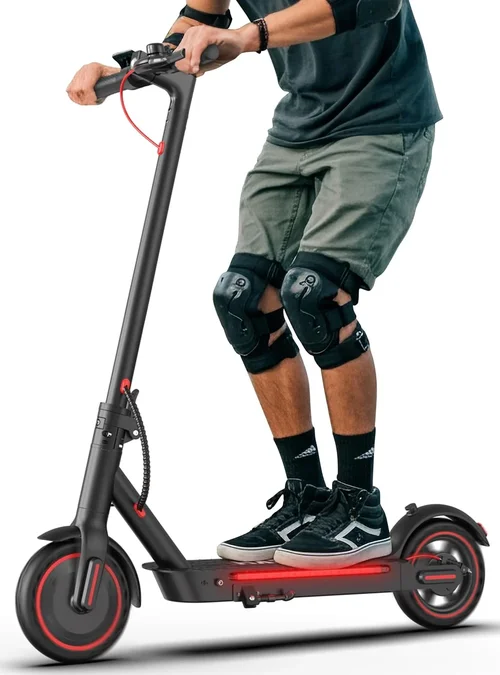
What to do instead: Invest in a certified helmet, front and rear lights, and a sturdy lock. These small additions can prevent accidents and theft, making your rides safer and more secure.
❌ Mistake: Buying from Unauthorized Sellers
Why it’s bad: Purchasing from third-party sellers or gray-market retailers can void your warranty and make it hard to get support or replacement parts.
What to do instead: Buy directly from Gotrax’s official website or authorized retailers like Amazon, Walmart, or Best Buy. This ensures warranty coverage and reliable customer service.
❌ Mistake: Ignoring Local Laws
Why it’s bad: E-scooter regulations vary by city and state. Riding an illegal scooter can result in fines, confiscation, or accidents.
What to do instead: Research local laws regarding speed limits, helmet requirements, where you can ride (bike lanes, sidewalks, roads), and whether registration is needed. Choose a scooter that complies with your area’s rules.
Budget Guidelines: How Much Should You Spend?
Your budget will shape your options, but it’s important to understand what you get at each price tier. Gotrax offers scooters across a wide range, so here’s a breakdown to help you decide:
Entry-Level ($299 – $399): These models, like the Gotrax G3 or GXL V2, are ideal for short commutes, students, or casual riders. Expect a 250W motor, 12–18 mile range, and basic features like LED lights and a digital display. Build quality is decent, but don’t expect premium materials or advanced tech. Perfect for riders under 160 lbs on flat terrain.
Mid-Range ($499 – $699): This is the sweet spot for most buyers. Models like the Gotrax G4 or GMAX offer 350W–400W motors, 20–30 mile ranges, and improved features like app connectivity, cruise control, and better brakes. They’re durable enough for daily use and can handle moderate hills. Great for commuters and urban riders.
Premium ($799 – $899): For enthusiasts and serious commuters, these scooters deliver top-tier performance. The GMAX Ultra, for example, features dual motors, a 40+ mile range, pneumatic tires, and advanced suspension. They’re built to last and handle challenging conditions, making them worth the investment for frequent riders.
Luxury ($900+): While Gotrax doesn’t currently offer models above $899, this tier typically includes scooters with carbon fiber frames, ultra-fast charging, GPS tracking, and premium components. If you’re looking for the absolute best, consider brands like Dualtron or Kaabo, but expect to pay $1,500–$3,000.
Expert Tips for Getting the Best Deal
Buying an e-scooter doesn’t have to be expensive if you know when and where to shop. Here are proven strategies to save money and get the most value:
1. Shop During Sales Events: Gotrax frequently offers discounts during Black Friday, Cyber Monday, Amazon Prime Day, and back-to-school season. Sign up for their newsletter to get early access to deals.
2. Buy Refurbished or Open-Box: Certified refurbished models from Gotrax or retailers like Amazon Renewed often come with warranties and sell for 20–30% less than new. These are thoroughly tested and can be a great way to save.
3. Compare Retailers: Prices can vary between Gotrax’s website, Amazon, Walmart, and Best Buy. Use price comparison tools or check each site directly to find the best deal, including shipping and return policies.
4. Look for Bundle Deals: Some retailers offer bundles that include helmets, locks, or phone mounts at a discounted rate. These can save you money compared to buying accessories separately.
5. Check Return Policies: A generous return window (30 days or more) gives you time to test the scooter and return it if it doesn’t meet your expectations. Gotrax and major retailers typically offer hassle-free returns.
6. Test Before You Buy: If possible, visit a store to test ride the scooter. Pay attention to comfort, handling, and noise level. A test ride can reveal issues that specs alone won’t show.
7. Consider Long-Term Costs: Factor in maintenance, battery replacement (every 2–3 years), and potential repairs. A slightly more expensive scooter with better build quality may cost less over time.
8. Read the Fine Print: Check warranty terms, shipping costs, and whether the scooter comes fully assembled. Some models require minor setup, which can be a hassle if you’re not handy.
Frequently Asked Questions
Q: Are Gotrax scooters waterproof?
A: Most Gotrax scooters have an IP54 rating, meaning they’re protected against light rain and splashes. However, they are not fully waterproof and should not be submerged or ridden in heavy downpours. Avoid puddles and wet conditions when possible to extend the life of your scooter.
Q: How long does it take to charge a Gotrax scooter?
A: Charging time varies by model, but most Gotrax scooters take 4–6 hours to fully charge from empty. Higher-capacity batteries may take longer. Use only the charger provided by Gotrax to avoid damage.
Q: Can I ride my Gotrax scooter in the rain?
A: While IP54-rated models can handle light rain, it’s not recommended for safety and longevity. Wet conditions reduce traction and can damage electrical components. If you must ride in rain, go slowly and avoid deep puddles.
Q: What’s the weight limit for Gotrax scooters?
A: Most Gotrax models support riders up to 220–264 lbs, depending on the model. Check the specifications for your specific scooter. Exceeding the weight limit can reduce performance, range, and safety.
Q: Do I need a license to ride a Gotrax scooter?
A: In most U.S. states, no license is required for e-scooters under 20 mph. However, local laws vary—some cities require helmets, restrict where you can ride, or limit speed. Always check your local regulations.
Q: How do I maintain my Gotrax scooter?
A: Regular maintenance includes checking tire pressure (if pneumatic), cleaning the deck and wheels, inspecting brakes, and keeping the battery charged. Avoid storing the scooter in extreme temperatures. Follow the user manual for detailed care instructions.
Q: Can I upgrade the battery on my Gotrax scooter?
A: Gotrax does not officially support battery upgrades, and modifying the scooter may void the warranty. Replacement batteries are available for purchase if the original fails, but they must match the model specifications.
Q: What should I do if my Gotrax scooter stops working?
A: First, check the basics: is it charged? Is the power button on? Try resetting the scooter by turning it off and on. If the issue persists, contact Gotrax customer support with your model number and purchase details. Most issues can be resolved remotely or with a replacement part.
Q: Are Gotrax scooters good for kids?
A: Gotrax offers kid-friendly models like the GKS and GXL V2, which have lower speeds (under 15 mph), safety features, and durable builds. Always supervise young riders and ensure they wear a helmet.
Q: How far can a Gotrax scooter really go?
A: Advertised range is based on ideal conditions. In real-world use, expect 70–80% of the claimed range. For example, a 20-mile scooter may go 14–16 miles with a 180-lb rider on hilly terrain.
Our Final Recommendations
After evaluating performance, value, and user feedback, here are our top picks across different categories:
Best for Budget-Conscious Buyers: Gotrax GXL V2 – At under $400, it offers solid performance, a 18-mile range, and a lightweight design. Perfect for students and casual riders who want reliability without overspending.
Best Overall Value: Gotrax G4 – With a 400W motor, 25-mile range, app connectivity, and cruise control, the G4 delivers premium features at a mid-range price. It’s our top pick for daily commuters.
Best Premium Option: Gotrax GMAX Ultra – Dual motors, 40+ mile range, pneumatic tires, and advanced suspension make this the ultimate Gotrax scooter for performance and comfort. Ideal for long commutes and hilly areas.
Best for Beginners: Gotrax G3 – Simple controls, lightweight frame, and a top speed of 15 mph make it easy and safe for new riders. Great for teens and first-time e-scooter users.
Best for Advanced Users: Gotrax GMAX Ultra – With dual motors, regenerative braking, and a robust build, it’s built for riders who demand power, range, and reliability. A true workhorse for serious commuters.
Conclusion: Making the Right Choice
Choosing the right e-scooter isn’t just about picking the flashiest model or the cheapest price tag. It’s about understanding your needs—how far you’ll ride, where you’ll ride, how often, and what features matter most to you. Gotrax offers a diverse lineup that caters to a wide range of riders, from budget-conscious students to performance-driven commuters.
By focusing on key factors like performance, build quality, portability, and warranty, you can avoid common pitfalls and find a scooter that fits your lifestyle. Don’t rush the decision—take time to research, compare models, and read real user reviews. And remember, the best scooter is the one you’ll actually use, enjoy, and rely on day after day.
Whether you’re zipping through city streets, cruising campus paths, or exploring local trails, the right e-scooter can transform your daily routine. With the insights from this guide, you’re now equipped to make a smart, confident purchase. So go ahead—find your perfect ride, hit the road, and experience the freedom of electric mobility.