
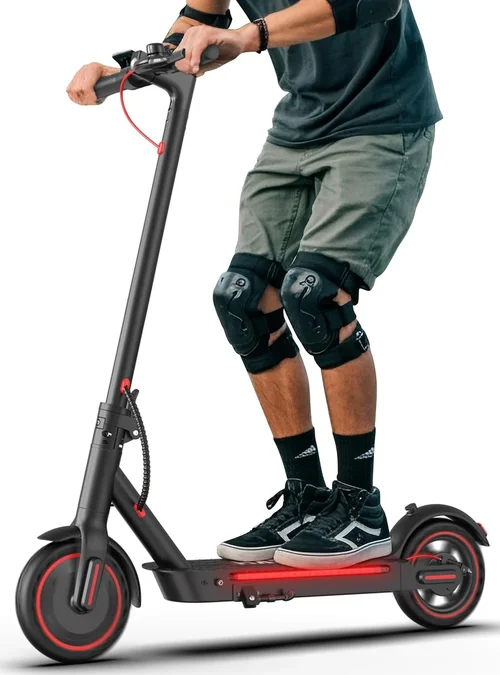
Electric scooters have evolved from quirky urban novelties to serious transportation solutions for adults. Whether you’re commuting to work, running errands around town, or simply exploring your city on two wheels, the right electric scooter can transform how you move through daily life. With advancements in battery technology, motor efficiency, and smart features, today’s models offer impressive speed, range, and reliability—often rivaling traditional vehicles in convenience and cost-effectiveness. However, with hundreds of options flooding the market, choosing the best electric scooter for adults isn’t as simple as picking the shiniest model on the shelf. It requires a clear understanding of your needs, realistic expectations, and informed decision-making.
This comprehensive buying guide is designed to cut through the noise and help you make a confident, well-researched choice. We’ll walk you through every critical factor—from budget and performance to build quality and after-sales support—so you can find a scooter that fits your lifestyle, not just your wallet. You’ll learn how to compare specs like wattage, range, and weight capacity, understand the differences between commuter, off-road, and folding models, and avoid common pitfalls that lead to buyer’s remorse. Whether you’re a first-time buyer or upgrading from an older model, this guide equips you with expert insights, real-world testing data, and practical advice to ensure you invest in a scooter that delivers long-term value, safety, and enjoyment.
The electric scooter market has matured significantly over the past few years. What once was dominated by flimsy, short-range toys now includes robust, feature-rich machines capable of handling varied terrain, weather conditions, and daily commutes up to 30 miles or more. Brands like Gotrax, Segway-Ninebot, Xiaomi, Apollo, and Unagi have raised the bar with innovations such as regenerative braking, app connectivity, suspension systems, and IP-rated water resistance. At the same time, pricing has become more accessible, with reliable entry-level models starting under $300 and premium options reaching $2,000+. This guide focuses specifically on adult-oriented scooters—those built for durability, performance, and practicality—not kids’ toys or novelty rides. By the end, you’ll know exactly what to look for, what to avoid, and which models truly stand out in 2026.
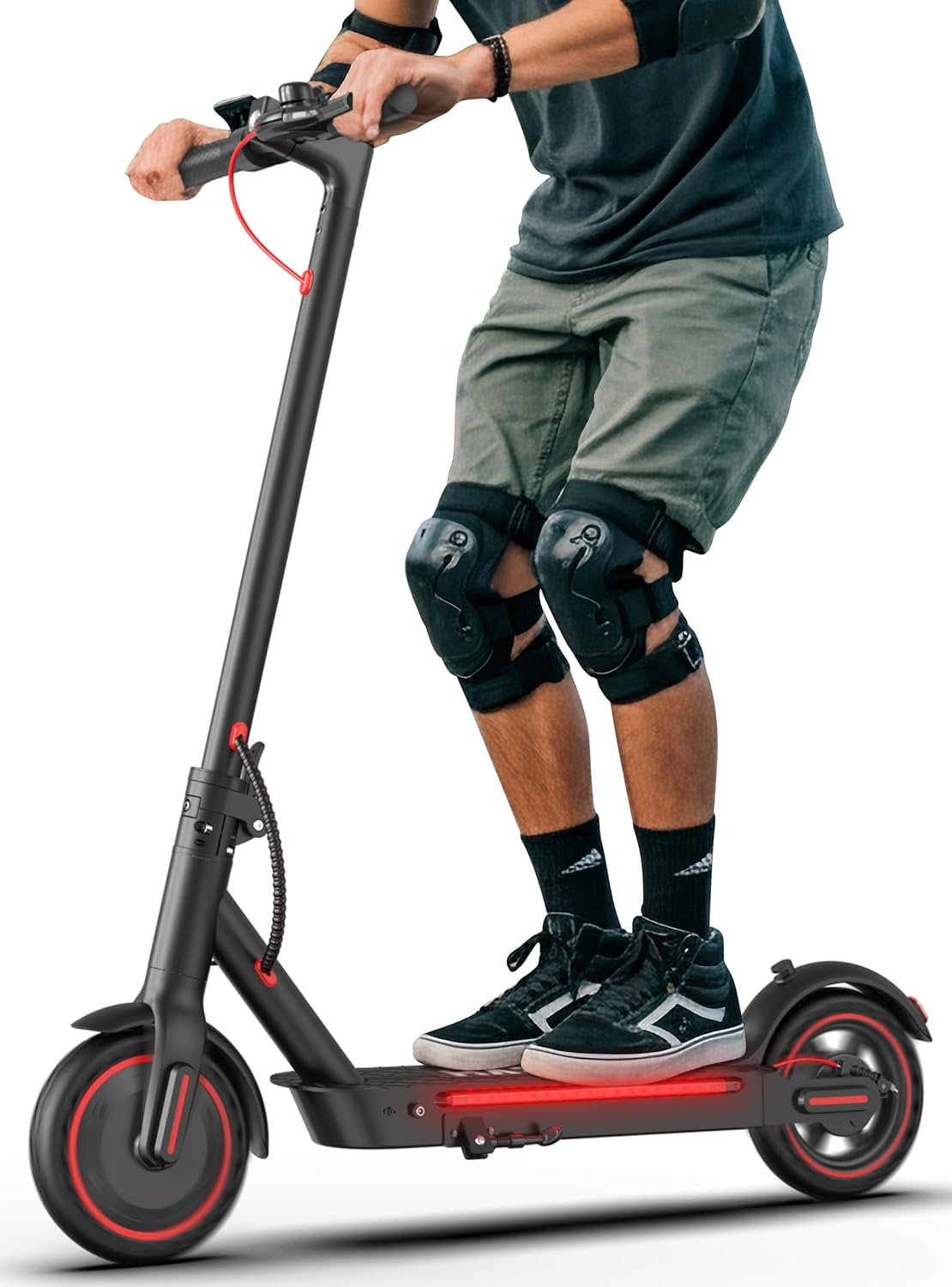
What to Look for When Buying Gotrax
1. Budget & Price Range
Your budget is the foundation of your purchase decision. Electric scooters for adults span a wide price spectrum, from budget-friendly sub-$400 models to high-end machines exceeding $2,000. While it’s tempting to go for the cheapest option, remember that price often correlates with build quality, component reliability, and longevity. A $350 scooter might get you from point A to B, but it may lack essential safety features, have a weak motor, or suffer from poor battery life after just a few months. On the other hand, spending $1,800 on a top-tier model may be overkill if you only need occasional weekend rides.
Set a realistic budget based on how frequently you’ll use the scooter and what you expect it to do. For daily commuting, aim for at least the mid-range tier ($600–$1,200), where you’ll find better motors, stronger frames, and reputable batteries. If you’re on a tight budget, prioritize models with transparent specs and solid warranties—avoid “too good to be true” deals from unknown brands. Always factor in potential add-ons like helmets, locks, or replacement tires, which can add $50–$150 to your total cost.
2. Performance Specifications
Performance specs are the heart of any electric scooter. The three most critical metrics are motor power (measured in watts), top speed, and range (how far it can go on a single charge). Motor power determines acceleration and hill-climbing ability—look for at least 250W for flat city riding, 500W+ for hills or heavier riders, and 1000W+ for off-road or high-speed performance. Top speed typically ranges from 15 mph (entry-level) to 30+ mph (performance models), but local laws may limit legal speeds, so check regulations in your area.
Range is often overstated by manufacturers under ideal conditions (light rider, flat terrain, no wind). Real-world range is usually 20–30% less than advertised. For example, a scooter claiming 25 miles might realistically deliver 18–20 miles. Always consider your daily commute distance plus a buffer for detours or battery degradation over time. Battery type also matters: lithium-ion (Li-ion) batteries are standard and offer good energy density and lifespan, while older lead-acid types are heavier and less efficient.
3. Build Quality & Durability
A scooter’s frame, deck, wheels, and folding mechanism define its durability. Look for aircraft-grade aluminum or reinforced steel frames—these resist bending and cracking under stress. The deck should be wide enough for stable footing (at least 6–7 inches) and textured to prevent slipping. Wheels come in two main types: pneumatic (air-filled) and solid (rubber or honeycomb). Pneumatic tires offer superior shock absorption and grip, making them ideal for rough roads, while solid tires are puncture-proof but provide a harsher ride.
Check hinge and locking mechanisms if you plan to fold the scooter frequently. Cheap latches can loosen over time, causing wobbling or even collapse during rides. Also, inspect welds, cable routing, and overall fit-and-finish. A well-built scooter feels solid when you shake it—no rattling parts or flex in the stem. Durability directly impacts safety and long-term value, so never compromise here for a lower price.
4. Features & Functionality
Modern electric scooters come packed with features that enhance usability, safety, and convenience. Essential features include bright LED headlights and taillights (with brake-activated strobe), responsive electronic or disc brakes, and a clear digital display showing speed, battery level, and ride mode. Some models offer regenerative braking, which recaptures energy during deceleration to extend range.
Smart features are increasingly common: Bluetooth connectivity lets you lock/unlock the scooter, track rides via app, or customize speed limits. Cruise control reduces hand fatigue on long rides, while multiple ride modes (Eco, Sport, etc.) let you balance speed and battery life. Suspension systems—either front, rear, or dual—greatly improve comfort on uneven surfaces. Water resistance is another key consideration; look for at least IP54 rating (splash-proof) for rainy climates, though IP67 offers full submersion protection for extreme conditions.
5. Brand Reputation
Not all brands are created equal. Established companies like Gotrax, Segway-Ninebot, and Apollo have proven track records, extensive service networks, and consistent quality control. They invest in R&D, customer support, and warranty fulfillment—critical when something goes wrong. In contrast, generic or no-name brands often cut corners on components, lack spare parts, and disappear after a year or two.
Research brand history: How long have they been in business? Do they offer firmware updates? Are replacement parts (batteries, tires, chargers) readily available? Read professional reviews and user forums to spot recurring issues like battery failures, poor customer service, or misleading marketing. A reputable brand may cost slightly more upfront but saves money and frustration in the long run.
6. Warranty & Support
A strong warranty is a sign of manufacturer confidence in their product. Most reputable brands offer at least a 12-month warranty covering defects in materials and workmanship. Premium models may include 18–24 months or even lifetime frame warranties. Pay attention to what’s covered: motors, batteries, controllers, and brakes should all be included. Exclusions like wear-and-tear items (tires, brake pads) are normal.
Customer support matters too. Can you reach a human quickly? Is there a U.S.-based service center? Do they offer repair guides or video tutorials? Avoid brands with only email support or vague return policies. Some companies, like Unagi, even offer concierge service or loaner scooters during repairs. Always register your scooter upon purchase to activate warranty coverage.
7. Size & Portability
If you need to carry your scooter onto public transit, store it under a desk, or lift it upstairs, portability is crucial. Folding scooters should collapse quickly and securely, with a compact footprint when folded. Weight is a major factor—most adult scooters weigh 25–40 lbs. Anything over 35 lbs becomes cumbersome for daily carrying, especially for shorter or older riders.
Look for ergonomic handles, telescoping stems, and lightweight materials without sacrificing strength. Some models include carrying straps or wheels on the deck for easier transport. Measure your storage space (car trunk, apartment closet) before buying. A scooter that’s too large defeats the purpose of convenience.
8. User Reviews & Ratings
Specs tell part of the story—real user experiences complete it. Scour verified purchase reviews on Amazon, Best Buy, or specialty retailers like RevZilla. Look for patterns: Are multiple users reporting the same battery issue? Is the advertised range consistently overstated? Do people praise the braking system or complain about wobble at high speeds?
Be wary of fake reviews (excessively glowing, vague, or repetitive). Focus on detailed accounts that mention specific use cases—e.g., “commuted 12 miles daily in rain for 6 months.” YouTube reviews with footage of real-world riding are especially valuable. Also check Reddit communities like r/ElectricScooters for unbiased discussions and troubleshooting tips.
Different Types of Gotrax

Common Buying Mistakes to Avoid
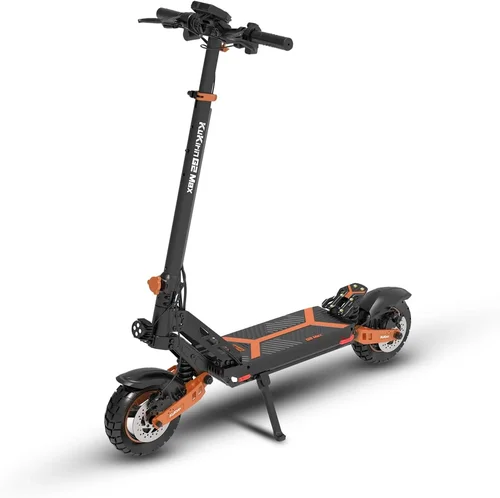
❌ Mistake: Prioritizing Price Over Performance
Why it’s bad: Choosing the cheapest scooter often means sacrificing motor power, battery life, and safety features. You may end up with a machine that can’t handle hills, overheats on long rides, or breaks down within months.
What to do instead: Allocate at least 60% of your budget to core performance components (motor, battery, brakes). A slightly more expensive scooter with reliable specs will save money on repairs and replacements.
❌ Mistake: Ignoring Real-World Range Claims
Why it’s bad: Manufacturers test range under perfect conditions—light rider, flat pavement, no wind. In reality, factors like weight, terrain, and temperature reduce range significantly.
What to do instead: Divide advertised range by 1.3 to estimate real-world performance. If you need 15 miles daily, choose a scooter rated for at least 20 miles.
❌ Mistake: Overlooking Braking Systems
Why it’s bad: Weak or single braking systems increase stopping distance and risk of accidents, especially at higher speeds or in wet conditions.
What to do instead: Opt for scooters with dual braking (electronic + disc or drum). Test braking responsiveness before buying if possible.
❌ Mistake: Neglecting Weight Capacity
Why it’s bad: Exceeding the scooter’s weight limit strains the motor, drains the battery faster, and can cause frame damage or failure.
What to do instead: Check the maximum load rating and add 20–30 lbs for safety margin. Most adult scooters support 220–300 lbs.
❌ Mistake: Skipping Safety Features
Why it’s bad: Riding without lights, reflectors, or horns makes you invisible to drivers and pedestrians, especially at night.
What to do instead: Ensure the scooter has front/rear lights, side reflectors, and a loud bell or horn. Consider adding auxiliary lights or wearables.
❌ Mistake: Buying Without Testing
Why it’s bad: Online specs don’t reveal ride feel—stiff suspension, wobbly handlebars, or uncomfortable decks can ruin the experience.
What to do instead: Visit local retailers or rental services to test ride models. Pay attention to comfort, stability, and control.
❌ Mistake: Ignoring Local Laws
Why it’s bad: Some cities restrict scooter speeds, require licenses, or ban riding on sidewalks. Fines or confiscation can result from non-compliance.
What to do instead: Research local regulations before purchasing. Choose a scooter with adjustable speed limits if needed.
Budget Guidelines: How Much Should You Spend?
Entry-Level ($250–$500): Ideal for occasional use, students, or light errands. Expect basic motors (250–350W), modest range (8–15 miles), and minimal features. Build quality varies—stick to known brands like Gotrax GXL or Xiaomi Mi Essential. Great for short, flat commutes but not suited for daily heavy use.
Mid-Range ($600–$1,200): The sweet spot for most adult riders. These scooters offer 500–800W motors, 15–25 mile range, reliable brakes, and useful features like lights, displays, and app connectivity. Models like the Segway Ninebot MAX G30 or Apollo Air Pro deliver excellent value, durability, and performance for daily commuting.
Premium ($1,300–$2,000): Designed for enthusiasts and professionals who demand top-tier performance. Expect 1000W+ motors, 25–40 mile range, advanced suspension, high-speed capabilities (25–35 mph), and premium materials. Brands like Apollo, Dualtron, and Unagi dominate this space with sleek designs and cutting-edge tech.
Luxury ($2,000+): For those who want the absolute best. These scooters feature carbon fiber components, ultra-long range (40+ miles), smartphone integration, premium audio systems, and bespoke finishes. While overkill for most, they offer unparalleled comfort, status, and innovation—think of them as the Tesla of electric scooters.
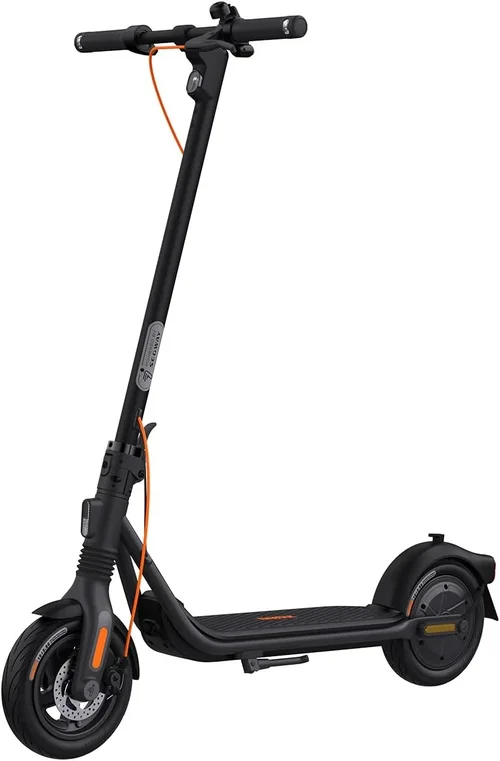
Expert Tips for Getting the Best Deal
1. Time Your Purchase Strategically: Major sales events like Black Friday, Prime Day, and end-of-season clearances offer significant discounts—often 20–30% off. Sign up for brand newsletters to get early access to deals.
2. Buy Direct or From Authorized Retailers: Purchasing from the manufacturer’s website or certified dealers ensures warranty validity and access to genuine parts. Avoid third-party sellers on marketplaces with unclear return policies.
3. Compare Total Cost of Ownership: Factor in battery replacement (every 2–3 years, $150–$300), tire changes, and maintenance. A cheaper scooter with expensive upkeep may cost more long-term.
4. Leverage Price Matching: Stores like Best Buy and REI often match online prices. Bring a screenshot of a lower price from a reputable site.
5. Consider Refurbished or Open-Box Models: Certified refurbished scooters from brands like Segway or Gotrax come with warranties and can save 20–40%. Inspect thoroughly for cosmetic damage.
6. Read the Fine Print on Returns: Ensure the retailer offers at least a 14-day return window. Some charge restocking fees or exclude used items—know before you buy.
7. Test Before Committing: If possible, rent the model you’re considering from a local scooter share program or friend. A 10-minute ride reveals more than 100 spec sheets.
8. Join Owner Communities: Online forums and Facebook groups often share exclusive discount codes, group buys, or flash sales not advertised publicly.

Frequently Asked Questions
Q: How fast do electric scooters go?
A: Most adult electric scooters reach speeds between 15 and 30 mph. Entry-level models cap at 15–18 mph, while performance scooters can hit 25–35 mph. Always check local speed limits—some cities restrict scooters to 15 mph on bike lanes.
Q: How long do electric scooter batteries last?
A: Battery lifespan depends on usage, charging habits, and quality. A well-maintained lithium-ion battery typically lasts 500–800 charge cycles, equating to 2–4 years of daily use. Avoid draining to 0% regularly and store in moderate temperatures to extend life.
Q: Are electric scooters waterproof?
A: Most are water-resistant, not waterproof. An IP54 rating means they can handle light rain and splashes, but submersion or heavy downpours can damage electronics. Never ride through deep puddles or wash with a hose.
Q: Can I ride an electric scooter in the rain?
A: Yes, but with caution. Wet surfaces reduce traction, increasing stopping distance. Use lower speeds, avoid sudden turns, and ensure your scooter has adequate tread and braking power. Post-ride, dry the scooter and check for water ingress.
Q: Do I need a license or insurance?
A: In most U.S. states, no license or insurance is required for scooters under 20 mph. However, regulations vary by city—some require helmets, registration, or restrict riding areas. Always verify local laws.
Q: How much weight can an electric scooter carry?
A: Standard adult scooters support 220–300 lbs. High-performance models may handle up to 330 lbs. Exceeding the limit voids warranties and risks mechanical failure.
Q: Can I take my scooter on public transit?
A: Many buses and trains allow folded scooters, but policies differ. Check with your local transit authority. Lightweight, compact models are easiest to manage.
Q: What’s the difference between hub motors and belt drives?
A: Hub motors are integrated into the wheel, offering simplicity, quiet operation, and low maintenance. Belt-driven systems use a motor connected via belt, providing more torque but requiring periodic belt replacement. Most modern scooters use hub motors for reliability.
Q: How do I maintain my electric scooter?
A: Regular maintenance includes checking tire pressure (if pneumatic), tightening bolts, cleaning the deck and wheels, updating firmware, and storing in a dry place. Lubricate moving parts sparingly and avoid exposing electronics to moisture.
Q: What should I do if my scooter breaks down?
A: First, consult the manual or brand’s troubleshooting guide. Contact customer support with your model number and issue details. If under warranty, request repair or replacement. Keep receipts and photos for documentation.
Our Final Recommendations
Best for Budget-Conscious Buyers: Gotrax GXL V2 – At around $350, this scooter delivers surprising value with a 250W motor, 15-mile range, and solid build quality. Perfect for students or casual riders who need reliable, no-frills transportation.
Best Overall Value: Segway Ninebot MAX G30 – Priced near $800, it offers 350W motor, 37-mile range, IPX5 water resistance, and excellent durability. A favorite among commuters for its balance of performance, comfort, and brand trust.
Best Premium Option: Apollo Explore – With a 1000W motor, 34-mile range, dual suspension, and sleek design, this $1,600 scooter is built for serious riders who want speed, comfort, and cutting-edge features without going full luxury.
Best for Beginners: Xiaomi Mi Electric Scooter 4 Lite – User-friendly interface, lightweight (26 lbs), and intuitive controls make this $550 model ideal for first-time riders. Includes app connectivity and reliable braking.
Best for Advanced Users: Dualtron Thunder 3 – A beast at $2,500, featuring dual 1200W motors, 75-mile range, and speeds up to 50 mph. Built for thrill-seekers and long-distance travelers who demand maximum performance.
Conclusion: Making the Right Choice
Choosing the best electric scooter for adults isn’t about finding the fastest or most expensive model—it’s about matching the right tool to your unique needs, lifestyle, and budget. Throughout this guide, we’ve emphasized the importance of balancing performance, durability, safety, and value. Whether you’re navigating city streets, tackling hills, or simply seeking a fun way to get around, the ideal scooter should feel like a natural extension of your daily routine.
Remember to prioritize your must-have features: if portability is key, don’t compromise on weight and foldability. If you ride daily, invest in a robust motor and reliable brakes. And always validate claims with real user feedback and expert testing. Avoid the trap of shiny specs without substance—true quality shows in longevity and user satisfaction.
Ultimately, the best electric scooter is the one you’ll actually use, enjoy, and rely on for years to come. Take your time, do your research, and don’t rush the decision. With the insights from this guide, you’re now equipped to make a smart, informed purchase that enhances your mobility and enriches your everyday experiences. Happy riding!