
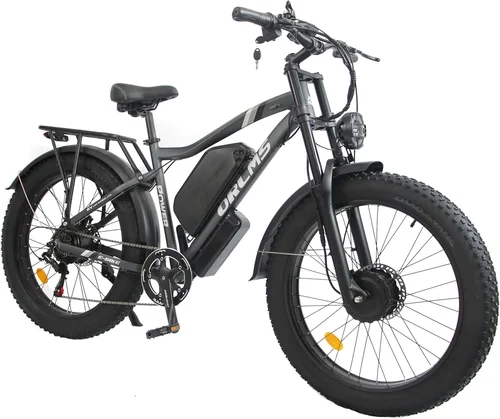
Electric bikes have evolved from niche novelties into mainstream mobility solutions, and 2025 is shaping up to be a landmark year for e-bike innovation. With cities embracing sustainable transportation, commuters seeking greener alternatives, and outdoor enthusiasts craving longer adventures, the demand for high-quality electric bikes has never been higher. Whether you’re looking to ditch your car for daily commutes, explore scenic trails with ease, or simply enjoy a more active lifestyle without the sweat, there’s an e-bike tailored to your needs. But with so many brands flooding the market—each claiming to offer the “best” ride—it’s easy to feel overwhelmed. That’s where this guide comes in.
This comprehensive buying guide is designed to cut through the noise and help you make a confident, informed decision. We’ll walk you through every critical factor to consider—from battery life and motor power to build quality and warranty support—so you can find the perfect electric bike for your lifestyle and budget. You’ll learn how to compare different types of e-bikes, avoid common purchasing pitfalls, and identify which brands truly deliver on their promises. Whether you’re a first-time buyer or upgrading from an older model, this guide equips you with the knowledge to invest wisely in a machine that will serve you reliably for years to come. The e-bike market in 2025 is more competitive than ever, with advancements in battery tech, smart connectivity, and frame design pushing the boundaries of what’s possible. Our goal is to help you navigate this exciting landscape with clarity and confidence.

What to Look for When Buying an Electric Bike
1. Budget & Price Range
Your budget is the foundation of your e-bike search. Electric bikes vary dramatically in price—from under $1,000 to over $10,000—so setting a realistic spending limit helps narrow your options and prevents buyer’s remorse. Entry-level models typically start around $800–$1,200 and offer basic functionality: a hub motor, removable battery, and standard components. These are great for casual riders or short commutes but may lack durability or advanced features. Mid-range e-bikes ($1,500–$3,500) strike a balance between performance and value, often including higher-quality motors (like mid-drive systems), better suspension, and improved battery capacity. Premium models ($3,500–$7,000) cater to serious riders with top-tier components, lightweight frames, and smart integration. Luxury e-bikes ($7,000+) are built for enthusiasts and professionals, featuring cutting-edge tech, carbon fiber construction, and extended range. When setting your budget, remember to factor in long-term costs like maintenance, replacement batteries (which degrade over time), and accessories such as helmets, locks, and lights.
2. Performance Specifications
Performance specs determine how your e-bike handles real-world conditions. The three core components to evaluate are the motor, battery, and drivetrain. Motor power is measured in watts (W), with most consumer e-bikes ranging from 250W to 750W. In the U.S., Class 1 and Class 2 e-bikes are limited to 750W, while Class 3 can reach speeds up to 28 mph. Mid-drive motors (mounted near the pedals) offer better weight distribution and efficiency, especially on hills, compared to hub motors (in the wheel). Battery capacity is measured in watt-hours (Wh)—the higher the number, the longer the range. A 400Wh battery might give you 30–50 miles, while a 700Wh+ battery can exceed 80 miles on a single charge. Always check if the battery is removable and how long it takes to recharge (typically 3–6 hours). The drivetrain includes gears and shifting systems; higher-end bikes use Shimano or SRAM components for smoother, more reliable performance. Also consider torque sensors (which adjust assistance based on pedaling effort) versus cadence sensors (which activate based on pedal rotation)—torque sensors provide a more natural riding experience.
3. Build Quality & Durability
A well-built e-bike should withstand daily use, weather exposure, and occasional bumps without compromising safety or performance. Frame material is a key indicator: aluminum is lightweight, corrosion-resistant, and affordable, making it the most common choice. Steel is heavier but offers superior durability and shock absorption, ideal for rugged terrain. Carbon fiber is used in high-end models for its strength-to-weight ratio but comes at a premium price. Pay attention to weld quality, paint finish, and component integration—loose bolts, rattling parts, or flimsy welds are red flags. Water resistance is another critical factor; look for IP ratings (like IP65 or IP67) that indicate protection against dust and water. Even if you don’t ride in the rain, moisture from morning dew or puddles can damage electronics over time. Test the bike’s weight and balance—too heavy, and it’s hard to maneuver off-road or carry upstairs; too light, and it may feel unstable at speed. Finally, inspect the wheels, tires, and brakes. Puncture-resistant tires, hydraulic disc brakes, and double-walled rims are signs of a durable, ride-ready machine.
4. Features & Functionality
Modern e-bikes come packed with features that enhance comfort, safety, and convenience. Start with the display: a clear, backlit LCD or color screen shows speed, battery level, distance, and assist mode. Some models include GPS navigation, Bluetooth connectivity, and smartphone app integration for ride tracking and anti-theft alerts. Lighting is essential—integrated front and rear LED lights powered by the main battery are safer and more reliable than clip-on alternatives. Fenders, racks, and panniers make commuting and errands easier, while suspension systems (front fork or full suspension) improve ride quality on rough roads or trails. Consider the pedal assist levels—most bikes offer 3 to 5 modes, from eco to turbo. Regenerative braking, though rare, can extend range slightly by recharging the battery during deceleration. Other smart features include automatic gear shifting, theft alarms, and ride analytics. While these extras add value, avoid overpaying for gimmicks you won’t use. Focus on features that align with your riding habits—commuters may prioritize lights and racks, while trail riders need robust suspension and off-road tires.
5. Brand Reputation
Not all e-bike brands are created equal. Established manufacturers like Trek, Specialized, and Giant have decades of cycling expertise and rigorous testing standards, translating into reliable, well-engineered products. Emerging brands like Rad Power Bikes, Aventon, and Lectric XP have disrupted the market with affordable, feature-rich models, often backed by strong online communities and customer support. Research brand history, read independent reviews, and check forums like Reddit or Bike Forums for real user experiences. A reputable brand stands behind its products with transparent policies, accessible customer service, and consistent quality control. Be wary of unknown brands selling ultra-cheap e-bikes with vague specs or no warranty—these often cut corners on safety and durability. Also consider regional availability: some brands excel in North America but have limited presence in Europe or Asia, affecting parts availability and service. Look for certifications like UL 2849 (safety standard for e-bike electrical systems) or CE marking (European compliance), which indicate adherence to international safety protocols.
6. Warranty & Support
A solid warranty is your safety net against defects, malfunctions, and premature wear. Most reputable brands offer at least a 1–2 year warranty on the frame and motor, with 1 year on the battery and electronics. Premium brands may extend coverage to 3–5 years, especially on high-value components. Read the fine print: some warranties exclude normal wear, water damage, or modifications. Battery warranties are particularly important—lithium-ion cells degrade over time, and a good policy will cover capacity loss below 70% within the warranty period. Customer support matters too: can you reach a real person quickly? Are service centers nearby, or do you need to ship the bike for repairs? Brands with strong support networks (like Trek’s dealer network or Rad Power’s in-house service team) make troubleshooting and maintenance much easier. Also check return policies—some retailers offer 30-day test rides, allowing you to return the bike if it doesn’t meet expectations. Avoid brands with no-contact support or long repair turnaround times, as downtime can be frustrating, especially if you rely on your e-bike for daily transportation.
7. Size & Portability
Fit and portability are often overlooked but crucial for comfort and practicality. An ill-fitting bike can cause back pain, numb hands, or reduced control. Most brands offer multiple frame sizes (S, M, L, XL) and step-through designs for easier mounting. Test ride if possible—your feet should touch the ground when seated, and your arms should have a slight bend at the elbows when gripping the handlebars. For commuters or apartment dwellers, portability matters. Folding e-bikes (like the Brompton Electric or Tern Vektron) are ideal for small spaces and public transit, though they’re typically heavier and less powerful than full-size models. Weight is a big factor: a 40–50 lb bike is manageable for most, but anything over 60 lbs becomes difficult to lift or carry. Removable batteries help reduce weight when transporting. Consider storage options—can the bike fit in your car trunk, hallway, or bike locker? Some models include integrated locks or anti-theft features, adding peace of mind in urban environments.
8. User Reviews & Ratings
Nothing beats real-world feedback. Before buying, scour reviews on trusted platforms like Amazon, REI, or specialized e-bike sites (e.g., Electric Bike Review, BikeRadar). Look for patterns: if multiple users report the same issue—like battery failure or poor customer service—it’s likely a systemic problem. Pay attention to long-term reviews (6+ months) to assess durability. Video reviews on YouTube offer visual insights into ride quality, noise levels, and build details. Be skeptical of overly positive or generic reviews—they may be fake. Instead, focus on detailed accounts that mention pros, cons, and specific use cases. Join online communities or local e-bike groups to ask questions and get firsthand advice. Remember, a bike that works for a 200-lb mountain biker may not suit a 120-lb city commuter. Match reviews to your needs: if you’re buying for hills, prioritize feedback from riders in hilly areas; for commuting, look for comments on reliability and weather resistance.
Different Types of Electric Bikes

Common Buying Mistakes to Avoid
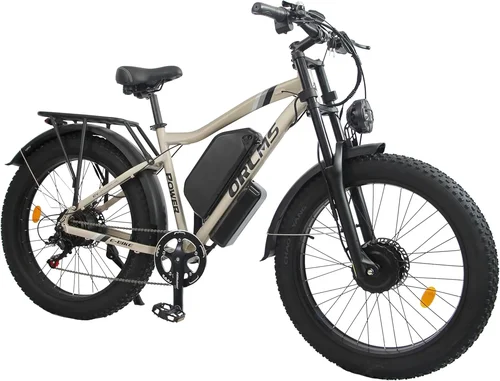
❌ Mistake: Ignoring Local Laws and Classifications
Why it’s bad: E-bike regulations vary by region. In the U.S., Class 1 (pedal-assist up to 20 mph), Class 2 (throttle-assisted up to 20 mph), and Class 3 (pedal-assist up to 28 mph) have different rules for where you can ride—some bike paths ban Class 3, while others require helmets. Buying a high-speed model without checking local laws could limit your riding options or result in fines.
What to do instead: Research your city or state’s e-bike laws before purchasing. Choose a class that matches your intended use and legal permissions.
❌ Mistake: Overlooking Battery Degradation
Why it’s bad: Lithium-ion batteries lose capacity over time—typically 20% after 500–800 charge cycles. A bike with a 50-mile range today might only deliver 40 miles in two years, especially if stored in extreme temperatures or frequently drained to zero.
What to do instead: Store your battery at 30–60% charge in a cool, dry place when not in use. Avoid full discharges and invest in a battery with a good warranty covering capacity loss.
❌ Mistake: Choosing Based Solely on Price
Why it’s bad: The cheapest e-bike often uses low-quality components, weak motors, and poor battery management, leading to frequent breakdowns and safety risks. Conversely, the most expensive model may include features you’ll never use.
What to do instead: Focus on value—match the bike’s specs and build quality to your needs. A mid-range model with reliable components often outperforms a budget or luxury bike that doesn’t fit your use case.
❌ Mistake: Skipping the Test Ride
Why it’s bad: E-bikes feel different from regular bikes. Weight distribution, motor response, and handling vary significantly between models. Buying online without testing can lead to discomfort or poor control.
What to do instead: Visit a local dealer or attend e-bike demo events. If buying online, choose retailers with generous return policies and test ride periods.
❌ Mistake: Neglecting Maintenance Needs
Why it’s bad: E-bikes require regular upkeep—brake adjustments, tire checks, chain lubrication, and software updates. Ignoring maintenance can shorten lifespan and compromise safety.
What to do instead: Learn basic maintenance or budget for professional servicing. Choose brands with accessible service networks and clear maintenance guides.
❌ Mistake: Assuming All Motors Are Equal
Why it’s bad: Hub motors are simpler and cheaper but less efficient on hills. Mid-drive motors offer better balance and performance but cost more. Using a hub motor for mountain biking, for example, can lead to overheating and poor climbing ability.
What to do instead: Match the motor type to your terrain and riding style. Commuters may prefer hub motors; trail riders should opt for mid-drive systems.
Budget Guidelines: How Much Should You Spend?
Entry-Level ($800 – $1,500): Ideal for casual riders, students, or short commutes. Expect basic hub motors, 300–400Wh batteries, and aluminum frames. Brands like Ancheer, Swagtron, and Lectric offer solid options in this range. While affordable, these bikes may lack durability, advanced features, or strong warranties. Best for flat terrain and light use.
Mid-Range ($1,500 – $3,500): The sweet spot for most buyers. You’ll find reliable mid-drive or high-torque hub motors, 500–700Wh batteries, and better components from brands like Rad Power Bikes, Aventon, and Trek. These bikes offer excellent value, balancing performance, comfort, and longevity. Suitable for daily commuting, light trails, and longer rides.
Premium ($3,500 – $7,000): For enthusiasts and serious riders. Expect top-tier motors (Bosch, Shimano STEPS), full suspension, carbon or high-grade aluminum frames, and smart features. Brands like Specialized, Giant, and Riese & Müller dominate this space. These bikes deliver superior ride quality, range, and durability—ideal for mountain biking, long-distance touring, or daily reliability.
Luxury ($7,000+): Reserved for professionals and collectors. These e-bikes feature cutting-edge tech, custom builds, and ultra-light materials. Examples include the Stromer ST5, Riese & Müller Superdelite, and custom eMTBs. While impressive, they’re often overkill for average riders and come with steep maintenance costs.
Expert Tips for Getting the Best Deal
- Buy During Off-Season: Late fall and winter see fewer e-bike sales, so retailers often discount inventory. Look for holiday sales (Black Friday, Cyber Monday) or end-of-year clearances.
- Shop at Authorized Dealers: Buying from authorized retailers ensures warranty validity, access to service, and genuine parts. Avoid third-party sellers on marketplaces unless verified.
- Compare Total Cost: Factor in shipping, assembly, and accessories. Some online retailers offer free shipping and assembly, while local shops may charge extra.
- Check for Rebates and Incentives: Many cities and states offer e-bike purchase rebates (e.g., California’s Clean Vehicle Rebate Project). These can save you $500–$1,500.
- Negotiate Add-Ons: Dealers may throw in free accessories (locks, lights, helmets) or discounts on upgrades if you ask.
- Read Return Policies: Ensure you can return or exchange the bike within 14–30 days if it doesn’t meet expectations.
- Consider Certified Pre-Owned: Reputable brands like Trek and Specialized offer certified used e-bikes with warranties, often at 20–30% off retail.
- Join Loyalty Programs: Some retailers offer points, discounts, or early access to sales for members.

Frequently Asked Questions
Q: How far can an electric bike go on a single charge?
A: Range depends on battery capacity (Wh), motor efficiency, terrain, rider weight, and assist level. Most e-bikes offer 25–80 miles per charge. A 500Wh battery on flat terrain with moderate assist can deliver 50–60 miles, while hilly routes or high assist may reduce it to 30 miles.
Q: Do I need a license or insurance to ride an e-bike?
A: In most U.S. states and European countries, no license or insurance is required for Class 1 and 2 e-bikes. Class 3 may require a helmet or have age restrictions. Always check local laws.
Q: Can I ride an e-bike in the rain?
A: Yes, most e-bikes are water-resistant (IP65 or higher), but avoid submerging them or high-pressure washing. Dry the battery and connectors after wet rides.
Q: How often should I charge the battery?
A: Charge when the battery drops to 20–30%. Avoid storing it fully charged or fully drained for long periods. Partial charges (30–80%) extend battery life.
Q: Are e-bikes good for hills?
A: Yes, especially models with mid-drive motors and high torque (80+ Nm). Look for bikes with hill-assist modes and strong gearing.
Q: Can I pedal an e-bike without power?
A: Absolutely. E-bikes function like regular bikes when the motor is off, though they’re heavier due to the battery and motor.
Q: How long do e-bike batteries last?
A: Typically 3–5 years or 500–1,000 charge cycles, depending on usage and care. Capacity gradually declines over time.
Q: Are e-bikes safe?
A: When used responsibly and maintained properly, e-bikes are safe. Wear a helmet, follow traffic laws, and perform regular checks on brakes and tires.
Q: Can I upgrade my e-bike’s battery?
A: Some brands allow battery upgrades, but compatibility varies. Check with the manufacturer before purchasing third-party batteries.
Our Final Recommendations
Best for Budget-Conscious Buyers: Lectric XP 3.0 – At under $1,000, it offers impressive range (45+ miles), fat tires, and a folding design. Great for city commuting and light off-road use.
Best Overall Value: Rad Power Bikes RadCity 5 Plus – Priced around $1,999, it combines a powerful 750W motor, 617Wh battery, integrated lights, and a comfortable step-through frame. Ideal for daily riders.
Best Premium Option: Specialized Turbo Vado SL 5.0 – With a lightweight SL motor, 700Wh battery, and sleek design, this $4,500 bike delivers a premium ride for urban and fitness enthusiasts.
Best for Beginners: Aventon Level.2 – Easy to ride, affordable ($1,799), and packed with features like a color display, hydraulic brakes, and app connectivity. Perfect for first-time e-bike owners.
Best for Advanced Users: Trek Allant+ 9.9S – A high-performance commuter with Bosch Performance Line CX motor, 750Wh battery, and full suspension. Built for speed, comfort, and long-distance reliability.
Conclusion: Making the Right Choice
Choosing the right electric bike in 2025 doesn’t have to be overwhelming. By focusing on your needs—whether that’s commuting, trail riding, or cargo transport—and evaluating key factors like budget, performance, and brand reputation, you can find a bike that enhances your lifestyle for years to come. Remember, the best e-bike isn’t necessarily the most expensive or feature-packed—it’s the one that fits your body, your terrain, and your daily routine. Take your time, test ride when possible, and don’t hesitate to ask questions. With the insights from this guide, you’re equipped to make a smart, confident purchase. Whether you’re reducing your carbon footprint, improving your fitness, or simply enjoying the freedom of two wheels, your perfect e-bike is out there. Ride on.