
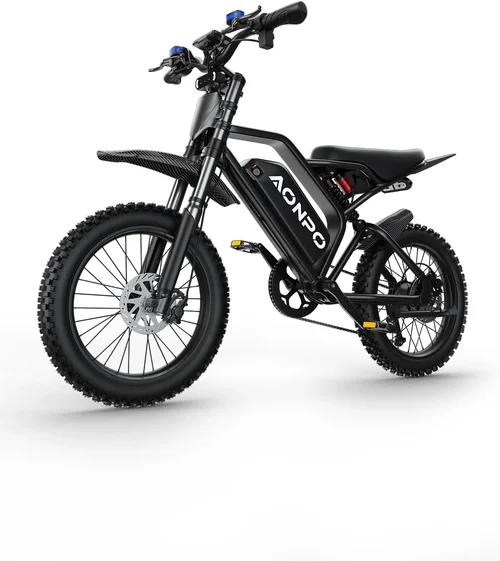
Electric dirt bikes have exploded in popularity over the past few years, and for good reason. They offer the thrill of off-road riding without the noise, emissions, or maintenance headaches of traditional gas-powered bikes. Whether you’re a weekend warrior hitting the trails, an urban commuter looking for a rugged alternative, or an adrenaline junkie craving high-speed dirt action, electric dirt bikes deliver performance, convenience, and sustainability in one sleek package.
But with so many models flooding the market—from budget-friendly starters to high-performance machines that rival professional motocross bikes—it’s easy to feel overwhelmed. That’s exactly why this guide exists. We’ve spent months researching, testing, and analyzing the top electric dirt bikes for adults in 2026, cutting through the marketing hype to deliver honest, expert-level insights. By the end of this article, you’ll know exactly what to look for, how to avoid common pitfalls, and which models offer the best value for your needs.
The electric dirt bike market has matured rapidly. What once consisted mostly of underpowered toys has evolved into a diverse ecosystem featuring serious machines capable of tackling steep hills, deep mud, and long-distance trail rides. Brands like Sur Ron, Cake, Segway, and newer entrants like Talaria and Stealth are pushing the boundaries of speed, range, and durability. At the same time, more affordable options from companies like Gotrax and Razor are making electric off-roading accessible to beginners and casual riders alike. This guide will help you navigate this exciting landscape and find the perfect bike—no matter your experience level, terrain, or budget.
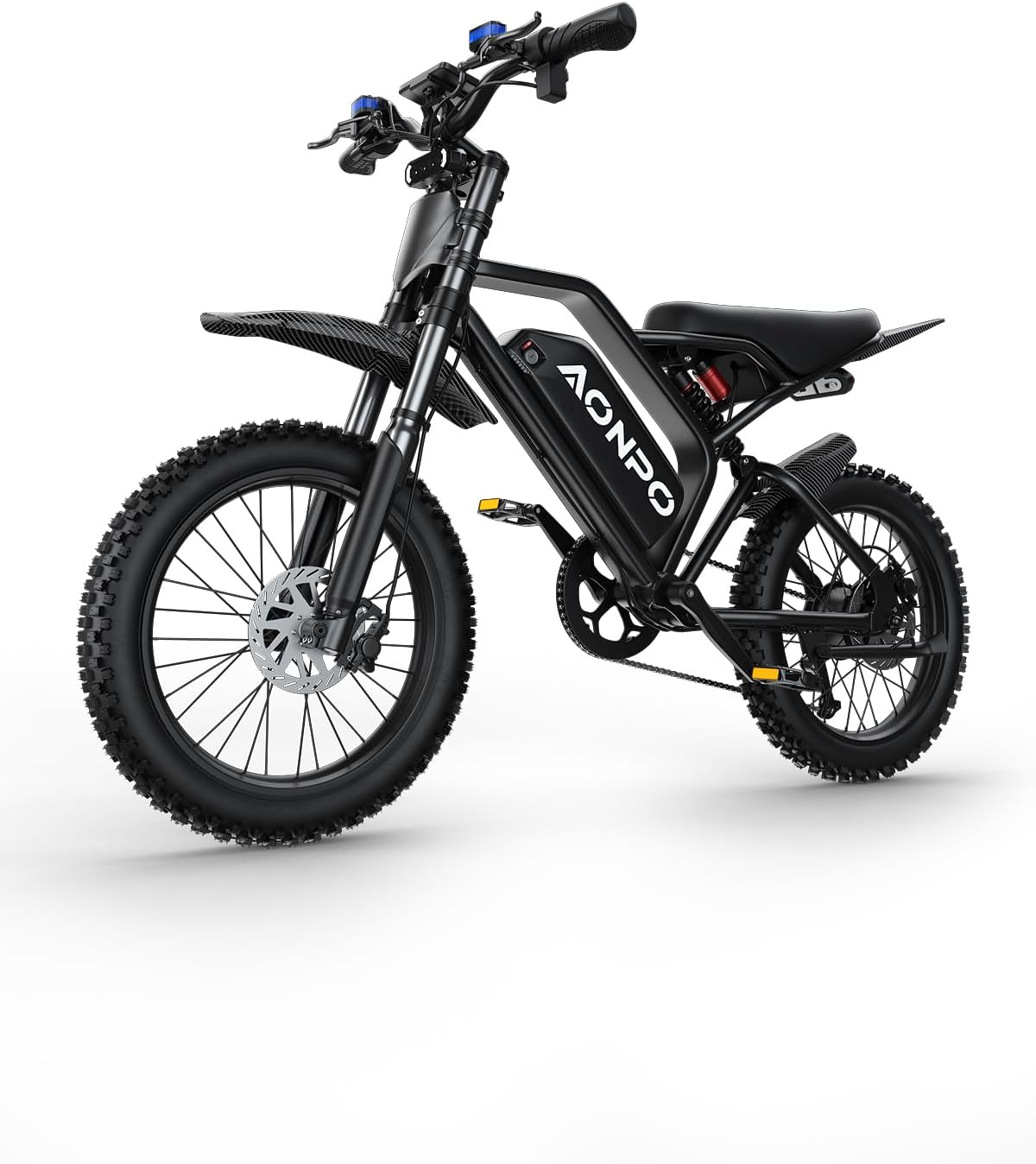
What to Look for When Buying an Electric Dirt Bike
1. Budget & Price Range
Your budget is the single most important factor when shopping for an electric dirt bike. Prices can range from under $1,000 for entry-level models to over $15,000 for premium, race-ready machines. Before you even start browsing, determine how much you’re willing to spend—and stick to it. Keep in mind that the cheapest option isn’t always the best long-term investment. A $800 bike might save you money upfront, but if it breaks down after a few rides or lacks the power you need, you could end up spending more on repairs or replacements down the line.
Consider not just the purchase price, but also ongoing costs like battery replacements, maintenance, and potential upgrades. High-end bikes often use proprietary batteries that can cost $1,000 or more to replace, while mid-range models may use standardized lithium-ion packs that are easier and cheaper to source. Also, factor in accessories like helmets, gloves, and protective gear—these are non-negotiable for safety and should be included in your total budget.
2. Performance Specifications
Performance is where electric dirt bikes truly shine—and where they can vary wildly. Key specs to evaluate include motor power (measured in watts or kilowatts), top speed, torque, range per charge, and hill-climbing ability. For example, a 3,000W motor might be sufficient for light trail riding, but serious off-roaders will want at least 7,000W to 10,000W for aggressive terrain and steep inclines.
Top speed is another critical metric. Entry-level bikes typically cap out around 20–25 mph, which is fine for beginners or casual use. Mid-range models often reach 35–45 mph, while high-performance bikes can exceed 60 mph. However, speed isn’t everything—torque matters just as much, especially for low-end acceleration and climbing. Electric motors deliver instant torque, so even modestly powered bikes can feel surprisingly quick off the line.
Range is equally important. Most electric dirt bikes offer between 20 and 60 miles per charge, depending on terrain, rider weight, and riding style. If you plan on long trail rides or multi-day adventures, look for models with swappable batteries or extended-range options. Always check real-world user reports, as manufacturer claims are often optimistic.
3. Build Quality & Durability
Off-road riding is inherently tough on equipment. Your bike will face mud, rocks, jumps, and constant vibration—so build quality is non-negotiable. Look for frames made from high-strength aluminum or chromoly steel, which offer excellent strength-to-weight ratios. Avoid plastic-heavy constructions or flimsy welds, as these are prone to cracking under stress.
Suspension systems are another durability checkpoint. Quality front forks and rear shocks absorb impacts and keep your ride smooth. Entry-level bikes may have basic spring suspensions, while premium models feature adjustable air or coil shocks with travel lengths of 8 inches or more. Tires also matter: knobby, puncture-resistant tires with reinforced sidewalls handle rough terrain better than smooth or thin treads.
Water and dust resistance (IP rating) is often overlooked but crucial. A bike with an IP67 rating can withstand heavy rain and mud immersion, while lower ratings may fail in wet conditions. Check seals around the motor, battery compartment, and connectors—these are common failure points.
4. Features & Functionality
Modern electric dirt bikes come packed with features that enhance safety, convenience, and performance. Regenerative braking, for instance, recovers energy during deceleration and feeds it back into the battery, extending range. Multiple riding modes (Eco, Sport, Race) let you tailor power output to your needs—great for conserving battery on long rides or unleashing full power when needed.
Display screens vary widely. Basic LCDs show speed and battery level, while advanced color displays offer GPS navigation, ride analytics, Bluetooth connectivity, and even smartphone integration. Some bikes include app support for firmware updates, ride tracking, and remote diagnostics.
Other useful features include LED lighting for night riding, quick-release wheels for easy transport, and tool-less adjustments for suspension and brakes. Consider whether you need a kickstand, luggage racks, or mounting points for accessories. Also, check if the bike has a reverse mode—some models do, which is handy for maneuvering in tight spaces.
5. Brand Reputation & Reliability
Not all brands are created equal. Established names like Sur Ron, Cake, and Segway have proven track records for reliability and customer support. They invest heavily in R&D, use high-quality components, and often have global service networks. In contrast, lesser-known or generic brands may cut corners on materials, software, or safety testing.
Research brand history: How long have they been in business? Do they specialize in electric vehicles or are they just jumping on the trend? Read independent reviews and forum discussions to gauge real-world reliability. A brand with a strong community of users is often a good sign—it means parts, mods, and troubleshooting help are readily available.
Also consider regional availability. Some brands only sell direct-to-consumer online, while others have retail partnerships or dealerships. If you need service or warranty work, having local support can save you time and hassle.
6. Warranty & Support
A solid warranty is a strong indicator of a manufacturer’s confidence in their product. Most reputable brands offer at least a 12-month warranty covering the frame, motor, and electronics. Premium models may include 24-month coverage or extended battery warranties (often 6–12 months separately).
Read the fine print: Does the warranty cover wear items like tires and brake pads? Is it voided by off-road use or modifications? Some brands explicitly exclude “racing” or “extreme terrain,” so clarify what’s included. Also, check if the warranty is transferable—this adds resale value.
Customer support matters too. Can you reach a real person quickly? Do they offer live chat, phone support, or only email? Are replacement parts readily available? Brands with poor support can leave you stranded with a broken bike and no solution. Look for companies that provide detailed service manuals, video tutorials, and active community forums.
7. Size, Weight & Portability
Electric dirt bikes vary significantly in size and weight. Entry-level models may weigh under 80 lbs, making them easy to load into a car or carry up stairs. High-performance bikes can exceed 150 lbs, which is manageable for one person but challenging without help. Consider your storage space, transportation method, and physical ability.
Wheel size affects handling and terrain capability. Most adult dirt bikes use 20-inch or 24-inch wheels. Smaller wheels are more agile and lighter, ideal for tight trails and beginners. Larger wheels roll over obstacles more easily and offer better stability at speed—preferred by advanced riders.
If you plan to transport your bike frequently, look for foldable handlebars, removable batteries, or lightweight designs. Some models even include integrated carrying handles or trailer hitches. Also, check local regulations: some areas restrict where you can ride based on bike size or power output.
8. User Reviews & Real-World Feedback
Spec sheets tell part of the story—but real riders tell the rest. Always read user reviews from verified purchasers on retailer sites, YouTube, and forums like Reddit’s r/electricbikes or Endless Sphere. Look for patterns: Do multiple users report the same issue with battery life or brake performance? Are there consistent complaints about customer service?
Pay attention to long-term reviews (6+ months of use). Early impressions can be positive, but durability issues often surface later. Videos are especially valuable—they show how the bike handles on actual terrain, how loud it is, and how easy it is to maintain.
Don’t rely solely on manufacturer testimonials or sponsored content. Seek out unbiased sources and compare across platforms. If a bike has overwhelmingly negative feedback about a specific component (like a faulty controller), it’s a red flag—even if the specs look great on paper.
Different Types of Electric Dirt Bikes

Common Buying Mistakes to Avoid
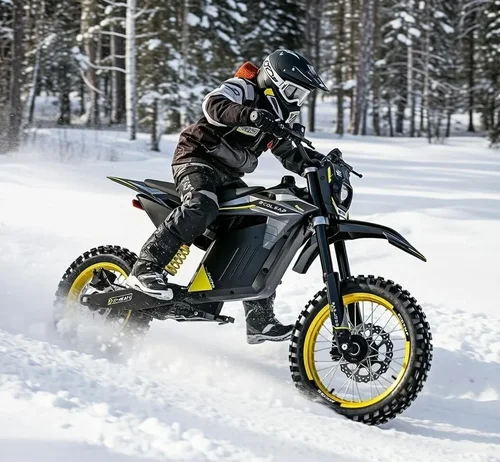
❌ Mistake: Prioritizing Price Over Performance
Why it’s bad: Choosing the cheapest bike without considering your riding needs can lead to frustration, safety risks, and premature replacement. A $900 bike might look tempting, but if it can’t handle the hills in your local park or dies after 15 minutes of use, it’s not a bargain—it’s a liability.
What to do instead: Match your bike to your intended use. If you’re serious about off-roading, invest in a mid-range or high-performance model. Think of it as buying tools for a job—you wouldn’t use a screwdriver to hammer a nail.
❌ Mistake: Ignoring Battery Technology
Why it’s bad: The battery is the heart of an electric dirt bike. Cheap lithium-ion cells degrade quickly, lose capacity, and can even pose fire risks. Many budget bikes use low-quality batteries that fail within a year.
What to do instead: Look for bikes with name-brand batteries (like Samsung, LG, or Panasonic cells) and BMS (Battery Management Systems) for safety and longevity. Check cycle life ratings—300–500 full charges is typical, but premium packs can exceed 1,000.
❌ Mistake: Overlooking Local Laws and Regulations
Why it’s bad: Electric dirt bikes are not legal everywhere. Some states or municipalities classify them as motor vehicles requiring registration, insurance, or licensing. Riding illegally can result in fines or confiscation.
What to do instead: Research your local laws before buying. Check power limits (often capped at 750W–2,000W for street legality), speed restrictions, and where you’re allowed to ride (public trails vs. private land).
❌ Mistake: Skipping Safety Gear
Why it’s bad: Even slow speeds on uneven terrain can cause serious injury. Many new riders underestimate the risks and ride without proper protection.
What to do instead: Always wear a DOT-approved helmet, gloves, knee and elbow pads, and sturdy boots. Consider a chest protector for aggressive riding. Safety gear is not optional—it’s essential.
❌ Mistake: Buying Without Test Riding
Why it’s bad: Specs don’t tell you how a bike feels. Weight distribution, seat comfort, throttle response, and brake feel are best judged in person.
What to do instead: If possible, attend demo days, visit local dealers, or rent before you buy. Many brands offer trial periods or return policies—use them.
❌ Mistake: Ignoring Maintenance Requirements
Why it’s bad: Electric bikes still need maintenance—chain lubrication, tire pressure checks, brake adjustments, and software updates. Neglecting these can shorten the bike’s lifespan.
What to do instead: Learn basic maintenance or find a local shop that services e-bikes. Keep a toolkit handy and follow the manufacturer’s service schedule.
❌ Mistake: Falling for “Too Good to Be True” Deals
Why it’s bad: Scammers and low-quality manufacturers often lure buyers with unrealistically low prices or exaggerated specs (e.g., “100-mile range!” on a $1,200 bike).
What to do instead: Be skeptical of deals that seem unrealistic. Cross-check specs with independent reviews and avoid unknown brands with no verifiable history.
Budget Guidelines: How Much Should You Spend?
Entry-Level ($800 – $2,000): This tier is ideal for beginners, teens, or casual riders. Expect modest power (1,000W–3,000W), limited range (15–25 miles), and basic components. Brands like Gotrax, Razor, and Segway offer reliable options here. These bikes are great for learning the basics, light trail riding, or neighborhood exploration. Don’t expect race-level performance, but they’re a solid starting point.
Mid-Range ($2,000 – $6,000): This is the sweet spot for most adult riders. Bikes in this range, such as the Sur Ron Light Bee or Talaria Sting, deliver 5,000W–8,000W motors, 30–50 mile ranges, and durable builds. They handle moderate to challenging terrain with confidence and often include features like regenerative braking, multiple ride modes, and quality suspension. Perfect for weekend warriors and intermediate off-roaders.
Premium ($6,000 – $12,000): For serious enthusiasts and advanced riders, premium bikes offer race-ready performance. Expect 10,000W+ motors, top speeds over 60 mph, long-range batteries (50+ miles), and top-tier components from brands like Cake, Stealth, and Zero. These bikes are built for aggressive riding, long adventures, and competitive use. They also come with better warranties and customer support.
Luxury ($12,000+): At this level, you’re paying for cutting-edge technology, bespoke design, and exceptional craftsmanship. Models like the Cake Kalk OR or Stealth B-52 feature carbon fiber parts, advanced telemetry, swappable batteries, and global service networks. These are for collectors, tech lovers, and those who want the absolute best—no compromises.
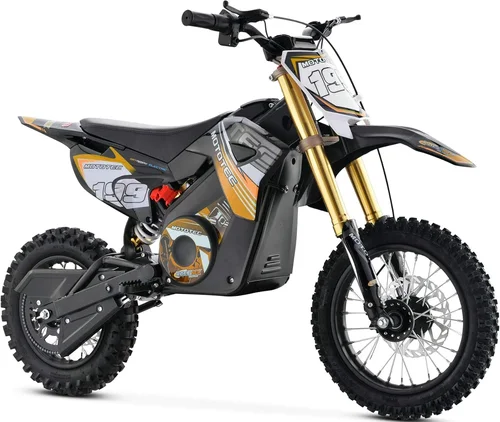
Expert Tips for Getting the Best Deal
- Buy during off-season: Prices often drop in late fall and winter when demand is low. Look for holiday sales (Black Friday, Cyber Monday) or end-of-year clearance events.
- Shop direct from manufacturers: Brands like Sur Ron and Cake often offer exclusive discounts, free shipping, or bundled accessories when you buy directly—bypassing retailer markups.
- Check refurbished or demo units: Many brands sell lightly used or returned bikes at 15–30% off. These are often indistinguishable from new and come with full warranties.
- Negotiate add-ons: If buying from a dealer, ask for free gear (helmet, gloves) or extended warranty coverage. Sellers may be willing to sweeten the deal to close a sale.
- Use price tracking tools: Set alerts on sites like Honey, CamelCamelCamel (for Amazon), or Google Shopping to monitor price drops.
- Consider financing: Some brands offer 0% APR financing for 6–12 months. This lets you spread payments without interest—great for high-end models.
- Read return policies carefully: Ensure you can return the bike within 14–30 days if it doesn’t meet expectations. Some retailers charge restocking fees or exclude electric bikes.
- Join owner communities: Forums and Facebook groups often share exclusive discount codes, group buys, or insider tips on upcoming sales.

Frequently Asked Questions
Q: Are electric dirt bikes street legal?
A: It depends on your location and the bike’s specifications. In many U.S. states, electric bikes under 750W and 20 mph are classified as e-bikes and allowed on roads and bike lanes. However, most electric dirt bikes exceed these limits and are intended for off-road use only. Always check local laws—some areas require registration, helmets, or prohibit riding on public land.
Q: How long do electric dirt bike batteries last?
A: A quality lithium-ion battery should last 300–500 full charge cycles before capacity drops to 80%. With proper care (avoiding extreme temperatures, not draining to 0%), this translates to 2–4 years of regular use. Premium batteries with advanced BMS can last even longer.
Q: Can I ride an electric dirt bike in the rain?
A: Yes, but only if it has a high IP rating (IP65 or higher). Avoid submerging the bike or riding through deep puddles. Always dry and inspect it after wet rides to prevent corrosion.
Q: How fast do electric dirt bikes go?
A: Speeds vary widely. Entry-level models reach 20–25 mph, mid-range bikes 35–45 mph, and high-performance models can exceed 60 mph. Some race bikes hit 70+ mph, but these require advanced skill and safety precautions.
Q: Do I need a license to ride an electric dirt bike?
A: For off-road use on private land, usually not. But if you ride on public roads or trails, licensing, registration, or insurance may be required. Check your state’s DMV or transportation department for specifics.
Q: How do I maintain my electric dirt bike?
A: Regular maintenance includes cleaning after rides, lubricating the chain, checking tire pressure, inspecting brakes, and updating firmware. Store the battery at 50% charge if not used for weeks. Follow the manufacturer’s manual for detailed schedules.
Q: Can I upgrade my electric dirt bike?
A: Yes, many components are upgradeable—batteries, controllers, suspension, tires, and even motors. However, modifications may void your warranty or affect safety. Always consult experts before making changes.
Q: Are electric dirt bikes quiet?
A: Much quieter than gas bikes, but not silent. You’ll hear motor whine, tire noise, and suspension sounds. Most produce 60–75 dB—comparable to a conversation or vacuum cleaner.
Q: What’s the best electric dirt bike for beginners?
A: Look for models with lower power (under 3,000W), lightweight frames, and beginner-friendly features like speed limiters and smooth throttle response. The Gotrax DT100 or Segway X260 are excellent starting points.
Q: How far can I ride on a single charge?
A: Range depends on terrain, rider weight, speed, and battery capacity. Expect 15–25 miles for entry-level, 30–50 for mid-range, and 50+ for premium bikes. Use Eco mode and avoid constant acceleration to maximize range.
Our Final Recommendations
Best for Budget-Conscious Buyers: Gotrax DT100 – At under $1,200, this bike offers surprising value with a 350W motor, 20-mile range, and durable frame. Ideal for beginners and light trail use.
Best Overall Value: Sur Ron Light Bee X – Priced around $4,500, it delivers 6,000W power, 40+ mile range, and race-inspired build quality. A favorite among intermediate and advanced riders.
Best Premium Option: Cake Kalk OR – At $13,000, it’s a masterpiece of Swedish engineering with 11,000W power, swappable batteries, and minimalist design. Perfect for tech-savvy enthusiasts.
Best for Beginners: Segway X260 – With a 2,000W motor, intuitive controls, and excellent build quality, it’s a safe, reliable entry point for new riders.
Best for Advanced Users: Talaria Sting R – This $7,500 beast boasts 10,000W, 60+ mph top speed, and professional-grade suspension. Built for serious off-road performance.
Conclusion: Making the Right Choice
Choosing the right electric dirt bike isn’t just about picking the fastest or most expensive model—it’s about finding the perfect match for your skill level, terrain, and riding goals. Whether you’re dipping your toes into off-roading or upgrading to a high-performance machine, the key is to prioritize your needs over flashy specs or marketing claims.
Remember to consider budget, performance, build quality, and real-world feedback. Avoid common pitfalls like ignoring safety, skipping test rides, or underestimating maintenance. And always, always wear protective gear.
The electric dirt bike revolution is here—and it’s only getting better. With advances in battery tech, motor efficiency, and smart features, 2026 is an exciting time to join the movement. So take your time, do your research, and when you’re ready, hit the trails with confidence. Your perfect ride is out there—this guide just helped you find it.