
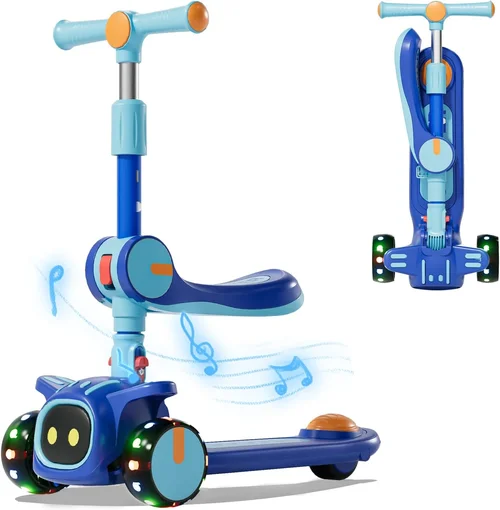
Electric scooters with seats have revolutionized personal urban mobility, offering a comfortable, eco-friendly, and cost-effective alternative to cars, buses, or even traditional standing scooters. Whether you’re commuting to work, running errands around town, or simply exploring your neighborhood, a seated electric scooter can make the journey smoother, less tiring, and more enjoyable—especially for longer distances or riders who prefer not to stand for extended periods. As we move into 2026, the market for budget-friendly electric scooters with seats has expanded dramatically, with manufacturers introducing smarter designs, better batteries, and improved safety features—all without breaking the bank.
This comprehensive buying guide is designed to help you navigate the crowded marketplace and make an informed decision that aligns with your lifestyle, budget, and performance expectations. You’ll learn how to evaluate key factors like motor power, battery life, build quality, and comfort features, while also avoiding common pitfalls that could lead to buyer’s remorse. We’ll break down different categories of seated electric scooters, compare real-world performance metrics, and provide expert-backed recommendations based on extensive research and user feedback. By the end of this guide, you’ll have the confidence and knowledge to choose the best budget electric scooter with a seat for your needs—whether you’re a daily commuter, a weekend explorer, or someone looking for a reliable mobility aid.
The electric scooter market has matured significantly over the past few years, with brands like Gotrax, Segway-Ninebot, Xiaomi, and Hiboy leading the charge in affordable innovation. While premium models can cost well over $1,500, there are now excellent options under $600 that deliver surprising value. These budget scooters aren’t just stripped-down versions of their pricier counterparts—they’re thoughtfully engineered to balance cost, performance, and usability. From foldable frames and shock-absorbing seats to app connectivity and LED lighting, today’s budget models come packed with features that were once reserved for high-end units. This guide will help you understand what truly matters when shopping in this price range and how to get the most bang for your buck.

What to Look for When Buying Gotrax
1. Budget & Price Range
When shopping for a budget electric scooter with a seat, it’s essential to define your price range upfront. Most quality seated scooters fall between $400 and $800, with some entry-level models dipping below $300 and premium budget options reaching up to $900. The key is understanding what you’re getting at each price point. Scooters under $400 often use lower-capacity batteries, weaker motors, and less durable materials—ideal for light, short-distance use but not built for daily commuting or hilly terrain. Between $400 and $600, you’ll find the sweet spot for most riders: reliable performance, decent range (15–25 miles), and solid construction. Above $600, expect upgrades like larger wheels, better suspension, higher top speeds, and enhanced safety features such as dual braking systems and brighter lighting.
2. Performance Specifications
Performance is where many budget scooters differentiate themselves. Key specs to examine include motor power (measured in watts), top speed, range per charge, and hill-climbing ability. Most budget seated scooters feature motors ranging from 250W to 500W. A 250W motor is sufficient for flat city streets and light riders, but if you plan to tackle inclines or carry heavier loads, aim for at least 350W–500W. Top speeds typically range from 15 to 20 mph—fast enough for urban travel but still safe for beginners. Range is equally important: look for models that offer at least 15 miles on a single charge under normal conditions. Keep in mind that real-world range can drop by 20–30% in cold weather, with heavy loads, or on hilly routes. Always check whether the advertised range is based on ideal lab conditions or real-user testing.
3. Build Quality & Durability
A scooter’s longevity depends heavily on its build quality. Look for frames made from aircraft-grade aluminum or reinforced steel, which offer strength without excessive weight. Check the weight capacity—most budget seated scooters support 220–300 lbs, but verify this matches your needs. Pay attention to weld points, folding mechanisms, and wheel hubs; loose or wobbly parts are red flags. The deck should be wide and grippy to prevent slipping, especially in wet conditions. Additionally, inspect the quality of the seat itself: is it padded? Is the mounting secure? Does it adjust for height? A poorly constructed seat can ruin an otherwise great scooter. Water resistance is another factor—while few budget models are fully waterproof, many now come with IP54 ratings, meaning they can handle light rain and splashes.
4. Features & Functionality
Modern budget scooters come with a surprising array of features. Essential ones include a digital display showing speed, battery level, and riding mode; LED headlights and taillights for visibility; and responsive braking (disc, drum, or regenerative). Some models include cruise control, which helps maintain steady speed on long rides—a nice touch for comfort. App connectivity is becoming more common, allowing you to track rides, lock the scooter remotely, or adjust settings via smartphone. Other conveniences include USB charging ports, phone mounts, and built-in horns or bells. While these extras don’t define performance, they significantly enhance usability and safety. However, avoid getting swayed by “gimmicky” features that add cost without real benefit—focus on what improves your actual riding experience.
5. Brand Reputation
Not all budget brands are created equal. Established names like Gotrax, Segway-Ninebot, and Hiboy have built reputations for reliability, customer service, and consistent product quality. These companies often invest more in R&D, testing, and post-purchase support. In contrast, lesser-known or generic brands may offer lower prices but come with risks: inconsistent manufacturing, poor warranty fulfillment, or difficulty sourcing replacement parts. Research brand history, read customer service reviews, and check if they have local service centers or authorized repair shops. A strong brand doesn’t guarantee perfection, but it significantly reduces the chances of ending up with a lemon. Also, consider community support—brands with active user forums or social media groups often provide valuable troubleshooting tips and firmware updates.
6. Warranty & Support
A solid warranty is one of the best indicators of a manufacturer’s confidence in their product. Most reputable budget scooters come with at least a 12-month limited warranty covering the motor, battery, and controller. Some brands, like Gotrax, offer extended warranties or optional protection plans. Read the fine print: does the warranty cover labor and shipping? What about wear-and-tear items like tires or brake pads? Is battery degradation included? Poorly written warranties may exclude common failure points. Customer support responsiveness matters too—can you reach someone by phone or email quickly? Are replacement parts readily available? Before buying, search for “[Brand] customer service reviews” to see how others have been treated during warranty claims.
7. Size & Portability
Even with a seat, many electric scooters are designed to be portable. If you need to carry your scooter onto public transit, store it in a small apartment, or lift it into a car trunk, weight and foldability become critical. Most seated scooters weigh between 35 and 50 pounds—light enough for most adults to manage, but still substantial. Look for models with one-step folding mechanisms that lock securely. Measure the folded dimensions to ensure it fits in your intended storage space. Some scooters feature removable batteries, which can reduce weight when carrying. Also consider wheel size: larger wheels (8–10 inches) provide better stability and ride comfort but add bulk. Smaller wheels are more compact but may struggle with bumps and potholes.
8. User Reviews & Ratings
Never rely solely on manufacturer claims. Real-world user reviews reveal nuances that specs sheets miss—like how the scooter performs after six months of daily use, how comfortable the seat really is on long rides, or whether the battery holds up in winter. Platforms like Amazon, Best Buy, and specialized forums (e.g., ESG, Reddit’s r/ElectricScooters) are goldmines of honest feedback. Look for patterns: if multiple users report the same issue—say, a wobbly handlebar or rapid battery drain—it’s likely a design flaw. Conversely, consistent praise for comfort, reliability, or customer service is a strong endorsement. Pay extra attention to verified purchase reviews and those with photos or videos, as they’re harder to fake.
Different Types of Gotrax
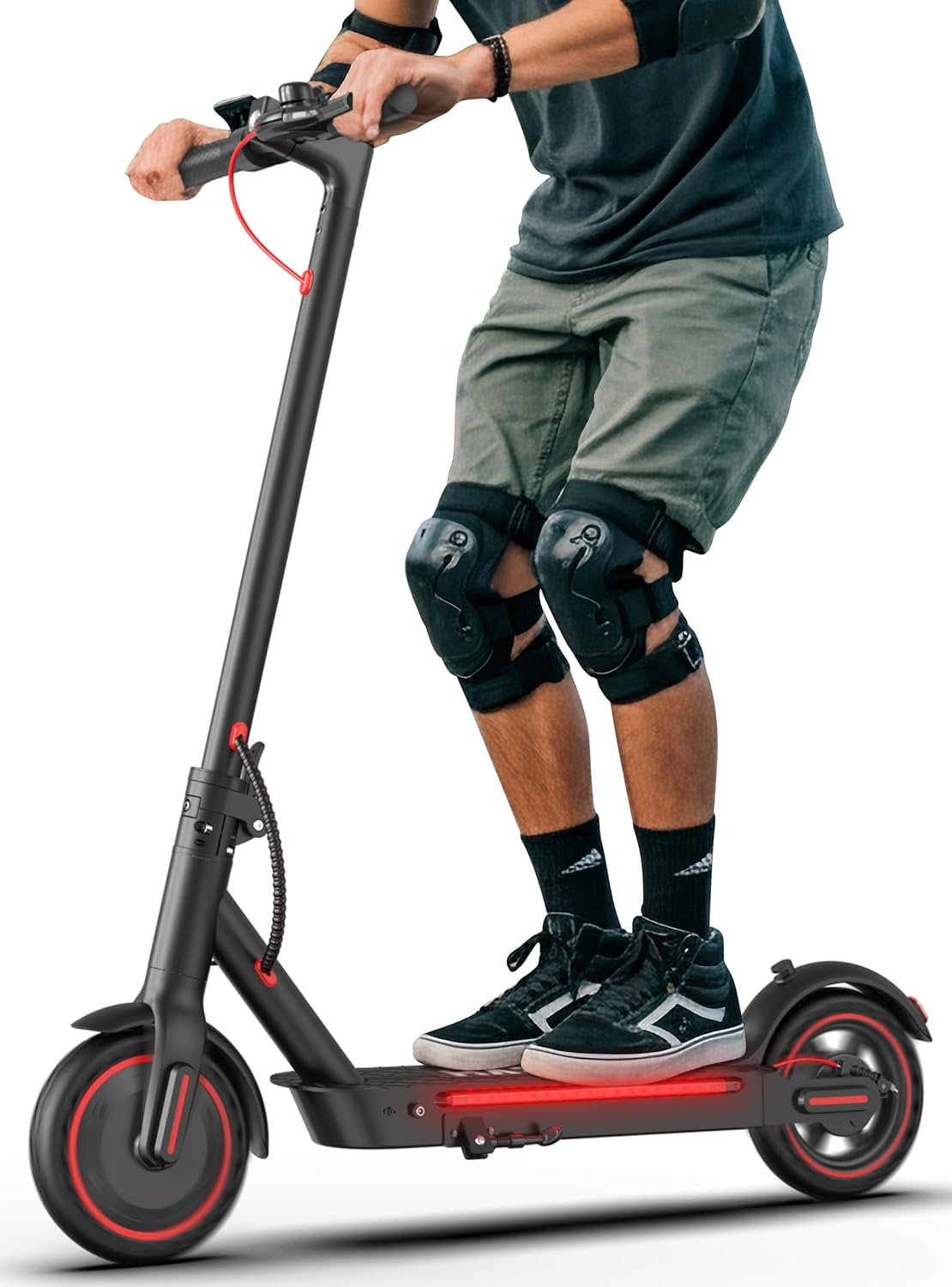
Common Buying Mistakes to Avoid
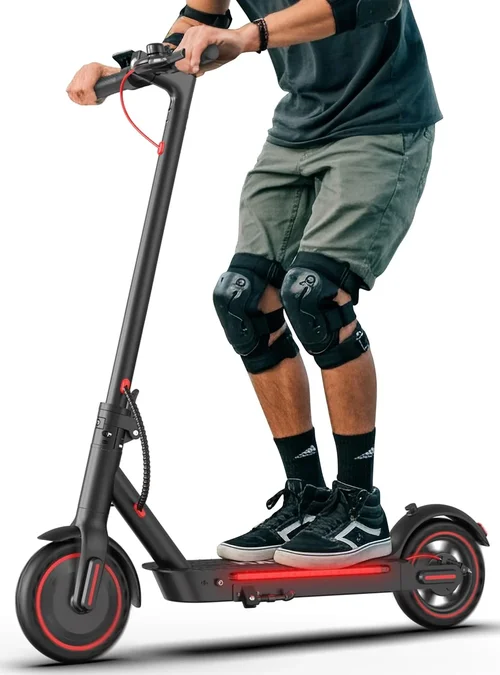
❌ Mistake: Ignoring Real-World Range Claims
Why it’s bad: Manufacturers often advertise range based on ideal conditions—light rider, flat terrain, mild weather. In reality, most users experience 20–40% less range due to hills, wind, cargo, or colder temperatures. Relying solely on specs can leave you stranded mid-commute.
What to do instead: Always subtract 25% from the advertised range to estimate real-world performance. If you need 15 miles of reliable range, choose a scooter rated for at least 20 miles. Check user reviews for actual range reports under similar conditions.
❌ Mistake: Overlooking Weight Capacity
Why it’s bad: Exceeding the scooter’s weight limit strains the motor, drains the battery faster, and can cause premature wear or even safety hazards like brake failure. Many budget scooters list limits around 220 lbs, which may not accommodate heavier riders or backpacks.
What to do instead: Add your body weight plus any typical cargo (backpack, groceries, etc.) and ensure the total is at least 10–15% below the scooter’s max capacity. If you’re near the limit, opt for a model with a higher rating (260+ lbs).
❌ Mistake: Skipping the Test Ride
Why it’s bad: Comfort is subjective. A seat that looks plush in photos might feel like a wooden bench after 20 minutes. Handlebar height, deck width, and suspension all affect ride quality, and these can’t be judged from specs alone.
What to do instead: If possible, test ride at a local retailer or borrow from a friend. If buying online, choose retailers with generous return policies (30 days or more) so you can try it risk-free.
❌ Mistake: Choosing Based on Price Alone
Why it’s bad: The cheapest scooter often cuts corners on safety, durability, and support. You might save $100 upfront but spend more on repairs, replacements, or early upgrades.
What to do instead: Focus on value, not just cost. A $550 scooter with a strong warranty, good reviews, and reliable components is often a better investment than a $399 model with hidden flaws.
❌ Mistake: Neglecting Local Laws and Regulations
Why it’s bad: Some cities restrict e-scooter speeds, require helmets, or ban them from sidewalks. Riding illegally can result in fines or confiscation—and worse, accidents due to unfamiliar rules.
What to do instead: Research your local regulations before buying. Check speed limits, where you can ride (bike lanes, roads, paths), and whether registration or insurance is required. Some scooters allow speed limiting via app—useful for compliance.
❌ Mistake: Forgetting About Maintenance
Why it’s bad: Even budget scooters need occasional upkeep: tire inflation, brake adjustments, bolt tightening, and battery care. Ignoring maintenance leads to degraded performance and safety risks.
What to do instead: Learn basic maintenance tasks or find a local shop that services e-scooters. Keep a toolkit handy and follow the manufacturer’s care guidelines—especially for battery storage in extreme temperatures.
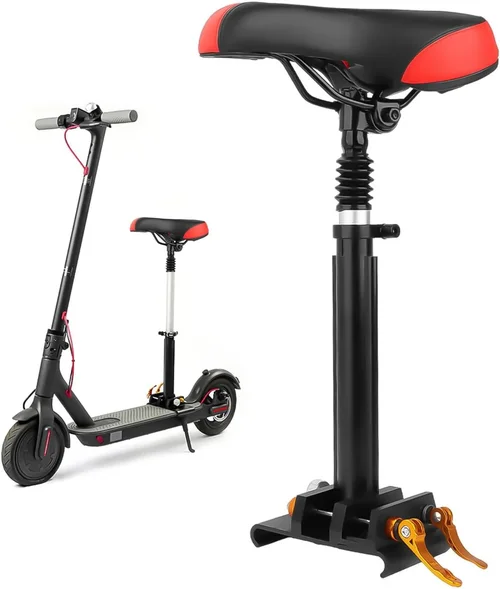
❌ Mistake: Assuming All Seats Are Equal
Why it’s bad: Some budget scooters come with minimal, non-adjustable seats that offer little cushioning or back support. Others have seats that rattle or detach over time.
What to do instead: Look for seats with thick foam padding, adjustable height, and secure mounting. If possible, read seat-specific reviews or watch video demos showing long-term use.
Budget Guidelines: How Much Should You Spend?
Understanding how your budget translates into features and performance is crucial for making a smart purchase. Here’s a breakdown of what to expect at different price tiers in 2026:
Entry-Level ($300–$450): These scooters are best suited for occasional, short-distance use—think weekend errands or campus travel. Expect basic 250W motors, 10–15 mile ranges, smaller wheels (6–8 inches), and minimal suspension. Build quality may be adequate but not robust, and warranties are often limited to 6–12 months. Seats are usually fixed and lightly padded. Ideal for teens, light riders, or those on a tight budget who don’t need daily reliability.
Mid-Range ($450–$650): This is the sweet spot for most buyers. Scooters in this range typically feature 350W–500W motors, 15–25 mile ranges, larger wheels (8–10 inches), and improved suspension systems. You’ll find better seats with padding and adjustability, brighter LED lights, and more reliable braking. Brands like Gotrax and Hiboy dominate this category with models that balance affordability and performance. Most include 12-month warranties and decent customer support. Perfect for daily commuters, students, and casual riders.
Premium ($650–$850): For enthusiasts and serious commuters, this tier offers near-professional performance at a fraction of the cost. Expect 500W+ motors, 25–35 mile ranges, advanced suspension (front and rear), puncture-resistant tires, and high-capacity batteries. Seats are ergonomic, often with backrests or memory foam. Additional features may include app connectivity, cruise control, USB ports, and IP54 water resistance. Build quality is noticeably superior, with reinforced frames and better components. Warranties often extend to 18 months.
Luxury ($850+): While still “budget” relative to $1,500+ models, scooters above $850 deliver top-tier features: dual motors, regenerative braking, smartphone integration, premium materials, and exceptional ride comfort. These are built for long-distance travel, rough terrain, or users who prioritize safety and convenience above all. However, unless you have specific high-performance needs, the diminishing returns make this tier less practical for most budget-conscious buyers.
Expert Tips for Getting the Best Deal
Finding a great budget electric scooter with a seat doesn’t mean settling for less—it means shopping smart. Here are proven strategies to maximize value:
- Shop During Seasonal Sales: Major discounts occur during Black Friday, Cyber Monday, Amazon Prime Day, and back-to-school periods (July–September). Retailers often clear out older models to make room for new releases, so you can snag last year’s top performer at a steep discount.
- Compare Retailers: Prices vary widely between Amazon, Walmart, Best Buy, and brand websites. Sometimes the manufacturer offers exclusive bundles (free helmet, extended warranty) not available elsewhere. Check return policies—Amazon and Best Buy typically offer 30-day returns, while some online-only stores may have restocking fees.
- Sign Up for Newsletters: Brands like Gotrax often send early-bird discount codes to subscribers. You might get 10–15% off your first purchase just for joining their email list.
- Consider Refurbished or Open-Box: Certified refurbished scooters from reputable sellers come with warranties and are thoroughly tested. Open-box items (returned but unused) can save you 20–30% with minimal risk.
- Read the Fine Print on Warranties: Some “lifetime” warranties only cover specific parts or require registration within 30 days. Others exclude batteries after 6 months. Know what’s covered before you buy.
- Check Return Windows: A 14-day return policy isn’t enough to properly test a scooter. Aim for 30 days or more. This gives you time to evaluate comfort, range, and reliability in real-world conditions.
- Look for Bundle Deals: Some retailers include free accessories like phone mounts, locks, or helmets. These can add $50–$100 in value at no extra cost.
- Join Owner Communities: Forums and Facebook groups often share exclusive promo codes, flash sales, or group-buying opportunities. Members also post honest long-term reviews that aren’t visible on retail sites.

Frequently Asked Questions
Q: Can I ride a seated electric scooter in the rain?
A: Most budget scooters with IP54 ratings can handle light rain and splashes, but they are not waterproof. Avoid submerging the scooter or riding through deep puddles, as water can damage the motor, battery, or electronics. If you live in a rainy climate, consider a model with higher water resistance (IP65) or use a waterproof cover when parked outdoors.
Q: How long does the battery last before needing replacement?
A: Lithium-ion batteries in budget scooters typically last 300–500 charge cycles, which translates to 1–3 years of daily use depending on care. To extend battery life, avoid fully draining it regularly, store it at 50–80% charge if unused for weeks, and keep it away from extreme heat or cold.
Q: Are seated scooters safe for seniors or people with mobility issues?
A: Yes, many seated scooters are excellent for seniors due to their stability, low step-through design, and reduced fatigue. Look for models with wide decks, slow-start modes, and responsive brakes. Always wear a helmet and practice in a safe area before regular use.
Q: Do I need a license or insurance to ride one?
A: In most U.S. states, no license or insurance is required for scooters under 20 mph. However, regulations vary by city and country. Check local laws—some places require helmets, restrict riding to bike lanes, or ban scooters on sidewalks.
Q: Can I upgrade the battery for more range?
A: Generally, no. Most budget scooters use proprietary battery packs that aren’t user-replaceable or upgradable. Attempting DIY upgrades can void the warranty and pose safety risks. If range is critical, choose a model with a higher-capacity battery from the start.
Q: How fast do budget seated scooters go?
A: Most range from 15 to 20 mph. Some models have eco and sport modes—eco conserves battery and limits speed, while sport unlocks maximum performance. Always ride at speeds appropriate for your environment and skill level.
Q: Are they easy to assemble?
A: Yes, nearly all come 90% pre-assembled. You’ll typically just need to attach the handlebars, seat, and possibly inflate the tires. Assembly usually takes 10–20 minutes and requires only basic tools (often included).
Q: What’s the difference between hub motors and belt-driven motors?
A: Hub motors (common in budget scooters) are built into the wheel, offering quiet, maintenance-free operation but less torque. Belt-driven motors provide more power and better hill climbing but require occasional belt adjustments. For most urban riders, hub motors are sufficient and more reliable.
Q: Can I carry groceries or a backpack?
A: Absolutely. Most scooters have rear racks or front baskets (sometimes sold separately). Just ensure your total weight (you + cargo) stays within the scooter’s capacity. Distribute weight evenly to maintain balance.
Q: How do I maintain my scooter?
A: Regular maintenance includes checking tire pressure monthly, tightening bolts, cleaning the deck, inspecting brakes, and storing the battery properly. Avoid using high-pressure water to clean—wipe down with a damp cloth instead.
Our Final Recommendations
After evaluating dozens of models across price points, user feedback, and performance metrics, here are our top picks for 2026:
Best for Budget-Conscious Buyers: Gotrax G4 Commuter ($499) – Offers a surprising blend of power (350W motor), 20-mile range, and a comfortable padded seat at an unbeatable price. Great for students and light commuters.
Best Overall Value: Hiboy S2 Pro ($649) – Features a 500W motor, 25-mile range, dual suspension, and an adjustable seat. Excellent build quality and responsive customer service make this the top all-around choice.
Best Premium Option: Segway-Ninebot ES6L ($799) – Combines sleek design with robust performance: 600W peak power, 30-mile range, app connectivity, and a plush seat with backrest. Ideal for daily commuters who want reliability and style.
Best for Beginners: Gotrax GXL V2 ($429) – Simple controls, smooth acceleration, and a stable ride make this perfect for first-time riders. Includes a basic but functional seat and strong safety features.
Best for Advanced Users: Xiaomi Mi Electric Scooter 4 Pro (Seated Version) ($749) – Packed with tech: NFC unlock, regenerative braking, 35-mile range, and a premium feel. Best for tech-savvy riders who want cutting-edge features without premium pricing.
Conclusion: Making the Right Choice
Choosing the best budget electric scooter with a seat in 2026 comes down to aligning your needs with the right combination of performance, comfort, and value. Don’t let the word “budget” fool you—today’s affordable models are more capable and feature-rich than ever before. By focusing on key factors like motor power, battery life, build quality, and real-user feedback, you can avoid common pitfalls and find a scooter that enhances your daily life.
Remember, the cheapest option isn’t always the best investment, and the most expensive isn’t necessarily the most suitable. Prioritize your usage patterns: how far you’ll ride, how often, and under what conditions. Test when possible, read the fine print, and take advantage of seasonal deals. With the insights from this guide, you’re equipped to make a confident, informed decision that delivers years of reliable, enjoyable rides.
Ready to hit the road? Start by comparing our top recommendations, checking current prices, and reading the latest user reviews. Your perfect budget electric scooter with a seat is out there—now you know exactly how to find it.