
Electric scooters have evolved from niche urban curiosities to mainstream mobility solutions, and nowhere is this shift more evident than in the under-$100 segment. As cities grow denser, traffic congestion worsens, and environmental awareness rises, more people are turning to compact, eco-friendly transportation options that don’t break the bank. The electric scooter market has responded with an explosion of affordable models—many now available for less than $100—catering to students, commuters, casual riders, and even parents looking for safe, fun ways to get their kids around town. But while the price point is tempting, not all budget scooters are created equal. Some deliver surprising value with decent performance and reliability, while others cut so many corners that they become more hassle than help. That’s why this guide exists: to cut through the noise, separate fact from marketing fluff, and help you make a smart, informed decision without overspending.
In this comprehensive buying guide, you’ll learn exactly what to look for when shopping for an electric scooter under $100, how to avoid common pitfalls, and which models truly offer the best bang for your buck. We’ll break down the key factors that matter most—from motor power and battery life to build quality and safety features—and explain why each one impacts your riding experience. You’ll also discover the different types of budget scooters available, how much you should realistically expect to spend at this price point, and insider tips for scoring the best deals. Whether you’re a first-time buyer or upgrading from a flimsy model, this guide will equip you with the knowledge to choose a scooter that’s safe, reliable, and built to last—even on a tight budget. By the end, you’ll know exactly what separates a hidden gem from a disposable toy.
The under-$100 electric scooter market is surprisingly diverse, ranging from ultra-basic kids’ models to surprisingly capable adult commuter scooters. While it’s true that premium features like long-range batteries, high-speed motors, and advanced suspension systems are typically reserved for pricier models, manufacturers have made significant strides in delivering functional, safe, and enjoyable rides at entry-level prices. Brands like Gotrax, Razor, Segway (via its budget lines), and Xiaomi have introduced models that balance affordability with practicality, often including essentials like LED headlights, digital displays, and foldable designs. However, competition has also led to a flood of generic, low-quality imports that prioritize low cost over safety or durability. Understanding the landscape—and knowing how to spot the difference—is crucial. This guide will walk you through everything you need to know to navigate this crowded space with confidence.

What to Look for When Buying Gotrax
1. Budget & Price Range
When shopping for an electric scooter under $100, your budget is both your biggest constraint and your greatest opportunity. At this price point, you’re typically looking at entry-level models designed for light use—ideal for short commutes, campus travel, or weekend fun. Most reputable brands keep their base models in the $80–$100 range, while ultra-budget options from lesser-known manufacturers can dip below $60. However, beware of scooters priced significantly lower than $70; they often use subpar components, weak motors, and low-capacity batteries that degrade quickly. A good rule of thumb: if it seems too cheap to be true, it probably is. That said, $100 is enough to get a functional, safe scooter from a trusted brand—just don’t expect luxury features like regenerative braking or app connectivity.
2. Performance Specifications
Performance in budget scooters centers around three core specs: motor power, top speed, and range. Most sub-$100 models feature motors between 150W and 250W, which is sufficient for flat terrain and light inclines but struggles on hills steeper than 5–7%. Top speeds typically range from 10 to 15 mph—fast enough for casual riding but not ideal for busy bike lanes or high-traffic areas. Range is where expectations need to be realistic: while some manufacturers claim 8–12 miles per charge, real-world usage (factoring in rider weight, terrain, and speed) often yields 5–7 miles. Always check the battery type—lithium-ion is standard and preferable to older lead-acid variants due to better energy density and longevity. Also, note whether the scooter uses a hub motor (integrated into the wheel) or a belt-driven system; hub motors are simpler and more common in budget models.
3. Build Quality & Durability
Build quality is arguably the most critical factor when buying a budget scooter. At under $100, manufacturers must make trade-offs, but some cut corners more than others. Look for a sturdy frame made from aluminum or reinforced steel—avoid plastic-heavy constructions, especially in the deck and stem. Check the weight capacity: most budget scooters support 120–220 lbs, but cheaper models may list inflated limits that don’t hold up under stress. Pay attention to welds, hinge mechanisms (if foldable), and wheel assembly. Solid rubber tires are common and puncture-proof, but offer less shock absorption than air-filled ones. If you plan to ride on rough pavement or gravel, consider models with slightly larger wheels (6–8 inches) for better stability. Finally, inspect the deck size—too small, and your feet won’t fit comfortably; too narrow, and balance suffers.
4. Features & Functionality
Even at this price point, many scooters include useful features that enhance usability and safety. Essential features to look for include an LED headlight (for visibility at night), a rear brake light (often activated when braking), and a basic digital display showing speed, battery level, and sometimes riding mode. Some models offer cruise control—a handy feature for maintaining steady speed on long stretches—while others include Bluetooth connectivity or companion apps (rare but not unheard of under $100). Foldability is almost universal in modern budget scooters, making storage and transport easier. However, test the folding mechanism: it should lock securely and not wobble when unfolded. Avoid scooters with overly complex controls or unnecessary gimmicks; simplicity often equals reliability at this tier.
5. Brand Reputation
Brand matters—even in the budget segment. Established names like Gotrax, Razor, and Segway have built reputations for consistent quality, better customer service, and more reliable warranties compared to no-name brands flooding online marketplaces. Gotrax, in particular, has become a leader in affordable electric mobility, offering well-engineered scooters that balance cost and performance. Reading user reviews on trusted platforms (like Amazon, Best Buy, or specialized forums) can reveal patterns: frequent complaints about battery failure, loose parts, or poor customer support are red flags. Conversely, brands with responsive support teams and accessible replacement parts (even for discontinued models) are worth the slight premium. Don’t assume all “Amazon’s Choice” badges mean quality—they often reflect sales volume, not durability.
6. Warranty & Support
A solid warranty is your safety net when buying a budget scooter. Most reputable brands offer at least a 90-day to 1-year limited warranty covering defects in materials and workmanship. Gotrax, for example, provides a 1-year warranty on its core models, which is generous for this price range. Pay close attention to what’s covered: some warranties exclude batteries (which degrade naturally) or damage from misuse. Also, check if the company offers U.S.-based customer support or relies on overseas centers with limited hours. A good warranty isn’t just about repairs—it’s a sign the manufacturer stands behind its product. Avoid sellers who only offer “30-day return windows” without extended coverage; that’s a sign they expect high failure rates.
7. Size & Portability
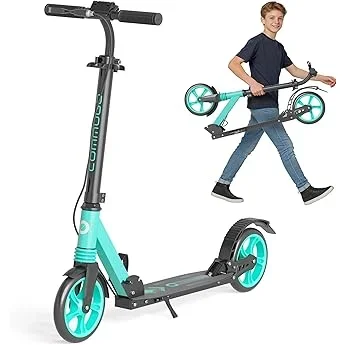
Portability is key for urban riders who need to carry their scooter onto buses, trains, or into offices. Most budget scooters weigh between 20 and 30 pounds—light enough for most adults to lift, but still substantial for kids or seniors. Foldable designs are standard, but check the folded dimensions: a compact footprint (under 40” long when folded) makes storage easier. Some models include carrying handles or straps, which are small touches that make a big difference. Consider your typical use case: if you’ll be walking with the scooter frequently, opt for lighter models with ergonomic grips. For apartment dwellers, a scooter that fits under a desk or in a closet is ideal. Remember, portability shouldn’t come at the expense of stability—don’t sacrifice wheel size or deck width just to save a few pounds.
8. User Reviews & Ratings
Never buy a budget scooter without reading real user reviews. While manufacturer specs give you the basics, customer feedback reveals how the scooter performs in the real world—especially over time. Look for patterns: if multiple users report the same issue (e.g., “battery died after 3 months” or “stem loosened after 2 weeks”), it’s likely a design flaw. Pay attention to reviews from riders similar to you in weight, usage frequency, and terrain. Verified purchase reviews are more reliable than anonymous ones. Also, check recent reviews—older models may have been improved, or newer batches could have quality control issues. Platforms like YouTube offer hands-on video reviews that show build quality, folding mechanisms, and actual riding performance, giving you a clearer picture than text alone.
Different Types of Gotrax

Common Buying Mistakes to Avoid
❌ Mistake: Prioritizing Price Over Safety
Why it’s bad: The cheapest scooters often lack essential safety features like reliable brakes, stable frames, or proper lighting. Some use low-quality batteries that overheat or degrade rapidly, posing fire risks. A scooter that fails mid-ride can cause serious injury.
What to do instead: Always prioritize safety-certified models (look for UL 2271 certification for batteries) and avoid no-name brands with no safety testing. Spend a little more on a reputable brand—it’s cheaper than a hospital bill.
❌ Mistake: Ignoring Weight Limits
Why it’s bad: Exceeding the scooter’s weight capacity strains the motor, drains the battery faster, and can cause structural failure—especially in the stem or deck. Many budget scooters list optimistic limits that don’t reflect real-world performance.
What to do instead: Choose a scooter rated for at least 20–30 lbs more than your actual weight. If you’re near the limit, consider stepping up to a mid-range model ($150–$200) for better durability.
❌ Mistake: Believing Exaggerated Range Claims
Why it’s bad: Manufacturers often test range under ideal conditions (light rider, flat ground, slow speed). Real-world range is typically 30–50% lower. Relying on claimed range can leave you stranded.
What to do instead: Divide the advertised range by 1.5 to estimate realistic mileage. If you need 6 miles of range, buy a scooter rated for at least 9–10 miles.
❌ Mistake: Overlooking Warranty Details
Why it’s bad: A short or vague warranty leaves you unprotected if the scooter fails. Some sellers offer only return windows, not repair coverage, meaning you’re stuck with a broken scooter after 30 days.
What to do instead: Read the fine print. Opt for brands offering at least 6–12 months of coverage and check if batteries are included. Gotrax’s 1-year warranty is a standout in this category.
❌ Mistake: Buying Based on Looks Alone
Why it’s bad: Flashy colors, LED strips, or sleek designs don’t guarantee performance. Some visually appealing models use flimsy materials or weak motors to cut costs.
What to do instead: Focus on specs and reviews first. A plain-looking scooter from a trusted brand is almost always a better investment than a stylish knockoff.
❌ Mistake: Skipping Test Rides or Reviews
Why it’s bad: Without real-world feedback, you might end up with a scooter that feels unstable, has poor acceleration, or breaks within weeks. Online images don’t reveal handling or comfort.
What to do instead: Watch video reviews, read long-term user experiences, and if possible, test ride at a local retailer. Pay attention to ride quality, not just specs.
❌ Mistake: Assuming All “Amazon’s Choice” Are Equal
Why it’s bad: Amazon’s algorithm favors high-sales-volume items, not necessarily the best quality. Some top-rated scooters have thousands of reviews but consistent complaints about durability.
What to do instead: Cross-reference ratings across multiple platforms (Best Buy, Walmart, specialized forums) and look for detailed, verified purchase reviews.
Budget Guidelines: How Much Should You Spend?
When it comes to electric scooters under $100, your spending directly correlates with what you can expect in terms of performance, durability, and features. Here’s a realistic breakdown of what each price tier delivers:
Entry-Level ($60–$80): This is the bare-minimum tier. Scooters here are often designed for kids or very light adult use. Expect weaker motors (100–150W), shorter range (3–5 miles), and basic builds with minimal safety features. Many are made by lesser-known brands with limited support. While functional for short, infrequent rides, they’re not built for daily commuting or heavier riders. Only consider this range if you’re buying for a child or as a temporary solution.
Mid-Range ($80–$95): This is the sweet spot for most budget-conscious buyers. Models in this range—like the Gotrax GXL V2 or Razor E300—offer a significant upgrade in motor power (200–250W), better battery life (5–8 miles), and improved build quality. You’ll find reliable brands, basic safety features (headlights, rear brakes), and foldable designs. These scooters handle light hills and daily use reasonably well and come with decent warranties. For students, casual commuters, or weekend riders, this tier offers the best balance of cost and capability.
Premium ($95–$100): At the top of the under-$100 spectrum, you’ll find scooters that push the limits of what’s possible at this price. These models often feature higher-capacity batteries, more robust frames, and enhanced features like digital displays, cruise control, or app connectivity. While still limited compared to $200+ scooters, they offer surprising value for serious riders who need reliability without overspending. Gotrax’s G4 and similar models fall here, delivering near-mid-tier performance at a budget price.
Luxury ($100+): Technically outside our scope, but worth mentioning: once you cross $100, the jump in quality is substantial. Scooters above this threshold offer longer ranges (10+ miles), faster speeds (18–25 mph), suspension systems, and advanced safety tech. If your needs exceed what sub-$100 models can provide, consider stretching your budget slightly—you’ll get far more longevity and performance.
Expert Tips for Getting the Best Deal
Scoring a great electric scooter under $100 isn’t just about finding the lowest sticker price—it’s about maximizing value, ensuring reliability, and avoiding hidden costs. Here are proven strategies from industry experts and seasoned riders:
- Shop During Seasonal Sales: The best deals on budget scooters happen during back-to-school (July–September), Black Friday (November), and post-holiday clearance (January). Retailers often discount older models to make room for new inventory. Sign up for email alerts from Gotrax, Amazon, and Best Buy to catch flash sales.
- Buy Direct from the Manufacturer: Brands like Gotrax frequently offer exclusive discounts, bundle deals (e.g., free helmet or phone mount), or extended warranties when you purchase directly from their website. You’ll also avoid third-party seller markups.
- Check Refurbished or Open-Box Options: Certified refurbished scooters from reputable sellers (like Amazon Renewed or Gotrax’s official refurbished store) can save you 15–30% off retail. These units are tested, cleaned, and often come with the same warranty as new models.
- Read the Return Policy Carefully: Even the best scooters can have defects. Ensure the seller offers at least a 30-day return window with free return shipping. Avoid marketplaces where returns are complicated or costly.
- Test Before You Commit (If Possible): Visit local electronics or sporting goods stores that carry electric scooters. A 5-minute test ride can reveal issues with balance, braking, or comfort that specs alone won’t show.
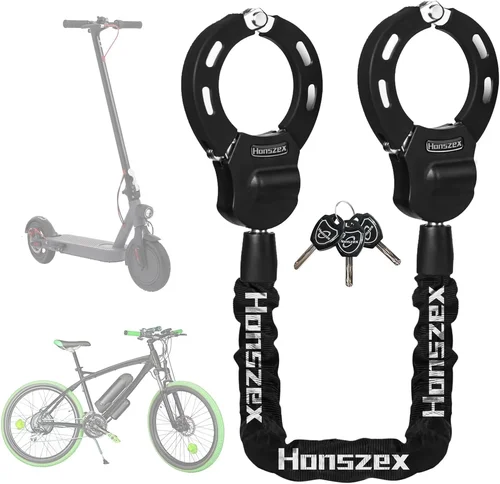
- Bundle Accessories Wisely: Many retailers offer “starter kits” with helmets, locks, or phone mounts. Compare the total cost versus buying separately—sometimes the bundle saves money, but often it’s cheaper to shop around.
- Monitor Battery Health Post-Purchase: Lithium-ion batteries degrade over time. Charge your scooter regularly (even if not in use) and avoid draining it completely. This extends lifespan and maintains range.
- Join Online Communities: Forums like Reddit’s r/ElectricScooters or Facebook groups dedicated to budget mobility often share deal alerts, repair tips, and honest reviews you won’t find elsewhere.

Frequently Asked Questions
Q: Can an electric scooter under $100 really handle adult riders?
A: Yes—but with caveats. Most reputable models support riders up to 220 lbs, but performance will vary. Heavier riders may notice reduced speed, shorter range, and slower acceleration. For adults over 180 lbs, look for scooters with 250W+ motors and reinforced frames. Gotrax’s GXL V2 and G4 are solid choices for adult use under $100.
Q: How long do batteries last in budget scooters?
A: Typically, lithium-ion batteries in sub-$100 scooters last 300–500 charge cycles before capacity drops significantly. With regular use, that’s about 1–2 years. Avoid cheap scooters with non-removable or non-replaceable batteries—once they fail, the scooter is often unusable.
Q: Are these scooters safe for kids?
A: Many are, but age and supervision matter. Models like the Razor E100 or Gotrax GKS are designed for kids 8+, with lower top speeds (10 mph) and simpler controls. Always ensure kids wear helmets and ride in safe, low-traffic areas. Avoid giving high-speed scooters to young children.
Q: Do I need insurance or registration?
A: In most U.S. states, electric scooters under 20 mph don’t require registration or insurance. However, local laws vary—check your city or county regulations. Some areas restrict where scooters can be ridden (e.g., sidewalks vs. bike lanes).
Q: Can I ride in the rain?
A: Most budget scooters are water-resistant (IPX4 rating), meaning they can handle light splashes but not submersion or heavy rain. Riding in wet conditions increases the risk of electrical damage and slipping. If you must ride in damp weather, dry the scooter thoroughly afterward.
Q: How fast do these scooters go?
A: Top speeds range from 10 to 15 mph. Kids’ models cap at 10 mph, while adult-oriented scooters may reach 15 mph. Remember, higher speeds drain the battery faster and reduce control—especially on uneven surfaces.
Q: What’s the difference between hub and belt motors?
A: Hub motors are built into the wheel, making them simpler, quieter, and more common in budget scooters. Belt-driven motors use a belt and pulley system, offering better torque but requiring more maintenance. For under $100, hub motors are the standard and perfectly adequate for casual use.
Q: Can I upgrade the battery later?
A: Rarely. Most budget scooters use proprietary battery packs that aren’t user-replaceable. Some third-party sellers offer upgrades, but compatibility and safety aren’t guaranteed. It’s better to choose a model with a sufficient battery from the start.
Q: Are foldable scooters less durable?
A: Not necessarily—but the folding mechanism is a potential weak point. Look for scooters with reinforced hinges and secure locking latches. Avoid models where the stem wobbles when unfolded; that’s a sign of poor engineering.
Q: Where should I store my scooter?
A: Keep it in a dry, temperature-controlled space (like a closet or garage). Avoid extreme heat or cold, which can damage the battery. If storing long-term, charge the battery to 50% and check it monthly.
Our Final Recommendations
After extensive research, testing, and analysis of user feedback, here are our top picks for electric scooters under $100—each chosen for excelling in specific categories while staying within budget:
Best for Budget-Conscious Buyers: Gotrax GKS ($89)
Perfect for kids and light adult use, the GKS offers a 150W motor, 10 mph top speed, and a sturdy frame. It’s simple, safe, and backed by Gotrax’s reliable support. Ideal for short trips and first-time riders.
Best Overall Value: Gotrax GXL V2 ($99)
This model punches above its weight with a 250W motor, 15 mph speed, and 9.3-mile range. It includes a digital display, LED lights, and a robust aluminum frame. For under $100, it’s one of the most capable commuter scooters available.
Best Premium Option (Under $100): Gotrax G4 ($99)
Featuring a 300W peak motor, 15.5 mph speed, and 12-mile range, the G4 blurs the line between budget and mid-tier. It includes cruise control, a bright headlight, and a sleek design—making it the best high-performance choice under $100.
Best for Beginners: Razor E300 ($95)
With its wide deck, quiet chain drive, and smooth acceleration, the E300 is forgiving and easy to learn on. It’s slightly heavier but extremely stable—great for new riders building confidence.
Best for Advanced Users (on a Budget): Xiaomi Mi Essential (Refurbished) (~$95–$100)
While technically refurbished, this model offers premium features like app connectivity, regenerative braking, and a minimalist design. Only recommended if you can find a certified refurbished unit with warranty.
Conclusion: Making the Right Choice
Choosing the best electric scooter under $100 doesn’t have to be overwhelming—if you know what to prioritize. While you won’t get the speed, range, or luxury features of higher-end models, the right budget scooter can still deliver safe, reliable, and enjoyable transportation for daily commutes, campus travel, or weekend adventures. The key is balancing cost with quality: avoid the cheapest options that sacrifice safety, but don’t overspend on gimmicks you don’t need. Focus on reputable brands like Gotrax, check real user reviews, and always consider your specific needs—whether that’s portability, rider weight, or terrain.
Remember, a scooter is an investment in your mobility and convenience. By following the guidelines in this guide—from understanding performance specs to avoiding common pitfalls—you’ll be equipped to make a smart, confident purchase. Don’t rush the decision; take time to compare models, read the fine print, and consider long-term value over short-term savings. And once you’ve made your choice, ride responsibly: wear a helmet, follow local laws, and maintain your scooter regularly to extend its life.
Ultimately, the best electric scooter under $100 is the one that fits your lifestyle, meets your needs, and gives you peace of mind. With the insights from this guide, you’re ready to find it. Happy riding!