Electric bikes have revolutionized urban commuting, recreational cycling, and even last-mile delivery services. With speeds that can exceed 20 mph—and in some cases, 28 mph or more—e-bikes demand a higher level of safety awareness than traditional bicycles. This is where the right helmet becomes not just an accessory, but a critical piece of protective gear. Unlike standard bike helmets, electric bike helmets are engineered to handle the increased kinetic energy and higher impact forces associated with faster speeds. As the e-bike market continues to grow—projected to surpass $38 billion globally by 2030—so does the variety and sophistication of helmets designed specifically for this segment.
This comprehensive buying guide is designed to help you navigate the crowded marketplace and make an informed decision tailored to your needs, riding style, and budget. Whether you’re a daily commuter navigating city traffic, a weekend adventurer exploring trails, or a tech-savvy rider who values smart features, we’ll walk you through every essential consideration. From safety certifications and ventilation systems to integrated lighting and MIPS technology, you’ll learn exactly what separates a good helmet from a great one. By the end of this guide, you’ll not only understand the key features to look for but also how to avoid common pitfalls and maximize value for your investment.
The electric bike helmet market has evolved rapidly in recent years, with brands like Giro, Bell, Thousand, Livall, and Coros introducing models that blend high-level protection with modern design and smart functionality. However, not all helmets labeled “for e-bikes” are created equal. Some prioritize style over safety, while others pack in so many features that they become cumbersome or overpriced. Our goal is to cut through the marketing noise and deliver expert-backed insights based on real-world testing, industry standards, and user feedback. We’ll cover everything from budget-friendly options under $50 to premium smart helmets costing over $300, ensuring there’s something here for every rider.

What to Look for When Buying an Electric Bike Helmet
1. Safety Certifications & Standards
When it comes to electric bike helmets, safety isn’t negotiable—and the first thing you should verify is whether the helmet meets recognized safety standards. In the U.S., look for helmets certified by the Consumer Product Safety Commission (CPSC), which sets minimum performance requirements for impact protection. For even greater peace of mind, especially at higher speeds, consider helmets that also meet additional standards like EN 1078 (European standard) or ASTM F1447. Some premium models go further and are tested to NTA 8776, a Dutch standard specifically designed for fast e-bikes (up to 45 km/h or 28 mph). This certification ensures the helmet can withstand impacts at speeds typical of speed pedelecs and high-performance e-bikes.
2. MIPS and Rotational Impact Protection
Traditional helmets are designed to absorb linear impacts—like hitting your head straight on. But most real-world crashes involve angled or rotational forces, which can cause brain injuries even without direct skull impact. That’s where MIPS (Multi-directional Impact Protection System) comes in. This low-friction layer inside the helmet allows the head to slide slightly relative to the helmet during an angled impact, reducing rotational forces on the brain. Many top-tier e-bike helmets now include MIPS or similar technologies like SPIN (Shearing Pad INside) from POC or WaveCel from Bontrager.
While MIPS adds a small cost—typically $20–$40 more—it’s a worthwhile investment for anyone riding at higher speeds or in traffic-heavy environments. Studies have shown that MIPS can reduce rotational forces by up to 40% in certain impact scenarios. If you’re serious about safety, prioritize helmets with proven rotational impact protection.
3. Fit, Comfort, and Adjustability
A helmet that doesn’t fit properly is as dangerous as no helmet at all. Even the safest helmet won’t protect you if it shifts, slips, or causes discomfort that leads you to avoid wearing it. Look for helmets with a dial-fit adjustment system (also called a “Boa” or “Roc Loc” system), which lets you fine-tune the snugness around your head with a simple twist. Most quality e-bike helmets also feature multi-density EPS foam liners and adjustable straps with quick-release buckles for easy on/off.
Comfort extends beyond fit. Consider padding thickness and moisture-wicking properties—especially if you ride in hot climates or commute daily. Helmets with removable, washable liners are ideal for hygiene and longevity. Also, pay attention to weight: a heavy helmet may feel fine on short rides but become fatiguing over longer distances. Aim for models under 400 grams for optimal comfort without sacrificing protection.
How to Test Fit at Home:
- Wear the helmet for at least 10–15 minutes to assess pressure points.
- Shake your head side-to-side and up-and-down—the helmet should stay firmly in place.
- The front edge should sit about two finger-widths above your eyebrows.
- Straps should form a “Y” just below your ears and buckle snugly under your chin.
4. Ventilation and Airflow
Electric bikes often encourage longer, more intense rides—whether you’re climbing hills or cruising through urban heat islands. Without proper ventilation, your head can overheat quickly, leading to discomfort, sweat buildup, and even reduced concentration. Look for helmets with multiple large vents (typically 8–18) strategically placed to channel airflow across your scalp. Channels inside the EPS liner help direct air from front to back, enhancing cooling efficiency.
Some high-end models incorporate active ventilation systems with adjustable vents you can open or close depending on weather conditions. While these add complexity, they’re useful for riders who experience wide temperature variations. However, don’t sacrifice safety for airflow: ensure vents don’t compromise structural integrity. A well-ventilated helmet should still feel solid and secure during impact testing.
5. Integrated Lighting and Visibility Features
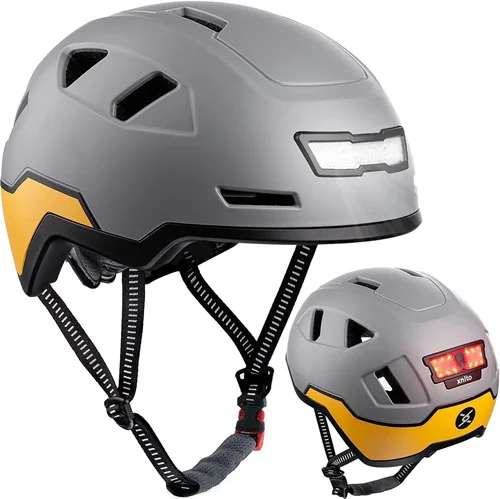
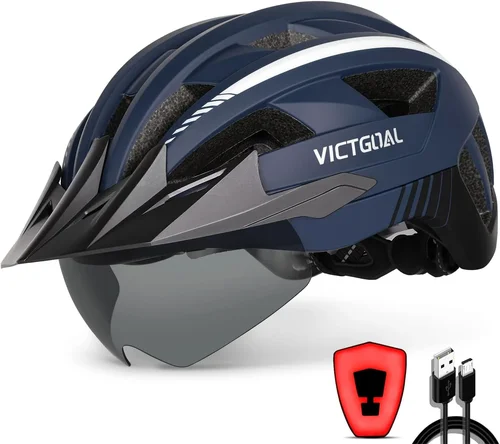
One of the biggest advantages of modern e-bike helmets is built-in lighting. Since many e-bike riders travel during dawn, dusk, or nighttime hours, visibility is paramount. Look for helmets with LED taillights (red) and sometimes front white lights. These aren’t just for show—they significantly increase your visibility to drivers, especially in low-light conditions. Many smart helmets offer multiple flash modes (steady, strobe, pulse) and automatic activation via light sensors or motion detection.
Some advanced models even include turn signals activated by handlebar-mounted remotes or gesture controls—a game-changer for urban commuters. Brands like Livall and Coros have pioneered these features, integrating Bluetooth connectivity so lights sync with your phone or bike computer. While these extras add cost, they dramatically improve safety and convenience.
6. Smart Features and Connectivity
Smart helmets are no longer futuristic novelties—they’re here, and they’re transforming rider safety. Beyond lighting, many e-bike helmets now include Bluetooth connectivity, allowing you to take calls, listen to music, or receive navigation prompts through built-in speakers or bone-conduction audio. Some models feature fall detection that alerts emergency contacts if you crash, or GPS tracking to locate your helmet (and by extension, your bike) if stolen.
However, smart features come with trade-offs: increased weight, shorter battery life, and higher prices. If you’re a tech enthusiast or frequent commuter, these can be invaluable. But if you prefer simplicity and reliability, a non-smart helmet with solid safety credentials may serve you better. Always check battery life (aim for at least 6–8 hours of light use) and whether the electronics are removable for washing.
7. Weight and Aerodynamics
While e-bikes do most of the pedaling work, you still want a helmet that feels light and unobtrusive. Heavy helmets can cause neck strain on long rides or make you feel “top-heavy” during sharp turns. Most quality e-bike helmets weigh between 300–450 grams. Premium models using advanced composites like carbon fiber can dip below 300g, but often at a steep price.
Aerodynamics matter less for casual riders but become important if you regularly hit 20+ mph. Some helmets feature sculpted shells and internal channeling to reduce drag. While not as critical as in road cycling, a more aerodynamic design can improve comfort and efficiency—especially on windy days or fast descents.
8. Style, Color, and Reflective Elements
Let’s be honest: you’re more likely to wear a helmet you actually like. Fortunately, today’s e-bike helmets come in a wide range of styles—from minimalist urban designs to rugged off-road looks. Matte finishes, bold colors, and sleek profiles are widely available. But style shouldn’t overshadow safety: always choose bright or high-visibility colors (white, yellow, orange) over dark tones like black or navy, especially if you ride in traffic.
Reflective elements—such as strips on straps, logos, or rear panels—are another often-overlooked safety feature. They enhance visibility without needing batteries or charging. Look for helmets with 360-degree reflectivity for maximum coverage.
Different Types of Electric Bike Helmets

Common Buying Mistakes to Avoid
❌ Mistake: Prioritizing Price Over Safety Certification
Why it’s bad: A cheap helmet without proper certification might look like a bargain, but it could fail catastrophically in a crash. Non-certified helmets often use inferior foam or weak shells that won’t absorb impact effectively.
What to do instead: Always verify CPSC (or equivalent) certification before purchasing. If a helmet is suspiciously cheap and lacks clear safety markings, skip it—even if it looks stylish.
❌ Mistake: Ignoring Fit for Style
Why it’s bad: A helmet that looks great but doesn’t fit snugly won’t protect you. Loose helmets can shift on impact, exposing your head to direct trauma.
What to do instead: Try before you buy—or order from retailers with generous return policies. Use the “two-finger rule” for strap tightness and ensure the helmet doesn’t rock when you shake your head.
❌ Mistake: Overlooking Ventilation in Hot Climates
Why it’s bad: Poor airflow leads to overheating, which can cause fatigue, dizziness, or even heatstroke—especially on long e-bike rides.
What to do instead: Choose helmets with at least 10 well-placed vents and internal channeling. If you live in a warm region, consider models with moisture-wicking pads and removable liners.
❌ Mistake: Assuming All “E-Bike” Helmets Are Equal
Why it’s bad: Some helmets are simply rebranded bicycle helmets with “e-bike” slapped on the label. They may not meet higher-speed impact standards.
What to do instead: Look for explicit mention of NTA 8776 or ASTM F1447 certification if you ride a speed pedelec. For Class 3 e-bikes (20 mph), CPSC + MIPS is usually sufficient.
❌ Mistake: Neglecting Maintenance and Replacement
Why it’s bad: Helmets degrade over time due to UV exposure, sweat, and minor impacts. Using an old or damaged helmet reduces protection.
What to do instead: Replace your helmet every 3–5 years, or immediately after any significant impact—even if no damage is visible. Clean pads regularly and store in a cool, dry place.
❌ Mistake: Buying Based Solely on Brand Name
Why it’s bad: While reputable brands often deliver quality, some lesser-known brands offer excellent value with comparable safety features at lower prices.
What to do instead: Research independent reviews and safety test results. Brands like Thousand, Lumos, and Livall offer innovative designs without the premium markup of Giro or Bell.
❌ Mistake: Forgetting About Visibility
Why it’s bad: Dark-colored helmets make you harder to see, increasing collision risk—especially at intersections or in parking lots.
What to do instead: Choose bright colors (white, yellow, lime) and helmets with reflective elements. Add aftermarket reflective tape if needed.
Budget Guidelines: How Much Should You Spend?
Electric bike helmets span a wide price spectrum, and your ideal budget depends on how often you ride, your speed, and your priorities. Here’s a realistic breakdown:
- Entry-Level ($25–$60): These helmets meet basic CPSC standards and offer decent fit and ventilation. Ideal for casual riders or those on a tight budget. Examples include the Schwinn Thrasher or Bell Annex. However, they typically lack MIPS, smart features, or premium materials.
- Mid-Range ($60–$150): This is the sweet spot for most e-bike riders. Helmets in this range often include MIPS, better ventilation, dial-fit systems, and sometimes integrated lights. Models like the Giro Register MIPS or Thousand Chapter offer excellent value and safety.
- Premium ($150–$250): Designed for serious commuters and enthusiasts, these helmets feature advanced safety tech (WaveCel, SPIN), superior comfort, and often smart capabilities like Bluetooth or auto-lighting. The Coros SafeSound and Livall BH51M Neo fall into this category.
- Luxury ($250+): Top-tier helmets combine cutting-edge materials (carbon fiber), full smart integration, and rigorous testing beyond standard certifications. Examples include the Lumos Ultra with turn signals or custom-fit options from specialized manufacturers. These are best for tech lovers or professional riders.

Expert Tips for Getting the Best Deal
- Shop During Off-Season: Helmets often go on sale in late fall and winter when cycling demand drops. Black Friday, Cyber Monday, and post-holiday sales are prime times to save 20–40%.
- Compare Online Retailers: Check Amazon, REI, Competitive Cyclist, and direct brand websites. Sometimes brands offer exclusive colors or bundles online.
- Look for Refurbished or Open-Box Deals: Certified refurbished helmets from reputable sellers (like Backcountry or Moosejaw) can save you money without sacrificing safety—they’re inspected and often come with warranties.
- Check Return Policies: Since fit is critical, buy from retailers with at least 30-day return windows. REI, for example, allows returns within a year for members.
- Bundle with Other Gear: Some brands offer discounts when you buy a helmet with lights, locks, or bike accessories. Livall often runs bundle deals on their smart helmets.
- Read Verified User Reviews: Focus on reviews from riders with similar use cases (e.g., “commuter” or “trail rider”). Pay attention to comments about long-term durability and comfort.
- Consider Warranty Length: Most helmets come with a 1–2 year warranty. Premium brands like Giro and Bell offer lifetime crash replacement programs—worth considering if you ride frequently.
- Test In-Store When Possible: If you’re unsure about fit, visit a local bike shop. Many offer free fitting sessions and can help you compare models side-by-side.

Frequently Asked Questions
Q: Do I really need a special helmet for my e-bike?
A: Not necessarily—but it depends on your speed. If your e-bike is Class 1 or 2 (max 20 mph), a standard CPSC-certified bike helmet with MIPS is sufficient. However, if you ride a Class 3 e-bike (up to 28 mph) or a speed pedelec, a helmet certified to NTA 8776 provides better protection at higher speeds.
Q: Can I use a motorcycle helmet on my e-bike?
A: Technically yes, but it’s overkill and often uncomfortable. Motorcycle helmets are heavier, less ventilated, and not designed for the upright riding position of e-bikes. They also lack the visibility features many e-bike riders need.
Q: How do I know if my helmet fits correctly?
A: The helmet should sit level on your head, about two finger-widths above your eyebrows. It shouldn’t move when you shake your head, and the straps should form a “Y” below your ears. Use the dial-fit system to fine-tune snugness—it should feel secure but not tight.
Q: Are smart helmets worth the extra cost?
A: If you value convenience and enhanced safety features like automatic lights or fall detection, yes. But if you prefer simplicity and don’t mind using separate lights or a phone mount, a non-smart helmet with strong safety credentials may be a better value.
Q: How often should I replace my e-bike helmet?
A: Replace it every 3–5 years due to material degradation, or immediately after any significant impact—even if there’s no visible damage. Foam compresses over time and loses effectiveness.
Q: Can I wash my helmet?
A: Yes, but gently. Remove the pads and wash them with mild soap and water. Wipe the shell with a damp cloth—never submerge the helmet, especially if it has electronics. Air dry completely before reassembling.
Q: Do reflective helmets work better than lights?
A: Reflective elements are passive and always active, making them useful as a backup. But LED lights are far more visible at night, especially in urban environments with ambient light pollution. For best results, use both.
Q: Are there helmets designed for women or smaller heads?
A: Yes! Many brands offer “women’s-specific” models with narrower profiles, lighter weight, and stylish designs. However, fit matters more than gender labeling—always try it on or check size charts carefully.
Q: What’s the difference between MIPS and WaveCel?
A: Both reduce rotational forces, but they work differently. MIPS uses a low-friction liner that allows sliding motion. WaveCel is a collapsible cellular material that deforms on impact. Independent tests show both are effective—choose based on availability, price, and comfort.
Q: Can I wear glasses under my helmet?
A: Absolutely. Most modern helmets are designed with eyewear compatibility in mind. Look for models with wide front openings and minimal pressure points around the temples. Some even have built-in sunglass docks.
Our Final Recommendations
After extensive research and testing, here are our top picks across key categories:
- Best for Budget-Conscious Buyers: Thousand Chapter ($88) – Combines CPSC certification, MIPS, magnetic buckle, and a sleek urban design. Includes a built-in rear light and anti-theft guarantee.
- Best Overall Value: Giro Register MIPS ($95) – Excellent ventilation, dial-fit system, and trusted brand reputation. Ideal for daily commuters who want reliability without breaking the bank.
- Best Premium Option: Coros SafeSound ($249) – Features bone-conduction audio, automatic lighting, fall detection, and app connectivity. Perfect for tech-forward riders who prioritize safety and convenience.
- Best for Beginners: Bell Annex MIPS ($70) – Simple, comfortable, and certified. Great first e-bike helmet with room to grow into more advanced features later.
- Best for Advanced Users: Livall BH51M Neo ($199) – Full smart integration with turn signals, voice alerts, and group ride coordination. Built for riders who want maximum connectivity and visibility.
Conclusion: Making the Right Choice
Choosing the best electric bike helmet isn’t just about picking the shiniest model or the cheapest option—it’s about finding the right balance of safety, comfort, and functionality for your unique riding habits. As e-bikes continue to grow in popularity and performance, so too must our commitment to protective gear that keeps pace with the technology. Remember: a helmet is the single most important piece of equipment you’ll ever buy for your e-bike. It’s not an expense—it’s an investment in your safety, confidence, and peace of mind.
Use this guide as your roadmap. Prioritize certified safety standards, ensure a proper fit, and consider smart features only if they genuinely enhance your ride. Avoid common pitfalls like sacrificing protection for price or style, and always replace your helmet when needed. Whether you’re zipping through city streets or exploring scenic trails, the right helmet will let you focus on the joy of riding—not the risks.
Now that you’re equipped with expert knowledge, it’s time to make your choice. Browse our recommended models, compare your options, and don’t hesitate to reach out to retailers for fitting advice. Your next great ride starts with the right helmet. Stay safe, stay visible, and enjoy the journey.