
Electric bikes have revolutionized urban commuting, weekend adventures, and even last-mile delivery logistics—but not all e-bikes are created equal. For those who value portability, convenience, and ease of storage, lightweight folding electric bikes represent the pinnacle of modern micro-mobility innovation. Whether you’re navigating crowded city streets, hopping on public transit, or stashing your ride under a desk at work, a well-chosen folding e-bike can transform how you move through daily life.
This comprehensive buying guide is designed to help you cut through the noise and make an informed decision in 2026’s rapidly evolving market. With dozens of new models launching each year—from budget-friendly commuter rigs to high-performance carbon-fiber marvels—it’s easy to feel overwhelmed. Our goal is simple: equip you with the knowledge, tools, and expert insights needed to choose the best lightweight folding electric bike for your unique lifestyle, budget, and riding needs. We’ll walk you through critical specs, compare top categories, highlight common pitfalls, and offer actionable tips to ensure you get maximum value without compromising on quality or performance.
The folding e-bike segment has matured significantly over the past few years. Once dominated by clunky, heavy designs with limited range and underpowered motors, today’s models boast sleek frames, integrated batteries, smart connectivity, and surprisingly robust performance—all while weighing under 40 pounds in many cases. Brands like Gotrax, Lectric, Fiido, and Tern have pushed the envelope, blending portability with practicality. Whether you’re a daily commuter, a weekend explorer, or someone simply looking to reduce car dependency, there’s never been a better time to invest in a folding e-bike. Let’s dive into what really matters when making your choice.

What to Look for When Buying Gotrax
1. Weight and Portability
When it comes to folding e-bikes, weight isn’t just a number—it’s a defining feature. A truly lightweight model should tip the scales at 35–40 pounds or less, making it manageable for most riders to carry up stairs, onto trains, or into apartments. Look for frames made from aluminum alloys (like 6061 or 7005), which offer an excellent strength-to-weight ratio without the cost of carbon fiber. Pay attention not only to the total weight but also to how the bike folds: does it collapse into a compact cube, or does it remain awkwardly long? Some models feature quick-release levers and magnetic locks that allow one-handed folding in under 10 seconds—a game-changer for busy commuters.
2. Battery Life and Range
Range anxiety is real—even on e-bikes. Most lightweight folding models come with lithium-ion batteries ranging from 36V/7.5Ah (around 270Wh) to 48V/10Ah (480Wh). Real-world range depends heavily on terrain, rider weight, assist level, and tire pressure. For city commuting, aim for at least 25–35 miles per charge. If you plan longer rides or hilly routes, prioritize higher-capacity batteries or models with removable packs so you can carry a spare. Also consider charging time: many 2026 models now support fast charging (0–80% in 2–3 hours), which is invaluable for multi-stop days.
3. Motor Power and Performance
Motor specs can be misleading. While many brands advertise “500W” or “750W” motors, the actual continuous power output is often lower—and that’s what matters for real-world performance. For flat urban environments, a 250W–350W hub motor is usually sufficient. However, if you live in a hilly area or carry heavy loads, opt for a 500W rear-hub or mid-drive motor with torque sensing. Mid-drives (like those found on premium Tern models) deliver smoother acceleration and better hill-climbing ability but add complexity and cost. Always test ride if possible—feel matters more than specs alone.
4. Build Quality and Frame Design
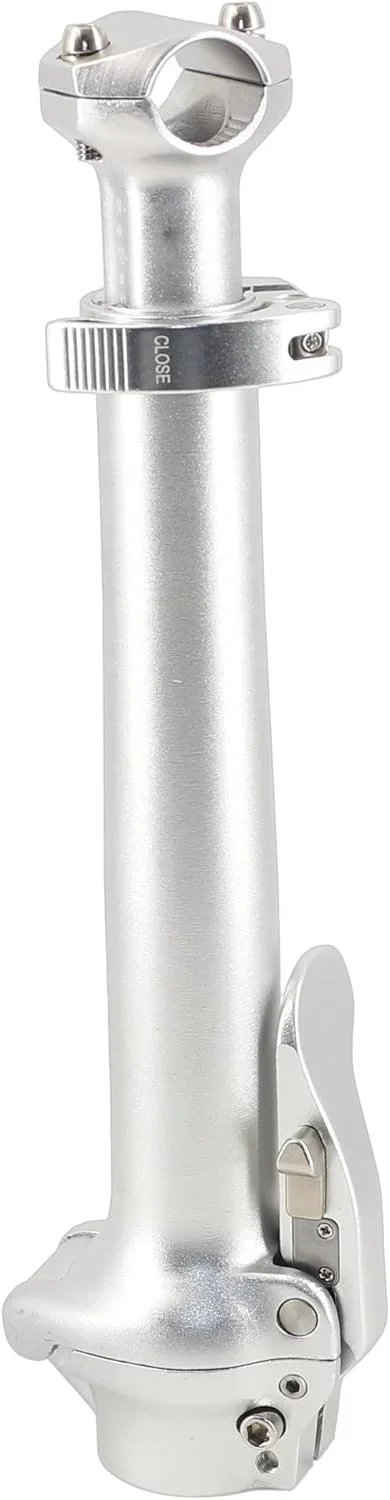
A folding bike endures more stress than a standard e-bike due to repeated hinge use. Look for reinforced joints, dual locking mechanisms, and rust-resistant hardware. The frame should feel solid when locked—no wobble or creaking. Avoid bikes with plastic components in critical areas like the stem or hinge. Weld quality matters too: clean, smooth welds indicate better manufacturing standards. Brands like Gotrax have improved dramatically in this area, offering double-butted aluminum frames and internal cable routing for durability and aesthetics.
5. Tire Size and Type
Tire choice directly impacts ride comfort, puncture resistance, and rolling efficiency. Most lightweight folders use 16″ or 20″ wheels. Smaller wheels (16″) enhance portability but can feel jittery on rough pavement. Larger 20″ tires offer better stability and shock absorption—ideal for mixed-surface riding. Tubeless-ready or puncture-resistant tires (like Schwalbe Marathon or Kenda Kwick) are worth the extra cost if you ride frequently. Avoid ultra-thin tires (<1.5") unless you’re exclusively on smooth bike paths; they wear quickly and offer minimal cushioning.
6. Folding Mechanism and Ease of Use
Not all folding systems are equal. The best designs use intuitive, tool-free mechanisms with clear visual indicators (e.g., green/red tabs) to confirm secure locking. Test how many steps it takes to fold and unfold—ideally, it should be three or fewer. Some models feature a “step-through” frame that allows you to roll the bike while folded (like a suitcase), which is incredibly handy in tight spaces. Avoid bikes that require you to remove the battery to fold—it adds unnecessary hassle.
7. Display and Smart Features
Modern folding e-bikes often include LCD or LED displays showing speed, battery level, assist mode, and trip data. Higher-end models integrate Bluetooth connectivity, GPS tracking, anti-theft alarms, and app-based ride analytics. While not essential, these features enhance usability and security. Ensure the display is readable in sunlight and positioned where you can glance at it safely while riding. Some Gotrax models now include regenerative braking indicators and eco-mode suggestions—small touches that improve efficiency.
8. Warranty and Customer Support
A folding e-bike is an investment, so protect it with a solid warranty. Look for at least a 1-year comprehensive warranty covering motor, battery, and frame. Premium brands often offer 2–3 years. Check if the company provides local service centers or mail-in repair options. Read user forums to gauge response times and replacement part availability. Gotrax, for instance, has expanded its U.S. support network significantly since 2023, reducing downtime for repairs.
Different Types of Gotrax
Common Buying Mistakes to Avoid
❌ Mistake: Prioritizing Price Over Build Quality
Why it’s bad: Cheap folding e-bikes often use thin-gauge steel frames, weak hinges, and low-capacity batteries that degrade quickly. You may save $200 upfront but end up replacing the bike within a year.
What to do instead: Allocate at least $600–$800 for a durable, safe model. Read professional reviews and user feedback focusing on long-term reliability.
❌ Mistake: Ignoring Real-World Range Claims
Why it’s bad: Manufacturers often quote range under ideal conditions (flat terrain, minimal assist, light rider). In reality, you might get half that distance.
What to do instead: Divide advertised range by 1.5–2 to estimate real-world performance. Choose a bike with a removable battery if you need extra juice.
❌ Mistake: Overlooking Folding Convenience
Why it’s bad: A bike that’s technically “foldable” but takes 5 minutes and two hands to collapse defeats the purpose of portability.
What to do instead: Watch video demos or, better yet, test fold/unfold in-store. Look for one-step systems with auto-locking mechanisms.
❌ Mistake: Skipping the Test Ride
Why it’s bad: E-bike ergonomics vary widely. A poorly fitted bike causes discomfort, reduces control, and increases accident risk.
What to do instead: Always test ride for at least 10 minutes on varied surfaces. Check handlebar height, seat adjustability, and pedal reach.
❌ Mistake: Neglecting Local Laws and Regulations
Why it’s bad: Some cities restrict e-bike motor power, speed, or require helmets and registration. Riding illegally can result in fines or confiscation.
What to do instead: Verify your local e-bike classification (Class 1, 2, or 3) and ensure your chosen model complies before purchase.
❌ Mistake: Assuming All Brands Offer Equal Support
Why it’s bad: Off-brand or imported models may lack spare parts, firmware updates, or responsive customer service.
What to do instead: Stick with established brands (Gotrax, Lectric, Tern) that have proven U.S. or EU support networks.
Budget Guidelines: How Much Should You Spend?
Entry-Level ($400–$700): These bikes are great for occasional use or as a secondary vehicle. Expect basic components, limited range (15–20 miles), and heavier frames (40–50 lbs). Ideal for students or casual riders who don’t need daily reliability. Models like the Gotrax GXL V2 fall here—decent value but expect compromises in comfort and longevity.
Mid-Range ($700–$1,300): This is the sweet spot for most buyers. You’ll find well-built aluminum frames, 25–35 mile ranges, reliable motors, and better tires. Many include app connectivity and improved folding mechanisms. The Lectric XP Lite and Fiido D11 are standout examples—offering 90% of premium features at half the price.
Premium ($1,300–$2,200): Designed for serious commuters and enthusiasts, these bikes feature high-capacity batteries, torque sensors, suspension forks, and refined ergonomics. Weight drops below 35 lbs, and build quality rivals full-size e-bikes. Tern Vektron and Gotrax’s newer G4 Pro series exemplify this tier.
Luxury ($2,200+): Reserved for ultralight carbon fiber frames, integrated smart systems, and boutique craftsmanship. These are for travelers, tech lovers, or those who demand the absolute best. Think Brompton Electric or Riese & Müller folders—exceptional but overkill for most.
Expert Tips for Getting the Best Deal
1. Buy During Off-Peak Seasons: E-bike sales peak in spring and summer. Shop in late fall or winter (November–February) for discounts of 15–30%. Many brands clear inventory before new models launch.
2. Compare Direct-to-Consumer vs. Retail: Brands like Gotrax and Lectric sell directly online, cutting out middlemen and passing savings to you. However, local bike shops offer test rides and immediate support—weigh convenience against cost.
3. Look for Bundle Deals: Some retailers include free accessories (lights, lock, phone mount) with purchase. These can save $100+ compared to buying separately.
4. Check Return Policies: Ensure you have at least 14–30 days to return the bike if it doesn’t meet expectations. Avoid sellers with “final sale” policies on discounted items.
5. Verify Warranty Coverage: Read the fine print. Does the warranty cover battery degradation? What about accidental damage? Gotrax now offers optional extended warranties—consider it if you ride daily.
6. Join Owner Communities: Facebook groups and Reddit forums (like r/ebikes) often share exclusive promo codes, early-access sales, and real-user troubleshooting tips.
7. Consider Refurbished or Open-Box: Certified pre-owned models from reputable sellers can offer 20–40% savings with full warranty coverage. Just verify battery health and frame integrity.
8. Test Before You Commit: If buying online, choose retailers with generous trial periods (e.g., Lectric’s 30-day test ride). There’s no substitute for feeling how a bike handles in your neighborhood.

Frequently Asked Questions
Q: Can I take a folding e-bike on public transportation?
A: Generally yes—most buses, trains, and subways allow folded e-bikes during off-peak hours. However, policies vary by city. Check your local transit authority’s rules. Folding bikes are usually treated like luggage when properly stowed.
Q: How long do folding e-bike batteries last?
A: A quality lithium-ion battery should retain 80% capacity after 500–800 charge cycles (roughly 2–4 years of daily use). Avoid fully draining the battery regularly, and store it at 40–60% charge if unused for weeks.
Q: Are folding e-bikes safe for hills?
A: It depends on the motor and gearing. Models with 500W+ motors and torque sensors handle moderate hills well. Steep inclines (>10% grade) may require pedaling effort even with assist. Always check the bike’s hill-climbing rating.
Q: Do I need a special license to ride a folding e-bike?
A: In most U.S. states and EU countries, no license is required for Class 1 or 2 e-bikes (pedal-assist up to 20 mph). Class 3 (up to 28 mph) may require a helmet or registration in some areas. Verify local laws.
Q: Can I upgrade components on a folding e-bike?
A: Limited upgrades are possible—tires, seats, and lights are easy swaps. However, motors, batteries, and controllers are often proprietary. Stick to manufacturer-recommended parts to preserve warranty.
Q: How do I maintain my folding e-bike?
A: Clean the chain monthly, check tire pressure weekly, lubricate hinges, and inspect brake pads. Store indoors to prevent rust. Most brands provide maintenance guides online.
Q: What’s the difference between hub and mid-drive motors?
A: Hub motors sit in the wheel and are simpler/cheaper but less efficient on hills. Mid-drives mount near the pedals, offering better weight distribution and hill performance—but cost significantly more.
Q: Are folding e-bikes suitable for tall riders?
A: Many compact models have limited seat post extension. Look for bikes with adjustable stems and extended seat posts (up to 35″ inseam). Brands like Tern offer “XL” versions for taller users.
Q: Can I ride in the rain?
A: Most modern e-bikes are water-resistant (IP54 or higher), meaning light rain is fine. Avoid submerging the battery or riding through deep puddles. Dry the bike after wet rides to prevent corrosion.
Our Final Recommendations
Best for Budget-Conscious Buyers: Gotrax GXL V2 – At under $600, it delivers solid 20-mile range, reliable 350W motor, and decent build quality. Perfect for students or occasional riders who need affordability without total compromise.
Best Overall Value: Lectric XP Lite – Priced around $999, it offers 40+ mile range, 500W motor, fat tires for stability, and a robust folding mechanism. Exceptional bang-for-buck in the mid-range category.
Best Premium Option: Tern Vektron S10 – With a Bosch motor, Gates belt drive, and airline-compliant folding, this $2,499 bike is built for globetrotters and serious commuters who demand reliability and refinement.
Best for Beginners: Fiido D11 – Intuitive controls, step-through frame, and 30-mile range make it ideal for new e-bike users. Priced at $1,099, it balances simplicity and performance.
Best for Advanced Users: Brompton Electric C Line – The gold standard in ultralight folding. At 31 lbs with a custom motor and seamless integration, it’s for those who prioritize engineering excellence above all else (starting at $3,200).
Conclusion: Making the Right Choice
Choosing the right lightweight folding electric bike isn’t just about specs—it’s about aligning your purchase with your lifestyle, environment, and long-term goals. Whether you’re dodging traffic in downtown Chicago, exploring coastal trails in California, or simply reducing your carbon footprint, the perfect e-bike exists for you. By focusing on weight, range, build quality, and real-world usability—and avoiding the common traps outlined above—you’ll set yourself up for years of joyful, efficient riding.
Remember: the cheapest option isn’t always the most economical, and the flashiest features aren’t always necessary. Prioritize what matters most to you—be it portability, comfort, or smart tech—and let that guide your decision. Take advantage of trial periods, read owner reviews, and don’t rush. A folding e-bike is more than a gadget; it’s a mobility partner that can reshape how you experience your city and beyond.
Ready to roll? Start by identifying your top three needs (e.g., “under 35 lbs,” “30+ mile range,” “fits in my apartment”), then cross-reference them with our recommendations and budget tiers. With the insights from this guide, you’re not just buying a bike—you’re investing in freedom, flexibility, and a smarter way to move. Happy riding!