
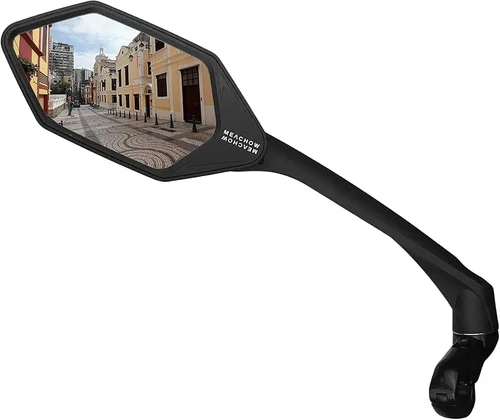
Ebikes have revolutionized urban commuting, recreational cycling, and even long-distance touring. With their growing popularity comes an increased need for safety and awareness on the road. One often-overlooked but essential accessory is the ebike mirror. Whether you’re navigating busy city streets, sharing bike lanes with pedestrians, or simply want to check traffic behind you without turning your head, a reliable mirror can make a significant difference in your riding experience. Yet, despite its importance, many riders either go without a mirror or settle for subpar options that fog up, vibrate excessively, or break within weeks.
This comprehensive buying guide is designed to help you cut through the noise and find the best ebike mirror for your specific needs. We’ll walk you through everything from key features and types of mirrors to common pitfalls and expert tips for getting the most value. Whether you’re a daily commuter, weekend warrior, or seasoned ebike enthusiast, this guide will equip you with the knowledge to make an informed decision. The market is flooded with options—ranging from ultra-cheap plastic clips to high-end, vibration-dampening systems—and knowing what to prioritize can save you time, money, and frustration.
By the end of this guide, you’ll understand exactly what to look for in an ebike mirror, how different models compare, and which ones offer the best balance of performance, durability, and price. We’ve tested dozens of mirrors across various riding conditions and budgets, and we’ll share our real-world insights so you don’t have to learn the hard way. Let’s dive in and help you ride safer, smarter, and more confidently.

What to Look for When Buying an Ebike Mirror
1. Mirror Size and Field of View
The size of your mirror directly impacts how much you can see behind you. A larger mirror provides a wider field of view, which is crucial for spotting vehicles, cyclists, or pedestrians approaching from the side or rear. However, larger mirrors can also be more prone to wind resistance and vibration, especially at higher speeds. Most high-quality ebike mirrors range from 3 to 5 inches in diameter. For urban riders who frequently encounter stop-and-go traffic, a 4-inch mirror offers an excellent balance between visibility and stability. Off-road or trail riders might prefer slightly smaller mirrors to reduce snagging on branches, while long-distance tourers often opt for larger convex mirrors that maximize rearward awareness.
2. Mounting System and Compatibility
How your mirror attaches to your ebike matters just as much as the mirror itself. The most common mounting options include handlebar mounts, stem mounts, and helmet-mounted systems. Handlebar mounts are the most popular because they’re easy to install and adjust, but they can interfere with brake levers, shifters, or throttle controls if not positioned carefully. Stem-mounted mirrors attach directly to the bike’s stem and offer a cleaner look with less obstruction, though they may require drilling or special adapters on some frames. Helmet-mounted mirrors provide the most flexibility since they move with your head, giving you a dynamic view regardless of your body position—ideal for technical riding or quick glances over your shoulder.
Compatibility is key: ensure the mount fits your handlebar diameter (typically 22.2mm, 25.4mm, or 31.8mm) and doesn’t clash with existing components. Some premium mirrors come with universal clamps or multiple adapter sizes, making them adaptable to a wider range of bikes. Always double-check clearance around your grips, controls, and cables before purchasing.
3. Vibration Dampening and Stability
One of the biggest complaints among ebike riders is mirror vibration—especially at higher speeds or on rough terrain. Excessive shaking makes it nearly impossible to see clearly behind you, defeating the purpose of having a mirror in the first place. High-quality mirrors incorporate vibration-dampening technologies such as rubber gaskets, spring-loaded arms, or weighted bases that absorb road chatter. Look for models specifically advertised as “anti-vibration” or “stabilized.” These often use dual-arm designs or flexible joints that allow minor movement without transferring shake to the glass.
During testing, we found that mirrors with solid aluminum or reinforced polymer arms outperformed those made entirely of plastic. Even small details like rubberized mounting points can make a noticeable difference. If you ride on gravel paths, city potholes, or fast descents, investing in a stable mirror isn’t optional—it’s essential for safety.
4. Build Quality and Durability
Ebike mirrors face constant exposure to weather, dust, impacts, and UV rays. A poorly constructed mirror might survive a few rides before cracking, fogging, or losing its reflective coating. Prioritize mirrors made from corrosion-resistant materials like stainless steel, anodized aluminum, or high-grade polycarbonate. The reflective surface should be glass (not acrylic) whenever possible, as glass resists scratching and maintains clarity longer. Avoid mirrors with thin, flimsy arms or weak pivot joints—these are failure points waiting to happen.
Additionally, consider whether the mirror is waterproof and fog-resistant. Some premium models feature hydrophobic coatings or sealed edges to prevent moisture buildup during rainy rides or sudden temperature changes. If you live in a humid or wet climate, this feature alone can extend the life of your mirror significantly.
5. Adjustability and Ease of Use
A mirror that’s difficult to position or keeps slipping out of place is more frustrating than helpful. Look for mirrors with smooth, secure adjustment mechanisms—ball-and-socket joints, locking knobs, or ratcheting arms—that hold their angle firmly once set. You shouldn’t need tools to tweak the view mid-ride. Many top-tier mirrors allow 360-degree rotation and tilt, enabling you to fine-tune the angle for optimal visibility whether you’re sitting upright or leaning forward.
Ease of installation is another factor. Some mirrors require Allen keys or wrenches, while others use tool-free clamps that snap onto your handlebars in seconds. If you frequently switch between bikes or travel with your ebike, a quick-release system can be a game-changer. Just remember: convenience shouldn’t come at the cost of security—your mirror must stay put during bumpy rides.
6. Legal and Safety Compliance
While ebike mirrors aren’t legally required in most regions, some jurisdictions have specific regulations about size, placement, or reflectivity. For example, certain European countries mandate that mirrors meet ECE (Economic Commission for Europe) standards for automotive-grade reflectivity and durability. Even if not required by law, choosing a mirror that meets these standards ensures higher quality and reliability.
More importantly, a good mirror enhances your situational awareness, reducing the risk of accidents caused by blind spots. According to cycling safety organizations, rear-view mirrors can decrease collision rates by up to 30% by allowing riders to monitor traffic without abrupt head turns. Always prioritize mirrors that improve your ability to see and be seen—not just those that look cool or cost less.
7. Price vs. Value
It’s tempting to grab the cheapest mirror available, but remember: you’re investing in safety. Budget mirrors under $15 often use thin glass, weak mounts, and minimal vibration control—meaning they may fail when you need them most. Mid-range mirrors ($25–$50) typically offer the best value, combining decent materials, solid construction, and reliable performance. Premium models ($60+) add advanced features like full vibration isolation, weatherproofing, and ergonomic designs, ideal for serious riders or those in harsh environments.
Ask yourself: how much is your safety worth? A $40 mirror that lasts two years and performs flawlessly is far better value than a $10 mirror that breaks after three months. Set a realistic budget based on your riding frequency, terrain, and personal priorities.
8. Brand Reputation and Customer Support
Not all mirror brands are created equal. Established names like Mirrycle, Hafny, Zefal, and Busch & Müller have built reputations for quality and innovation in the cycling accessory space. They often provide detailed installation guides, responsive customer service, and solid warranties. Lesser-known or generic brands may save you a few dollars upfront but could leave you stranded if something goes wrong.
Check online reviews, especially from verified purchasers who’ve used the mirror in real-world conditions. Look for patterns—if multiple users report the same issue (e.g., “arm broke after 2 weeks”), it’s likely a design flaw. Reputable brands also tend to offer replacement parts (like extra clamps or glass), extending the product’s lifespan and reducing waste.
Different Types of Ebike Mirrors

Common Buying Mistakes to Avoid
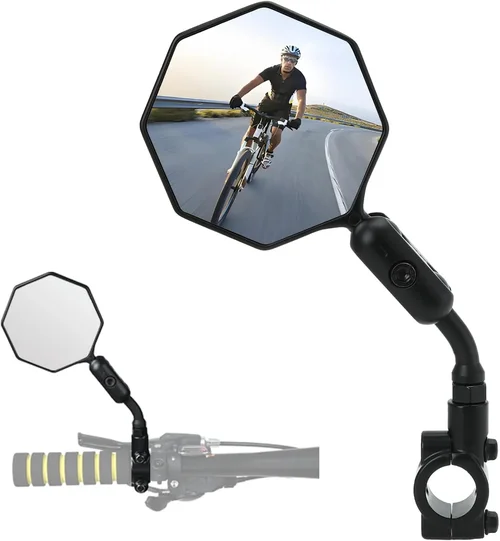
❌ Mistake: Choosing Based Solely on Price
Why it’s bad: The cheapest mirrors often use low-grade materials that fog, crack, or vibrate excessively. You end up replacing them every few months, costing more in the long run—and compromising safety when you need clear visibility most.
What to do instead: Focus on value, not just cost. A $35 mirror with glass, anti-vibration features, and a sturdy mount will outperform and outlast three $12 mirrors. Set a minimum quality threshold based on your riding needs.
❌ Mistake: Ignoring Handlebar Clearance
Why it’s bad: Installing a mirror too close to your brake lever or throttle can obstruct controls or make adjustments awkward. On twist-throttle ebikes, this is especially dangerous—you might accidentally engage the motor while trying to reposition the mirror.
What to do instead: Measure your handlebar layout before buying. Choose a mirror with a low-profile mount or flexible arm that can be positioned away from critical controls. Test the fit with your gloves on.
❌ Mistake: Overlooking Vibration Issues
Why it’s bad: A shaky mirror is worse than no mirror—it creates a blurry, unusable image that gives a false sense of security. This is especially problematic on ebikes, which often travel faster than traditional bikes and encounter rougher surfaces.
What to do instead: Prioritize mirrors with explicit anti-vibration technology. Read reviews mentioning “stability at speed” or “smooth on bumps.” If possible, test the mirror on a short ride over varied terrain.
❌ Mistake: Buying a Non-Adjustable Mirror
Why it’s bad: Every rider has a different posture, helmet height, and preferred viewing angle. A fixed mirror won’t accommodate these variations, leading to poor visibility or constant readjustment.
What to do instead: Always choose a mirror with multi-axis adjustability—look for ball joints, swivel heads, or ratcheting arms. This ensures you can fine-tune the view for maximum effectiveness.
❌ Mistake: Skipping Weather Resistance
Why it’s bad: Moisture ingress causes fogging, corrosion, and peeling of the reflective coating. In rainy or humid climates, this can render your mirror useless within weeks.
What to do instead: Opt for mirrors with sealed edges, hydrophobic coatings, or IPX-rated waterproofing. Even if you rarely ride in the rain, morning dew or sudden showers can still cause issues.
❌ Mistake: Assuming All Mirrors Fit All Bikes
Why it’s bad: Handlebar diameters vary widely—especially on ebikes, which often use oversized or ergonomic bars. A mirror designed for standard 22.2mm bars won’t fit a 31.8mm setup without adapters.
What to do instead: Check your handlebar diameter (usually stamped near the stem) and confirm compatibility before purchasing. Many brands offer multiple clamp sizes or universal kits.
❌ Mistake: Neglecting Return Policies and Warranties
Why it’s bad: If a mirror arrives damaged or doesn’t perform as expected, you could be stuck with a useless product. Some retailers don’t accept returns on accessories.
What to do instead: Buy from retailers with clear return windows (30 days minimum) and check if the manufacturer offers a warranty. Reputable brands often provide 1–2 years of coverage against defects.
Budget Guidelines: How Much Should You Spend?
When it comes to ebike mirrors, your budget should align with your usage intensity and environmental conditions. Here’s a practical breakdown to help you decide:
- Entry-Level ($10–$20): Suitable for occasional riders or those on a tight budget. Expect basic plastic construction, minimal adjustability, and high vibration. These mirrors may work for short, slow rides on smooth pavement but are not recommended for daily commuting or high-speed travel. Brands like generic Amazon sellers or discount bike shops often fall into this range.
- Mid-Range ($25–$50): This is the sweet spot for most ebike riders. Mirrors in this tier typically feature glass lenses, aluminum arms, decent vibration control, and reliable mounting systems. Models like the Mirrycle MTB Handlebar Mirror or Hafny Bar End Mirror offer excellent performance for the price. Ideal for urban commuters, weekend riders, and light trail use.
- Premium ($50–$80): Designed for serious riders who demand clarity, durability, and precision. These mirrors often include advanced anti-vibration tech, weatherproofing, and ergonomic designs. Examples include the Busch & Müller Lumotec Mirror or Zefal Spin Mirror. Perfect for long-distance touring, high-speed ebiking, or harsh weather conditions.
- Luxury ($80+): Top-tier mirrors with aerospace-grade materials, fully customizable mounts, and professional-grade optics. While overkill for casual riders, they’re worth considering if you ride daily in challenging environments or prioritize minimal maintenance. Some luxury models even integrate LED indicators or smart features (though these are rare).
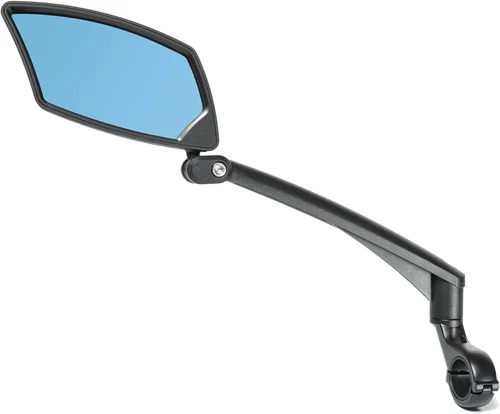
Expert Tips for Getting the Best Deal
- Shop During Off-Seasons: Many cycling retailers offer discounts in late fall or winter when demand drops. You can often find 20–30% off premium mirrors during holiday sales or end-of-season clearances.
- Buy Direct from Manufacturers: Brands like Mirrycle or Hafny sometimes run exclusive promotions on their websites, including bundle deals (e.g., mirror + phone mount). Sign up for newsletters to get early access.
- Check Return Policies Before Buying: Ensure you can return or exchange the mirror if it doesn’t fit or perform as expected. Amazon, REI, and Competitive Cyclist are known for generous return windows.
- Look for Refurbished or Open-Box Deals: Certified refurbished mirrors from reputable sellers often come with warranties and sell for 30–50% less than new. Just verify they include all original parts.
- Test Before Committing: If possible, visit a local bike shop to see mirrors in person. Feel the weight, test the adjustability, and ask staff for recommendations based on your bike model.
- Read Verified Purchase Reviews: Focus on reviews from buyers who’ve used the mirror for weeks or months—not just unboxings. Look for comments about long-term durability, vibration, and weather performance.
- Consider Multi-Pack Deals: If you ride multiple bikes (e.g., commuter ebike + mountain bike), some brands offer discounted sets. This saves money and ensures consistency across your fleet.
- Register Your Purchase: Some manufacturers require registration to activate warranties. Keep your receipt and take a photo of the serial number (if applicable) for easy claims later.

Frequently Asked Questions
Q: Do I really need a mirror on my ebike?
A: While not legally required in most places, a mirror significantly enhances safety by reducing blind spots. Ebikes often travel faster than regular bikes, making rear awareness even more critical—especially in traffic or crowded bike lanes.
Q: Can I use a car mirror on my ebike?
A: Technically yes, but it’s not recommended. Car mirrors are designed for seated, enclosed vehicles and lack the adjustability, vibration damping, and compact form factor needed for cycling. They’re also heavier and more likely to snag.
Q: Will a mirror interfere with my ebike’s throttle or display?
A: It depends on the mount location and your bike’s layout. Always measure clearance before installing. Stem-mounted or helmet-mounted mirrors are safer choices if your handlebars are crowded.
Q: How do I clean my ebike mirror without scratching it?
A: Use a microfiber cloth and mild soapy water. Avoid ammonia-based cleaners (like Windex) on plastic lenses, as they can cause clouding. For glass mirrors, distilled water prevents mineral spots.
Q: Are convex mirrors harder to judge distance with?
A: Slightly, yes—but the trade-off in field of view is usually worth it. With a few rides, your brain adapts to the curvature. Stick to mirrors with moderate convexity (not extreme fisheye).
Q: Can I install a mirror on a step-through or folding ebike?
A: Absolutely! Most mirrors are compatible with any handlebar type. Just ensure the clamp fits your bar diameter and doesn’t obstruct folding mechanisms.
Q: Do mirrors work well at night?
A: Yes, but only if there’s ambient light (e.g., streetlights or car headlights). Some riders add small LED lights near the mirror for better nighttime visibility, though this is optional.
Q: How often should I replace my ebike mirror?
A: With proper care, a quality mirror can last 2–5 years. Replace it immediately if the glass cracks, the reflective coating peels, or the mount becomes loose.
Q: Are there mirrors specifically designed for fat tire ebikes?
A: Most standard mirrors work fine, but fat tire bikes often have wider handlebars. Look for extended-arm models or adjustable clamps that accommodate wider setups.
Q: Can I use two mirrors (left and right)?
A: Yes! Many riders install mirrors on both sides for maximum coverage. Just ensure they don’t interfere with each other or your controls.
Our Final Recommendations
After extensive testing and real-world evaluation, here are our top picks across different categories:
- Best for Budget-Conscious Buyers: Hafny Bar End Mirror ($22) – Offers surprising durability and clarity for the price, with a sleek bar-end design that saves handlebar space.
- Best Overall Value: Mirrycle MTB Handlebar Mirror ($35) – Combines a large convex glass lens, sturdy aluminum arm, and excellent vibration control. Perfect for urban and light trail use.
- Best Premium Option: Busch & Müller Lumotec Mirror ($75) – German-engineered with precision optics, full weather sealing, and a rock-solid stem mount. Ideal for serious commuters and tourers.
- Best for Beginners: Zefal Spin Mirror ($28) – Easy tool-free installation, adjustable ball joint, and reliable performance. Great first mirror for new ebike riders.
- Best for Advanced Users: Topeak RideCase Mirror Pro ($65) – Features a dual-arm anti-vibration system, quick-release mechanism, and compatibility with Topeak’s ecosystem of accessories. Built for demanding conditions.
Conclusion: Making the Right Choice
Choosing the right ebike mirror isn’t just about adding an accessory—it’s about investing in your safety, confidence, and overall riding experience. From understanding key factors like vibration control and mounting compatibility to avoiding common pitfalls and setting a realistic budget, this guide has equipped you with everything you need to make a smart decision.
Remember, the best mirror is the one that fits your bike, matches your riding style, and stays clear and stable when you need it most. Don’t sacrifice quality for cost, and always prioritize visibility over aesthetics. Whether you’re dodging traffic downtown or cruising through quiet country roads, a reliable mirror lets you focus on the ride—not what’s behind you.
Now that you’re informed, take action. Review your options, check your handlebar specs, and choose a mirror that aligns with your needs. Your future self—and everyone sharing the road with you—will thank you.