
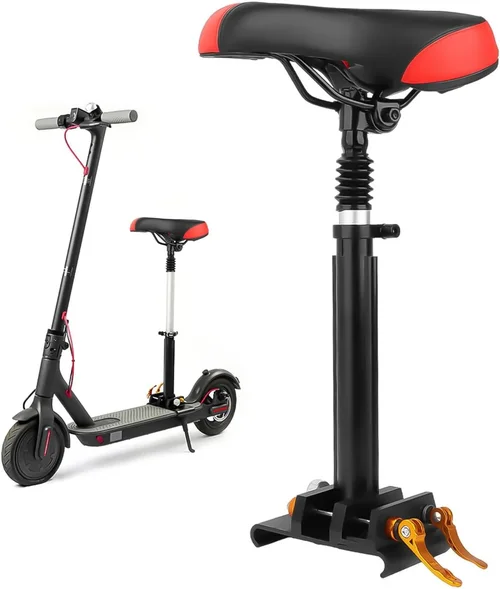
Electric scooters have evolved from niche urban gadgets into serious transportation solutions—offering speed, efficiency, and eco-friendly mobility for daily commutes, weekend adventures, or last-mile connectivity. Whether you’re dodging traffic in a bustling city, zipping across campus, or simply exploring your neighborhood with zero emissions, the right electric scooter can transform how you move. But with dozens of brands flooding the market—from budget-friendly newcomers to premium engineering marvels—choosing the best one isn’t just about picking the shiniest model. It’s about matching your lifestyle, needs, and expectations to a scooter that delivers real-world performance, reliability, and value.
This comprehensive buying guide is designed to cut through the noise and help you make a confident, informed decision. We’ll walk you through every critical factor—from motor power and battery life to build quality and after-sales support—so you know exactly what to prioritize based on your use case. You’ll learn how to avoid common pitfalls, understand pricing tiers, compare scooter types, and even score the best deals. By the end, you won’t just know which brand or model to buy—you’ll understand why it’s the right choice for you.
The electric scooter market in 2026 is more dynamic than ever. Advances in lithium-ion battery tech, regenerative braking, smart connectivity, and lightweight materials have pushed performance boundaries while keeping prices competitive. At the same time, safety regulations, rider awareness, and infrastructure improvements (like dedicated bike lanes) are making e-scooters a mainstream option. Yet, not all scooters are created equal. Some prioritize portability over power; others boast sleek designs but skimp on durability. Our goal is to equip you with the knowledge to navigate this landscape like an expert—so you invest in a scooter that lasts, performs, and truly enhances your daily life.

What to Look for When Buying Gotrax
1. Budget & Price Range
Your budget is the foundation of your purchase decision—but it shouldn’t be the only factor. Electric scooters range from under $300 for basic commuter models to over $2,000 for high-performance machines built for speed and rugged terrain. Setting a realistic budget helps narrow your options, but beware of false economies: a $250 scooter might save you money upfront but cost more in repairs, replacements, or frustration down the line.
When setting your budget, consider not just the sticker price but also long-term costs like maintenance, replacement tires, battery degradation, and potential upgrades. A mid-range scooter ($500–$900) often offers the best balance of quality, features, and longevity for most riders. If you’re a casual user riding short distances on smooth pavement, an entry-level model may suffice. But if you plan to ride daily, carry heavy loads, or tackle hills, investing in a higher-tier scooter pays off in reliability and safety.
2. Performance Specifications
Performance isn’t just about top speed—it’s a combination of motor power, acceleration, range, and hill-climbing ability. The motor, measured in watts (W), determines how quickly your scooter can get up to speed and how well it handles inclines. Entry-level scooters typically have 250W–350W motors, suitable for flat urban streets. Mid-range models offer 500W–800W, capable of tackling moderate hills, while premium scooters feature 1000W+ motors for aggressive acceleration and off-road capability.
Range—the distance you can travel on a single charge—is equally critical. Manufacturers often quote “ideal” range under perfect conditions (light rider, flat terrain, no wind), but real-world range is usually 20–30% lower. Look for scooters with at least 15–20 miles of usable range if you plan to commute regularly. Battery capacity, measured in watt-hours (Wh), directly impacts range. A 36V 7.5Ah battery (270Wh) might give you 12–15 miles, while a 48V 15Ah (720Wh) can deliver 30+ miles.
Top speed matters too, especially if you’re sharing roads with traffic. Most city-legal scooters cap at 15–20 mph, but performance models can hit 25–40 mph. However, higher speeds reduce range and increase wear—so match speed to your environment. Always check local laws: many cities limit e-scooter speeds to 15 mph in bike lanes or pedestrian zones.
3. Build Quality & Durability
A scooter’s build quality determines how well it withstands daily use, weather, and minor impacts. Look for a sturdy frame made from aircraft-grade aluminum or reinforced steel—materials that balance strength and weight. Avoid plastic-heavy frames, which may crack under stress or degrade in sunlight.
Pay attention to the deck size and grip texture. A wider, non-slip deck improves stability, especially at higher speeds or in wet conditions. Suspension systems (front, rear, or dual) absorb shocks from potholes and uneven pavement, enhancing comfort and control. While not all scooters include suspension, it’s a valuable feature for rough roads or longer rides.
Tires also impact durability and ride quality. Solid rubber tires are puncture-proof and low-maintenance but offer a rougher ride. Pneumatic (air-filled) tires provide better cushioning and traction but require occasional inflation and are vulnerable to flats. Some premium models use honeycomb or airless tires as a middle ground.
Water resistance is another key durability factor. Look for an IP rating (Ingress Protection)—IPX4 means splash-resistant, IPX5 handles light rain, and IPX6+ can withstand heavy downpours. If you ride in wet climates, aim for at least IPX5. Avoid riding through deep puddles or submerging the scooter, as water can damage the motor, battery, or electronics.
4. Features & Functionality
Modern electric scooters come packed with features that enhance convenience, safety, and usability. A bright LED headlight and taillight are essential for night riding, while brake lights that activate when you slow down improve visibility to drivers. Some models include turn signals or ambient lighting for added safety.
A clear, backlit LCD or LED display shows speed, battery level, riding mode, and sometimes trip data. Higher-end scooters may offer Bluetooth connectivity, allowing you to track rides, lock the scooter, or adjust settings via a smartphone app. Regenerative braking—which recaptures energy during deceleration—can extend range by 5–10%, though it’s more common in premium models.
Cruise control is a handy feature for maintaining steady speeds on long stretches, reducing hand fatigue. Foldability is crucial for portability: look for a scooter that folds quickly and securely, with a compact footprint when stowed. Weight matters too—most portable scooters weigh 25–35 lbs; anything over 40 lbs becomes cumbersome to carry upstairs or onto public transit.
Other thoughtful touches include a built-in phone mount, USB charging port, anti-theft alarm, or keyless ignition. While not deal-breakers, these features can significantly improve your daily experience.
5. Brand Reputation
Brand reputation is a strong indicator of reliability, innovation, and customer support. Established brands like Gotrax, Xiaomi, Segway-Ninebot, and Apollo have spent years refining their designs, sourcing quality components, and building trust with users. They’re more likely to honor warranties, provide spare parts, and respond to issues promptly.
Research brands by reading long-term user reviews, checking forums like Reddit’s r/ElectricScooters, and looking at third-party testing sites. A brand with a history of recalls, poor customer service, or vague warranty terms should raise red flags. Also consider regional availability: some brands dominate in North America, while others are stronger in Europe or Asia.
Gotrax, for example, has built a solid reputation for offering affordable, reliable scooters with decent performance and good customer support. They’re known for transparent specs, responsive service teams, and a growing network of service centers—making them a popular choice for first-time buyers and budget-conscious commuters.
6. Warranty & Support
A strong warranty is your safety net against defects, malfunctions, or premature wear. Most reputable brands offer at least a 12-month warranty covering the motor, battery, and controller. Premium brands may extend this to 18–24 months or offer extended plans for purchase.
Read the fine print: some warranties exclude batteries (which degrade naturally), tires, or damage from misuse. Others require registration within a certain timeframe or proof of purchase. Check if the warranty is honored locally or if you must ship the scooter back to the manufacturer—international returns can be costly and slow.
Customer support quality varies widely. Look for brands with responsive email or chat support, detailed FAQs, video tutorials, and accessible service centers. Gotrax, for instance, provides U.S.-based support, online troubleshooting guides, and a network of authorized repair shops—making it easier to get help when needed.
7. Size & Portability
Portability determines how easily you can store, carry, and transport your scooter. If you plan to take it on buses, trains, or store it in a small apartment, weight and fold size are critical. Most commuter scooters weigh between 25 and 35 pounds and fold down to fit in a car trunk or under a desk.
Measure the folded dimensions: a scooter that’s 40” long when folded may not fit in tight spaces. Some models feature telescopic handles or removable batteries to reduce bulk. Consider how you’ll carry it—will you need a shoulder strap or carrying handle? Gotrax scooters often include ergonomic grips and balanced weight distribution for easier lifting.
For riders with limited strength or mobility, ultra-lightweight models (under 25 lbs) are ideal—but they may sacrifice power or range. Conversely, heavy-duty scooters (40+ lbs) offer stability and durability but are harder to maneuver in crowded areas.
8. User Reviews & Ratings
User reviews provide real-world insights that specs alone can’t reveal. Look beyond star ratings and read detailed feedback about performance, comfort, reliability, and customer service. Pay attention to recurring issues: if multiple users report battery failure after six months, that’s a red flag.
Check multiple sources—Amazon, Best Buy, manufacturer websites, and independent review platforms. Be wary of overly positive reviews that sound scripted or lack specifics. Verified purchase badges and photos add credibility. Also consider long-term reviews (6+ months) to assess durability.
Gotrax scooters generally receive positive feedback for value, ease of use, and solid build quality. Common praises include smooth acceleration, reliable brakes, and responsive support. Criticisms often focus on range being shorter than advertised or suspension being minimal on entry-level models—so set realistic expectations.
Different Types of Gotrax

Common Buying Mistakes to Avoid
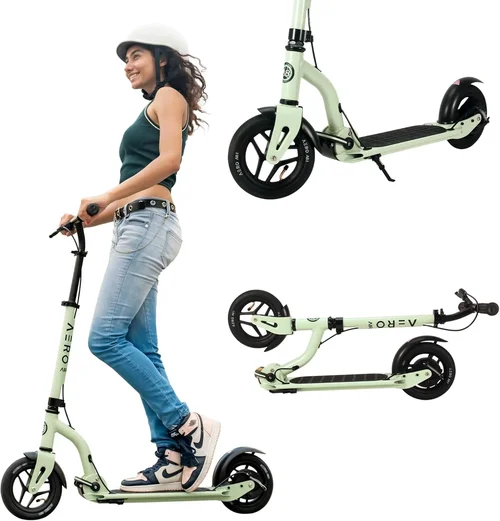
❌ Mistake: Prioritizing Price Over Quality
Why it’s bad: The cheapest scooter often uses low-grade motors, weak batteries, and flimsy frames that fail within months. You’ll end up spending more on repairs or replacements than if you’d bought a better model upfront.
What to do instead: Aim for the best value within your budget. A $500 scooter with solid reviews and a good warranty is smarter than a $250 one with no support.
❌ Mistake: Ignoring Real-World Range
Why it’s bad: Manufacturers often advertise ideal range under perfect conditions. If you weigh more than 150 lbs, ride uphill, or use high speed, your actual range could be 30% lower.
What to do instead: Divide the advertised range by 1.3 to estimate real-world performance. Choose a scooter with at least 20% more range than you need.
❌ Mistake: Overlooking Safety Features
Why it’s bad: Poor lighting, weak brakes, or lack of reflectors increase accident risk, especially at night or in traffic.
What to do instead: Ensure your scooter has bright front and rear lights, responsive disc or drum brakes, and reflective elements. Always wear a helmet.
❌ Mistake: Buying Without Testing
Why it’s bad: Scooters feel different in person—some are twitchy, others sluggish. A model that looks great online might be uncomfortable or hard to control.
What to do instead: Test ride if possible. If buying online, check return policies and look for retailers with generous trial periods.
❌ Mistake: Neglecting Warranty Details
Why it’s bad: A “1-year warranty” might exclude the battery, motor, or water damage—leaving you with no coverage when problems arise.
What to do instead: Read the warranty terms carefully. Choose brands that cover major components and offer local service options.
❌ Mistake: Choosing Based on Looks Alone
Why it’s bad: A sleek design doesn’t guarantee performance. Some stylish scooters sacrifice durability or functionality for aesthetics.
What to do instead: Focus on specs, build quality, and user feedback. Style is a bonus—not the priority.
❌ Mistake: Forgetting About Maintenance
Why it’s bad: Tires wear out, brakes need adjustment, and batteries degrade. Ignoring maintenance shortens your scooter’s lifespan.
What to do instead: Learn basic upkeep: check tire pressure, clean the deck, and store the scooter in a dry place. Keep spare parts handy.
Budget Guidelines: How Much Should You Spend?
Entry-Level ($200–$400): Ideal for kids, teens, or occasional riders. These scooters typically have 250W motors, 10–15 mile range, and basic features. Build quality is adequate but not rugged. Great for short, flat commutes or recreational use. Gotrax GXL and Xiaomi Mi Essential fall here.
Mid-Range ($500–$900): The sweet spot for most buyers. Expect 500W–800W motors, 15–25 mile range, better suspension, and improved safety features. Models like the Gotrax G4, Segway Ninebot ES4, and Apollo City offer excellent value with reliable performance and decent durability.
Premium ($900–$1,500): For enthusiasts and daily commuters who demand more. These scooters feature 1000W+ motors, 25–40 mile range, advanced suspension, app connectivity, and premium materials. They handle hills, longer distances, and varied terrain with ease. Examples include the Apollo Explore and Dualtron Thunder.
Luxury ($1,500+): Top-tier performance with cutting-edge tech. Think 2000W+ dual motors, 50+ mile range, hydraulic brakes, full suspension, and smart features like GPS tracking and anti-theft systems. Built for speed, comfort, and longevity—perfect for serious riders or those who treat their scooter like a vehicle. Dualtron Ultra and Nanrobot D6+ are in this category.
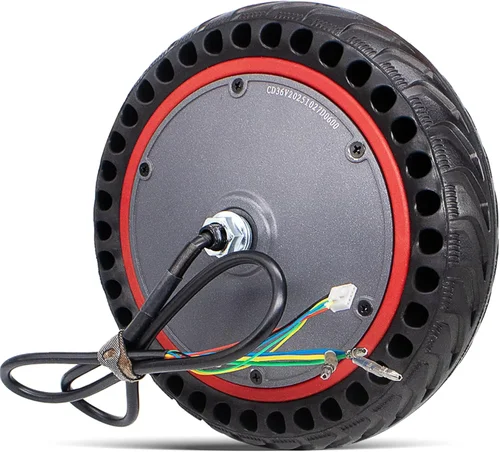
Expert Tips for Getting the Best Deal
1. Buy During Seasonal Sales: Major discounts happen during Black Friday, Cyber Monday, Amazon Prime Day, and end-of-season clearances (late summer/fall). Sign up for brand newsletters to get early access.
2. Compare Retailers: Prices vary between Amazon, Best Buy, Walmart, and direct-from-brand sites. Sometimes the manufacturer offers exclusive colors, bundles, or extended warranties.
3. Check Return Policies: Look for at least a 14-day return window with free return shipping. Some brands offer 30-day trials—use them to test real-world performance.
4. Consider Refurbished Models: Certified refurbished scooters from reputable sellers often come with warranties and cost 20–30% less. Gotrax offers refurbished units with full support.
5. Bundle Accessories: Some retailers offer discounts when you buy a helmet, lock, or phone mount with your scooter. This saves money and ensures compatibility.
6. Read the Fine Print on Shipping: Free shipping sounds great—but check delivery times and whether the scooter ships fully assembled. Some require minor setup.
7. Test Ride When Possible: Visit local stores or scooter demo events. Feeling the acceleration, braking, and comfort firsthand is invaluable.
8. Join Online Communities: Forums and Facebook groups often share exclusive promo codes, flash sales, or insider tips on upcoming models.

Frequently Asked Questions
Q: How fast do electric scooters go?
A: Most commuter scooters reach 15–20 mph, while performance models can hit 25–40 mph. Speed depends on motor power, rider weight, terrain, and battery level. Always obey local speed limits.
Q: How long do electric scooter batteries last?
A: Lithium-ion batteries typically last 300–500 charge cycles before capacity drops to 80%. With proper care (avoiding extreme temps, not overcharging), they can last 2–4 years.
Q: Can I ride an electric scooter in the rain?
A: Only if it has an IPX5 or higher rating. Avoid deep puddles and heavy downpours. Wet conditions reduce traction and increase braking distance—ride cautiously.
Q: Do I need a license or insurance?
A: In most U.S. states and many countries, no license is required for scooters under 20 mph. However, some cities require registration or restrict where you can ride. Check local laws.
Q: How do I maintain my scooter?
A: Regularly check tire pressure, clean the deck, inspect brakes, and store in a dry place. Charge the battery before it drops below 20% and avoid leaving it plugged in overnight.
Q: What’s the difference between hub and belt motors?
A: Hub motors are built into the wheel—simple, quiet, and low-maintenance. Belt motors use a drive belt—more efficient at high speeds but require occasional tension adjustments.
Q: Can I take my scooter on public transit?
A: Most buses and trains allow folded scooters, but policies vary. Check with your local transit authority. Keep it folded and out of the way.
Q: How much weight can an electric scooter carry?
A: Most support 220–265 lbs. Check the manufacturer’s weight limit—exceeding it can damage the motor or frame.
Q: What should I do if my scooter breaks down?
A: Contact customer support first. Many issues can be resolved with troubleshooting. If repair is needed, use authorized service centers to preserve your warranty.
Q: Are electric scooters eco-friendly?
A: Yes—compared to cars, they produce far fewer emissions. However, battery production and disposal have environmental impacts. Recycle old batteries responsibly.
Our Final Recommendations
Best for Budget-Conscious Buyers: Gotrax GXL V2 – At under $400, it offers solid 15-mile range, 15 mph speed, and reliable build quality. Perfect for students and casual commuters.
Best Overall Value: Gotrax G4 – Priced around $600, it delivers 20-mile range, 20 mph speed, dual suspension, and a bright display. A well-rounded choice for daily use.
Best Premium Option: Apollo Explore – With a 1000W motor, 40-mile range, and full suspension, it’s ideal for serious riders who want performance without breaking the bank.
Best for Beginners: Xiaomi Mi Essential – Simple controls, lightweight design, and excellent safety features make it a great first scooter.
Best for Advanced Users: Dualtron Thunder 2 – Dual 1200W motors, 75-mile range, and top-tier components for those who demand the ultimate ride.
Conclusion: Making the Right Choice
Choosing the best electric scooter isn’t about finding the most powerful or flashiest model—it’s about aligning your needs, budget, and lifestyle with a scooter that delivers consistent performance, safety, and satisfaction. We’ve covered everything from motor specs and battery life to build quality, brand reputation, and real-world usability. You now know how to evaluate options, avoid common pitfalls, and make a purchase you’ll be happy with for years.
Remember: the “best” scooter is the one that fits your life. Whether you’re commuting to work, exploring the city, or just having fun, prioritize reliability, safety, and support. Don’t rush the decision—take time to research, compare, and test. And when you do buy, choose a brand like Gotrax that stands behind its products with strong warranties and responsive service.
Your electric scooter is more than a gadget—it’s a tool for freedom, efficiency, and sustainable mobility. Invest wisely, ride safely, and enjoy the journey.