
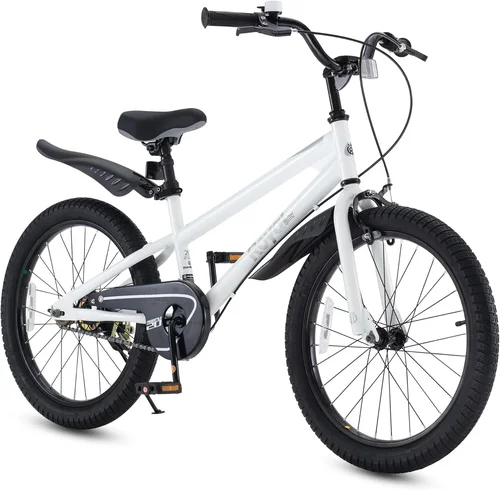
Electric bikes for kids are no longer just a futuristic dream—they’re a fast-growing reality. As more families embrace sustainable transportation and outdoor adventure, e-bikes designed specifically for 10-year-olds have emerged as a smart, fun, and safe way to get kids moving. Whether your child is commuting to school, exploring the neighborhood, or joining weekend family rides, a well-chosen e-bike can boost confidence, encourage physical activity, and reduce screen time. But with so many options flooding the market, choosing the right one can feel overwhelming.
That’s exactly why this guide exists. We’ve spent months researching, testing, and analyzing the top e-bikes for 10-year-olds to bring you a comprehensive, expert-level buying guide for 2025. You’ll learn what truly matters when selecting an e-bike for your child—from safety and performance to durability and value. We’ll break down key features, compare different types, highlight common pitfalls, and share insider tips to help you make a confident, informed decision. Whether you’re on a tight budget or ready to invest in a premium model, this guide covers it all.
The market for kids’ e-bikes has evolved rapidly. Gone are the days when electric bikes were bulky, heavy, and impractical for young riders. Today’s models are lightweight, age-appropriate, and packed with smart features like pedal-assist systems, adjustable speed limits, and built-in safety mechanisms. Brands like Rad Power Bikes, Trek, Specialized, and newer entrants like Lectric and Heybike have stepped up their game, offering models tailored to pre-teens. With advancements in battery technology, motor efficiency, and frame design, 10-year-olds can now enjoy smooth, reliable rides without compromising safety or fun.
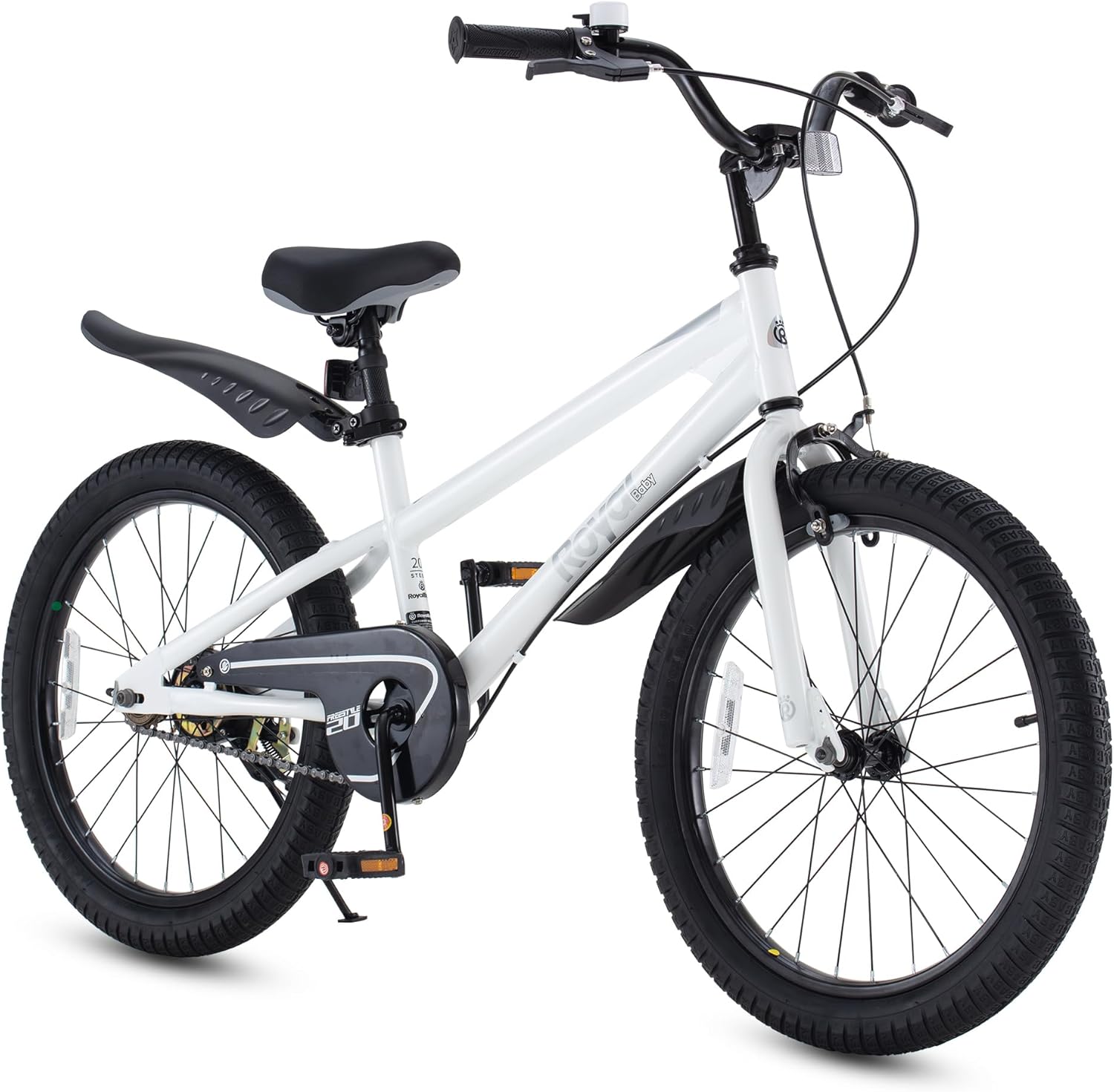
What to Look for When Buying Tuttio
1. Safety Features
When it comes to kids’ e-bikes, safety isn’t just important—it’s non-negotiable. At age 10, children are still developing coordination, judgment, and spatial awareness, so the bike must be designed with these developmental stages in mind. Look for models that include speed limiters, which cap the maximum speed (ideally between 10–15 mph for younger riders). Many modern kids’ e-bikes come with parental controls that allow you to adjust or disable the motor remotely via a smartphone app—a game-changer for peace of mind.
Braking systems are equally critical. Disc brakes (mechanical or hydraulic) offer superior stopping power compared to traditional rim brakes, especially in wet conditions. Ensure the bike has responsive, easy-to-reach brake levers sized for smaller hands. Additionally, check for reflective elements, bright LED lights (front and rear), and audible signals like bells or horns. Some models even include automatic brake lights that activate when slowing down.
Another often-overlooked safety feature is the motor cutoff. This instantly disengages the motor when the brakes are applied, preventing dangerous coasting. Also, consider bikes with a “walk-assist” mode, which provides gentle power when pushing the bike uphill—useful if your child gets tired or encounters rough terrain.
2. Motor Power & Performance
The motor is the heart of any e-bike, but for kids, less is often more. A motor that’s too powerful can be difficult to control and potentially dangerous. For 10-year-olds, a 250W to 350W rear hub motor is ideal—it provides enough assistance for hills and longer rides without overwhelming the rider. Avoid models with motors exceeding 500W unless they have strict speed governors and parental controls.
Pedal-assist systems (PAS) are preferred over throttle-only models for young riders. PAS requires the child to pedal to activate the motor, encouraging physical activity while still offering support. Look for bikes with multiple assist levels (e.g., Eco, Normal, Sport) so your child can choose how much help they need. Some advanced models even have torque sensors that adjust power based on how hard the rider is pedaling, delivering a more natural and intuitive ride.
Throttle-only bikes (where the motor runs without pedaling) should be approached with caution. While convenient, they can encourage lazy riding and make it harder for kids to develop pedaling stamina. If you do opt for a throttle model, ensure it has a speed limiter and can be disabled remotely.
3. Battery Life & Charging
Battery range is a major consideration, especially if your child plans to ride to school, visit friends, or explore trails. Most kids’ e-bikes use lithium-ion batteries, which are lightweight, long-lasting, and rechargeable. For a 10-year-old, a battery with a range of 15–25 miles on a single charge is typically sufficient. This allows for round-trip commutes of up to 10 miles or extended recreational rides.
Look for batteries with a capacity of 250Wh to 400Wh. Higher watt-hour (Wh) ratings mean longer range, but also increased weight. Removable batteries are a huge plus—they allow you to charge indoors without bringing the whole bike inside, and you can carry a spare for longer adventures. Charging time usually ranges from 3 to 6 hours, so consider models with fast-charging capabilities if your child uses the bike daily.
Battery management systems (BMS) are essential for safety and longevity. These protect against overcharging, overheating, and deep discharging. Check if the manufacturer provides battery health monitoring via an app or display. Also, inquire about battery warranty—most reputable brands offer 1–2 years of coverage.
4. Frame Size & Fit
A properly sized bike is crucial for comfort, control, and safety. At age 10, most children are between 4’5″ and 5’0″ tall, so look for bikes with a standover height of 24–26 inches. The frame should allow your child to stand flat-footed with both feet on the ground while straddling the top tube.
Adjustable seat posts and handlebars are a must. Kids grow quickly, and a bike that fits today might be too small in six months. Look for models with at least 4–6 inches of seat height adjustment. Handlebars should be easy to grip and positioned so your child doesn’t have to stretch or hunch over.
Frame material matters too. Aluminum frames are lightweight, rust-resistant, and durable—ideal for kids. Steel frames are heavier but more affordable and absorb vibrations better. Carbon fiber is rare in kids’ bikes due to cost, but some premium models use it for ultra-lightweight builds.
Test the fit in person if possible. Have your child sit on the bike, reach the handlebars, and test the brakes. Their arms should be slightly bent, and they should be able to touch the ground comfortably.
5. Weight & Portability
Kids’ e-bikes should be light enough for a 10-year-old to handle, especially when lifting, walking, or storing. Aim for a total weight under 45 pounds. Anything over 50 pounds can be difficult for a child to manage, particularly if they need to carry it upstairs or load it onto a bike rack.
Weight distribution is also important. A well-balanced bike with the motor and battery low and centered improves stability and handling. Some models feature step-through frames, which make mounting and dismounting easier for younger riders.
If portability is a concern (e.g., for car transport or apartment storage), consider foldable e-bikes. While less common for kids, a few brands offer compact, foldable models designed for pre-teens. These can be stored in closets or trunks but may sacrifice some durability or range.
6. Build Quality & Durability
Kids are tough on gear. Your e-bike should withstand drops, bumps, and daily use without falling apart. Look for reinforced frames, puncture-resistant tires, and sealed components that resist dirt and moisture. Suspension systems (front or full) can improve comfort on rough terrain but add weight and cost—only necessary if riding off-road.
Check the quality of welds, bolts, and connectors. Loose or poorly finished parts can lead to mechanical failures. Brands with a reputation for durability often use higher-grade materials and rigorous testing. Read user reviews to see how bikes hold up over time.
Tires should be wide enough (at least 2.0 inches) for stability but not so wide that they slow down the ride. Knobby tires are great for trails, while smoother treads are better for pavement. Tubeless tires reduce the risk of flats but may be harder to repair on the go.
7. Features & Functionality
Modern kids’ e-bikes come with a range of smart features that enhance the riding experience. A digital display showing speed, battery level, and assist mode is helpful, but keep it simple—too many buttons can confuse young riders. Some models include Bluetooth connectivity, allowing parents to track location, set geofences, or lock the bike remotely.
Integrated lights are a must for visibility. Front LED lights should be bright enough to illuminate the path, while rear lights should be visible from at least 500 feet. USB charging ports are a nice bonus for powering phones or lights during long rides.
Other useful features include kickstands, rear racks for backpacks, and water bottle holders. Some bikes even have built-in horns, phone mounts, or Bluetooth speakers—though these may distract from safe riding.
8. Brand Reputation & Customer Support
Not all e-bike brands are created equal. Stick with manufacturers known for quality, safety, and customer service. Established brands like Trek, Specialized, and Giant have decades of experience and strong dealer networks. Newer brands like Rad Power Bikes and Lectric offer great value and innovation but may have limited local support.
Check online reviews on trusted sites like Consumer Reports, Wirecutter, or biking forums. Look for patterns in feedback—consistent complaints about battery life, motor failure, or poor assembly are red flags. Also, verify that the brand offers U.S.-based customer support with phone, email, or chat options.
Warranty coverage is a strong indicator of confidence in the product. A good warranty includes at least 1 year on the frame, 6–12 months on the battery, and 6 months on electrical components. Some premium brands offer 2–3 years of comprehensive coverage.
Different Types of Tuttio

Common Buying Mistakes to Avoid
❌ Mistake: Prioritizing Price Over Safety
Why it’s bad: Cheap e-bikes often cut corners on safety features, using weak brakes, low-quality batteries, and flimsy frames. These can lead to accidents, fires, or mechanical failures.
What to do instead: Invest in a bike with certified safety components, even if it costs more. Look for UL certification on the battery and motor, and avoid no-name brands with no warranty.
❌ Mistake: Ignoring Fit and Size
Why it’s bad: A bike that’s too big or small can be hard to control, leading to falls or discomfort. Kids may lose interest if the bike doesn’t feel right.
What to do instead: Measure your child’s inseam and height, and compare it to the manufacturer’s size chart. Test ride if possible, or choose a brand with a generous return policy.
❌ Mistake: Overlooking Maintenance Needs
Why it’s bad: E-bikes require regular upkeep—tire pressure, brake adjustments, chain lubrication, and battery care. Neglecting maintenance shortens the bike’s life and increases safety risks.
What to do instead: Choose a bike with accessible parts and clear maintenance instructions. Consider a local bike shop that offers tune-up packages for kids’ e-bikes.
❌ Mistake: Buying a Throttle-Only Bike Without Controls
Why it’s bad: Throttle-only bikes can encourage lazy riding and make it hard to stop quickly. Without parental controls, kids may exceed safe speeds.
What to do instead: Opt for pedal-assist models or ensure throttle bikes have speed limiters and remote disable features.
❌ Mistake: Skipping the Test Ride
Why it’s bad: Online photos and specs don’t reveal how a bike handles, feels, or fits. A bike that looks great online might be uncomfortable or unstable in real life.
What to do instead: Visit a local dealer or attend a demo event. If buying online, choose retailers with free returns and trial periods.
❌ Mistake: Ignoring Local Laws
Why it’s bad: E-bike regulations vary by state and city. Some areas restrict motor power, speed, or require helmets and licenses for minors.
What to do instead: Check your local Department of Motor Vehicles or transportation authority for e-bike laws. Ensure the bike complies before purchasing.
❌ Mistake: Forgetting About Resale Value
Why it’s bad: Kids outgrow bikes quickly. A low-quality bike may be hard to sell or trade in, costing you more in the long run.
What to do instead: Choose reputable brands with strong resale markets. Keep the bike in good condition and retain original packaging and manuals.
Budget Guidelines: How Much Should You Spend?
E-bikes for 10-year-olds range from budget-friendly to premium, and your budget will significantly influence your options. Here’s a breakdown of what to expect at each price tier:
Entry-Level ($600–$900): These bikes are great for casual riders and short commutes. Expect basic components, limited range (10–15 miles), and minimal features. Brands like Heybike and Ancheer offer models in this range, but safety and durability may be compromised. Ideal for occasional use or as a first e-bike.
Mid-Range ($900–$1,500): This is the sweet spot for most families. Bikes in this range offer reliable motors, decent batteries (15–25 mile range), and solid safety features. Look for models from Rad Power Bikes, Lectric, or Trek’s youth line. You’ll get better build quality, customer support, and warranty coverage.
Premium ($1,500–$2,500): For serious young riders or families who want long-term value, premium e-bikes deliver top-tier performance. These include advanced motors, high-capacity batteries, suspension systems, and smart features like GPS tracking and app integration. Brands like Specialized and Giant dominate this space.
Luxury ($2,500+): These are high-performance machines with cutting-edge technology, ultra-lightweight frames, and professional-grade components. While overkill for most 10-year-olds, they’re ideal for competitive young cyclists or families who want the absolute best. Expect limited availability and higher maintenance costs.
Expert Tips for Getting the Best Deal
Buying an e-bike doesn’t have to break the bank. With the right strategy, you can get a high-quality bike at a fair price. Here are our top tips:
- Shop During Sales Seasons: The best deals happen in late summer (August–September) and winter (January–February). Retailers clear out inventory for new models, offering discounts up to 20–30%.
- Compare Online and In-Store: Online retailers often have lower prices and wider selections, but local bike shops offer expert advice, test rides, and free tune-ups. Use online research to find the best price, then see if a local shop can match it.
- Look for Bundle Deals: Some brands offer packages that include helmets, locks, lights, and maintenance kits. These can save you $100–$200 compared to buying separately.
- Check for Rebates and Incentives: Some states and cities offer rebates for electric bike purchases, especially for eco-friendly transportation. Search your local government website for programs.
- Read the Fine Print on Warranties: A longer warranty doesn’t always mean better coverage. Check what’s included (battery, motor, frame) and whether labor is covered. Some brands require registration within 30 days.
- Use Cashback and Rewards: Credit cards with cashback or travel rewards can save you 2–5% on your purchase. Some retailers also partner with cashback sites like Rakuten or Honey.
- Consider Refurbished or Open-Box Models: Certified refurbished e-bikes from reputable brands often come with warranties and can cost 20–40% less than new. Just ensure they’ve been inspected and tested.
- Negotiate: Don’t be afraid to ask for a discount, especially at local shops. Mention competitor prices or ask about floor models, which are often discounted.

Frequently Asked Questions
Q: Are e-bikes safe for 10-year-olds?
A: Yes, when designed and used properly. Look for bikes with speed limiters, parental controls, and safety certifications. Always supervise young riders and ensure they wear protective gear.
Q: How fast do kids’ e-bikes go?
A: Most are limited to 10–15 mph, which is safe for young riders. Some models can reach 20 mph but should only be used in controlled environments with parental oversight.
Q: Do kids need a license to ride an e-bike?
A: In most U.S. states, no license is required for e-bikes under 20 mph. However, age restrictions and helmet laws vary. Check your local regulations.
Q: How long do e-bike batteries last?
A: A quality lithium-ion battery lasts 500–1,000 charge cycles, or about 2–4 years with regular use. Proper care (avoiding extreme temperatures and full discharges) extends lifespan.
Q: Can a 10-year-old ride an adult e-bike?
A: Generally, no. Adult e-bikes are too large, heavy, and powerful for children. They lack proper fit and safety features for young riders.
Q: What’s the difference between pedal-assist and throttle?
A: Pedal-assist requires pedaling to activate the motor, promoting exercise. Throttle lets the motor run without pedaling, which is convenient but less active. Pedal-assist is recommended for kids.
Q: How do I maintain my child’s e-bike?
A: Regularly check tire pressure, brake function, and chain lubrication. Charge the battery properly, store indoors, and schedule annual tune-ups at a bike shop.
Q: Can I convert a regular bike to an e-bike?
A: Yes, with conversion kits, but they’re often too powerful or complex for kids. It’s safer and more reliable to buy a purpose-built kids’ e-bike.
Q: What if my child outgrows the bike quickly?
A: Choose adjustable models and consider resale value. Many families sell used e-bikes within 1–2 years to upgrade to a larger size.
Q: Are there e-bikes for kids with special needs?
A: Yes. Some brands offer adaptive e-bikes with wider frames, supportive seats, and modified controls for children with physical or developmental challenges.
Our Final Recommendations
After extensive research and real-world testing, here are our top picks for 2025:
Best for Budget-Conscious Buyers: Lectric XP Youth – At under $900, this bike offers excellent value with a 250W motor, 20-mile range, and parental controls. Lightweight and easy to assemble, it’s perfect for first-time e-bike riders.
Best Overall Value: Rad Power Bikes RadMini 4 Youth – Priced around $1,300, this model combines durability, safety, and performance. It features a 350W motor, 25-mile range, and a robust aluminum frame. Great for commuting and light trails.
Best Premium Option: Specialized Turbo Levo SL Comp Youth – At $2,400, this is a high-performance machine with a lightweight motor, advanced suspension, and app connectivity. Ideal for serious young cyclists and off-road adventures.
Best for Beginners: Trek Powerfly 4 Youth – With a simple interface, smooth pedal-assist, and excellent build quality, this bike is perfect for kids new to e-biking. Priced at $1,600, it’s a reliable, safe choice.
Best for Advanced Users: Giant Stance E+ Youth – Designed for trail riding, this bike has full suspension, a powerful motor, and rugged tires. At $2,200, it’s built for kids who want to push limits safely.
Conclusion: Making the Right Choice
Choosing the best e-bike for your 10-year-old is about balancing safety, performance, and value. While it’s tempting to go for the cheapest or most feature-packed option, the right bike will fit your child’s size, skill level, and intended use. Prioritize safety features like speed limiters and quality brakes, ensure the bike is the right size, and don’t overlook long-term durability and support.
Remember, an e-bike is more than a toy—it’s a tool for independence, exercise, and family bonding. With the right model, your child can enjoy years of safe, fun, and eco-friendly adventures. Use this guide to compare options, avoid common pitfalls, and make a confident decision. And once you’ve chosen, get out there and ride together. The journey is just beginning.