
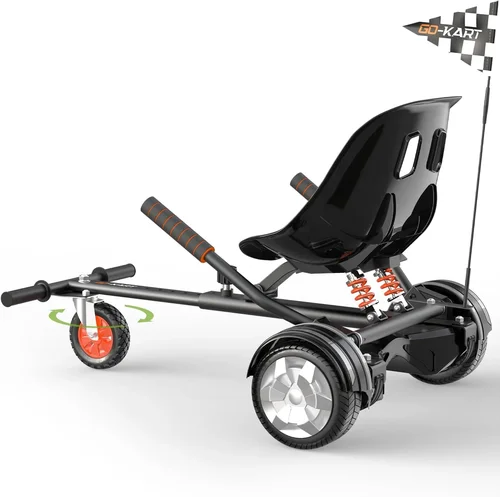
When it comes to personal electric transportation, few devices have captured the imagination—and the sidewalks—quite like the hoverboard. Once a futuristic fantasy, hoverboards have evolved from novelty gadgets into serious mobility tools used by kids, teens, adults, and even commuters. But with hundreds of models flooding the market, ranging from ultra-cheap knockoffs to high-end performance machines, choosing the best quality hoverboard can feel overwhelming. That’s where this guide comes in.
Whether you’re buying your first self-balancing scooter or upgrading from an older model, understanding what truly defines “quality” is essential. It’s not just about flashy LED lights or trendy colors—it’s about safety, reliability, performance, and long-term value. In this comprehensive 2026 buying guide, we’ll walk you through every critical factor that separates a decent hoverboard from a truly exceptional one. You’ll learn how to evaluate specs like motor power, battery life, and build materials, avoid common pitfalls, compare different types, and make a confident purchase decision tailored to your needs and budget.
The hoverboard market has matured significantly since its explosive debut in the mid-2010s. Today’s top-tier models feature advanced gyroscopic sensors, UL2272-certified batteries, Bluetooth connectivity, smartphone app integration, and ruggedized designs capable of handling real-world conditions. At the same time, budget options have also improved—but often at the expense of safety or durability. With so much variety, it’s easy to get lost in marketing hype or swayed by flashy features that don’t actually improve your riding experience. Our goal is to cut through the noise and give you the expert insight needed to choose a hoverboard that’s safe, fun, reliable, and built to last.

What to Look for When Buying a Hoverboard
1. Safety Certifications & Compliance
Safety should always be your top priority when selecting a hoverboard. The most important certification to look for is UL 2272, which ensures the device meets rigorous electrical and fire safety standards set by Underwriters Laboratories. This certification specifically addresses battery management systems, charger safety, and overall electrical integrity—critical factors given the lithium-ion battery fires that plagued early hoverboards. Always verify that the model you’re considering carries genuine UL 2272 certification (look for the official UL mark on the product or packaging). Avoid uncertified or “CE-only” models, as CE marking is self-declared by manufacturers and doesn’t guarantee third-party testing.
In addition to UL 2272, check for compliance with local regulations. For example, some cities restrict hoverboard use on public roads or require helmets—knowing these rules upfront can save you headaches later. Also, consider models with additional safety features like non-slip foot pads, low-battery warnings, tilt-back alerts (which slow the board when you’re going too fast), and automatic shutoff in case of overheating or imbalance.
2. Motor Power & Performance
Motor power directly affects acceleration, hill-climbing ability, and overall ride smoothness. Most consumer hoverboards feature dual motors—one for each wheel—with total power ranging from 250W to 800W+. For casual riders on flat surfaces, 350W–500W is usually sufficient. However, if you plan to tackle inclines (even modest 10–15% grades), carry heavier loads, or want quicker response times, aim for at least 600W combined power.
Pay attention to whether the specs list “peak” or “continuous” wattage. Peak power is a short-term burst rating and less meaningful than continuous output, which reflects real-world performance. A 400W continuous motor will outperform a 600W peak motor under sustained load. Also consider torque: higher torque means better responsiveness and stability, especially during starts and stops. Test rides (if possible) or video reviews can help you gauge how a board feels in motion—does it hesitate on hills? Does it jerk when accelerating?
3. Battery Life & Charging Time
Battery capacity is measured in watt-hours (Wh) or ampere-hours (Ah), but real-world range depends on rider weight, terrain, speed, and riding style. Most mid-range hoverboards offer 6–12 miles per charge. Heavier riders or aggressive riding will reduce this range significantly. Look for lithium-ion batteries (preferably Samsung, LG, or Panasonic cells) with capacities between 4.4Ah and 8.8Ah. Higher Ah generally means longer range, but also longer charging times.
Charging time typically ranges from 2 to 4 hours. Fast-charging models (under 2 hours) are convenient but may reduce battery lifespan if used excessively. Avoid hoverboards that take more than 4 hours to charge unless they offer exceptional range. Also, check if the charger is included and UL-listed—using third-party chargers can void warranties or pose fire risks.
4. Build Quality & Durability
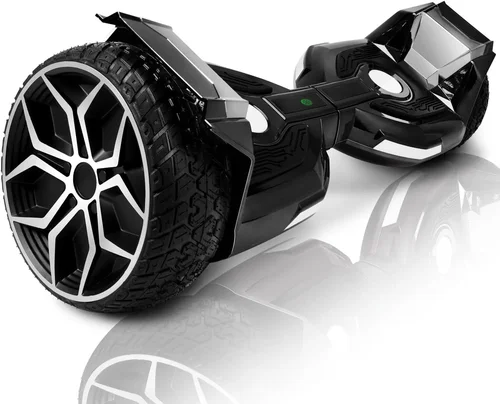
A well-built hoverboard should feel solid and stable underfoot. Key materials to examine include the deck (usually ABS plastic or reinforced polymer), wheel construction (solid rubber vs. pneumatic tires), and frame rigidity. Premium models often use aircraft-grade aluminum foot stands or reinforced chassis to prevent flexing or cracking.
Pneumatic (air-filled) tires offer superior shock absorption and grip on uneven surfaces like gravel or grass, making them ideal for outdoor use. Solid rubber tires are maintenance-free and puncture-proof but provide a harsher ride on rough terrain. Consider your primary riding environment: urban sidewalks favor solid tires, while parks or trails benefit from pneumatics.
Also inspect the foot pads—they should be textured, non-slip, and securely attached. Loose or peeling pads are a red flag for poor quality control. Finally, check IP ratings for water and dust resistance. An IP54 rating means splash-resistant (good for light rain), while IP65 offers better protection against dust and water jets. Avoid riding in heavy rain regardless of rating.
5. Weight Capacity & Rider Compatibility
Every hoverboard has a maximum weight limit, typically ranging from 220 lbs to 330 lbs. Exceeding this limit can damage motors, reduce battery life, and compromise safety. If you’re near the upper end of the range, choose a model with a higher capacity buffer (e.g., if you weigh 200 lbs, pick a 265+ lb board).
Height and foot size also matter. Most hoverboards accommodate riders from about 4’ to 6’5”, but those with larger feet may find narrow decks uncomfortable. Look for models with wider foot platforms (at least 6.5 inches) and adjustable sensitivity settings via app (if available). Beginners should prioritize boards with beginner modes that limit speed and sensitivity until they gain confidence.
6. Features & Smart Functionality
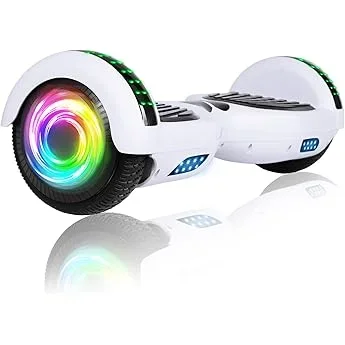
Modern hoverboards come packed with features that enhance usability and fun. Bluetooth speakers allow you to stream music directly from your phone—great for solo rides or group outings. LED headlights and customizable underglow lighting improve visibility and style, though they consume extra battery.
Many premium models now include companion apps that let you monitor speed, battery level, riding statistics, and even lock the board remotely. Some apps offer firmware updates, ride modes (eco, sport, beginner), and anti-theft alarms. While not essential, these features add convenience and personalization.
Other useful extras include:
– App-controlled speed limits (ideal for parents)
– Self-balancing calibration tools
– Ride history tracking
– Customizable LED colors and patterns
However, don’t let features overshadow core performance. A hoverboard with amazing lights but weak motors or poor battery life won’t deliver a satisfying ride.
7. Brand Reputation & Customer Support
Stick with established brands known for quality and reliability. Reputable manufacturers like Segway-Ninebot, Gotrax, Swagtron, Razor, and Halo Rover invest in R&D, rigorous testing, and customer service. Check online reviews on trusted platforms (Amazon, Best Buy, Wirecutter) and look for patterns—consistent complaints about battery failure or unresponsive support are major red flags.
Good brands also provide clear documentation, responsive customer service, and accessible replacement parts. Avoid no-name brands sold exclusively through third-party Amazon sellers with no physical presence or contact information. If something goes wrong, you want a company that stands behind its product.
8. Warranty & Return Policy
A solid warranty reflects manufacturer confidence in their product. Look for at least a 1-year limited warranty covering defects in materials and workmanship. Some premium brands offer 18–24 months. Pay attention to what’s excluded: batteries often have shorter coverage (6–12 months), and physical damage is typically not covered.
Return policies matter too—especially for online purchases. Ideally, you should have at least 30 days to return the hoverboard if it doesn’t meet expectations. Some retailers (like Best Buy or Costco) offer generous return windows, while others charge restocking fees. Always read the fine print before buying.
Different Types of Hoverboards

Common Buying Mistakes to Avoid
❌ Mistake: Prioritizing Price Over Safety
Why it’s bad: Ultra-cheap hoverboards (under $150) often skip UL certification, use low-quality batteries, and lack proper circuit protection—increasing fire and injury risks.
What to do instead: Set a minimum budget of $200 and only consider UL 2272-certified models. Safety isn’t optional.
❌ Mistake: Ignoring Weight Limits
Why it’s bad: Overloading a hoverboard strains motors, drains batteries faster, and can cause sudden shutdowns mid-ride—dangerous on busy streets.
What to do instead: Always check the max weight capacity and choose a board rated for at least 20–30 lbs above your body weight.
❌ Mistake: Assuming All “Bluetooth” Models Are Equal
Why it’s bad: Some budget boards include Bluetooth speakers but skimp on audio quality or drain the battery rapidly. Others lack app connectivity entirely.
What to do instead: Read detailed reviews to confirm speaker clarity, volume, and whether the app offers useful features—not just marketing fluff.
❌ Mistake: Buying Without Testing Ride Feel
Why it’s bad: Sensitivity, responsiveness, and balance vary widely between models. A board that feels jerky or sluggish can ruin the experience.
What to do instead: If possible, test ride at a store or borrow from a friend. Watch slow-motion review videos to observe handling.
❌ Mistake: Overlooking Tire Type for Your Environment
Why it’s bad: Solid tires on bumpy trails lead to uncomfortable, jarring rides. Pneumatic tires on smooth pavement may feel unnecessarily bulky.
What to do instead: Match tire type to your most common riding surface—solid for pavement, pneumatic for off-road.
❌ Mistake: Skipping the Warranty Check
Why it’s bad: Without warranty coverage, a $400 hoverboard becomes a $400 paperweight if the battery fails after 6 months.
What to do instead: Confirm warranty length, what’s covered, and how to file a claim before purchasing.
❌ Mistake: Falling for “Lifetime” or “Unlimited” Claims
Why it’s bad: These are almost always marketing gimmicks. True lifetime warranties are rare and come with hidden terms.
What to do instead: Focus on realistic, documented support—look for brands with active customer service teams and replacement part availability.
Budget Guidelines: How Much Should You Spend?
Entry-Level ($150–$250):
These models are best suited for light, occasional use—think weekend fun for kids or short backyard rides. Expect basic features: 350W motors, 4.4Ah batteries (4–6 mile range), solid rubber tires, and minimal smart functionality. Safety certifications may be present, but build quality can vary. Ideal for first-time buyers testing the waters, but not recommended for daily commuting or heavier riders.
Mid-Range ($250–$450):
This is the sweet spot for most buyers. You’ll find reliable UL 2272-certified boards with 500W–600W motors, 6–10 mile ranges, better foot pads, and optional Bluetooth/app features. Many include beginner modes, LED lights, and decent durability. Brands like Gotrax, Swagtron, and Razor dominate this tier with strong value propositions. Perfect for teens, students, and casual adult riders.
Premium ($450–$700):
Designed for enthusiasts and daily users, these hoverboards boast 700W+ motors, 8–15 mile ranges, pneumatic tires, advanced app controls, and premium materials (e.g., aluminum frames). Expect smoother rides, faster charging, and robust customer support. Models from Segway-Ninebot and Halo Rover excel here. Worth the investment if you ride frequently or need all-terrain capability.
Luxury ($700+):
At this level, you’re paying for cutting-edge tech, brand prestige, and extreme durability. Features may include swappable batteries, GPS tracking, regenerative braking, and military-grade waterproofing. These are overkill for most casual riders but ideal for professionals, tech collectors, or those who demand the absolute best. Only consider if budget is no object and you value innovation over cost-efficiency.
Expert Tips for Getting the Best Deal
– Shop During Seasonal Sales: Major discounts occur during Black Friday, Cyber Monday, Amazon Prime Day, and back-to-school season (July–August). Sign up for retailer newsletters to get early access.
– Buy Direct from Manufacturer When Possible: Brands like Gotrax and Segway often offer exclusive bundles, extended warranties, or free shipping on their websites—sometimes beating third-party prices.
– Check Refurbished or Open-Box Options: Certified refurbished hoverboards from reputable sellers (e.g., Best Buy Outlet, manufacturer-certified programs) can save 20–40% while including full warranties.
– Read Recent Reviews (Last 6 Months): Hoverboard specs and quality can change yearly. Older reviews may not reflect current models—prioritize up-to-date feedback.
– Test Return Policies Before Buying: If shopping online, ensure the retailer allows returns within 30 days with minimal hassle. Avoid sellers with “final sale” policies.
– Look for Bundle Deals: Some retailers include free helmets, carrying bags, or extra chargers—adding real value beyond the base price.
– Verify Seller Authenticity: On marketplaces like Amazon, buy only from the brand’s official store or authorized resellers. Counterfeit hoverboards are common and dangerous.
– Consider Total Cost of Ownership: Factor in potential battery replacements (every 2–3 years), tire wear, and repair costs. A slightly pricier model with better durability may save money long-term.

Frequently Asked Questions
Q: Are hoverboards safe for kids?
A: Yes, when used responsibly and with proper safety gear. Choose a model with a lower max speed (under 8 mph), beginner mode, and UL 2272 certification. Always supervise young riders and require helmets, knee pads, and elbow pads. Avoid riding near traffic or on wet surfaces.
Q: How long do hoverboard batteries last?
A: Most lithium-ion batteries retain 80% capacity after 300–500 charge cycles, translating to 1.5–3 years of typical use. Battery life depends on usage frequency, charging habits, and storage conditions (avoid extreme heat or cold).
Q: Can I ride a hoverboard in the rain?
A: Only if it has an IP54 or higher rating—and even then, light drizzle only. Never submerge or ride through puddles. Water damage usually voids warranties, so err on the side of caution.
Q: Do I need a license or insurance to ride a hoverboard?
A: In most U.S. states, no license is required, but local laws vary. Some cities prohibit hoverboards on sidewalks or roads. Check your municipal code. Insurance is rarely required but consider adding coverage to a homeowner’s or renter’s policy for liability protection.
Q: Why does my hoverboard shake or wobble?
A: This is often due to calibration issues, uneven terrain, or low battery. Try recalibrating on a flat surface (most apps have a “calibrate” button). If shaking persists, it may indicate motor or sensor problems—contact support.
Q: Can adults ride kids’ hoverboards?
A: Generally no. Kids’ models have lower weight limits (often under 175 lbs) and less powerful motors. Adults risk damaging the board or losing control. Always choose a board rated for your weight.
Q: How fast do hoverboards go?
A: Most consumer models max out between 7–10 mph. High-performance boards can reach 12–15 mph, but speeds above 10 mph increase fall risk and reduce battery life.
Q: Is it okay to leave a hoverboard plugged in overnight?
A: Modern UL-certified boards have overcharge protection, so occasional overnight charging is safe. However, for battery longevity, unplug once fully charged. Avoid using non-certified chargers.
Q: Can I take a hoverboard on a plane?
A: No. Due to lithium-ion battery fire risks, the FAA prohibits hoverboards in both carry-on and checked luggage. Some airlines may allow them as cargo with special packaging—but it’s rarely worth the hassle.
Q: What’s the difference between a hoverboard and a self-balancing scooter?
A: Technically, they’re the same thing—“hoverboard” is a trademarked term originally owned by Lexus, so many brands use “self-balancing scooter” instead. Functionally, no difference.
Our Final Recommendations
Best for Budget-Conscious Buyers: Gotrax GXL V2 – At around $250, it offers UL 2272 certification, 600W motors, 10-mile range, and solid build quality. Great entry point without sacrificing core safety.
Best Overall Value: Swagtron Swagboard Outlaw T6 – Pneumatic tires, 700W motors, 12-mile range, and excellent app features—all under $500. Perfect blend of performance and price.
Best Premium Option: Segway-Ninebot S Max – With 800W motors, 15-mile range, IPX5 water resistance, and advanced app controls, this is the Tesla of hoverboards—ideal for serious riders.
Best for Beginners: Razor Hovertrax 2.0 – Simple operation, beginner mode, sturdy build, and trusted brand reputation. Excellent for teens and first-timers.
Best for Advanced Users: Halo Rover X – All-terrain capability, 800W motors, swappable battery, and rugged design. Built for adventure seekers who ride daily.
Conclusion: Making the Right Choice
Choosing the best quality hoverboard isn’t about finding the flashiest model or the cheapest deal—it’s about matching the right combination of safety, performance, and features to your lifestyle. Whether you’re commuting across campus, exploring local trails, or just having fun in the driveway, a well-chosen hoverboard can deliver years of reliable, enjoyable rides.
Remember: prioritize UL 2272 certification above all else, respect weight and terrain limits, and don’t overlook the importance of warranty and customer support. Use the budget tiers and expert tips in this guide to navigate sales and avoid overpaying for unnecessary extras. And most importantly, ride responsibly—wear protective gear, stay aware of your surroundings, and respect local laws.
Your perfect hoverboard is out there. With the knowledge from this guide, you’re now equipped to find it confidently, safely, and smartly. Happy riding!