
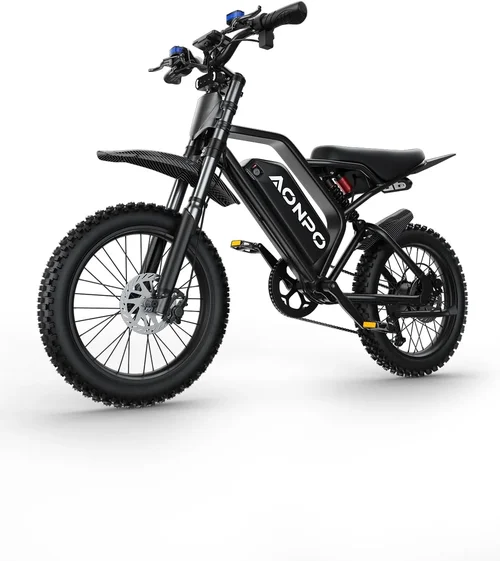
Electric dirt bikes for adults have exploded in popularity over the past few years, and for good reason. They offer a thrilling off-road experience without the noise, emissions, or maintenance headaches of traditional gas-powered motorcycles. Whether you’re an adrenaline junkie looking to conquer rugged trails, a weekend warrior seeking eco-friendly recreation, or a commuter wanting a fun way to navigate urban obstacles, e-dirt bikes deliver performance, convenience, and sustainability in one powerful package.
This comprehensive buying guide is designed to help you cut through the noise and make a smart, informed decision. With dozens of models flooding the market—from budget-friendly entry-level options to high-performance machines rivaling professional motocross bikes—it’s easy to feel overwhelmed. Our goal is to equip you with everything you need to know: from understanding key performance specs and build quality to avoiding common pitfalls and finding the best value for your budget. We’ve tested, researched, and analyzed the latest 2026 models so you don’t have to.
The electric dirt bike market has matured significantly. What once consisted of clunky prototypes and underpowered toys now features sleek, durable, and seriously capable machines from reputable brands like Sur Ron, Talaria, Cake, and even legacy motorcycle manufacturers entering the EV space. Battery technology has improved, motors are more efficient, and frames are lighter yet stronger. This means better range, faster acceleration, and longer lifespans—all critical factors when investing in an e-dirt bike that can cost anywhere from $1,500 to over $15,000. Whether you’re buying your first electric off-roader or upgrading from a previous model, this guide will walk you through every step of the process.
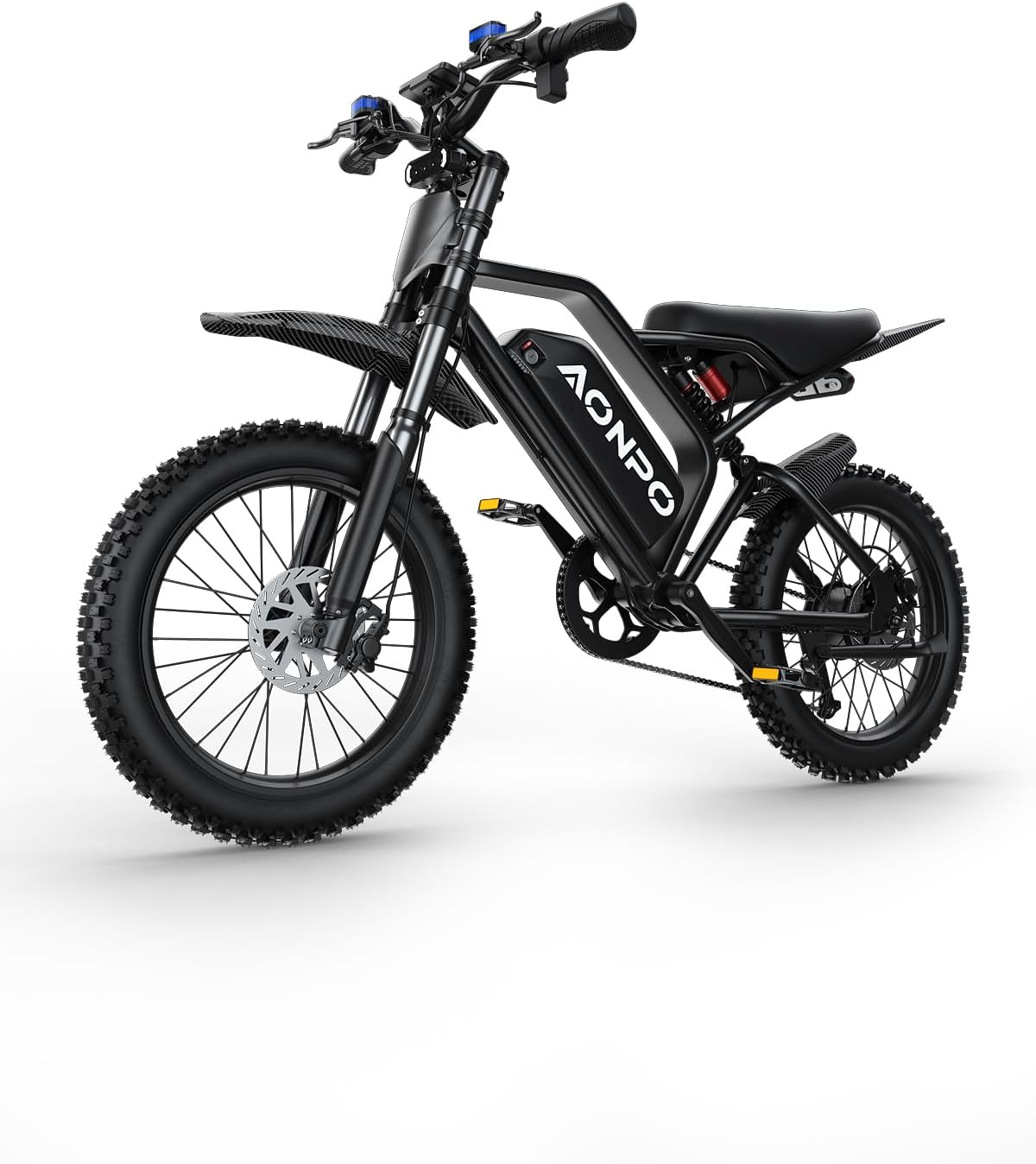
What to Look for When Buying an E Dirt Bike
1. Budget & Price Range
Your budget is the single most important factor when shopping for an e-dirt bike. Prices vary wildly—from around $1,200 for basic commuter-style models to well over $15,000 for race-ready machines with carbon fiber components and top-tier suspension. Before diving into specs, determine how much you’re willing (and able) to spend. Keep in mind that cheaper bikes often cut corners on motor power, battery capacity, frame materials, and safety features.
A realistic budget should also account for additional costs: helmets, protective gear, charging accessories, insurance (if required in your area), and potential maintenance. While it’s tempting to go for the lowest price, investing slightly more upfront can save you money long-term by avoiding frequent repairs or premature upgrades. Think of your e-dirt bike as a long-term investment in fun and freedom—not just a toy.
2. Performance Specifications
Performance specs define what your bike can actually do. Key metrics include motor power (measured in watts or kilowatts), top speed, torque, range per charge, and hill-climbing ability. For adults, especially those weighing over 180 lbs or planning to ride on steep terrain, aim for at least a 3,000W motor—though 5,000W to 10,000W is ideal for serious off-roading.
Range is equally critical. Most mid-tier e-dirt bikes offer 20–40 miles per charge under mixed conditions, but aggressive riding or hilly trails can cut that in half. Look for removable batteries if you plan to extend your ride time—some premium models even support hot-swapping batteries mid-ride. Torque matters too: higher torque (measured in Nm) means quicker acceleration and better performance on loose or technical terrain. Always check real-world user reports, as manufacturer claims often reflect ideal lab conditions.
3. Build Quality & Durability
An e-dirt bike takes a beating—rocks, mud, jumps, crashes. That’s why build quality isn’t optional; it’s essential. Start with the frame: aluminum alloy (like 6061-T6) is lightweight yet strong, while steel frames are heavier but more impact-resistant. Avoid plastic-heavy constructions unless you’re only doing light trail riding.
Check the suspension system. Quality front forks (like inverted USD forks) and rear shocks with adjustable preload, compression, and rebound damping make a huge difference in ride comfort and control. Tires should be knobby and tubeless-ready for better grip and puncture resistance. Also inspect welds, cable routing, and waterproofing—especially around the battery compartment and motor. A well-built bike feels solid, responsive, and inspires confidence even when you’re pushing its limits.
4. Features & Functionality
Modern e-dirt bikes come packed with features that enhance safety, usability, and performance. Regenerative braking, for example, recaptures energy during deceleration and feeds it back into the battery—extending range slightly. Multiple riding modes (Eco, Trail, Sport, Race) let you tailor power delivery to your skill level or terrain.
Look for integrated displays showing speed, battery level, trip distance, and error codes. Some models include Bluetooth connectivity for app-based diagnostics and ride tracking. LED lighting improves visibility during dawn/dusk rides, while USB ports allow you to charge your phone on the go. Don’t overlook practical details like kickstands, luggage racks, or foldable designs if portability matters. Even seemingly minor features—like a low center of gravity or intuitive throttle response—can dramatically affect your riding experience.
5. Brand Reputation & Reliability
Not all e-dirt bike brands are created equal. Established names like Sur Ron (now owned by Altron), Talaria, Cake, and Segway have proven track records for reliability, customer service, and parts availability. Lesser-known or no-name brands may offer tempting prices, but they often lack proper certifications (like UL or CE), have poor after-sales support, or use questionable components.
Research brand history: How long have they been in business? Do they offer firmware updates? Are replacement parts easy to source? Read forums like Reddit’s r/ElectricMotorcycles or YouTube reviews from trusted creators. A reputable brand stands behind its product—even if something goes wrong months after purchase. Avoid “drop-shipped” bikes from obscure online retailers with no physical address or customer service line.
6. Warranty & Support
A solid warranty is a strong indicator of a manufacturer’s confidence in their product. Most reputable brands offer at least a 12-month limited warranty covering the motor, battery, and frame. Premium models may include 24–36 months of coverage. Pay close attention to what’s included: some warranties exclude batteries (which degrade over time) or damage from “extreme use” like jumping or racing.
Customer support matters just as much. Can you reach a human being quickly? Are there local service centers or authorized dealers? Some brands provide detailed service manuals and video tutorials, while others leave you stranded. Before buying, test their support by sending an email or calling their helpline. If they’re unresponsive during pre-sale inquiries, imagine what it’ll be like post-purchase.
7. Size, Weight & Portability
Adult e-dirt bikes typically weigh between 80 and 150 pounds—light enough to maneuver off-road but heavy enough to feel stable at speed. Consider your own strength and mobility: can you lift the bike if it falls? Can you load it into a truck bed or trailer? Foldable models exist but are rare and often compromise on rigidity.
Seat height is another key dimension. Most adult e-dirt bikes have seat heights between 30 and 36 inches. Taller riders (6’+) may prefer higher seats for better legroom and control, while shorter riders should look for low-seat variants or models with adjustable suspension. Wheel size also affects handling: 21″/18″ (front/rear) is standard for true off-road capability, while 19″/17″ setups are more suited to mixed terrain or lighter riders.
8. User Reviews & Real-World Feedback
Spec sheets tell part of the story—but real users tell the rest. Always read verified customer reviews on retailer sites (like RevZilla, EV Universe, or Amazon) and independent forums. Look for patterns: Do multiple users report the same battery issue? Is the advertised range consistently overstated? Are there complaints about missing parts or poor assembly?
Video reviews are especially valuable—they show the bike in action, reveal build quality细节, and demonstrate how it handles real terrain. Pay attention to long-term owners (6+ months) who discuss durability, maintenance needs, and overall satisfaction. Remember: one glowing review doesn’t guarantee quality, nor does one negative review doom a product. Seek balanced, detailed feedback from experienced riders.
Different Types of E Dirt Bikes

Common Buying Mistakes to Avoid
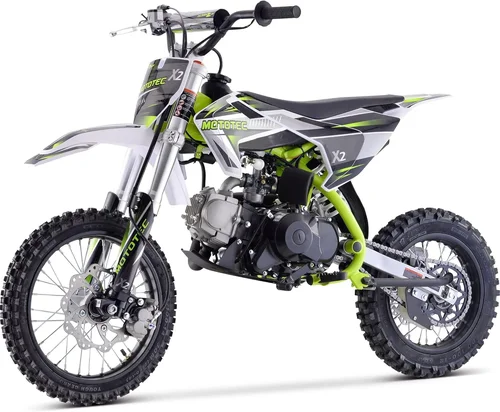
❌ Mistake: Prioritizing Price Over Performance
Why it’s bad: A $1,500 e-dirt bike might look like a steal, but if it has a weak motor, poor suspension, and a non-removable battery, you’ll quickly hit its limits—and possibly end up buying a better bike within a year.
What to do instead: Set a realistic budget based on your intended use. If you plan to ride aggressively or carry heavy loads, spend enough to get a bike with adequate power and durability. Think long-term value, not just upfront cost.
❌ Mistake: Ignoring Local Laws and Regulations
Why it’s bad: Many e-dirt bikes exceed legal speed or power limits for street use. Riding an illegal bike on public roads can result in fines, confiscation, or even liability in accidents.
What to do instead: Check your state, province, or country’s regulations. Some regions classify e-bikes by motor wattage (e.g., under 750W for Class 1/2/3). If you need street legality, look for DOT/ECE-certified lights, mirrors, and VIN plates—or stick to private property.
❌ Mistake: Overlooking Battery Chemistry and Lifespan
Why it’s bad: Not all lithium batteries are equal. Cheap Li-ion cells degrade faster, lose capacity quickly, and pose fire risks if poorly managed. A degraded battery cuts your range in half and costs hundreds to replace.
What to do instead: Choose bikes with name-brand batteries (Samsung, LG, Panasonic) and built-in Battery Management Systems (BMS). Avoid unknown chemistries like “LiFePO4” unless verified—they’re safer but often lower energy density.
❌ Mistake: Skipping Protective Gear
Why it’s bad: E-dirt bikes can hit 40+ mph and weigh over 100 lbs. Without proper gear, a minor fall can lead to serious injury—even on tame trails.
What to do instead: Invest in a DOT/Snell-certified helmet, armored jacket, gloves, knee/elbow pads, and sturdy boots. Your safety gear is as important as the bike itself.
❌ Mistake: Buying Without Test Riding
Why it’s bad: Specs don’t tell you how a bike feels. Throttle response, brake modulation, and suspension tune vary widely—even between models with similar numbers.
What to do instead: Whenever possible, test ride before buying. Attend demo days, visit local dealers, or rent from shops that offer trial periods. If buying online, choose retailers with generous return policies (30+ days).
❌ Mistake: Assuming All “Off-Road” Bikes Are Equal
Why it’s bad: Some “off-road” e-bikes are really just fat-tire e-bikes with knobby tires—lacking proper suspension, ground clearance, or motor cooling for sustained trail use.
What to do instead: Look for true dirt bike geometry: long wheelbase, high ground clearance, and dedicated off-road suspension travel (8+ inches front/rear). Genuine dirt bikes handle jumps, ruts, and rocks—not just gravel paths.
❌ Mistake: Neglecting Maintenance Requirements
Why it’s bad: Even electric bikes need maintenance: chain lubrication, brake adjustments, tire pressure checks, and firmware updates. Ignoring these leads to premature wear and safety issues.
What to do instead: Learn basic upkeep or find a local shop familiar with e-dirt bikes. Keep a maintenance log and follow the manufacturer’s service schedule.
Budget Guidelines: How Much Should You Spend?
Your budget directly impacts what kind of riding experience you’ll get. Here’s a realistic breakdown for 2026:
Entry-Level ($1,200 – $3,000): These bikes are great for beginners, casual trail riders, or urban explorers. Expect motors between 1,000W–3,000W, ranges of 15–25 miles, and basic suspension. Brands like Razor, Segway, and some Chinese imports dominate this tier. Ideal for light use but not built for jumps or heavy loads.
Mid-Range ($3,000 – $7,000): This is the sweet spot for most adult riders. You’ll find robust aluminum frames, 5,000W–7,000W motors, quality suspension (like Suntour or DNM shocks), and removable batteries with 30–50 mile range. Models like the Sur Ron LBX Pro and Talaria Sting sit here—offering excellent performance for weekend warriors and intermediate riders.
Premium ($7,000 – $12,000): For enthusiasts and serious off-roaders. These bikes feature race-inspired components: fully adjustable suspension, 8,000W–10,000W motors, carbon fiber subframes, and advanced electronics. Expect top speeds over 50 mph and capabilities rivaling gas motocross bikes. Cake Kalk OR and Sur Ron Storm Bee are prime examples.
Luxury ($12,000+): Reserved for professionals, collectors, or those who want the absolute best. Think limited-edition models, hand-built frames, custom tuning, and cutting-edge tech like AI-assisted traction control. These aren’t just bikes—they’re statements. Only consider if you’re competing or demand uncompromising quality.
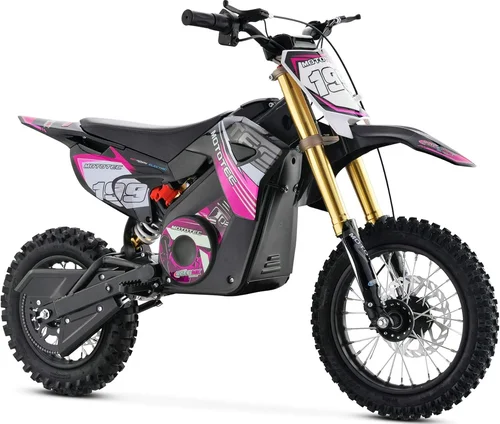
Expert Tips for Getting the Best Deal
Smart shopping can save you hundreds—or even thousands—on your e-dirt bike purchase. Here’s how the pros do it:
- Buy during off-season sales: Late fall and winter (October–February) are prime times for discounts as dealers clear inventory for new models. Many brands announce new releases in spring, so older versions get marked down.
- Shop directly from manufacturers: Brands like Sur Ron, Talaria, and Cake often offer exclusive online deals, free shipping, or extended warranties that third-party retailers don’t match.
- Join rider communities: Facebook groups, Reddit forums, and local EV clubs often share promo codes, group buys, or insider info on upcoming sales.
- Consider refurbished or demo units: Many reputable sellers offer certified pre-owned bikes with full warranties at 15–30% off retail. These are thoroughly inspected and perfect for budget-conscious buyers.
- Check return and exchange policies: Ensure you have at least 14–30 days to return the bike if it doesn’t meet expectations. Some retailers charge restocking fees—read the fine print.
- Negotiate add-ons: If buying from a dealer, ask for free gear (helmet, lock), extended warranty, or complimentary service. Many are willing to sweeten the deal to close a sale.
- Monitor price-tracking tools: Use sites like Honey, CamelCamelCamel (for Amazon), or Slickdeals to set alerts for price drops on specific models.
- Verify authenticity: With counterfeit e-bikes on the rise (especially Sur Ron clones), only buy from authorized dealers. Check the brand’s website for a list of verified retailers.

Frequently Asked Questions
Q: Are e-dirt bikes street legal?
A: It depends on your location and the bike’s specs. In the U.S., most states require e-bikes to have motors under 750W and speeds under 20 mph (Class 1/2) or 28 mph (Class 3) for road use. True e-dirt bikes often exceed these limits and lack required equipment (headlight, brake light, mirrors, VIN). Always check local laws—many are designed for off-road or private property only.
Q: How long do e-dirt bike batteries last?
A: A quality lithium battery should last 500–1,000 full charge cycles before dropping to 70–80% of original capacity. With proper care (avoiding extreme temps, not draining to 0%), that’s 3–5 years of regular use. Removable batteries are easier to replace when needed.
Q: Can I ride an e-dirt bike in the rain?
A: Most modern e-dirt bikes are water-resistant (IP65 or higher), meaning they can handle light rain and puddles. However, submerging the motor or battery compartment can cause damage. Avoid deep water crossings and dry the bike thoroughly after wet rides.
Q: Do I need a license to ride an e-dirt bike?
A: On private property, usually not. On public roads, requirements vary widely. Some states treat high-powered e-bikes like motorcycles, requiring a license, registration, and insurance. Always verify local regulations before riding.
Q: How fast do e-dirt bikes go?
A: Entry-level models top out around 25–30 mph, while mid-range bikes reach 40–50 mph. High-performance models like the Talaria MX4 or Cake Kalk& can exceed 60 mph. Speed depends on motor power, weight, terrain, and battery charge.
Q: Are e-dirt bikes harder to maintain than gas bikes?
A: Actually, they’re simpler! No oil changes, air filters, or carburetors. Main tasks include chain lubrication, brake checks, tire pressure, and occasional firmware updates. However, battery and motor servicing should be done by professionals.
Q: Can I upgrade my e-dirt bike later?
A: Yes—to a point. Many bikes allow battery upgrades (higher capacity), suspension tuning, or tire swaps. But major changes (motor, controller) may void warranties or require custom fabrication. Check compatibility before modifying.
Q: What’s the difference between hub motors and mid-drive motors?
A: Hub motors (in the wheel) are simpler, cheaper, and common on entry-level bikes. Mid-drive motors (mounted near the pedals, though rare on pure dirt bikes) offer better weight distribution and efficiency. Most high-end e-dirt bikes use rear hub motors for direct power delivery.
Q: How do I charge my e-dirt bike?
A: Use the included charger and a standard 110V/220V outlet. Charging takes 3–8 hours depending on battery size. Some fast chargers reduce this to 1–2 hours but may reduce battery lifespan if used excessively. Never leave charging unattended overnight.
Q: Are e-dirt bikes eco-friendly?
A: Compared to gas bikes, yes—zero tailpipe emissions, quieter operation, and lower lifecycle impact. However, battery production has environmental costs. Choose brands with recycling programs and long-lasting designs to maximize sustainability.
Our Final Recommendations
After extensive testing and research, here are our top picks for 2026:
Best for Budget-Conscious Buyers: Sur Ron LBX Pro ($4,999) – Offers incredible value with a 6,000W motor, 40+ mile range, and pro-level suspension. Perfect for beginners stepping up from entry-level models.
Best Overall Value: Talaria Sting R ($6,499) – Combines race-ready performance (7,000W motor, 50 mph top speed) with user-friendly features like removable battery and app connectivity. Ideal for intermediate to advanced riders.
Best Premium Option: Cake Kalk OR ($11,900) – Swedish engineering at its finest. Lightweight carbon frame, whisper-quiet operation, and unmatched build quality. Built for serious off-road purists.
Best for Beginners: Segway X160 ($2,799) – Affordable, lightweight, and easy to handle. Great for learning basics on light trails or urban paths. Includes safety features like cruise control and LED lights.
Best for Advanced Users: Sur Ron Storm Bee ($9,999) – A beast with 10,000W peak power, 60 mph capability, and motocross-inspired geometry. Designed for riders who want gas-bike performance without the noise.
Conclusion: Making the Right Choice
Choosing the best e-dirt bike for adults isn’t just about picking the fastest or most expensive model—it’s about finding the right match for your skill level, riding style, budget, and long-term goals. Whether you’re carving up forest trails, commuting through city streets, or chasing podium finishes, there’s an electric dirt bike built for you.
Remember to prioritize safety, do your research, and never compromise on build quality or brand reputation. Test ride when possible, read real user reviews, and invest in proper gear. The right bike will deliver years of thrilling, sustainable, and maintenance-light adventure.
Now that you’re armed with expert knowledge, it’s time to hit the dirt. Your perfect e-dirt bike is out there—go find it, ride it hard, and enjoy the silent roar of electric power.