
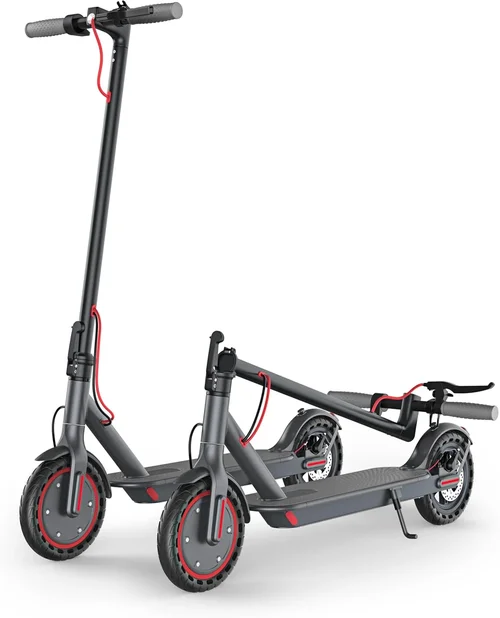
Electric scooters have evolved from niche urban mobility gadgets into mainstream transportation tools—especially for teens. With rising fuel costs, growing environmental awareness, and the increasing popularity of micro-mobility solutions, more families are turning to electric scooters as a safe, fun, and practical way for teens to get around. Whether it’s commuting to school, meeting friends at the park, or simply exploring the neighborhood, an electric scooter can offer independence and convenience that traditional bikes or walking can’t match. But with dozens of models flooding the market in 2025 and beyond, choosing the right one can feel overwhelming.
This comprehensive buying guide is designed specifically for parents, guardians, and teens who want to make an informed decision. We’ll walk you through every critical factor—from safety and performance to budget and brand reliability—so you can confidently select a scooter that fits your teen’s needs, lifestyle, and your peace of mind. You’ll learn how to avoid common pitfalls, understand what specs actually matter, and discover which models deliver the best value without compromising on quality or safety. By the end of this guide, you won’t just know what to buy—you’ll know why it’s the right choice.
The electric scooter market in 2025 is more competitive than ever. Established brands like Gotrax, Segway-Ninebot, and Xiaomi continue to innovate, while new entrants bring fresh designs and aggressive pricing. Features once reserved for premium models—like app connectivity, regenerative braking, and advanced suspension—are now appearing in mid-tier scooters. At the same time, safety standards are tightening, and parents are rightly demanding better build quality and reliability. This guide cuts through the marketing noise to deliver expert, unbiased advice tailored to the unique needs of teenage riders.

What to Look for When Buying Gotrax
1. Budget & Price Range
Your budget will heavily influence your options, but it’s important to view this purchase as a long-term investment. Electric scooters for teens typically range from $200 to $800+, with most reliable models falling between $300 and $600. While it’s tempting to go for the cheapest option, ultra-budget scooters often cut corners on motor power, battery life, and safety features—leading to frustration or even accidents down the road.
Set a realistic budget based on how frequently your teen will use the scooter. If it’s for daily school commutes, spending a bit more upfront can save you from costly repairs or replacements. Look for models that offer the best balance of price and performance within your range. Many reputable brands run seasonal sales, especially around back-to-school season (August–September) and holidays, so timing your purchase can stretch your dollar further.
2. Performance Specifications
Performance isn’t just about speed—it’s about how well the scooter handles real-world conditions. Key specs to evaluate include motor power (measured in watts), top speed, range per charge, and hill-climbing ability. For teens, a motor between 250W and 500W is ideal: powerful enough for city streets and gentle inclines, but not so fast that it becomes unsafe.
Top speed should generally cap at 15–18 mph for younger or less experienced riders. Anything above 20 mph increases risk, especially if the teen is riding in traffic or on uneven surfaces. Range is equally important—most teens need at least 10–15 miles per charge for daily use. Check real-world reviews, as manufacturer-stated ranges are often optimistic. A scooter with a 12-mile range might only deliver 8–10 miles under typical teen riding conditions (frequent stops, hills, heavier load).
3. Build Quality & Durability
Teens aren’t always gentle with their gear. A scooter that looks sleek in a showroom might not survive daily drops, rain exposure, or rough pavement. Look for a sturdy frame made from aircraft-grade aluminum or reinforced steel. Check the weight limit—most teen scooters support 150–220 lbs, but heavier teens should verify compatibility.
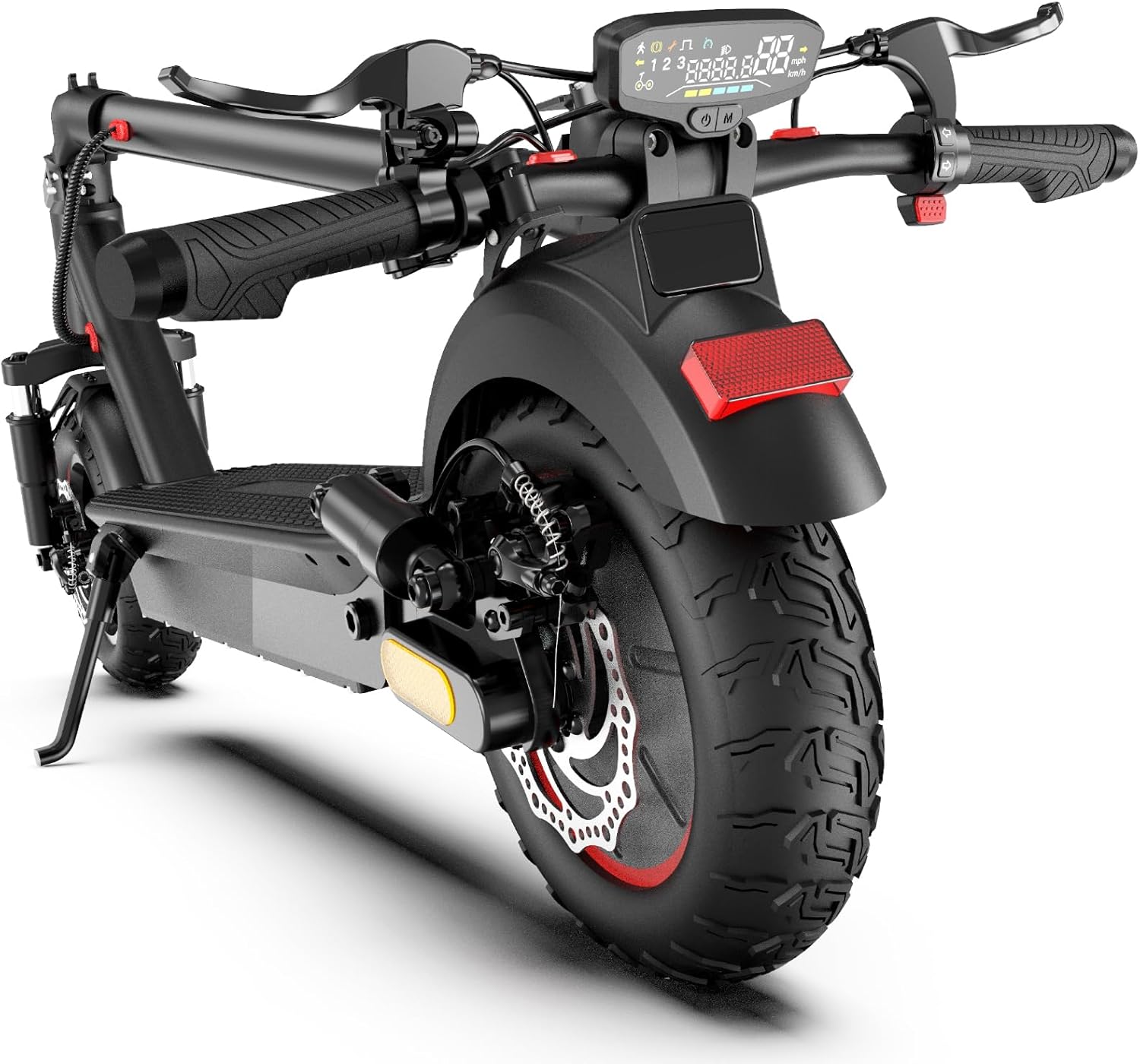
Pay attention to细节 like welded joints, reinforced handlebars, and water resistance ratings (IP54 or higher is recommended). The deck should be wide enough for stable footing, and the tires matter too: solid rubber tires are low-maintenance but offer less shock absorption; air-filled pneumatic tires provide a smoother ride but require occasional inflation and are prone to punctures. For urban environments with potholes and curbs, hybrid or honeycomb tires (like those on the Gotrax GXL V2) offer a good middle ground.
4. Safety Features
Safety should be non-negotiable. At minimum, look for front and rear lights (LED preferred), a reliable braking system (disc or electronic brakes are best), and a bell or horn. Many modern scooters now include reflectors, brake lights that activate when slowing down, and even turn signals—features that significantly improve visibility and reduce accident risk.
Anti-lock braking systems (ABS) are rare in this price range but worth seeking out if available. Also consider stability: a lower center of gravity and wider wheelbase help prevent tipping. Some models, like the Gotrax G4, include a “cruise control” feature that maintains steady speed, reducing hand fatigue and improving control on long rides.
Encourage your teen to always wear a helmet, even if local laws don’t require it. Pair the scooter with reflective gear or bright clothing for added daytime and nighttime visibility.
5. Portability & Weight
Teens often need to carry their scooter up stairs, onto buses, or into classrooms. A lightweight, foldable design is essential. Most teen-friendly scooters weigh between 25 and 35 pounds—light enough for a 14-year-old to manage but heavy enough to feel stable at speed.
Check the folding mechanism: it should be quick, secure, and not require tools. Some models have a latch that locks the folded scooter in place, preventing accidental unfolding. Handlebar height adjustability is another plus, accommodating growing teens and ensuring proper posture while riding.
If your teen will be taking public transit, measure the folded dimensions against bus or train storage areas. Compact scooters like the Gotrax XR Elite fold down to under 45 inches in length, making them easy to stow.
6. Battery Life & Charging Time
Battery technology has improved significantly, but lithium-ion batteries still degrade over time. Look for scooters with reputable battery brands (like Samsung or LG cells) and avoid unknown or generic batteries. A good teen scooter should offer at least 300–500 charge cycles before noticeable capacity loss.
Charging time typically ranges from 3 to 6 hours. Faster charging is convenient but can reduce battery lifespan if done frequently. Some models include smart charging systems that prevent overcharging. Always charge in a cool, dry place—never leave the scooter plugged in overnight unattended.
Removable batteries are a bonus, allowing you to charge indoors while the scooter stays outside. However, they also increase theft risk, so weigh the pros and cons based on your environment.
7. Brand Reputation & Customer Support
Not all scooter brands are created equal. Gotrax, for example, has built a solid reputation for affordable, reliable entry-level and mid-tier scooters tailored to younger riders. Other trusted names include Segway-Ninebot (known for durability), Xiaomi (for sleek design and smart features), and Razor (a longtime favorite for teen-friendly models).
Research customer service responsiveness. Can you easily reach support via phone or chat? Are replacement parts (tires, brakes, chargers) readily available? Brands with strong U.S.-based support teams tend to resolve issues faster than those relying solely on overseas distributors.
Read recent reviews (2024–2025) to gauge long-term reliability. A scooter that performs well in the first month may develop issues after six months of regular use—look for patterns in user feedback.
8. Warranty & Return Policy
A solid warranty is a sign of manufacturer confidence. Most reputable brands offer at least a 12-month limited warranty covering defects in materials and workmanship. Some, like Gotrax, extend coverage to 18 months for certain models. Pay attention to what’s included: motor, battery, and controller failures should be covered, but wear-and-tear items like tires and brake pads usually aren’t.
Check the return window—typically 30 days—and whether the company covers return shipping. Some retailers (like Amazon or Best Buy) offer easier returns than direct-from-manufacturer purchases. If buying online, ensure the seller is authorized to avoid voiding the warranty.
Register your scooter immediately after purchase to activate warranty coverage. Keep all receipts and documentation in a safe place.
Different Types of Gotrax
Common Buying Mistakes to Avoid
❌ Mistake: Prioritizing Speed Over Safety
Why it’s bad: High-speed scooters (20+ mph) increase the risk of injury, especially for inexperienced riders. Many teens underestimate braking distances and overestimate their control at high speeds.
What to do instead: Choose a scooter with a top speed of 15–18 mph and look for strong brakes and stability features. Consider models with speed limiters or beginner modes that restrict acceleration.
❌ Mistake: Ignoring Weight Limits
Why it’s bad: Exceeding the scooter’s weight capacity can damage the motor, reduce range, and compromise braking performance. It also increases the risk of mechanical failure.
What to do instead: Check your teen’s weight (including backpack) and select a scooter rated for at least 20–30 lbs above that. Most Gotrax models support up to 220 lbs—adequate for most teens.
❌ Mistake: Skipping the Test Ride
Why it’s bad: Comfort and handling vary widely between models. A scooter that looks great online might feel wobbly or uncomfortable in person.
What to do instead: If possible, visit a local retailer to test ride. Pay attention to deck size, handlebar height, and how the scooter responds to turns and bumps. If buying online, choose retailers with generous return policies.
❌ Mistake: Overlooking Maintenance Needs
Why it’s bad: Neglecting tire pressure, brake adjustments, or battery care can shorten the scooter’s lifespan and create safety hazards.
What to do instead: Teach your teen basic maintenance: checking tire pressure weekly, cleaning the deck, and storing the scooter indoors. Keep a simple toolkit handy for minor adjustments.
❌ Mistake: Buying Based Solely on Price
Why it’s bad: The cheapest scooters often use low-quality components that fail quickly, leading to frustration and additional costs.
What to do instead: Focus on value—not just price. A $400 scooter with a reliable motor, good warranty, and positive reviews is a smarter investment than a $250 model that breaks in three months.
❌ Mistake: Forgetting About Local Laws
Why it’s bad: Some cities restrict where electric scooters can be ridden (e.g., sidewalks vs. bike lanes) or require helmets and registration.
What to do instead: Research local regulations before purchasing. Ensure your teen understands the rules and rides responsibly to avoid fines or confiscation.
❌ Mistake: Ignoring Software Updates
Why it’s bad: Smart scooters with app connectivity may receive firmware updates that improve performance or fix bugs. Skipping these can leave the scooter vulnerable or underperforming.
What to do instead: Download the manufacturer’s app and enable automatic updates. Regularly check for new features or safety patches.
Budget Guidelines: How Much Should You Spend?
Entry-Level ($200–$350): These scooters are ideal for casual use, short distances, and first-time riders. Expect basic features: 250W motor, 10–12 mile range, solid tires, and minimal suspension. Models like the Gotrax GXL V2 fall into this category—reliable, affordable, and teen-friendly. Perfect for weekend rides or light school commutes.
Mid-Range ($350–$500): This is the sweet spot for most families. Scooters in this range offer better motors (300–500W), improved suspension, longer range (12–18 miles), and enhanced safety features like dual braking and LED lighting. The Gotrax G4 and Segway Ninebot ES2 are standout options, balancing performance, durability, and price.
Premium ($500–$700): Designed for serious riders who want more power, range, and tech. These models often include app connectivity, regenerative braking, customizable ride modes, and premium materials. The Gotrax G Max and Xiaomi Mi Electric Scooter Pro 2 offer excellent performance for teens who ride daily or over varied terrain.
Luxury ($700+): Reserved for enthusiasts or those needing off-road capability. These scooters feature high-torque motors (800W+), large pneumatic tires, advanced suspension, and extended ranges (20+ miles). While impressive, they may be overkill for typical teen use and come with higher maintenance costs.
Expert Tips for Getting the Best Deal
- Shop during sales seasons: Back-to-school (August–September), Black Friday, and holiday sales often feature significant discounts on electric scooters. Sign up for newsletters from Gotrax, Amazon, and Best Buy to get early alerts.
- Compare prices across retailers: Use tools like Google Shopping or PriceGrabber to find the lowest price. Don’t forget to factor in shipping costs and return policies.
- Check for student or family discounts: Some brands offer special pricing for students or military families. Gotrax occasionally runs promo codes for first-time buyers.
- Read the fine print on warranties: Ensure the warranty covers both parts and labor, and understand what voids it (e.g., water damage, unauthorized repairs).
- Inspect upon delivery: Unbox and test the scooter immediately. Report any defects within the return window to avoid being stuck with a faulty unit.
- Join online communities: Forums like Reddit’s r/ElectricScooters or Facebook groups often share deal alerts, repair tips, and real-world reviews.
- Consider bundled deals: Some retailers offer packages with helmets, locks, or carrying bags at a discount. These can add value beyond the scooter itself.
- Negotiate with local shops: Independent bike or scooter stores may price-match online deals or throw in free assembly and tuning.

Frequently Asked Questions
Q: Are electric scooters safe for 13-year-olds?
A: Yes, with proper supervision and safety gear. Choose a model with a lower top speed (15 mph or less), strong brakes, and a stable design. Always require helmet use and teach basic traffic rules.
Q: How long does the battery last?
A: Most lithium-ion batteries retain 80% capacity after 300–500 full charge cycles. With regular use, expect 1–2 years before noticeable degradation. Proper charging habits extend lifespan.
Q: Can my teen ride in the rain?
A: Only if the scooter has an IP54 or higher rating. Avoid deep puddles and heavy downpours, as water can damage electrical components. Dry the scooter thoroughly after wet rides.
Q: Do electric scooters require registration?
A: It depends on your location. Some states and cities require registration, licensing, or restrict usage to certain areas. Check local laws before riding.
Q: What’s the difference between hub motors and belt-driven motors?
A: Hub motors (common in Gotrax models) are integrated into the wheel, offering quiet, low-maintenance operation. Belt-driven systems provide more torque but require periodic belt replacement.
Q: How do I maintain the scooter?
A: Regularly check tire pressure, tighten bolts, clean the deck, and inspect brakes. Lubricate moving parts as needed and store in a dry place. Follow the manufacturer’s maintenance schedule.
Q: Can I upgrade the battery for more range?
A: Generally no—most scooters use proprietary battery packs. Upgrading may void the warranty and risk damaging the controller. Instead, consider carrying a portable charger for longer trips.
Q: What should I do if the scooter stops working?
A: First, check the battery charge and connections. If the issue persists, consult the troubleshooting guide or contact customer support. Keep warranty documentation handy.
Q: Are there age restrictions for riding electric scooters?
A: Many states require riders to be at least 16 years old, while others allow younger riders with supervision. Always verify local regulations.
Q: How fast can a teen safely go on an electric scooter?
A: For most teens, 12–15 mph is safe and manageable. Speeds above 18 mph increase risk, especially in traffic or on uneven surfaces.
Our Final Recommendations
Best for Budget-Conscious Buyers: Gotrax GXL V2 – At around $300, this scooter delivers reliable performance, a 12-mile range, and solid build quality. Perfect for beginners and short commutes.
Best Overall Value: Gotrax G4 – Priced near $450, the G4 offers a 400W motor, 20-mile range, app connectivity, and excellent suspension. A standout for daily teen use.
Best Premium Option: Segway Ninebot ES4 – With dual batteries, 28-mile range, and advanced safety features, this $650 scooter is ideal for tech-savvy teens who ride frequently.
Best for Beginners: Razor E300 – A classic choice with a low deck, easy controls, and a top speed of 15 mph. Great for younger teens learning the ropes.
Best for Advanced Users: Gotrax G Max – Boasting a 500W motor, 25-mile range, and off-road tires, this $600 scooter handles varied terrain with confidence.
Conclusion: Making the Right Choice
Choosing the right electric scooter for your teen is about balancing safety, performance, and practicality. While flashy features and high speeds may be tempting, the best scooter is one that matches your teen’s skill level, riding environment, and your family’s budget. Prioritize durability, reliable braking, and a reputable brand—because peace of mind is priceless.
Take the time to involve your teen in the decision. Let them test ride options, read reviews, and understand the responsibilities that come with owning a motorized vehicle. Teach them about traffic safety, proper maintenance, and respectful riding. An electric scooter isn’t just a toy—it’s a tool for independence, exercise, and exploration.
With the insights from this guide, you’re now equipped to navigate the 2025–2026 electric scooter market with confidence. Whether you’re eyeing a Gotrax model or another trusted brand, remember: the right scooter will grow with your teen, support their daily adventures, and keep them safe along the way. Happy riding!