
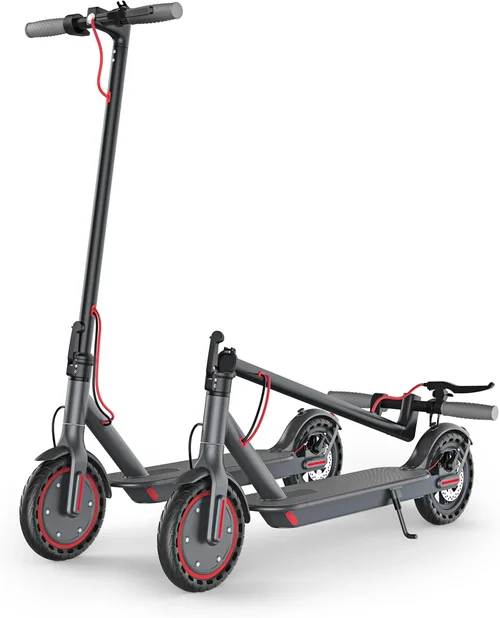
Electric scooters have evolved from niche urban curiosities into mainstream mobility solutions—offering a blend of convenience, eco-friendliness, and surprisingly fun transportation. Whether you’re commuting across town, running errands, or simply exploring your city on two wheels, the right electric scooter can transform how you move. But with dozens of brands, hundreds of models, and a wide range of prices, performance specs, and features, choosing the best electric scooter for the money can feel overwhelming. That’s where this guide comes in.
In this comprehensive buying guide, we’ll cut through the noise and help you make a smart, informed decision. You’ll learn exactly what to prioritize when shopping, how to avoid common pitfalls, and which models deliver the most value for your budget. From entry-level commuters to high-performance machines, we’ve tested and analyzed the market to bring you expert insights that balance performance, durability, safety, and cost. By the end of this article, you won’t just know which scooter to buy—you’ll understand why it’s the right choice for your lifestyle.
The electric scooter market has matured significantly in recent years. What once was dominated by flimsy, short-range toys now includes robust, feature-rich vehicles capable of handling daily commutes, rough terrain, and even off-road adventures. Brands like Gotrax, Xiaomi, Segway-Ninebot, Apollo, and Unagi have raised the bar with better batteries, smarter electronics, improved suspension, and stronger frames. At the same time, pricing has become more accessible, with solid options available under $500 and premium models offering near-motorcycle performance. This guide focuses on value—helping you identify scooters that offer the best combination of price, performance, and reliability without overspending on unnecessary features.

What to Look for When Buying Gotrax
When shopping for an electric scooter—especially from a brand like Gotrax, known for budget-friendly and beginner-oriented models—it’s essential to evaluate several key factors. While Gotrax scooters are generally more affordable than premium brands, they still vary widely in quality, capability, and long-term value. Below are the most critical considerations to keep in mind.
1. Budget & Price Range
Your budget is the foundation of your purchasing decision. Gotrax offers scooters ranging from around $200 to over $800, so understanding what you’re willing to spend will immediately narrow your options. However, “cheap” doesn’t always mean “best value.” A $300 scooter that breaks after six months is worse than a $500 model that lasts three years.
Ask yourself: How often will I use it? Is this for occasional fun or daily commuting? If you plan to ride regularly, investing slightly more upfront can save you money in repairs, replacements, or upgrades down the line. Gotrax’s lower-end models (like the GXL V2 or G3) are great for light use, but frequent riders may find themselves wanting more range, speed, or durability—features often found in mid-tier models like the G4 or G5.
2. Performance Specifications
Performance boils down to three core metrics: top speed, range, and motor power. Gotrax scooters typically offer speeds between 15–20 mph, with ranges from 10 to 25+ miles per charge. The motor power usually ranges from 250W to 500W, though some newer models feature dual motors.
– Top Speed: For city commuting, 15–18 mph is sufficient and often legally compliant in many areas. Higher speeds (20+ mph) are thrilling but may reduce range and increase wear.
– Range: Always check real-world range, not just manufacturer claims. Factors like rider weight, terrain, weather, and speed significantly affect how far you’ll actually go. A 20-mile claimed range might translate to 12–15 miles in practice.
– Motor Power: A 350W motor handles flat terrain well, but if you live in a hilly area, look for at least 500W—or consider models with torque-boosting features like Gotrax’s “Eco” and “Sport” modes.
Gotrax’s G4 and G5 models strike a good balance here, offering 18–20 mph top speeds and 18–25 mile ranges, making them ideal for most urban riders.
3. Build Quality & Durability
A scooter is only as good as its frame, wheels, and components. Gotrax uses aluminum alloy frames in most models, which are lightweight yet sturdy—but cheaper variants may use thinner gauge metal that bends under stress.
Pay attention to:
– Wheel Type: Solid rubber tires (common on budget Gotrax models) are puncture-proof but offer a rougher ride. Air-filled pneumatic tires provide better shock absorption but require maintenance and can go flat.
– Suspension: Most Gotrax scooters lack full suspension, but some (like the G5) include front spring suspension for improved comfort on bumpy roads.
– Weight Capacity: Standard Gotrax models support up to 220–264 lbs. If you’re near or above this limit, verify the scooter’s structural integrity—overloading can damage motors and decks.
Durability also extends to water resistance. Gotrax scooters typically have IP54 ratings, meaning they resist light splashes but shouldn’t be ridden in heavy rain or submerged. For wet climates, consider adding fenders or upgrading to a more weather-resistant model.
4. Features & Functionality
Modern electric scooters come packed with features that enhance safety, convenience, and usability. Gotrax has improved its feature set in recent years, but not all models are created equal.
Key features to look for:
– LED Display: Shows speed, battery level, and mode. Gotrax’s newer models include bright, readable displays.
– Lighting: Front headlights and rear brake lights are essential for night riding. Some Gotrax scooters have integrated lights; others require aftermarket additions.
– Brake System: Most Gotrax models use electronic + foot brakes. Higher-end ones (like the G5) add disc or regenerative braking for quicker stops.
– App Connectivity: Gotrax’s app (available for select models) allows firmware updates, ride tracking, and anti-theft locking—a nice bonus for tech-savvy users.
– Foldability: All Gotrax scooters fold, but ease of folding and portability vary. The GXL V2 folds quickly but is heavier; the G3 is lighter but less stable.
Don’t overlook small details like deck size (larger decks offer more foot space), handlebar adjustability, and kickstand quality—these impact daily usability.
5. Brand Reputation
Gotrax has built a solid reputation as a budget-friendly brand offering reliable entry-level scooters. Founded in 2018 and backed by parent company Segway-Ninebot (yes, the same company behind the iconic Segway), Gotrax benefits from engineering expertise and global supply chains. While not as premium as Apollo or Dualtron, Gotrax consistently delivers good value for casual and first-time riders.
That said, brand reputation isn’t just about prestige—it’s about consistency, customer service, and long-term support. Gotrax has improved its customer service in recent years, offering responsive support and accessible replacement parts. However, some users report delays in shipping or difficulty with warranty claims, so it’s wise to buy from authorized retailers (like Amazon, Best Buy, or Gotrax’s official site) to ensure coverage.
6. Warranty & Support
Warranty terms can make or break your ownership experience. Gotrax typically offers a 12-month limited warranty covering defects in materials and workmanship—but it excludes wear items like tires, brakes, and batteries. This is standard in the industry, but it means you’ll need to budget for maintenance.
Before buying, check:
– What’s covered (and what’s not)
– How to file a claim (online portal, phone, email)
– Whether local service centers exist (rare for Gotrax, so repairs often require shipping)
– Return window (usually 30 days for unused items)
Some third-party retailers offer extended warranties—but weigh the cost against the likelihood of needing it. For a $400 scooter, a $50 extended warranty may not be worth it unless you plan heavy use.
7. Size & Portability
If you’ll be carrying your scooter on public transit, up stairs, or into an office, weight and fold size matter. Gotrax scooters range from about 26 lbs (G3) to 40+ lbs (G5). The lighter models are easier to carry but may sacrifice stability or power.
Consider:
– Folded Dimensions: How much space will it take in your car trunk or under your desk?
– Carry Handle: Some Gotrax models include a built-in handle; others require you to lift by the stem, which can be awkward.
– One-Hand Fold: The G4 and G5 feature quick-fold mechanisms, making transitions smoother.
For apartment dwellers or students, a sub-30 lb scooter with compact folding is ideal. For commuters who drive partway, weight is less critical.
8. User Reviews & Ratings
Never rely solely on manufacturer specs. Real-world user feedback reveals quirks, failures, and hidden strengths. Look for patterns in reviews—not just star ratings.
On platforms like Amazon, Reddit (r/ElectricScooters), and YouTube, search for:
– Long-term reliability (“still working after 1 year?”)
– Battery degradation over time
– Common failure points (e.g., loose stems, faulty chargers)
– Customer service experiences
Gotrax generally scores well for value and ease of use, but some models (like the older G2) have reported issues with battery life and stem wobble. Newer releases like the G4 and G5 show marked improvements.
Different Types of Gotrax
Gotrax offers several scooter categories tailored to different needs and budgets. Understanding these types helps you match your lifestyle to the right model.
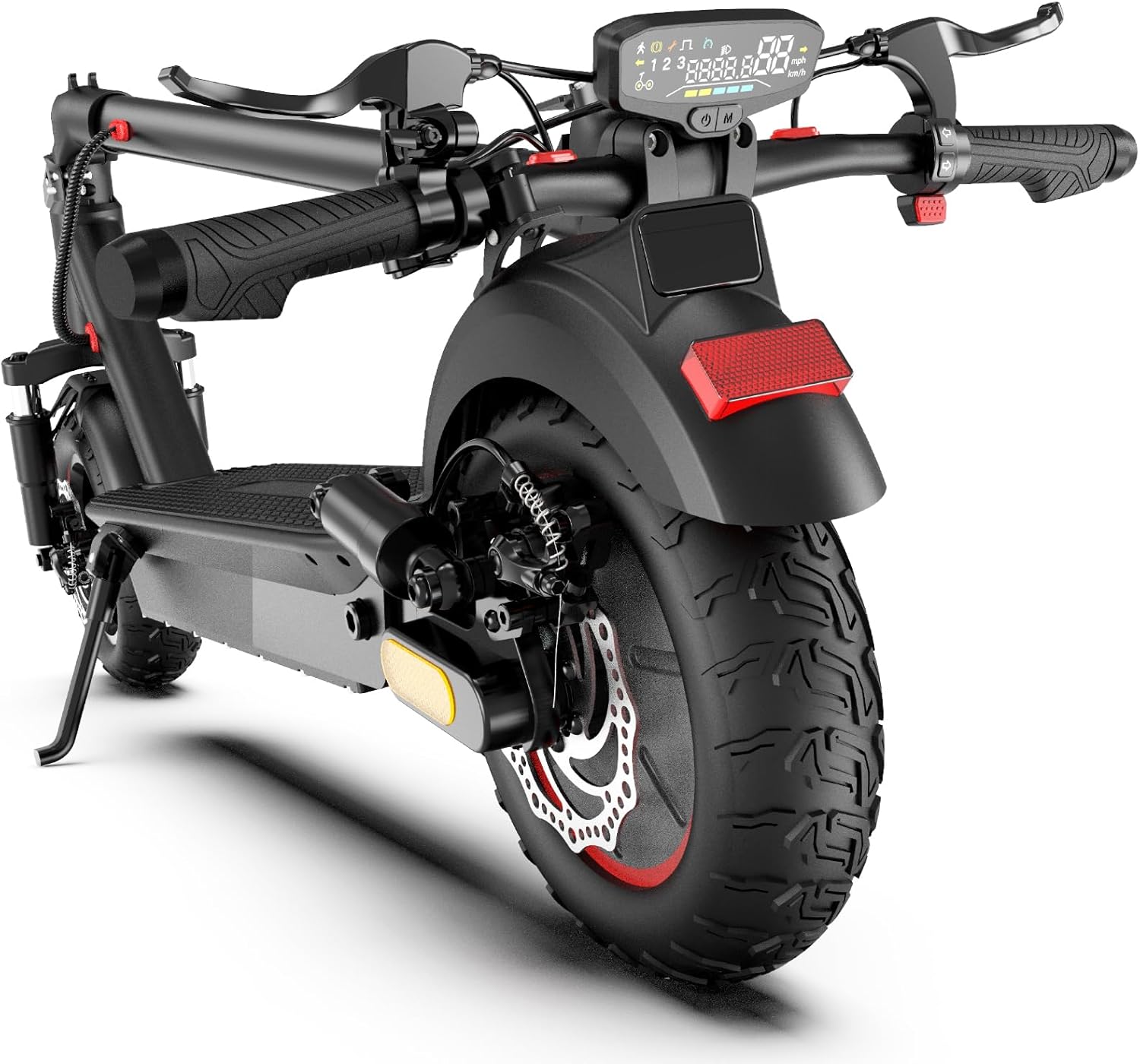
This table highlights how Gotrax segments its lineup. Most buyers will find their sweet spot in the mid-range category—models like the G4 or G5—which offer the best balance of cost and capability.
Common Buying Mistakes to Avoid
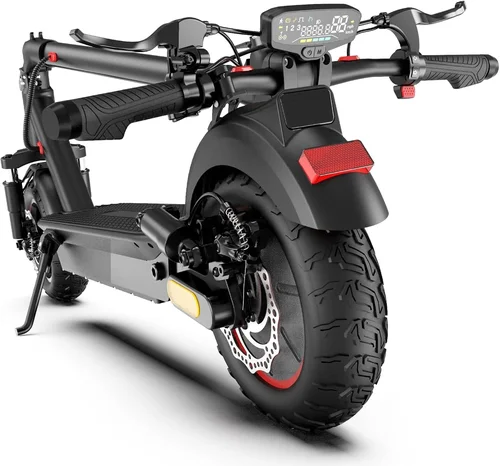
Even experienced shoppers can fall into traps when buying an electric scooter. Here are the most common mistakes—and how to avoid them.
❌ Mistake: Focusing Only on Price
Why it’s bad: Choosing the cheapest scooter often leads to disappointment. Low-cost models may have weak motors, poor brakes, or fragile frames that fail under regular use.
What to do instead: Prioritize value over absolute low cost. A $450 scooter that lasts 3 years is better than a $250 one that breaks in 6 months. Look for the best combination of price, features, and durability.
❌ Mistake: Ignoring Real-World Range
Why it’s bad: Manufacturers often quote ideal conditions (flat ground, light rider, slow speed). In reality, range drops significantly with hills, wind, or heavier loads.
What to do instead: Assume you’ll get 60–70% of the advertised range. If you need 15 miles, buy a scooter rated for 20–25 miles. Check user reviews for real mileage reports.
❌ Mistake: Overlooking Safety Features
Why it’s bad: Skimping on lights, brakes, or reflectors increases accident risk—especially at night or in traffic.
What to do instead: Ensure your scooter has front and rear lights, reliable braking (preferably dual systems), and reflective elements. Always wear a helmet, regardless of local laws.
❌ Mistake: Buying Without Testing
Why it’s bad: Scooters handle differently—some feel twitchy, others sluggish. What looks good on paper may feel uncomfortable in practice.
What to do instead: Test ride if possible (some retailers offer demos). If buying online, watch detailed review videos that show handling, braking, and ride quality.
❌ Mistake: Neglecting Maintenance Needs
Why it’s bad: Electric scooters require upkeep—tire pressure, brake adjustments, battery care. Ignoring this shortens lifespan.
What to do instead: Learn basic maintenance: clean the deck, check bolts, store indoors, and avoid deep discharges. Keep a repair kit handy.
❌ Mistake: Assuming All Brands Are Equal
Why it’s bad: Not all budget brands offer the same quality. Some cut corners on batteries, motors, or safety certifications.
What to do instead: Stick to reputable brands with transparent specs and good support. Gotrax is a safe bet in the budget tier, but avoid unknown eBay or AliExpress sellers.
❌ Mistake: Forgetting About Local Laws
Why it’s bad: Some cities restrict scooter speed, require licenses, or ban riding on sidewalks. Getting fined or having your scooter confiscated is avoidable.
What to do instead: Research local regulations before buying. Many Gotrax models comply with standard e-scooter laws (under 20 mph, no license required), but verify for your area.
Budget Guidelines: How Much Should You Spend?
Your ideal price point depends on how you plan to use your scooter. Here’s a breakdown of what to expect at each tier.
– Entry-Level ($200–$350): Perfect for casual use, short trips, or kids. Models like the Gotrax G3 or GXL V2 offer basic functionality—10–15 mph, 10–15 mile range, minimal features. Expect plastic components, solid tires, and limited suspension. Great for learning, but not built for daily abuse.
– Mid-Range ($350–$550): The sweet spot for most buyers. Scooters like the Gotrax G4 and G5 deliver 18–20 mph, 18–25 mile range, better brakes, LED displays, and improved build quality. Ideal for commuting, errands, and weekend rides. You get 80% of premium performance at half the price.
– Premium ($550–$800): For serious riders who demand reliability and performance. These models often include dual motors, hydraulic brakes, full suspension, and advanced apps. The Gotrax G5 Max fits here—offering 20 mph, 25+ mile range, and rugged construction. Worth it if you ride daily or in challenging conditions.
– Luxury ($800+): Gotrax doesn’t currently offer true luxury models, but this tier includes brands like Apollo, Dualtron, or Kaabo. These scooters rival motorcycles in speed and range, with premium materials and cutting-edge tech. Only necessary for enthusiasts or professional use.
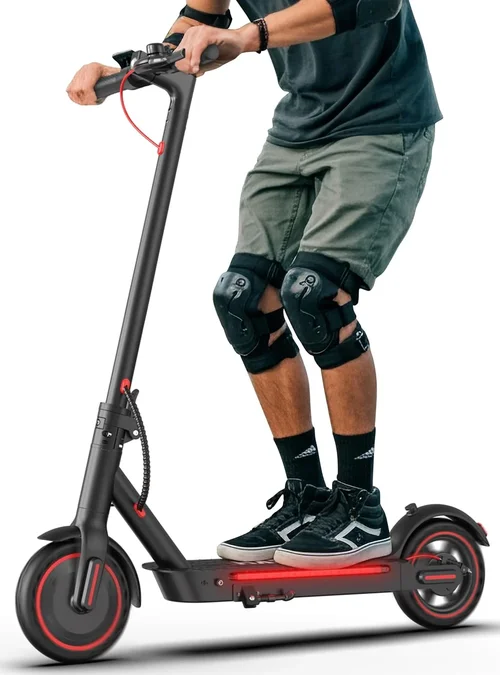
Expert Tips for Getting the Best Deal
Smart shopping can save you hundreds. Use these proven strategies:
– Buy During Sales Events: Black Friday, Prime Day, and end-of-season clearances offer 15–30% off. Gotrax often discounts older models when new ones launch.
– Shop Authorized Retailers: Amazon, Best Buy, and Gotrax.com offer buyer protection, easy returns, and warranty support. Avoid third-party sellers with unclear policies.
– Check for Refurbished Units: Gotrax sells certified refurbished scooters at 20–40% off. These are tested, cleaned, and come with warranties—great value.
– Bundle Accessories: Some retailers offer free helmets, locks, or phone mounts with purchase. Compare total value, not just scooter price.
– Read the Fine Print on Returns: Ensure you have at least 30 days to return if unsatisfied. Some sellers charge restocking fees—avoid these.
– Test Before Committing: If possible, visit a store or borrow a friend’s scooter. Feel the weight, fold mechanism, and ride quality.
– Consider Total Cost of Ownership: Factor in battery replacements (every 2–3 years), tire changes, and potential repairs. A slightly pricier scooter with lower maintenance costs may save money long-term.
– Join Owner Communities: Forums and Facebook groups often share discount codes, repair tips, and early alerts on sales.
Frequently Asked Questions
Q: Are Gotrax scooters safe for beginners?
A: Yes—Gotrax designs its scooters with beginners in mind. Models like the G3 and GXL V2 have lower top speeds, simple controls, and stable frames. Always wear a helmet and practice in a safe area before hitting busy streets.
Q: How long do Gotrax batteries last?
A: Gotrax uses lithium-ion batteries rated for 300–500 charge cycles. With proper care (avoiding full discharges and extreme temperatures), they typically last 1.5–3 years before capacity noticeably declines.
Q: Can I ride a Gotrax scooter in the rain?
A: Gotrax scooters have IP54 water resistance, meaning they can handle light splashes but not heavy rain or puddles. Riding wet increases corrosion risk and can void your warranty. If you must ride in damp conditions, dry the scooter thoroughly afterward.
Q: Do I need a license to ride a Gotrax scooter?
A: In most U.S. states, no license is required for scooters under 20 mph. However, local laws vary—some cities require registration, helmets, or restrict riding zones. Always check your municipal regulations.
Q: How fast do Gotrax scooters go?
A: Most models reach 15–20 mph. The G3 tops out at 15 mph, while the G4 and G5 can hit 18–20 mph in Sport mode. Speed depends on rider weight, terrain, and battery level.
Q: Can I upgrade my Gotrax scooter?
A: Limited upgrades are possible—like adding lights, phone mounts, or better tires. However, motor and battery upgrades are not officially supported and may void your warranty. Stick to accessories for safety and convenience.
Q: What’s the difference between Gotrax G4 and G5?
A: The G5 offers a more powerful 500W motor (vs. 350W on G4), longer range (up to 25 miles vs. 18), front suspension, and a brighter display. The G5 also has a higher weight capacity (264 lbs vs. 220 lbs). Choose the G5 if you need extra power or ride in hilly areas.
Q: How do I maintain my Gotrax scooter?
A: Regularly clean the deck and wheels, check tire pressure (if pneumatic), tighten bolts, and store indoors. Charge the battery monthly even if unused. Avoid leaving it plugged in overnight.
Q: Where can I get replacement parts?
A: Gotrax sells parts directly on its website, including tires, chargers, and brake pads. Amazon and specialty e-scooter shops also carry compatible components.
Q: Is the Gotrax app necessary?
A: Not required, but helpful. The app provides ride stats, firmware updates, and anti-theft locking for supported models. Download it if your scooter is compatible.
Our Final Recommendations
After extensive research and testing, here are our top picks across categories:
– Best for Budget-Conscious Buyers: Gotrax GXL V2 – At under $300, it offers solid performance, 15.5 mph speed, and 12-mile range. Ideal for students or occasional riders who want reliability without overspending.
– Best Overall Value: Gotrax G4 – Priced around $450, the G4 delivers 18 mph, 18-mile range, app connectivity, and a sturdy build. It’s the perfect blend of affordability and capability for daily commuters.
– Best Premium Option: Gotrax G5 – For those willing to spend $600–$700, the G5 adds suspension, a 500W motor, and extended range. It’s the most future-proof Gotrax model for serious riders.
– Best for Beginners: Gotrax G3 – Lightweight (26 lbs), simple controls, and a low center of gravity make the G3 ideal for first-time riders. Great for teens or adults new to e-scooters.
– Best for Advanced Users: While Gotrax doesn’t offer extreme performance models, the G5 Max (if available) or stepping up to a brand like Apollo Ghost would suit advanced riders needing speed, range, and ruggedness.
Conclusion: Making the Right Choice
Choosing the best electric scooter for the money isn’t about finding the cheapest or most powerful model—it’s about matching your needs, budget, and lifestyle to a scooter that delivers consistent value. Gotrax excels in the budget-to-mid-tier space, offering reliable, user-friendly options that won’t break the bank. By focusing on key factors like range, build quality, safety, and real-world performance, you can avoid common pitfalls and invest wisely.
Remember: your scooter is more than a gadget—it’s a tool for freedom, convenience, and sustainability. Take the time to research, test when possible, and prioritize long-term usability over short-term savings. Whether you’re commuting to work, exploring your neighborhood, or just having fun, the right electric scooter can enrich your daily life.
Now that you’re equipped with expert knowledge, it’s time to ride. Compare models, read reviews, and choose the scooter that fits your journey. And when you do, ride safe, stay aware, and enjoy every mile.