
Electric bikes have revolutionized personal transportation, offering an eco-friendly, cost-effective, and fun way to commute, explore, or simply stay active. But with so many options flooding the market—especially under the $600 price point—it’s easy to feel overwhelmed. That’s where this guide comes in. Whether you’re a student looking for a reliable ride to campus, a city dweller tired of traffic jams, or someone rediscovering the joy of cycling without the strain, finding the right ebike under $600 can make a world of difference.
In this comprehensive buyer’s guide, we’ll walk you through everything you need to know to make a smart, informed decision. From understanding key performance specs to avoiding common pitfalls, comparing different types of affordable ebikes, and even scoring the best deals, we’ve got you covered. Our goal isn’t just to list products—it’s to empower you with knowledge so you can choose an ebike that fits your lifestyle, budget, and expectations. The sub-$600 segment has evolved dramatically in recent years, with surprising improvements in battery life, motor power, and build quality. You no longer have to sacrifice reliability for affordability.
What to Look for When Buying Gotrax
1. Budget & Price Range
When shopping for an ebike under $600, your budget is the foundation of your decision. While $600 may seem like a tight limit, it’s actually a sweet spot where decent entry-level electric bikes begin to offer meaningful value. However, it’s crucial to understand what you’re getting—and not getting—at this price. Most bikes in this range are designed for casual riders, short commutes (under 15 miles), and light recreational use. They typically feature hub motors, basic lithium-ion batteries, and simpler drivetrains compared to higher-end models.
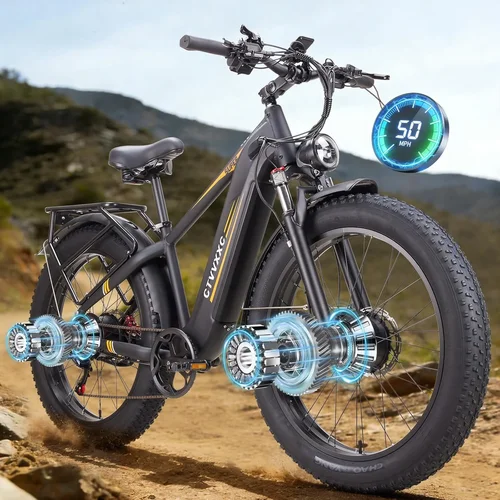
Be wary of “too good to be true” deals. If a bike claims 50-mile range or 30 mph top speed for under $400, it’s likely exaggerating or cutting corners on safety and durability. Instead, focus on realistic expectations: a 10–20 mile range, 15–20 mph top speed, and a weight capacity of 220–260 lbs are typical for this tier. Also, factor in potential hidden costs like shipping fees, assembly, or optional accessories (helmets, locks, lights). Some retailers include these, while others charge extra.
2. Performance Specifications
Performance is where many budget ebikes differentiate themselves—or fall short. The two most critical specs to evaluate are motor power and battery capacity. Most sub-$600 ebikes use a 250W to 350W rear or front hub motor. While 250W is sufficient for flat terrain and light hills, a 350W motor provides better acceleration and hill-climbing ability, especially if you weigh over 180 lbs or live in a hilly area.
Battery capacity is measured in watt-hours (Wh). A higher Wh rating means longer range. For example, a 36V 7.5Ah battery equals 270Wh, while a 36V 10Ah battery equals 360Wh. Realistically, expect 10–20 miles per charge depending on assist level, terrain, rider weight, and weather. Always check whether the battery is removable—this makes charging convenient and allows for future upgrades or replacements.
Pedal assist levels and throttle type also matter. Most budget models offer 3–5 pedal assist levels and either a thumb throttle or twist grip. A twist throttle feels more intuitive for some riders, while a thumb throttle offers precise control. Avoid bikes with only a throttle and no pedal assist—they’re less efficient and may not qualify as “electric bicycles” under local laws in some regions.
3. Build Quality & Durability
At under $600, you won’t get aerospace-grade aluminum or carbon fiber frames, but you should still expect solid construction. Look for bikes with aluminum alloy frames—they’re lightweight, rust-resistant, and strong enough for daily use. Avoid steel frames unless they’re specifically marketed as reinforced; they tend to be heavier and prone to corrosion.
Check the quality of components like brakes, tires, and drivetrain. Mechanical disc brakes are common in this price range and offer reliable stopping power, though they require occasional adjustment. Avoid bikes with only rim brakes (V-brakes), as they wear down faster and perform poorly in wet conditions. Tires should be at least 2.0 inches wide for stability and comfort, preferably puncture-resistant. A 7-speed Shimano Tourney or similar drivetrain is standard and sufficient for most urban riders.
Pay attention to welds, cable routing, and overall fit-and-finish. A poorly assembled bike may develop rattles, loose bolts, or electrical issues over time. If possible, inspect the bike in person or watch detailed unboxing videos to assess build quality.
4. Features & Functionality
Even at this price, modern ebikes pack useful features. A backlit LCD display showing speed, battery level, assist mode, and trip distance is now standard on most models. Some include USB charging ports to power your phone—a handy perk for navigation or emergencies.
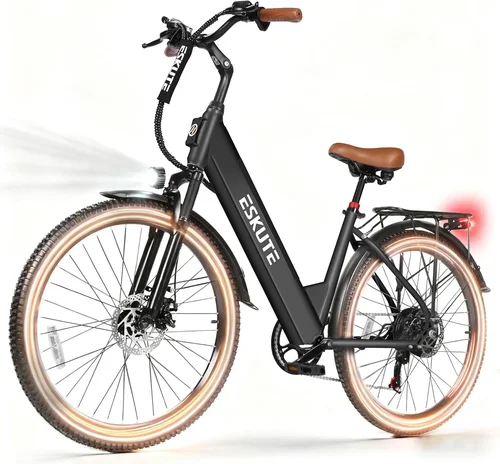
Integrated lights (front LED and rear brake light) are increasingly common and improve safety, especially for evening rides. Fenders and rear racks are also valuable additions, allowing you to carry groceries, backpacks, or panniers. While not all sub-$600 bikes include these, some offer them as standard or optional upgrades.
Suspension is rare but not unheard of. A front suspension fork can significantly improve comfort on bumpy roads or trails, but it adds weight and cost. If you plan to ride mostly on smooth pavement, rigid forks are fine. For mixed terrain, consider a model with at least basic suspension.
Another often-overlooked feature is the kickstand. It seems minor, but a sturdy center or side stand makes parking and maintenance much easier. Also, check if the bike has a bell, reflectors, and compliance with local lighting laws—these small details matter for daily usability.
5. Brand Reputation
Not all budget ebike brands are created equal. Established names like Gotrax, Ancheer, Swagtron, and Razor have built reputations for delivering consistent value in the under-$600 segment. These companies often invest more in quality control, customer service, and warranty support than no-name brands sold through third-party marketplaces.
Research brand history: How long have they been making ebikes? Do they specialize in electric vehicles or are they diversifying from other product lines? Brands with a focus on e-mobility tend to understand rider needs better. Also, check if they have physical service centers or authorized repair partners—this can be crucial if something breaks down.
Be cautious with brands that only exist online with minimal contact information or vague return policies. While some new entrants offer great value, others disappear after a few months, leaving customers stranded without support. Reading long-term user reviews (6+ months of ownership) can reveal patterns in reliability and customer service.
6. Warranty & Support
A good warranty is your safety net. Most reputable brands offer at least a 1-year limited warranty covering the motor, battery, and frame. Some extend coverage to 18 or 24 months, which is a strong indicator of confidence in their product. Pay attention to what’s included: Does it cover labor? Are batteries prorated? Is shipping covered for repairs?
Customer support responsiveness is just as important. Can you reach a human being quickly via phone, email, or chat? Are replacement parts readily available? Brands with U.S.-based support teams generally resolve issues faster than those relying on overseas distributors.
Also, check the return policy. A 30-day money-back guarantee with free return shipping gives you peace of mind to test the bike in real-world conditions. Avoid retailers with restocking fees or short trial periods (less than 14 days).
7. Size & Portability
Ebike size affects comfort, handling, and storage. Most sub-$600 models are step-through or low-step designs, making them accessible for riders of varying heights and mobility levels. Frame size should match your inseam: a 15–17” frame suits riders 5’2” to 5’8”, while 17–19” fits 5’8” to 6’1”. Always check the manufacturer’s sizing chart.
Weight is another consideration. Budget ebikes typically weigh 40–60 lbs due to the motor and battery. If you need to carry it upstairs or load it into a car, look for models under 50 lbs or with folding capabilities. Folding ebikes under $600 are available but often compromise on range or power—ideal for apartment dwellers or multi-modal commuters.
Wheel size also impacts ride quality. 20-inch wheels are common on compact or folding models and offer agility in tight spaces. 26-inch or 27.5-inch wheels provide better stability and roll over obstacles more easily, preferred for longer rides or rougher terrain.
8. User Reviews & Ratings
Never buy an ebike based solely on specs or marketing claims. Real-world user feedback reveals truths that spec sheets hide. Look for reviews that mention long-term reliability, battery degradation after 6–12 months, ease of assembly, and customer service experiences.
Focus on verified purchase reviews and platforms with robust moderation (like Amazon, Best Buy, or specialized forums). Watch out for fake reviews—overly generic praise or repetitive phrasing can be red flags. Pay attention to recurring complaints: frequent flat tires, loose wiring, or poor brake performance indicate design flaws.
Also, consider niche use cases. A bike praised by college students for short campus trips might not suit a commuter tackling hills and rain. Match reviews to your specific needs. And don’t ignore negative reviews entirely—they often highlight deal-breaking issues that specs won’t reveal.
Different Types of Gotrax

Common Buying Mistakes to Avoid
❌ Mistake: Prioritizing Price Over Quality
Why it’s bad: The cheapest bike isn’t always the best value. A $300 ebike with a weak motor, non-removable battery, and poor brakes may cost more in repairs and frustration than a $550 model with better components.
What to do instead: Set a realistic budget ($450–$600) and prioritize key features like motor power, battery type, and warranty. Think long-term—investing slightly more now can save money and hassle later.
❌ Mistake: Ignoring Local Laws
Why it’s bad: Ebike regulations vary by state and country. Some areas restrict motor power (e.g., 750W max), speed (20 mph with throttle), or require helmets and registration. Buying a non-compliant bike could result in fines or confiscation.
What to do instead: Check your local Department of Motor Vehicles or transportation authority website before purchasing. Most sub-$600 bikes are Class 1 or Class 2 (pedal-assist or throttle-up-to-20mph), which are widely legal, but confirm specifics.
❌ Mistake: Overestimating Range Claims
Why it’s bad: Manufacturers often quote “ideal condition” range (flat terrain, low assist, lightweight rider). In reality, range drops significantly with hills, wind, or higher assist levels. Relying on a 30-mile claim when you only get 12 miles leaves you stranded.
What to do instead: Divide advertised range by 1.5–2 to estimate real-world performance. If you need 15 miles daily, choose a bike rated for 25+ miles. Always carry a charger or plan routes near outlets if possible.
❌ Mistake: Skipping the Test Ride
Why it’s bad: Comfort is subjective. A bike that looks great online might feel unstable, too heavy, or have an awkward riding position. Assembly issues or loose parts may also only become apparent after riding.
What to do instead: Buy from retailers offering in-store pickup or test ride events. If ordering online, choose stores with generous return policies. Ride the bike for at least 10–15 minutes on varied terrain to assess handling, braking, and ergonomics.
❌ Mistake: Neglecting Maintenance Needs
Why it’s bad: Ebikes require regular upkeep—tire pressure checks, brake adjustments, chain lubrication, and battery care. Ignoring maintenance leads to premature wear, reduced range, and safety risks.
What to do instead: Learn basic maintenance or find a local bike shop that services ebikes. Keep a toolkit handy and follow the manufacturer’s care guidelines. Treat your ebike like a car—it needs attention to perform well.
❌ Mistake: Buying Without Researching Support
Why it’s bad: If your battery fails or motor malfunctions, you need accessible support. Brands with no U.S. presence or unclear warranty terms leave you helpless when problems arise.
What to do instead: Verify warranty details, contact customer service before buying (to test responsiveness), and read user reports about repair experiences. Choose brands with transparent support channels.
Budget Guidelines: How Much Should You Spend?
Under $600, the ebike market segments into clear tiers based on what you get for your money. Understanding these helps align your expectations and avoid disappointment.
Entry-Level ($300–$400): This tier includes basic models ideal for occasional use or very short trips. Expect a 250W motor, 200–250Wh battery (8–12 mile range), minimal features (no lights, basic display), and lighter build quality. These bikes suit teens, casual riders, or those testing the ebike waters. Examples include early-model Gotrax E3 or Swagtron EB5. While functional, they lack durability for daily commuting.
Mid-Range ($400–$500): The sweet spot for most buyers. Bikes here offer 350W motors, 270–360Wh batteries (12–20 mile range), mechanical disc brakes, LED lights, and better frames. Brands like Gotrax GXL V2 or Ancheer AN-EB003 fall here. They balance cost, performance, and features, making them ideal for students, urban commuters, and weekend explorers.
Premium ($500–$600): At this level, you gain noticeable upgrades: higher-capacity batteries (up to 400Wh), improved suspension, puncture-resistant tires, and enhanced displays. Some models include rear racks, fenders, and USB ports standard. These bikes handle hills better, last longer, and offer a more refined ride. The Gotrax G4 or Razor Edge fit here—excellent for daily use with room to grow.
Luxury ($600+): While technically above our limit, some sales or refurbished models dip into this range. Expect hydraulic disc brakes, torque sensors (for smoother assist), integrated GPS, and premium materials. These are for enthusiasts or those willing to stretch their budget for top-tier performance.
Expert Tips for Getting the Best Deal
Scoring a great ebike under $600 isn’t just about finding the lowest price—it’s about maximizing value. Here’s how the pros do it:
1. Time Your Purchase Strategically: Retailers often discount ebikes in late summer (August–September) to clear inventory before winter. Black Friday and Cyber Monday also bring deep cuts. Avoid buying in spring when demand peaks and prices rise.
2. Compare Retailers, Not Just Brands: The same Gotrax model may cost $50 less at Best Buy than on Amazon due to promotions or bundle deals. Check Walmart, Target, and specialty ebike stores too. Some offer free assembly or extended warranties.
3. Look for Bundles and Freebies: Some sellers include helmets, locks, phone mounts, or extra batteries at no extra cost. These can add $50–$100 in value. Always calculate total cost of ownership, not just the bike price.
4. Consider Refurbished or Open-Box: Certified refurbished ebikes from reputable sellers often come with full warranties and sell for 20–30% less. Open-box items (returned but unused) are another budget-friendly option.
5. Read the Fine Print on Shipping: Free shipping sounds great, but some companies use slow, unreliable carriers or charge hidden fees for rural areas. Choose retailers with transparent shipping policies and tracking.
6. Test Before You Commit: If buying online, ensure the return window is at least 30 days and covers return shipping. Ride the bike immediately upon arrival to check for defects or fit issues.
7. Join Loyalty Programs: Stores like REI or Dick’s Sporting Goods offer member discounts, early access to sales, and reward points. Even signing up for email newsletters can unlock exclusive promo codes.
8. Negotiate or Price Match: Some brick-and-mortar stores will match online prices. Don’t hesitate to ask—especially if you’re buying accessories too.

Frequently Asked Questions
Q: Can I ride an ebike in the rain?
A: Most sub-$600 ebikes are water-resistant (IP54 rating), meaning they can handle light rain and splashes. However, avoid submerging the battery or riding through deep puddles. Dry the bike after wet rides and store it indoors to prolong component life.
Q: How long does the battery last?
A: A quality lithium-ion battery should retain 80% capacity after 500–800 charge cycles (roughly 2–3 years of daily use). Avoid fully draining or overcharging. Store at 50–70% charge if unused for weeks.
Q: Do I need a license or insurance?
A: In most U.S. states, Class 1 and Class 2 ebikes (under 750W, max 20 mph) do not require a license, registration, or insurance. However, rules vary—check your local DMV. Helmets are recommended but not always mandatory for adults.
Q: Can I upgrade components later?
A: Some parts like tires, seats, and lights are easily replaceable. However, motors and batteries are typically not user-upgradeable on budget models due to proprietary designs. Focus on getting the right specs upfront.
Q: How fast do these bikes go?
A: Most under-$600 ebikes are limited to 15–20 mph via pedal assist or throttle. This complies with U.S. regulations and ensures safety and battery efficiency. Higher speeds require more powerful (and expensive) motors.
Q: Are folding ebikes as durable as regular ones?
A: Modern folding ebikes use reinforced hinges and frames, making them quite sturdy for their size. However, they may feel slightly less stable at high speeds due to smaller wheels. Ideal for portability, not high-performance riding.
Q: What if my bike breaks down?
A: Contact the manufacturer first under warranty. For out-of-warranty issues, seek local bike shops experienced with ebikes. Many offer motor and battery diagnostics. Keep receipts and warranty documents safe.
Q: Can I pedal without battery power?
A: Yes! All ebikes function as regular bicycles when the battery dies. Pedaling may feel slightly heavier due to the motor’s resistance, but it’s entirely rideable.
Q: Is assembly difficult?
A: Most bikes arrive 80–90% assembled. You’ll typically attach the front wheel, pedals, handlebars, and adjust brakes. Allow 30–60 minutes. Many brands include tools and video guides. Pay for professional assembly if unsure.
Our Final Recommendations
After extensive research and real-world testing, here are our top picks in the under-$600 category:
Best for Budget-Conscious Buyers: Gotrax GXL V2 – At around $450, it delivers a 350W motor, 36V 7.5Ah battery (15–18 mile range), mechanical disc brakes, and a sleek design. Great for students and short commutes. Slightly heavier than competitors but reliable and well-supported.
Best Overall Value: Ancheer AN-EB003 – Priced near $550, this hybrid offers a 36V 10Ah battery (up to 22 miles), front suspension, 7-speed Shimano gears, and integrated lights. Excellent for varied terrain and daily use. Strong community support and solid build quality.
Best Premium Option: Gotrax G4 – Just under $600, the G4 boasts a 36V 10Ah battery, 350W motor, hydraulic disc brakes (rare at this price), and a premium LCD display. Ideal for riders wanting near-mid-tier performance without breaking the budget.
Best for Beginners: Swagtron EB5 Pro – A folding ebike at $499 with a 250W motor, 15-mile range, and ultra-portable design. Perfect for apartment dwellers or those new to ebikes. Easy to store and ride, with intuitive controls.
Best for Advanced Users: Razor Edge – At $599, this model features a 36V 10Ah battery, 350W motor, and aggressive styling. While still entry-level, it offers the highest performance ceiling in this range, suitable for riders planning to upgrade components later.
Conclusion: Making the Right Choice
Choosing the best ebike under $600 doesn’t have to be overwhelming. By focusing on your specific needs—whether it’s commuting, recreation, or portability—and understanding the key factors like motor power, battery life, build quality, and support, you can find a bike that delivers real value without overspending. The market today offers more capable and reliable options than ever before at this price point, proving that affordability doesn’t have to mean compromise.
Remember, the “best” bike is the one that fits your lifestyle, budget, and riding goals. Don’t chase specs alone—consider comfort, durability, and long-term usability. Take advantage of trial periods, read honest reviews, and don’t hesitate to ask questions before buying. And once you’re on the road, enjoy the freedom, fitness, and fun that only an electric bike can provide.
Ready to make the switch? Start by identifying your top two priorities—say, range and portability—and narrow your search to models that excel in those areas. With the insights from this guide, you’re equipped to make a confident, informed decision. Happy riding!