
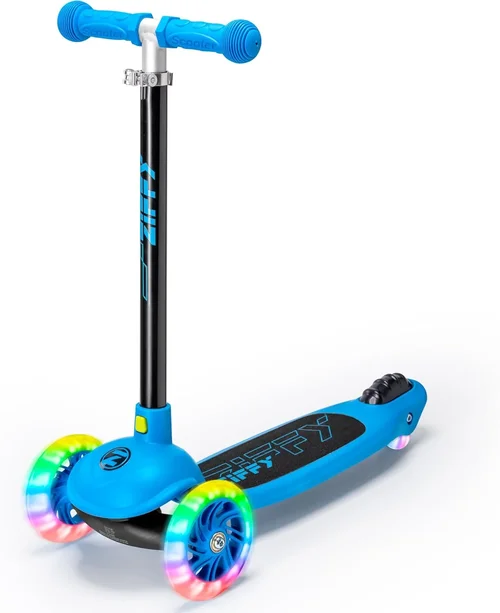
Electric scooters have evolved from niche urban curiosities into mainstream transportation solutions, reshaping how we move through cities, campuses, and even suburban neighborhoods. As we move through 2026, the market is more crowded—and more competitive—than ever, with dozens of brands offering models that promise speed, range, portability, and smart features at every price point. But with so many options, choosing the right electric scooter can feel overwhelming. Whether you’re commuting to work, running errands, or simply enjoying a weekend ride, the wrong choice could mean frustration, frequent repairs, or a scooter that ends up collecting dust in your garage.
This guide is designed to cut through the noise and help you make an informed, confident decision. We’ll walk you through the most critical factors to consider—from performance specs and build quality to budget and brand reliability—so you can find a scooter that truly fits your lifestyle. You’ll learn how to compare models across different categories, avoid common buying pitfalls, and understand what you’re really paying for at each price tier. By the end, you’ll have a clear framework for evaluating electric scooters and the knowledge to choose one that delivers value, safety, and long-term satisfaction.
The electric scooter market in 2026 is defined by rapid innovation and increasing accessibility. Entry-level models now offer features once reserved for premium scooters, while high-end models push the boundaries with dual motors, regenerative braking, and app-based ride analytics. Brands like Gotrax, Xiaomi, Segway-Ninebot, and Apollo are leading the charge, each catering to different user needs—from students and casual riders to daily commuters and performance enthusiasts. With advancements in battery technology, motor efficiency, and safety standards, today’s scooters are faster, safer, and more reliable than ever before. This guide will help you navigate this dynamic landscape and find the perfect match for your needs.
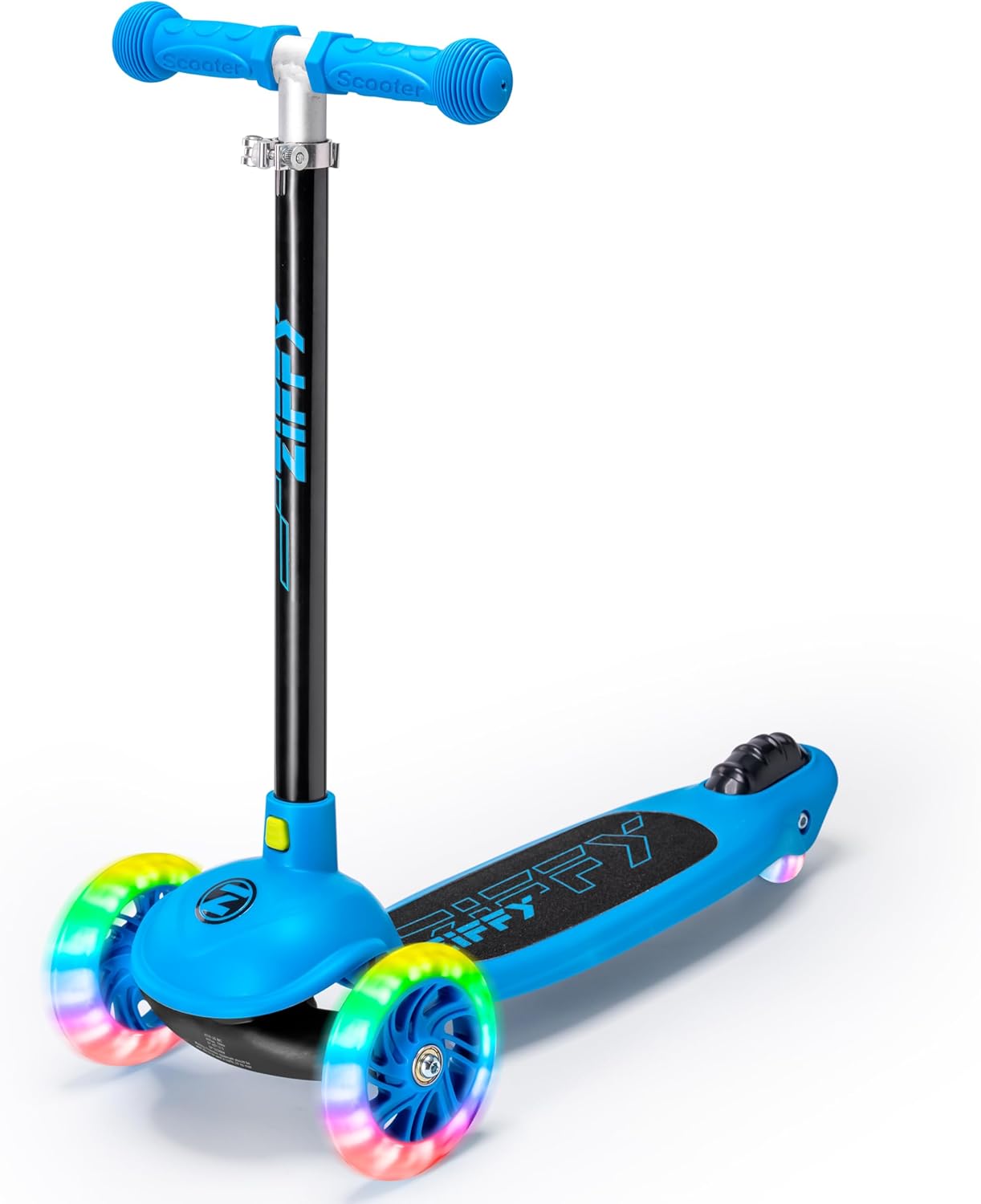
What to Look for When Buying Gotrax
1. Budget & Price Range
Your budget is the foundation of your decision. Electric scooters range from under $300 for basic models to over $2,000 for high-performance machines. While it’s tempting to go for the cheapest option, remember that price often reflects build quality, safety features, and longevity. A $250 scooter might get you from point A to B, but it may lack essential features like reliable brakes, a sturdy frame, or decent battery life. On the other hand, spending $1,500+ doesn’t guarantee the best experience—some premium models prioritize flashy features over real-world usability.
Set a realistic budget based on how often you’ll use the scooter and what you need it for. If you’re using it for daily commuting, investing in a mid-range model ($500–$800) is often worth it for the durability and performance. Casual riders or students might be fine with an entry-level option, but avoid ultra-cheap models that cut corners on safety. Always factor in potential long-term costs like battery replacement, maintenance, and accessories (e.g., helmets, locks, phone mounts).
2. Performance Specifications
Performance specs determine how well your scooter handles real-world conditions. The three most important metrics are motor power, top speed, and range.
Motor Power: Measured in watts (W), motor power affects acceleration and hill-climbing ability. Entry-level scooters typically have 250W–350W motors, suitable for flat terrain and light loads. Mid-range models (500W–800W) handle moderate inclines and heavier riders. High-performance scooters (1000W+) are ideal for steep hills and fast acceleration. Dual-motor setups (found in premium models) offer even greater torque and stability.
Top Speed: Most consumer scooters range from 15 mph to 30+ mph. While higher speeds are exciting, they also increase risk and energy consumption. For city commuting, 18–22 mph is usually sufficient and safer. Always check local regulations—some cities cap e-scooter speeds at 15 mph in bike lanes.
Range: Range indicates how far you can travel on a single charge, typically between 10 and 40 miles. Real-world range depends on rider weight, terrain, speed, and weather. A scooter advertised with a 25-mile range might only deliver 15–18 miles under normal conditions. Look for models with removable or upgradeable batteries if you need extended range.
3. Build Quality & Durability
A scooter’s build quality directly impacts its lifespan and safety. Start by examining the frame material—aluminum alloy is the standard for most models due to its strength-to-weight ratio. Avoid scooters with plastic frames or flimsy joints, as they’re prone to cracking under stress.
Check the suspension system. Entry-level scooters often have no suspension or basic spring suspension, which can make rides uncomfortable on rough pavement. Mid-range and premium models may include front, rear, or dual suspension for a smoother ride. Tires also matter: solid rubber tires are puncture-proof but offer less shock absorption, while pneumatic (air-filled) tires provide better comfort and grip but require maintenance.
Water resistance is another key factor. Look for an IP rating (e.g., IPX4 or IP54), which indicates protection against splashes and light rain. While no scooter is fully waterproof, a good IP rating ensures it can handle wet conditions without damaging the electronics. Finally, inspect the folding mechanism—cheaper models may have wobbly hinges or weak latches that fail over time.
4. Features & Functionality
Modern electric scooters come packed with features that enhance convenience, safety, and ride experience. While not all are essential, some can significantly improve usability.
Display & Controls: A clear LCD or LED display shows speed, battery level, and sometimes ride mode. Some models include Bluetooth connectivity and companion apps for tracking distance, adjusting settings, or locking the scooter remotely.
Lighting: Front and rear lights are crucial for visibility at night. Look for bright LED headlights and brake-activated taillights. Some scooters also have side reflectors or under-deck lighting for added safety.
Brake System: Reliable braking is non-negotiable. Most scooters use a combination of electronic (regenerative) and mechanical brakes (disc or drum). Disc brakes offer superior stopping power, especially in wet conditions. Avoid models with only electronic braking, as they can be less effective at high speeds or when the battery is low.
Ride Modes: Many scooters offer multiple speed modes (e.g., eco, normal, sport). These help conserve battery or boost performance as needed. Some also include cruise control, which maintains a steady speed without holding the throttle—useful for long rides.
Portability Features: If you’ll be carrying the scooter on public transit or storing it in tight spaces, weight and foldability matter. Lightweight models (under 30 lbs) are easier to carry, while compact folding designs save space. Some scooters include carrying handles or wheels for easier transport.
5. Brand Reputation
Not all brands are created equal. Established brands like Gotrax, Xiaomi, and Segway-Ninebot have proven track records for quality, customer service, and innovation. They invest in R&D, offer better warranties, and are more likely to provide replacement parts and software updates.
Research brand reputation by reading user reviews, checking forums, and looking at third-party testing. Be cautious of unknown brands selling on Amazon or eBay with overly optimistic specs and vague descriptions. These “no-name” scooters often use low-quality components and lack support. A reputable brand may cost more upfront, but it reduces the risk of defects, safety issues, and abandonment when problems arise.
Also consider the brand’s presence in your region. Brands with local service centers or authorized dealers make repairs and warranty claims easier. Gotrax, for example, has a strong U.S. presence with customer support and replacement parts readily available, which is a major advantage over imported or obscure brands.
6. Warranty & Support
A solid warranty is a sign of a manufacturer’s confidence in their product. Most reputable scooters come with a 6- to 12-month warranty covering defects in materials and workmanship. Some premium brands offer 18- to 24-month coverage or extended plans for purchase.
Read the fine print: warranties often exclude wear-and-tear items like tires, brakes, and batteries. Also check what’s covered—motor, controller, display, and frame should be included. A good warranty includes clear instructions for claims, responsive customer service, and reasonable repair or replacement timelines.
Support goes beyond the warranty. Look for brands that offer user manuals, video tutorials, FAQs, and accessible customer service (phone, email, live chat). Gotrax, for instance, provides detailed troubleshooting guides and a U.S.-based support team, which is a big plus for U.S. buyers. Avoid brands with no contact information or slow response times.
7. Size & Portability
Portability is crucial if you’ll be taking your scooter on buses, trains, or storing it in small apartments. Consider both weight and folded dimensions.
Most commuter scooters weigh between 25 and 40 pounds. Anything over 35 lbs becomes difficult to carry for extended periods, especially up stairs. Lightweight models often sacrifice durability or battery size, so balance portability with performance needs.
Folded size affects storage and transport. A compact fold (e.g., under 45” x 18” x 16”) fits easily in car trunks or under desks. Some scooters have telescoping stems or foldable handlebars for even smaller footprints. Test the folding mechanism—it should be quick, secure, and not require tools.
If you plan to use public transit, check weight and size limits. Some subway systems restrict scooters over 30 lbs or with large footprints. A portable scooter also makes it easier to bring indoors, reducing theft risk.
8. User Reviews & Ratings
User reviews offer real-world insights that specs alone can’t provide. Look beyond star ratings and read detailed reviews on Amazon, Reddit, YouTube, and scooter forums. Pay attention to recurring themes: Are multiple users reporting battery degradation after 6 months? Do many mention loose handlebars or brake issues?
Be skeptical of overly positive or generic reviews—these may be fake. Genuine reviews often include photos, videos, and specific pros and cons. Look for long-term users (6+ months) who discuss durability and maintenance.
Also check professional reviews from trusted sources like Wirecutter, TechRadar, or Electric Scooter Insider. These sites conduct rigorous testing on performance, safety, and build quality, offering balanced perspectives. Combining user and expert feedback gives you a fuller picture of a scooter’s real-world performance.
Different Types of Gotrax

Common Buying Mistakes to Avoid
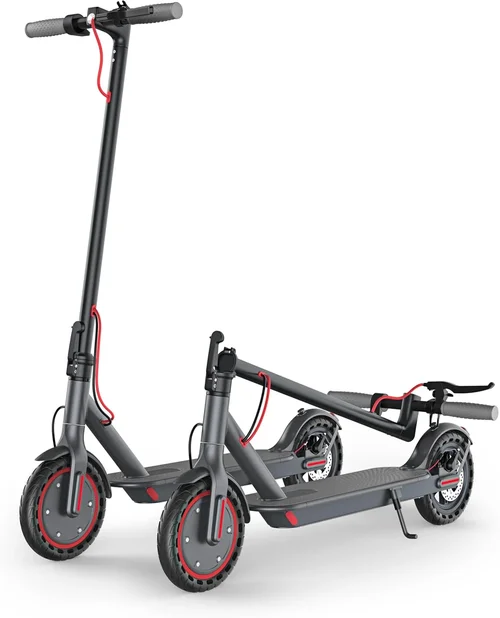
❌ Mistake: Prioritizing Price Over Quality
Why it’s bad: Choosing the cheapest scooter often leads to frustration. Low-cost models may have weak motors, poor brakes, or batteries that degrade quickly. You might end up spending more on repairs or replacements than if you’d bought a better model initially.
What to do instead: Set a realistic budget and prioritize value over the lowest price. A $500 scooter that lasts 3 years is a better investment than a $250 one that breaks in 6 months. Look for mid-range models with solid reviews and reliable components.
❌ Mistake: Ignoring Real-World Range Claims
Why it’s bad: Manufacturers often advertise range under ideal conditions—light rider, flat terrain, slow speed. In reality, range drops significantly with hills, wind, or heavier loads. Relying on advertised range can leave you stranded.
What to do instead: Assume real-world range is 20–30% lower than advertised. If you need 15 miles, choose a scooter rated for 20+. Check user reviews for actual range experiences and consider models with removable batteries for backup power.
❌ Mistake: Overlooking Safety Features
Why it’s bad: Skimping on brakes, lights, or suspension increases accident risk. Poor braking distance or low visibility at night can lead to serious injuries, especially in traffic.
What to do instead: Always prioritize safety. Choose scooters with disc brakes, bright LED lights, and at least basic suspension. Wear a helmet and reflective gear, and avoid riding in heavy rain or at night without proper lighting.
❌ Mistake: Buying Without Testing
Why it’s bad: Scooters feel different in person. A model that looks great online might be uncomfortable, wobbly, or hard to control. Without a test ride, you risk buying something that doesn’t suit your riding style.
What to do instead: Test ride whenever possible—visit local dealers, scooter shops, or events. If buying online, choose retailers with generous return policies (30 days or more). Some brands, like Gotrax, offer demo units or virtual consultations.
❌ Mistake: Ignoring Local Laws and Regulations
Why it’s bad: E-scooter laws vary by city and state. Some areas ban scooters on sidewalks, require helmets, or limit speed. Riding illegally can result in fines or confiscation.
What to do instead: Research local regulations before buying. Check speed limits, where you can ride (bike lanes, roads, sidewalks), and whether registration or insurance is required. Choose a scooter that complies with your area’s rules.
❌ Mistake: Neglecting Maintenance and Upkeep
Why it’s bad: Like any vehicle, scooters need regular care. Neglecting tire pressure, brake adjustments, or battery charging can shorten lifespan and create safety hazards.
What to do instead: Follow the manufacturer’s maintenance schedule. Keep tires inflated, clean the deck and chain, and store the scooter in a dry place. Charge the battery regularly—don’t let it sit at 0% for long periods.
❌ Mistake: Falling for “Too Good to Be True” Deals
Why it’s bad: Scooters advertised at suspiciously low prices often use counterfeit parts, have fake specs, or are refurbished units sold as new. These can be unsafe and lack warranty support.
What to do instead: Buy from authorized retailers or the brand’s official website. Avoid third-party sellers with no reviews or unclear return policies. If a deal seems too good, it probably is.
Budget Guidelines: How Much Should You Spend?
Entry-Level ($250–$400): This tier is ideal for casual riders, students, or those on a tight budget. Scooters here typically have 250W–350W motors, 10–15 mile range, and basic features like LED lights and electronic brakes. Build quality is adequate but may lack durability for daily use. Examples include the Gotrax GXL V2 or Xiaomi Mi Essential. Expect some compromises in comfort and longevity, but they’re great for short, flat commutes.
Mid-Range ($500–$800): This is the sweet spot for most buyers. Scooters in this range offer 500W–800W motors, 18–25 mile range, better suspension, and more reliable brakes. They’re built to last, with aluminum frames and improved water resistance. Models like the Gotrax G4 or Segway Ninebot ES4 provide excellent value, balancing performance, portability, and safety. Ideal for daily commuters who need reliability without breaking the bank.
Premium ($900–$1,500): For enthusiasts and serious commuters, premium scooters deliver high performance and advanced features. Expect 1000W+ motors, 25–40 mile range, dual suspension, and app connectivity. These models often have dual motors, regenerative braking, and rugged builds. The Apollo City or Gotrax G Max fall here—great for hilly areas, long distances, or riders who want a smoother, faster experience.
Luxury ($1,600+): Top-tier scooters are built for performance and durability. They feature dual motors, high-capacity batteries, off-road capabilities, and premium materials. Models like the Dualtron Thunder or Kaabo Wolf Warrior offer speeds over 40 mph and ranges up to 60 miles. These are for riders who prioritize power, comfort, and cutting-edge tech—perfect for off-road adventures or long-distance touring.
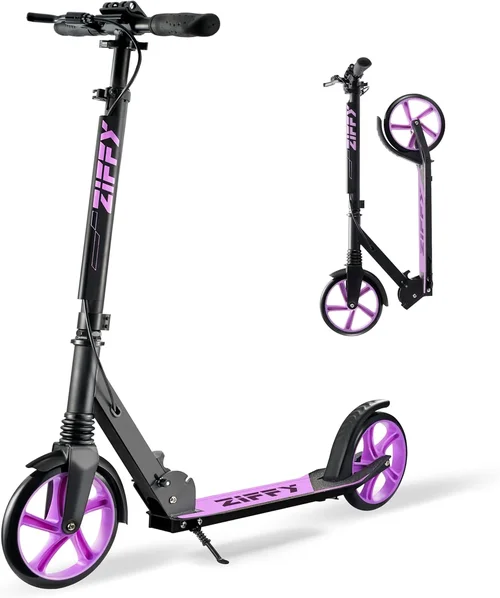
Expert Tips for Getting the Best Deal
- Buy During Sales Seasons: The best time to buy is during Black Friday, Cyber Monday, or end-of-season clearances (August–September). Many brands offer discounts of 15–30% on older models. Sign up for newsletters to get early access to deals.
- Shop from Authorized Retailers: Buy from the brand’s official site or authorized dealers like Best Buy, Amazon (sold by the brand), or local scooter shops. This ensures warranty validity and access to genuine parts.
- Compare Prices Across Platforms: Use price comparison tools or check multiple sites (Amazon, Walmart, Brand Website) to find the lowest price. Sometimes the brand’s site offers exclusive bundles or free shipping.
- Check Return and Warranty Policies: Choose retailers with at least a 30-day return window and a clear warranty process. Avoid sellers with restocking fees or no-return policies.
- Look for Refurbished or Open-Box Deals: Certified refurbished scooters from reputable sellers can save you 20–40% off retail. These are inspected, tested, and often come with a warranty.
- Test Before You Buy: If possible, visit a store or attend a demo event. A 5-minute test ride can reveal issues with balance, braking, or comfort that specs won’t show.
- Consider Financing Options: Some brands offer 0% APR financing for 6–12 months. This lets you spread the cost without interest, making premium models more accessible.
- Join Scooter Communities: Forums like Reddit’s r/ElectricScooters or Facebook groups often share exclusive promo codes, group buys, or insider tips on upcoming sales.
Frequently Asked Questions
Q: How long do electric scooter batteries last?
A: Most lithium-ion batteries last 300–500 charge cycles, which translates to 1–3 years of daily use. Battery life depends on usage, charging habits, and climate. Avoid draining to 0% or leaving it plugged in overnight. With proper care, some batteries last up to 5 years.
Q: Can I ride an electric scooter in the rain?
A: It depends on the IP rating. Scooters with IPX4 or higher can handle light rain and splashes, but avoid deep puddles or heavy downpours. Water can damage the motor, controller, or battery. Always dry the scooter after wet rides and store it indoors.
Q: Are electric scooters safe?
A: They can be safe with proper use. Always wear a helmet, follow traffic rules, and avoid high speeds in crowded areas. Choose scooters with reliable brakes, lights, and suspension. Beginners should start in low-speed modes and practice in safe areas.
Q: How fast do electric scooters go?
A: Most consumer scooters reach 15–25 mph. High-performance models can exceed 30 mph, and racing scooters go over 40 mph. Speed depends on motor power, rider weight, and terrain. Always ride within legal limits and your skill level.
Q: Do I need a license to ride an electric scooter?
A: In most U.S. states, no license is required for scooters under 20 mph. However, some cities require registration, helmets, or restrict where you can ride. Check local laws—requirements vary widely.
Q: Can I take my scooter on public transit?
A: Many buses and trains allow folded scooters, but policies vary. Check with your transit authority. Weight and size limits often apply—lightweight, compact models are best for this.
Q: How do I maintain my electric scooter?
A: Regular maintenance includes checking tire pressure, cleaning the deck, tightening bolts, and inspecting brakes. Charge the battery regularly and store it in a cool, dry place. Follow the user manual for specific guidelines.
Q: What’s the difference between hub motors and belt-driven motors?
A: Hub motors are built into the wheel, offering direct drive, quiet operation, and low maintenance. Belt-driven motors use a belt and pulley system, providing better torque and hill-climbing but requiring occasional belt replacement. Hub motors are more common in consumer scooters.
Q: Can I upgrade my scooter’s battery?
A: Some models allow battery upgrades, but it’s not common. Check if the scooter has a removable battery and if higher-capacity options are available. DIY upgrades can void the warranty and pose safety risks—proceed with caution.
Q: Are electric scooters eco-friendly?
A: Yes, compared to cars. They produce zero emissions during use and use less energy per mile. However, battery production and disposal have environmental impacts. Choose brands with recycling programs and long-lasting batteries to minimize your footprint.
Our Final Recommendations
Best for Budget-Conscious Buyers: Gotrax GXL V2 – At around $350, this scooter offers solid performance with a 250W motor, 15-mile range, and reliable build quality. It’s lightweight, easy to fold, and great for students or casual riders. While it lacks advanced features, it delivers excellent value for the price.
Best Overall Value: Gotrax G4 – Priced around $650, the G4 strikes the perfect balance between performance, portability, and price. With a 350W motor, 20-mile range, dual suspension, and a bright display, it’s ideal for daily commuters. Its sturdy build and responsive brakes make it a reliable choice for urban riding.
Best Premium Option: Apollo City 2026 – At $1,300, this scooter offers dual motors, 30-mile range, and premium features like app connectivity and regenerative braking. It’s built for performance and comfort, with excellent suspension and a sleek design. Perfect for riders who want top-tier performance without going full luxury.
Best for Beginners: Xiaomi Mi Electric Scooter Essential – Simple, reliable, and affordable ($350), this scooter is perfect for first-time riders. It has a smooth ride, intuitive controls, and a lightweight design. While it lacks advanced features, its ease of use and safety make it ideal for learning.
Best for Advanced Users: Dualtron Thunder 3 – For those who demand power and speed, the Thunder 3 delivers 5,400W of dual-motor performance, 75-mile range, and speeds up to 50 mph. It’s built for off-road adventures and long-distance travel, with premium suspension and rugged tires. A true beast for serious enthusiasts.
Conclusion: Making the Right Choice
Choosing the best electric scooter isn’t about finding the fastest or most expensive model—it’s about finding the one that fits your life. Whether you’re commuting across town, exploring trails, or just getting from class to class, the right scooter should match your needs, budget, and riding style. By focusing on key factors like performance, build quality, safety, and brand reliability, you can avoid common pitfalls and make a confident decision.
Remember, the cheapest option isn’t always the best value, and the most powerful scooter might be overkill for your needs. Take the time to research, test ride when possible, and read real user experiences. Set a realistic budget, prioritize safety, and don’t forget to factor in accessories and maintenance.
Electric scooters are more than just a trend—they’re a practical, eco-friendly way to move through the modern world. With the right choice, you’ll enjoy years of reliable, fun, and efficient rides. So take what you’ve learned here, evaluate your priorities, and ride with confidence. Your perfect scooter is out there—now go find it.