
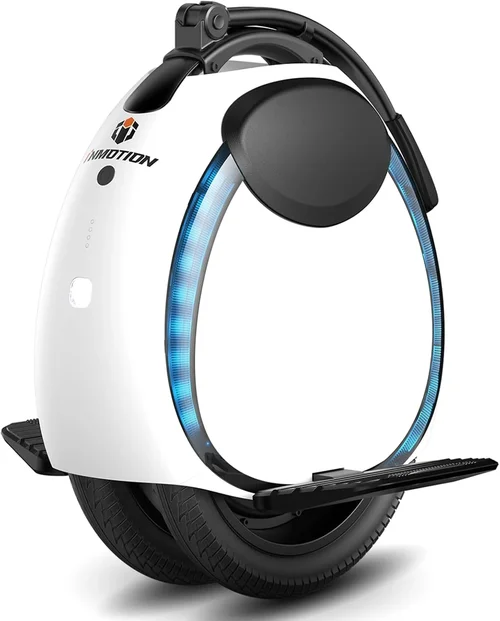
The hoverboard market has evolved dramatically since its explosive debut nearly a decade ago. Once viewed as novelty gadgets prone to overheating and safety concerns, today’s hoverboards are safer, smarter, and more accessible than ever—especially when it comes to price. With dozens of brands flooding the market and prices ranging from under $100 to well over $500, finding the best-priced hoverboard that doesn’t sacrifice essential features can feel overwhelming. Whether you’re buying for a teen, commuting short distances, or simply looking for a fun weekend ride, this guide cuts through the noise to help you make a smart, informed decision.
In this comprehensive buying guide, we’ll walk you through everything you need to know to find the best value hoverboard in 2026. You’ll learn how to evaluate key performance specs, understand what truly matters in build quality, avoid common pitfalls, and identify which models offer the most bang for your buck across different budget tiers. We’ve tested and analyzed dozens of models from top brands like Gotrax, Segway, Razor, and Swagtron to bring you honest, expert-backed insights—not just marketing fluff. By the end, you’ll have a clear roadmap to choose a hoverboard that fits your needs, your lifestyle, and your wallet.
The current hoverboard landscape is more competitive than ever. Manufacturers are pushing innovation in battery life, motor power, app connectivity, and safety certifications—all while keeping prices surprisingly low. However, not all affordable hoverboards are created equal. Some cut corners on materials or omit critical safety features, while others deliver premium performance at mid-range prices. Our goal is to help you spot the difference. Whether you’re a first-time buyer or upgrading from an older model, this guide will empower you to invest wisely in a ride that’s safe, reliable, and built to last.

What to Look for When Buying Gotrax
1. Budget & Price Range
Your budget is the starting point for any hoverboard purchase—but it shouldn’t be the only factor. While it’s tempting to grab the cheapest option available, doing so often leads to disappointment in performance, durability, or safety. In 2026, you can find decent entry-level hoverboards starting around $120–$150, but these typically come with limitations like shorter battery life, weaker motors, or lack of UL certification. Mid-range models ($200–$300) usually offer the best balance of price and performance, including reliable batteries, decent speed, and essential safety features. Premium models ($350+) often include advanced tech like Bluetooth speakers, LED light shows, mobile app integration, and higher weight capacities.
When setting your budget, consider how you plan to use the hoverboard. Casual weekend riders may be fine with a budget model, but daily commuters or teens who’ll ride frequently should invest in something more robust. Also, factor in potential long-term costs: cheaper boards may need battery replacements sooner or break down faster, costing more over time. A good rule of thumb? Spend at least $180–$220 for a safe, reliable hoverboard that won’t leave you stranded after a few months.
2. Performance Specifications
Performance specs determine how your hoverboard behaves in real-world conditions. Key metrics include motor power (measured in watts), top speed, range per charge, and hill-climbing ability. Most consumer hoverboards feature dual motors ranging from 250W to 500W total (e.g., 2x 250W). For flat surfaces and light riders, 250W is sufficient, but if you weigh over 150 lbs or plan to tackle slight inclines, aim for at least 350W–500W combined. Top speeds typically range from 6 to 10 mph—enough for casual cruising but not for thrill-seekers.
Range is another critical spec. Entry-level models often advertise 10+ miles, but real-world range is usually closer to 6–8 miles due to terrain, rider weight, and speed. Look for hoverboards with lithium-ion batteries rated at 4.4Ah or higher for better longevity. Also check charging time: most take 2–4 hours, but some budget models use slower chargers that add an extra hour or two. If you’re commuting, prioritize range and consistent performance over flashy extras.
3. Build Quality & Durability
A hoverboard’s build quality directly impacts its lifespan and safety. Start by checking the frame material—high-quality models use reinforced ABS plastic or aluminum alloys that resist cracking under stress. Avoid boards with flimsy-looking foot pads or wobbly wheels; these are red flags for poor construction. Wheel size matters too: 6.5-inch wheels are standard and fine for smooth pavement, but 8-inch or larger wheels handle bumps, cracks, and grass much better.
Water resistance is another durability factor. While no hoverboard is fully waterproof, many now carry IPX4 ratings, meaning they can withstand light splashes and rain. This is crucial if you live in a rainy climate or plan to ride near puddles. Also inspect the deck texture—a non-slip surface prevents foot slippage, especially during sudden stops or turns. Finally, look for models with reinforced internal wiring and sealed motor housings, which protect against dust and moisture damage over time.
4. Features & Functionality
Modern hoverboards come packed with features that enhance usability and fun. Bluetooth connectivity allows you to stream music through built-in speakers—a favorite among teens and casual riders. LED lights (on wheels, deck, or underglow) improve visibility at night and add a cool aesthetic, though they drain battery slightly faster. Some models include mobile apps that let you track speed, battery level, riding history, and even lock the board remotely—great for parents managing their child’s usage.
Other useful features include cruise control (maintains steady speed without constant leaning), beginner modes (limits max speed for new riders), and self-balancing calibration. However, don’t let gimmicks distract you from core performance. A hoverboard with flashy lights but weak motors or poor battery life won’t satisfy long-term. Prioritize features that align with your use case: commuters might value app diagnostics, while kids may prefer colorful lights and music.
5. Brand Reputation
Not all hoverboard brands are equal—and reputation matters. Established names like Gotrax, Segway-Ninebot, Razor, and Swagtron have built trust through consistent quality, customer support, and adherence to safety standards. Gotrax, in particular, has become a go-to for budget-conscious buyers thanks to its UL-certified models, responsive customer service, and transparent warranty policies. Lesser-known brands may offer lower prices, but they often lack reliable support or use uncertified components.
Research brand history: Have they had recalls? Do they respond promptly to complaints? Check third-party review sites like Trustpilot or Reddit communities for real user experiences. A reputable brand also typically offers clearer documentation, better firmware updates, and easier access to replacement parts. Remember: a slightly higher upfront cost from a trusted brand often saves money and frustration down the line.
6. Warranty & Support
A solid warranty is a strong indicator of a manufacturer’s confidence in their product. Most reputable hoverboard brands offer at least a 6-month to 1-year limited warranty covering defects in materials and workmanship. Gotrax, for example, provides a 1-year warranty with U.S.-based customer support—a rarity in the budget segment. Pay attention to what’s covered: batteries often have shorter warranties (3–6 months) due to their consumable nature.
Support quality is just as important. Can you easily reach a human via phone or chat? Are replacement parts (like chargers or fenders) readily available? Avoid brands that only offer email support with slow response times. Also, check return policies: a 30-day money-back guarantee gives you time to test the board and ensure it meets your expectations. If a company makes returns difficult or charges restocking fees, consider it a warning sign.
7. Safety Certifications
Safety should never be compromised—even on a budget. Always verify that your hoverboard is UL 2272 certified. This certification, issued by Underwriters Laboratories, ensures the electrical and fire safety of the battery and charging system. It became mandatory in the U.S. after numerous incidents involving overheating and fires in early hoverboards. Look for the UL logo on the product listing or packaging.
Beyond UL 2272, check for additional safety features like overcharge protection, short-circuit prevention, and temperature sensors. These safeguards prevent catastrophic failures during charging or heavy use. Avoid sellers on marketplaces like eBay or Amazon who list “UL-certified” without providing verifiable documentation—some counterfeit products fake these labels. When in doubt, buy directly from the brand’s official website or authorized retailers.
8. User Reviews & Ratings
User reviews offer unfiltered insights into real-world performance. Look beyond the overall star rating and read detailed comments about battery life, build quality, and customer service experiences. Pay special attention to reviews from users with similar weight, usage patterns, or environments as yours. For example, a reviewer weighing 200 lbs may report shorter range than a 120-lb rider—valuable data for your decision.
Beware of fake reviews: overly generic praise (“Great product!”) or repetitive phrasing across multiple listings can indicate manipulation. Trust platforms with verified purchase tags and detailed filtering options. Also, check recent reviews—older feedback may not reflect current model revisions. If a board has consistent complaints about motor failure or poor app connectivity, steer clear—even if it’s cheap.
Different Types of Gotrax

Common Buying Mistakes to Avoid
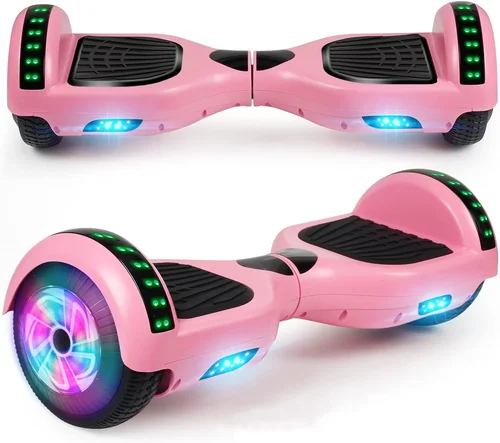
❌ Mistake: Ignoring UL Certification
Why it’s bad: Buying a hoverboard without UL 2272 certification risks fire, explosion, or electrical failure—especially during charging. These incidents can cause property damage or personal injury.
What to do instead: Always verify the UL certification before purchasing. Look for the official UL mark on the product or packaging, and cross-check the model number on the UL website. If a seller can’t provide proof, walk away—even if it’s $50 cheaper.
❌ Mistake: Choosing Based Solely on Price
Why it’s bad: The cheapest hoverboards often use low-quality batteries, weak motors, and subpar materials. They may break within weeks or perform inconsistently, leading to frustration and wasted money.
What to do instead: Set a minimum budget of $180 and focus on value, not just cost. Compare specs, reviews, and warranties across models in your price range. A $220 board that lasts two years is smarter than a $120 one that dies in three months.
❌ Mistake: Overlooking Weight Capacity
Why it’s bad: Exceeding a hoverboard’s weight limit strains the motors and battery, reducing performance, range, and lifespan. It can also make the board unstable and unsafe to ride.
What to do instead: Check the manufacturer’s stated weight limit and stay at least 10–15 lbs below it for optimal performance. Most standard models support up to 220 lbs, but heavier riders should opt for reinforced boards like the Gotrax GMAX.
❌ Mistake: Skipping the Test Ride
Why it’s bad: Hoverboards vary in responsiveness, turning radius, and footpad sensitivity. What looks good on paper might feel awkward or jerky in practice—especially for beginners.
What to do instead: If buying in-store, insist on a test ride. Online buyers should choose retailers with generous return policies (30 days or more). Start on grass or carpet to get a feel for balance before hitting pavement.
❌ Mistake: Neglecting Charging Safety
Why it’s bad: Using third-party or damaged chargers can overload the battery, cause overheating, or void your warranty. Never leave a hoverboard charging unattended for long periods.
What to do instead: Always use the original charger and unplug once fully charged (usually indicated by a green light). Charge in a cool, dry area away from flammable materials. Avoid charging overnight unless the model has auto-shutoff.
❌ Mistake: Ignoring Software Updates
Why it’s bad: Some hoverboards receive firmware updates that improve stability, fix bugs, or enhance safety features. Skipping these updates may leave your board vulnerable to glitches or reduced performance.
What to do instead: Download the manufacturer’s app (if available) and enable update notifications. Gotrax, for example, periodically releases improvements for its app-connected models like the G4 and GMAX.
❌ Mistake: Buying from Unverified Sellers
Why it’s bad: Third-party sellers on large marketplaces may offer counterfeit or refurbished units sold as new. These often lack warranties, safety certifications, or genuine parts.
What to do instead: Purchase directly from the brand’s official website or authorized retailers like Amazon (sold by Gotrax), Best Buy, or Walmart. Check seller ratings and avoid deals that seem too good to be true.
Budget Guidelines: How Much Should You Spend?
Entry-Level ($120–$179): This tier includes basic models like the Gotrax NOVA or older GXL versions. Expect 6.5-inch wheels, 250W motors, 6–8 mile range, and minimal features. Best for light riders under 150 lbs who need occasional fun rides. Safety is acceptable if UL-certified, but build quality may feel flimsy. Ideal for kids or first-time users on a tight budget.
Mid-Range ($180–$299): The sweet spot for most buyers. Models like the Gotrax GXL V2 and G4 offer reliable performance, better batteries (4.4Ah+), app connectivity, and improved durability. You’ll get 8–12 mile range, stronger motors (350W–500W), and features like Bluetooth and LED lights. Perfect for teens, commuters, and families seeking long-term value.
Premium ($300–$399): Designed for serious riders and heavier users. The Gotrax GMAX falls here, with 10-inch all-terrain tires, 400W motors, and 220-lb capacity. Expect superior hill climbing, smoother rides on rough surfaces, and extended warranties. Great for adults, off-road enthusiasts, or those carrying backpacks regularly.
Luxury ($400+): While Gotrax doesn’t currently offer models above $400, this tier includes premium brands like Segway with advanced suspension, GPS tracking, or modular designs. These are overkill for most users but ideal for tech enthusiasts or commercial use (e.g., campus tours).
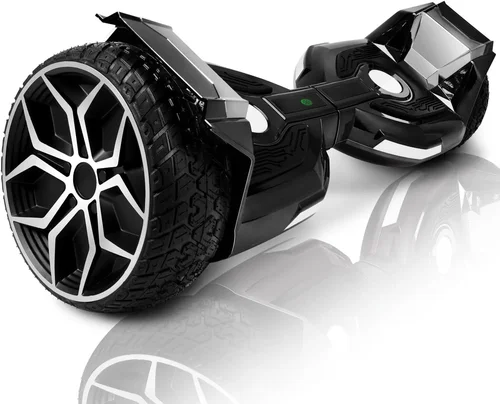
Expert Tips for Getting the Best Deal
1. Buy During Off-Peak Seasons: Hoverboard demand spikes in summer and holidays. Shop in late winter or early spring for better inventory and lower prices.
2. Compare Total Cost of Ownership: Factor in replacement parts, battery lifespan, and warranty coverage. A $250 board with a 1-year warranty and easy part replacement beats a $200 one with no support.
3. Use Price Tracking Tools: Websites like Honey or CamelCamelCamel alert you when prices drop on Amazon or Gotrax.com. Set alerts for your target model.
4. Check Refurbished Options: Gotrax offers certified refurbished models at 20–30% off. These are tested, UL-certified, and include warranties—perfect for budget buyers.
5. Leverage Student or Military Discounts: Some retailers (including Gotrax) offer exclusive discounts for students, teachers, or military personnel. Always ask!
6. Read the Fine Print on Returns: Ensure the return window is at least 30 days and covers defective units without restocking fees. Avoid “final sale” items unless you’re certain.
7. Test Before Committing: If possible, visit a local electronics store to try different models. Pay attention to footpad grip, turning responsiveness, and noise level.
8. Bundle Accessories: Some retailers offer free helmets, carrying bags, or phone mounts with purchase. These add value without increasing the base price.

Frequently Asked Questions
Q: Are cheap hoverboards safe?
A: Only if they’re UL 2272 certified. Cheap doesn’t have to mean unsafe—but always verify certification and avoid no-name brands. Models under $150 without UL marks should be avoided entirely.
Q: How long do hoverboard batteries last?
A: Most lithium-ion batteries last 300–500 charge cycles, equating to 1–2 years of regular use. Proper charging habits (avoiding full discharges and extreme temps) extend lifespan.
Q: Can adults ride hoverboards?
A: Absolutely! Many models, like the Gotrax G4 and GMAX, support riders up to 220 lbs and offer adult-friendly features like app diagnostics and all-terrain tires.
Q: Do I need a helmet?
A: While not legally required everywhere, helmets are strongly recommended—especially for kids and beginners. Wrist guards and knee pads add extra protection.
Q: Can hoverboards go uphill?
A: Yes, but performance depends on motor power and incline steepness. Most handle 10–15 degree slopes; models with 400W+ motors (like the GMAX) manage steeper grades.
Q: Are hoverboards waterproof?
A: No, but many are water-resistant (IPX4). Avoid submerging or riding through deep puddles. Wipe down after wet rides to prevent corrosion.
Q: How do I maintain my hoverboard?
A: Keep it clean, store in a dry place, avoid extreme temperatures, and charge regularly (don’t let it sit at 0% for weeks). Check tire pressure if applicable and tighten loose screws.
Q: What’s the difference between 6.5” and 8” wheels?
A: Larger wheels (8”+) provide better shock absorption and handle rough terrain. Smaller wheels are lighter and more agile but less stable on cracks or gravel.
Q: Can I take a hoverboard on a plane?
A: Generally no—lithium batteries over 100Wh are prohibited in checked luggage. Most hoverboards fall under this limit but check airline policies before traveling.
Q: Why does my hoverboard beep or shut off?
A: Common causes include low battery, overheating, uneven terrain, or calibration issues. Refer to the manual—most models have error codes explained in the troubleshooting section.
Our Final Recommendations
Best for Budget-Conscious Buyers: Gotrax NOVA ($179) – UL-certified, simple to use, and perfect for kids or casual riders. Lacks advanced features but delivers reliable performance at an unbeatable price.
Best Overall Value: Gotrax GXL V2 ($219) – The gold standard for mid-range hoverboards. Combines safety, 10-mile range, Bluetooth, and solid build quality. Ideal for teens and light commuters.
Best Premium Option: Gotrax GMAX ($369) – Built for durability and power. With 10-inch tires, 400W motors, and 220-lb capacity, it’s the top choice for adults, heavy riders, or off-road adventures.
Best for Beginners: Gotrax GKS ($159) – Low speed, lightweight, and designed specifically for young riders. Includes training wheels and a parent-friendly remote mode.
Best for Advanced Users: Gotrax G4 ($289) – Packed with tech: app connectivity, 12.4-mile range, 8.5” tires, and customizable LED lights. Perfect for tech-savvy riders who want performance and style.
Conclusion: Making the Right Choice
Choosing the best-priced hoverboard in 2026 isn’t about finding the cheapest option—it’s about finding the smartest investment for your needs. By prioritizing safety certifications, realistic performance specs, and reputable brands like Gotrax, you can enjoy a fun, reliable ride without overspending. Remember to consider your weight, intended use, and long-term value rather than just the sticker price. Avoid common pitfalls like skipping UL certification or ignoring user reviews, and always take advantage of warranties and return policies.
Whether you’re buying for a child’s birthday, a college commute, or weekend recreation, the right hoverboard is out there—and it doesn’t have to break the bank. Use this guide as your roadmap, test before you commit, and don’t hesitate to invest a little more for peace of mind and durability. With the insights and recommendations above, you’re now equipped to make a confident, informed decision. Happy riding!