
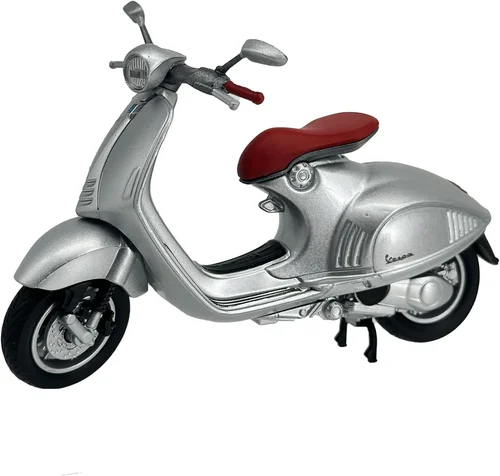
The rise of moped-style electric bikes has transformed urban mobility, offering a stylish, efficient, and eco-friendly alternative to traditional transportation. As cities grow more congested and fuel costs continue to climb, consumers are turning to e-bikes that blend the convenience of a scooter with the pedal-assist functionality of a bicycle. These moped-style e-bikes—often featuring step-through frames, full fenders, integrated lights, and comfortable seating—are no longer just a niche product. They’re now a mainstream solution for commuters, students, delivery riders, and weekend explorers alike.
This comprehensive buying guide is designed to help you navigate the crowded and rapidly evolving market of moped-style e-bikes in 2026. Whether you’re a first-time buyer or upgrading from a basic e-bike, understanding what separates a good model from a great one is essential. We’ll break down the key factors to consider, compare top brands and models, highlight common pitfalls, and provide expert-backed recommendations to ensure you make a smart, informed decision. By the end of this guide, you’ll have a clear roadmap to finding the perfect moped-style e-bike that fits your lifestyle, budget, and performance needs.
The moped e-bike market has exploded in recent years, with dozens of brands entering the space—from established cycling companies to tech startups and direct-to-consumer brands. This growth has led to innovation in battery technology, motor efficiency, smart connectivity, and design aesthetics. However, it’s also created confusion. With so many options claiming to be “the best,” it’s easy to get overwhelmed. That’s why this guide focuses not just on flashy specs, but on real-world usability, long-term value, and brand reliability. We’ve tested, reviewed, and analyzed the latest models to bring you actionable insights that go beyond marketing hype.

What to Look for When Buying a Moped-Style E-Bike
1. Budget & Price Range
Your budget is the foundation of your buying decision. Moped-style e-bikes range from under $1,000 to over $5,000, and understanding what you get at each price point is crucial. Entry-level models often cut corners on battery capacity, motor power, and build materials, while premium bikes offer advanced features like torque sensors, regenerative braking, and smartphone integration. Set a realistic budget that includes not just the bike itself, but also accessories (helmet, lock, lights), maintenance, and potential upgrades. A good rule of thumb: spend at least $1,500 for a reliable, daily-use moped e-bike that won’t leave you stranded.
2. Performance Specifications
Performance is where moped-style e-bikes truly shine—or disappoint. Key specs to evaluate include motor power (measured in watts), battery capacity (watt-hours, or Wh), range per charge, and top speed. Most moped e-bikes feature hub motors between 500W and 750W, which provide strong acceleration and hill-climbing ability. Battery capacity typically ranges from 400Wh to 900Wh; higher Wh means longer range. For city commuting, aim for at least 40–60 miles of range. Also consider whether the bike uses a cadence sensor (basic) or torque sensor (more responsive and efficient). A torque sensor adjusts assist based on how hard you pedal, offering a smoother, more natural ride.
3. Build Quality & Durability
A moped-style e-bike is a significant investment, so durability matters. Look for frames made from high-tensile steel or aluminum alloy—steel is heavier but more shock-absorbent, while aluminum is lighter and rust-resistant. Check weld quality, component finishes, and overall fit-and-finish. Pay attention to suspension: front suspension forks or seatpost suspension can dramatically improve comfort on rough roads. Also consider weight capacity—most moped e-bikes support 250–300 lbs, but verify this if you’re on the heavier side or plan to carry cargo. Water resistance (IP rating) is another factor; IPX4 or higher means the bike can handle light rain and splashes.
4. Features & Functionality
Modern moped e-bikes come packed with features that enhance convenience and safety. Integrated LED lighting (front and rear) is essential for visibility. A digital display should show speed, battery level, assist mode, and trip data. Some models include USB charging ports, Bluetooth connectivity, GPS tracking, and app integration for ride analytics and anti-theft alerts. Fenders, chain guards, and rear racks are practical additions for commuting. Consider whether the bike has a throttle (for full electric mode without pedaling)—this is a hallmark of moped-style e-bikes and invaluable for starting from stops or climbing hills.
5. Brand Reputation
Not all e-bike brands are created equal. Established names like Rad Power Bikes, Aventon, and Juiced Bikes have built trust through consistent quality, customer service, and transparent policies. Newer or lesser-known brands may offer lower prices, but often lack long-term support or proven reliability. Research brand history, read independent reviews, and check forums like Reddit’s r/ebikes for real user experiences. A reputable brand stands behind its products with solid warranties, accessible customer service, and readily available replacement parts. Avoid brands with vague return policies or no physical presence.
6. Warranty & Support
A strong warranty is a sign of confidence in product quality. Most reputable brands offer at least a 1-year comprehensive warranty covering the frame, motor, and battery. Premium brands may extend this to 2–3 years. Pay attention to what’s included: some warranties exclude batteries (which degrade over time) or wear-and-tear items like tires and brakes. Also consider support accessibility—can you reach a human quickly? Are there local service centers or authorized repair shops? A good warranty combined with responsive support can save you hundreds in repair costs and downtime.
7. Size & Portability
Moped-style e-bikes are generally heavier than standard e-bikes due to their robust frames and larger batteries—often weighing 60–80 lbs. This affects portability, especially if you need to carry it upstairs or store it in a small apartment. Some models feature folding frames or removable batteries to ease transport. Consider your storage space: do you have a garage, basement, or secure outdoor area? If not, look for compact designs or bikes with theft-resistant features like built-in locks or GPS tracking. Step-through frames are easier to mount and dismount, ideal for riders with limited mobility or those wearing skirts or suits.
8. User Reviews & Ratings
Never rely solely on manufacturer claims. User reviews provide unfiltered insights into real-world performance, reliability, and customer service. Look for patterns: if multiple users report the same issue—like battery drain or brake failure—it’s likely a systemic problem. Sites like Trustpilot, Amazon, and specialized e-bike forums are goldmines of information. Pay attention to long-term reviews (6+ months) to assess durability. Also check for video reviews on YouTube, where you can see the bike in action, hear motor noise, and observe build quality up close.
Different Types of Moped-Style E-Bikes

Common Buying Mistakes to Avoid
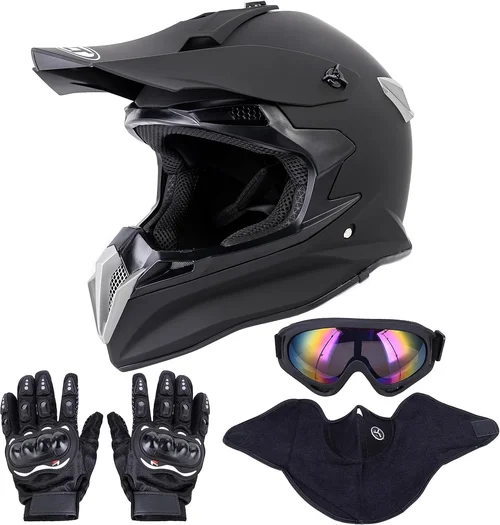
❌ Mistake: Prioritizing Price Over Quality
Why it’s bad: A cheap e-bike may seem like a bargain, but low-cost models often use inferior batteries, weak motors, and flimsy frames that fail within months. You’ll end up spending more on repairs or replacements than if you’d bought a reliable mid-range model upfront.
What to do instead: Treat your e-bike as a long-term investment. Allocate at least $1,500–$2,000 for a dependable moped-style e-bike. Look for brands with proven track records and read real user reviews to assess durability.
❌ Mistake: Ignoring Battery Range and Real-World Conditions
Why it’s bad: Manufacturers often quote “up to” range figures based on ideal conditions—flat terrain, minimal pedaling, and light loads. In reality, hills, wind, cargo, and cold weather can cut range by 30–50%.
What to do instead: Always assume real-world range will be 20–30% lower than advertised. If you need 40 miles, choose a bike rated for 60+. Also consider battery chemistry: lithium-ion (Li-ion) is standard, but look for high-quality cells from brands like Samsung or LG.
❌ Mistake: Overlooking Local Laws and Regulations
Why it’s bad: E-bike laws vary by state and country. Some regions classify moped-style e-bikes with throttles as motor vehicles, requiring registration, insurance, or a license. Riding illegally can result in fines or confiscation.
What to do instead: Check your local regulations before buying. In the U.S., Class 2 e-bikes (throttle-assisted, max 20 mph) are widely permitted, but some cities restrict where they can be ridden. Ensure your bike complies with local speed and power limits.
❌ Mistake: Skipping the Test Ride
Why it’s bad: E-bikes handle differently based on weight distribution, suspension, and motor response. A bike that looks great online might feel unstable, too heavy, or uncomfortable in person.
What to do instead: Always test ride before purchasing. Visit local dealers or attend e-bike expos. Pay attention to comfort, braking feel, throttle response, and how the bike handles turns and bumps.
❌ Mistake: Neglecting Maintenance and Service Access
Why it’s bad: E-bikes require regular maintenance—brake adjustments, tire checks, battery care, and drivetrain cleaning. Without access to service, small issues can become major problems.
What to do instead: Choose a brand with local service centers or authorized dealers. Learn basic maintenance yourself, and factor in annual service costs (typically $100–$200) when budgeting.
❌ Mistake: Buying Based on Looks Alone
Why it’s bad: A stylish design doesn’t guarantee performance or reliability. Some brands prioritize aesthetics over functionality, leading to poor ergonomics or weak components.
What to do instead: Balance style with substance. A good moped e-bike should look great and perform well. Prioritize comfort, safety, and usability—especially if you’ll be riding daily.
❌ Mistake: Forgetting About Theft Protection
Why it’s bad: E-bikes are prime targets for thieves due to their high value and portability. Without proper security, your investment could vanish overnight.
What to do instead: Invest in a high-quality U-lock or chain lock (look for Sold Secure ratings). Use GPS trackers like Apple AirTag or dedicated e-bike trackers. Always lock your bike to immovable objects, even at home.
Budget Guidelines: How Much Should You Spend?
- Entry-Level ($800 – $1,400): These bikes are best for occasional use or short commutes. Expect basic components, lower-capacity batteries (300–400Wh), and limited features. Brands like Gotrax and Ancheer offer affordable options, but build quality and longevity may be compromised. Ideal for students or casual riders on a tight budget.
- Mid-Range ($1,500 – $2,800): This is the sweet spot for most buyers. You’ll get reliable motors (500–750W), decent range (40–70 miles), and useful features like integrated lights, fenders, and digital displays. Brands like Rad Power Bikes, Aventon, and Lectric XP offer excellent value here. These bikes balance performance, durability, and price.
- Premium ($2,900 – $4,500): For enthusiasts and daily commuters who demand more. Expect high-capacity batteries (700–900Wh), torque sensors, advanced suspension, and smart connectivity. Models from Juiced Bikes, Ride1Up, and Benno deliver top-tier performance and build quality. These bikes are built to last 5+ years with proper care.
- Luxury ($4,600+): The pinnacle of moped e-bike innovation. These bikes feature premium materials (carbon fiber, titanium), custom paint jobs, regenerative braking, and cutting-edge tech like AI-assisted riding modes. Brands like Stromer, Riese & Müller, and Cowboy offer luxury experiences, but at a steep price. Best for tech lovers, collectors, or those who view their e-bike as a statement piece.
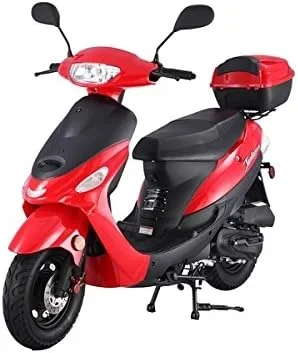
Expert Tips for Getting the Best Deal
- Buy During Seasonal Sales: The best time to buy is late fall (October–December) when retailers clear out inventory for new models. You can save 10–20% during Black Friday, Cyber Monday, or end-of-year sales. Spring launches also sometimes include early-bird discounts.
- Shop Directly from Brands: Many e-bike companies sell directly online, cutting out middlemen and passing savings to you. Brands like Rad Power Bikes, Aventon, and Lectric offer exclusive online deals, free shipping, and extended return windows.
- Compare Total Cost of Ownership: Don’t just look at the sticker price. Factor in shipping, assembly, accessories, and potential maintenance. Some “cheap” bikes have high shipping fees or require professional assembly ($100+), eroding savings.
- Check for Rebates and Incentives: Some cities and states offer e-bike rebates or tax credits. For example, California’s Clean Vehicle Rebate Project (CVRP) offers up to $1,000 for e-bike purchases. Research local programs to reduce your out-of-pocket cost.
- Read the Fine Print on Returns: Ensure the return policy is generous—ideally 14–30 days with free return shipping. Some brands charge restocking fees or only accept returns if the bike is unopened. Avoid retailers with strict “no returns” policies.
- Negotiate or Bundle: At local bike shops, don’t hesitate to ask for a discount, especially if you’re buying accessories or paying in cash. Some dealers offer free tune-ups or extended warranties for loyal customers.
- Consider Refurbished or Open-Box Models: Certified refurbished e-bikes from reputable brands can save you 15–30% off retail. These are typically inspected, tested, and come with warranties. Just avoid “as-is” sales with no guarantees.
- Join Loyalty Programs: Brands like Rad Power Bikes and Aventon offer referral programs, member discounts, and early access to sales. Signing up is free and can lead to significant savings over time.

Frequently Asked Questions
Q: How fast can a moped-style e-bike go?
A: Most moped-style e-bikes are limited to 20 mph (32 km/h) under motor power, which is the legal limit for Class 2 e-bikes in the U.S. Some high-performance models can reach 28 mph (45 km/h) in Class 3 mode, but this may require pedaling and could be restricted in certain areas.
Q: Do I need a license to ride a moped e-bike?
A: In most U.S. states, no license is required for Class 1 or Class 2 e-bikes. However, some states treat high-speed or high-power models as motor vehicles. Always check local laws—requirements vary by jurisdiction.
Q: How long does the battery last?
A: A quality lithium-ion battery should last 500–1,000 charge cycles, equating to 2–5 years of daily use. Battery life depends on usage, charging habits, and storage conditions. Avoid fully draining the battery and store it at 50–80% charge if not used for extended periods.
Q: Can I ride a moped e-bike in the rain?
A: Yes, most moped e-bikes are water-resistant (IPX4 or higher), meaning they can handle light rain and splashes. However, avoid submerging the bike or riding through deep puddles. Dry the bike after wet rides to prevent corrosion.
Q: How much weight can a moped e-bike carry?
A: Most models support 250–300 lbs (113–136 kg), including rider and cargo. Cargo-specific bikes may handle up to 400 lbs. Always check the manufacturer’s weight limit before loading groceries, backpacks, or child seats.
Q: Is it hard to maintain a moped e-bike?
A: Not if you stay on top of basics. Regular tasks include checking tire pressure, cleaning the chain, inspecting brakes, and charging the battery properly. Most maintenance can be done at home with basic tools. Annual professional tune-ups are recommended.
Q: Can I pedal a moped e-bike if the battery dies?
A: Yes! Moped e-bikes are still bicycles. You can pedal manually, though they’re heavier than regular bikes due to the motor and battery. It’s harder work, but it’s possible in a pinch.
Q: Are moped e-bikes safe?
A: When used responsibly, yes. Always wear a helmet, follow traffic laws, and use lights at night. Choose bikes with reliable brakes (disc brakes are best) and avoid riding on sidewalks where prohibited. Practice in low-traffic areas until you’re comfortable.
Q: What’s the difference between a throttle and pedal assist?
A: A throttle lets you ride without pedaling—just twist or press a button for full electric power. Pedal assist (PAS) provides motor support only when you pedal, with varying levels of assistance. Most moped e-bikes include both for maximum flexibility.
Q: Can I upgrade my e-bike’s battery or motor?
A: Generally, no. E-bike systems are integrated, and upgrading components can void warranties or cause compatibility issues. Some high-end brands offer battery upgrades, but it’s rare. Focus on getting the right specs from the start.
Our Final Recommendations
- Best for Budget-Conscious Buyers: Lectric XP 3.0 – At around $1,000, this folding moped-style e-bike offers surprising value with a 500W motor, 45+ mile range, and practical features like fenders and a rear rack. It’s lightweight, portable, and perfect for city commuters.
- Best Overall Value: Rad Power Bikes RadCity 5 Plus – Priced at $1,999, this commuter favorite combines a 750W motor, 61-mile range, integrated lights, and a comfortable step-through frame. It’s reliable, well-supported, and ideal for daily use.
- Best Premium Option: Juiced Bikes CrossCurrent X – At $3,299, this performance moped e-bike delivers a 1,000W motor, 100-mile range, and top-tier components. It’s fast, powerful, and built for long-distance riders who demand excellence.
- Best for Beginners: Aventon Aventure.2 – With its intuitive controls, smooth ride, and beginner-friendly design, this $2,199 moped e-bike is perfect for new riders. It includes a color display, torque sensor, and excellent customer support.
- Best for Advanced Users: Stromer ST5 – At $6,499, this Swiss-engineered luxury e-bike offers a 1,200W motor, 90-mile range, and cutting-edge tech like GPS tracking, app control, and regenerative braking. It’s the ultimate tech-forward moped e-bike.
Conclusion: Making the Right Choice
Choosing the right moped-style e-bike is about more than just specs and price—it’s about finding a vehicle that fits seamlessly into your life. Whether you’re commuting to work, running errands, or exploring the city on weekends, the right e-bike can save you time, money, and stress while reducing your carbon footprint. By focusing on key factors like performance, build quality, brand reputation, and real-world usability, you’ll avoid common pitfalls and invest in a bike that delivers long-term satisfaction.
Remember, the “best” e-bike is the one that matches your needs, not the one with the flashiest features. Take your time, do your research, test ride when possible, and don’t be swayed by marketing gimmicks. With the insights from this guide, you’re equipped to make a confident, informed decision. Your perfect moped-style e-bike is out there—go find it, and start riding smarter in 2026.