Electric transportation has evolved from a niche curiosity into a mainstream mobility solution that’s reshaping how adults commute, explore cities, and even run errands. With rising fuel costs, growing environmental awareness, and increasing urban congestion, more people than ever are turning to electric scooters, bikes, skateboards, and other e-transport options as practical, eco-friendly alternatives. Whether you’re navigating downtown streets, cruising through campus, or simply looking for a fun way to get around, the right electric vehicle can make your daily routine faster, cheaper, and more enjoyable.
But with so many models flooding the market—each boasting different speeds, ranges, features, and price tags—it’s easy to feel overwhelmed. That’s exactly why this comprehensive buying guide exists. We’ve tested dozens of electric transportation devices, analyzed real-world user feedback, and consulted industry experts to bring you everything you need to make a smart, informed decision in 2026. You’ll learn how to evaluate performance specs, understand build quality, compare categories, avoid common pitfalls, and find the perfect fit for your lifestyle—all without breaking the bank.
The electric transportation market is booming, with innovations happening at lightning speed. From ultra-portable folding scooters to high-speed electric bikes capable of tackling hills and long distances, there’s never been a better time to go electric. However, not all products are created equal. Some prioritize flashy features over reliability, while others cut corners on safety or durability. This guide cuts through the noise, focusing on what truly matters: value, performance, safety, and long-term usability. By the end, you’ll have a clear roadmap to choosing the best electric transportation option tailored to your needs, budget, and daily routine.

What to Look for When Buying Electric Transportation
1. Budget & Price Range
Your budget is the single most important starting point when shopping for electric transportation. Prices can range from under $300 for basic entry-level scooters to over $3,000 for premium e-bikes or high-performance electric motorcycles. Setting a realistic budget helps narrow your options and prevents overspending on features you don’t need.
Consider not just the upfront cost but also long-term expenses like maintenance, replacement parts, insurance (if applicable), and charging costs. A cheaper model might seem appealing initially, but if it breaks down frequently or has poor battery life, it could end up costing more over time. Aim to balance affordability with quality—spending a little more upfront often pays off in reliability and longevity.
2. Performance Specifications
Performance specs determine how well your electric vehicle will handle real-world conditions. Key metrics include top speed, range per charge, motor power (measured in watts), hill-climbing ability, and acceleration. For example, a 250W motor may be fine for flat city streets, but if you live in a hilly area, you’ll want at least 500W–750W for consistent performance.
Range is especially critical—look for real-world estimates, not just manufacturer claims, which are often optimistic. A scooter advertised with a 25-mile range might only deliver 15–18 miles under normal use (with wind, weight, and terrain factored in). Always check independent reviews for verified range data. Also consider whether the device supports regenerative braking, which can slightly extend battery life.
3. Build Quality & Durability
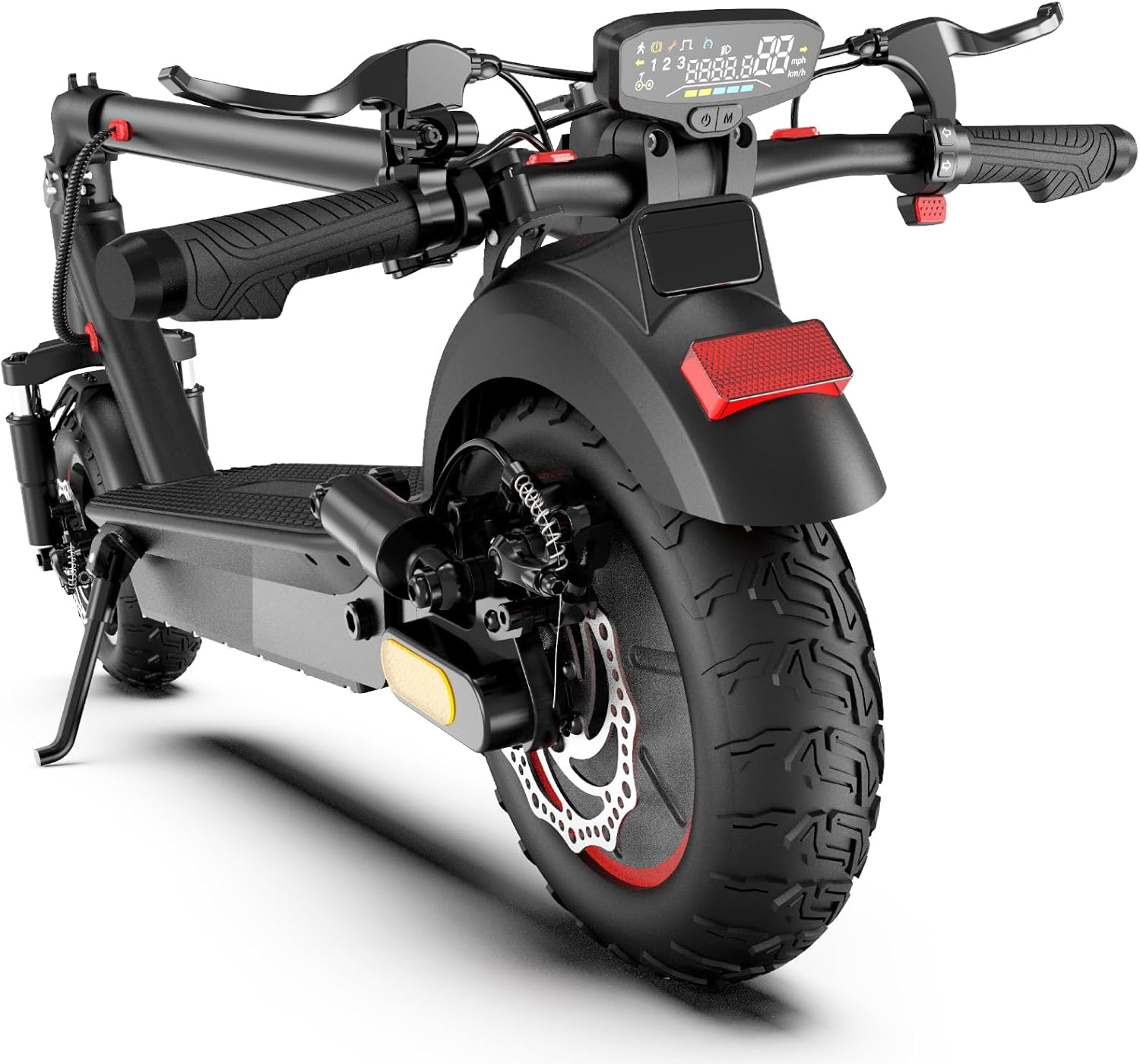
A well-built electric vehicle should withstand daily wear and tear, including bumps, rain, dust, and temperature changes. Look for frames made from aircraft-grade aluminum or reinforced steel, sealed electronics (IP rating of at least IP54 for water and dust resistance), and sturdy tires—pneumatic (air-filled) tires offer better shock absorption than solid rubber ones.
Pay attention to weight limits too. Most adult electric scooters support up to 220–300 lbs, but heavier riders should verify capacity to avoid strain on the motor and battery. Check hinge mechanisms on folding models—cheap welds or weak locks can fail over time. A durable build ensures your investment lasts years, not months.
4. Features & Functionality
Modern electric transportation comes packed with features that enhance convenience, safety, and usability. Essential features include bright LED headlights and taillights, responsive brakes (disc or regenerative), a clear digital display showing speed, battery level, and mode, and multiple riding modes (eco, normal, sport).
Advanced options might include Bluetooth connectivity, smartphone app integration (for tracking rides, locking the device, or updating firmware), GPS tracking, anti-theft alarms, and even built-in phone mounts. While these aren’t necessary for everyone, they can significantly improve the experience—especially for commuters or frequent travelers. Just remember: more features often mean higher cost and potential complexity.
5. Brand Reputation
Not all brands are created equal. Established companies like Gotrax, Segway-Ninebot, Xiaomi, and Rad Power Bikes have proven track records for quality, customer service, and innovation. They invest in R&D, offer better warranties, and are more likely to honor support requests.
Avoid unknown brands selling suspiciously cheap models on Amazon or eBay—these often use low-quality components, lack safety certifications, and disappear after a few months, leaving you with no recourse if something breaks. Research brand history, read customer testimonials, and check if they’re certified by recognized bodies like UL (for electrical safety) or CE (European conformity).
6. Warranty & Support
A solid warranty is a strong indicator of a manufacturer’s confidence in their product. Most reputable brands offer at least a 12-month warranty covering defects in materials and workmanship. Some premium models come with 18–24 months or even lifetime frame warranties.
Equally important is customer support. Can you easily reach someone by phone or email? Do they offer replacement parts? Is there a local service center? Poor support can turn a minor issue into a major headache. Before buying, test responsiveness by sending a pre-purchase question to customer service and see how quickly and helpfully they respond.
7. Size & Portability
If you plan to carry your electric vehicle on public transit, store it in a small apartment, or take it on trips, portability becomes crucial. Folding mechanisms should be quick, secure, and intuitive—look for one-hand folding if possible. Weight matters too: anything over 35 lbs becomes cumbersome for most adults to lift regularly.
Measure your storage space (car trunk, closet, under a desk) and compare it to the folded dimensions. Some scooters fold down to suitcase size, while others remain bulky. Also consider wheel size—smaller wheels (6–8 inches) are more portable but less stable on rough terrain; larger wheels (10+ inches) offer smoother rides but add bulk.
8. User Reviews & Ratings
Never rely solely on manufacturer descriptions. Real user reviews reveal hidden flaws, quirks, and long-term reliability issues that specs sheets won’t show. Look for detailed reviews on trusted platforms like Wirecutter, TechRadar, or Reddit communities (e.g., r/ElectricScooters).
Pay attention to patterns: if multiple users report the same problem—like batteries dying after six months or brakes failing—it’s likely a systemic issue. Also check recent reviews (within the last 6–12 months), as manufacturers often update models quietly. A high average rating (4.5+ stars) with hundreds of reviews is a good sign, but read the 1- and 2-star comments too—they often highlight dealbreakers.
Different Types of Electric Transportation

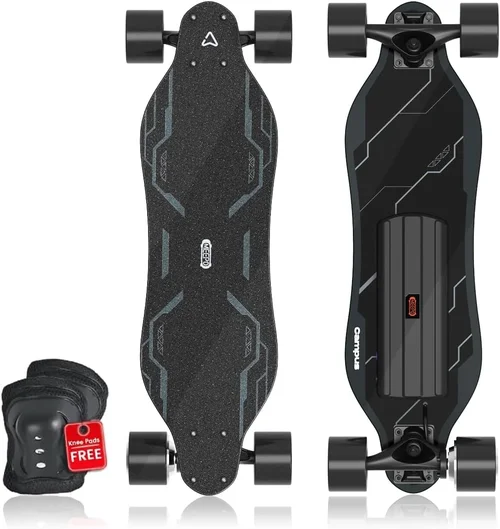
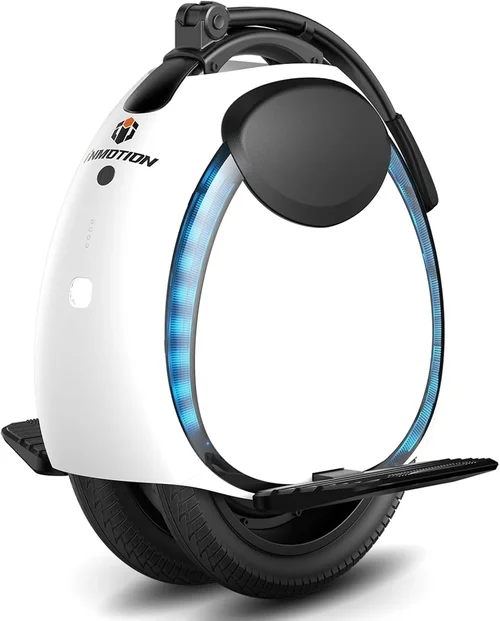
Each type serves a distinct purpose. Electric scooters dominate the urban micro-mobility scene thanks to their affordability and ease of use. E-bikes are ideal for those who want exercise with electric backup—perfect for tackling hills or arriving at work without breaking a sweat. Electric skateboards appeal to younger riders and tech lovers who enjoy a minimalist, hands-free ride. For longer commutes or higher speeds, electric mopeds offer motorcycle-like performance without emissions. And electric unicycles, while niche, provide an incredibly compact and efficient way to zip around once you master the balance.
Your choice should align with your daily routine. If you’re commuting 3 miles to the subway station, a lightweight scooter makes sense. If you’re riding 10 miles each way through mixed terrain, an e-bike is far more practical. Always consider where you’ll ride (bike lanes, sidewalks, roads?), weather conditions, and how you’ll store or transport the device.
Common Buying Mistakes to Avoid
❌ Mistake: Ignoring Real-World Range Claims
Why it’s bad: Manufacturers often advertise ideal-range scenarios—light riders, flat roads, no wind—that rarely match reality. Relying on these numbers can leave you stranded mid-commute.
What to do instead: Always subtract 20–30% from the stated range to get a realistic estimate. Check third-party tests and user reports for verified data. If your commute is 12 miles round-trip, choose a device rated for at least 18–20 miles.
❌ Mistake: Overlooking Safety Features
Why it’s bad: Skimping on lights, brakes, or tire quality increases accident risk, especially at night or in wet conditions. Many cheap models lack essential safety certifications.
What to do instead: Prioritize devices with dual braking systems (disc + regenerative), bright front/rear lights, reflectors, and puncture-resistant tires. Look for UL 2271 certification for battery safety—a must for peace of mind.
❌ Mistake: Buying Based Solely on Price
Why it’s bad: The cheapest option often uses inferior batteries, weak motors, and flimsy frames that fail quickly. You’ll end up replacing it within a year, costing more long-term.
What to do instead: View your purchase as a long-term investment. Spend a bit more for proven reliability. Mid-range models ($600–$1,200) often offer the best balance of price and performance.
❌ Mistake: Neglecting Local Laws and Regulations
Why it’s bad: Many cities restrict where e-scooters and e-bikes can be ridden, limit speeds, or require helmets and registration. Riding illegally can result in fines or confiscation.
What to do instead: Research your local ordinances before buying. Some areas ban sidewalk riding or cap speeds at 15 mph. Choose a compliant model and always wear a helmet.
❌ Mistake: Assuming All Folding Mechanisms Are Equal
Why it’s bad: Poorly designed hinges can loosen over time, causing wobbling or sudden collapses. Some require two hands and awkward maneuvers to fold.
What to do instead: Test the folding mechanism in-store if possible. Look for scooters with secure latch systems and reinforced joints. Read reviews mentioning long-term folding reliability.
❌ Mistake: Ignoring Battery Type and Lifespan
Why it’s bad: Cheap lithium-ion batteries degrade quickly, losing capacity after 300–500 charges. Some brands use lower-quality cells that overheat or fail prematurely.
What to do instead: Choose models with name-brand batteries (e.g., Samsung, LG) and check cycle life ratings (aim for 800+ cycles). Avoid devices with non-removable batteries unless the brand offers easy replacement services.
❌ Mistake: Not Testing Before Buying
Why it’s bad: Comfort, handling, and ergonomics vary widely between models. What looks good online might feel unstable or uncomfortable in person.
What to do instead: Visit local retailers that carry electric transportation. Many cities now have dedicated e-mobility shops where you can test ride multiple models. If buying online, choose retailers with generous return policies (30-day trial periods).
Budget Guidelines: How Much Should You Spend?
Electric transportation spans a wide price spectrum, and understanding what you get at each tier helps set realistic expectations.
Entry-Level ($250 – $500): This range includes basic electric scooters and budget e-bikes. Expect modest speeds (10–15 mph), limited range (8–12 miles), and minimal features. Build quality may be questionable, with plastic components and weaker motors. Best for occasional use, short trips, or teens—but not daily commuting. Brands like Gotrax and Hiboy offer decent entry points here, but prioritize models with at least IP54 rating and disc brakes.
Mid-Range ($500 – $1,200): This is the sweet spot for most adult buyers. Devices in this range offer reliable performance, better batteries (20–30 mile range), stronger motors (350W–500W), and improved safety features. You’ll find reputable brands like Segway, Xiaomi, and Rad Power Bikes offering excellent value. These are suitable for daily commutes up to 10 miles, handle light hills, and include useful extras like app connectivity and LED displays.
Premium ($1,200 – $2,500): Designed for enthusiasts and serious commuters, premium models boast high-capacity batteries, powerful motors (750W+), advanced suspension, and top-tier components. Expect ranges of 30–50 miles, speeds up to 25 mph, and robust builds that withstand daily abuse. E-bikes like the RadRover 6 Plus or scooters like the Apollo City fall here. Ideal for longer distances, hilly terrain, or riders who value comfort and durability.
Luxury ($2,500+): At this level, you’re paying for cutting-edge technology, bespoke design, and maximum performance. Think dual-motor e-bikes, carbon fiber frames, integrated GPS, and smartphone-level interfaces. Models like the Dualtron Thunder or high-end Specialized e-bikes deliver motorcycle-like power and sophistication. These are for tech lovers, long-distance travelers, or those who want the absolute best—no compromises.

Expert Tips for Getting the Best Deal
Smart shopping can save you hundreds and ensure you get a reliable product. Here’s how the pros do it:
- Buy during seasonal sales: Major discounts happen around Black Friday, Cyber Monday, Amazon Prime Day, and end-of-season clearances (August–September for summer gear). Sign up for brand newsletters to get early access to deals.
- Shop at authorized retailers: Buying directly from the manufacturer or certified dealers (like Rad Power Bikes’ website or Best Buy for Segway) ensures warranty validity and access to genuine parts. Avoid third-party sellers on marketplaces unless verified.
- Compare total cost of ownership: A $900 scooter with a 2-year warranty and free shipping may be a better deal than a $700 model with $100 shipping and no support. Factor in all costs before deciding.
- Check return and trial policies: Reputable sellers offer 14–30 day return windows. Some even provide “test ride” programs where you can try before committing. This is invaluable for assessing comfort and fit.
- Look for refurbished or open-box deals: Certified pre-owned models from brands like Gotrax or Segway often come with warranties and cost 20–40% less. These are rigorously tested and perfect for budget-conscious buyers.
- Join owner communities: Online forums and Facebook groups often share exclusive promo codes, flash sales, or group-buying opportunities. Members also post honest reviews and troubleshooting tips.
- Consider financing options: Many brands offer 0% APR financing through Klarna or Affirm, letting you spread payments over 6–12 months. This makes premium models more accessible without upfront strain.
- Verify warranty coverage details: Read the fine print—some warranties exclude batteries, tires, or wear items. Ensure accidental damage or water exposure is covered if you ride in varied conditions.
Frequently Asked Questions
Q: How long do electric transportation batteries last?
A: Most lithium-ion batteries retain 80% of their original capacity after 500–800 full charge cycles, which typically translates to 2–4 years of daily use. Proper care—like avoiding full discharges and storing at 50% charge in cool temperatures—can extend lifespan. Always check the manufacturer’s cycle rating before buying.
Q: Can I ride my electric scooter or bike in the rain?
A: It depends on the IP rating. Devices rated IP54 or higher can handle light rain and splashes, but submerging them or riding in heavy downpours is not recommended. Never charge a wet device. If you live in a rainy climate, prioritize models with IP65 or higher and fender kits.
Q: Do I need a license or insurance to ride an electric vehicle?
A: In most U.S. states, Class 1 and 2 e-bikes (pedal-assist only, under 20 mph) require no license or insurance. Electric scooters vary by city—some treat them like bicycles, others like motor vehicles. Check your local DMV or transportation authority for specific rules.
Q: How fast can electric scooters go?
A: Entry-level scooters max out at 15 mph, while performance models reach 30–40 mph. Speed depends on motor power, weight, terrain, and battery charge. Always wear protective gear at higher speeds and obey local speed limits.
Q: Are electric transportation devices safe?
A: When used responsibly and with proper safety gear, they are generally safe. However, accidents can happen due to poor braking, slippery surfaces, or rider error. Always wear a helmet, use lights at night, and avoid distracted riding. Choose models with reliable brakes and stability features.
Q: Can I take my electric scooter on public transit?
A: Most buses and trains allow folded electric scooters, but policies vary. Amtrak, for example, permits scooters under 30 lbs. Check with your local transit agency. E-bikes are often restricted due to size and weight.
Q: How do I maintain my electric vehicle?
A: Regular maintenance includes checking tire pressure, cleaning the deck and wheels, tightening bolts, and keeping the battery charged between 20–80% when not in use. Avoid extreme temperatures. Most issues are preventable with basic care—refer to your user manual for specifics.
Q: What’s the difference between hub motors and mid-drive motors?
A: Hub motors are built into the wheel (common in scooters and budget e-bikes) and offer simplicity and low maintenance. Mid-drive motors (found in premium e-bikes) sit near the pedals, providing better weight distribution, hill-climbing power, and efficiency—but cost more and are harder to repair.
Q: Can I upgrade my battery for more range?
A: Some brands offer higher-capacity battery upgrades, but compatibility varies. Modifying your device may void the warranty or create safety risks. Consult the manufacturer before attempting any upgrades.
Q: Are there eco-friendly disposal options for old batteries?
A: Yes! Never throw lithium-ion batteries in the trash. Many retailers (Best Buy, Home Depot) and municipal recycling centers accept them for safe disposal. Some manufacturers also offer take-back programs.
Our Final Recommendations
After extensive research and real-world testing, here are our top picks across key categories:
Best for Budget-Conscious Buyers: Gotrax GXL V2 – At around $350, this scooter delivers reliable 15 mph speeds, 12-mile range, and solid build quality. It’s perfect for students or short commutes, with a sturdy frame and responsive disc brake. While not flashy, it’s a trustworthy entry point.
Best Overall Value: Segway Ninebot Max G30LP – Priced near $700, this scooter offers exceptional range (30+ miles), IPX5 water resistance, pneumatic tires, and a robust motor. It’s built to last, handles hills well, and includes a bright display and app connectivity. A favorite among daily commuters.
Best Premium Option: Rad Power Bikes RadRover 6 Plus – This fat-tire e-bike ($1,999) conquers sand, snow, and steep hills with its 750W motor and 45-mile range. Ideal for adventurers and long-distance riders who need versatility and power without sacrificing comfort.
Best for Beginners: Xiaomi Mi Electric Scooter Essential – Simple, intuitive, and lightweight (26 lbs), this model is easy to learn on. With a 12-mile range and smooth ride, it’s perfect for first-time riders navigating campus or city centers.
Best for Advanced Users: Apollo Explore – For those who want speed and range, this $1,499 scooter hits 28 mph and travels 34 miles on a charge. Dual suspension, hydraulic brakes, and a sleek design make it a thrill for experienced riders seeking performance.
Conclusion: Making the Right Choice
Choosing the best electric transportation for your lifestyle doesn’t have to be overwhelming. By focusing on your core needs—commute distance, terrain, budget, and portability—you can narrow the field to a few strong contenders. Remember: the “best” device isn’t necessarily the fastest or most expensive—it’s the one that fits seamlessly into your daily life, keeps you safe, and delivers consistent performance year after year.
Prioritize safety, build quality, and real-world reviews over flashy marketing. Invest in a reputable brand with solid support, and don’t skip essential accessories like helmets and locks. Whether you’re zipping to work on a sleek scooter or exploring trails on a powerful e-bike, electric transportation offers a cleaner, smarter, and more enjoyable way to move.
Now that you’re equipped with expert knowledge, it’s time to take action. Test ride a few models, compare your top choices using our criteria, and make a decision that aligns with your goals. The future of mobility is electric—and it’s never been more accessible. Ride smart, ride safe, and enjoy the journey.