
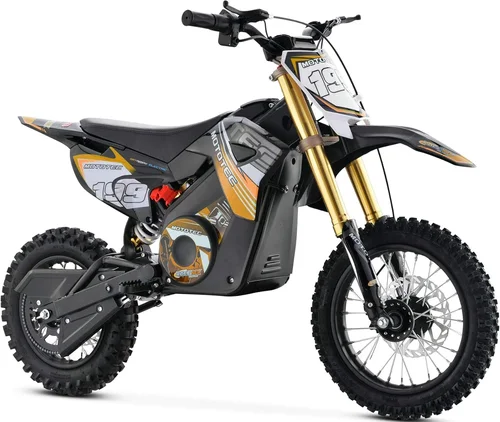
If you’re in the market for an electric dirt bike under $1000, you’re not alone. More riders than ever are discovering the thrill of silent, emission-free off-road riding—whether it’s for weekend trail adventures, backyard practice sessions, or even commuting on light terrain. With rising fuel costs, growing environmental awareness, and advances in battery technology, electric dirt bikes have become a smart, sustainable alternative to traditional gas-powered models. But here’s the catch: not all budget-friendly electric dirt bikes are created equal. Many promise high performance and durability but fall short in real-world use. That’s why this comprehensive buying guide exists—to help you cut through the noise, avoid costly mistakes, and find the best electric dirt bike under $1000 that truly delivers on value, safety, and fun.
By the end of this guide, you’ll have a clear understanding of what makes a quality electric dirt bike within this price range. We’ll break down the most important factors to consider—from motor power and battery life to build quality and brand reputation—so you can make an informed decision. Whether you’re a beginner looking for your first ride, a parent buying for a teen, or an experienced rider exploring electric options, this guide is tailored to your needs. We’ll also compare different types of electric dirt bikes, highlight common pitfalls, and share expert tips to help you get the most bang for your buck. The market is crowded, but with the right knowledge, you can confidently choose a bike that’s safe, reliable, and built to last.
The electric dirt bike market has exploded in recent years, with dozens of brands flooding the space—some reputable, others less so. While high-end models from companies like Zero Motorcycles or Cake can cost thousands, there’s a growing segment of affordable options under $1000 that cater to casual riders, kids, and entry-level enthusiasts. These bikes typically feature brushless motors, lithium-ion batteries, and lightweight frames, making them accessible and eco-friendly. However, because the price point is tight, manufacturers often cut corners on components like suspension, brakes, or battery management systems. That’s why it’s crucial to know exactly what to look for. This guide will equip you with the tools to identify the best performers in this competitive category and avoid the duds that leave you stranded or disappointed.

What to Look for When Buying an Electric Dirt Bike Under $1000
1. Budget & Price Range
When shopping for an electric dirt bike under $1000, your budget is the foundation of your decision. While $1000 is the upper limit, many excellent models are available for $500–$800, leaving room for accessories like helmets, gloves, or spare batteries. It’s important to understand that at this price point, you’re not getting a professional-grade race bike—but you can still find solid, fun, and safe machines. Be wary of bikes priced significantly below $400; they often use low-quality motors, weak batteries, or flimsy frames that compromise performance and safety. On the other hand, don’t assume that spending the full $1000 guarantees top-tier quality. Some brands inflate prices with flashy marketing rather than superior engineering. Instead, focus on value: what features and performance do you get for the price? Look for bikes that offer a balance of power, range, and durability without unnecessary frills.
2. Performance Specifications
Performance is where many budget electric dirt bikes fall short—or shine. The key specs to evaluate are motor power, top speed, range, and torque. Most bikes under $1000 feature brushless DC motors ranging from 500W to 1500W. A 500W motor is suitable for flat terrain and light riders, while a 1000W–1500W motor provides better hill-climbing ability and faster acceleration. Top speeds typically range from 15 to 30 mph, which is plenty for recreational riding but may feel limiting for aggressive off-road use. Range is equally important: look for bikes with at least 10–15 miles of real-world range on a single charge. This depends heavily on battery capacity (measured in amp-hours, or Ah) and voltage (usually 36V or 48V). A 48V 12Ah battery, for example, will outperform a 36V 10Ah model in both speed and endurance. Also consider torque—higher torque means better responsiveness and climbing power, especially on muddy or hilly trails.
3. Build Quality & Durability
At under $1000, you can’t expect carbon fiber frames or aerospace-grade components, but you should still demand solid construction. Look for bikes with steel or aluminum frames—aluminum is lighter and rust-resistant, while steel is stronger but heavier. Check the welds: clean, even welds indicate better manufacturing. The suspension system is critical for off-road comfort and control. Even budget bikes should have front forks with some degree of travel (at least 3–4 inches) and a rear shock absorber. Avoid models with rigid frames or no suspension—they’ll beat you up on rough terrain. Brakes are another durability checkpoint. Mechanical disc brakes are common in this range and offer decent stopping power, but hydraulic discs (rare under $1000) are superior. Also inspect the wheels and tires: knobby, puncture-resistant tires with sturdy rims are essential for dirt riding. Finally, check the IP rating—ideally, the bike should be at least IP54 rated for dust and water resistance, especially if you plan to ride in wet conditions.
4. Features & Functionality
Modern electric dirt bikes come with a range of features that enhance usability and safety. Look for models with adjustable speed modes—this allows beginners to start slow and gradually increase power as they gain confidence. A digital display showing speed, battery level, and trip distance is helpful, though not all budget bikes include one. Some models offer regenerative braking, which recaptures energy during deceleration to extend range—a nice bonus, though not essential. LED headlights and taillights improve visibility and safety, especially for early morning or evening rides. A key lock or remote start adds security, preventing unauthorized use. Consider the throttle type: twist-grip throttles are intuitive and common, while thumb throttles are easier for smaller hands. Also check for a kill switch or emergency brake—this is a critical safety feature that cuts power instantly if needed. Finally, assess the ease of maintenance: can you access the battery, motor, and brakes without special tools? User-replaceable parts and clear manuals are signs of a well-designed bike.
5. Brand Reputation
Not all brands are created equal, especially in the budget electric bike market. Some companies prioritize quality control, customer service, and long-term reliability, while others focus on low prices at the expense of support. Research brands like Razor, Segway, MotoTec, and Sur Ron (though Sur Ron models often exceed $1000, they have entry-level variants). Read customer reviews on Amazon, Walmart, and specialty bike forums. Look for consistent feedback about performance, durability, and after-sales support. Avoid unknown brands with no online presence or only glowing, suspiciously similar reviews—these are often fake. A reputable brand will offer clear product documentation, responsive customer service, and accessible spare parts. Also check if the company has a physical address and contact information—this adds legitimacy. Remember, a slightly higher price from a trusted brand is often worth it for peace of mind and long-term value.
6. Warranty & Support
A strong warranty is a sign that a manufacturer stands behind its product. Most electric dirt bikes under $1000 come with a 90-day to 1-year warranty, covering defects in materials and workmanship. Look for at least a 6-month warranty, with clear terms and conditions. Some brands offer extended warranties for an additional fee—consider this if you plan to use the bike heavily. Pay attention to what’s covered: does the warranty include the battery, motor, and electronics? Batteries degrade over time, so a battery-specific warranty (even if shorter) is valuable. Also check the return policy: can you return the bike within 30 days if it doesn’t meet expectations? Many retailers offer 30-day returns, but some charge restocking fees or require the bike to be in “like-new” condition. Customer support is just as important—can you reach someone by phone or email? Are there service centers nearby? A brand with poor support may leave you stranded if something breaks. Before buying, search for “[Brand Name] customer service reviews” to gauge real-world experiences.
7. Size & Portability
Size matters—especially if you’re buying for a child or need to transport the bike frequently. Most electric dirt bikes under $1000 weigh between 50 and 100 pounds. Lighter models (under 70 lbs) are easier to lift, store, and transport, making them ideal for younger riders or those with limited storage space. Consider the seat height: a lower seat (around 24–28 inches) is better for shorter riders or beginners, while taller riders may prefer 30+ inches. Wheel size also affects handling—12-inch wheels are great for kids and tight trails, while 14–16 inch wheels offer better stability and roll-over capability on rough terrain. If you plan to take the bike on trips, check if it folds or disassembles easily. Some models allow the handlebars to fold down or the seat to be removed for compact storage. Also consider the battery: is it removable? A removable battery makes charging more convenient and allows you to carry a spare for extended rides. Finally, think about storage: does the bike fit in your car trunk, garage, or shed? Measure your space before buying.
8. User Reviews & Ratings
User reviews are one of the most reliable sources of real-world information. Don’t rely solely on the manufacturer’s claims—read what actual owners say. Look for detailed reviews that discuss performance, battery life, build quality, and customer service. Pay attention to recurring issues: if multiple users report the same problem (e.g., “battery died after 3 months” or “brakes squeak constantly”), it’s likely a design flaw. Check multiple platforms: Amazon, Walmart, Best Buy, and specialty forums like Electric Bike Review or Reddit’s r/ElectricBikes. Be cautious of overly positive or generic reviews—they may be incentivized or fake. Instead, focus on balanced reviews that mention both pros and cons. Look for photos or videos of the bike in action—this gives you a better sense of size, weight, and performance. Also check the date of the review: older reviews may not reflect current models or improvements. Finally, consider the overall rating: a 4.0+ average with hundreds of reviews is a good sign, but dig deeper to understand why people love—or hate—the bike.
Different Types of Electric Dirt Bikes Under $1000

Common Buying Mistakes to Avoid
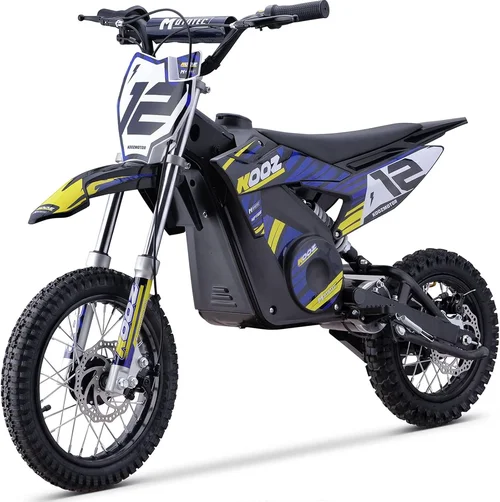
❌ Mistake: Ignoring Battery Life and Type
Why it’s bad: The battery is the heart of an electric dirt bike. A weak or low-capacity battery will limit your range, reduce performance, and degrade quickly. Many budget bikes use lead-acid batteries, which are heavy, short-lived, and inefficient compared to lithium-ion. Even among lithium-ion batteries, quality varies—some use lower-grade cells that overheat or fail prematurely.
What to do instead: Always check the battery type and capacity. Look for lithium-ion (Li-ion) or lithium iron phosphate (LiFePO4) batteries with at least 10Ah capacity. Avoid lead-acid. Also consider the charging time—most bikes take 4–6 hours to charge fully. If possible, choose a model with a removable battery for easy charging and replacement.
❌ Mistake: Overlooking Weight and Size
Why it’s bad: A bike that’s too heavy or too big can be dangerous, especially for younger or smaller riders. Heavy bikes are harder to control, more difficult to lift if they tip over, and may not fit in your vehicle or storage space. Conversely, a bike that’s too small may lack stability and power.
What to do instead: Match the bike size to the rider’s age, height, and skill level. Check the seat height, wheel size, and total weight. For kids, look for lightweight models under 60 lbs. For adults, ensure the bike can support your weight (check the max load rating, usually 200–300 lbs).
❌ Mistake: Skipping Safety Features
Why it’s bad: Off-road riding is inherently risky. Without proper safety features, a minor fall could lead to serious injury. Many budget bikes cut corners on brakes, lights, and protective gear compatibility.
What to do instead: Prioritize bikes with front and rear disc brakes, LED lights, and a kill switch. Ensure the bike is compatible with standard helmets and protective gear. Never ride without a helmet, gloves, and knee/elbow pads—especially on rough terrain.
❌ Mistake: Buying Based on Price Alone
Why it’s bad: The cheapest bike isn’t always the best value. A $300 bike may save you money upfront but could break down quickly, lack essential features, or require costly repairs.
What to do instead: Focus on total value—what you get for the price. Compare specs, build quality, warranty, and user reviews. Sometimes spending an extra $100–$200 gets you a significantly better bike that lasts years longer.
❌ Mistake: Not Researching the Brand
Why it’s bad: Unknown or fly-by-night brands may sell bikes with hidden defects, poor customer service, or no spare parts. If something breaks, you could be stuck with a useless machine.
What to do instead: Stick to brands with positive reviews, clear contact information, and a history of reliable products. Check if they offer spare parts and service. Avoid brands with only Amazon listings and no website or support team.
❌ Mistake: Ignoring Local Laws and Regulations
Why it’s bad: Electric dirt bikes are subject to local laws regarding where you can ride, speed limits, and age restrictions. Riding illegally could result in fines, confiscation, or accidents.
What to do instead: Research your local regulations before buying. Some areas require registration, helmets, or restrict off-road riding to designated trails. Ensure your bike complies with local power and speed limits.
❌ Mistake: Not Testing Before Buying
Why it’s bad: You can’t judge a bike’s comfort, handling, or performance from specs alone. A bike that looks great on paper might feel unstable, uncomfortable, or underpowered in real life.
What to do instead: If possible, test ride the bike at a local dealer or event. If buying online, choose retailers with generous return policies (30 days or more). Some brands offer demo programs or rental options.
Budget Guidelines: How Much Should You Spend?
- Entry-Level ($300–$500): Best for young children or casual backyard use. Expect basic features, lower power (300W–500W), and shorter range (5–10 miles). Bikes in this range are lightweight and easy to handle but may lack durability and advanced features. Ideal for beginners or as a first bike.
- Mid-Range ($500–$700): The sweet spot for most buyers. These bikes offer better motors (500W–1000W), improved suspension, and longer range (10–15 miles). They’re suitable for teens and light adult use, with decent build quality and safety features. Great for learning and recreational trail riding.
- Premium ($700–$1000): For enthusiasts and serious riders. Expect 1000W–1500W motors, high-capacity batteries (48V 12Ah+), and robust frames. These bikes handle rough terrain, offer multiple speed modes, and often include advanced features like LED displays and hydraulic brakes. Best for adults and frequent riders.
- Luxury ($1000+): While outside our target range, some models just over $1000 offer professional-grade performance, long-range batteries, and premium components. These are for dedicated riders who want the best within a tight budget.
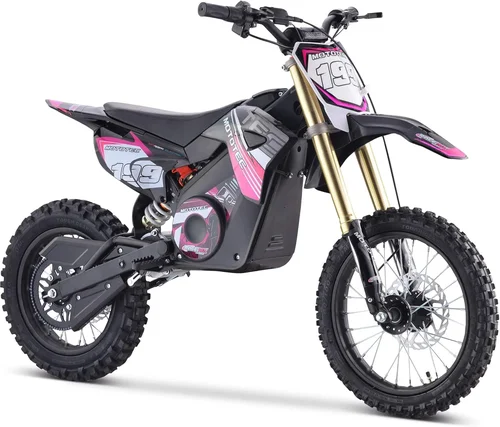
Expert Tips for Getting the Best Deal
- Buy During Off-Season: Prices drop in fall and winter when demand is low. Look for end-of-season sales from retailers like Amazon, Walmart, or specialized bike shops.
- Check Multiple Retailers: Compare prices on Amazon, Walmart, Best Buy, and brand websites. Some offer exclusive discounts or bundle deals (e.g., bike + helmet).
- Sign Up for Newsletters: Many brands offer 10–15% off your first purchase when you subscribe to their email list.
- Look for Refurbished Models: Certified refurbished bikes are often 20–30% cheaper and come with warranties. They’re tested and repaired to like-new condition.
- Read the Fine Print: Check shipping costs, return policies, and warranty terms. Some “free shipping” offers have hidden fees or long delivery times.
- Join Online Communities: Forums and Facebook groups often share deals, coupons, and insider tips. Members may sell used bikes in excellent condition.
- Consider Financing: Some retailers offer 0% APR financing for 6–12 months, allowing you to spread payments without extra cost.
- Test Before You Commit: If possible, visit a local dealer or attend an electric bike expo to test ride models. Hands-on experience is invaluable.

Frequently Asked Questions
Q: Are electric dirt bikes under $1000 safe for kids?
A: Yes, but only if you choose the right model and supervise usage. Look for bikes with speed limiters, low seat heights, and parental controls. Always ensure kids wear helmets and protective gear. Avoid high-powered bikes for young children.
Q: How long do the batteries last?
A: Most lithium-ion batteries last 500–1000 charge cycles, which translates to 2–4 years of regular use. Proper care—like avoiding full discharges and storing in cool, dry places—can extend lifespan.
Q: Can I ride an electric dirt bike on public roads?
A: It depends on local laws. In many areas, electric dirt bikes are classified as off-road vehicles and cannot be ridden on public streets. Check your local regulations before riding.
Q: How fast do electric dirt bikes under $1000 go?
A: Most range from 15 to 30 mph. Kids’ bikes are typically capped at 10–15 mph, while adult models can reach 25–30 mph. Speed depends on motor power, weight, and terrain.
Q: Do I need a license to ride an electric dirt bike?
A: In most cases, no—especially for off-road use. However, some states require registration or have age restrictions. Always verify local laws.
Q: Can I upgrade the battery or motor later?
A: Some bikes allow battery upgrades, but motor swaps are rare and complex. Check compatibility before buying. Upgrading may void the warranty.
Q: What’s the difference between 36V and 48V systems?
A: 48V systems deliver more power and efficiency, resulting in higher speeds and better hill-climbing. 36V systems are adequate for flat terrain and lighter riders but may struggle on hills.
Q: Are electric dirt bikes waterproof?
A: Most are water-resistant (IP54), meaning they can handle light rain and splashes. However, they are not fully waterproof. Avoid submerging or riding in heavy rain.
Q: How do I maintain my electric dirt bike?
A: Regularly clean the bike, check tire pressure, inspect brakes, and keep the battery charged. Lubricate the chain and suspension as needed. Store in a dry place.
Q: What should I do if my bike breaks down?
A: Contact the manufacturer or retailer first. If under warranty, they may repair or replace it. For out-of-warranty issues, seek a qualified e-bike technician.
Our Final Recommendations
- Best for Budget-Conscious Buyers: Razor MX350 Dirt Rocket – At around $400, this is a reliable, lightweight bike perfect for kids and beginners. It features a 350W motor, 14-inch knobby tires, and a top speed of 14 mph. While not built for heavy trails, it’s safe, fun, and easy to maintain.
- Best Overall Value: Segway Ninebot Zing E10 – Priced around $600, this youth bike offers a 1000W motor, 15-mile range, and adjustable speed modes. It’s well-built, stylish, and ideal for teens transitioning to more powerful rides.
- Best Premium Option: MotoTec MT-X 1000W – At $900, this adult-focused bike delivers 1000W power, 48V battery, and 25 mph top speed. It has front and rear suspension, disc brakes, and a sturdy frame—perfect for light trail riding.
- Best for Beginners: Razor MX650 Dirt Rocket – With a 650W motor and 17 mph top speed, this bike strikes a balance between power and control. It’s great for teens and adults new to off-road riding.
- Best for Advanced Users: Sur Ron LBX (Entry Model) – While most Sur Ron bikes exceed $1000, the LBX entry variant occasionally dips below the threshold during sales. It offers pro-level performance, long range, and exceptional build quality—ideal for serious riders.
Conclusion: Making the Right Choice
Choosing the best electric dirt bike under $1000 doesn’t have to be overwhelming. By focusing on key factors like performance, build quality, safety, and brand reputation, you can find a bike that’s not only affordable but also reliable and fun. Remember, the cheapest option isn’t always the best—invest in a model that matches your needs, skill level, and intended use. Whether you’re buying for a child, a teen, or yourself, prioritize safety, durability, and real-world performance over flashy marketing. Use the tips and recommendations in this guide to compare options, avoid common pitfalls, and make a confident purchase. And don’t forget to check local laws, wear protective gear, and enjoy the ride responsibly. With the right electric dirt bike, you’ll experience the thrill of off-road adventure—quietly, cleanly, and affordably. Happy riding!