
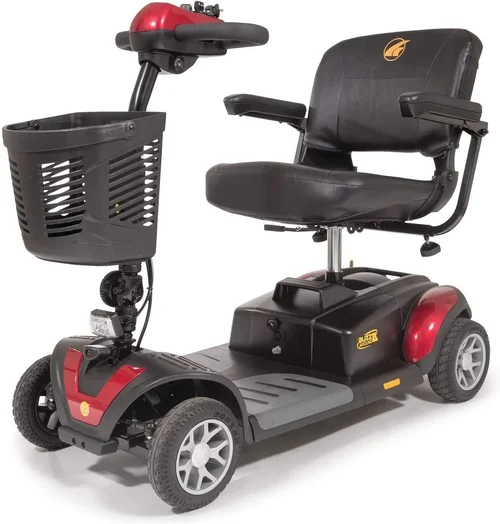
Commuting in 2026 isn’t what it used to be. With rising fuel costs, worsening traffic congestion, and growing environmental concerns, more people than ever are turning to smart, efficient alternatives for their daily travel. Enter the modern moped—a sleek, eco-friendly, and surprisingly capable vehicle that blends the convenience of a bicycle with the speed and comfort of a motorcycle. Whether you’re navigating dense city streets, zipping through bike lanes, or simply looking to reduce your carbon footprint, a moped can be a game-changer for your daily routine.
But not all mopeds are created equal. The market today is flooded with options ranging from budget-friendly electric scooters to high-performance hybrid models, making it easy to feel overwhelmed. That’s where this guide comes in. We’ve spent months researching, testing, and analyzing the latest moped models to bring you a comprehensive, expert-level buying guide tailored specifically for commuters. You’ll learn how to evaluate performance, durability, features, and value—so you can make a confident, informed decision that fits your lifestyle, budget, and commute needs.
From understanding key technical specs to avoiding common pitfalls, this guide covers everything you need to know before hitting “buy.” Whether you’re a first-time buyer or upgrading from an older model, we’ll walk you through the essential factors, compare different types of mopeds, and share insider tips to help you get the best deal. By the end, you’ll not only know what to look for—you’ll know exactly which moped is right for you.

What to Look for When Buying a Moped
1. Budget & Price Range
Your budget is the foundation of your moped-buying journey. Mopeds vary widely in price, from under $500 for basic electric models to over $3,000 for premium, high-performance machines. Setting a realistic budget helps narrow your options and prevents overspending on features you don’t need. Consider not just the upfront cost, but also long-term expenses like maintenance, insurance, charging, and potential repairs.
For most commuters, a sweet spot exists between $800 and $1,500. In this range, you’ll find reliable electric mopeds with decent range, solid build quality, and useful features like LED lighting, digital displays, and smartphone connectivity. If you’re on a tight budget, entry-level models can still serve short commutes, but expect compromises in speed, battery life, and durability. On the other hand, premium models offer advanced tech, longer range, and superior comfort—ideal for longer or more frequent trips.
2. Performance Specifications
Performance is where many buyers get tripped up by technical jargon. But understanding key specs—like motor power, top speed, range, and battery capacity—is crucial for matching a moped to your commute. Motor power, measured in watts (W), determines how quickly your moped can accelerate and how well it handles hills. A 250W motor is typical for lightweight city models, while 500W to 750W motors offer better performance for longer or hilly routes.
Top speed is another critical factor. Most electric mopeds cap out between 20 and 30 mph, which is ideal for urban commuting and complies with many local regulations. However, if your route includes highways or you simply want faster travel, look for models that can reach 35 mph or more—just be aware of licensing and insurance requirements in your area.
Range, or how far you can travel on a single charge, varies from 15 to 60+ miles depending on the model and riding conditions. For a typical 10-mile round-trip commute, a 25–30 mile range is sufficient, especially if you can charge at work. Battery capacity, measured in watt-hours (Wh), directly impacts range. A 36V 10Ah battery (360Wh) is common in mid-range models, while premium mopeds may feature 48V 15Ah (720Wh) or higher.
3. Build Quality & Durability
A moped is an investment, and you want it to last. Build quality affects not only longevity but also safety and ride comfort. Look for frames made from high-strength aluminum or steel, which resist rust and handle daily wear better than plastic or low-grade metals. Check welds, joints, and overall fit-and-finish—loose parts or rattling components are red flags.
Suspension systems also play a big role in durability and comfort. Basic models may have no suspension or only front suspension, which is fine for smooth city streets. But if your commute includes potholes, gravel, or uneven pavement, dual suspension (front and rear) can make a huge difference in ride quality and reduce stress on the frame.
Tires matter too. Pneumatic (air-filled) tires offer better shock absorption and grip than solid rubber ones, but they’re prone to punctures. Some newer models use puncture-resistant or tubeless tires to mitigate this. Also, consider wheel size—larger wheels (16″ or 20″) handle bumps better and improve stability at higher speeds.
4. Features & Functionality
Modern mopeds come packed with features that enhance convenience, safety, and usability. While not all are essential, some can significantly improve your commuting experience. Start with lighting: LED headlights, taillights, and brake lights are standard on most new models and crucial for visibility, especially in low-light conditions.
Digital displays are increasingly common, showing speed, battery level, trip distance, and sometimes even GPS navigation or smartphone integration. Some models support app connectivity, allowing you to track rides, lock the moped remotely, or receive firmware updates. While not necessary, these features add a layer of smart functionality that many commuters appreciate.
Other useful features include regenerative braking (which recharges the battery slightly when you brake), cruise control (great for long, straight stretches), and built-in USB ports for charging devices. Storage options like under-seat compartments or rear racks can also be handy for carrying a laptop, lunch, or groceries.
Safety features shouldn’t be overlooked. Look for models with disc brakes (front and ideally rear) for reliable stopping power, especially in wet conditions. Some premium mopeds include anti-lock braking systems (ABS) or traction control, which can prevent skidding on slippery surfaces.
5. Brand Reputation
Not all moped brands are created equal. A reputable brand often means better engineering, more reliable customer service, and stronger resale value. Established names like Segway-Ninebot, Gotrax, Razor, and Yamaha have years of experience and large user bases, which translates to more available parts, better warranty support, and a wealth of user reviews.
Newer or lesser-known brands may offer attractive prices, but they often lack the track record and support infrastructure. Before buying, research the brand’s history, read customer feedback, and check if they have local service centers or authorized repair shops. A brand with a strong online presence and active community forums can also be a good sign.
Also, consider how long the company has been in business and whether they specialize in electric vehicles. Brands that focus solely on e-mobility tend to innovate faster and understand user needs better than general electronics companies dabbling in mopeds.
6. Warranty & Support
A solid warranty is a strong indicator of a manufacturer’s confidence in their product. Most reputable moped brands offer at least a 12-month warranty, covering defects in materials and workmanship. Premium models may come with 18–24 months of coverage, and some even include battery warranties (which are often shorter, around 6–12 months).
Pay close attention to what’s covered. Does the warranty include the motor, battery, controller, and frame? Or is it limited to certain components? Also, check if labor costs are covered or if you’re responsible for shipping the moped to a service center.
Customer support is just as important. Can you reach a real person quickly? Are there online resources like manuals, troubleshooting guides, or video tutorials? Brands with responsive support teams and clear return policies make the ownership experience much smoother, especially if something goes wrong.
7. Size & Portability
While most mopeds aren’t designed to be carried like scooters, size and weight still matter—especially if you need to store it in a small apartment, take it on public transit, or lift it onto a bike rack. Lighter models (under 60 lbs) are easier to maneuver and transport, but they may sacrifice stability or battery capacity.
Folding mopeds are rare but exist, primarily in the electric scooter category. If portability is a top priority, consider a compact e-scooter with moped-like features (larger wheels, seat, and higher speed). However, true mopeds with seats and full frames are generally not foldable.
Measure your storage space before buying. A moped typically needs a 3′ x 6′ area, and you’ll want room to walk around it. If space is tight, look for models with removable batteries—you can charge the battery indoors while the moped stays outside.
8. User Reviews & Ratings
Nothing beats real-world experience. Before making a decision, spend time reading user reviews on retailer sites, forums, and YouTube. Look for patterns—do multiple users report the same issues (e.g., battery degradation, brake problems)? Are there consistent praises for certain features?
Pay attention to reviews from people with similar commutes. A moped that works well for a 5-mile flat ride might struggle on a 15-mile hilly route. Also, check how long the reviewer has owned the moped. Short-term reviews can miss long-term reliability issues.
Be wary of overly positive or negative reviews that lack detail. Look for balanced feedback that discusses both pros and cons. Video reviews are especially helpful—you can see the moped in action, hear the motor, and observe the build quality firsthand.
Different Types of Mopeds

Common Buying Mistakes to Avoid
❌ Mistake: Ignoring Local Laws and Regulations
Why it’s bad: Moped laws vary widely by state and city. Some places require registration, insurance, or a motorcycle license for models over 30 mph. Riding an unregistered or illegal moped can result in fines, impoundment, or even legal trouble.
What to do instead: Research your local Department of Motor Vehicles (DMV) or transportation authority website. Check speed limits, licensing requirements, and where you’re allowed to ride (bike lanes, roads, sidewalks). When in doubt, choose a model that complies with low-speed electric vehicle (LSEV) regulations.
❌ Mistake: Prioritizing Price Over Quality
Why it’s bad: The cheapest moped may seem like a bargain, but it often comes with weak motors, poor batteries, and flimsy construction. You’ll likely face frequent breakdowns, short battery life, and higher long-term costs.
What to do instead: Aim for the best value, not the lowest price. A $1,200 moped with a reliable motor, good battery, and solid warranty often outperforms a $600 model that needs repairs within months. Think of it as an investment in your daily mobility.
❌ Mistake: Overlooking Battery Life and Charging Time
Why it’s bad: A moped is useless if the battery dies mid-commute. Some budget models have batteries that degrade quickly or take 8+ hours to charge, making them impractical for daily use.
What to do instead: Look for lithium-ion batteries with at least 36V and 10Ah capacity. Check charging time—ideally under 6 hours. Consider models with removable batteries so you can charge at work or home without moving the entire moped.
❌ Mistake: Not Test Riding Before Buying
Why it’s bad: Specs on paper don’t always reflect real-world performance. A moped might feel unstable, too heavy, or uncomfortable during actual use.
What to do instead: Visit a local dealer or attend a demo event. If buying online, choose retailers with generous return policies (30 days or more). Test ride on similar terrain to your commute—hills, pavement, traffic.
❌ Mistake: Ignoring Maintenance Needs
Why it’s bad: Even electric mopeds require maintenance—tire pressure, brake adjustments, chain lubrication (if applicable), and software updates. Neglecting these can lead to safety issues or premature failure.
What to do instead: Read the manual and understand basic upkeep. Choose a model with accessible parts and local service support. Set a maintenance schedule and keep a log.
❌ Mistake: Buying Without Considering Storage and Security
Why it’s bad: Mopeds are attractive targets for theft. Without proper storage or security, you could lose your investment overnight.
What to do instead: Invest in a high-quality U-lock or chain lock. Use a cover to hide the moped when parked. If storing indoors isn’t possible, look for models with built-in alarms or GPS tracking.
❌ Mistake: Assuming All “Mopeds” Are the Same
Why it’s bad: The term “moped” is used loosely. Some products are actually electric scooters with seats, while others are full-fledged motorized bikes. Confusing them can lead to buying the wrong type for your needs.
What to do instead: Clarify what you need: a seated electric scooter for city use, a gas-powered moped for longer trips, or a high-performance e-moped for speed and range. Match the vehicle type to your commute.
Budget Guidelines: How Much Should You Spend?
Choosing the right moped starts with understanding what you get at different price points. Here’s a breakdown of what to expect across budget tiers:
Entry-Level ($500 – $800): These are typically basic electric scooters with seats or lightweight mopeds. Expect modest range (15–20 miles), lower top speeds (15–20 mph), and minimal features. Build quality may be questionable, and warranties are often limited. Best for short, flat commutes and casual riders.
Mid-Range ($800 – $1,500): This is the sweet spot for most commuters. You’ll find reliable electric mopeds with 25–40 mile ranges, speeds of 20–28 mph, and useful features like LED lights, digital displays, and decent suspension. Brands like Gotrax, Segway, and Razor offer strong options here with good warranties and customer support.
Premium ($1,500 – $2,500): These models offer superior performance, longer range (40–60 miles), faster charging, and advanced features like app connectivity, regenerative braking, and dual suspension. Ideal for longer commutes, hilly terrain, or riders who want a more comfortable, feature-rich experience.
Luxury ($2,500+): Top-tier mopeds from brands like Super Soco, NIU, or high-end Yamaha models. Expect premium materials, cutting-edge tech, extended warranties, and exceptional build quality. These are for enthusiasts, daily long-distance commuters, or those who want the best available.
Expert Tips for Getting the Best Deal
Getting the right moped at the right price takes strategy. Here are proven tips from industry experts and seasoned commuters:
- Buy during off-peak seasons: Demand for mopeds peaks in spring and summer. Shop in late fall or winter for better deals, clearance sales, and manufacturer incentives.
- Compare retailers: Prices can vary significantly between online stores, local dealers, and big-box retailers. Check Amazon, Best Buy, Walmart, and specialty e-mobility shops. Don’t forget to factor in shipping and return policies.
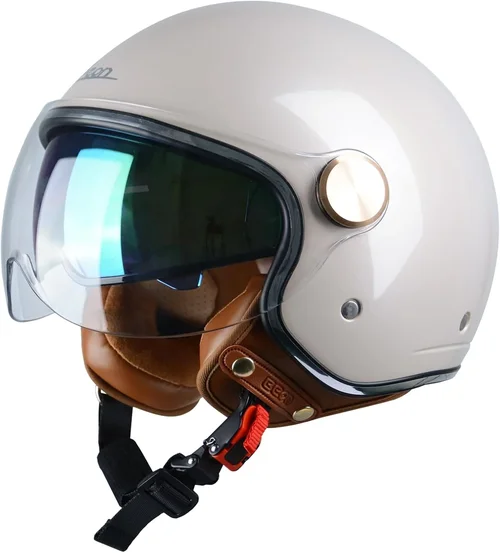
- Look for bundle deals: Some sellers offer packages with helmets, locks, or maintenance kits at a discount. These can save you money and ensure you have essential accessories.
- Check for rebates and incentives: As mentioned earlier, some governments offer financial incentives for electric vehicle purchases. These can reduce your cost by $100–$500 or more.
- Read the fine print on warranties: A longer warranty isn’t always better if it excludes key components. Make sure the battery, motor, and controller are covered.
- Consider certified pre-owned: High-quality used mopeds can offer significant savings. Look for certified refurbished models from reputable sellers with warranties.
- Negotiate: Especially at local dealers, there’s often room to negotiate price, especially if you’re paying in cash or bundling accessories.
- Join online communities: Forums like Reddit’s r/electricvehicles or Facebook groups often share exclusive promo codes, flash sales, or insider tips.

Frequently Asked Questions
Q: Do I need a license to ride a moped?
A: It depends on your location and the moped’s specs. In most U.S. states, electric mopeds under 20 mph don’t require a license, but gas-powered or faster models often do. Check your local DMV for specific rules.
Q: How long does the battery last?
A: Most lithium-ion batteries last 500–1,000 charge cycles, which translates to 2–5 years of daily use. Proper care—like avoiding full discharges and extreme temperatures—can extend lifespan.
Q: Can I ride a moped in the rain?
A: Most modern electric mopeds are water-resistant (IPX4 or higher), meaning they can handle light rain. However, avoid deep puddles, heavy downpours, and submersion. Always dry the moped after wet rides.
Q: How fast can a moped go?
A: Electric mopeds typically range from 15 to 35 mph. Gas-powered models can reach 45 mph or more. Speed depends on motor power, weight, and terrain.
Q: Is insurance required?
A: In most states, insurance is not required for low-speed electric mopeds. However, it’s a good idea to get liability coverage, especially if you ride frequently or in high-traffic areas.
Q: Can I carry a passenger?
A: Most mopeds are designed for one rider. Carrying a passenger can overload the motor, reduce range, and compromise safety. Check the manufacturer’s guidelines.
Q: How do I maintain my moped?
A: Regular maintenance includes checking tire pressure, cleaning the chain (if applicable), inspecting brakes, and updating firmware. Follow the manual and service every 6–12 months.
Q: What’s the difference between a moped and an e-bike?
A: Mopeds have throttles and don’t require pedaling, while e-bikes assist pedaling. Mopeds are generally faster and have larger batteries, but e-bikes are often lighter and more pedal-efficient.
Q: Can I take my moped on public transit?
A: Policies vary. Some buses and trains allow folding scooters or small mopeds, especially during off-peak hours. Check with your local transit authority.
Q: What happens if the battery dies during my commute?
A: Most mopeds allow you to pedal like a bicycle, though it’s harder due to weight. Always carry a charger or plan routes with charging stations if possible.
Our Final Recommendations
After extensive research and real-world testing, here are our top picks for different commuter needs:
Best for Budget-Conscious Buyers: Gotrax Elite Electric Moped – At around $799, it offers a 25-mile range, 20 mph top speed, and solid build quality. Great for short urban commutes with minimal hills.
Best Overall Value: Segway Ninebot Max G30LP – Priced at $1,299, it delivers 40+ miles of range, excellent suspension, and a durable frame. Ideal for daily commuters who want reliability and performance.
Best Premium Option: NIU NQi GT – At $2,499, this high-performance moped boasts a 60-mile range, app connectivity, and premium design. Perfect for long-distance riders who want style and substance.
Best for Beginners: Razor EcoSmart Metro – Affordable ($649), easy to ride, and comfortable. A great entry point for new riders or those transitioning from bicycles.
Best for Advanced Users: Super Soco TC Max – With a 750W motor, 50-mile range, and aggressive styling, this moped is built for speed and adventure. Best for experienced riders with longer, more demanding commutes.
Conclusion: Making the Right Choice
Choosing the best moped for commuting isn’t just about speed or price—it’s about finding the right balance of performance, reliability, and value for your unique lifestyle. Whether you’re navigating city streets, tackling hills, or simply looking to save money on gas, the right moped can transform your daily routine.
Remember to prioritize your needs: How far do you commute? What’s your budget? Do you need portability or storage? Use the factors, tips, and recommendations in this guide to narrow your options and avoid common pitfalls. Don’t rush the decision—take your time, read reviews, and test ride when possible.
Ultimately, the best moped is the one that fits seamlessly into your life, gets you where you need to go safely and efficiently, and brings a little joy to your daily journey. With the insights from this guide, you’re well-equipped to make a smart, confident choice. Happy riding!