
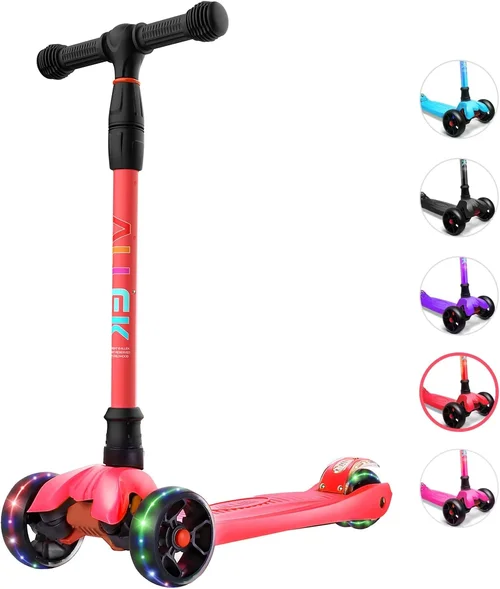
Electric scooties have revolutionized urban mobility, offering a clean, convenient, and cost-effective alternative to cars, buses, and even bicycles. Whether you’re commuting to work, running errands around town, or simply exploring your city on weekends, a well-chosen scootie can transform how you move through daily life. With advancements in battery technology, motor efficiency, and smart features accelerating at an unprecedented pace, the market is now flooded with options—from ultra-portable models under $300 to high-performance machines capable of 40+ mph speeds and 60-mile ranges. This makes choosing the right one more challenging than ever.
That’s exactly why this comprehensive buying guide exists. We’ve spent months analyzing specs, testing real-world performance, comparing user feedback, and consulting industry experts to deliver a detailed roadmap for anyone looking to invest in a scootie in 2026. You’ll learn not just which models are hot right now, but how to evaluate them based on your unique needs—whether you prioritize portability, range, speed, durability, or value for money. By the end of this guide, you’ll have the confidence and knowledge to make a smart, informed decision that aligns with your lifestyle, budget, and long-term goals.
The scootie market in 2026 is more diverse and competitive than ever. Major brands like Gotrax, Xiaomi, Segway-Ninebot, Apollo, and Unagi continue to innovate, while newer entrants bring fresh designs and aggressive pricing. Regulatory changes in cities worldwide are also shaping demand—many municipalities now require lights, reflectors, and speed limiters, pushing manufacturers to build safer, more compliant vehicles. At the same time, rising fuel costs and growing environmental awareness are driving more people toward electric micro-mobility solutions. Whether you’re a first-time buyer or upgrading from an older model, understanding the landscape is crucial to avoiding buyer’s remorse and getting the most out of your investment.

What to Look for When Buying a Scootie
1. Budget & Price Range
Your budget is the single most important factor in narrowing down your options. Scooties range from under $200 for basic, short-range commuter models to over $3,000 for premium, high-performance machines designed for enthusiasts and professionals. Setting a realistic price ceiling upfront helps you focus on scooties that offer the best balance of features within your financial comfort zone. Remember: the cheapest option isn’t always the most economical in the long run—poor build quality or weak batteries can lead to frequent repairs or early replacement.
When evaluating price, consider total cost of ownership, not just the sticker price. Factor in potential maintenance (tire replacements, brake pads, battery degradation), accessories (helmets, locks, phone mounts), and even insurance if required in your area. A mid-range scootie ($600–$1,200) often delivers the sweet spot between affordability and reliability, offering solid performance, decent range, and reputable components without breaking the bank.
2. Performance Specifications
Performance boils down to three core metrics: top speed, range, and motor power. Top speed typically ranges from 15 mph (entry-level) to 40+ mph (high-end). While faster sounds better, consider your local laws—many cities cap e-scooter speeds at 15–20 mph for safety and legal compliance. Range, measured in miles per charge, varies widely based on battery capacity (usually 250Wh to 1,000Wh+), rider weight, terrain, and riding style. A 20-mile range might be sufficient for city commutes, but if you plan longer rides or hilly routes, aim for 30+ miles.
Motor power, expressed in watts (W), directly impacts acceleration and hill-climbing ability. Most commuter scooties use 250W–500W motors, which handle flat terrain well but struggle on steep inclines. For hilly areas or heavier riders, look for 800W–1,000W motors or dual-motor setups. Always check whether the motor is hub-mounted (in the wheel) or mid-drive—hub motors are simpler and cheaper, while mid-drives offer better torque and efficiency but at a higher cost.
3. Build Quality & Durability
A scootie is only as good as its construction. Look for frames made from aircraft-grade aluminum or reinforced steel—these materials resist corrosion and handle daily wear far better than plastic or low-grade alloys. Check hinge mechanisms (for folding models), deck texture (anti-slip is essential), and overall fit-and-finish. Loose bolts, wobbly handles, or creaky joints are red flags indicating poor assembly or subpar materials.
Durability also extends to weather resistance. While few scooties are fully waterproof, many now carry IP ratings (e.g., IPX4 or IPX5), meaning they can withstand light rain and splashes. If you live in a rainy climate or plan to ride year-round, prioritize models with higher IP ratings and sealed electronics. Additionally, consider tire type: solid rubber tires are puncture-proof but offer a rougher ride; pneumatic (air-filled) tires provide better shock absorption but require occasional maintenance.
4. Features & Functionality
Modern scooties come packed with features that enhance safety, convenience, and usability. Essential features include bright LED headlights and taillights (with brake-activated strobes), responsive disc or drum brakes, and intuitive digital displays showing speed, battery level, and riding mode. Some models include regenerative braking, which recaptures energy during deceleration to extend range.
Smart features are increasingly common: Bluetooth connectivity for app-based diagnostics, GPS tracking, anti-theft alarms, and customizable ride modes (Eco, Sport, Cruise). While these aren’t necessities, they can significantly improve your experience—especially if you’re tech-savvy or concerned about security. However, beware of “feature bloat”: overly complex interfaces or gimmicky add-ons can distract from core performance and increase failure points.
5. Brand Reputation
Not all scootie brands are created equal. Established names like Gotrax, Xiaomi, and Segway-Ninebot have proven track records for reliability, customer service, and parts availability. They invest heavily in R&D, quality control, and post-purchase support. In contrast, lesser-known or generic brands may offer tempting prices but often cut corners on components, safety testing, or warranty fulfillment.
Research brand reputation by reading long-term user reviews (not just Amazon star ratings), checking forums like Reddit’s r/ElectricScooters, and verifying whether the company has a physical presence in your country. A strong brand also means easier access to replacement parts, firmware updates, and responsive customer service—critical if something goes wrong months after purchase.
6. Warranty & Support
A solid warranty is a strong indicator of a manufacturer’s confidence in their product. Most reputable brands offer 6–12 months of coverage on motors and batteries, with some extending to 18–24 months for premium models. Pay close attention to what’s covered: does the warranty include battery degradation? What about accidental damage or wear items like tires and brakes?
Customer support quality matters just as much. Can you reach a human quickly? Are repair centers nearby? Do they offer loaner units during servicing? Brands with dedicated support teams and clear return policies (30-day money-back guarantees, for example) reduce risk and build trust. Avoid companies that only offer email support with slow response times or vague warranty terms buried in fine print.
7. Size & Portability
If you’ll be carrying your scootie on public transit, storing it under a desk, or taking it upstairs, portability is non-negotiable. Weight typically ranges from 20 lbs (ultra-light models) to 50+ lbs (performance beasts). Folding mechanisms should be quick, secure, and durable—look for latch systems that don’t loosen over time.
Deck size affects comfort, especially for taller riders or those with larger feet. Handlebar height and adjustability also matter for ergonomics. Some scooties feature telescopic stems or swappable grips to accommodate different body types. Finally, consider wheel size: smaller wheels (6–8 inches) are more compact but less stable on rough pavement; larger wheels (10+ inches) improve ride quality but add bulk.
8. User Reviews & Ratings
Never rely solely on manufacturer specs—real-world user experiences reveal truths that spec sheets can’t. Look for detailed reviews that discuss long-term reliability, real-world range (which is often 20–30% less than advertised), and common failure points. Pay special attention to comments about battery life after 6–12 months, brake performance in wet conditions, and customer service interactions.
Platforms like YouTube, specialized review sites (e.g., ElectricScooterInsights, ScooterGrid), and community forums provide unfiltered insights. Be wary of overly positive or generic reviews—they may be sponsored or fake. Instead, seek out balanced critiques that highlight both pros and cons. If multiple users report the same issue (e.g., “motor cuts out on hills”), treat it as a serious warning sign.
Different Types of Scooties
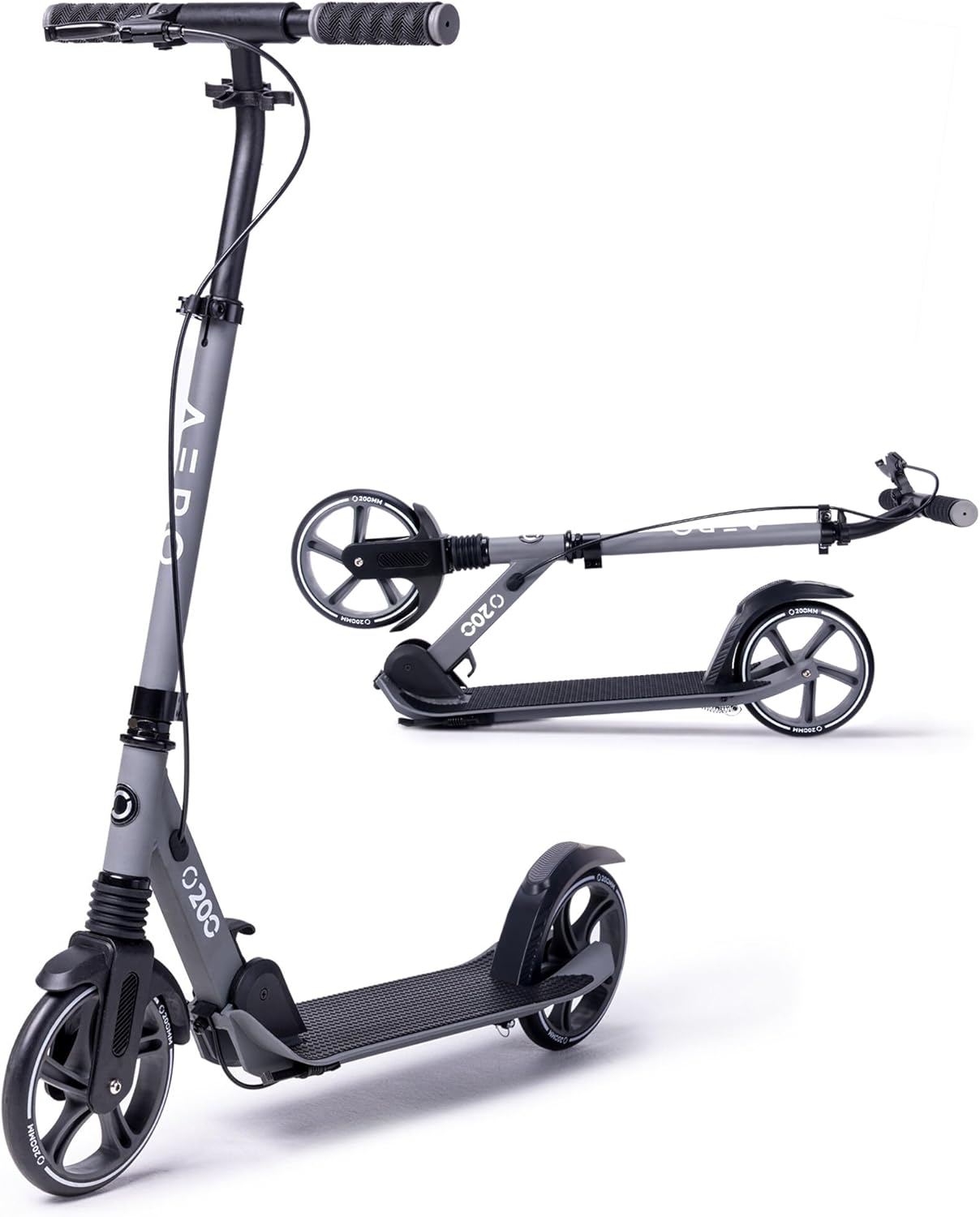
Common Buying Mistakes to Avoid
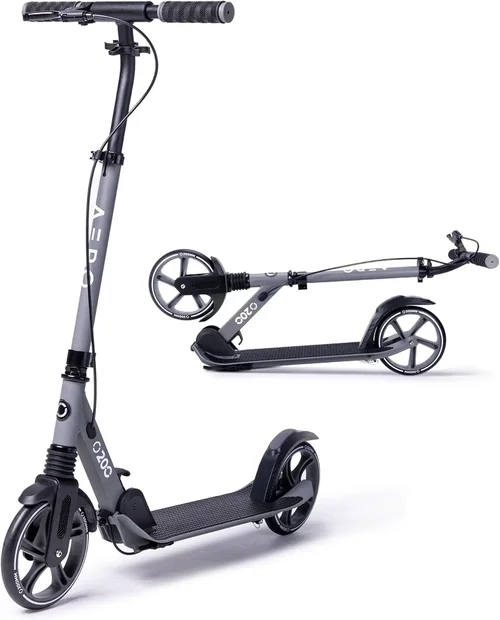
❌ Mistake: Prioritizing Price Over Quality
Why it’s bad: Cheap scooties often use low-capacity batteries, weak motors, and flimsy frames that degrade quickly. You may save $200 upfront but end up replacing the scootie within a year—costing more in the long run.
What to do instead: Invest in a reputable mid-range model with proven reliability. Look for brands with transparent specs and positive long-term reviews.
❌ Mistake: Ignoring Real-World Range Claims
Why it’s bad: Manufacturers often quote range under ideal conditions (light rider, flat terrain, eco mode). In reality, range drops significantly with hills, wind, or heavier loads.
What to do instead: Assume real-world range is 70–80% of advertised figures. If you need 15 miles, buy a scootie rated for at least 20–22 miles.
❌ Mistake: Overlooking Local Laws and Regulations
Why it’s bad: Riding an illegal scootie can result in fines, confiscation, or accidents. Some cities ban e-scooters on sidewalks or require helmets and lights.
What to do instead: Check your city’s micro-mobility laws before buying. Choose a scootie that complies with local speed limits and safety requirements.
❌ Mistake: Skipping the Test Ride
Why it’s bad: Comfort and handling vary greatly between models. A scootie that looks great online might feel unstable or uncomfortable in person.
What to do instead: Visit local retailers or attend demo events. If buying online, choose retailers with generous return policies (30 days or more).
❌ Mistake: Neglecting After-Sales Support
Why it’s bad: Without reliable customer service, a minor issue like a faulty charger or loose bolt can become a major headache.
What to do instead: Research warranty terms and support channels before purchasing. Prefer brands with local service centers or responsive live chat.
❌ Mistake: Buying Based Solely on Looks or Brand Hype
Why it’s bad: Flashy designs or celebrity endorsements don’t guarantee performance. Some stylish models sacrifice durability for aesthetics.
What to do instead: Focus on core specs, user feedback, and practical features. A plain-looking scootie that lasts 3 years is better than a trendy one that breaks in 6 months.
❌ Mistake: Forgetting About Storage and Charging
Why it’s bad: Large scooties may not fit in small apartments or offices. Slow charging (6+ hours) can be inconvenient for daily use.
What to do instead: Measure your storage space and check charging time. Consider models with fast-charging capabilities or removable batteries.
Budget Guidelines: How Much Should You Spend?
Entry-Level ($200–$400): Ideal for short, flat commutes under 10 miles. Expect basic features: 15–20 mph top speed, 10–15 mile range, minimal suspension, and plastic-heavy builds. Best for students, casual riders, or as a backup vehicle. Models like the Gotrax GXL V2 or Xiaomi Mi Essential fit here.
Mid-Range ($500–$1,000): The sweet spot for most buyers. These scooties offer 20–25 mph speeds, 20–30 mile ranges, better brakes, pneumatic tires, and sturdy aluminum frames. Perfect for daily commuting, moderate hills, and mixed-use scenarios. Examples include the Apollo City 2026 and Segway Ninebot MAX G30LP.
Premium ($1,200–$2,500): Designed for enthusiasts and demanding riders. Features include 30+ mph speeds, 40+ mile ranges, dual suspension, hydraulic brakes, and advanced safety systems. Great for long commutes, hilly terrain, or off-road adventures. Look at the Dualtron Thunder 3 or Unagi Model One Voyager.
Luxury ($2,500+): Top-tier performance with cutting-edge tech: carbon fiber decks, swappable batteries, AI-assisted ride modes, and military-grade durability. These are for serious collectors, professionals, or those who want the absolute best. The Kaabo Wolf King GT Pro sits in this category.
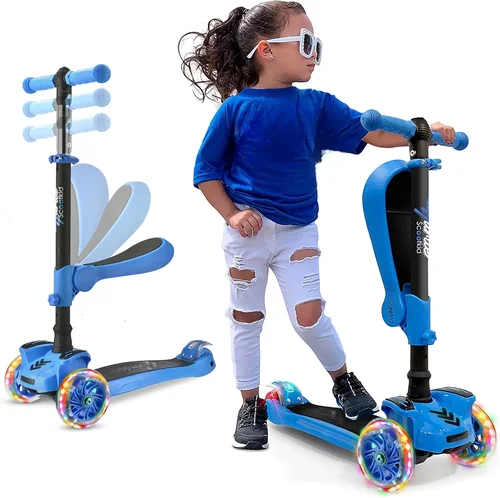
Expert Tips for Getting the Best Deal
1. Time Your Purchase Strategically: Major sales occur during Black Friday (November), back-to-school (August), and end-of-year clearances (December). Some brands also offer “new model year” discounts in early spring.
2. Compare Retailers, Not Just Brands: Prices vary significantly between Amazon, brand websites, specialty retailers (e.g., Revzilla, Best Buy), and local shops. Check for bundle deals (free helmet, extended warranty) and price-match policies.
3. Read the Fine Print on Returns: Ensure the retailer offers at least a 14-day return window (30 days is ideal). Verify whether you pay return shipping and if opened items are accepted.
4. Consider Refurbished or Open-Box Units: Certified refurbished scooties from reputable sellers often come with warranties and sell for 20–30% less than new. Great for saving money without sacrificing quality.
5. Test Before You Buy: If possible, visit a physical store or attend a demo event. Pay attention to ride feel, braking responsiveness, and overall comfort—not just specs.
6. Join Owner Communities: Forums and Facebook groups often share exclusive discount codes, early access to sales, and insider tips on upcoming models.
7. Negotiate Add-Ons: When buying from a local dealer, ask for free accessories (lights, phone mount) or a discounted service package. Many are willing to sweeten the deal to close a sale.
8. Monitor Firmware Updates: Some brands release performance improvements via software updates. Register your scootie to stay informed and ensure you’re getting the latest optimizations.

Frequently Asked Questions
Q: How long do scootie batteries last?
A: Most lithium-ion batteries retain 80% capacity after 500–800 charge cycles, which translates to 2–4 years of daily use. Proper care—avoiding full discharges, storing at 50% charge in cool temps—can extend lifespan.
Q: Can I ride my scootie in the rain?
A: It depends on the IP rating. IPX4 handles splashes; IPX5 resists water jets. Avoid submerging or riding in heavy downpours. Always dry thoroughly after wet rides.
Q: Are scooties legal where I live?
A: Laws vary by city and country. In the U.S., many states allow e-scooters on bike lanes with speed limits (usually 15–20 mph). Check your local Department of Transportation website for specifics.
Q: Do I need insurance for my scootie?
A: Rarely required for private ownership, but recommended if you ride frequently or in high-traffic areas. Some homeowners’ policies cover liability; specialized e-scooter insurance is also available.
Q: How fast can scooties go?
A: Entry-level models cap at 15–20 mph; performance models reach 35–45 mph. Always obey local speed limits and wear protective gear at higher speeds.
Q: Can I take my scootie on public transit?
A: Most buses and trains allow folded scooties, but policies differ. Check with your transit authority—some require scooties to be under 30 lbs or stored in designated areas.
Q: What’s the difference between hub and mid-drive motors?
A: Hub motors are integrated into the wheel—simpler, cheaper, but less efficient on hills. Mid-drive motors sit near the center, offering better weight distribution and torque, ideal for off-road or heavy loads.
Q: How do I maintain my scootie?
A: Regularly check tire pressure, tighten bolts, clean the deck, and inspect brakes. Lubricate moving parts monthly and store in a dry place. Follow the manufacturer’s maintenance schedule.
Q: Can I upgrade my scootie’s battery?
A: Some models support battery upgrades, but it’s often complex and voids warranties. Consult the manufacturer or a certified technician before attempting modifications.
Q: What should I do if my scootie breaks down?
A: First, check the warranty. Contact customer support with photos and error codes. For out-of-warranty issues, seek local e-scooter repair shops or DIY fixes using official parts.
Our Final Recommendations
Best for Budget-Conscious Buyers: Gotrax GXL V2 – Reliable, lightweight, and priced under $400. Great for students and short commutes with a solid 16-mile range and responsive brakes.
Best Overall Value: Apollo City 2026 – Packs 28 mph speed, 30-mile range, hydraulic brakes, and a premium feel for under $900. Ideal for daily commuters who want performance without luxury pricing.
Best Premium Option: Dualtron Thunder 3 – A powerhouse with 50+ mph top speed, 70-mile range, and dual suspension. Built for thrill-seekers and long-distance riders who demand the best.
Best for Beginners: Xiaomi Mi Essential – Simple controls, intuitive design, and excellent build quality. Perfect for first-time riders learning the ropes of electric micro-mobility.
Best for Advanced Users: Kaabo Wolf King GT Pro – Dual 2,000W motors, 60-mile range, and off-road capability. For experienced riders who want maximum power and versatility.
Conclusion: Making the Right Choice
Choosing the right scootie isn’t just about picking the shiniest model or the lowest price—it’s about aligning your purchase with your lifestyle, needs, and long-term goals. By focusing on key factors like budget, performance, build quality, and after-sales support, you’ll avoid common pitfalls and invest in a vehicle that serves you reliably for years. Remember: the best scootie is the one you’ll actually use, enjoy, and feel safe riding every day.
Take your time, do your research, and don’t hesitate to ask questions. Whether you’re commuting across town, exploring new neighborhoods, or simply reducing your carbon footprint, a well-chosen scootie can make every journey smoother, greener, and more fun. Ready to roll? Use this guide as your compass, and you’ll find the perfect match in no time.