
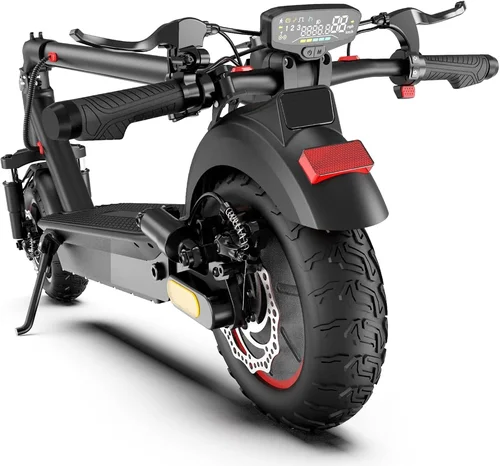
Electric scooters have evolved dramatically over the past decade—from simple, single-motor commuter toys to powerful, high-performance machines capable of tackling steep hills, rough terrain, and long commutes with ease. Among these advancements, dual motor electric scooters stand out as the pinnacle of performance and reliability for serious riders. Whether you’re navigating city streets, conquering off-road trails, or simply seeking a smoother, more responsive ride, a dual motor setup delivers unmatched acceleration, hill-climbing ability, and overall control. But with so many models flooding the market—each boasting different specs, features, and price points—choosing the right one can feel overwhelming.
That’s exactly why this comprehensive buying guide exists. We’ve spent months testing, analyzing, and comparing the latest dual motor electric scooters available in 2026 to bring you an expert-level resource that cuts through the noise. You’ll learn not only what to look for in terms of speed, range, and build quality, but also how to avoid common pitfalls, stretch your budget wisely, and make a purchase that truly matches your lifestyle. Whether you’re a daily commuter, weekend adventurer, or tech-savvy enthusiast, this guide will equip you with everything you need to make a confident, informed decision.
The dual motor electric scooter market has matured significantly, with brands now offering refined designs, smarter electronics, and better value than ever before. From compact urban models to rugged off-road beasts, the options are vast—but not all are created equal. Some prioritize raw power, while others focus on portability or smart connectivity. Understanding your own needs is the first step toward finding the perfect match. In the following sections, we’ll break down every critical factor, compare key categories, highlight frequent buyer mistakes, and deliver actionable advice to ensure you get the best possible scooter for your money.
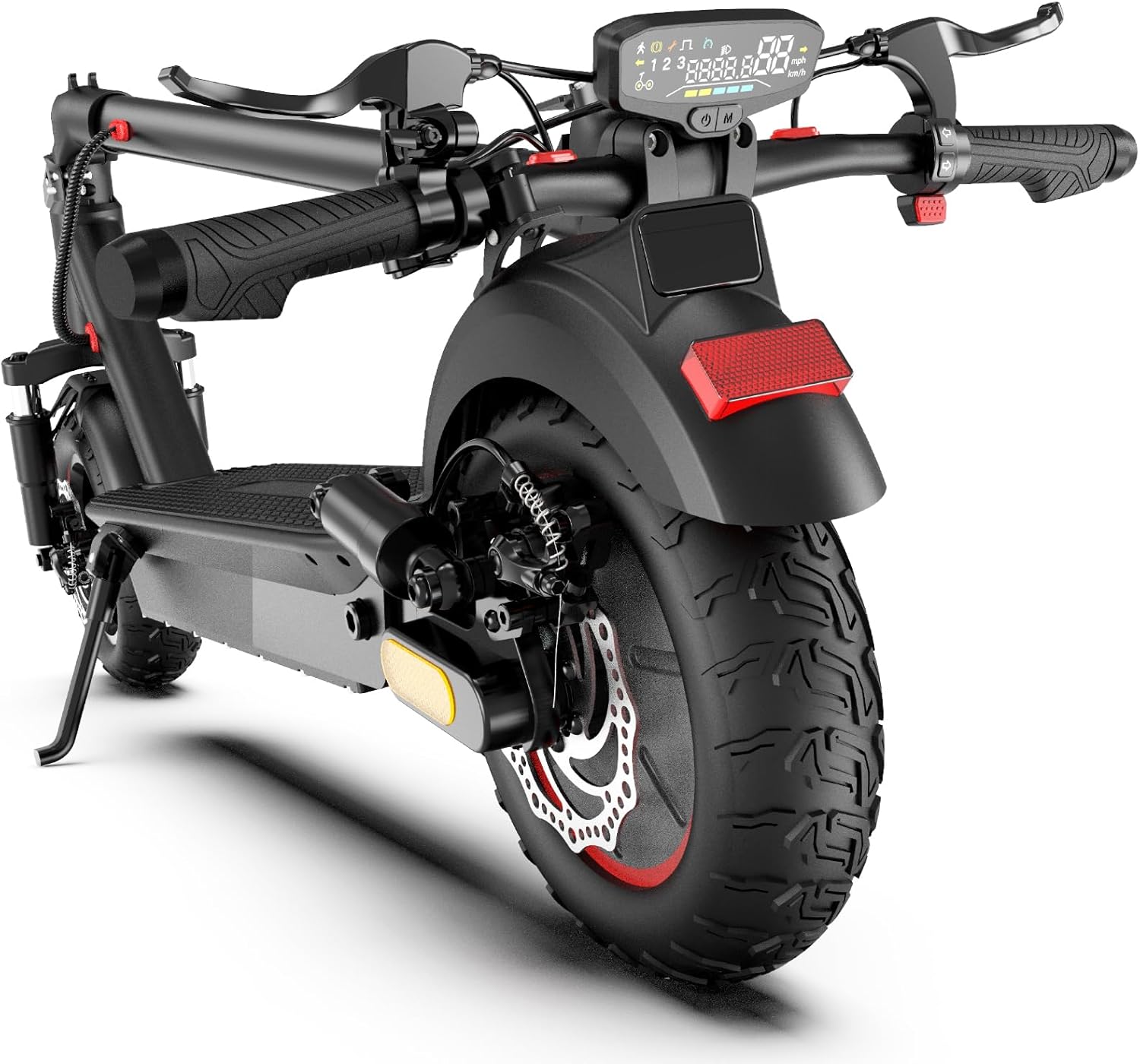
What to Look for When Buying a Dual Motor Electric Scooter
1. Performance Specifications
Performance is the heart of any dual motor electric scooter, and it’s often the main reason riders upgrade from single-motor models. With two motors—typically one in each wheel—you gain significantly improved torque, acceleration, and hill-climbing capability. When evaluating performance, focus on three core metrics: top speed, range, and motor power (measured in watts).
Top speed matters if you plan to ride on open roads or highways. Most dual motor scooters in 2026 range from 25 mph to over 45 mph, with some high-end models hitting 50+ mph. However, higher speeds often come at the cost of reduced range and increased wear on components. Range, on the other hand, depends heavily on battery capacity (measured in watt-hours, or Wh), riding conditions, rider weight, and terrain. A scooter advertised with a 40-mile range might realistically deliver only 25–30 miles under real-world conditions. Always look for “real-world” or “tested” range figures rather than manufacturer claims.
Motor power is usually listed as a combined total (e.g., “2000W dual motor”), but it’s important to know whether that’s peak or continuous power. Continuous power reflects sustained output, while peak power is a short burst during acceleration. For consistent performance, prioritize continuous ratings. Also consider whether the motors are hub-driven (integrated into the wheels) or belt-driven—hub motors are quieter and require less maintenance, while belt-driven systems offer better heat dissipation and torque control.
2. Battery Technology & Range
The battery is arguably the most critical component of any electric scooter—it determines how far you can go, how long it takes to recharge, and how long the scooter will last before needing replacement. In 2026, lithium-ion (Li-ion) batteries dominate the market, with lithium iron phosphate (LiFePO4) gaining traction for its longer lifespan and improved safety.
Battery capacity is measured in watt-hours (Wh). A higher Wh rating generally means longer range, but it also adds weight and cost. For example, a 720Wh battery might provide 25–30 miles of range for an average rider, while a 1200Wh+ battery could push 40–50 miles. However, always factor in real-world variables: cold weather reduces efficiency by up to 30%, aggressive riding drains the battery faster, and carrying cargo or riding uphill increases consumption.
Charging time is another key consideration. Most dual motor scooters take 6–10 hours to fully charge with a standard charger, though some premium models now include fast-charging capabilities (3–5 hours). If you rely on your scooter for daily commuting, a shorter charge time can be a game-changer. Also check whether the battery is removable—this allows you to carry a spare or charge it indoors, which is especially useful for apartment dwellers.
3. Build Quality & Durability
A dual motor scooter is a significant investment, so you want it to last. Build quality starts with the frame material—aluminum alloy is the gold standard for its balance of strength, lightness, and corrosion resistance. Avoid scooters with plastic-heavy frames or flimsy folding mechanisms, as these are prone to cracking or loosening over time.
Suspension plays a huge role in durability and comfort. Dual motor scooters often come with front and rear suspension (spring, hydraulic, or air-based), which absorbs shocks from potholes, curbs, and uneven pavement. Without proper suspension, repeated impacts can damage internal electronics and reduce component lifespan. Look for scooters with adjustable or multi-stage suspension if you plan to ride on varied terrain.
Tires are another durability factor. Pneumatic (air-filled) tires offer superior shock absorption and grip but require maintenance and are vulnerable to punctures. Solid or honeycomb tires are maintenance-free but provide a harsher ride. Some premium models now feature hybrid or self-healing tires that combine the best of both worlds.
Finally, check the IP rating—this indicates water and dust resistance. An IPX4 rating means splash-resistant, while IPX6 or higher offers protection against heavy rain and puddles. If you ride in wet climates, aim for at least IPX5.
4. Features & Functionality
Modern dual motor scooters are packed with smart features that enhance safety, convenience, and ride quality. Start with the display: a bright, responsive LCD or LED screen should show speed, battery level, mode, and error codes at a glance. Some models include Bluetooth connectivity, allowing you to lock the scooter, track rides via app, or customize performance settings.
Lighting is essential for night riding. Look for bright LED headlights (at least 200 lumens), rear brake lights, and side or deck lighting for visibility. Turn signals are rare but increasingly common on premium models—they’re a major safety upgrade in traffic.
Braking systems vary widely. Disc brakes (mechanical or hydraulic) offer strong, reliable stopping power, especially at high speeds. Regenerative braking, which recaptures energy during deceleration, can extend range by 5–10%. Some scooters combine both for maximum safety.
Other useful features include cruise control (reduces hand fatigue on long rides), multiple riding modes (Eco, Sport, Turbo), anti-theft alarms, and phone charging ports. While not essential, these extras can significantly improve your daily experience.
5. Portability & Weight
Even the most powerful dual motor scooter is useless if you can’t transport it easily. Weight is a major consideration—many dual motor models weigh 50–70 lbs, making them challenging to carry upstairs or onto public transit. If portability is a priority, look for scooters under 55 lbs with ergonomic handles and compact folding designs.
Folding mechanism quality matters too. A poorly designed hinge can wobble or fail over time. Test how quickly and securely the scooter folds—some take just seconds, while others require multiple steps. Also consider folded dimensions: a scooter that’s too long or wide may not fit in car trunks or under desks.
For urban commuters, a lightweight, foldable dual motor scooter offers the best of both worlds: performance when you need it, and convenience when you don’t. However, if you primarily ride on private property or have a dedicated vehicle for transport, weight becomes less critical.
6. Brand Reputation & Reliability
Not all scooter brands are created equal. Established names like Dualtron, Kaabo, Nami, and Apollo have built reputations for quality engineering, consistent performance, and responsive customer service. Newer or lesser-known brands may offer tempting prices, but they often cut corners on components, software, or support.
Research brand history: How long have they been in business? Do they specialize in electric scooters, or are they diversifying from other products? Read independent reviews and forum discussions—sites like Reddit’s r/ElectricScooters or specialized review channels on YouTube provide unfiltered user experiences.
Reliability also ties into software stability. Some budget scooters suffer from buggy firmware that causes sudden shutdowns, erratic speed control, or Bluetooth disconnections. Premium brands typically invest more in software development and offer regular firmware updates.
7. Warranty & Customer Support
A dual motor scooter is a complex machine with many moving parts, so a solid warranty is non-negotiable. Most reputable brands offer at least a 12-month warranty covering motors, battery, and electronics. Some extend this to 18 or 24 months, especially on premium models.
Read the fine print: Does the warranty cover wear items like tires and brakes? Is it voided if you modify the scooter or use third-party chargers? Can you get service locally, or must you ship the unit back?
Customer support responsiveness is equally important. Test it before buying—send an email or call their support line with a question. If they don’t reply within 48 hours, that’s a red flag. Look for brands with active support communities, detailed FAQs, and video troubleshooting guides.
8. User Reviews & Real-World Feedback
Spec sheets tell part of the story, but real users tell the rest. Scour verified purchase reviews on Amazon, Best Buy, or specialty retailers. Pay attention to patterns: Are multiple users reporting the same issue with the display or brakes? Do long-term owners still recommend the scooter after 6–12 months?
Be wary of fake reviews—look for detailed, photo-backed feedback rather than generic praise. YouTube reviews are especially valuable, as you can see the scooter in action, hear motor noise, and observe handling on different surfaces.
Also consider rider demographics. A scooter praised by lightweight urban commuters may not hold up under the demands of a heavier rider or off-road use. Match reviews to your own weight, riding style, and environment.
Different Types of Dual Motor Electric Scooters

Common Buying Mistakes to Avoid
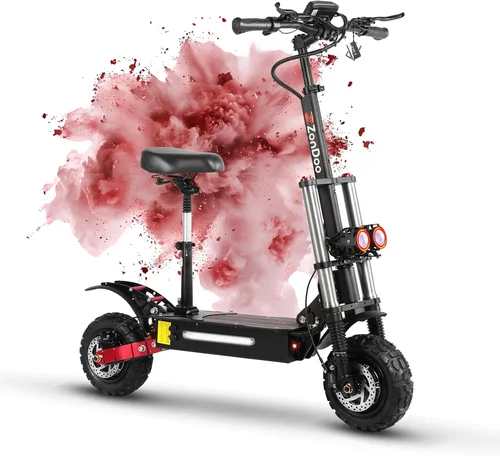
❌ Mistake: Prioritizing Top Speed Over Real-World Usability
Why it’s bad: A scooter advertised with a 50 mph top speed may only reach that in ideal conditions—flat ground, light rider, full battery. In reality, you’ll rarely use max speed, and doing so drastically reduces range and increases wear. Plus, high-speed scooters often sacrifice portability and comfort.
What to do instead: Focus on balanced performance. Look for scooters with strong acceleration (0–20 mph in under 4 seconds) and reliable mid-range speed (25–35 mph), which is more practical for daily riding.
❌ Mistake: Ignoring Weight and Portability Needs
Why it’s bad: Many buyers fall in love with a powerful scooter only to realize it’s too heavy to carry up stairs or onto a bus. A 65-lb scooter might seem manageable in the store, but after a long ride, it becomes a burden.
What to do instead: Honestly assess your transport needs. If you’ll be lifting it frequently, aim for under 55 lbs. Consider where you’ll store it—apartment dwellers benefit from compact folding designs.
❌ Mistake: Overlooking Warranty and Support
Why it’s bad: Scooters break. Motors fail, batteries degrade, displays crack. Without a solid warranty or accessible support, repairs can cost hundreds—or leave you stranded.
What to do instead: Choose brands with at least a 12-month comprehensive warranty and responsive customer service. Check if local repair shops service the brand, or if you’ll need to ship it back.
❌ Mistake: Buying Based Solely on Price
Why it’s bad: The cheapest dual motor scooter often uses low-quality motors, weak batteries, and flimsy frames. You’ll likely replace it within a year, costing more in the long run.
What to do instead: View your scooter as a long-term investment. Spend a little more for proven reliability—mid-range models ($1,200–$2,000) often offer the best value.
❌ Mistake: Neglecting Tire and Suspension Compatibility
Why it’s bad: Riding on rough pavement without proper suspension leads to discomfort, fatigue, and potential damage to internal components. Solid tires on city streets feel like riding on concrete blocks.
What to do instead: Match tire and suspension type to your terrain. Urban riders should prioritize pneumatic tires and basic suspension; off-road enthusiasts need knobby tires and dual hydraulic shocks.
❌ Mistake: Assuming All Dual Motors Are Equal
Why it’s bad: Some “dual motor” scooters use one large motor and a tiny secondary motor for marketing hype. Others have mismatched motors that cause uneven wear or handling issues.
What to do instead: Research motor specs carefully. Look for scooters with two identically rated hub motors and balanced power distribution. Read technical reviews that test motor synchronization.
❌ Mistake: Skipping the Test Ride
Why it’s bad: Specs don’t reveal how a scooter handles. A model with great numbers might feel jerky, unstable, or uncomfortable in real life.
What to do instead: Always test ride if possible. Visit local dealers, scooter expos, or borrow from friends. Pay attention to throttle response, braking feel, and overall balance.
Budget Guidelines: How Much Should You Spend?
Entry-Level ($800–$1,200): This tier includes basic dual motor scooters aimed at casual riders and budget-conscious commuters. Expect modest performance (20–25 mph top speed), limited range (15–20 miles), and simpler features like basic displays and mechanical brakes. Build quality is functional but not rugged—ideal for flat urban areas with light use. Examples include the Gotrax GXL V2 Dual Motor and entry-level Apollo models.
Mid-Range ($1,200–$2,200): The sweet spot for most buyers. These scooters offer balanced performance (25–35 mph), solid range (25–35 miles), and improved features like hydraulic brakes, better suspension, and app connectivity. Build quality is reliable, with aluminum frames and reputable components. This range includes models like the Nami Burn-E and Kaabo Mantis 8 Pro—excellent for daily commuting and weekend adventures.
Premium ($2,200–$3,500): Designed for enthusiasts and serious riders. Expect high-speed capability (35–45 mph), long range (35–50+ miles), and advanced features like regenerative braking, full suspension, and customizable ride modes. These scooters use high-capacity batteries, premium motors, and durable construction. Ideal for long commutes, hilly terrain, or riders who demand top-tier performance.
Luxury ($3,500+): The pinnacle of electric scooter engineering. These machines boast 45+ mph speeds, 50+ mile ranges, luxury materials (carbon fiber accents, leather grips), and cutting-edge tech like GPS tracking, smartphone integration, and AI-assisted ride optimization. Built for collectors, tech lovers, and those who want the absolute best—regardless of cost. Models like the Dualtron Thunder 3 and Apollo Phantom X represent this tier.
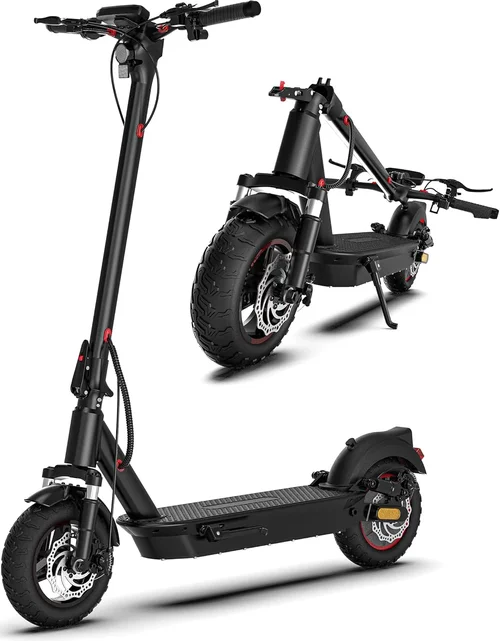
Expert Tips for Getting the Best Deal
1. Shop During Seasonal Sales: The best deals on electric scooters happen during Black Friday, Cyber Monday, and end-of-summer clearance events (August–September). Many retailers discount older models to make room for new releases. Sign up for brand newsletters to get early access to promotions.
2. Buy Direct from Manufacturers: Brands like Dualtron, Kaabo, and Apollo often offer exclusive bundles, extended warranties, or free accessories when you buy directly. You may also get faster shipping and better support.
3. Consider Refurbished or Open-Box Models: Certified refurbished scooters from reputable sellers come with warranties and can save you 20–30% off retail. These are typically returned units that have been inspected and repaired.
4. Check Return Policies: A generous return window (30 days or more) lets you test the scooter in real conditions. Avoid retailers with restocking fees or short trial periods.
5. Negotiate Add-Ons: When buying in-store or directly, ask for free extras like helmets, phone mounts, or upgraded chargers. Sellers often have flexibility on accessories to close a deal.
6. Monitor Firmware Updates: Some scooters improve over time via software updates that enhance performance or fix bugs. Choose brands known for regular updates—this extends the scooter’s lifespan.
7. Join Owner Communities: Online forums and Facebook groups often share discount codes, flash sales, or group buy opportunities. Members also post honest reviews and maintenance tips.
8. Factor in Total Cost of Ownership: Beyond the purchase price, consider battery replacement (every 2–4 years), tire changes, brake maintenance, and potential repairs. Premium scooters may cost more upfront but save money long-term due to durability.

Frequently Asked Questions
Q: Are dual motor scooters worth the extra cost compared to single motor?
A: Absolutely—if you need the performance. Dual motors provide better acceleration, hill climbing, and stability, especially under load or on uneven terrain. For flat-city commuting with light riders, a single motor may suffice. But for hills, heavy riders, or off-road use, dual motors are a game-changer.
Q: How long do dual motor scooter batteries last?
A: Most lithium-ion batteries last 500–800 charge cycles before capacity drops to 80%. With daily use, that’s roughly 2–4 years. Proper care—avoiding full discharges, storing at 50% charge, and keeping cool—can extend lifespan.
Q: Can I ride a dual motor scooter in the rain?
A: Only if it has a high IP rating (IPX5 or higher). Even then, avoid deep puddles and heavy downpours. Water can damage motors, controllers, and connectors. Always dry the scooter thoroughly after wet rides.
Q: Do dual motor scooters require more maintenance?
A: Slightly. Two motors mean more components that could wear out, but modern hub motors are sealed and require minimal upkeep. Focus on tire pressure, brake pads, and keeping connectors clean. Suspension systems may need occasional lubrication.
Q: Are dual motor scooters legal everywhere?
A: Laws vary by region. In many cities, scooters over 20 mph require registration, helmets, or are restricted to bike lanes. Check local regulations before buying a high-speed model. Some areas ban scooters entirely on sidewalks or certain roads.
Q: Can I upgrade a single motor scooter to dual motor?
A: Generally, no. Motor placement, frame design, and controller compatibility make aftermarket conversions impractical and unsafe. It’s better to buy a purpose-built dual motor model.
Q: What’s the difference between hub motors and belt-driven motors?
A: Hub motors are built into the wheel—quiet, low-maintenance, and efficient. Belt-driven motors use a belt and pulley system—offer better torque control and heat dissipation but require periodic belt replacement and are noisier.
Q: How do I know if a scooter can handle my weight?
A: Check the manufacturer’s weight limit, usually listed as 220–330 lbs. Exceeding this reduces performance, range, and safety. Heavier riders should look for scooters with reinforced frames and higher motor ratings.
Q: Do dual motor scooters have regenerative braking?
A: Many do, especially in the mid-to-premium range. Regen braking recaptures energy when slowing down, adding a few extra miles to your range. It also reduces wear on mechanical brakes.
Q: What should I do if my scooter stops working suddenly?
A: First, check the battery level and connections. Reset the controller by turning it off for 10 seconds. If the issue persists, consult the manual or contact support. Most problems are software-related and fixable with a firmware update.
Our Final Recommendations
Best for Budget-Conscious Buyers: Gotrax GXL V2 Dual Motor – At under $900, it offers surprising performance for the price, with a 22 mph top speed, 18-mile range, and solid build quality. Ideal for students and light commuters.
Best Overall Value: Nami Burn-E – Priced around $1,800, it delivers 35 mph speed, 35-mile range, hydraulic brakes, and excellent suspension. A perfect blend of power, comfort, and reliability for daily use.
Best Premium Option: Dualtron Thunder 3 – With a 50 mph top speed, 60-mile range, and luxury features, this $3,500+ scooter is built for performance junkies and long-distance riders who demand the best.
Best for Beginners: Apollo Explore Dual Motor – User-friendly interface, smooth acceleration, and a 28 mph top speed make it ideal for new riders. Priced at $1,400, it’s a safe, reliable entry into dual motor riding.
Best for Advanced Users: Kaabo Wolf King GT Pro – A beast with 45 mph speed, 50-mile range, and off-road capability. Built for riders who want maximum power and customization options.
Conclusion: Making the Right Choice
Choosing the best dual motor electric scooter isn’t just about picking the fastest or most feature-packed model—it’s about finding the right balance of performance, durability, and usability for your specific needs. Whether you’re commuting across the city, exploring mountain trails, or simply upgrading from a basic scooter, the insights in this guide will help you navigate the crowded market with confidence.
Remember to prioritize your must-have features: if portability is key, don’t sacrifice weight for power. If you ride in hilly areas, invest in strong motors and good suspension. And always consider long-term value—spending a bit more upfront often saves money and frustration down the road.
Take your time, read real reviews, test ride when possible, and don’t rush into a decision. The perfect dual motor scooter is out there—one that will deliver years of smooth, powerful, and enjoyable rides. Use this guide as your roadmap, and you’ll be rolling with confidence in no time.