
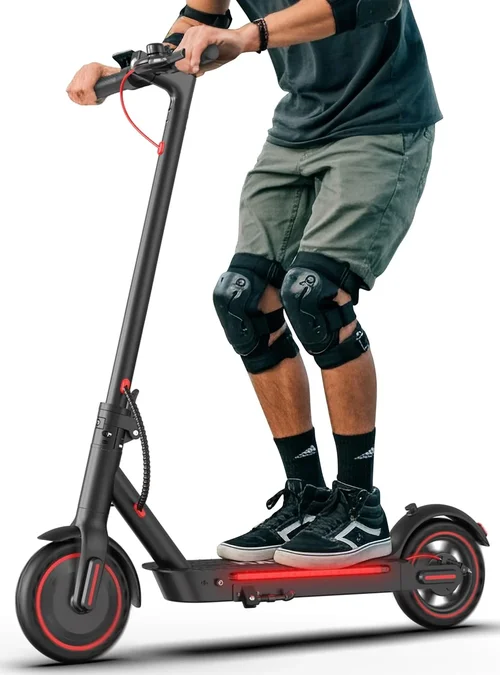
Electric scooters have evolved from niche urban curiosities into mainstream mobility solutions, and 2026 is shaping up to be a pivotal year for riders seeking the perfect balance of performance, reliability, and value. Whether you’re commuting to work, running errands around town, or simply exploring your city on two wheels, the electric scooter market now offers more options than ever—across every price point and use case. But with so many models flooding the market, how do you find the one that truly delivers the best price without sacrificing essential features? That’s exactly what this guide is here to help you figure out.
This comprehensive buying guide cuts through the noise and marketing hype to give you a clear, expert-backed roadmap for choosing an electric scooter that fits your budget, lifestyle, and expectations. You’ll learn how to evaluate key performance metrics like range, speed, and motor power; understand what build quality really means in real-world terms; and discover how to spot hidden costs or overhyped specs. We’ll also break down different scooter categories, highlight common pitfalls to avoid, and share insider tips for getting the best deal—whether you’re shopping online or in-store. By the end of this guide, you won’t just know which scooters offer the best price—you’ll know exactly which one is right for you.
The electric scooter market in 2026 is more competitive and innovative than ever. Major brands like Gotrax, Xiaomi, Segway-Ninebot, and Apollo continue to push the envelope with smarter batteries, more durable frames, and enhanced safety features. At the same time, budget-friendly models have become surprisingly capable, offering respectable range and solid construction at under $400. Meanwhile, premium models now boast dual motors, hydraulic suspension, app connectivity, and even regenerative braking—all while staying within reach of serious commuters and enthusiasts. With such a wide spectrum of options, the challenge isn’t finding a scooter—it’s finding the right scooter at the right price. This guide will equip you with the knowledge to make that decision confidently.
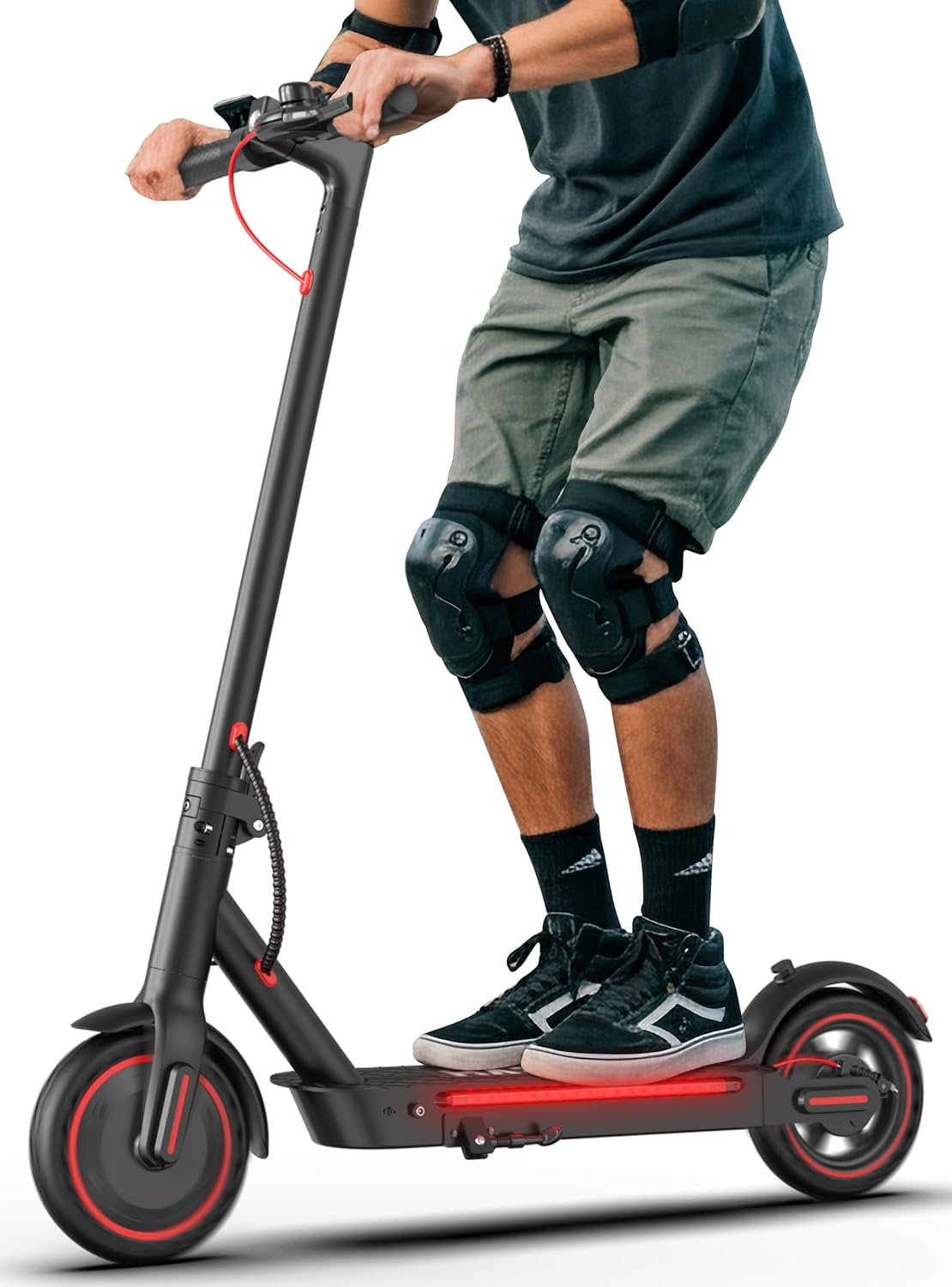
What to Look for When Buying Gotrax
1. Budget & Price Range
Your budget is the single most important factor when shopping for an electric scooter—especially if you’re focused on getting the best price. Gotrax offers a wide range of models priced from under $300 to over $800, making it one of the most accessible brands for budget-conscious buyers. However, “cheap” doesn’t always mean “good value.” A scooter priced at $299 might save you money upfront but could cost more in the long run due to poor battery life, frequent repairs, or limited warranty coverage.
When setting your budget, consider not just the purchase price but also long-term ownership costs. These include replacement tires, brake pads, battery degradation over time, and potential repair expenses. For most riders, spending between $400 and $600 gets you a scooter with reliable performance, decent build quality, and a reasonable warranty—often representing the sweet spot for value. If you’re on a tight budget, aim for at least $350 to avoid the lowest-tier models that cut too many corners.
Gotrax frequently runs promotions, especially during Black Friday, Prime Day, and back-to-school seasons. Signing up for their newsletter or following them on social media can alert you to flash sales or bundle deals (like free helmets or phone mounts). Also, consider refurbished or open-box models from authorized retailers—these can offer significant savings with minimal risk, especially when backed by a warranty.
2. Performance Specifications
Performance specs tell you how a scooter will actually behave on the road. The three core metrics to focus on are motor power (measured in watts), top speed (in mph or km/h), and range (how far it can go on a single charge). Gotrax scooters typically feature motors ranging from 250W to 500W. A 250W motor is fine for flat terrain and light riders under 150 lbs, but it will struggle on hills or with heavier loads. For most urban commuters, a 350W–500W motor provides a good balance of power and efficiency.
Top speed is another critical spec. Entry-level Gotrax models like the GXL V2 cap out around 15.5 mph, which is adequate for casual riding but may feel sluggish in traffic or when merging onto bike lanes. Higher-end models like the Gotrax G4 or GMAX Ultra can reach 20 mph or more, offering a more responsive ride. However, remember that speed often comes at the expense of range—faster riding drains the battery quicker.
Range is perhaps the most misunderstood spec. Manufacturers often quote “ideal conditions” range—flat roads, no wind, light rider, moderate speed. In reality, expect 60–80% of the advertised range under normal use. For example, a scooter advertised with a 25-mile range might realistically deliver 15–20 miles. If your daily commute is 10 miles round-trip, choose a model with at least a 15–20 mile real-world range to ensure you won’t be stranded.
3. Build Quality & Durability
A scooter’s build quality determines how well it holds up over time—and directly impacts its long-term value. Gotrax scooters are generally well-constructed for their price range, using aluminum alloy frames that are lightweight yet sturdy. However, not all aluminum is created equal. Look for models with reinforced joints, thick tubing, and quality welding. Check user reviews for mentions of frame flex, creaking sounds, or cracks after a few months of use.
Tires are another durability hotspot. Gotrax offers both pneumatic (air-filled) and solid (rubber) tires. Pneumatic tires provide a smoother ride and better traction but are prone to punctures. Solid tires are maintenance-free but offer a harsher ride, especially on rough pavement. Some newer Gotrax models feature hybrid or honeycomb tires that aim to blend the best of both worlds—offering decent cushioning without the risk of flats.
Suspension also plays a role in durability and comfort. While most budget Gotrax scooters lack suspension, mid-range models like the G4 include front suspension forks that absorb bumps and reduce wear on the frame and wheels. If you ride on uneven sidewalks or gravel paths, suspension is worth the extra cost. Finally, pay attention to water resistance. Gotrax rates many of its scooters IPX4, meaning they can handle light splashes but shouldn’t be ridden in heavy rain or submerged in puddles.
4. Features & Functionality
Modern electric scooters come packed with features that enhance convenience, safety, and usability. Gotrax has steadily improved its feature set across its lineup. Key features to look for include LED headlights and taillights (with brake-activated rear lights), digital displays showing speed, battery level, and riding mode, and cruise control for maintaining steady speeds on long stretches.
App connectivity is becoming standard on higher-end Gotrax models. The Gotrax app allows you to lock your scooter, track ride statistics, update firmware, and even customize speed limits—great for parents managing a teen’s scooter. Some models also support regenerative braking, which recaptures a small amount of energy during deceleration to slightly extend range.
Other practical features include foldability (essential for portability), kickstands, phone mounts, and USB charging ports. While these don’t affect performance directly, they significantly improve the overall user experience. For example, a built-in phone mount lets you use navigation apps safely, while a USB port lets you charge your device on the go. Evaluate which features matter most to your daily routine—don’t pay for extras you won’t use, but don’t overlook essentials that add real value.
5. Brand Reputation
Gotrax has built a solid reputation as a reliable, affordable brand in the electric scooter space. Founded in 2016, the company quickly gained traction by offering well-priced scooters with decent specs and straightforward designs. Unlike some ultra-budget brands that disappear after a year, Gotrax maintains consistent customer support, regular product updates, and a growing accessory ecosystem.
That said, no brand is perfect. Some users report occasional quality control issues—like loose bolts or misaligned brakes—especially on entry-level models. However, Gotrax’s customer service is generally responsive, and their warranty process is straightforward. Reading recent user reviews (from the past 6–12 months) can give you a sense of current reliability trends. Avoid relying solely on Amazon star ratings; instead, look at detailed written reviews that describe real-world performance over weeks or months of use.
Gotrax also benefits from being widely available through major retailers like Amazon, Walmart, and Best Buy. This makes returns and exchanges easier if something goes wrong. Additionally, their scooters are often compatible with third-party accessories, giving you flexibility to customize your ride.
6. Warranty & Support
A strong warranty is a hallmark of a brand that stands behind its products—and it’s a key component of getting the best price. Gotrax offers a standard 1-year limited warranty on most models, covering defects in materials and workmanship. This includes the motor, battery, controller, and frame. However, wear-and-tear items like tires, brakes, and brake pads are typically excluded.
Before buying, read the warranty terms carefully. Some retailers (like Amazon) may offer extended protection plans for an additional fee. While these can provide peace of mind, they’re often unnecessary if you’re buying directly from Gotrax or a reputable seller with good return policies. Also, note that warranties usually require proof of purchase and may void if the scooter is modified or used commercially.
Customer support responsiveness matters too. Gotrax provides email and phone support, and their website includes helpful resources like user manuals, troubleshooting guides, and video tutorials. If you’re new to electric scooters, having accessible support can make a big difference when setting up your scooter or diagnosing issues.
7. Size & Portability
If you plan to carry your scooter on public transit, store it under a desk, or take it on trips, portability is crucial. Gotrax scooters are generally lightweight, with most models weighing between 26 and 35 pounds. The lightest, like the Gotrax GXL V2, weigh around 26 lbs—manageable for most adults to carry short distances.
Folding mechanism quality varies. Look for scooters with secure locking latches that prevent accidental unfolding. Some models have a one-step fold, while others require multiple actions. Test the fold in-store if possible, or watch video demos online. Also consider folded dimensions: a compact fold saves space in tight areas.
Wheel size affects portability and ride quality. Gotrax scooters typically have 8- to 10-inch wheels. Smaller wheels are lighter and more portable but offer a bumpier ride. Larger wheels handle cracks and potholes better but add weight. For city commuting, 8.5- to 9-inch wheels strike a good balance.
8. User Reviews & Ratings
Never buy an electric scooter without checking recent user reviews. While manufacturer specs give you the basics, real-world feedback reveals how a scooter performs over time. Look for patterns in reviews: if multiple users mention the same issue—like rapid battery degradation or brake failure—it’s a red flag.
Pay attention to reviews from riders similar to you in weight, usage, and terrain. A scooter that works great for a 120-lb rider on flat roads might struggle for someone weighing 200 lbs on hilly streets. Also, note the date of reviews—older reviews may not reflect current model improvements.
Use multiple sources: Amazon, Reddit (r/ElectricScooters), YouTube reviews, and specialized forums. Video reviews are especially helpful for seeing the scooter in action—how it accelerates, handles turns, and folds. A scooter with 4.5 stars and hundreds of detailed reviews is usually a safer bet than one with 5 stars but only a handful of vague comments.
Different Types of Gotrax
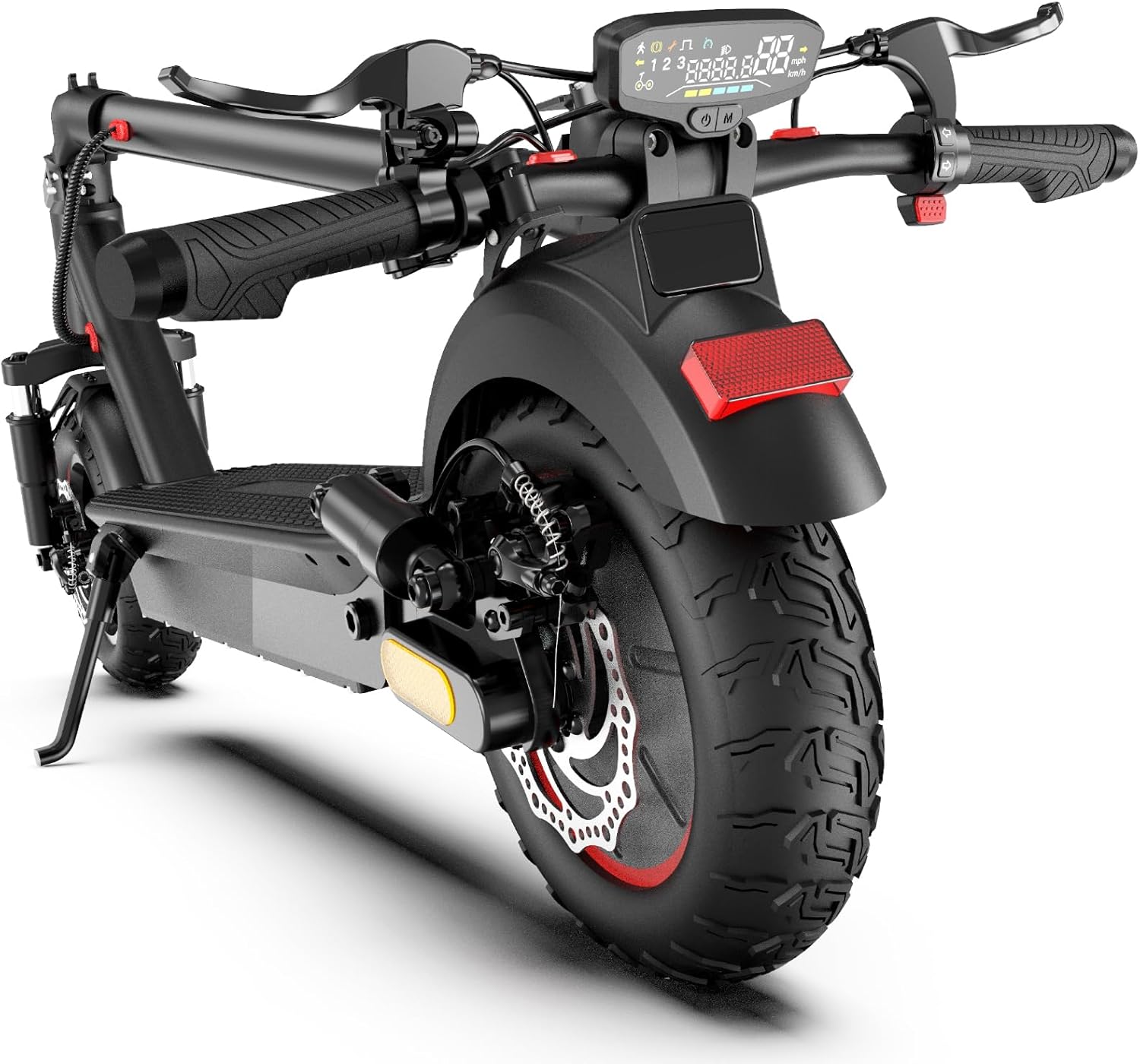
Common Buying Mistakes to Avoid
❌ Mistake: Choosing Based Solely on Price
Why it’s bad: The cheapest scooter isn’t always the best value. Ultra-budget models often use low-quality batteries that degrade quickly, weak motors that overheat, and flimsy frames that bend or crack. You might save $100 upfront but end up replacing the scooter within a year.
What to do instead: Aim for the “value zone”—typically $400–$600 for Gotrax. At this price, you get reliable components, decent warranties, and features that enhance safety and usability. Think of it as an investment in daily convenience and reliability.
❌ Mistake: Ignoring Real-World Range
Why it’s bad: Manufacturers often advertise range under perfect conditions. If you believe a 25-mile range means you can ride 25 miles every day, you’ll be disappointed—and possibly stranded.
What to do instead: Calculate your actual needs and add a 30–40% buffer. If your round-trip commute is 12 miles, choose a scooter with at least a 16–18 mile real-world range. Check independent range tests on YouTube or forums for realistic estimates.
❌ Mistake: Overlooking Weight and Portability
Why it’s bad: A heavy scooter is a burden if you need to carry it upstairs, onto a bus, or into an office. Many buyers regret choosing a powerful but bulky model that’s impractical for daily use.
What to do instead: Consider how often you’ll need to carry the scooter. If portability is key, prioritize models under 30 lbs with a compact fold. Test the weight by lifting a display model in-store.
❌ Mistake: Skipping the Warranty Check
Why it’s bad: Without a solid warranty, a single component failure (like a dead battery) could cost $100+ to fix—erasing any initial savings.
What to do instead: Always verify warranty length and coverage before buying. Gotrax’s 1-year warranty is standard, but confirm it applies to your region and retailer. Keep your receipt and register your product if required.
❌ Mistake: Buying Without Testing
Why it’s bad: Scooters feel different in person than in specs. A model that looks great on paper might have jerky acceleration, weak brakes, or an uncomfortable riding position.
What to do instead: If possible, test ride at a local retailer or borrow a friend’s scooter. If buying online, choose retailers with generous return policies (like Amazon’s 30-day window).
❌ Mistake: Ignoring Local Laws
Why it’s bad: Some cities restrict scooter speed, require helmets, or ban riding on sidewalks. Buying a high-speed scooter only to find it’s illegal where you live is a costly mistake.
What to do instead: Research your local regulations before purchasing. Many Gotrax models can be speed-limited via the app to comply with local laws.
Budget Guidelines: How Much Should You Spend?
Entry-Level ($250–$400): This tier includes models like the Gotrax GXL V2 and G2. Expect basic features: 15–18 mph top speed, 12–18 mile range, no suspension, and minimal app integration. Best for light, short-distance use. Ideal for students or casual riders who prioritize low cost over performance.
Mid-Range ($400–$600): The sweet spot for most buyers. Models like the Gotrax G4 and GMAX offer 20 mph speed, 20+ mile range, front suspension, LED lights, and app connectivity. These scooters handle daily commutes, moderate hills, and varied terrain with confidence. Excellent balance of price, performance, and durability.
Premium ($600–$800): For enthusiasts and serious commuters. The Gotrax GMAX Ultra and similar models feature dual motors, hydraulic brakes, larger batteries, and advanced safety systems. These scooters deliver sporty performance, long range, and rugged build quality—worth the investment if you ride daily or in challenging conditions.
Luxury ($800+): While Gotrax doesn’t currently offer true luxury models, this tier includes high-end scooters from other brands with premium materials, smart features, and top-tier performance. Only necessary for professional riders or those seeking the absolute best in comfort and technology.
Expert Tips for Getting the Best Deal
- Shop during sales seasons: Black Friday, Cyber Monday, Prime Day, and back-to-school periods offer the deepest discounts. Gotrax often runs site-wide sales with 15–25% off.
- Compare retailers: Prices can vary between Amazon, Walmart, Best Buy, and Gotrax’s official site. Sometimes the manufacturer offers exclusive bundles or extended warranties.
- Check for open-box or refurbished units: These can save 20–30% and often come with the same warranty as new models.
- Use price tracking tools: Browser extensions like Honey or CamelCamelCamel alert you when prices drop on Amazon.
- Read the fine print on returns: Ensure the retailer allows returns within at least 14–30 days, especially if you can’t test the scooter first.
- Consider financing: Some retailers offer 0% APR financing for 6–12 months, making higher-end models more accessible.
- Join loyalty programs: Gotrax and major retailers often reward repeat customers with points, early access to sales, or exclusive discounts.
- Negotiate gently: If buying in-store, ask if there’s any wiggle room—especially if you’re purchasing accessories too.

Frequently Asked Questions
Q: How long do Gotrax scooter batteries last?
A: Gotrax batteries typically last 300–500 charge cycles before capacity drops below 80%. With daily use, that’s about 1.5–2 years. Proper care—like avoiding full discharges and storing in moderate temperatures—can extend lifespan.
Q: Can I ride my Gotrax scooter in the rain?
A: Gotrax scooters are rated IPX4, meaning they resist light splashes but aren’t waterproof. Avoid riding in heavy rain or through deep puddles, as water can damage the motor, battery, or electronics.
Q: What’s the maximum weight limit for Gotrax scooters?
A: Most Gotrax models support up to 220–265 lbs. Check the specific model’s specs—exceeding the limit can damage the motor, reduce range, and void the warranty.
Q: Do I need a license to ride a Gotrax scooter?
A: In most U.S. states, no license is required for scooters under 20 mph. However, local laws vary—some cities require helmets, registration, or restrict where you can ride. Always check local regulations.
Q: How fast can Gotrax scooters go?
A: Entry-level models top out at 15.5 mph, while mid-range and performance models reach 18–20 mph. Some can be unlocked for higher speeds via the app, but this may void the warranty.
Q: Can I upgrade my Gotrax scooter’s battery?
A: Officially, no—Gotrax doesn’t support battery upgrades. Third-party options exist but may void your warranty and pose safety risks. It’s safer to buy a model with the range you need from the start.
Q: How do I maintain my Gotrax scooter?
A: Regular maintenance includes checking tire pressure (if pneumatic), tightening bolts, cleaning the deck, and inspecting brakes. Store in a dry place and charge the battery monthly if not in use.
Q: What if my scooter stops working?
A: First, check the basics: is it charged? Is the power button on? Are the brakes engaged? If issues persist, contact Gotrax support with your order number and photos of the problem.
Q: Are Gotrax scooters good for hills?
A: Models with 350W+ motors (like the G4 or GMAX) can handle mild to moderate hills (up to 10–15% grade). Steep hills may require walking or a higher-powered scooter.
Q: Can kids ride Gotrax scooters?
A: Gotrax offers kid-friendly models like the GKS, designed for ages 8–14 with lower speed limits (8–10 mph) and lightweight frames. Always supervise young riders and ensure they wear helmets.
Our Final Recommendations
Best for Budget-Conscious Buyers: Gotrax GXL V2 – At around $350, it offers solid performance, 15.5 mph speed, and 12–18 mile range. Great for students and short commutes.
Best Overall Value: Gotrax G4 – Priced around $550, it delivers 20 mph speed, 20+ mile range, front suspension, app connectivity, and excellent build quality. The ideal daily commuter.
Best Premium Option: Gotrax GMAX Ultra – For $750+, this model features dual motors, hydraulic brakes, and a robust frame. Perfect for hilly areas and long-distance riders.
Best for Beginners: Gotrax G2 – Simple, lightweight, and easy to control. Ideal for first-time riders or those who want a no-frills scooter.
Best for Advanced Users: Gotrax GMAX Ultra or G4 (with app customization) – These models offer the most control, performance, and customization options for experienced riders who want to push their scooter to the limit.
Conclusion: Making the Right Choice
Finding the electric scooter with the best price isn’t about picking the cheapest option—it’s about identifying the model that delivers the right mix of performance, durability, and features for your specific needs and budget. Gotrax offers a compelling range of scooters that balance affordability with reliability, making them a top choice for everyday riders in 2026.
Remember to prioritize your must-have features: whether it’s long range for commuting, portability for transit, or safety features for peace of mind. Avoid common pitfalls like ignoring real-world range or skipping the warranty check. And always take advantage of seasonal sales and expert tips to maximize your savings.
Your perfect scooter is out there—and with the knowledge from this guide, you’re now equipped to find it. Don’t rush the decision. Compare models, read reviews, and test when possible. When you choose wisely, your electric scooter won’t just save you money—it’ll transform how you move through your city.
Ready to ride? Start your search with confidence, knowing you’ve got the expert insight to make the smartest, most cost-effective choice.