
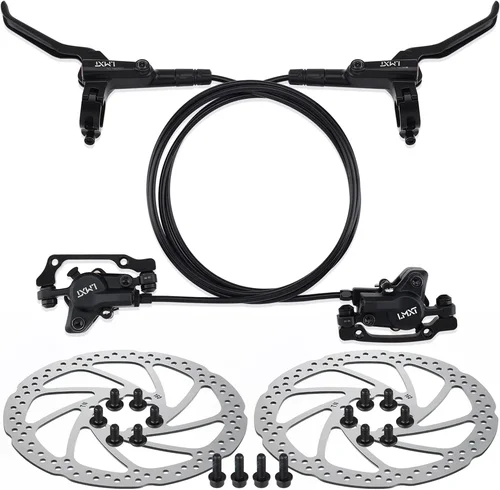
If you’re serious about mountain biking, you already know that your brakes aren’t just a component—they’re your lifeline. Whether you’re dropping into a technical descent, navigating root-strewn trails, or hitting high-speed corners on a flow trail, reliable stopping power can mean the difference between a smooth ride and a trip to the ER. That’s why choosing the right hydraulic disc brakes for your mountain bike is one of the most critical decisions you’ll make as a rider. With so many options flooding the market—from budget-friendly models to high-end racing systems—it’s easy to feel overwhelmed. That’s exactly why this guide exists: to cut through the noise, eliminate confusion, and help you make an informed, confident decision.
In this comprehensive buying guide, you’ll learn everything you need to know about selecting the best hydraulic brakes for your MTB in 2025. We’ll break down the key factors that matter most—like braking power, modulation, weight, durability, and compatibility—so you can match your choice to your riding style, terrain, and budget. Whether you’re a weekend warrior, a downhill shredder, or a cross-country endurance rider, we’ve got insights tailored to your needs. You’ll also discover the latest advancements in brake technology, compare top brands and models, and avoid common pitfalls that even experienced riders fall into. By the end of this guide, you won’t just know what to buy—you’ll understand why it’s the right choice for you.
The hydraulic brake market has evolved dramatically over the past few years. Once dominated by a handful of premium brands, it now features a diverse ecosystem of manufacturers offering high-performance systems at nearly every price point. Innovations in piston design, lever ergonomics, heat dissipation, and hose materials have made modern hydraulic brakes more powerful, responsive, and reliable than ever before. Yet, with increased choice comes increased complexity. A brake that excels on steep alpine descents might be overkill for casual trail riding. A lightweight XC setup could fail under the demands of enduro racing. That’s why understanding your own needs—and how different brake systems meet them—is essential. This guide will equip you with the knowledge to navigate that complexity and find the perfect match.

What to Look for When Buying Hydraulic MTB Brakes
1. Braking Power and Stopping Performance
Braking power is arguably the most important factor when selecting hydraulic brakes. It refers to how quickly and effectively your bike can come to a stop under load. High braking power is essential for aggressive riding, steep descents, and heavy bikes or riders. But raw power isn’t everything—how that power is delivered matters just as much.
Look for brakes with larger pistons (typically 22mm or more in diameter) and dual-piston or quad-piston calipers, which generate more clamping force on the rotor. For example, a 4-piston brake like the Shimano Saint or SRAM Code will deliver significantly more stopping force than a 2-piston model like the Shimano Deore. However, more power often means more weight and complexity, so balance is key.
Also consider rotor size. Larger rotors (203mm or 220mm) provide greater leverage and heat dissipation, enhancing braking performance, especially on long descents. Pairing a high-power caliper with a large rotor creates a system capable of handling extreme conditions. But remember: more power can lead to brake fade if the system isn’t designed to manage heat effectively.
2. Modulation and Control
While braking power gets the headlines, modulation—the ability to finely control braking force—is what separates good brakes from great ones. Modulation allows you to feather the brakes, apply just enough pressure to slow down without locking up the wheels, and maintain traction on loose or technical terrain.
High-modulation brakes give you a progressive lever feel: light pressure for subtle speed control, increasing resistance as you pull harder for maximum stopping power. This is crucial for technical trail riding, where over-braking can cause skids or loss of control.
Brands like Shimano and SRAM have invested heavily in lever design and hydraulic tuning to improve modulation. Features like Shimano’s Servo Wave or SRAM’s SwingLink help amplify initial bite while maintaining fine control deeper into the lever stroke. Look for reviews that mention “smooth engagement” or “predictable feel”—these are signs of excellent modulation.
3. Heat Dissipation and Fade Resistance
Brake fade occurs when the system overheats, reducing friction between the pads and rotor and leading to a spongy lever and diminished stopping power. This is especially common on long, sustained descents—think alpine trails or bike park runs.
Effective heat management starts with rotor design. Look for rotors with cooling fins, drilled or slotted patterns, or even integrated heat sinks. Some high-end models use two-piece rotors with aluminum centers to dissipate heat more efficiently.
Caliper design also plays a role. Larger calipers with better airflow and heat-resistant seals help maintain performance under load. Some systems, like Magura’s Royal Blood mineral oil, are engineered specifically to resist thermal breakdown.
Pad material matters too. Metallic (sintered) pads run hotter but offer better fade resistance and longevity, making them ideal for aggressive riding. Organic (resin) pads provide quieter, more responsive braking but wear faster and are more prone to fade.
4. Weight and Build Quality
Every gram counts on a mountain bike, especially if you’re climbing long distances or racing. However, lighter brakes aren’t always better—especially if they sacrifice durability or performance.
High-end brakes often use lightweight alloys, carbon fiber levers, and titanium hardware to reduce weight without compromising strength. For example, the SRAM Guide RE weighs in at just 295g per lever, making it a favorite among weight-conscious riders.
But don’t let weight be your only metric. Build quality encompasses materials, machining precision, seal integrity, and overall robustness. A brake that feels solid and reliable under stress is worth a few extra grams. Look for brands with a reputation for durability—Shimano, SRAM, and Magura are known for their rigorous testing and long-lasting components.
Also consider serviceability. Can you easily replace pads or bleed the system yourself? Are replacement parts readily available? A well-built brake should last years with proper maintenance.
5. Lever Ergonomics and Adjustability
Your brake levers are in constant contact with your hands, so comfort and adjustability are non-negotiable. Poor ergonomics can lead to hand fatigue, reduced control, and even injury on long rides.
Modern hydraulic levers offer a range of adjustments: reach (distance from handlebar to lever), bite point (where the pads contact the rotor), and even lever angle. These allow you to customize the feel to match your hand size and riding preference.
For example, Shimano’s I-Spec and SRAM’s MatchMaker systems let you integrate shifters and dropper posts with your brake levers, reducing clutter and improving ergonomics. Some levers also feature textured grips or rubberized coatings for better control in wet or muddy conditions.
Try to test different lever shapes and sizes. A lever that feels perfect for one rider might be awkward for another. Look for reviews that mention “comfortable grip” or “intuitive reach adjustment”—these are signs of thoughtful design.
6. Compatibility and Installation
Not all hydraulic brakes are compatible with every bike. Before you buy, check the following:
– Mount Type: Most modern brakes use post-mount or flat-mount standards. Ensure your fork and frame support the correct mount type.
– Rotor Size: Larger rotors may require adapters (e.g., 180mm to 203mm). Check your frame and fork clearance.
– Hose Length: Brake hoses come in standard lengths, but you may need longer ones for certain frame sizes or routing styles.
– Bleeding Requirements: Some systems use DOT fluid (SRAM), while others use mineral oil (Shimano, Magura). Mixing fluids can damage seals—stick to one type.
Installation can range from straightforward to complex. If you’re not confident in your mechanical skills, consider having a professional mechanic install and bleed your brakes. A poorly bled system can lead to spongy levers and reduced performance.
7. Brand Reputation and Ecosystem
Brand matters—not just for prestige, but for reliability, support, and ecosystem integration. Established brands like Shimano, SRAM, Magura, and Hope have spent decades refining their brake systems and building trust with riders.
Shimano is known for consistent performance, ease of maintenance, and wide compatibility. SRAM offers innovative designs and strong after-sales support. Magura excels in lightweight, high-modulation systems, often favored by downhill and enduro riders. Hope provides fully serviceable, UK-made brakes with a cult following among enthusiasts.
Choosing a reputable brand also means better access to spare parts, service manuals, and customer support. If you’re riding in remote areas or traveling frequently, this can be a lifesaver.
Additionally, consider the ecosystem. If you already use Shimano drivetrain components, sticking with Shimano brakes may simplify maintenance and integration. Same with SRAM’s AXS wireless system—brakes, shifters, and dropper posts can all communicate seamlessly.
8. Warranty and Customer Support
A good warranty is a sign of confidence in a product’s durability. Most premium brake systems come with a 2-year warranty, covering defects in materials and workmanship. Some brands, like Hope, offer lifetime warranties on certain components.
But warranty terms vary. Read the fine print: Does it cover normal wear and tear? Are you required to register the product? Is international support available?
Customer support is equally important. Can you easily contact the manufacturer for help? Are there local service centers or certified mechanics? Brands with strong support networks make it easier to resolve issues quickly.
Also consider return policies. If you buy online and the brakes don’t fit or feel right, can you return them? Some retailers offer 30-day trial periods, which can be invaluable when testing new gear.
Different Types of Hydraulic MTB Brakes

Common Buying Mistakes to Avoid
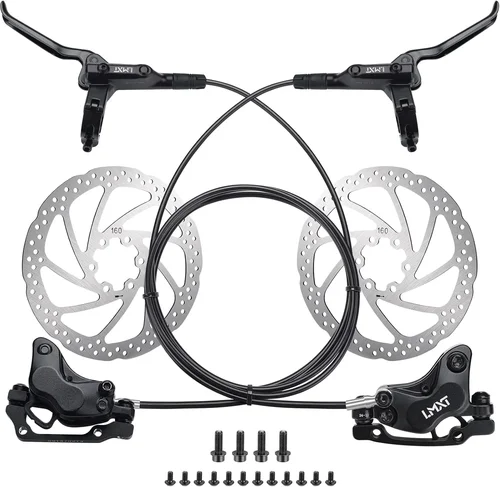
❌ Mistake: Prioritizing Price Over Performance
Why it’s bad: Going for the cheapest brakes might save you money upfront, but it can cost you in safety, performance, and long-term reliability. Budget brakes often use lower-quality materials, weaker pistons, and inferior seals, leading to faster wear, poor modulation, and increased risk of failure.
What to do instead: Invest in a mid-range or premium system that matches your riding intensity. A $200 brake that lasts three years and performs flawlessly is a better value than a $80 brake that fails after six months.
❌ Mistake: Ignoring Rotor Size and Compatibility
Why it’s bad: A high-power caliper is only as good as the rotor it’s paired with. Using a 160mm rotor with a 4-piston brake limits performance and increases the risk of overheating. Conversely, oversized rotors on lightweight bikes can lead to harsh, grabby braking.
What to do instead: Match rotor size to your riding style: 180mm for XC, 203mm for trail/enduro, 220mm for downhill. Always check frame and fork clearance before upgrading.
❌ Mistake: Overlooking Bleeding and Maintenance
Why it’s bad: Hydraulic systems require periodic bleeding to remove air bubbles and maintain performance. Neglecting this leads to spongy levers, reduced power, and eventual failure. Many riders assume brakes are “maintenance-free,” but they’re not.
What to do instead: Learn how to bleed your brakes or find a trusted mechanic. Keep a maintenance schedule and use the correct fluid (DOT 5.1 for SRAM, mineral oil for Shimano/Magura).
❌ Mistake: Choosing Based on Looks or Brand Hype
Why it’s bad: Flashy colors or celebrity endorsements don’t guarantee performance. Some riders buy brakes because they “look cool” or are used by pros, only to find they don’t suit their needs.
What to do instead: Focus on real-world performance, reviews, and compatibility. A brake that looks great but feels vague under pressure isn’t worth it.
❌ Mistake: Not Testing Before Buying
Why it’s bad: Brake feel is highly personal. What works for a friend or a pro rider might not work for you. Buying without testing can lead to discomfort, poor control, and wasted money.
What to do instead: Demo bikes at local shops, attend trail days, or borrow a friend’s setup. Pay attention to lever feel, modulation, and overall confidence.
❌ Mistake: Forgetting About Spare Parts and Service
Why it’s bad: Some niche or imported brands have limited availability of pads, rotors, or service kits. If you’re stuck on a remote trail with a seized piston, you’re out of luck.
What to do instead: Choose a system with widely available parts and strong dealer support. Shimano and SRAM parts are stocked at nearly every bike shop.
Budget Guidelines: How Much Should You Spend?
Entry-Level ($50 – $120): These brakes are ideal for beginners, casual riders, or those on a tight budget. Expect basic 2-piston designs with adequate power for light trail use. Brands like Tektro and Zoom offer reliable options in this range. While they won’t match premium systems in modulation or durability, they’re a solid starting point.
Mid-Range ($120 – $250): This is the sweet spot for most riders. You’ll find excellent 2- and 4-piston brakes from Shimano (Deore, SLX), SRAM (Guide T, G2), and Magura (MT5). These offer strong performance, good modulation, and solid build quality. Perfect for trail, all-mountain, and light enduro riding.
Premium ($250 – $400): Designed for serious riders and racers. Expect top-tier materials, advanced piston designs, and superior heat management. Models like the Shimano XT, SRAM Code R, and Magura MT7 deliver race-ready performance with excellent reliability.
Luxury ($400+): The pinnacle of braking technology. These include wireless systems (SRAM AXS), custom builds (Hope XCR), and downhill-specific setups (Shimano Saint). They offer unmatched power, precision, and integration—but at a significant cost. Only recommended for professionals or enthusiasts who demand the absolute best.
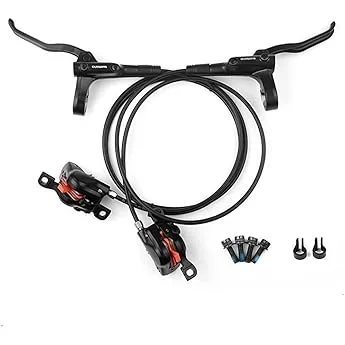
Expert Tips for Getting the Best Deal
– Buy During Off-Season Sales: Look for discounts in late fall and winter when demand is low. Many retailers clear out old stock to make room for new models.
– Check Direct from Manufacturers: Brands like Magura and Hope often run exclusive promotions or bundle deals on their websites.
– Consider Last Year’s Models: Brake technology evolves slowly. A 2024 model with minor updates often performs nearly identically to a 2025 version—but at a lower price.
– Shop at Local Bike Shops: Support local businesses and get expert advice. Many shops offer free installation or tune-ups with brake purchases.
– Read Real User Reviews: Look beyond marketing claims. Sites like Pinkbike, MTBR, and Amazon reviews offer honest feedback from real riders.
– Bundle with Other Upgrades: Some retailers offer discounts when you buy brakes, rotors, and pads together.
– Watch for Demo Programs: Some brands let you test brakes before buying. Take advantage of these to find your perfect match.
– Don’t Forget the Rotors: High-quality rotors (like Shimano Ice Tech or SRAM Centerline) can significantly improve performance. Budget for them separately.

Frequently Asked Questions
Q: Are hydraulic brakes better than mechanical disc brakes?
A: Yes, in almost every way. Hydraulic brakes offer superior power, modulation, and consistency. They require less hand effort, perform better in wet conditions, and are less prone to cable stretch or contamination. Mechanical brakes are cheaper and easier to maintain, but they can’t match hydraulic performance for serious riding.
Q: Can I mix and match brake brands with my drivetrain?
A: Generally, yes—but with caveats. Most hydraulic brakes are compatible across brands as long as the mount type and rotor size match. However, for optimal integration (like shifter/brake combos), sticking to one brand (e.g., Shimano with Shimano) is recommended.
Q: How often should I bleed my hydraulic brakes?
A: It depends on usage. Light riders may only need a bleed every 12–18 months. Aggressive or frequent riders should bleed every 6–12 months. Signs you need a bleed include a spongy lever, reduced power, or visible air bubbles in the hose.
Q: What’s the difference between DOT fluid and mineral oil?
A: DOT fluid (used by SRAM) is hygroscopic—it absorbs moisture over time, which can lead to corrosion and reduced performance. Mineral oil (used by Shimano, Magura) doesn’t absorb water but can degrade seals if contaminated. Never mix the two—they’re incompatible.
Q: Can I upgrade my brakes without changing my rotors?
A: Usually, yes—but only if the new caliper supports your existing rotor size. Most modern calipers are compatible with 160mm to 203mm rotors. Always check compatibility before upgrading.
Q: Are 4-piston brakes overkill for trail riding?
A: Not necessarily. While 2-piston brakes are sufficient for XC, 4-piston models offer better control and fade resistance on technical descents. Many trail riders prefer the extra confidence, especially on steep or rocky terrain.
Q: How do I know if my brakes need new pads?
A: Most pads have wear indicators—grooves that disappear as the pad wears down. If the pad is less than 1mm thick or you hear grinding, it’s time to replace them. Also check for glazing (shiny surface), which reduces grip.
Q: Can I install hydraulic brakes myself?
A: Yes, if you have basic mechanical skills and the right tools. However, bleeding the system requires precision. If you’re unsure, have a professional do it—air in the system can compromise safety.
Q: Do I need different brakes for different terrains?
A: Ideally, yes. XC riders benefit from lightweight 2-piston setups, while downhill riders need heavy-duty 4-piston systems. If you ride a variety of terrain, a versatile 4-piston trail brake (like the Shimano XT or SRAM G2) is a great compromise.
Q: Are wireless brakes worth the extra cost?
A: For most riders, no. Wireless systems offer convenience and clean integration, but they’re expensive and require charging. Traditional hydraulic brakes still offer the best performance-to-price ratio.
Our Final Recommendations
Best for Budget-Conscious Buyers: Shimano Deore BR-M6100 – At around $100 per pair, these 2-piston brakes deliver reliable performance, easy maintenance, and excellent compatibility. Perfect for entry-level riders or as a backup set.
Best Overall Value: SRAM G2 R – A 4-piston powerhouse at a mid-range price ($220). Offers strong stopping power, great modulation, and a comfortable lever feel. Ideal for trail and enduro riders.
Best Premium Option: Shimano XT BR-M8120 – The gold standard for trail and all-mountain riding. Combines 4-piston power, Ice Tech rotors, and legendary Shimano reliability. A favorite among pros and enthusiasts.
Best for Beginners: Tektro HD-M275 – Affordable, easy to set up, and surprisingly capable. Great for learning the ropes without breaking the bank.
Best for Advanced Users: Magura MT7 Pro – Lightweight, ultra-responsive, and built for performance. With adjustable levers, high-modulation feel, and race-ready power, it’s a top choice for competitive riders.
Conclusion: Making the Right Choice
Choosing the best hydraulic brakes for your mountain bike isn’t just about specs or brand names—it’s about matching the right tool to your riding style, terrain, and personal preferences. Whether you’re shredding downhill runs, cruising cross-country trails, or just enjoying weekend rides with friends, your brakes should give you confidence, control, and peace of mind.
Throughout this guide, we’ve covered the essentials: from braking power and modulation to heat management, compatibility, and budget. We’ve compared different types, highlighted common mistakes, and offered expert tips to help you get the best deal. Now, it’s time to take action.
Start by assessing your needs. How aggressive is your riding? What kind of terrain do you tackle most? How much are you willing to spend? Use the recommendations and comparisons here to narrow your options. Don’t rush—take the time to research, test, and ask questions. And remember: the best brake is the one that makes you feel safe and in control, mile after mile.
Investing in quality hydraulic brakes is one of the smartest upgrades you can make for your mountain bike. It’s not just about performance—it’s about safety, enjoyment, and the freedom to ride harder and farther than ever before. So gear up, hit the trails, and brake with confidence. Your next great ride starts with the right stop.