
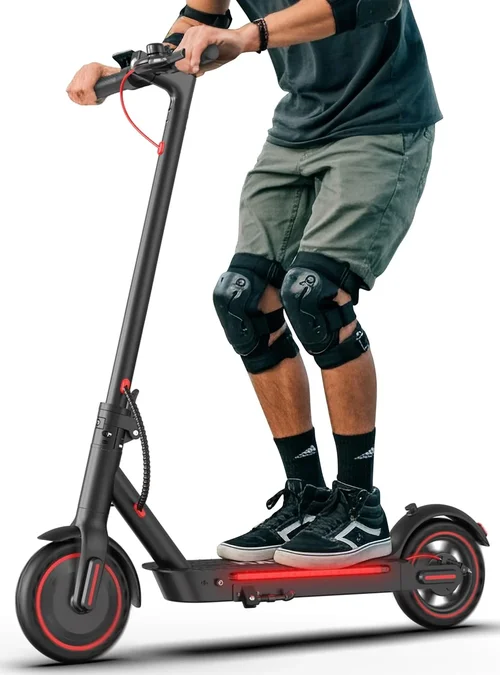
Electric scooters have evolved from niche urban curiosities to mainstream mobility solutions, reshaping how millions commute, explore cities, and reduce their carbon footprint. Whether you’re dodging traffic on your daily commute, zipping through campus between classes, or simply enjoying a weekend joyride, the right electric scooter can be a game-changer. But with dozens of brands, hundreds of models, and rapidly advancing technology hitting the market every year, choosing the best electric scooter in 2026 has never been more overwhelming—or more important.
That’s exactly why this guide exists. We’ve spent months researching, testing, and analyzing the latest electric scooters to bring you a comprehensive, expert-level buying guide that cuts through the marketing noise and delivers real, actionable insights. You’ll learn not just which scooters are currently leading the pack, but how to evaluate them based on your unique needs—whether you prioritize speed, range, portability, or budget. From understanding key performance metrics to avoiding common purchasing pitfalls, this guide equips you with everything you need to make a confident, informed decision. The electric scooter market in 2026 is more competitive than ever, with innovations in battery tech, smart connectivity, safety features, and eco-friendly materials. With prices ranging from under $300 to well over $2,000, there’s a scooter for nearly every lifestyle and use case—but only if you know what to look for.
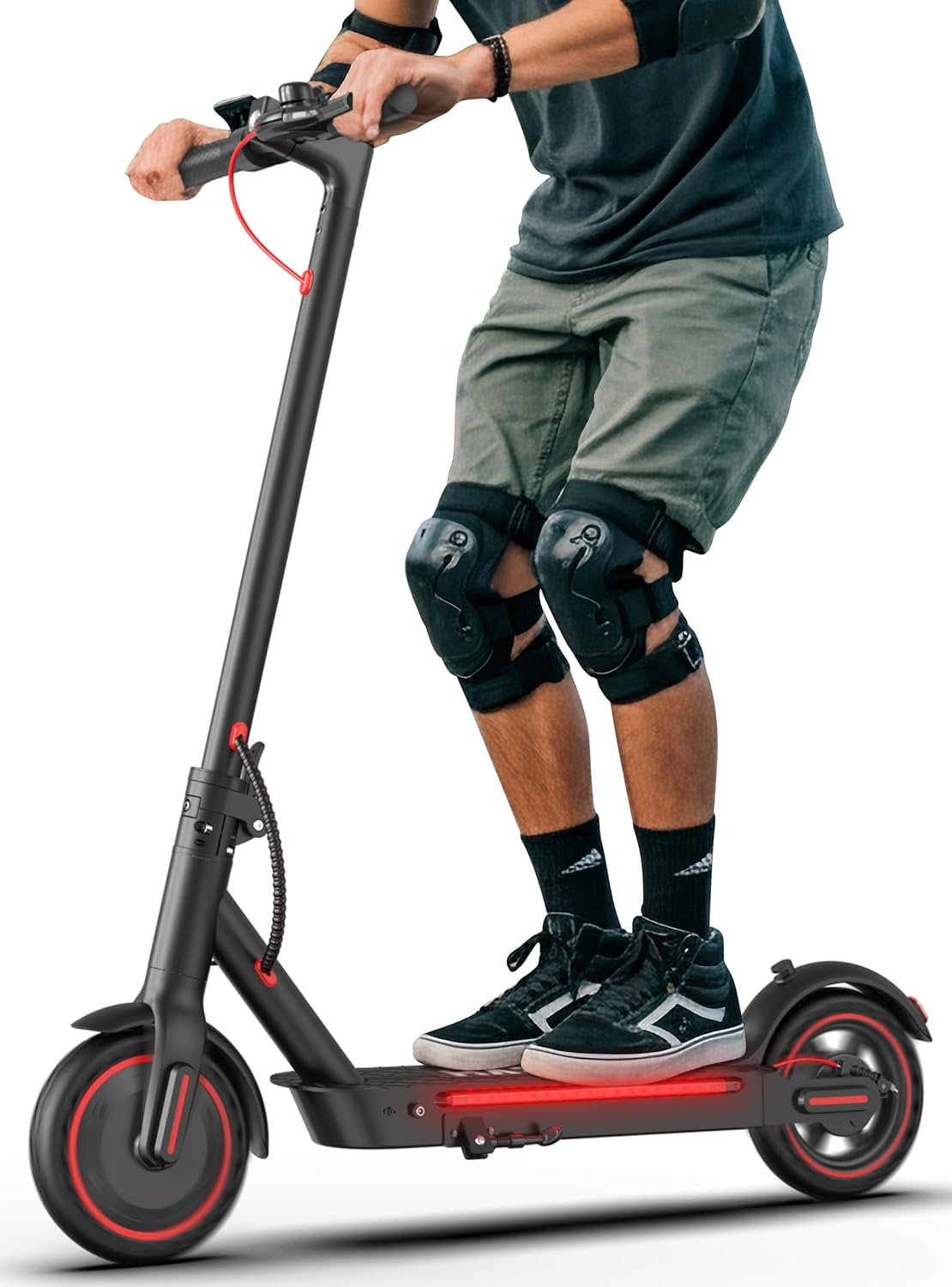
What to Look for When Buying Gotrax
1. Budget & Price Range
Your budget is the foundation of your entire decision-making process. Electric scooters span a wide price spectrum, and while it’s tempting to go for the cheapest option, doing so often leads to disappointment in performance, durability, or safety. At the same time, spending top dollar doesn’t always guarantee the best value—especially if you don’t need premium features.
When setting your budget, consider not just the upfront cost but also long-term expenses like maintenance, battery replacement (typically every 2–4 years), and potential accessories (helmets, locks, phone mounts). A good rule of thumb: if you plan to use your scooter regularly—more than a few times a week—investing in a mid-range or higher model pays off in reliability and longevity.
2. Performance Specifications
Performance specs are where many buyers get tripped up. Terms like “motor power,” “top speed,” and “range” sound straightforward, but they’re often exaggerated or measured under ideal lab conditions. Understanding what these numbers really mean is crucial.
Start with motor power, typically measured in watts (W). A 250W motor suits flat urban commutes and lighter riders, while 500W–800W motors handle hills and heavier loads with ease. For serious off-road or high-speed riding, look for 1000W+ dual-motor setups. However, wattage alone doesn’t tell the whole story—torque, controller efficiency, and battery voltage also play key roles.
Top speed is another flashy spec, but practicality matters more. Most city speed limits cap e-scooters at 15–20 mph, and riding faster increases accident risk and battery drain. A realistic top speed of 18–22 mph is more than sufficient for most users.
Range is perhaps the most misunderstood metric. Manufacturers often quote “up to” ranges based on perfect conditions: flat terrain, light rider, no wind, and minimal acceleration. In real-world use, expect 60–80% of the advertised range. Always check independent reviews for verified range tests.
3. Build Quality & Durability
An electric scooter is a mechanical device subjected to constant vibration, weather exposure, and physical stress. Poor build quality leads to premature failure—wobbly handlebars, cracked decks, loose wiring, or seized motors.
Look for scooters made with aircraft-grade aluminum frames, reinforced folding mechanisms, and IP ratings for water and dust resistance (IP54 or higher is ideal). Check hinge quality—many budget scooters fail at the folding joint. Also, inspect tire type: solid rubber tires are puncture-proof but offer a harsher ride; air-filled (pneumatic) tires provide better shock absorption but require occasional maintenance.
Weight capacity is another durability factor. Most scooters support 220–300 lbs, but exceeding this limit strains the motor and frame. If you’re near or above the max weight, opt for a heavy-duty model designed for higher loads.
4. Features & Functionality
Modern electric scooters come packed with features that enhance safety, convenience, and ride quality. Prioritize based on your usage patterns.
Essential features include:
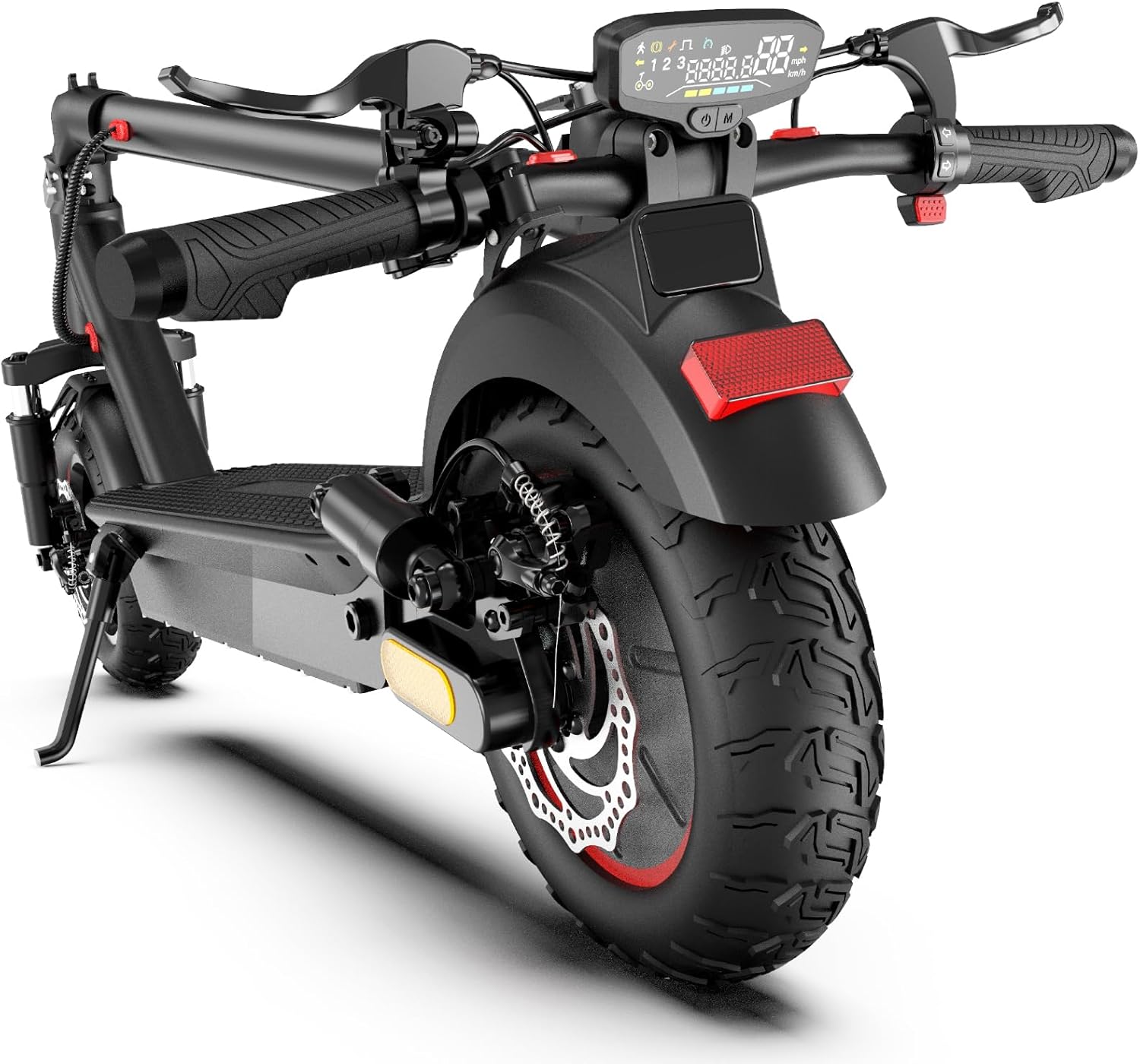
– Dual braking system: Combines electronic and mechanical (disc/drum) brakes for reliable stopping power.
– LED lighting: Front headlight and rear brake light for visibility at night.
– Suspension: Front, rear, or dual suspension smooths out bumps—critical for rough roads or long rides.
– Display & Connectivity: A clear LCD or LED display shows speed, battery, and mode. Some models offer Bluetooth app integration for ride tracking, anti-theft alerts, and firmware updates.
– Regenerative Braking: Recovers energy during braking to extend range—common in higher-end models.
Avoid “feature bloat.” Fancy add-ons like built-in speakers or RGB lights may sound cool but add cost and complexity without improving core functionality.
5. Brand Reputation
Not all brands are created equal. Established companies like Gotrax, Segway-Ninebot, Xiaomi, and Apollo have proven track records for quality control, customer service, and post-purchase support. Lesser-known brands may offer tempting deals, but they often lack spare parts, reliable warranties, or responsive support teams.
Research brand history: How long have they been in business? Do they manufacture their own components or rely on third-party factories? Check forums like Reddit’s r/ElectricScooters or YouTube review channels for long-term user experiences. A brand with consistent positive feedback over several years is far more trustworthy than one with flashy ads and no community presence.
6. Warranty & Support
A scooter is an investment, and a solid warranty protects that investment. Most reputable brands offer 6–12 months of coverage, with premium models sometimes including 18–24 months. Pay attention to what’s covered: motors, batteries, controllers, and frames should all be included. Exclusions like tires, brakes, or cosmetic damage are normal.
Customer support matters just as much. Can you easily reach a human? Is there a U.S.-based service center? Do they offer replacement parts for older models? Brands with local repair networks or mail-in service programs save you time and hassle. Avoid companies that only offer email support with multi-day response times.
7. Size & Portability
If you plan to carry your scooter on public transit, store it under a desk, or take it on trips, portability is non-negotiable. Consider folded dimensions, weight, and carry comfort.
Most commuter scooters fold down to roughly 45” x 18” x 6” and weigh 25–35 lbs. Heavier models (40+ lbs) become cumbersome over time. Look for ergonomic handles, balanced weight distribution, and smooth folding mechanisms. Some scooters include carrying straps or wheels for easier transport.
Wheel size also affects portability and ride quality. Smaller wheels (6”–8”) are compact but struggle with cracks and potholes. Larger wheels (10”+) offer better stability and comfort but increase bulk.
8. User Reviews & Ratings
Never rely solely on manufacturer claims. Real-world user reviews reveal flaws that spec sheets hide—like poor battery life after six months, rattling parts, or unresponsive customer service.
Use multiple sources: Amazon, Best Buy, specialized review sites, and YouTube unboxings. Look for patterns: if five reviewers mention the same issue (e.g., “brakes squeak after rain”), it’s likely a design flaw. Pay special attention to long-term reviews (6+ months) to assess durability.
Different Types of Gotrax
Common Buying Mistakes to Avoid
❌ Mistake: Prioritizing Top Speed Over Real-World Usability
Why it’s bad: Scooters advertised with “30+ mph top speeds” often achieve those speeds only under perfect conditions with lightweight riders. In reality, most city commutes don’t require speeds beyond 20 mph, and higher speeds increase braking distance and accident risk.
What to do instead: Focus on consistent performance, braking efficiency, and comfort. A scooter that maintains 18 mph steadily with strong brakes is safer and more practical than one that briefly hits 30 mph but overheats or wobbles.
❌ Mistake: Ignoring Weight and Portability Needs
Why it’s bad: Buying a 45-lb scooter when you need to carry it up three flights of stairs daily leads to frustration and eventual abandonment. Many users regret not considering how often they’ll need to lift or transport their scooter.
What to do instead: Test the weight yourself—lift the display model in-store or check detailed specs. If you’ll be folding and carrying frequently, aim for under 30 lbs and look for ergonomic handles.
❌ Mistake: Overlooking Battery Chemistry and Longevity
Why it’s bad: Not all lithium batteries are equal. Cheap scooters often use lower-grade cells that degrade faster, losing 20–30% capacity within a year. This drastically reduces range and requires costly replacements.
What to do instead: Look for scooters using reputable battery brands (e.g., Samsung, LG, Panasonic) and check warranty terms for battery coverage. Avoid models with non-removable batteries unless the brand has a strong track record.
❌ Mistake: Skipping Safety Features for Aesthetics
Why it’s bad: Flashy designs with minimal lighting, weak brakes, or no suspension may look cool but compromise safety—especially at night or on wet roads.
What to do instead: Prioritize functional safety: bright headlights, responsive brakes, and stable handling. Remember, you can always customize aesthetics later with accessories.
❌ Mistake: Buying Based Solely on Price
Why it’s bad: The cheapest scooter often costs more in the long run due to repairs, short lifespan, or poor performance. Conversely, overspending on features you’ll never use wastes money.
What to do instead: Match your budget to your usage. Occasional riders can get by with entry-level models; daily commuters should invest in mid-range reliability.
❌ Mistake: Not Researching Local Laws and Regulations
Why it’s bad: Many cities restrict e-scooter speed, require helmets, or ban riding on sidewalks. Buying a high-speed scooter only to find it’s illegal in your area defeats the purpose.
What to do instead: Check your city or state’s micromobility laws before purchasing. Some scooters offer speed limiters or geo-fencing to comply with local rules.
❌ Mistake: Ignoring After-Sales Support
Why it’s bad: A scooter is useless if it breaks and you can’t get it fixed. Brands with poor support leave you stranded with a $600 paperweight.
What to do instead: Choose brands with local service centers, clear warranty policies, and positive customer service reviews. Test responsiveness by contacting support before buying.
Budget Guidelines: How Much Should You Spend?
Entry-Level ($250–$450): Ideal for students, casual riders, or short urban trips under 5 miles. Expect basic features: single braking, minimal suspension, 10–15 mph top speed, and 8–12 mile range. Build quality varies—stick to reputable brands like Gotrax or Xiaomi. Great for trying out e-scooters without major commitment.
Mid-Range ($500–$900): The sweet spot for most buyers. These scooters offer reliable performance, dual brakes, decent suspension, 15–25 mile ranges, and speeds of 18–22 mph. Models like the Gotrax G4 or Segway Ninebot MAX G30 fit here. They’re durable enough for daily use and often include smart features like app connectivity.
Premium ($1,000–$1,800): For enthusiasts, long-distance commuters, or those tackling hills and rough terrain. Expect high-capacity batteries (48V+), powerful motors (800W–1200W), advanced suspension, and premium materials. These scooters often last 3–5 years with proper care and offer the best ride quality.
Luxury ($1,800+): Top-tier performance with cutting-edge tech: dual motors, 30+ mph speeds, 40+ mile ranges, carbon fiber components, and integrated GPS. Brands like Dualtron, Kaabo, and Apollo dominate this space. Best for riders who treat their scooter as a primary vehicle or hobby.
Expert Tips for Getting the Best Deal
1. Time Your Purchase Around Sales Cycles: Major discounts happen during Black Friday, Cyber Monday, Amazon Prime Day, and back-to-school seasons (July–August). Many brands also offer end-of-year clearance deals in December as new models launch.
2. Buy Direct from Manufacturer or Authorized Retailers: Avoid third-party sellers on marketplaces who may sell refurbished units as new. Gotrax, for example, offers exclusive bundles and extended warranties on their official site.
3. Look for Refurbished or Open-Box Deals: Certified refurbished scooters from reputable sellers often come with full warranties and cost 20–30% less. These are thoroughly tested and ideal for budget-conscious buyers.
4. Bundle Accessories: Some retailers offer free helmets, locks, or phone mounts with purchase. Compare total value—not just scooter price—when evaluating deals.
5. Check Return Policies: Ensure you have at least 14–30 days to test the scooter. Some brands charge restocking fees or require original packaging, so read the fine print.
6. Test Ride When Possible: Visit local stores or scooter demo events. Feel the acceleration, braking, and comfort firsthand. Online reviews can’t replicate the physical experience.
7. Join Loyalty Programs: Brands like Gotrax offer email newsletters with early access to sales, member-only discounts, and free shipping.
8. Consider Financing Options: Some retailers offer 0% APR financing for 6–12 months. This spreads out cost without interest—perfect for mid-range purchases.

Frequently Asked Questions
Q: How long do electric scooter batteries last?
A: Most lithium-ion batteries last 500–1,000 charge cycles, equating to 2–4 years of regular use. Capacity gradually declines over time—expect 10–20% range loss after the first year. Proper care (avoiding full discharges, storing at 50% charge in winter) extends lifespan.
Q: Can I ride an electric scooter in the rain?
A: It depends on the IP rating. Scooters with IP54 or higher can handle light rain and splashes, but avoid deep puddles or heavy downpours. Never submerge the scooter or charge a wet battery. Always dry it thoroughly after wet rides.
Q: Are electric scooters legal in my city?
A: Laws vary widely. Many U.S. cities allow e-scooters on roads and bike lanes with speed limits (typically 15–20 mph). Some require helmets, lights, or registration. Check your local transportation department’s website for specifics.
Q: How fast can electric scooters go?
A: Entry-level models top out at 15 mph, mid-range at 18–22 mph, and high-performance scooters reach 30–40+ mph. Always wear protective gear at higher speeds and obey local speed limits.
Q: Do I need insurance for my electric scooter?
A: In most U.S. states, no—but it’s wise to check. Some homeowners or renters insurance policies cover liability for e-scooter accidents. For high-value scooters, consider specialized micromobility insurance.
Q: Can I take my scooter on a plane?
A: Most airlines allow e-scooters with removable batteries under 160Wh in carry-on luggage. Larger batteries (common in premium models) may require special approval or be prohibited. Always check airline policies before traveling.
Q: How do I maintain my electric scooter?
A: Regular maintenance includes checking tire pressure (if pneumatic), tightening bolts, cleaning the deck, and inspecting brakes. Store in a dry place, avoid extreme temperatures, and charge regularly—even if not in use.
Q: What’s the difference between hub motors and belt drives?
A: Hub motors are built into the wheel—simple, quiet, and low-maintenance. Belt drives use a motor connected via belt to the wheel—offer better torque and efficiency but require occasional belt replacement. Most modern scooters use hub motors for reliability.
Q: Can I upgrade my scooter’s battery or motor?
A: Generally, no. Scooters are engineered as complete systems; modifying components voids warranties and can cause safety issues. If you need more range or power, buy a higher-spec model.
Q: Are electric scooters eco-friendly?
A: Compared to cars, yes—they produce zero emissions during use and have a much smaller carbon footprint over their lifespan. However, battery production and disposal have environmental impacts. Choose brands with recycling programs and long-lasting designs.
Our Final Recommendations
Best for Budget-Conscious Buyers: Gotrax GXL V2 ($349)
A reliable entry-level scooter with 15.5 mph top speed, 12-mile range, and solid build quality. Perfect for students and short commutes. Includes front suspension and LED lights—uncommon at this price.
Best Overall Value: Gotrax G4 ($649)
Combines 20 mph speed, 25-mile range, dual braking, and a sleek design. Features app connectivity, regenerative braking, and a bright headlight. Ideal for daily commuters who want performance without premium pricing.
Best Premium Option: Apollo Explore ($1,299)
With a 52V battery, 28 mph top speed, 31-mile range, and full suspension, this scooter handles hills and long distances with ease. Includes turn signals, phone mount, and excellent customer support.
Best for Beginners: Xiaomi Mi Electric Scooter 4 Lite ($499)
User-friendly interface, lightweight (26.9 lbs), and smooth ride. Great for first-time riders thanks to intuitive controls and stable handling.
Best for Advanced Users: Dualtron Thunder 3 ($2,499)
A powerhouse with dual 1,200W motors, 50+ mph speed, 75-mile range, and hydraulic brakes. Built for speed demons and long-distance adventurers who demand top-tier performance.
Conclusion: Making the Right Choice
Choosing the best electric scooter in 2026 isn’t about finding the flashiest model or the cheapest deal—it’s about aligning your purchase with your lifestyle, needs, and long-term goals. Whether you’re commuting across town, exploring weekend trails, or simply reducing your carbon footprint, the right scooter becomes an extension of your daily routine.
We’ve covered everything from budget planning and performance specs to avoiding common pitfalls and understanding real-world usability. Remember: prioritize safety, durability, and support over gimmicks. Read reviews, test when possible, and don’t rush the decision. A well-chosen scooter will serve you reliably for years, saving time, money, and stress.
Now that you’re armed with expert knowledge, take the next step. Compare your top contenders, check current deals, and ride with confidence. The perfect electric scooter is out there—and with this guide, you’re ready to find it.