
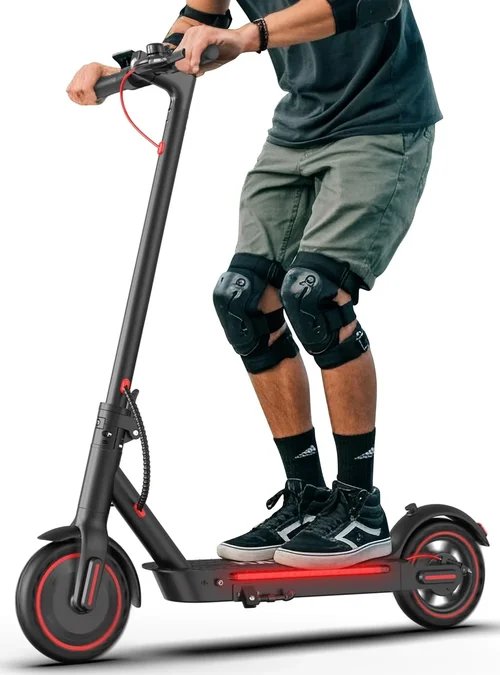
Electric scooters have evolved from niche urban curiosities into mainstream transportation solutions—and for good reason. In 2026, the market is more competitive, innovative, and accessible than ever before. Whether you’re commuting across city streets, zipping through campus pathways, or simply looking for a fun and eco-friendly way to get around, an electric scooter can be a game-changer. But with dozens of brands, hundreds of models, and a dizzying array of specs, choosing the right one can feel overwhelming. That’s where this guide comes in.
This comprehensive buying guide is designed to cut through the noise and help you make a smart, informed decision. We’ll walk you through every critical factor—from performance and build quality to budget considerations and hidden pitfalls—so you can find the perfect scooter for your lifestyle. You’ll learn how to evaluate real-world range, understand motor power vs. actual speed, assess safety features, and avoid common buyer traps. By the end, you’ll not only know what to look for but also how to get the best value for your money.
The electric scooter market in 2026 is diverse and dynamic. Entry-level models now offer surprising reliability, while premium scooters boast smartphone integration, regenerative braking, and suspension systems that rival bicycles. Brands like Gotrax, Xiaomi, Segway-Ninebot, and Apollo are pushing boundaries with smarter batteries, app connectivity, and modular designs. Whether you’re a first-time buyer or upgrading from an older model, understanding the current landscape is essential. This guide will equip you with the knowledge to navigate it confidently.
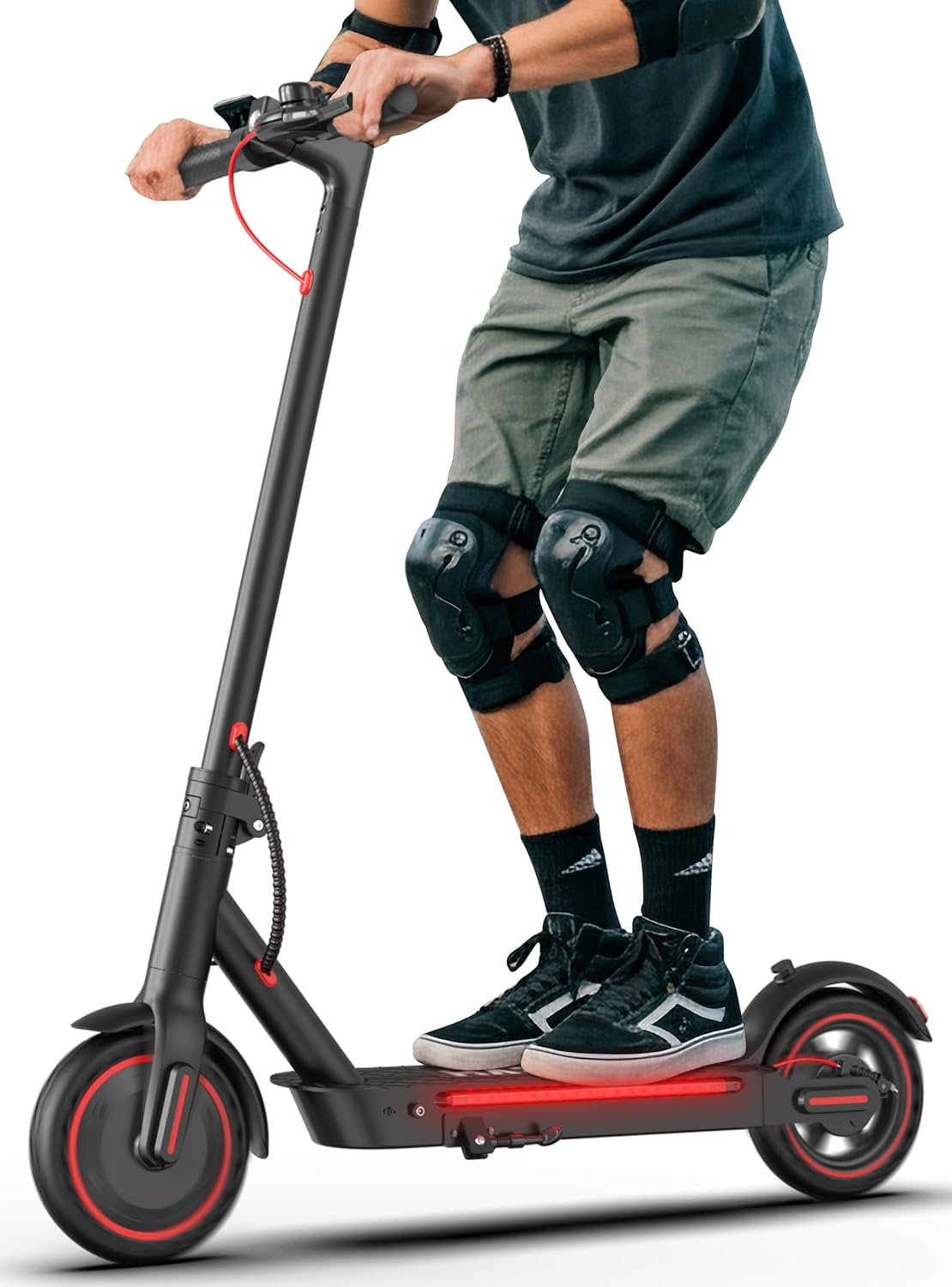
What to Look for When Buying Gotrax
1. Budget & Price Range
Your budget is the foundation of your purchase decision. Electric scooters vary widely in price—from under $300 for basic commuter models to over $2,000 for high-performance machines. Setting a realistic budget helps narrow your options and prevents overspending on features you don’t need. For most casual riders, a scooter between $400 and $800 offers the best balance of performance, durability, and value.
When setting your budget, consider not just the upfront cost but also long-term expenses like maintenance, replacement tires, and potential battery upgrades. A cheaper scooter might save you money initially but could cost more over time if it breaks down frequently or has a short battery lifespan. Always ask: “What am I getting for my money?” and “Will this last me at least 2–3 years with regular use?”
2. Performance Specifications
Performance is where many buyers get tripped up by marketing hype. Key specs to evaluate include motor power (measured in watts), top speed, range, and hill-climbing ability. A 250W motor might sound impressive, but in reality, it’s only suitable for flat terrain and light riders. For city commuting with occasional inclines, aim for at least 350W–500W. High-performance scooters often feature dual motors (e.g., 500W + 500W), delivering speeds over 25 mph and tackling steep hills with ease.
Range is another critical spec—but beware of manufacturer claims. Most brands advertise “up to” a certain distance under ideal conditions (light rider, flat ground, no wind). In real-world use, expect 60–70% of that number. For example, a scooter claiming 25 miles of range may realistically deliver 15–18 miles. Always check independent reviews or user reports for real-world range data. Also consider battery type: lithium-ion (Li-ion) batteries are standard and offer good energy density, while newer lithium iron phosphate (LiFePO4) batteries last longer but are heavier.
3. Build Quality & Durability
A scooter is only as good as its construction. Look for a sturdy frame made from aircraft-grade aluminum or reinforced steel. Check the weight capacity—most scooters support 220–300 lbs, but heavier riders should verify this before buying. Pay attention to the deck size and grip tape; a wider, non-slip deck improves stability and comfort, especially on longer rides.
Suspension matters too. Entry-level models often have no suspension, which can make bumpy roads uncomfortable. Mid-range and premium scooters may include front, rear, or dual suspension systems. If you plan to ride on uneven pavement or gravel paths, suspension is worth the extra cost. Also inspect the folding mechanism—cheaper scooters may have wobbly locks or weak hinges that fail over time.
4. Features & Functionality
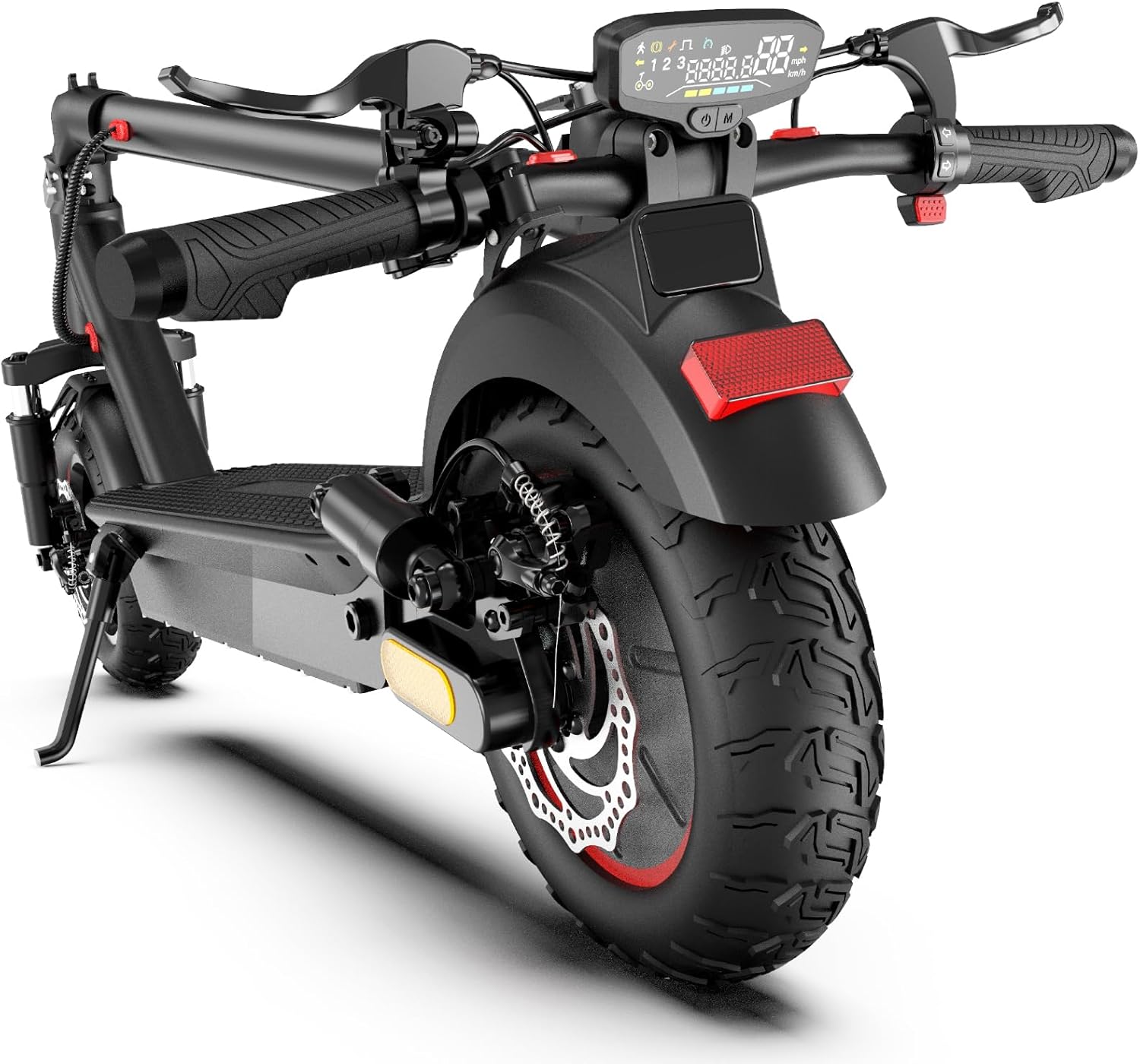
Modern electric scooters come packed with features that enhance safety, convenience, and ride quality. Essential features include bright LED headlights and taillights (with brake-activated lights), a clear digital display showing speed, battery level, and ride mode, and responsive electronic or disc brakes. Regenerative braking, which recharges the battery slightly when slowing down, is a nice bonus found in higher-end models.
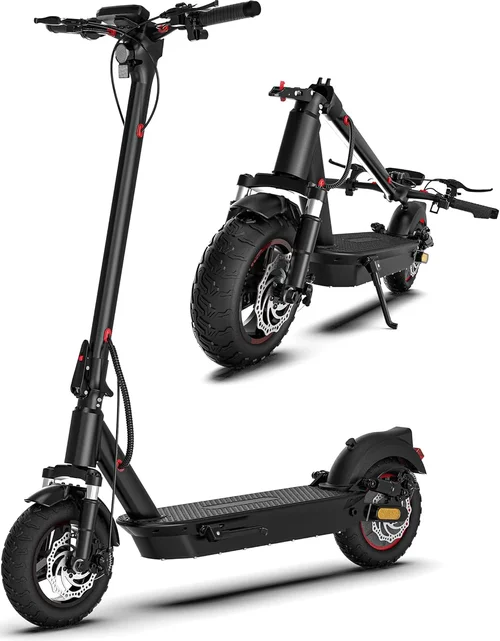
Connectivity is becoming standard. Many 2026 scooters offer Bluetooth app integration, allowing you to lock the scooter, track rides, update firmware, and even customize speed limits. Some include GPS tracking for anti-theft protection. Other useful features include cruise control (great for long, steady commutes), multiple ride modes (Eco, Sport, Turbo), and USB charging ports for your phone. Don’t overlook tire type: air-filled (pneumatic) tires offer better shock absorption, while solid or honeycomb tires are puncture-proof but harsher on rough roads.
5. Brand Reputation
Not all brands are created equal. Established names like Gotrax, Xiaomi, Segway-Ninebot, and Apollo have proven track records for reliability and customer service. Gotrax, in particular, has built a strong reputation for affordable, user-friendly scooters that perform well for daily commuting. Reading customer reviews on trusted platforms like Amazon, Reddit, or specialized forums can reveal patterns—consistent complaints about battery life or brake failure are red flags.
Also consider where the scooter is designed and manufactured. Brands with local support teams (e.g., U.S.-based customer service) tend to resolve issues faster. Check if the company offers firmware updates—this shows they’re committed to long-term product improvement. Avoid unknown brands with no online presence or overly aggressive discounting; they may disappear after a few months, leaving you without support.
6. Warranty & Support
A solid warranty is a sign of a manufacturer’s confidence in their product. Most reputable brands offer at least a 12-month warranty covering defects in materials and workmanship. Some premium models come with 18–24 months. Pay attention to what’s included: does it cover the battery, motor, and electronics? Is labor included, or do you pay for shipping and repairs?
Customer support matters just as much. Can you reach a real person quickly? Are replacement parts (like tires, brake pads, or chargers) readily available? Gotrax, for example, provides U.S.-based support and sells spare parts online, which is a major advantage over brands that require international shipping. Before buying, test the support by sending a pre-purchase question—see how fast and helpful they are.
7. Size & Portability
If you plan to carry your scooter on public transit, store it under a desk, or take it on trips, portability is crucial. Look for a lightweight model (under 30 lbs is ideal) with a compact fold. Measure the folded dimensions—some scooters are surprisingly bulky even when folded. A built-in carry handle or shoulder strap makes a big difference when lifting.
Wheel size also affects portability and ride quality. Smaller wheels (6–8 inches) are lighter and more compact but struggle with cracks and potholes. Larger wheels (10+ inches) handle rough terrain better but add weight. If you need both portability and comfort, consider a scooter with 8.5–9 inch pneumatic tires—they strike a good balance.
8. User Reviews & Ratings
Never rely solely on manufacturer specs or flashy ads. Real user feedback reveals how a scooter performs in everyday conditions. Look for detailed reviews that mention long-term reliability, battery degradation after 6–12 months, and real-world range. Video reviews are especially helpful—they show the scooter in action, including folding, braking, and riding over bumps.
Pay attention to recurring themes. If multiple users report the same issue—like the display failing or the charger overheating—it’s likely a design flaw. Also check return rates and refund policies. A high number of returns could indicate quality control problems. Platforms like Trustpilot, YouTube, and Reddit’s r/ElectricScooters are excellent sources for unbiased opinions.
Different Types of Gotrax
Common Buying Mistakes to Avoid
❌ Mistake: Focusing Only on Top Speed
Why it’s bad: A high top speed sounds exciting, but it’s rarely useful in real city riding. Most urban areas have speed limits (often 15–20 mph), and riding faster increases accident risk. Scooters with excessive speed often sacrifice range, braking power, and stability.
What to do instead: Prioritize balanced performance. Look for a scooter with a top speed of 18–22 mph—fast enough for efficiency, safe enough for crowded streets. Focus more on acceleration, braking, and ride comfort.
❌ Mistake: Ignoring Real-World Range
Why it’s bad: Manufacturers often advertise maximum range under perfect conditions. If you weigh more than 150 lbs, ride uphill, or use Sport mode, your actual range could be 30–40% lower. Running out of battery mid-commute is frustrating and potentially dangerous.
What to do instead: Calculate your daily distance needs and choose a scooter with at least 50% more range than required. For a 10-mile round trip, pick a model rated for 18–20 miles. Check third-party reviews for real-world range tests.
❌ Mistake: Overlooking Braking System
Why it’s bad: Brakes are your first line of defense. Many budget scooters use basic electronic brakes, which are weak and wear out quickly. Disc brakes or regenerative + disc combos offer far better stopping power, especially in wet conditions.
What to do instead: Always verify the braking system. Look for dual braking (e.g., front disc + rear electronic) and test the scooter if possible. Avoid models with only foot brakes or weak regen braking.
❌ Mistake: Buying Based on Looks Alone
Why it’s bad: A sleek design doesn’t guarantee quality. Some scooters look modern but use flimsy materials, poor wiring, or outdated batteries. Flashy lights and colors can distract from critical performance issues.
What to do instead: Focus on functionality over form. A well-built scooter may not win design awards, but it will last longer and perform better. Read specs, watch reviews, and prioritize durability.
❌ Mistake: Skipping the Test Ride
Why it’s bad: You can’t judge ride quality from specs alone. A scooter might feel jerky, unstable, or uncomfortable after 10 minutes—even if the numbers look good. Online photos don’t show how it handles bumps or folds.
What to do instead: If possible, test ride before buying. Visit a local retailer or attend a demo event. If buying online, choose a seller with a generous return policy (30 days or more).
❌ Mistake: Ignoring Local Laws
Why it’s bad: Electric scooter regulations vary by city and state. Some areas require helmets, registration, or restrict where you can ride. A high-speed scooter might be illegal in your neighborhood.
What to do instead: Research local laws before purchasing. Check speed limits, helmet requirements, and whether scooters are allowed on sidewalks or bike lanes. Choose a model that complies with your area’s rules.
❌ Mistake: Not Planning for Maintenance
Why it’s bad: Like any vehicle, scooters need upkeep. Tires wear out, brakes degrade, and batteries lose capacity. Ignoring maintenance leads to breakdowns and shorter lifespan.
What to do instead: Learn basic maintenance: check tire pressure, clean the deck, inspect bolts, and store the scooter indoors. Keep spare parts like fuses and brake pads on hand. Follow the manufacturer’s care guide.
Budget Guidelines: How Much Should You Spend?
Entry-Level ($200–$400): These scooters are ideal for light use—short commutes, campus travel, or occasional rides. Expect basic features: 250W motor, 15–18 mph top speed, 10–15 mile range, and minimal suspension. Brands like Gotrax GXL and Xiaomi Mi Essential offer solid value here. Great for teens or first-time riders, but may struggle with hills or heavy loads.
Mid-Range ($400–$800): This is the sweet spot for most buyers. Scooters in this range offer 350W–500W motors, 18–22 mph speeds, 15–25 mile range, and better build quality. Features like app connectivity, dual braking, and pneumatic tires become common. Models like the Gotrax G4 or Segway Ninebot ES4 excel here, balancing performance, portability, and price.
Premium ($800–$1,500): For serious commuters and enthusiasts, premium scooters deliver high performance and advanced tech. Expect dual motors, 25+ mph speeds, 25–40 mile range, full suspension, and smart features like GPS tracking and customizable ride modes. These are built to last 3–5 years with regular use. Great for daily 10+ mile commutes or hilly terrain.
Luxury ($1,500+): Top-tier scooters are for those who want the best. Think Apollo, Dualtron, or Kaabo models with 1,000W+ motors, 35+ mph speeds, 40+ mile range, and premium materials. These often include carbon fiber components, hydraulic brakes, and modular designs. Ideal for long-distance travel, off-road adventures, or tech enthusiasts—but overkill for casual use.
Expert Tips for Getting the Best Deal
- Buy During Sales Seasons: The best deals happen during Black Friday, Cyber Monday, Amazon Prime Day, and end-of-summer clearances. Many brands discount older models to make room for new releases. Sign up for newsletters to get early access.
- Compare Retailers: Prices can vary significantly between Amazon, Walmart, Best Buy, and direct-from-brand stores. Sometimes the manufacturer offers exclusive bundles (e.g., free helmet or extended warranty). Check return policies—some retailers charge restocking fees.
- Look for Refurbished or Open-Box: Certified refurbished scooters from reputable sellers often come with warranties and cost 20–30% less. Open-box items (returned but unused) are another great deal, especially on Amazon Warehouse.
- Check for Student or Military Discounts: Some brands offer discounts for students, teachers, or military personnel. Gotrax, for example, occasionally runs promo codes for verified groups.
- Test Before You Buy: If you’re near a physical store, ask to test ride. Feel the acceleration, braking, and comfort. A 5-minute ride can reveal issues specs can’t show.
- Read the Fine Print on Warranties: Some warranties are void if you modify the scooter or use non-approved chargers. Keep your receipt and register the product promptly.
- Consider Bundles: Some retailers offer scooter + helmet + lock packages at a discount. These can save you $50–$100 compared to buying separately.
- Use Cashback and Rewards: Credit cards with cashback or shopping portals like Rakuten can add 2–5% savings. Combine with sales for maximum value.

Frequently Asked Questions
Q: How long do electric scooter batteries last?
A: Most lithium-ion batteries last 300–500 charge cycles before capacity drops to 80%. With daily use, that’s about 1.5–3 years. Proper care—avoiding full discharges, storing at 50% charge in winter, and using the correct charger—can extend lifespan. Some premium models now use LiFePO4 batteries, which last 1,000+ cycles.
Q: Can I ride an electric scooter in the rain?
A: It depends on the IP rating. Look for at least IP54 (splash-resistant) or IP65 (water-resistant). Avoid submerging the scooter or riding in heavy downpours. Wet conditions reduce tire grip and can damage electronics. Always dry the scooter thoroughly after rain.
Q: Are electric scooters safe?
A: They can be, with proper use. Always wear a helmet, follow traffic rules, and avoid busy roads if inexperienced. Choose a scooter with good brakes, lights, and stability. Avoid night riding without reflective gear. Most accidents happen due to rider error, not scooter failure.
Q: How fast do electric scooters go?
A: Most commuter scooters reach 15–22 mph. Performance models go 25–35 mph, and high-end off-road scooters can exceed 40 mph. Speed depends on motor power, rider weight, terrain, and battery level. Always ride within legal limits.
Q: Do I need a license or insurance?
A: In most U.S. states, no license is required for scooters under 20 mph. However, some cities require registration or insurance. Check local laws. Helmets are recommended or required in many areas, especially for minors.
Q: Can I take my scooter on a plane?
A: Most airlines allow folding scooters in checked baggage if the battery is under 160Wh and removable. Some permit carry-on if under size limits. Always check airline policies in advance. Remove the battery and pack it separately.
Q: How do I maintain my scooter?
A: Regular maintenance includes checking tire pressure, cleaning the deck, tightening bolts, and inspecting brakes. Charge the battery regularly—don’t let it sit at 0% for long periods. Store indoors in moderate temperatures. Replace worn parts promptly.
Q: What’s the difference between hub motors and belt drives?
A: Hub motors are built into the wheel—simple, quiet, and low-maintenance. Belt drives use a motor connected by a belt—more efficient at high speeds but require occasional tension adjustments. Most modern scooters use hub motors for reliability.
Q: Can I upgrade my scooter’s battery?
A: Some models allow battery upgrades, but it’s not common. Modifying the battery may void the warranty or damage the scooter. If you need more range, consider a model with a higher-capacity battery from the start.
Q: Are electric scooters eco-friendly?
A: Yes, compared to cars. They produce zero emissions during use and use less energy per mile. However, battery production has environmental impacts. Choosing a durable scooter and recycling the battery at end-of-life minimizes harm.
Our Final Recommendations
Best for Budget-Conscious Buyers: Gotrax GXL V2 – At around $350, this scooter offers reliable 15.5 mph speed, 12-mile range, and solid build quality. Perfect for students or short commutes. Includes app connectivity and dual braking.
Best Overall Value: Gotrax G4 – Priced around $600, the G4 delivers 20 mph speed, 25-mile range, and a robust frame. Features include a bright display, app control, and pneumatic tires. Ideal for daily commuters who want performance without premium pricing.
Best Premium Option: Apollo Explore – At $1,299, this scooter offers 28 mph speed, 34-mile range, dual suspension, and a sleek design. Great for long commutes and hilly areas. Includes GPS tracking and a high-quality build.
Best for Beginners: Xiaomi Mi Essential – Simple, lightweight, and easy to ride. At $399, it’s a great entry point with reliable performance and a minimalist design. Perfect for first-time riders.
Best for Advanced Users: Dualtron Thunder 3 – A powerhouse with dual 1,200W motors, 50+ mph speed, and 75-mile range. Built for enthusiasts who want maximum performance and off-road capability. Priced around $2,500.
Conclusion: Making the Right Choice
Choosing the right electric scooter isn’t just about picking the fastest or flashiest model—it’s about finding the one that fits your lifestyle, budget, and needs. Whether you’re commuting to work, exploring your city, or just looking for a fun way to get around, the right scooter can transform your daily routine. By focusing on key factors like performance, build quality, safety, and real-world usability, you’ll avoid common pitfalls and make a purchase you’ll be happy with for years.
Remember, the best scooter is the one you’ll actually use. Don’t overcomplicate it—start with your priorities: How far do you need to go? How often will you ride? Do you need to carry it? Once you answer those questions, the rest falls into place. Use this guide as your roadmap, and don’t hesitate to ask questions or seek advice from experienced riders.
Finally, take your time. Read reviews, compare models, and if possible, test ride before committing. A little research now can save you hundreds of dollars and countless headaches later. The electric scooter revolution is here—and with the right choice, you’ll be riding smarter, greener, and more efficiently than ever before.