
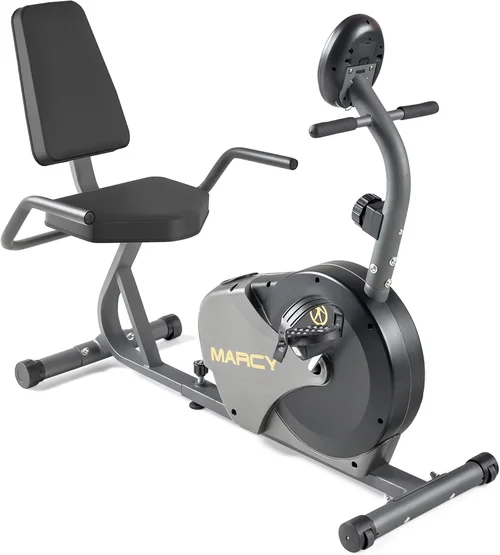
Finding the right bicycle as a 300-pound rider isn’t just about comfort—it’s about safety, durability, and long-term enjoyment. Too many riders in this weight range end up with bikes that can’t handle the stress, leading to broken frames, snapped spokes, worn-out components, or even accidents. That’s why choosing a bike designed or specifically rated for heavier loads is absolutely essential. The good news? The market has evolved significantly in recent years. Manufacturers now offer a growing selection of robust, thoughtfully engineered bicycles built to support riders up to and beyond 300 pounds. Whether you’re looking to commute, explore trails, or simply enjoy weekend rides, there’s a reliable option out there—if you know what to look for.
This comprehensive buying guide is designed to cut through the confusion and help you make an informed decision. We’ll walk you through every critical factor—from frame strength and wheel durability to suspension systems and component quality—so you can confidently choose a bike that won’t let you down. You’ll learn how to avoid common pitfalls, understand pricing tiers, compare different bike types, and even discover expert tips for getting the best deal. By the end, you’ll have a clear roadmap to finding a bicycle that supports your weight, matches your riding goals, and delivers years of safe, enjoyable use.
The market for heavy-duty bicycles has expanded beyond niche specialty shops. Today, you’ll find capable options from reputable brands across multiple categories—including hybrid bikes, mountain bikes, electric bikes, and even some road-style models—specifically engineered for higher weight capacities. These aren’t just “bigger” versions of standard bikes; they feature reinforced frames, wider tires, stronger wheels, upgraded drivetrains, and enhanced braking systems. With the right knowledge, you can find a bike that not only meets your physical needs but also fits your lifestyle, budget, and personal preferences.

What to Look for When Buying a Bike for a 300lb Rider
1. Weight Capacity & Frame Strength
The single most important factor when shopping for a bike as a 300-pound rider is the manufacturer’s stated weight capacity. Never assume a bike can handle your weight just because it looks sturdy. Always check the official specs—look for a minimum rating of 300 lbs, though 350–400 lbs is ideal for added safety margin. The frame material and construction are equally critical. Steel frames (especially chromoly) are traditionally favored for their strength and shock absorption, while high-quality aluminum alloys like 6061 or 7005 offer a good balance of strength and lighter weight. Avoid cheap, thin-walled aluminum or carbon fiber frames unless explicitly rated for heavy riders—they may fail under sustained load.
2. Wheel Size & Spoke Count
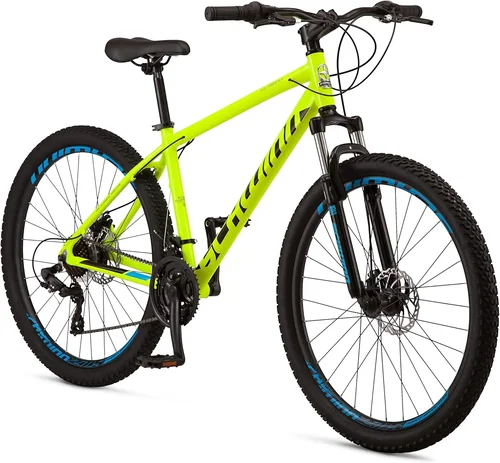
Wheels take the brunt of your weight, especially during bumps, starts, and stops. Standard 26-inch or 700c wheels with 24–32 spokes are often insufficient for 300+ lb riders. Opt for wheels with at least 36 spokes—preferably 40 or more—and double- or triple-walled rims for added rigidity. Wider tires (2.0 inches or more) also help distribute weight better and improve traction. Consider 29-inch wheels for mountain or hybrid bikes; their larger diameter rolls over obstacles more easily and maintains momentum better under heavy loads. Avoid ultra-lightweight racing wheels—they’re designed for speed, not strength.
3. Tire Type & Width
Tire width directly impacts comfort, stability, and load-bearing ability. For a 300-pound rider, aim for tires no narrower than 2.0 inches. Wider tires (2.3” to 2.8”) provide better cushioning, reduce pinch flats, and increase grip—especially on uneven terrain. Knobby tires are great for off-road use, while semi-slick or commuter treads work well on pavement. Tubeless setups can reduce puncture risk, but ensure the rims and tires are rated for your weight. Avoid thin, high-pressure road tires—they offer little forgiveness and can blow out under heavy loads.
4. Suspension System (Front or Full)
Suspension absorbs shock and reduces strain on your joints and the bike itself. For heavier riders, a quality front suspension fork is highly recommended—even on hybrid or city bikes. Look for forks with adjustable preload and rebound damping, and ensure they’re rated for your weight. Full-suspension mountain bikes offer even more comfort on rough trails but add complexity and cost. If you’re riding mostly on smooth roads, a rigid fork with a suspension seatpost or cushioned saddle may suffice. Avoid cheap, low-end suspension forks—they often bottom out or fail prematurely under heavy use.
5. Braking Performance
Stopping power is non-negotiable. At 300+ lbs, you generate significantly more kinetic energy, so brakes must be robust and reliable. Disc brakes—especially hydraulic disc brakes—are far superior to rim brakes for heavy riders. They offer consistent performance in wet or muddy conditions and don’t wear down rims. Mechanical (cable-actuated) disc brakes are acceptable but require more hand force. Avoid V-brakes or caliper brakes unless explicitly rated for high weight—they can overheat or lose effectiveness during long descents. Always test braking feel before buying if possible.
6. Drivetrain & Gearing
A strong, well-maintained drivetrain ensures smooth shifting and reduces the risk of chain or cassette failure. Look for bikes with reputable components from Shimano, SRAM, or Microshift—avoid no-name or ultra-budget groupsets. A wide-range cassette (e.g., 11-42T or 11-46T) gives you low gears for climbing hills without straining the chain. For electric bikes, mid-drive motors (like Bosch or Bafang) are generally more durable and efficient than hub motors under heavy loads. Ensure the chain is thick and rated for higher tension—some manufacturers offer “heavy-duty” chains for this purpose.
7. Saddle & Seatpost Comfort
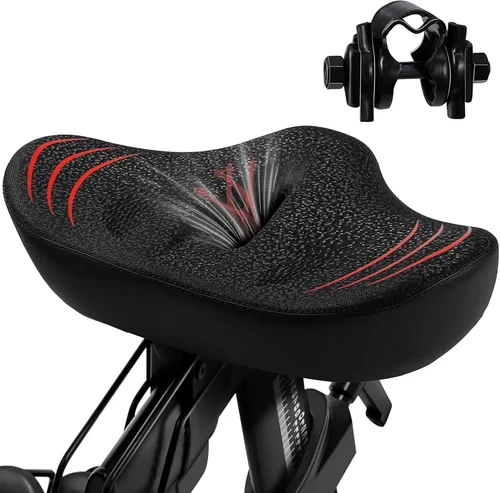
Your backside will thank you for investing in a quality saddle. Standard bike saddles are often too narrow and firm for heavier riders. Look for wide, well-padded saddles with cutouts to relieve pressure. Gel inserts or memory foam can enhance comfort, but avoid overly soft saddles—they can cause numbness over time. A suspension seatpost (like those from Suntour or Thudbuster) adds another layer of cushioning and is highly recommended for long rides. Ensure the seatpost diameter matches your frame and is securely clamped to prevent slippage.
8. Brand Reputation & Warranty
Not all brands prioritize heavy-duty construction. Stick with companies known for durability and customer support—such as Trek, Specialized, Giant, Rad Power Bikes, or Marin. Read user reviews from riders in your weight range; they often reveal real-world performance issues that specs don’t show. A strong warranty (at least 2 years on frame, 1 year on components) is a sign the manufacturer stands behind their product. Avoid unknown brands selling “300lb capacity” bikes on Amazon without verifiable testing or support infrastructure.
Different Types of Bikes for 300lb Riders

Common Buying Mistakes to Avoid
❌ Mistake: Ignoring the Weight Rating
Why it’s bad: Buying a bike rated for 250 lbs when you weigh 300 lbs puts immense stress on the frame, wheels, and components. This can lead to catastrophic failure—like a snapped chainstay or collapsed rim—during normal use.
What to do instead: Always verify the manufacturer’s maximum rider weight. If it’s not listed, contact customer service. Choose bikes rated for at least 350 lbs for a safety buffer.
❌ Mistake: Choosing Based on Looks Alone
Why it’s bad: A sleek, lightweight bike may look appealing, but aesthetics don’t equal strength. Many stylish bikes sacrifice durability for form.
What to do instead: Prioritize function over fashion. Look for reinforced frames, thick tubing, and practical features like rack mounts or fender eyes.
❌ Mistake: Overlooking Wheel and Spoke Quality
Why it’s bad: Thin rims and low spoke counts are common failure points for heavy riders. Broken spokes or bent rims can leave you stranded.
What to do instead: Inspect wheel build quality. Ask about spoke tension and rim material. Consider upgrading to hand-built wheels if needed.
❌ Mistake: Skimping on Suspension
Why it’s bad: Riding without adequate suspension increases impact forces on your body and the bike, leading to fatigue, joint pain, and premature wear.
What to do instead: Invest in a bike with at least front suspension. For rough terrain, consider full suspension or add a suspension seatpost.
❌ Mistake: Buying Online Without Testing
Why it’s bad: Fit and comfort are highly personal. A bike that looks perfect online might feel awkward or unstable in person.
What to do instead: Test ride whenever possible. If buying online, choose retailers with generous return policies (30+ days) and free shipping both ways.
❌ Mistake: Neglecting Maintenance Needs
Why it’s bad: Heavy riders accelerate wear on chains, brakes, and tires. Ignoring maintenance leads to poor performance and safety risks.
What to do instead: Learn basic upkeep or budget for regular tune-ups. Check tire pressure, brake pads, and chain wear monthly.
❌ Mistake: Assuming All E-Bikes Are Equal
Why it’s bad: Some e-bikes use weak hub motors or undersized batteries that struggle under heavy loads, reducing range and power.
What to do instead: Choose e-bikes with mid-drive motors and high-capacity batteries (500Wh+). Verify the motor is rated for continuous use at your weight.
Budget Guidelines: How Much Should You Spend?
Investing in a quality bike is investing in your health, safety, and enjoyment. Here’s what to expect at different price points:
Entry-Level ($400–$700): You’ll find basic hybrid or cruiser bikes with decent weight ratings (300–350 lbs). These often use steel frames and simple components. Expect limited suspension, mechanical disc brakes, and minimal warranty support. Best for casual, short-distance riders on flat terrain. Examples include the Schwinn GTX Comfort or sixthreezero Around the Block.
Mid-Range ($700–$1,500): This is the sweet spot for most 300lb riders. Bikes in this range feature stronger aluminum frames, hydraulic disc brakes, quality suspension forks, and reliable drivetrains. Many include extras like puncture-resistant tires, ergonomic saddles, and rack mounts. Brands like Trek (DualSport series), Giant (ATX), and Rad Power Bikes offer excellent options here.
Premium ($1,500–$2,500): Designed for serious riders who want performance and longevity. Expect top-tier components (Shimano Deore/SLX, SRAM NX), full suspension (on MTBs), high-capacity e-bike systems, and advanced frame engineering. These bikes often come with extended warranties and professional assembly. Ideal for trail riding, long commutes, or fitness goals.
Luxury ($2,500+): Top-of-the-line models with custom builds, carbon-reinforced frames (where appropriate), premium e-bike motors (Bosch Performance Line CX), and bespoke fitting. These are for enthusiasts or those who ride daily and demand the absolute best in comfort, efficiency, and durability. While not necessary for everyone, they offer unmatched refinement and reliability.
Expert Tips for Getting the Best Deal
- Shop During Off-Seasons: Late fall and winter are ideal times to buy. Retailers discount current-year models to clear inventory. You can save 15–30% on last season’s bikes.
- Consider Certified Pre-Owned: Many bike shops sell refurbished models with warranties. These are often high-end bikes at mid-range prices—just ensure they’re inspected and rated for your weight.
- Negotiate Accessories: When buying new, ask for free add-ons like fenders, racks, or upgraded pedals. Shops often include these to close a sale.
- Check Manufacturer Rebates: Brands like Trek and Specialized occasionally offer cash rebates or financing deals—especially on e-bikes.
- Use Local Bike Shops (LBS): They offer expert advice, free adjustments, and often price-match online retailers. Supporting them builds a relationship for future service.
- Read Real User Reviews: Look for reviews from riders over 250 lbs. Sites like BikeRadar, REI, or even YouTube unboxings can reveal hidden strengths or flaws.
- Inspect Before You Ride: Even new bikes can have shipping damage. Check spokes, brakes, and frame alignment before your first ride.
- Ask About Weight-Specific Upgrades: Some shops offer reinforced wheels or heavy-duty chains as add-ons—worth the extra $50–$100 for peace of mind.

Frequently Asked Questions
Q: Can I modify a regular bike to support 300 lbs?
A: While you can upgrade components like wheels, tires, and saddles, the frame itself is the limiting factor. If the frame isn’t designed for your weight, modifications won’t make it safe. It’s better to start with a bike built for heavy riders.
Q: Are electric bikes safer for heavy riders?
A: E-bikes can be safer because the motor reduces strain on your body and the bike during starts and climbs. However, only choose e-bikes with motors and batteries rated for your weight—cheap models may overheat or fail.
Q: How often should I maintain my bike as a heavy rider?
A: Inspect your bike monthly: check tire pressure, brake function, chain wear, and spoke tension. Get a professional tune-up every 6–12 months, or sooner if you ride frequently.
Q: What’s the difference between a 300lb and 400lb weight rating?
A: A higher rating means the bike underwent more rigorous testing and uses stronger materials. A 400lb-rated bike will generally last longer and feel more stable under a 300lb rider.
Q: Can I ride a road bike if I weigh 300 lbs?
A: Most traditional road bikes aren’t suitable due to narrow tires, lightweight frames, and low spoke counts. However, some endurance or gravel bikes (like the Specialized Diverge) are rated for 300+ lbs and offer a smoother ride.
Q: Do I need a custom bike?
A: Not necessarily. Many production bikes now meet the needs of heavy riders. Custom builds are only needed for unique fit requirements or extreme terrain.
Q: How do I know if a bike fits me?
A: Stand over the top tube—there should be 1–2 inches of clearance. Your knees shouldn’t hit the handlebars, and you should be able to reach the brakes comfortably. A professional bike fit is recommended for optimal comfort.
Q: Are fat tire bikes overkill for city riding?
A: They’re heavier and slower on pavement, but their stability and comfort can be worth it if you ride on rough roads or encounter debris. For pure city use, a hybrid with wide tires is usually better.
Q: What if my bike breaks under warranty?
A: Contact the manufacturer immediately. Most reputable brands will repair or replace defective parts. Keep all receipts and document the issue with photos.
Q: Can I lose weight by riding a bike?
A: Absolutely! Cycling is a low-impact, effective way to burn calories and improve cardiovascular health. Start slow—10–15 minutes daily—and gradually increase duration and intensity.
Our Final Recommendations
Best for Budget-Conscious Buyers: Schwinn GTX Comfort Dual Suspension Bike – Rated for 300 lbs, steel frame, front and rear suspension, and mechanical disc brakes. Great for casual riders under $600.
Best Overall Value: Rad Power Bikes RadCity 5 Plus – A premium e-bike with a 400 lb capacity, 750W motor, 60+ mile range, hydraulic brakes, and integrated lights. Priced around $1,799, it’s a game-changer for commuting and recreation.
Best Premium Option: Trek DualSport+ 2 – A high-end electric hybrid with a 300 lb rating, Bosch Active Line motor, full suspension, and top-tier components. Ideal for serious riders who want performance and reliability ($2,800).
Best for Beginners: sixthreezero EVRYjourney Women’s or Men’s Cruiser – Comfort-focused, step-through design, 300 lb capacity, and relaxed geometry. Perfect for short, scenic rides ($550–$700).
Best for Advanced Users / Trail Riding: Giant Talon 29 2 – A hardtail mountain bike with a 350 lb capacity, 29-inch wheels, hydraulic disc brakes, and a Shimano Deore drivetrain. Built for rugged terrain and long adventures ($1,100).
Conclusion: Making the Right Choice
Choosing the right bicycle as a 300-pound rider is about more than just finding something that “holds you.” It’s about finding a partner in your fitness journey—a machine that supports your body, inspires confidence, and opens up new possibilities. By prioritizing weight capacity, component quality, and real-world durability, you’ll avoid the frustration of premature failures and enjoy every mile.
Remember: the best bike isn’t necessarily the most expensive or the flashiest. It’s the one that fits your body, matches your riding style, and makes you eager to get outside. Take your time, do your research, test ride when possible, and don’t hesitate to ask questions. Your health, safety, and happiness are worth the effort.
Now that you’re armed with expert knowledge, it’s time to take action. Visit a local bike shop, explore online retailers with strong return policies, and start your search with confidence. The perfect ride is out there—and with the right bike beneath you, every journey becomes an adventure.